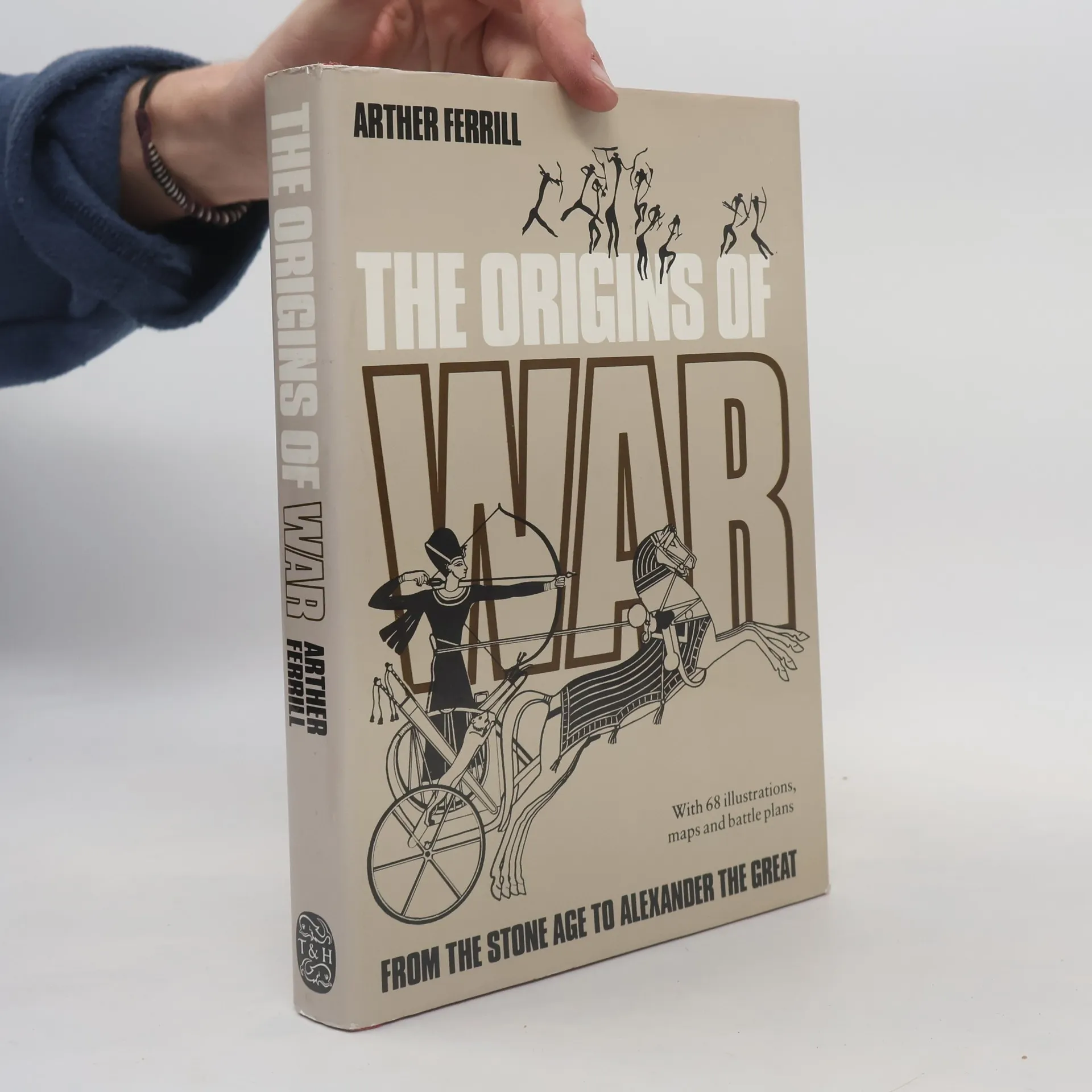
De oorsprong van oorlog
van het stenen tijdperk tot en met Alexander de Grote
- 297 stránek
- 11 hodin čtení
Historische schets van de oorsprong van de oorlogvoering in de prehistorie tot en met de vierde eeuw voor Christus.



van het stenen tijdperk tot en met Alexander de Grote
Historische schets van de oorsprong van de oorlogvoering in de prehistorie tot en met de vierde eeuw voor Christus.
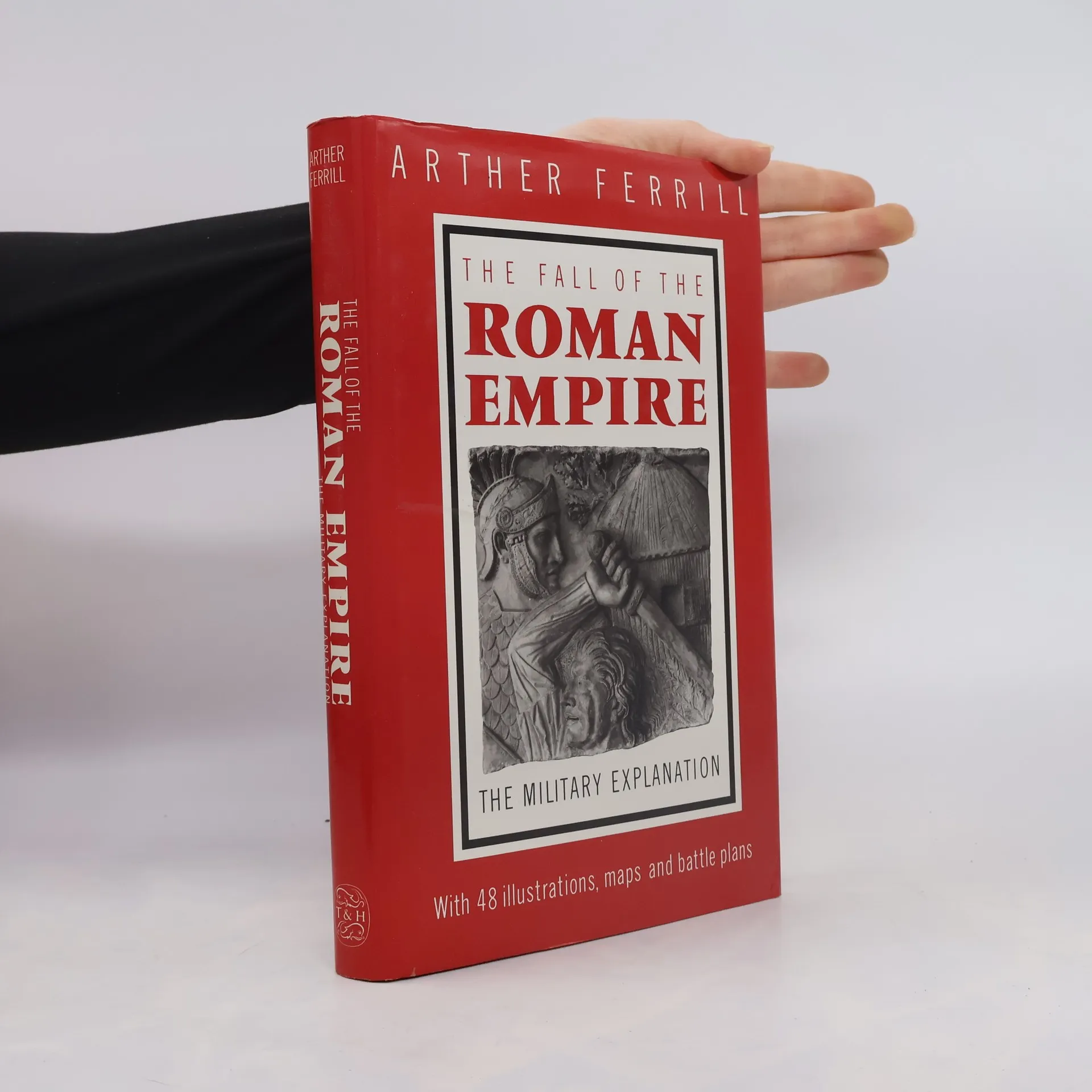
What caused the fall of Rome? Since Gibbon's day scholars have hotly debated the question & come up with the answers ranging from blood poisoning to immorality. In recent years, however, the most likely explanation has been neglected: wasn't it above all else a military collapse? Prof. Ferrill believes it was, & puts forth his case in this provocative book. Preface The decline & fall of Rome The grand strategy of the Roman empire Crises on the frontiers in the 4th century Theodosius the great AD 378-395 The turning point: AD 406-410 The grand strategy of the western Roman empire in the early 5th century Aetius, the vandals & the Huns The fall of Rome Table of Emperors Notes Select Bibliography Illustration Credits Index
When did war begin? Archaeologists and historians have often overlooked the early history of organized warfare, typically starting their accounts with the Graeco-Persian wars and focusing on Greek heavy infantry. This original and engaging work reveals that the origins of war trace back nearly 10,000 years to the advent of settled life. The military revolution of that era introduced new weapons, massive fortifications, and the development of strategy and tactics, leading to the formidable war machines of ancient Egypt, Assyria, and Persia, which dominated the Near East until Alexander the Great. The author argues that before Alexander, two distinct military developments emerged: one in the Near East, integrating cavalry, skirmishers, and light infantry, and another in Greece, centered on heavy infantry. The fusion of these traditions in Philip and Alexander's Macedonian army produced a warfare style that persisted, despite technological advancements, until Napoleon. To illustrate this, the author reimagines the Battle of Waterloo with Alexander in Napoleon's role, suggesting it would have been a "near-run thing." The book includes a detailed, illustrated account of major battles, analyses of weapons from the sling to the catapult, and discussions on ancient strategy and tactics, making it a compelling read for history enthusiasts.