Gun Island
- 313 stránek
- 11 hodin čtení
A spellbinding, globe-trotting novel by the bestselling author of the Ibis trilogy


A spellbinding, globe-trotting novel by the bestselling author of the Ibis trilogy
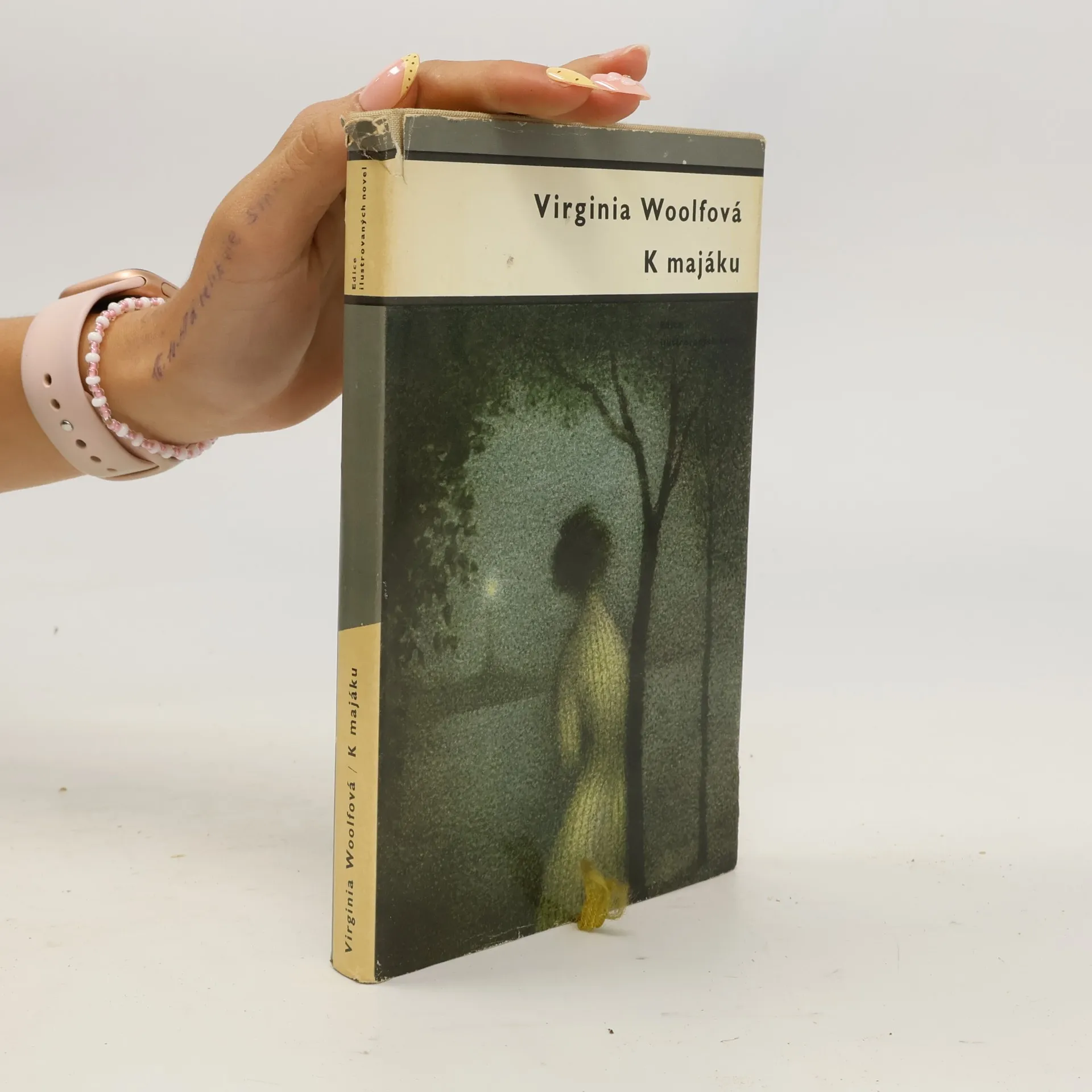
Román anglické spisovatelky, která patří k čelným představitelům moderní světové prózy první poloviny 20. století. Mistrně zachycuje vnitřní monology jednotlivých osob, nesdělitelnost jejich prožitků a úsilí, ztvárnit prchavé okamžiky života ať uměleckým dílem, ať činorodou účastí na životě všech. Rámec děje tohoto nejvyzrálejšího autorčina díla tvoří prázdninový pobyt rodiny londýnského profesora a jeho četných přátel ve starém domě u moře. Doslov František Vrba.
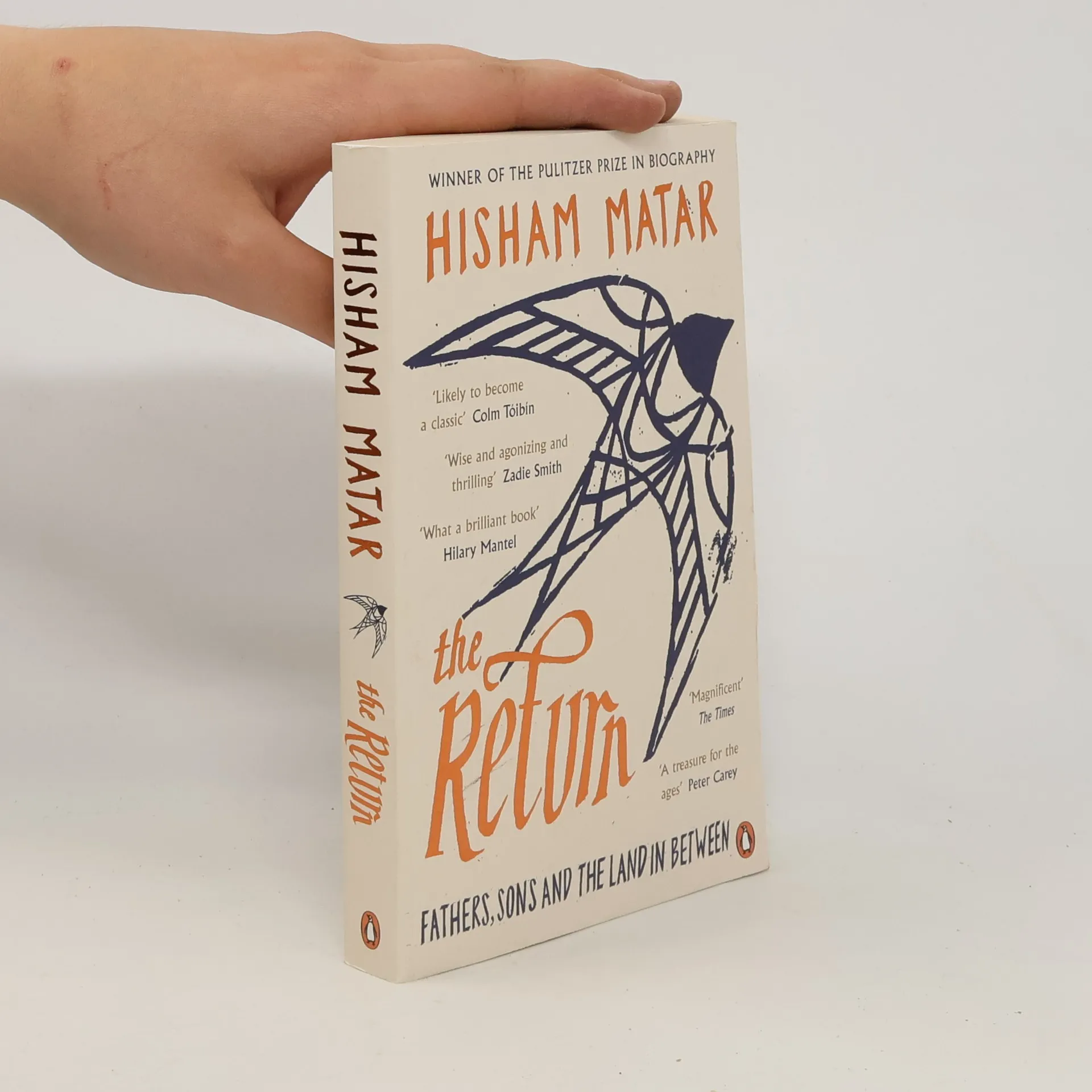
SHORTLISTED FOR THE BAILLIE GIFFORD PRIZE FOR NON-FICTION SHORTLISTED FOR THE COSTA BIOGRAPHY AWARD SHORTLISTED FOR THE NATIONAL BOOK CRITICS CIRCLE AWARD FOR AUTOBIOGRAPHY WINNER OF THE SLIGHTLY FOXED BEST FIRST BIOGRAPHY PRIZE ONE OF THE NEW YORK TIMES' TOP 10 BOOKS OF 2016 The Return is at once a universal and an intensely personal tale. It is an exquisite meditation on how history and politics can bear down on an individual life. And yet Hisham Matar's memoir isn't just about the burden of the past, but the consolation of love, literature and art. It is the story of what it is to be human. Hisham Matar was nineteen when his father was kidnapped and taken to prison in Libya. He would never see him again. Twenty-two years later, the fall of Gaddafi meant he was finally able to return to his homeland. In this moving memoir, the author takes us on an illuminating journey, both physical and psychological; a journey to find his father and rediscover his country.
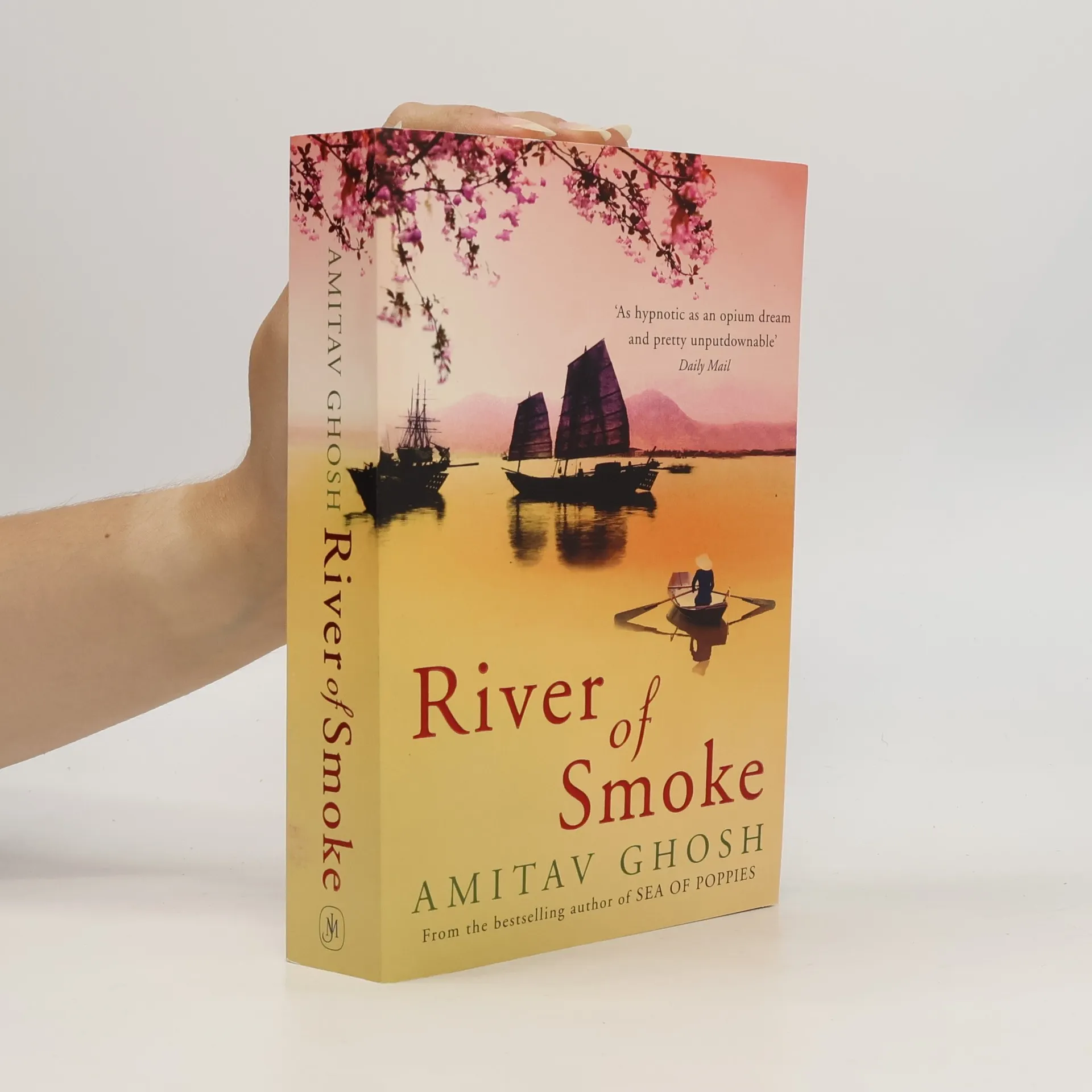
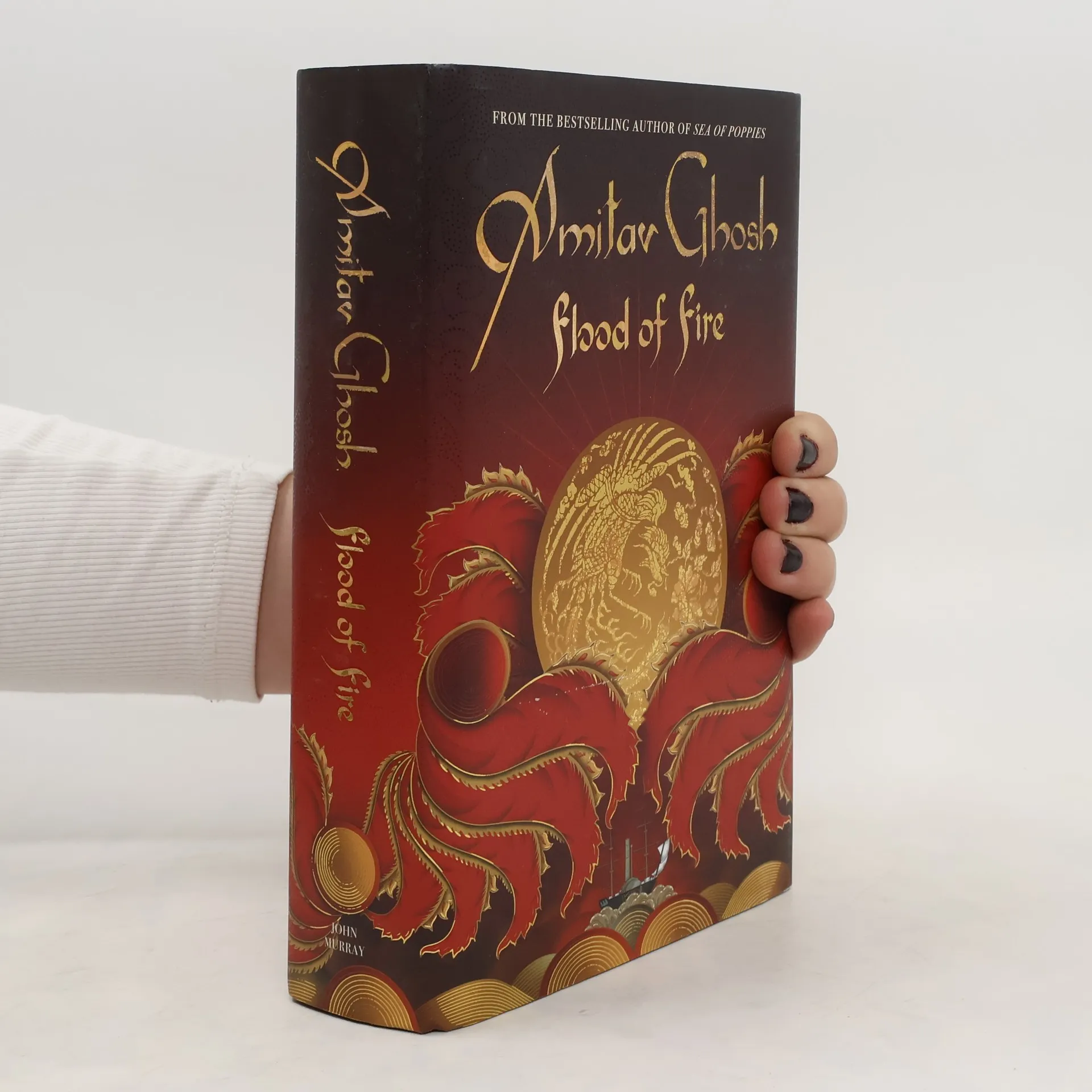
It is 1839 and tension has been rapidly mounting between China and British India following the crackdown on opium smuggling by Beijing. With no resolution in sight, the colonial government declares war.One of the vessels requisitioned for the attack, the Hind, travels eastwards from Bengal to China, sailing into the midst of the First Opium War. The turbulent voyage brings together a diverse group of travellers, each with their own agenda to pursue. Among them is Kesri Singh, a sepoy in the East India Company who leads a company of Indian sepoys; Zachary Reid, an impoverished young sailor searching for his lost love, and Shireen Modi, a determined widow en route to China to reclaim her opium-trader husband's wealth and reputation. Flood of Fire follows a varied cast of characters from India to China, through the outbreak of the First Opium War and China's devastating defeat, to Britain's seizure of Hong Kong.
The sequel to the bestselling, Booker-shortlisted, Sea of Poppies.
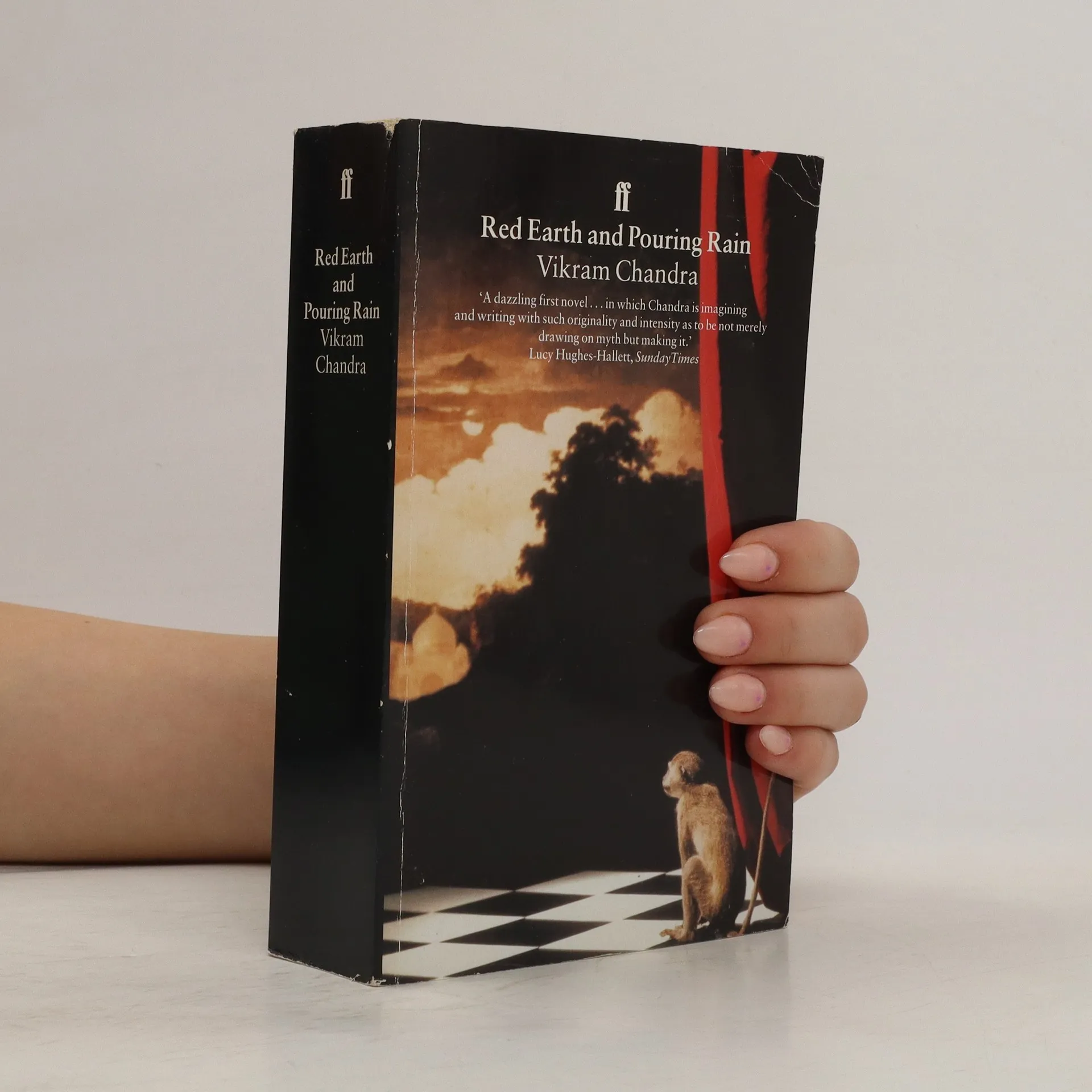
The gods of poetry and death descend on a house in India to vie for the soul of a wounded monkey. A bargain is struck: the monkey must tell a story, and if he can keep his audience entertained, he shall live. The result is Red Earth and Pouring Rain, Vikram Chandra's astonishing, vibrant novel. Interweaving tales of nineteenth-century India with modern America, it stands in the tradition of The Thousand and One Nights, a work of vivid imagination and a celebration of the power of storytelling itself. 'A dazzling first novel written with such originality and intensity as to be not merely drawing on myth but making it.' Sunday Times
A classic of our time Untouched by the twentieth century, Thul, the small fishing village near Bombay, is still ruled by the age-old seasonal rhythms. Hari and Lila have lived in the village all their lives, but their family is now desperately down on its luck. Their father drinks; their mother is seriously ill; and there is no money to keep them fed and clothed. Delicately and exquisitely executed, Anita Desaiýs gentle and probing story traces the evolution of Hari and Lila into adults as each of them faces the familyýs predicamentýjust as the first signs of industrial India creep into their villages.
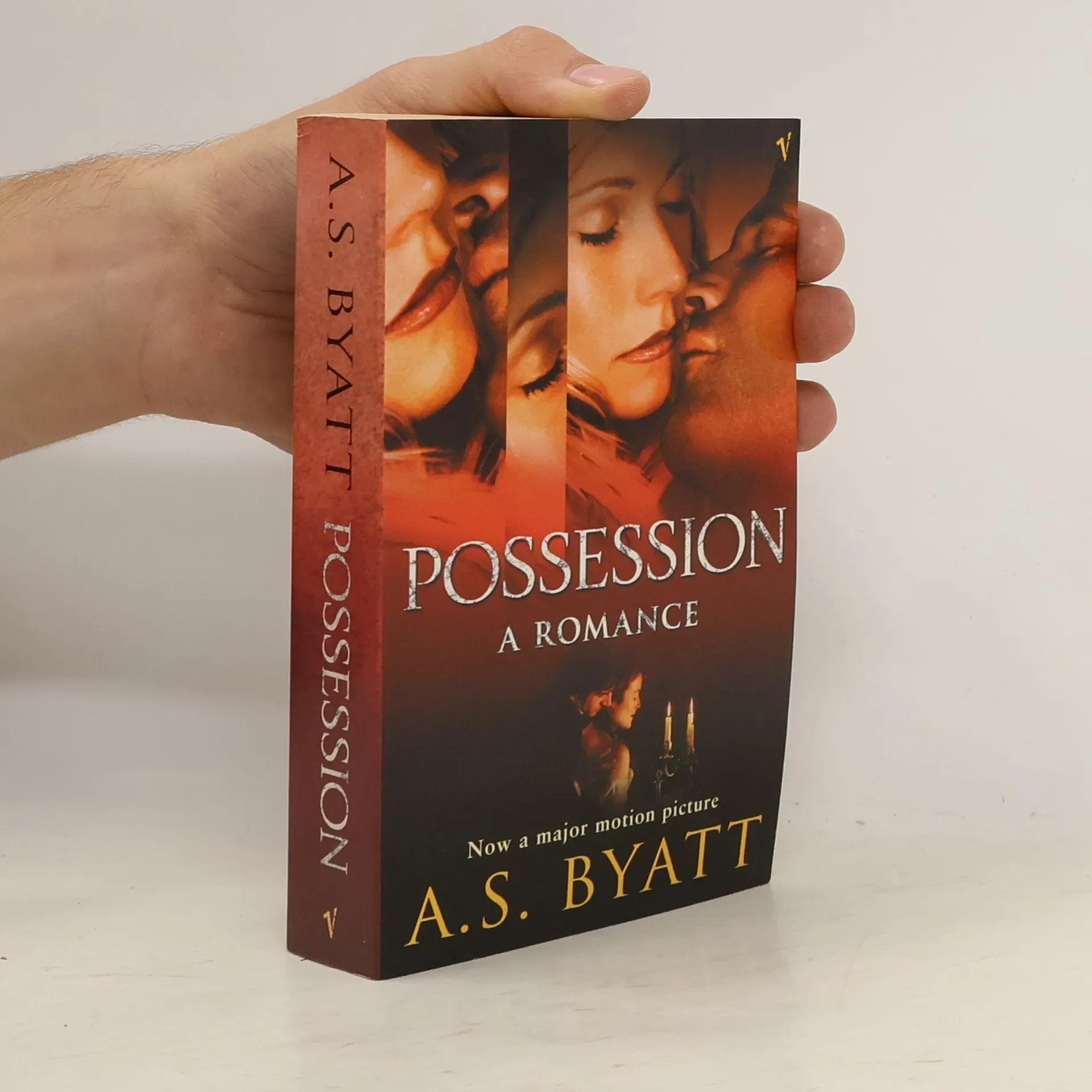
'Byatt has contrived a masterly ending to a fine work; intelligent, ingenious and humane, Possession bids fair to be looked back upon as one of the most memorable novels of the 1990s' Times Literary Supplement

