
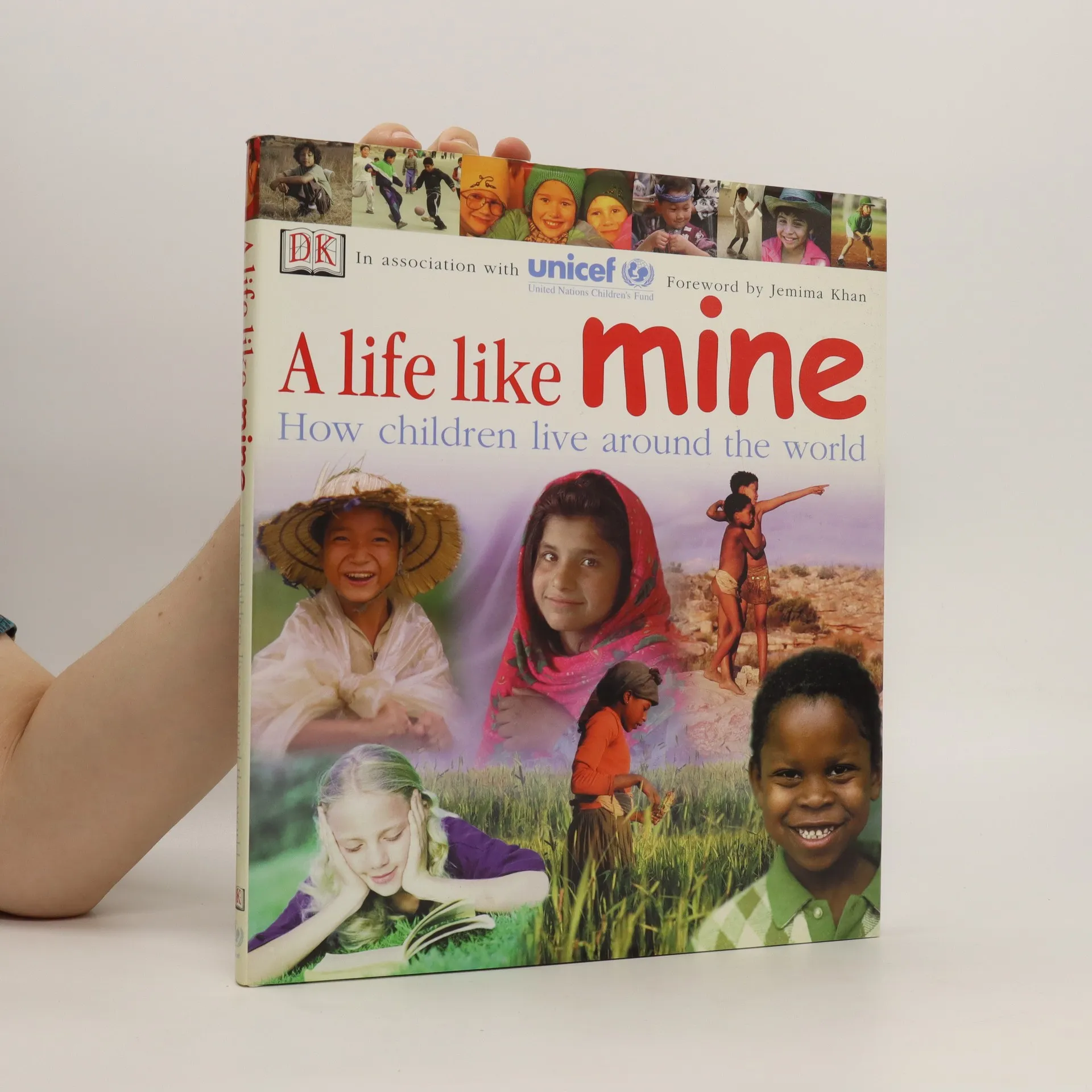

Explore schools around the world through the eyes of more than 40 students in Children Just Like Me: A School Like Mine.A refreshed edition of a DK classic, Children Just Like Me: A School Like Mine looks at different countries and cultures around the globe and reveals the lives of children as they learn at school. Broaden children's views of the world and learn about the daily lives of real students from places near and far, from Australia to South Korea. Where do children in Jordan learn? What subjects do they study in Egypt?Through the shared experiences of a school routine, Children Just Like Me: A School Like Mine highlights the differences and similarities between international schools, using school activities, classrooms, meals, and playtime in photographs and easy-to-understand text. From Africa to the Americas, students explain their daily routines in their own words and talk about what makes their schools special to them. Children can learn about their international peers through these engaging photographic stories of students.Children Just Like Me: A School Like Mine takes readers on an international trip to see how children around the world learn. Find out what makes school different in other countries, and learn what makes them just the same.
UNICEF Knihy


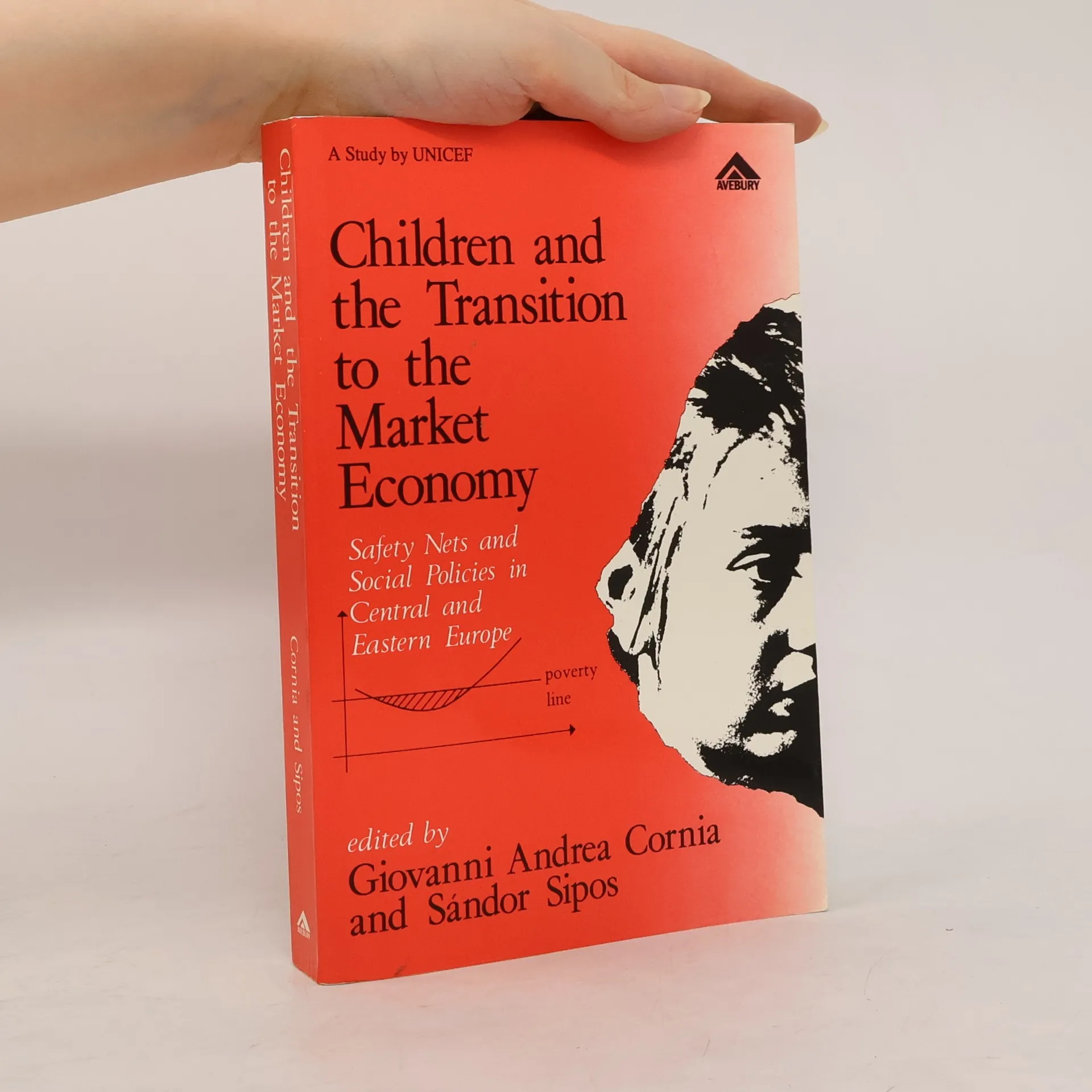
Children and the Transition to the Market Economy
Safety Nets and Social Policies in Central and Eastern Europe
- 251 stránek
- 9 hodin čtení
Organized in two parts, this book explores methods for incorporating concern for human needs into economic policies in eastern and central European countries that are making the transition to a market economy. Part I of the book considers economic reform, social policy, and child welfare in central and eastern Europe as a whole. Topics include: (1) child welfare, and social policy trends and alternatives, before and after the economic reform; (2) the efficiency, cost, and underlying philosophy of the models of social policy in the United States, Germany, and Sweden; and (3) the components and implementation of economic reforms and the consequences of these reforms for child and human welfare. Part II of the book profiles four case studies of efforts to reform social policies for children in central and eastern Europe. These studies include analyses of reforms in Hungary and Poland that have been underway for some time, and reforms in Bulgaria and Czechoslovakia that were introduced in 1991. A reference list of more than 200 items, an author index, and a subject index are provided. (BC)