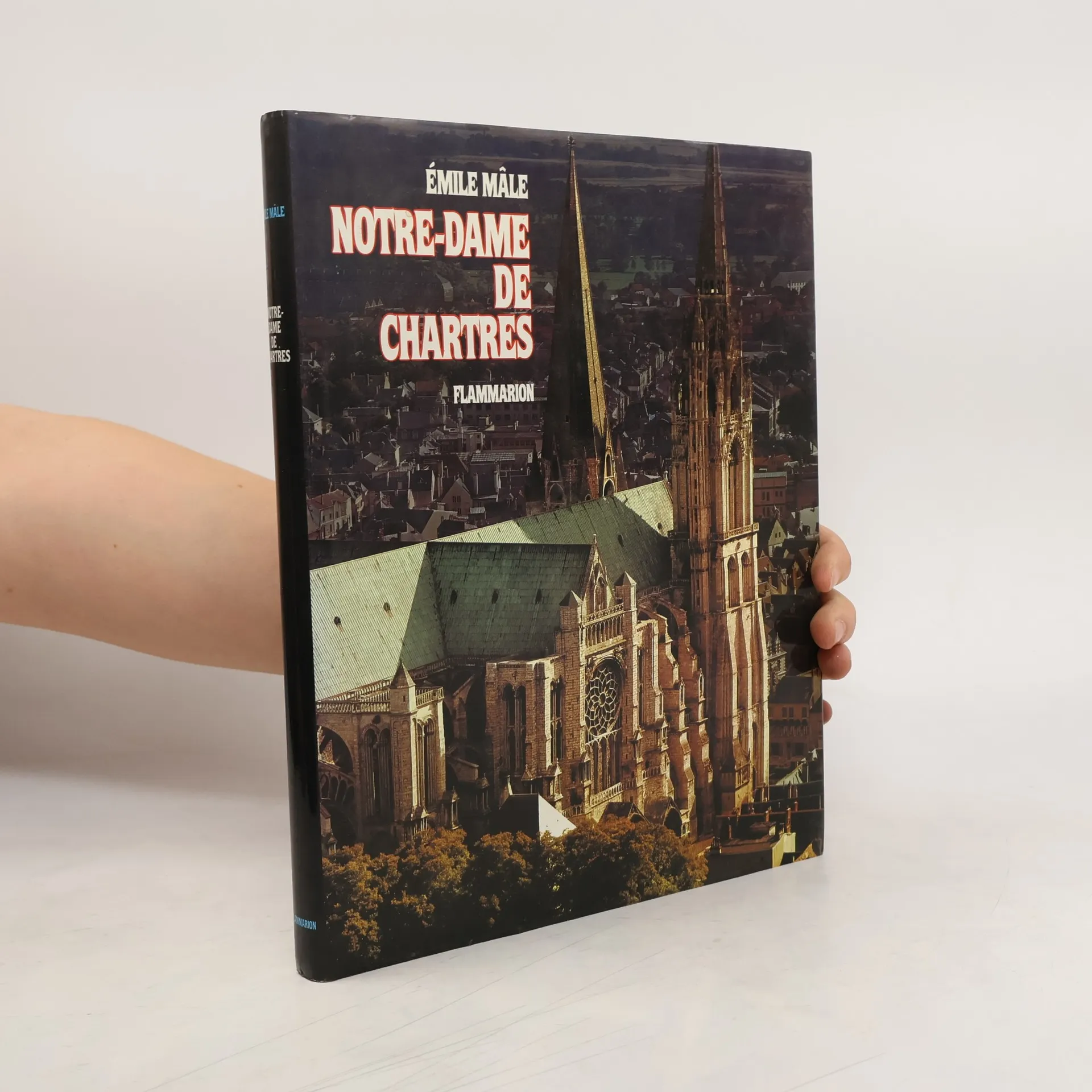
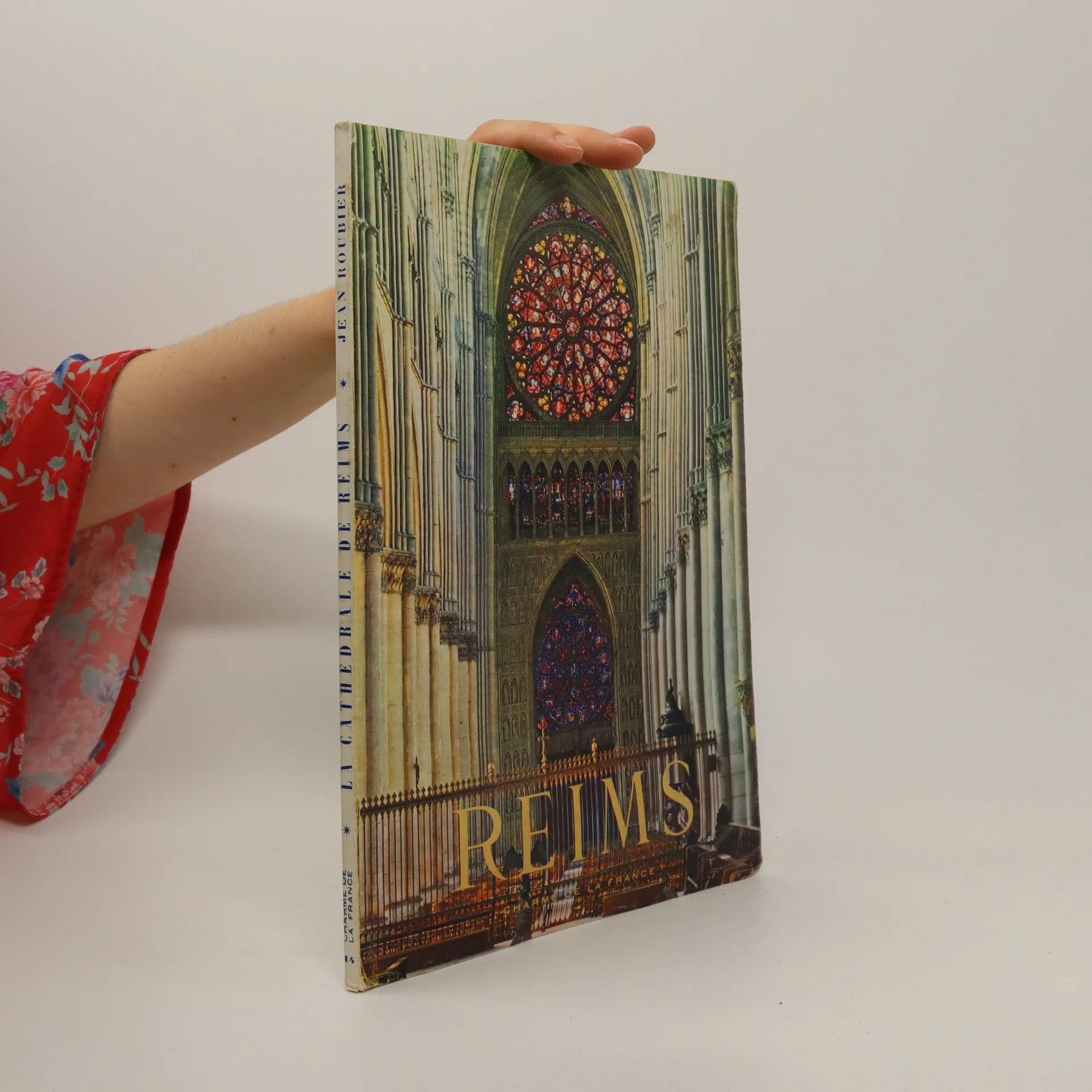
Émile Mâle Pořadí knih (chronologicky)
2. červen 1862 – 6. říjen 1954
Émile Mâle byl francouzský historik umění, který se zaměřil na studium středověkého, převážně sakrálního francouzského umění a vliv východoevropské ikonografie. Byl průkopníkem v propojování uměleckých forem a jejich širšího kulturního kontextu. Jeho práce odhaluje hluboké porozumění symbolice a duchovním proudům, které formovaly středověké umění. Mâleho vliv na pozdější generace historiků umění je nezanedbatelný.
![Religious art in France, 13 Century; a Study in Mediaeval Iconography and its Sources of Inspiration. Translated From the 3d ed. [rev. and enl.] by Do](https://rezised-images.knhbt.cz/1920x1920/0.webp)
This synthetic work addresses the evolution of Christian art, particularly focusing on the thirteenth century, a time when medieval thought was most vividly expressed in art. However, it acknowledges that this period did not originate all the artistic expressions it refined, inheriting numerous types, ideas, and dispositions from earlier centuries. The long development of Christian art presents a fascinating yet elusive subject for scholarly research. Tracing the representation of specific figures or scenes from the catacombs to cathedrals offers valuable insights. A chronological study of artistic types—from fifth-century mosaics to Byzantine miniatures, Carolingian ivories, Romanesque capitals, and thirteenth-century sculpture and glass—reveals significant stages in the evolution of Christian thought. For instance, early catacomb art refrains from depicting the crucified Christ, while Romanesque art portrays Him on a jeweled cross, crowned and triumphant. In contrast, thirteenth-century art, which is less doctrinal and more human, presents a crucified figure with closed eyes and a drooping form, appealing more to the heart than the intellect.
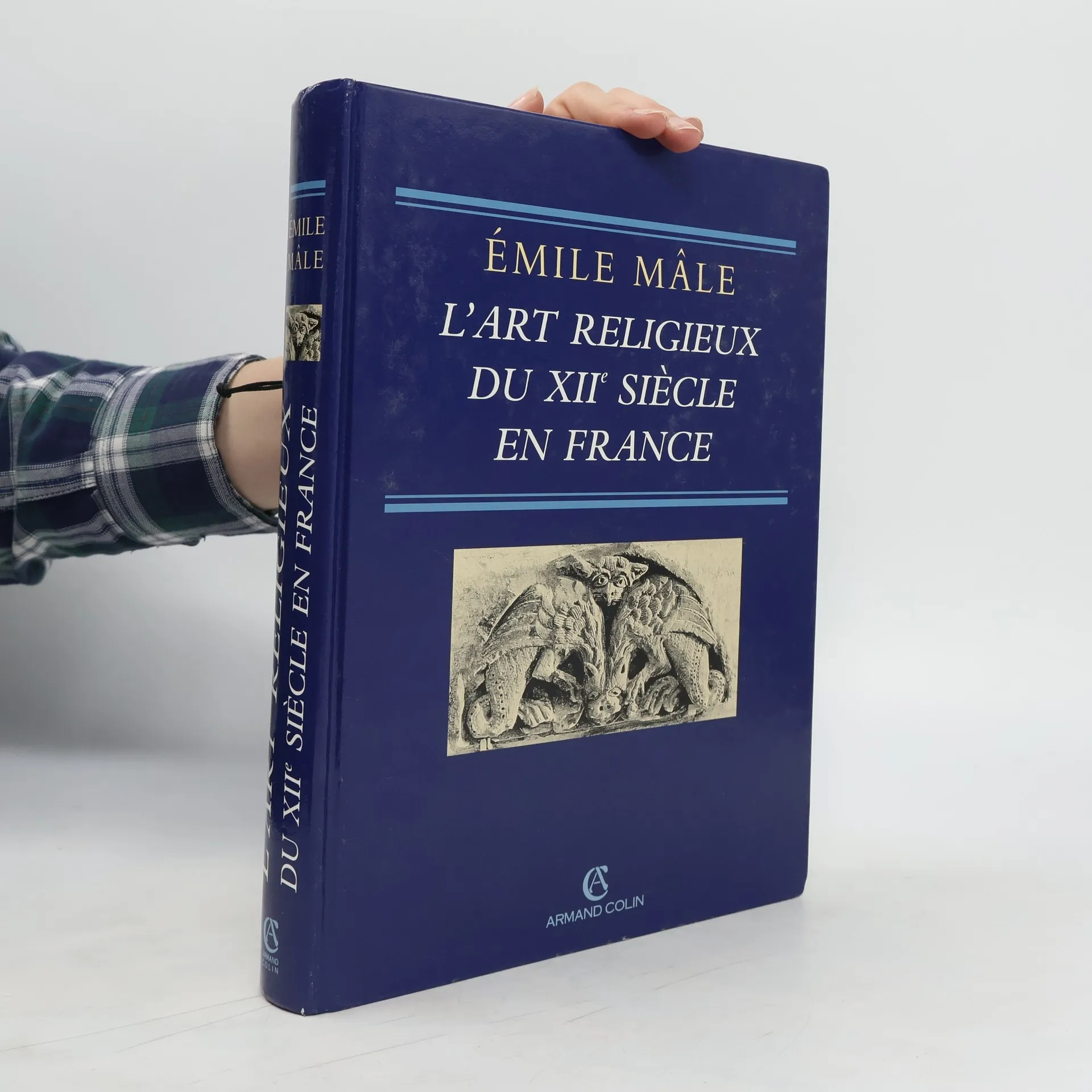
L'Art religieux du XIIe siècle en France
- 526 stránek
- 19 hodin čtení
" Emile Mâle appartient à ces grands historiens qui ont compris l'art comme une épopée humaine. Pendant dix ans il est allé à la rencontre de l'art comme l'explorateur part à la recherche de nouveaux sites. Il a arpenté la province française, les églises, les couvents, puisé dans le contact direct avec les œuvres pour nous offrir une vision synthétique des images médiévales dans une somme demeurée inégalée. " La Croix. L'art du XIIe siècle apparaît comme un art monastique, où la miniature a joué un grand rôle. Mais la liturgie, le culte des saints, les pèlerinages, la lutte contre les hérésies, la science et le rêve du moine ont laissé leurs empreintes sur l'iconographie. Le fond est resté oriental, mais s'est enrichi de créations nouvelles. Dès qu'il se crée, l'art du Moyen Age se montre façonné par la pensée, et on voit s'ébaucher ici la savante iconographie du siècle suivant, naître une étonnante sculpture monumentale, se préparer les grands ensembles du XIIIe siècle. Cet ouvrage reprend dans son intégralité le texte de la 7e édition de 1966. Les annexes ont été révisées et augmentées par Françoise Perrot, directeur de recherche au CNRS. Elles comprennent une bibliographie des ouvrages cités par Emile Mâle, un index des manuscrits, une orientation bibliographique, ainsi qu'un index général des noms de lieux qui actualisent ce texte fondamental.
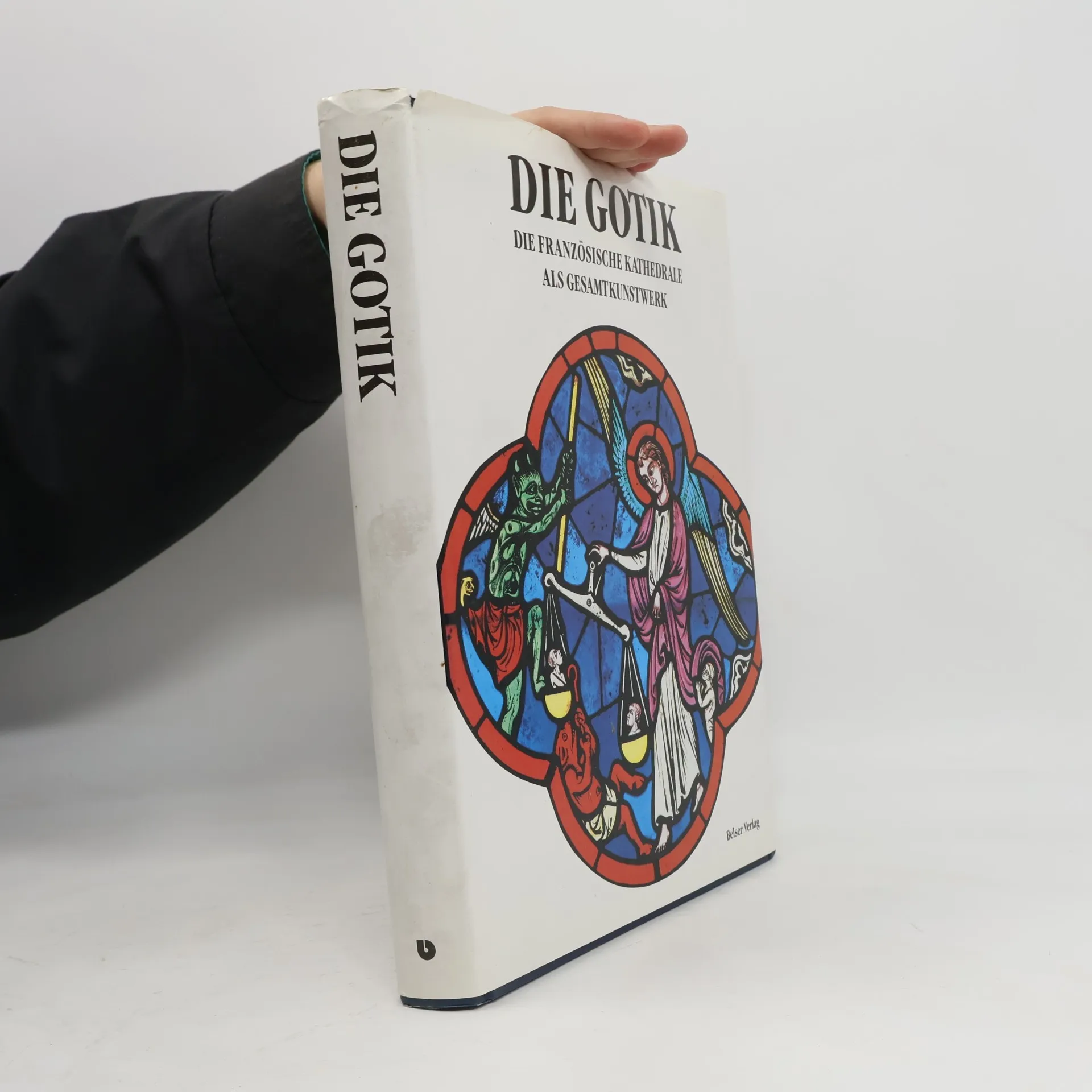
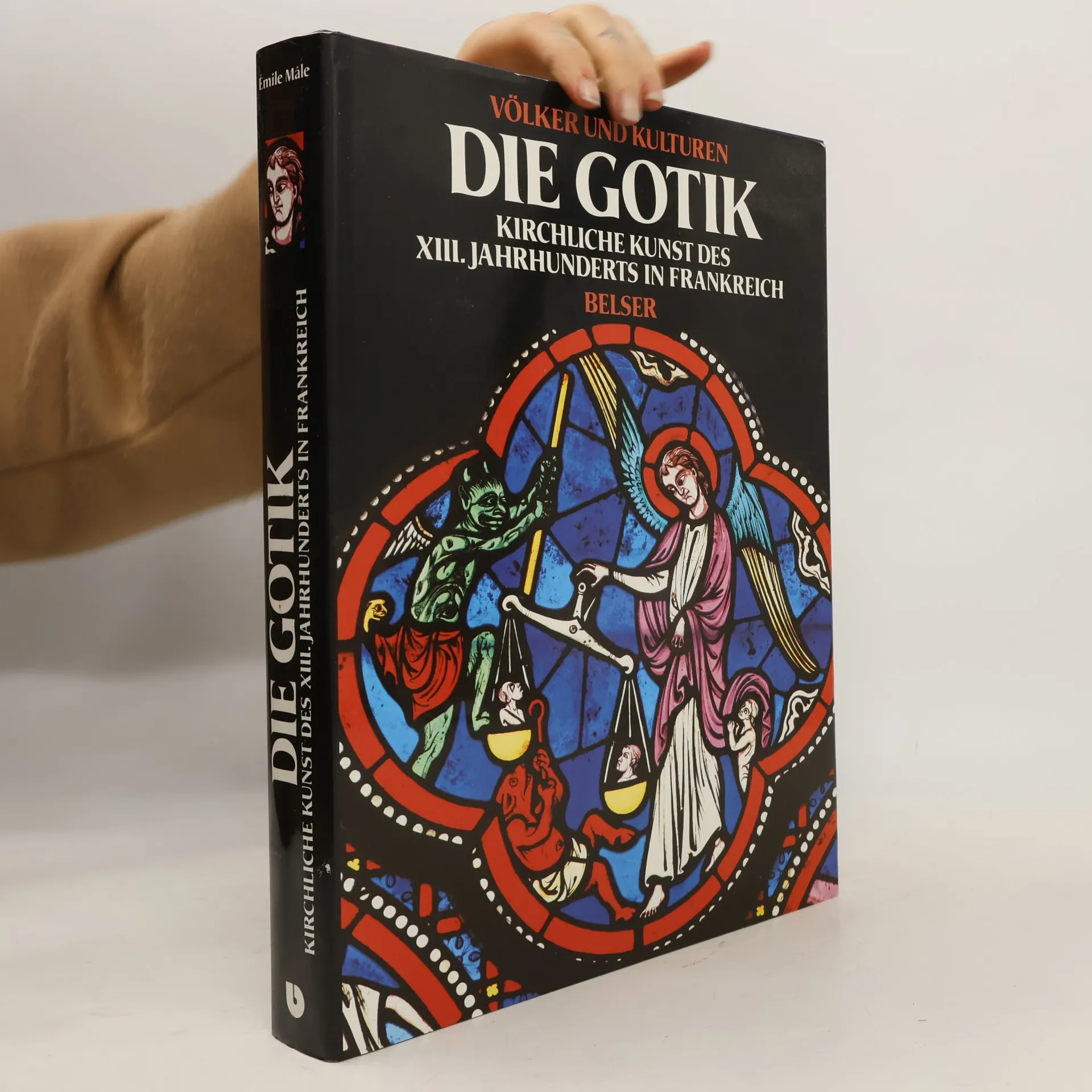
Die Gotik
- 407 stránek
- 15 hodin čtení
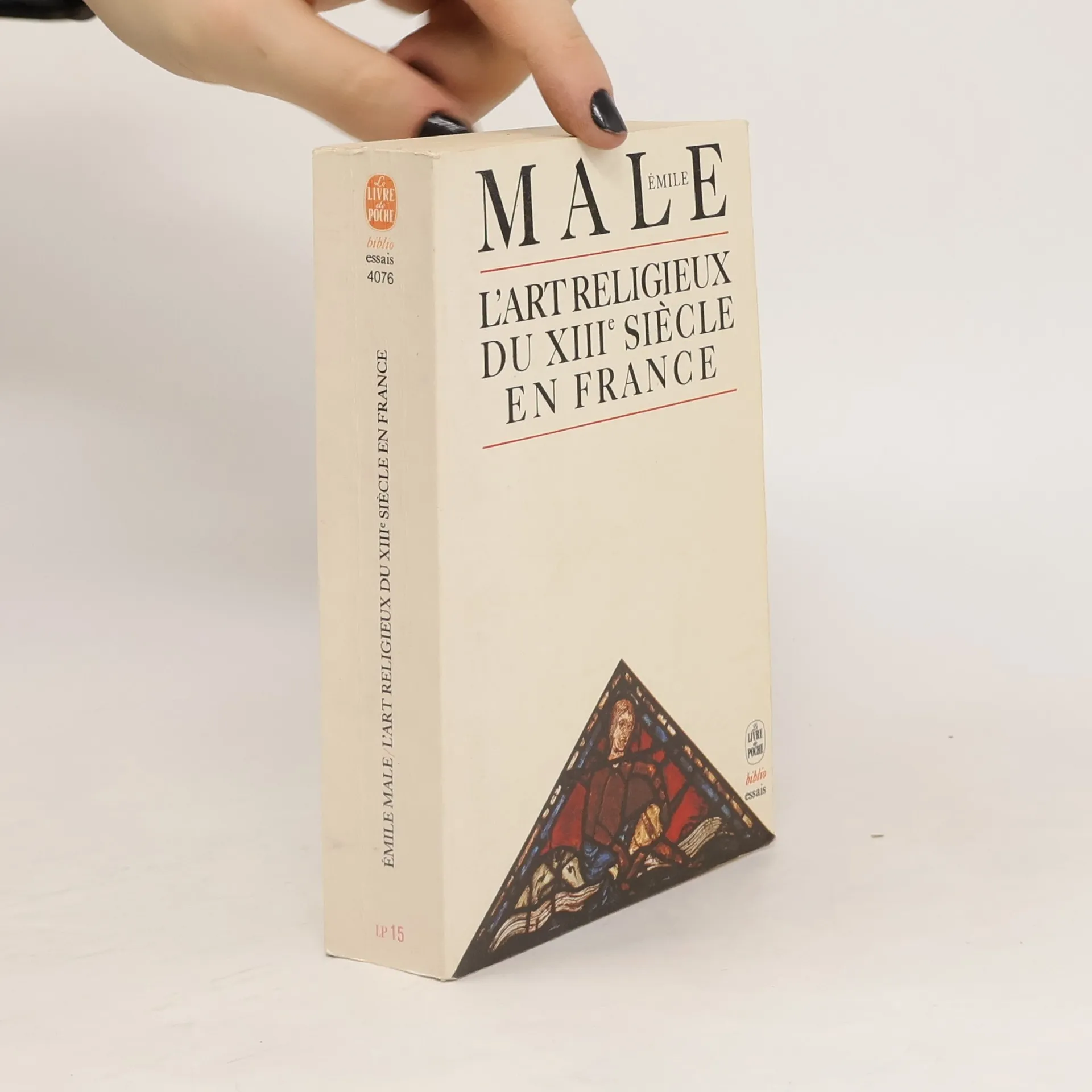
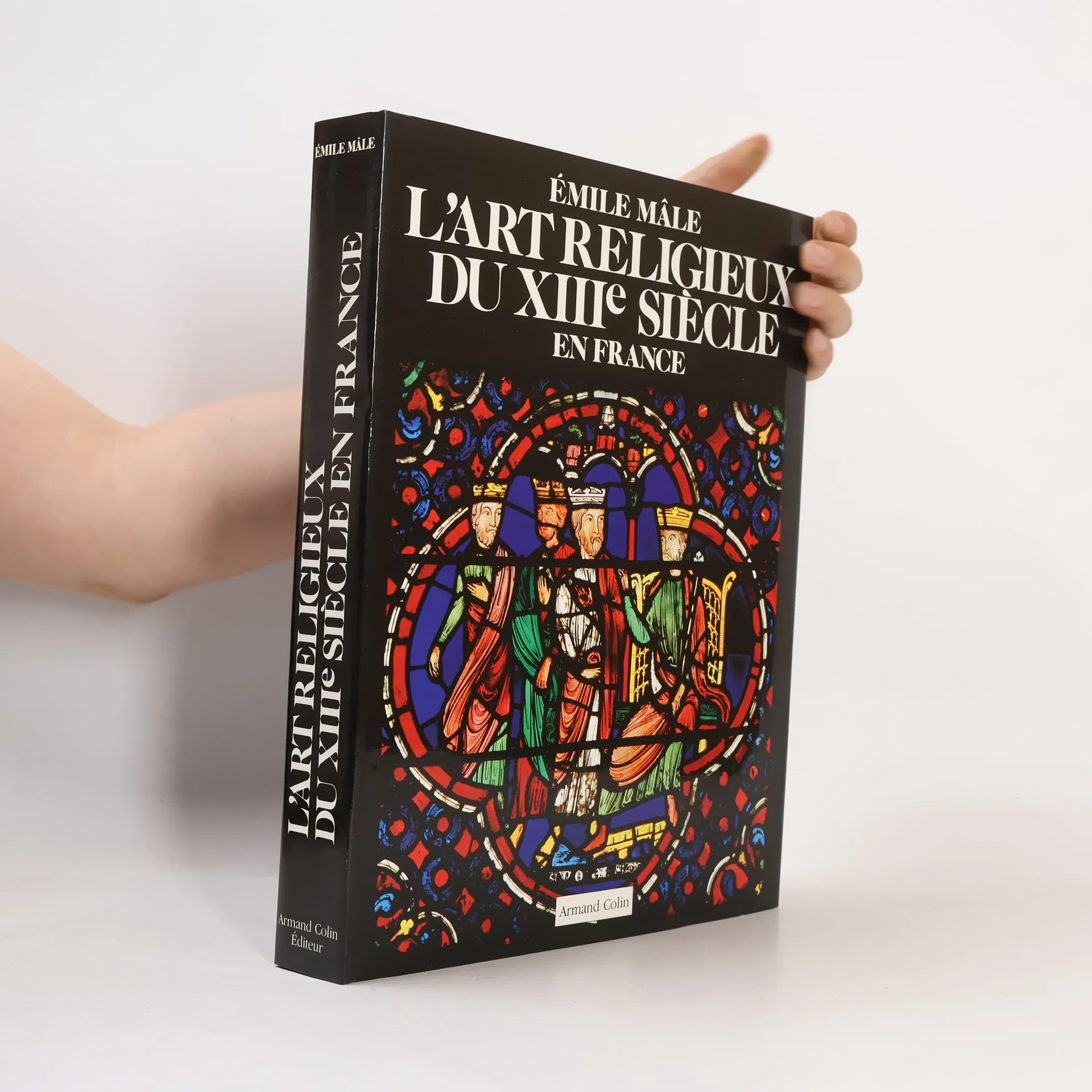
L'art religieux du XIIIe siècle en France
- 416 stránek
- 15 hodin čtení
Sous la conduite du meilleur cicérone et racontée dans une langue magique, l'histoire de cet édifice prestigieux à travers son plan, son élévation, l'immense décor sculpté des portails et des porches et l'exceptionnel ensemble que représentent ses cent soixante-treize vitraux.
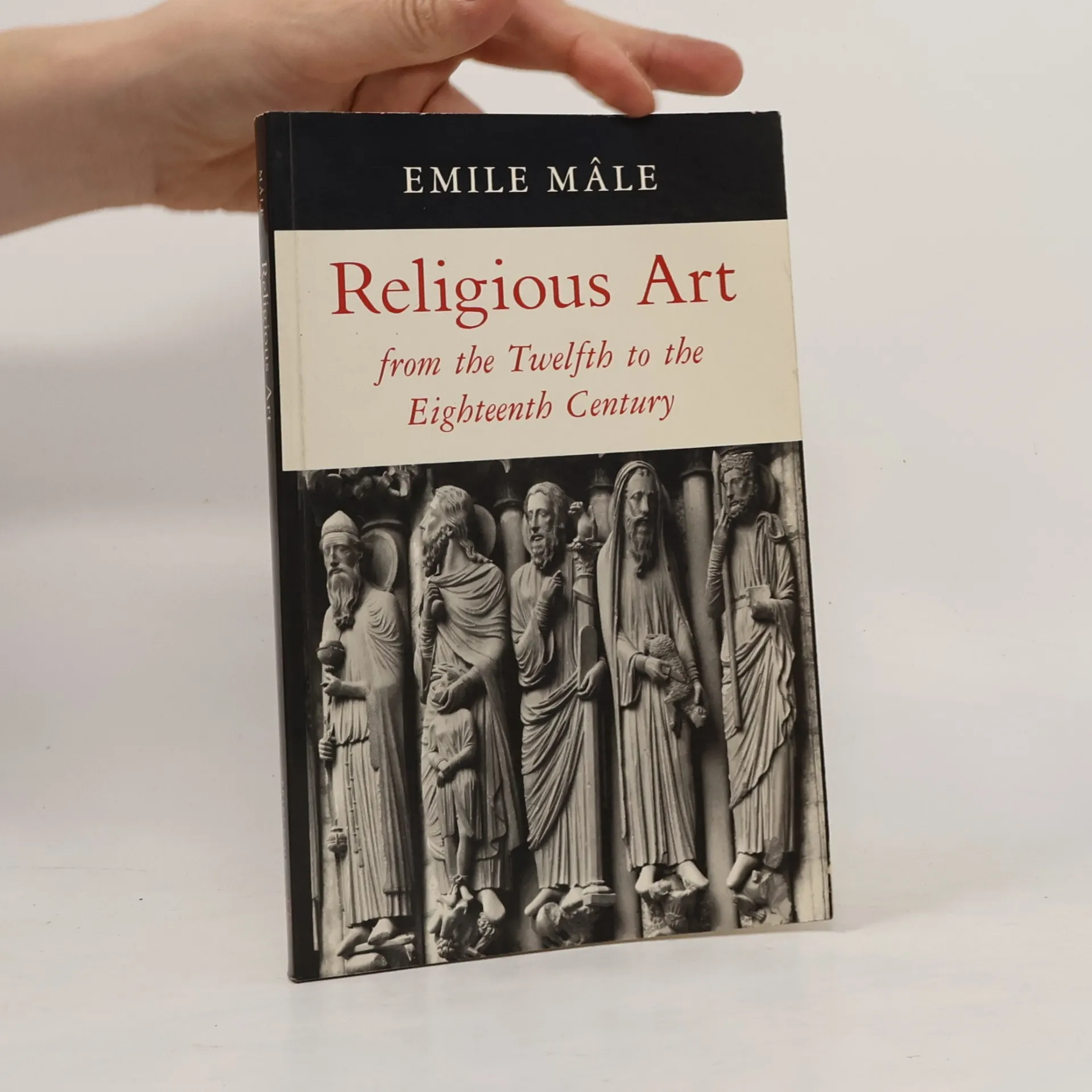
Religious Art from the Twelfth to the Eighteenth Century
- 258 stránek
- 10 hodin čtení
From his series of definitive works on religious art in medieval France, and later in Italy, Spain, Flanders, and Germany, as well, the author has chosen those passages most significant and interesting for the general reader and arranged them, providing transitional passages where necessary, in this compact and useful volume. Again available in paperback, and including improved illustrations, the book presents a summation that eloquently conveys an intimate picture of the French Middle Ages and the grandeur of the artistic renaissance that accompanied the Counter Reformation.
The Gothic Image : religious art in France of the thirteenth century
- 444 stránek
- 16 hodin čtení
Emile Male's book aids understanding of medieval art and medieval symbolism, and of the vision of the world which presided over the building of the French cathedrals. It looks at French religious art in the Middle Ages, its forms, and especially the Eastern sources of sculptural iconography used in the cathedrals of France. Fully illustrated with many footnotes it acts as a useful guide for the student of Western culture.