Firms with superior IT governance have more than 25% higher profits than firms with poor governance given the same strategic objectives. These top performers have custom designed IT governance for their strategies. Just as corporate governance aims to ensure quality decisions about all corporate assets, IT governance links IT decisions with company objectives and monitors performance and accountability. Based on a study of 250 enterprises worldwide, IT Governance shows how to design and implement a system of decision rights that will transform IT from an expense to a profitable investment.
As the world becomes increasingly digitized, nearly every company is embarking on a "digital transformation" journey. However, many lack a clear direction or understanding of how to create and capture digital value, leading to issues such as unfulfilled potential, wasted resources, and added complexity. This concise, practical book offers a solution. Through their extensive work with senior executives globally, the authors observed that while leaders recognized the need for transformation, they often lacked a coherent framework and common language—a playbook—to guide and motivate their teams toward a unified objective. This book serves as that playbook. Drawing on rigorous research from over a thousand companies, including BBVA, CEMEX, and Maersk, it presents a powerful "four pathways" framework that highlights the essential dimensions for competitiveness and the organizational disruptions that must be managed during transformation. The book features instructive examples, sharp analyses, and assessments to help companies benchmark against top performers, along with visuals to clarify key data and concepts. The authors emphasize that the aim is not merely digital transformation but a deeper business transformation, positioning readers to excel in the digital economy.
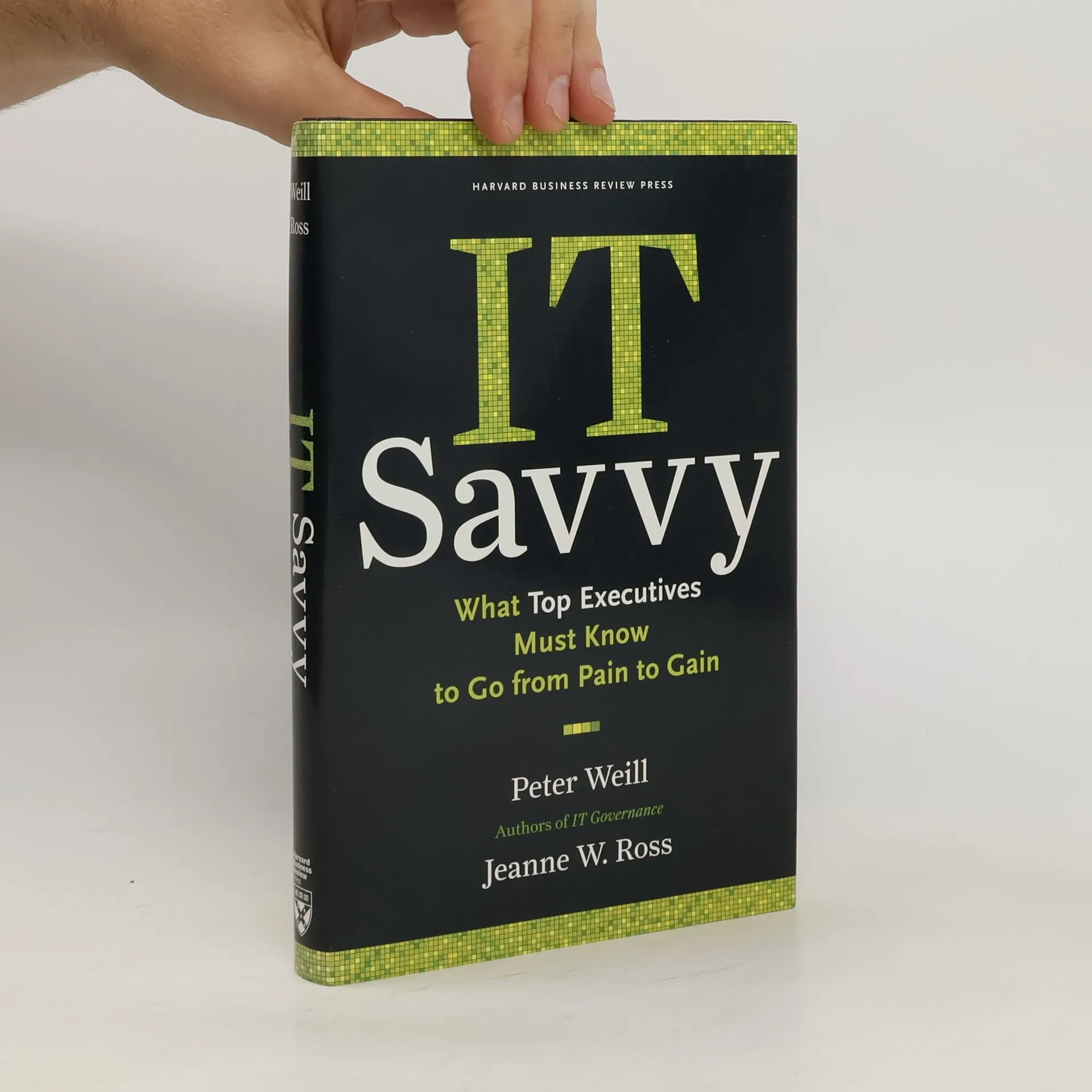
Digitization of business interactions and processes is advancing full bore. But in many organizations, returns from IT investments are flatlining, even as technology spending has skyrocketed.These challenges call for new levels of IT savvy: the ability of all managers-IT or non-IT-to transform their company's technology assets into operational efficiencies that boost margins. Companies with IT-savvy managers are 20 percent more profitable than their competitors.In IT Savvy , Peter Weill and Jeanne Ross-two of the world's foremost authorities on using IT in business-explain how non-IT executives can acquire this savvy. Concise and practical, the book describes the practices, competencies, and leadership skills non-IT managers need to succeed in the digital economy. You'll discover how to:-Define your firm's operating model-how IT can help you do business-Revamp your IT funding model to support your operating model-Build a digitized platform of business processes, IT systems, and data to execute on the model-Determine IT decision rights-Extract more business value from your IT assetsPacked with examples and based on research into eighteen hundred organizations in more than sixty countries, IT Savvy is required reading for non-IT managers seeking to push their company's performance to new heights.
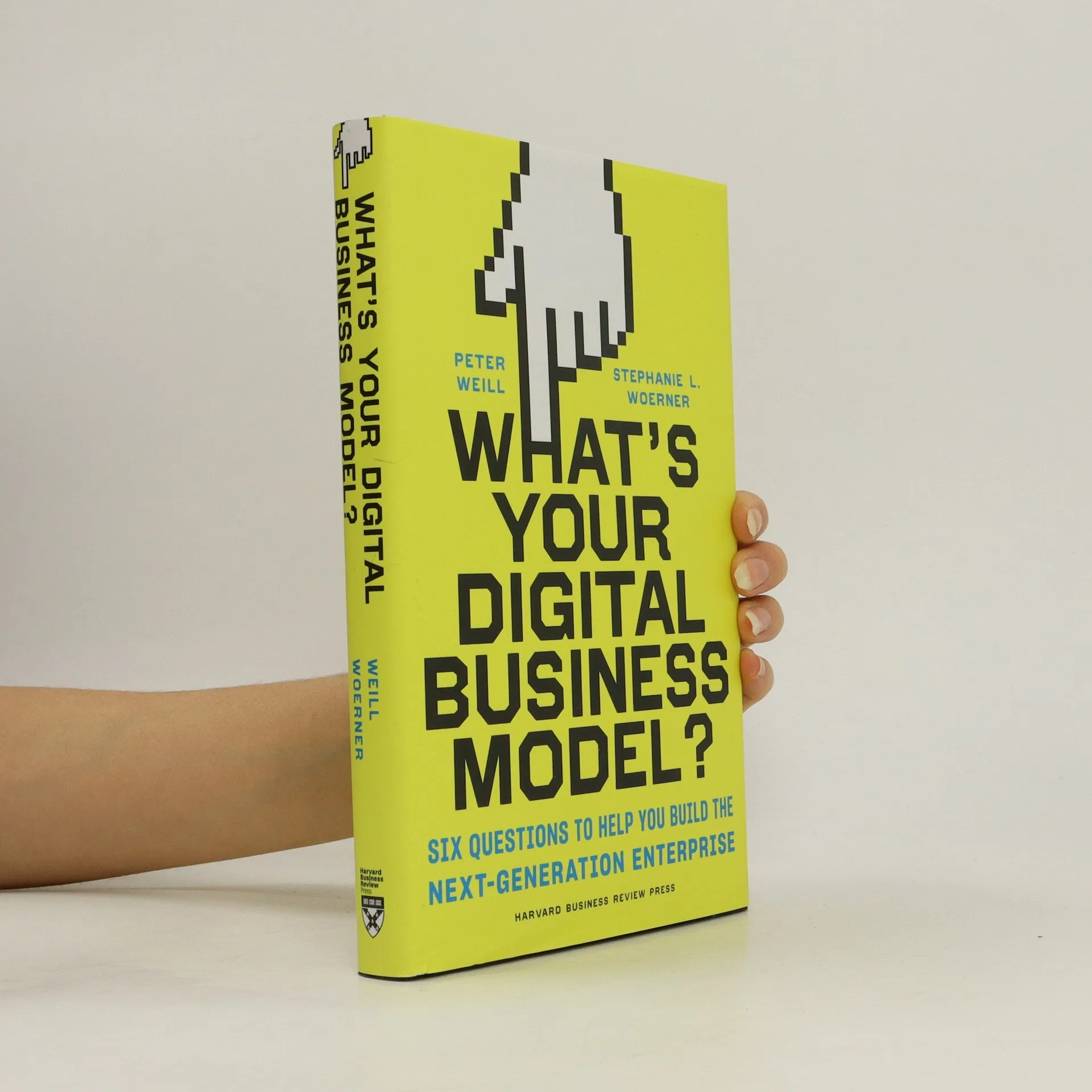
What is your digital business model? Many company leaders recognize the threats and opportunities presented by digital transformation but struggle with a common language and framework for assessment and direction. This practical book offers essential tools, self-assessments, motivating examples, and financial analyses to identify potential profit areas. Drawing on five years of research at the MIT Center for Information Systems Research, it presents a straightforward, powerful framework tested with senior management teams worldwide. The authors reveal that digitization shifts business models along two dimensions: from value chains to digital ecosystems and from vague customer needs to a clearer understanding. These dimensions yield four distinct business models—Supplier, Omni-channel, Modular Producer, and Ecosystem Driver—each requiring different capabilities. The framework aids companies in clarifying their current position in a digital landscape and outlines steps to transition to higher-value digital models. Addressing the urgent need to "go digital," this insightful book equips readers to confront threats, seize opportunities, and develop effective digital strategies.
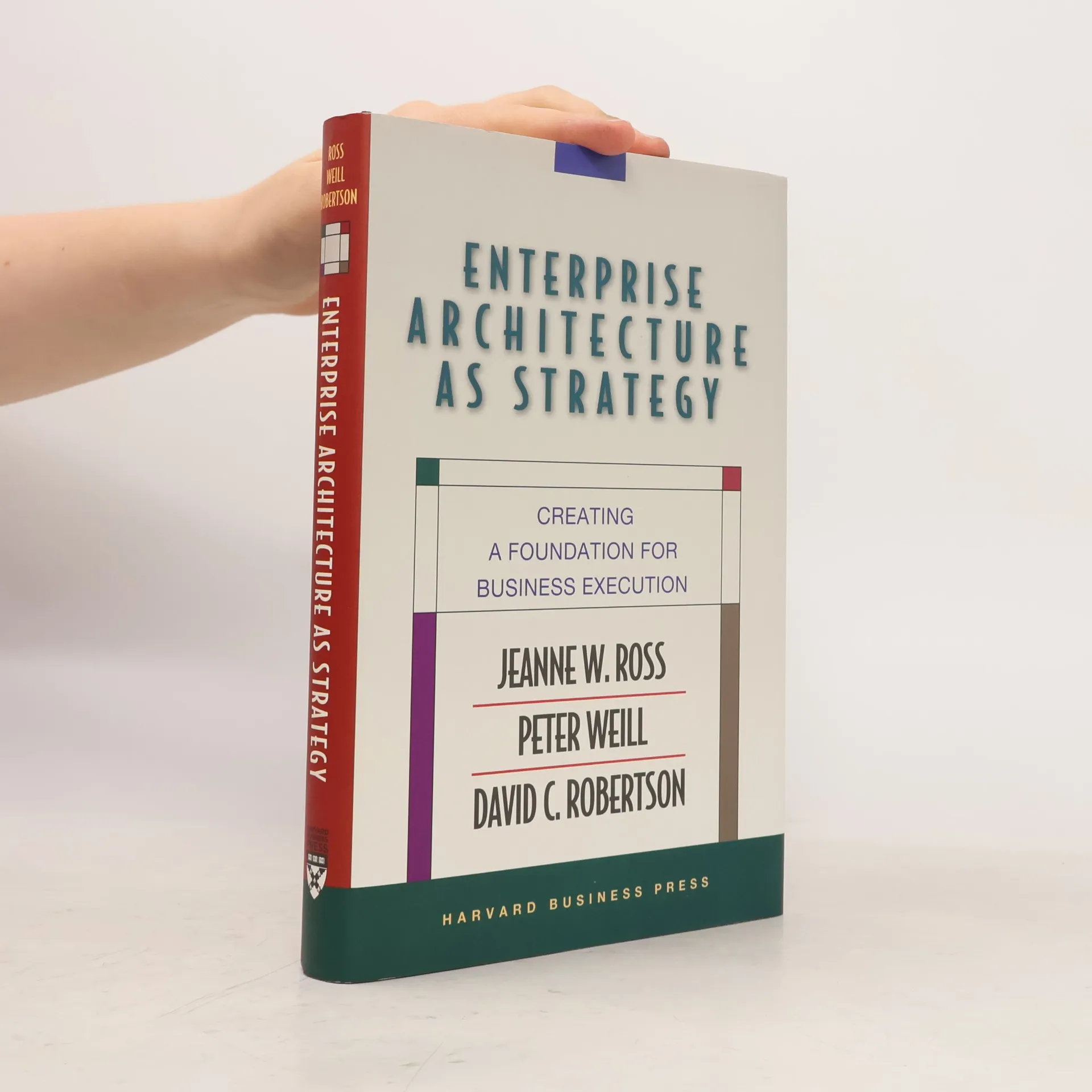
Enterprise architecture defines a firm's needs for standardised tasks, job roles, systems, infrastructure, and data in core business processes. This book explains enterprise architecture's vital role in enabling - or constraining - the execution of business strategy.