Roberto Bolaño Pořadí knih (chronologicky)
28. duben 1953 – 15. červenec 2003
Roberto Bolaño byl zarytým básníkem, jehož literární reputace se však nakonec ustálila na jeho románech, novelách a povídkách. Po bouřlivém mládí, které strávil jako tulák po Jižní Americe a Evropě, se usadil ve Španělsku, kde zprvu pracoval na různých podřadných profesích a psal ve volných chvílích. V pozdějším věku se rozhodl věnovat próze, neboť cítil zodpovědnost za finanční zabezpečení své rodiny. Jeho díla se vyznačují syrovou upřímností a často zkoumají temnější stránky lidské existence, přičemž si zachovávají silný lyrický podtón.
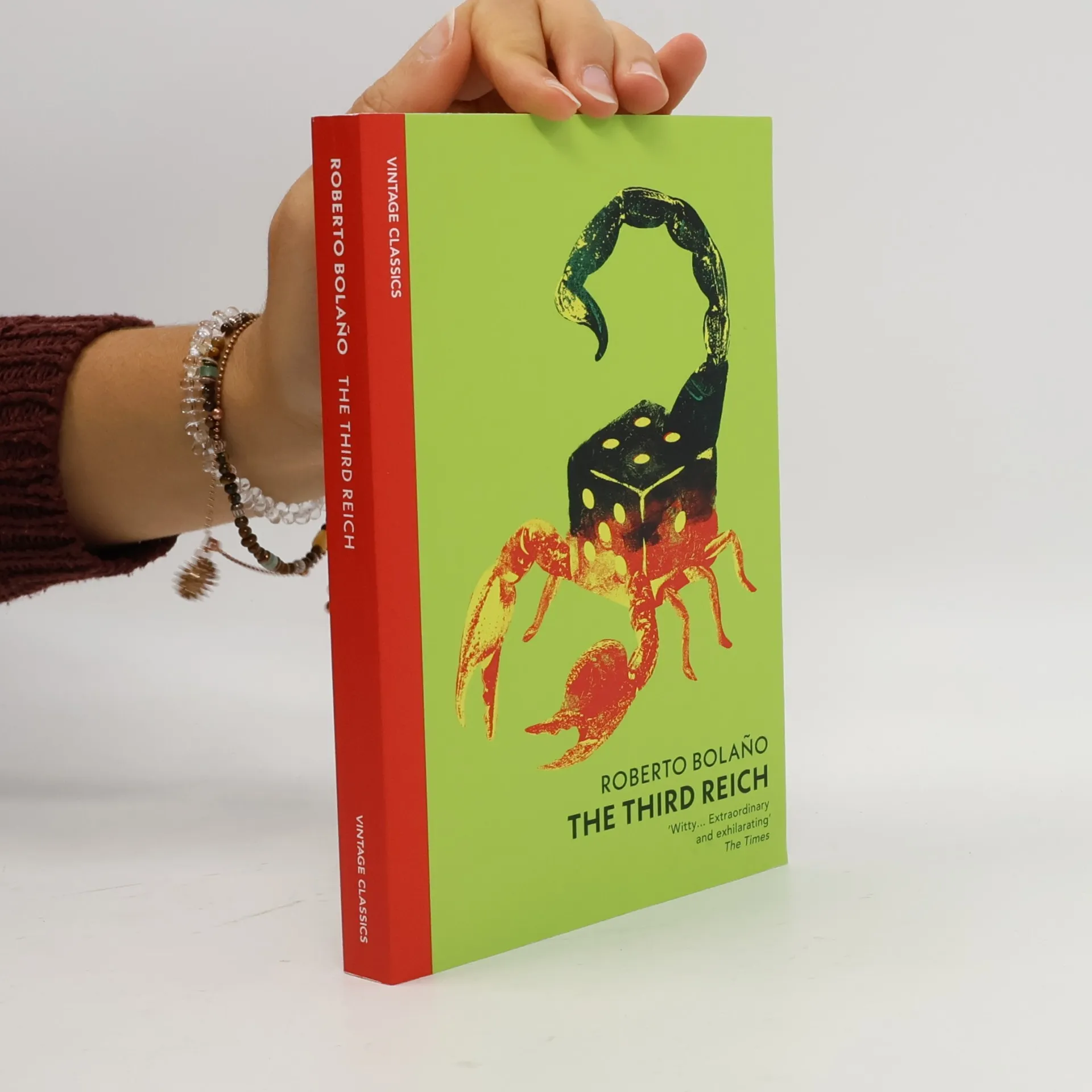
Vintage Classics: The Third Reich
- 288 stránek
- 11 hodin čtení
Found in the author's archive and published for the first time: a collection of three novellas - a joy for the many fans and followers of Roberto Bolano.
The Spirit of Science Fiction
- 208 stránek
- 8 hodin čtení
From a master of contemporary fiction, a tale of bohemian youth on the make in Mexico City Two young poets, Jan and Remo, find themselves adrift in Mexico City. Obsessed with poetry, and, above all, with science fiction, they are eager to forge a life in the literary world--or sacrifice themselves to it. Roberto Bolaño's The Spirit of Science Fiction is a story of youth hungry for revolution, notoriety, and sexual adventure, as they work to construct a reality out of the fragments of their dreams. But as close as these friends are, the city tugs them in opposite directions. Jan withdraws from the world, shutting himself in their shared rooftop apartment where he feverishly composes fan letters to the stars of science fiction and dreams of cosmonauts and Nazis. Meanwhile, Remo runs headfirst into the future, spending his days and nights with a circle of wild young writers, seeking pleasure in the city's labyrinthine streets, rundown cafés, and murky bathhouses. This kaleidoscopic work of strange and tender beauty is a fitting introduction for readers uninitiated into the thrills of Roberto Bolaño's fiction, and an indispensable addition to an ecstatic and transgressive body of work.
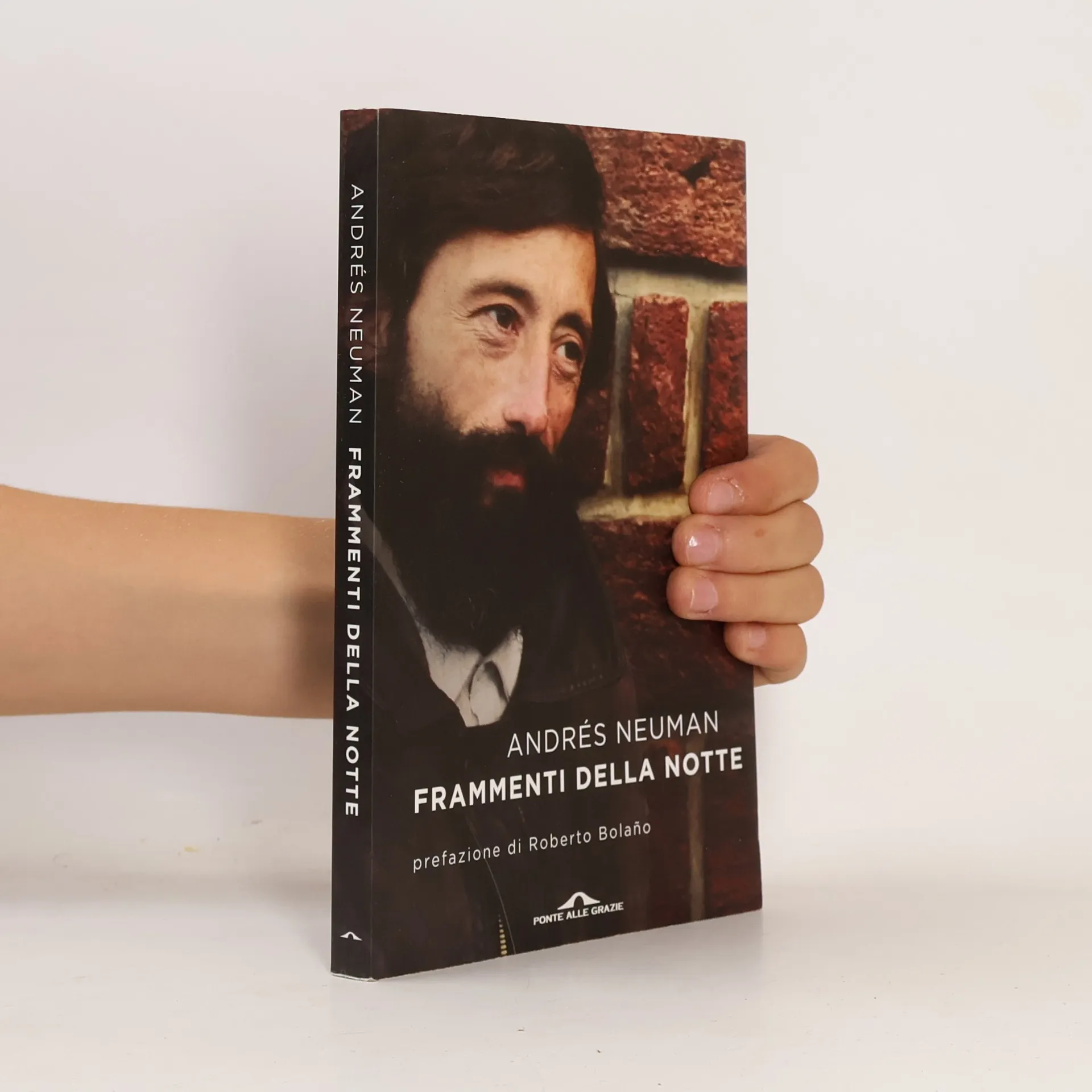
Frammenti della notte
- 159 stránek
- 6 hodin čtení
Chi è Demetrio Rota? Un sonnambulo? Un poeta? Uno spostato? Sappiamo che per vivere fa il netturbino di notte, in una Buenos Aires onirica, avvolgente, quasi viva. Che ha una relazione illecita, furtiva e sensuale e senza futuro. E che di giorno, quando non lavora, compone puzzle –forse un tentativo di dare un senso a un travolgente amore di gioventù, soltanto sfiorato sotto i cieli di una Patagonia mitica e di una bellezza lancinante. Con un linguaggio lirico e allo stesso tempo concretissimo, la narrazione oscilla tra le promesse degli inizi e il disincanto del presente, tra l’idealizzazione della campagna e l’asfissia della città, tra le origini e lo sradicamento, dandoci un’immagine unica della vita, di quello che è di quello che potrebbe essere. Con questa nuova edizione di Frammenti della notte, in gran parte riscritta a distanza di quindici anni, presentiamo al lettore italiano il primo romanzo di Andrés Neuman che, dopo aver ottenuto l’unanime consenso della critica, è diventato un libro di culto e ha fatto annoverare il suo autore tra i più importanti scrittori in lingua spagnola. Come ha scritto Roberto Bolaño: «Nessun buon lettore mancherà di avvertire nelle sue pagine qualcosa che è possibile trovare solo nell’alta letteratura, quella che scrivono i veri poeti, quella che osa affrontare il buio a occhi aperti».
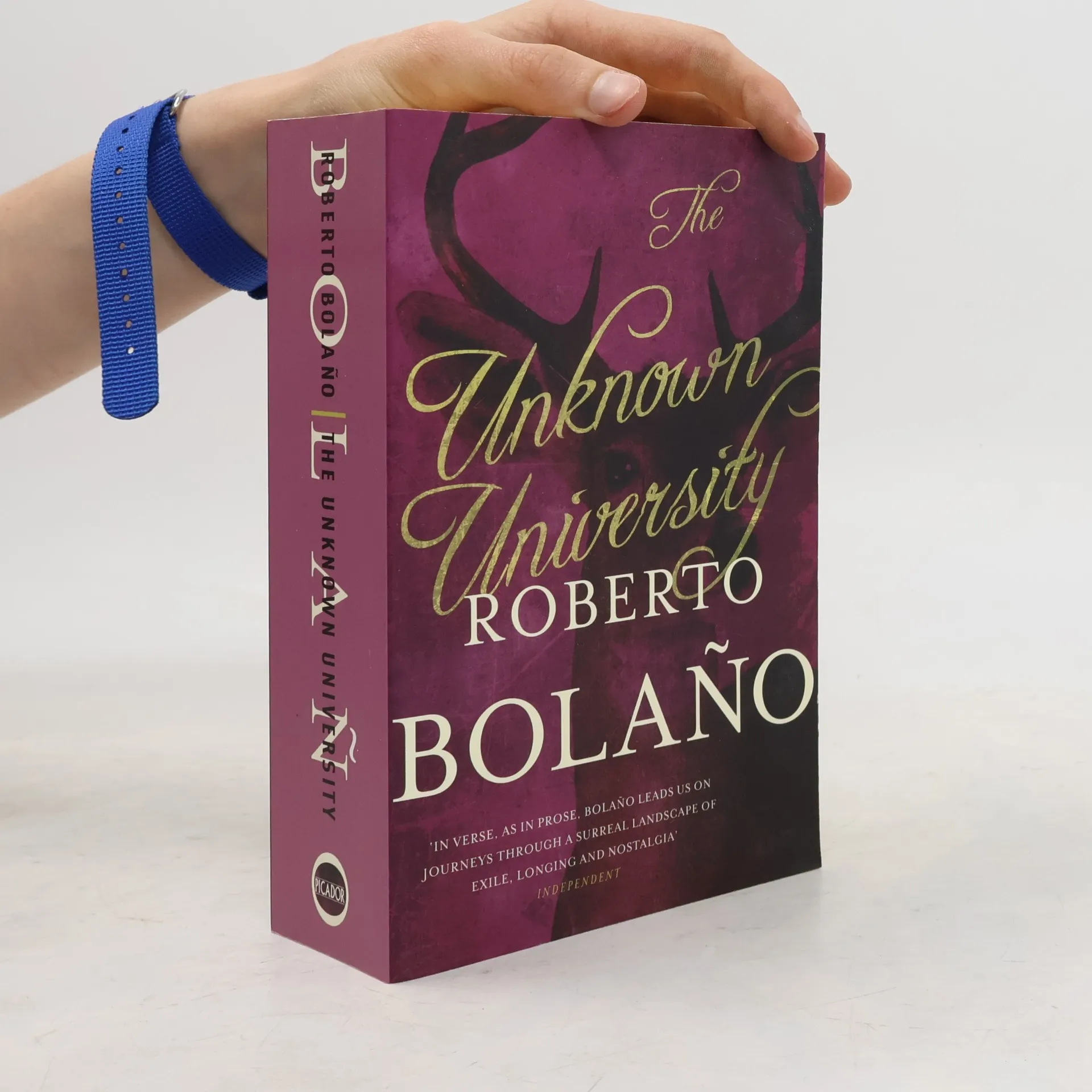
The Unknown University
- 848 stránek
- 30 hodin čtení
The collected poems of Roberto Bolano, selected and ordered by the author.
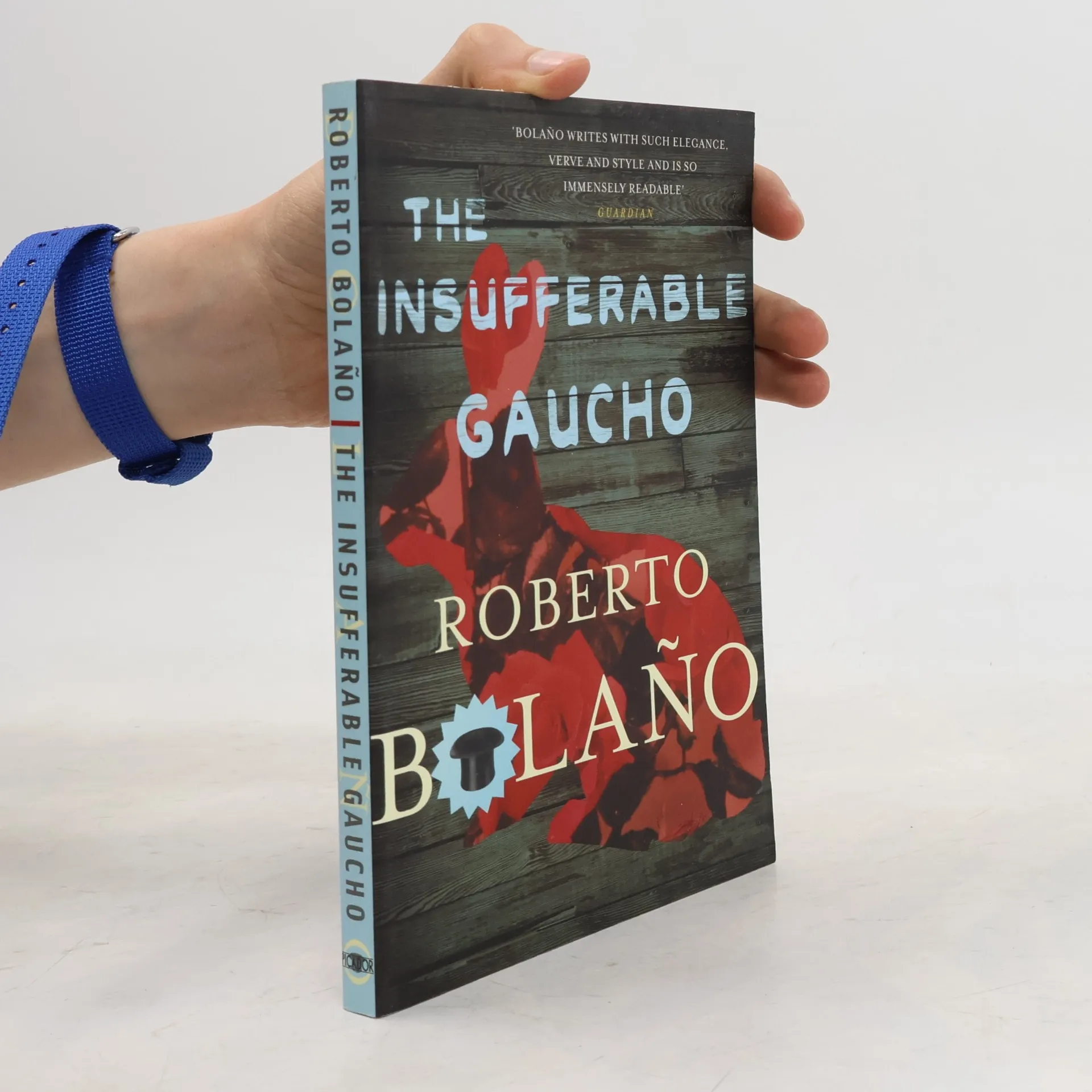
The Insufferable Gaucho
- 176 stránek
- 7 hodin čtení
A treasure trove of strange, arresting, short masterworks from the genius that is Roberto Bolano.
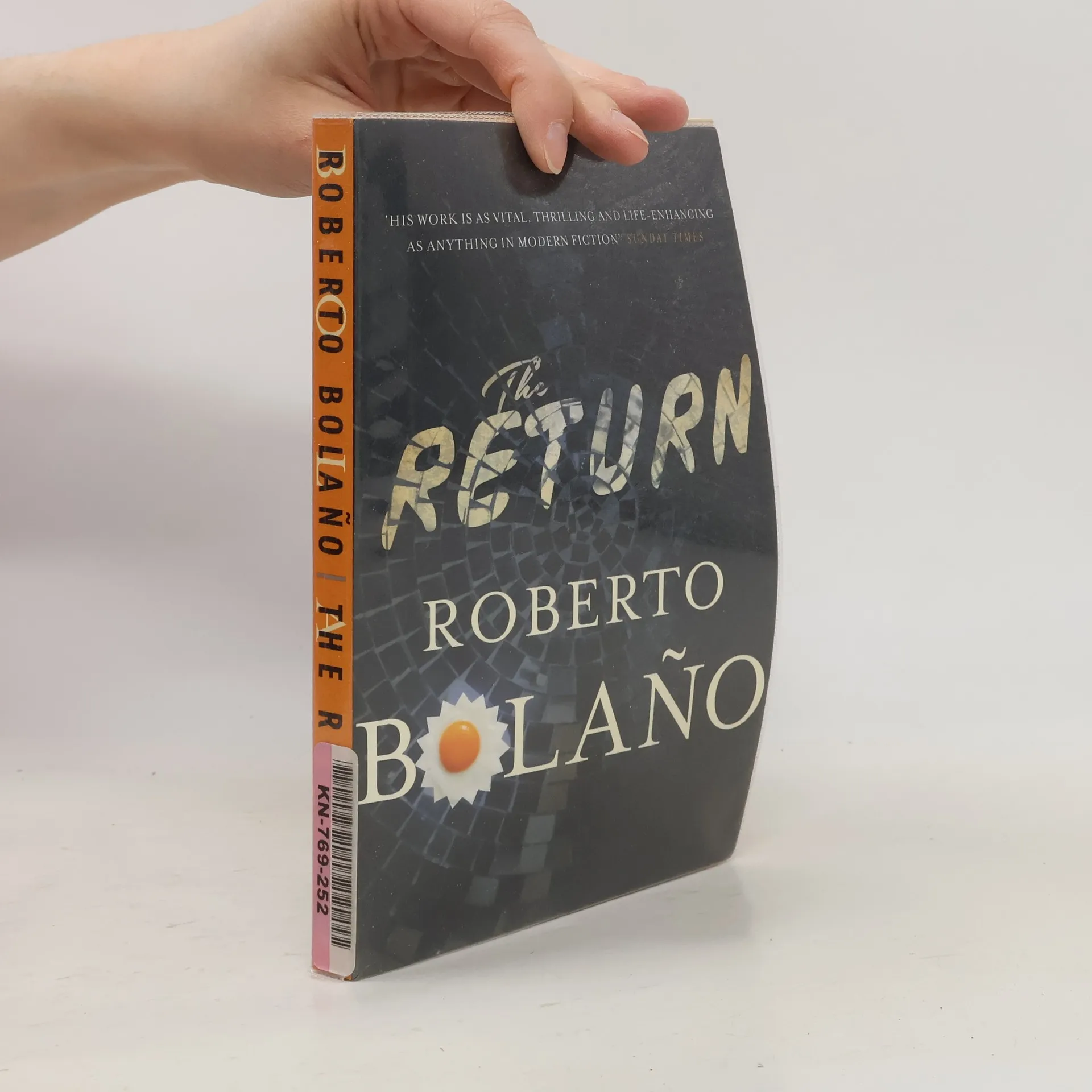
The Return
- 208 stránek
- 8 hodin čtení
Pankaj Mishra remarked in The Nation , "one of the remarkable qualities of Bolaño's short stories is that they can do the work of a novel". The Return contains thirteen unforgettable stories bent on returning to haunt you. Wide-ranging, suggestive, and daring, a Bolaño story might concern the unexpected fate of a beautiful ex-girlfriend or a dream of meeting Enrique Lihn; his plots go anywhere and everywhere and they always surprise. Consider the title piece: a young party animal collapses in a Parisian disco and dies on the dance floor; just as his soul is departing his body, it realizes strange doings are afoot--and what follows next defies the imagination (except Bolaño's own). Although a few have been serialized in The New Yorker and Playboy , most of the stories of The Return have never before appeared in English, and to Bolaño's many readers will be like catnip to the cats.
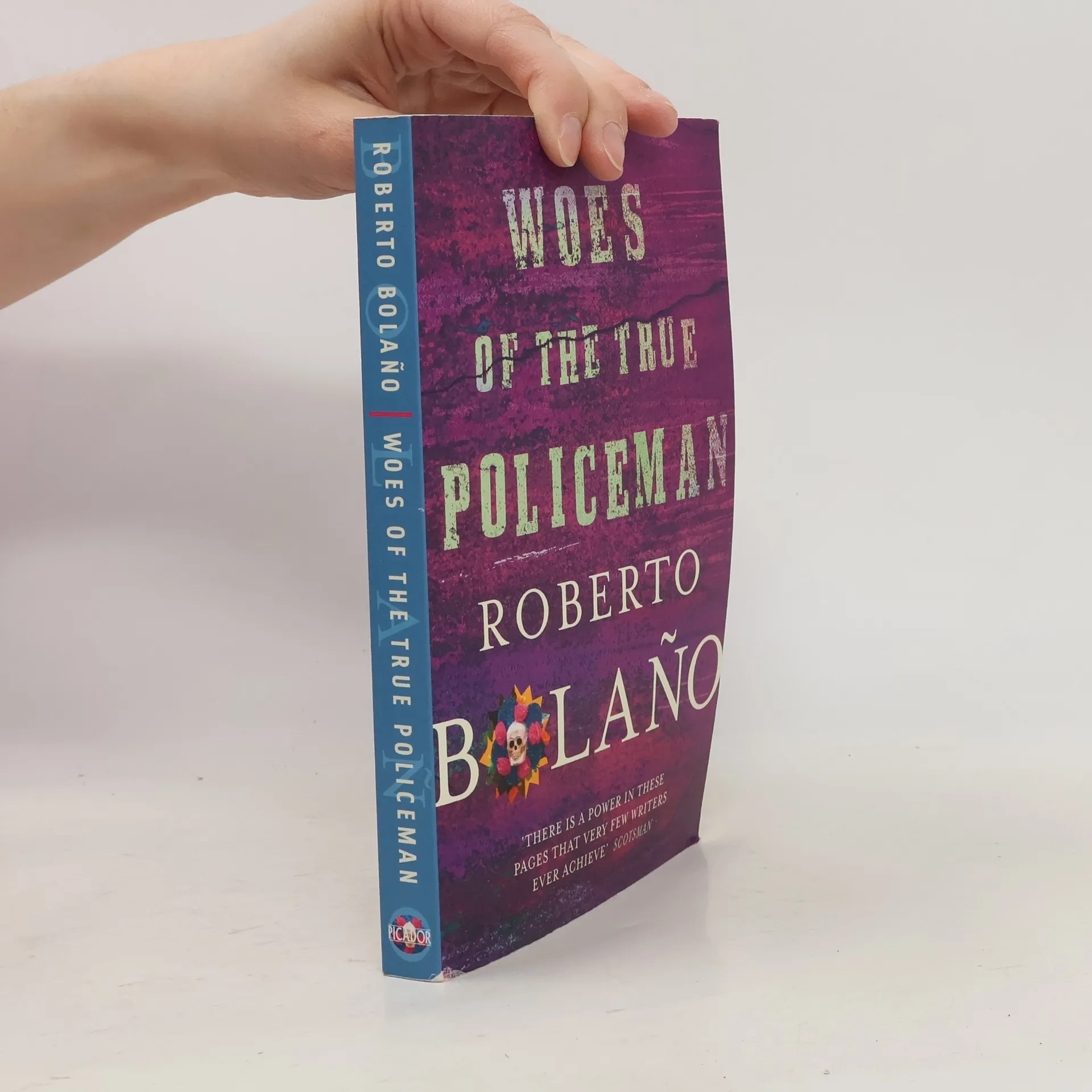
Woes of the True Policeman
- 250 stránek
- 9 hodin čtení
Follows Amalfitano, exiled Chilean university professor and widower with a teenage daughter, as his political disillusionment and love of poetry lead to the scandal that will force him to flee from Barcelona and take him to Santa Teresa, Mexico. It is here, in this border town, that Amalfitano meets Arcimboldi, a magician and writer whose work highlights the provisional and fragile nature of literature and life.
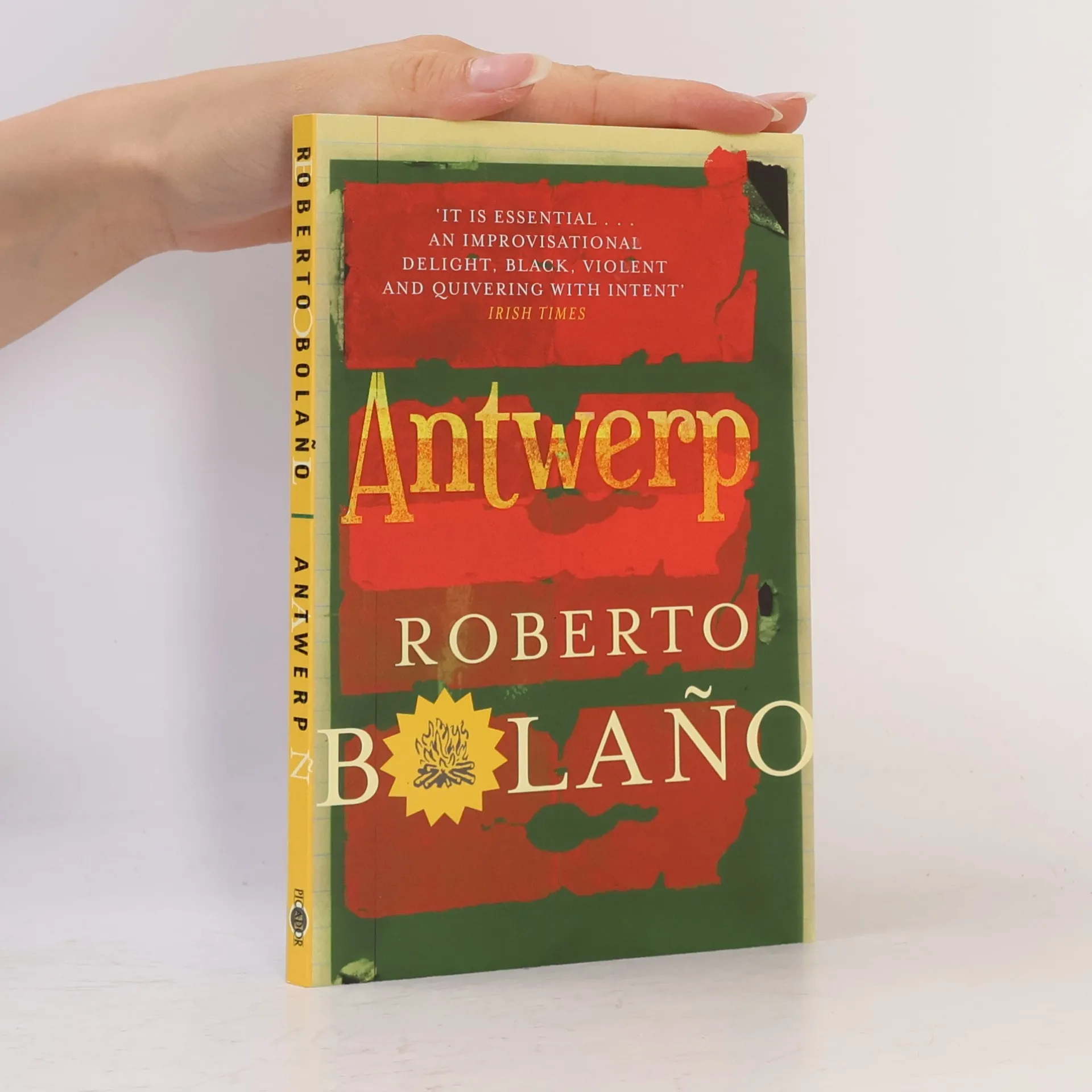
Antwerp
- 78 stránek
- 3 hodiny čtení
On the cusp of becoming one of the most significant Latin American writers, Roberto Bolano's first novel explores the power of literature.
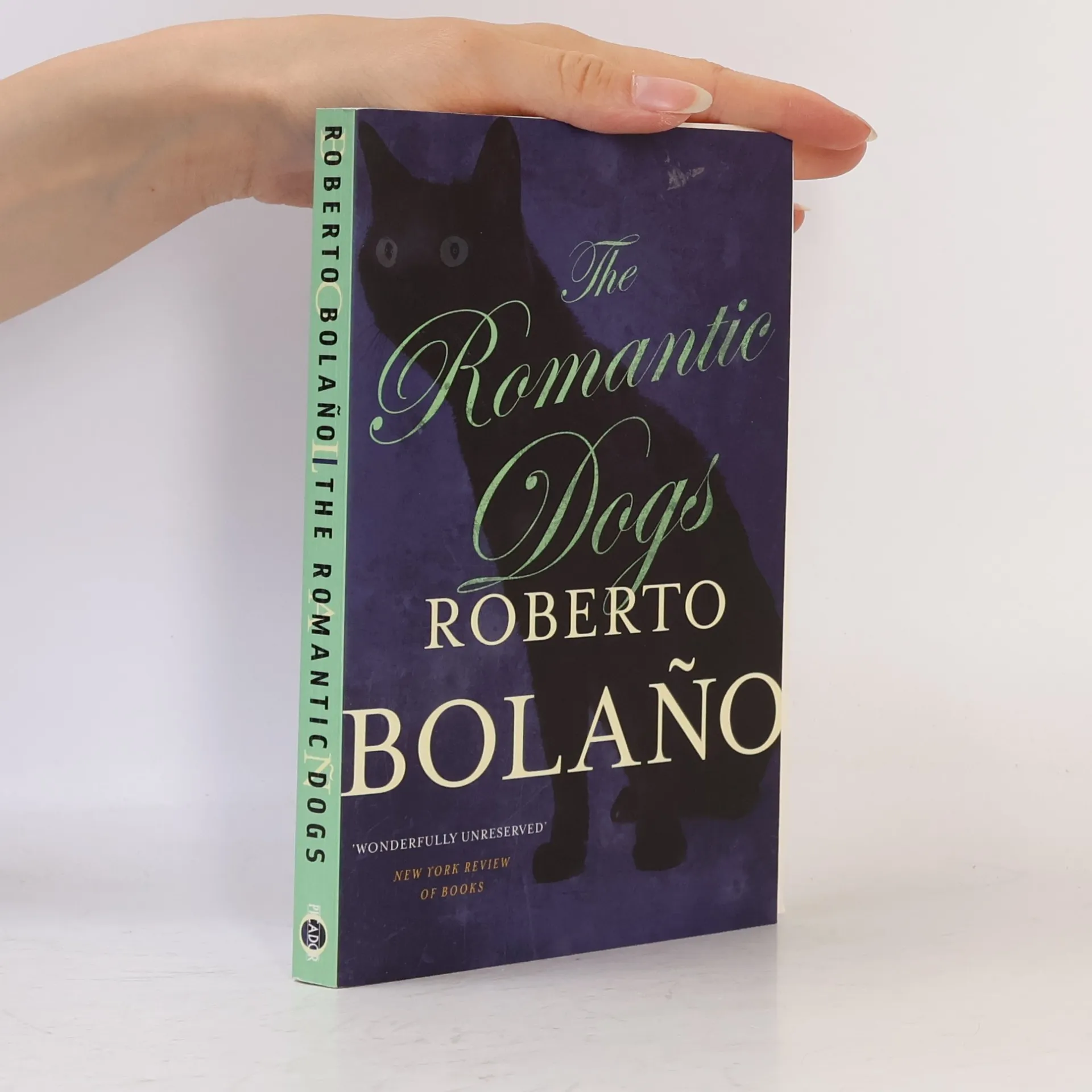
The Romantic Dogs 19801998
- 160 stránek
- 6 hodin čtení
Roberto Bolaño, bien connu pour sa fiction en France, a également consacré une part importante de son œuvre à la poésie, qu'il s'agisse de vers ou de prose, mêlant anti-poèmes et textes narratifs. Les Chiens romantiques se présente comme une anthologie de sa poésie, couvrant sa période en Espagne jusqu'à la fin des années 90. Ce recueil reflète les exils successifs de Bolaño : d'abord celui du Chili, adolescent, puis un second exil en tant que jeune adulte fuyant Pinochet, et enfin son exil au Mexique. La poésie émerge de ces territoires perdus, offrant au poète la liberté d'explorer des formes diverses. Les lecteurs percevront également la dimension autobiographique de ce recueil. Bolaño a décrit la poésie comme un reflet de notre travail, évoquant des jeunes poètes mal habillés, des mendiants et des détectives latino-américains engagés dans des enquêtes périlleuses. Des paysages, des personnages et des thèmes familiers de ses fictions apparaissent, tels que le désert de Sonora, l’amitié, l'amour perdu, la beauté éphémère et la mort, culminant dans le dernier poème de la section "San Roberto de Troya".
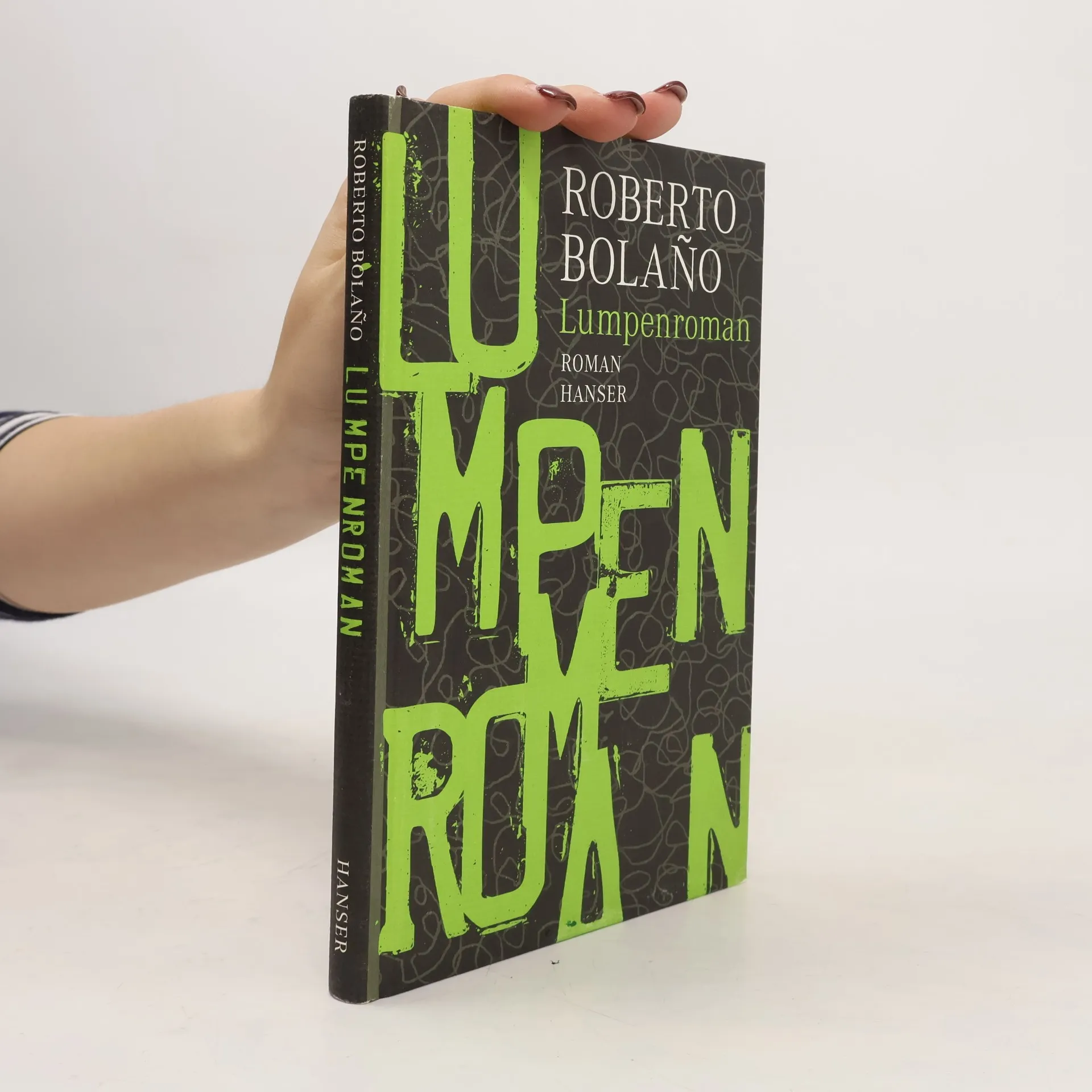
Der letzte Roman, den Roberto Bolano vor seinem Tod in Spanien schrieb, gehört zu seinen vollendetsten Werken. Voller Melancholie und Finsternis, ist er eine brillante Satire auf unsere von Trash und Gewalt dominierte Kultur der Gegenwart. Schauplatz ist Rom, wo sich Bianca und ihr Bruder mit den schäbigsten Jobs durchschlagen. Ihre Freizeit verbringen sie mit Pornofilmen und Quizshows - bis eines Tages der Plan reift, den Tresor von Maciste zu knacken, einem erblindeten Bodybuilder und B-Star aus den fünfziger Jahren. Um den Safe auszukundschaften, gibt sich Bianca Nacht für Nacht dem glatzköpfigen Muskelprotz hin. Doch als das Verbrechen vergeblich scheint, dreht sie schließlich den Spieß um. Die erste Auflage des Buches erscheint wieder in bibliophiler Ausstattung.
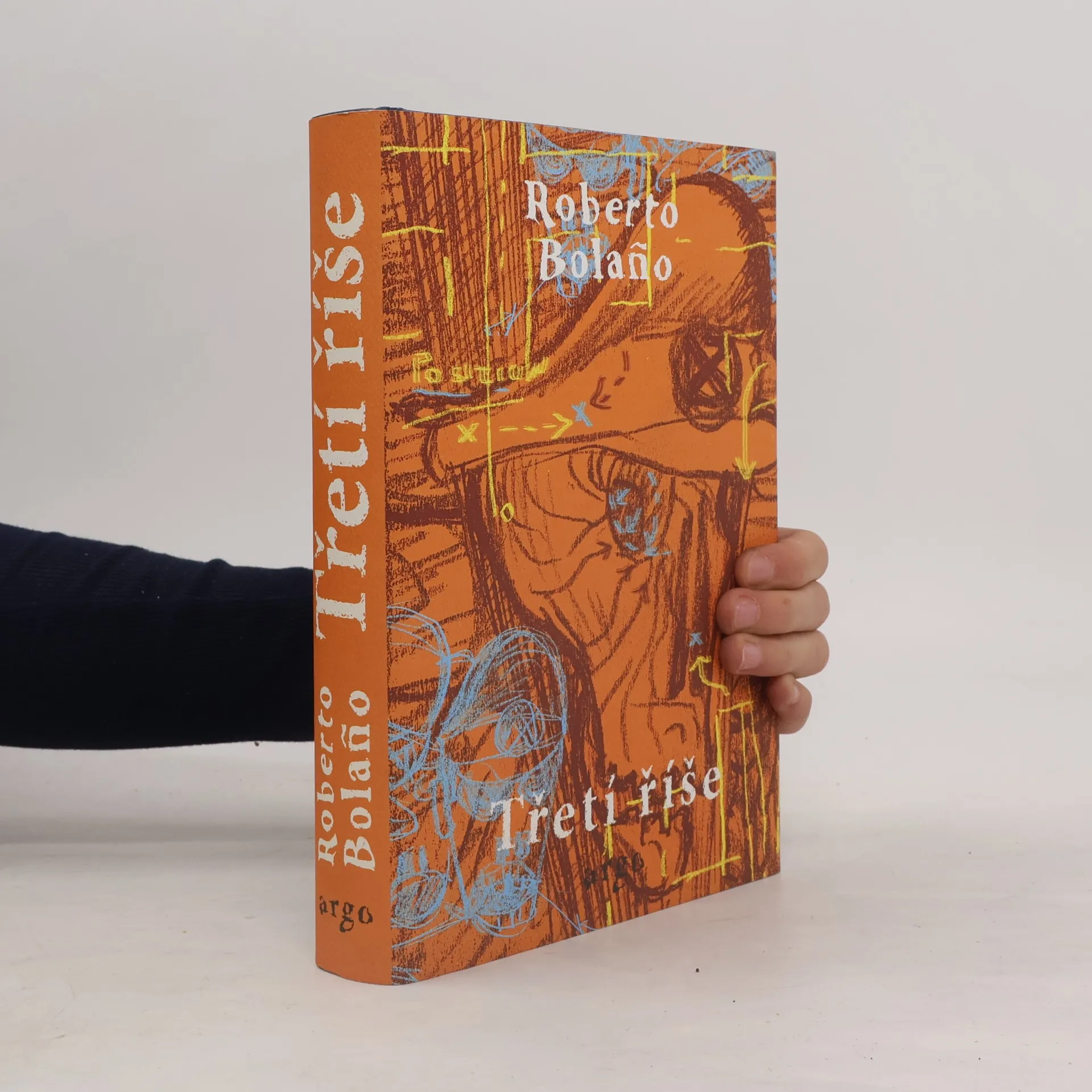
Třetí říše
- 336 stránek
- 12 hodin čtení
Mladý Udo Berger se vydává s přítelkyní na pár dní na Costa Brava, kde zdokonaluje svou novou válečnou hru – Třetí říši. Idylická scenérie kontrastuje s výstupy podivínů, jako je Vlk, Beránek či znetvořený hlídač na pláži, zvaný Spálenej. Udo při zdokonalování stolní hry o Třetí říši ztrácí pojem o hranicích skutečnosti a výmyslu a také čtenáře někdy mate měkká, bažinatá půda Bolanovy nezkrotné imaginace. Vypravěčsky strhující kniha znovu a jinak předkládá autorova věčná témata – podoby zla, formy nacismu a to, jak se kultura (smyšlenka, hra, literatura) stává jedinou pravou skutečností.
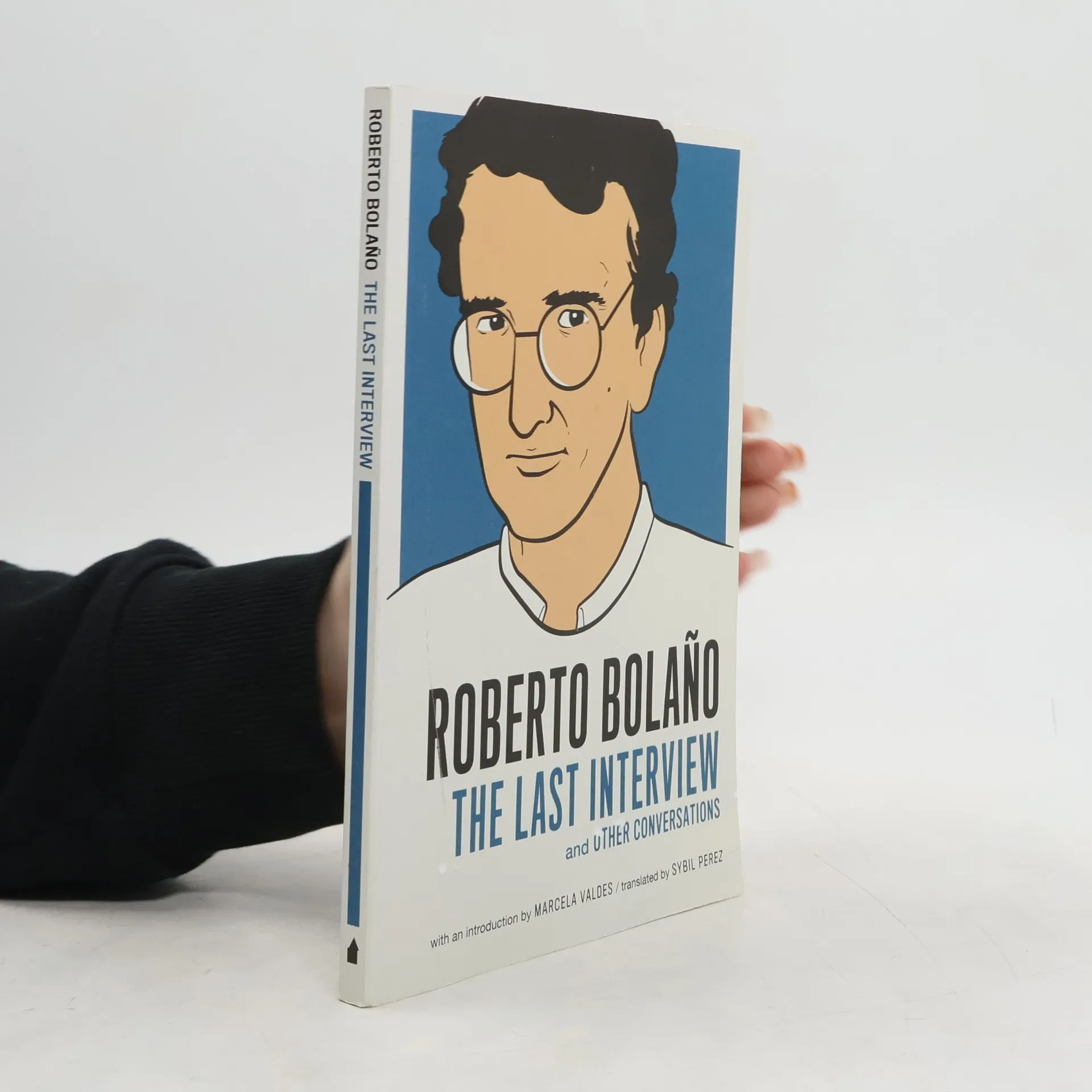
Roberto Bolano: The Last Interview
- 128 stránek
- 5 hodin čtení
With the release of Roberto Bolaño’s The Savage Detectives in 1998,journalist Monica Maristain discovered a writer “capable of befriending his readers.” After exchanging several letters with Bolaño, Maristain formed a friendship of her own, culminating in an extensive interview with the novelist about truth and consequences, an interview that turned out to be Bolaño’s last. Appearing for the first time in English, Bolaño’s final interview is accompanied by a collection of conversations with reporters stationed throughout Latin America, providing a rich context for the work of the writer who, according to essayist Marcela Valdes, is “a T.S. Eliot or Virginia Woolf of Latin American letters.” As in all of Bolaño’s work, there is also wide-ranging discussion of the author’s many literary influences. (Explanatory notes on authors and titles that may be unfamiliar to English-language readers are included here.) The interviews, all of which were completed during the writing of the gigantic 2666, also address Bolaño’s deepest personal concerns, from his domestic life and two young children to the realities of a fatal disease.
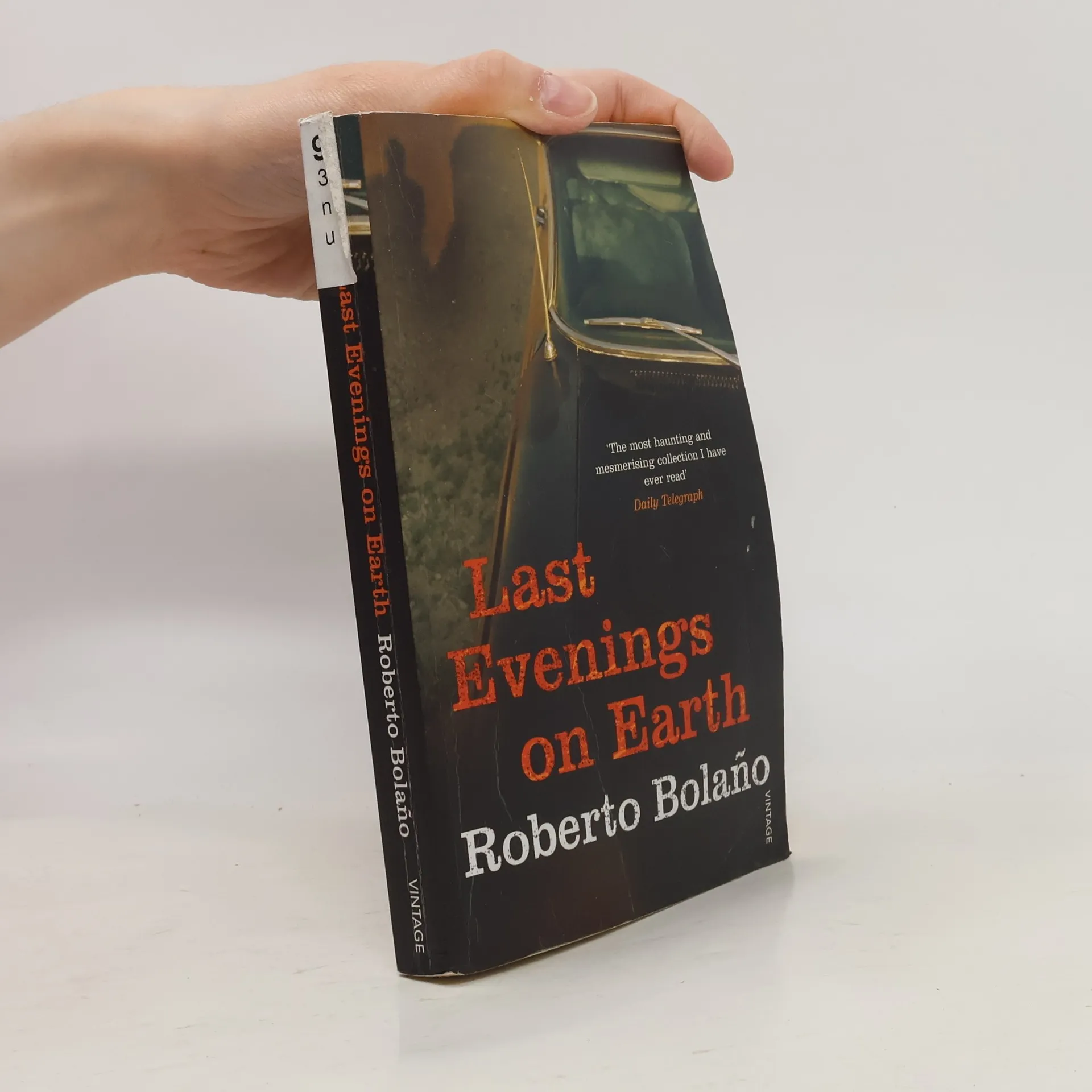
The acclaimed Chilean author's first collection of stories to be published in English. Here are fourteen stories set largely among those living in the margins, on the edge. "The most haunting and mesmerizing collection I have ever read."--"Daily Telegraph"
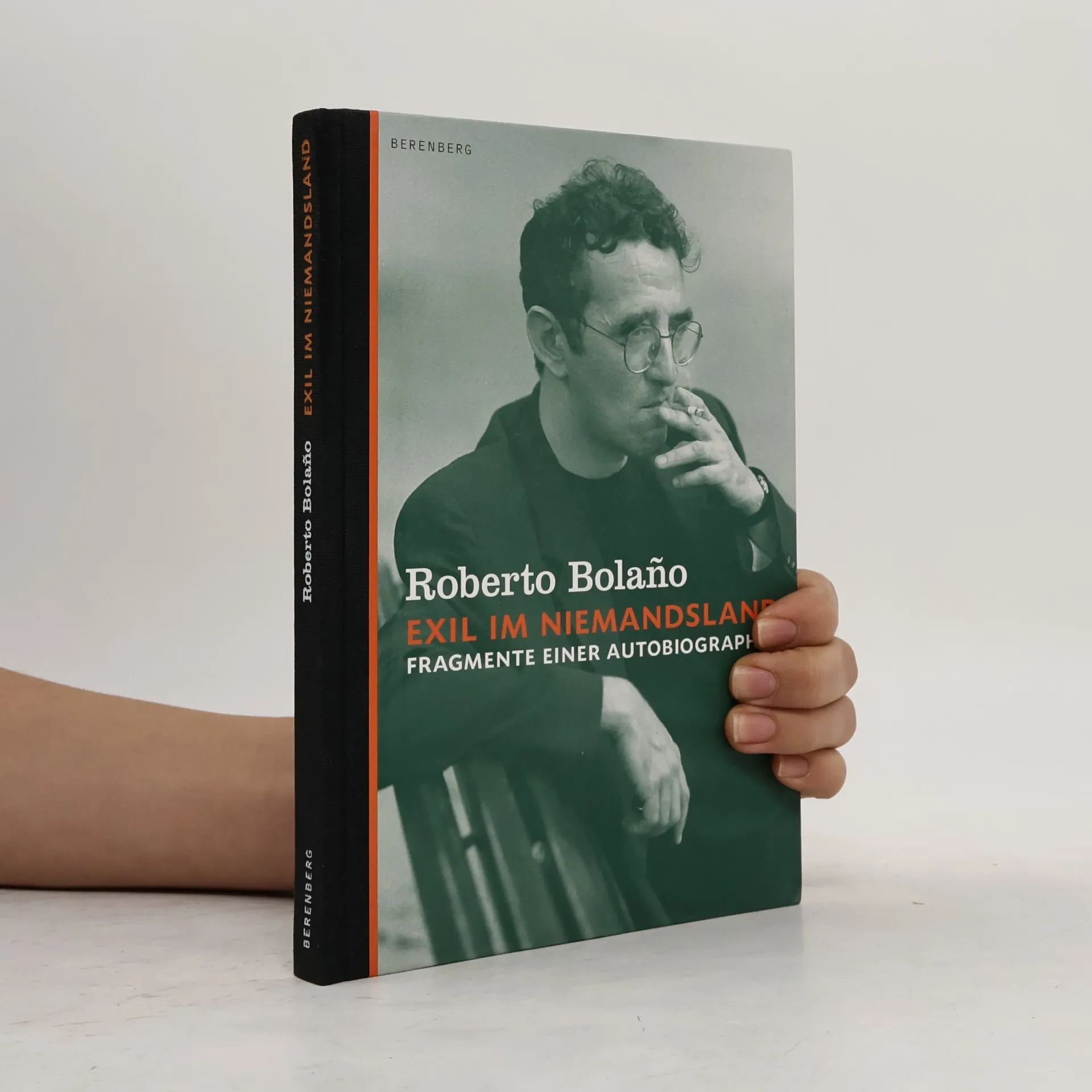
Roberto Bolano, in Chile geboren, in Mexiko aufgewachsen, in Spanien zu literarischem Weltruhm gelangt und früh gestorben, ist so etwas wie der Fliegende Holländer Lateinamerikas: Wie wenige hat er das Exil kennengelernt - und sich dazu unsentimentale Gedanken gemacht. Sie bilden den roten Faden dieser Fragmente zur Autobiographie eines Umhergetriebenen. Das Lied vom traurigen Latino, der im kalten Exil die warme Heimat besingt (wo Mord und Totschlag herrschen) hat dieser Autor nie mitgesungen. Bolano ist sein Leben lang durch die Welt gereist, gezwungen, freiwillig, immer aber mit äußerster Intensität. In diesen Artikeln, Essays und Reisebildern kann man nachlesen, wie krumm die Wege waren, auf denen er zum Herold der lateinamerikanischen Gegenwartsliteratur wurde.
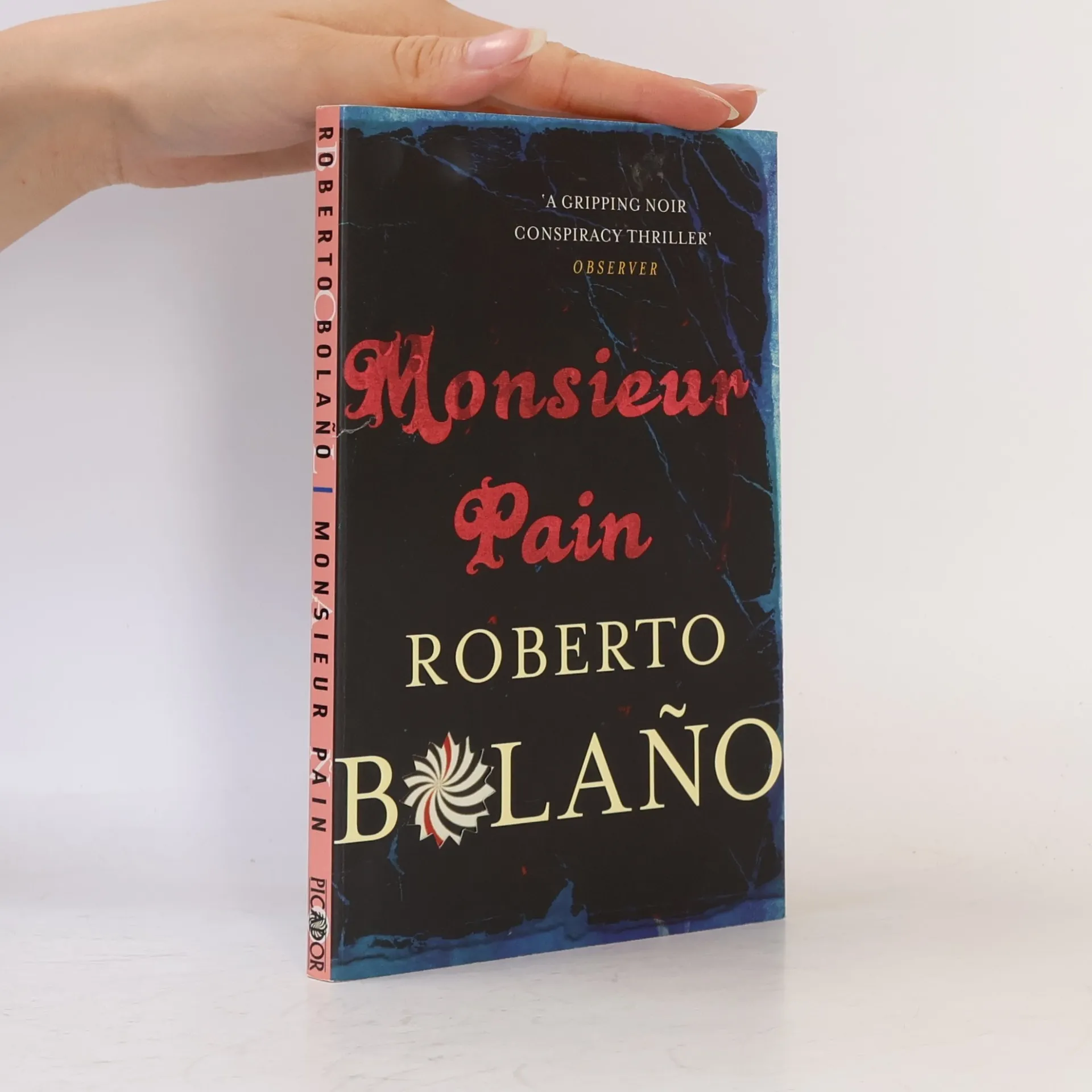
Monsieur Pain
- 133 stránek
- 5 hodin čtení
Monsieur Pain is a hallucinatory masterpiece by Roberto Bolano, exploring themes of hopeless love, desperate grief, and the power of guilt.
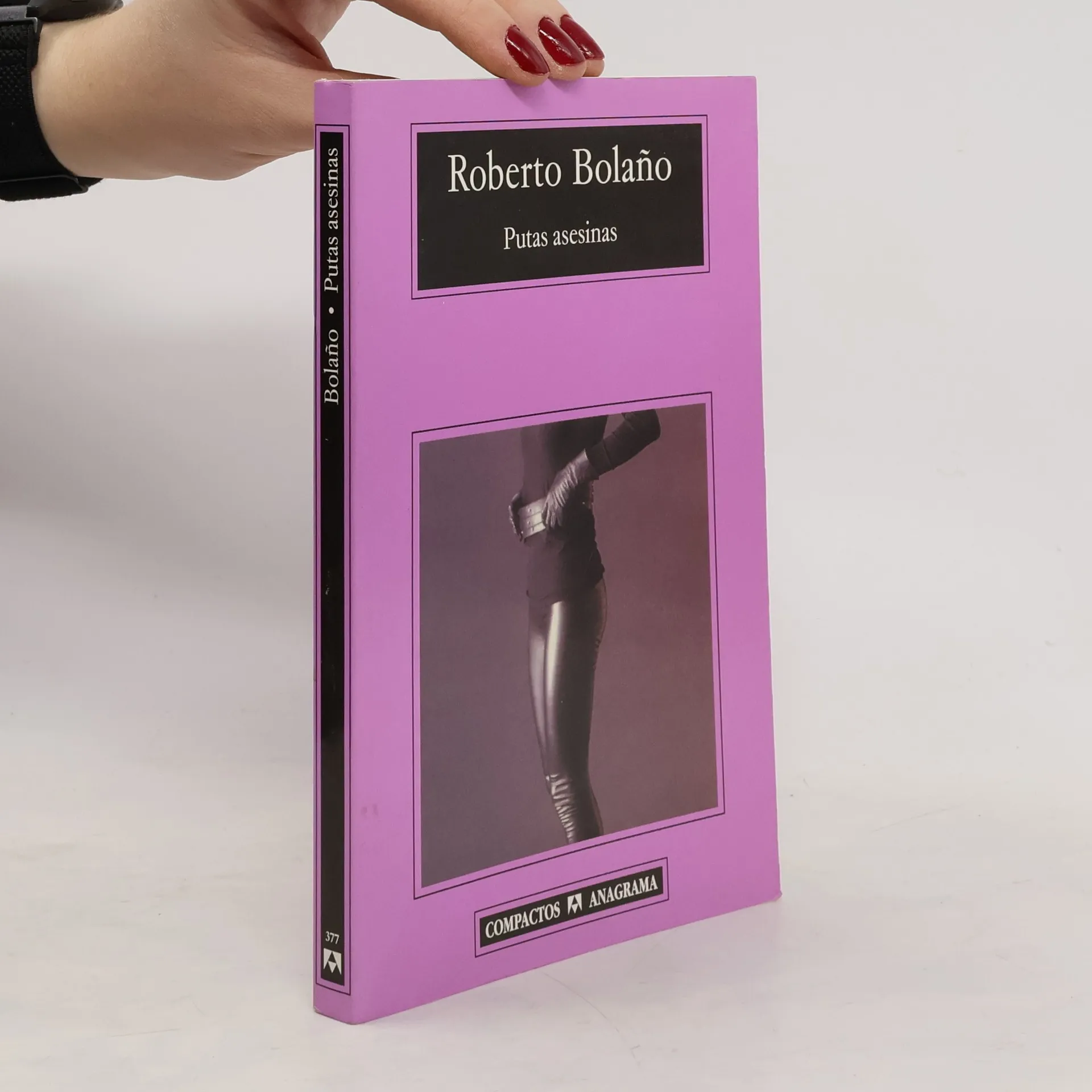
Compactos - 377: Putas asesinas
- 232 stránek
- 9 hodin čtení
Las mujeres son putas asesinas, Max, son monos ateridos de frío que contemplan el horizonte desde un árbol enfermo, son princesas que te buscan en la oscuridad, llorando, indagando las palabras que nunca podrán decir. En el equívoco vivimos y planeamos nuestros ciclos de vida, dice el personaje (¿una asesina?, ¿una puta?, ¿ambas cosas?) del cuento que da título a este libro. En Últimos atardeceres en la tierra se narra un viaje a Acapulco que se convierte paulatinamente en un descenso a los infiernos. En Dentista se cuenta la historia de un adolescente misterioso y dos adultos, ya de vuelta de todo, que lo observan desde el precipicio. En Buba se cuenta una historia de fútbol en tres partes. la de un futbolista sudamericano, la de un futbolista africano y la de uno español, y la sorprendente historia de su equipo, que bien podría ser el Barcelona.
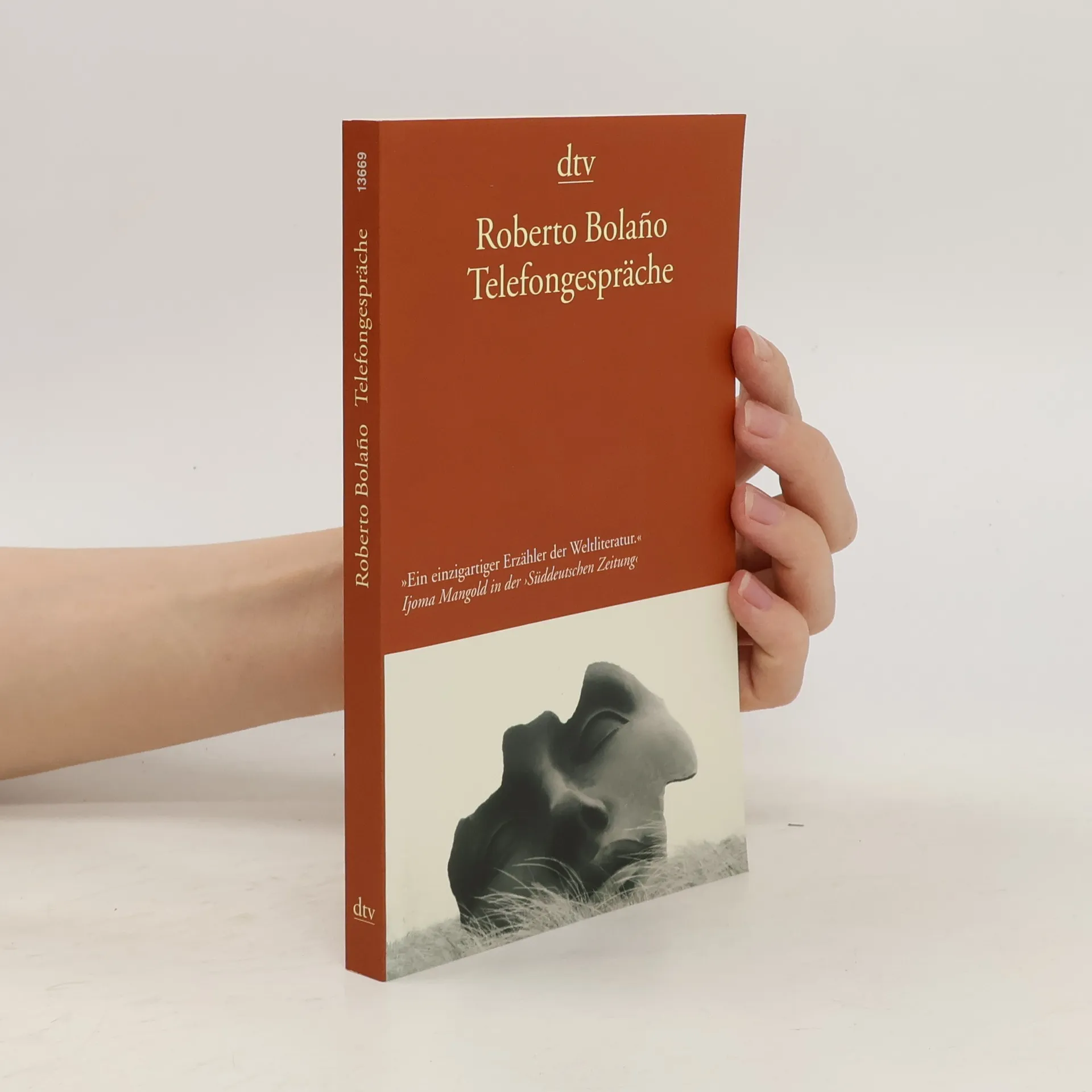
»Ein einzigartiger Erzähler der Weltliteratur.« Ijoma Mangold in der Süddeutschen ZeitungSei es eine Parodie auf die korrupte Preisvergabe im Literaturbetrieb, ein meisterhaft arrangierter Dialog zwischen zwei Polizisten, die sich als die ranghöchsten Schlächter der chilenischen Militärdiktatur entpuppen, oder die hinreißende Liebesgeschichte zwischen einer Hochspringerin und dem Gehilfen eines russischen Gangsterbosses: Der Kampf um Geld, Erfolg oder Sex hält Bolaños Figuren auf Trab. In diesen 14 traurigen und zugleich schrecklich komischen Geschichten entführt uns der große Erneuerer der lateinamerikanischen Literatur in die Labyrinthe des Lebens - entlang der Grenze zwischen Fiktion und Realität.
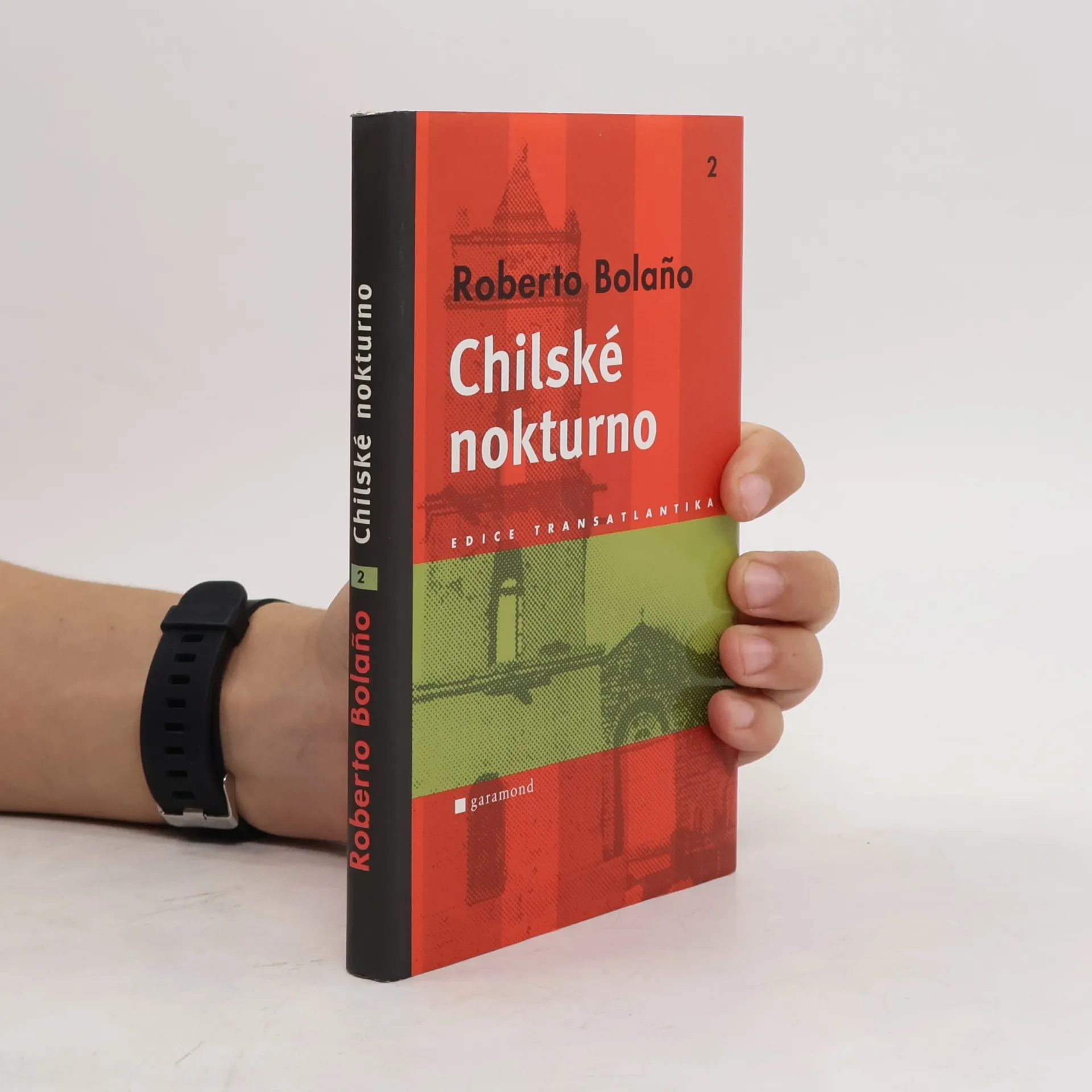
Román Chilské nokturno (2000) se z celku Bolañova díla nevymyká tematicky – zachycuje spisovatele konfrontovaného s totalitním režimem –, ale stylem. Monolog umírajícího kněze, básníka a literárního kritika Sebastiána Urrutiy Lacroixe alias Ibacacheho je méně věcný, než bývá u Bolaña obvyklé, o to je však hudebnější, má spád a těžko se dá přerušit. Kněz si v horečce na smrtelné posteli promítá klíčové okamžiky života ve snaze obhájit se před nařčeními „zestárlého mladíka“, jímž je pravděpodobně on sám.
Amulet
- 144 stránek
- 6 hodin čtení
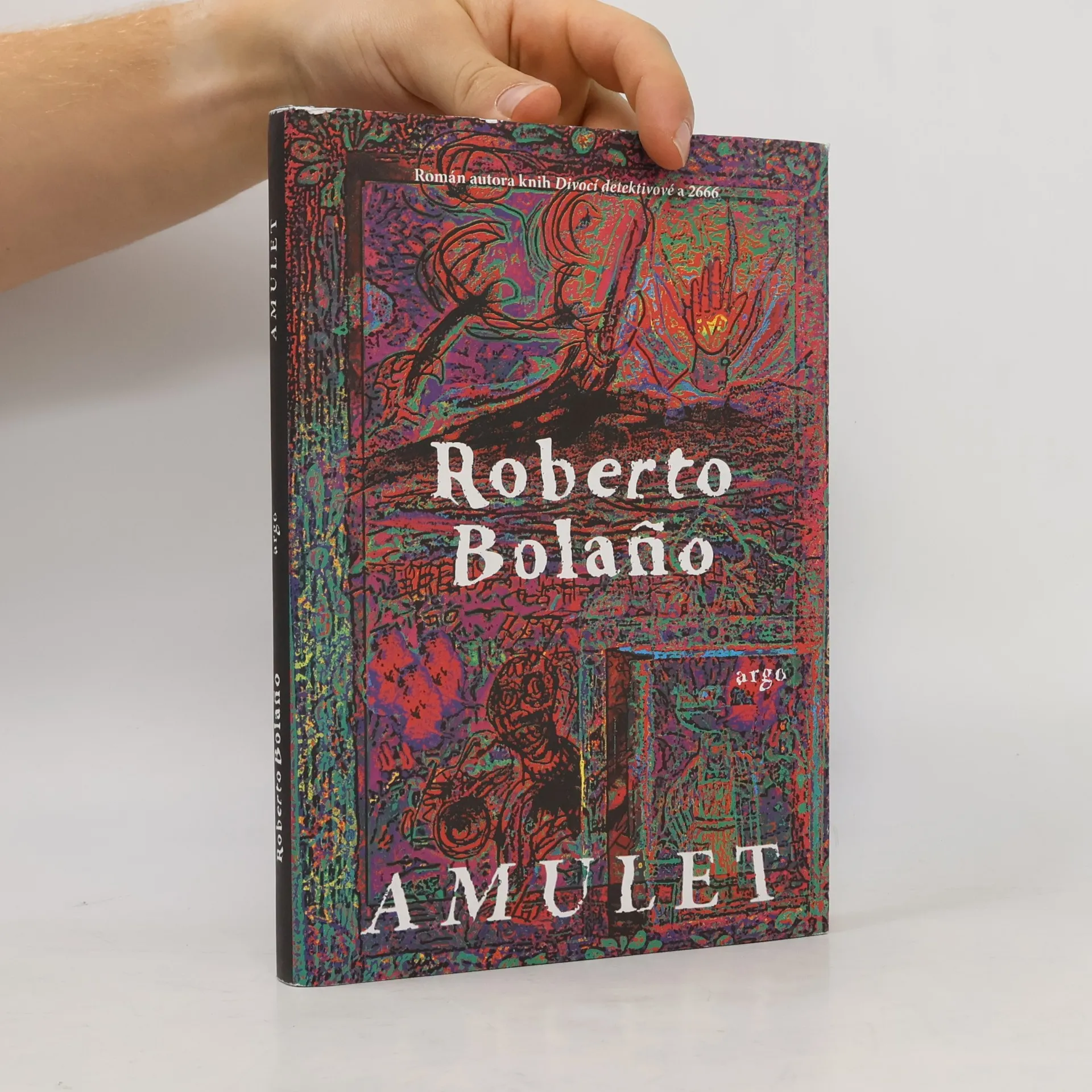
Román Amulet navazuje na Divoké detektivy, podobně jako Vzdálená hvězda navazovala na Nacistickou literaturu v Americe. Vypravěčkou je Auxilio Lacouture, uruguayská básnířka a „matka všech mexických básníků“, která se v září roku 1968 při policejním zásahu na mexické univerzitě schovala na záchodě, kde přečkala několik dnů. Čas strávený na záchodě filozofické fakulty se stane tunelem času, který ji přenáší do minulých let v Mexiku i do těch, která má ještě před sebou. Ve strhujícím toku vyprávění, které sám Bolaño přirovnává k partituře pro jediný nástroj, kdežto Divocí detektivové a 2666 jsou skladba pro orchestr, se objevují slavní skuteční i smyšlení básníci, malíři a další umělci včetně Artura Belana, a vypráví se také o cestování, o severním pólu a zapomenutých vraždách. Amulet je Bolañovým šestým románem, vydaným poprvé roku 1999 v nakladatelství Anagrama.
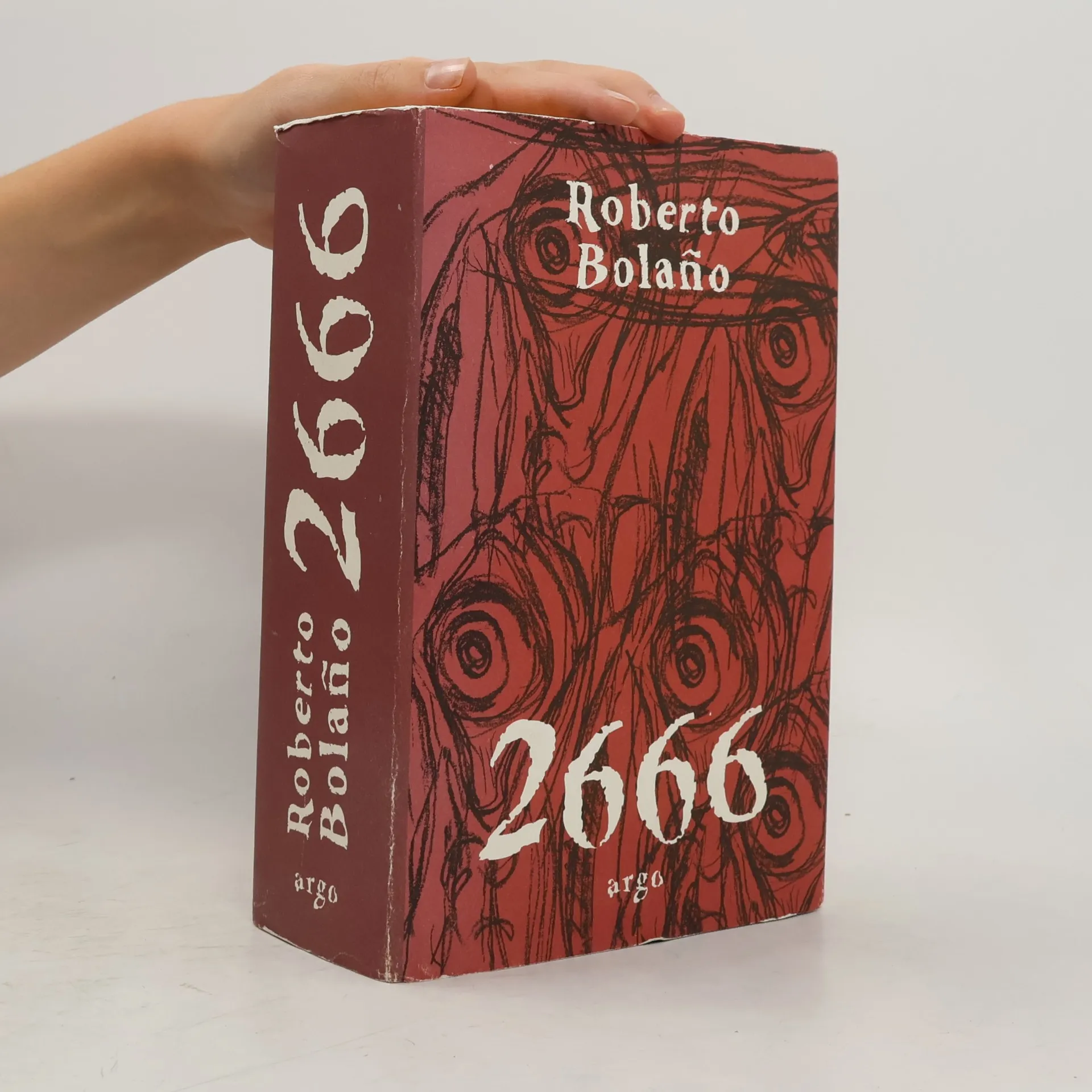
V kompozičně bohatém románu 2666 se mísí detektivka s eposem, filozofický román s básní, citová výchova s vědeckofantastickou literaturou, novinová reportáž s lékařskými záznamy šílených stavů choré mysli. Hlavními hrdiny jsou tři profesoři německé literatury, které spojuje láska k dílu tajemného spisovatele Archimboldiho i k jejich anglické kolegyni. Čtyři badatelé se vydají po stopách Archimboldiho do Mexika, kde se dozvědí o řadě brutálních vražd žen a dívek. Tyto zločiny se vinou pěti knihami románu, zrcadlícího dnešní šílenou společnost, kterou snad může zachránit jen literatura.
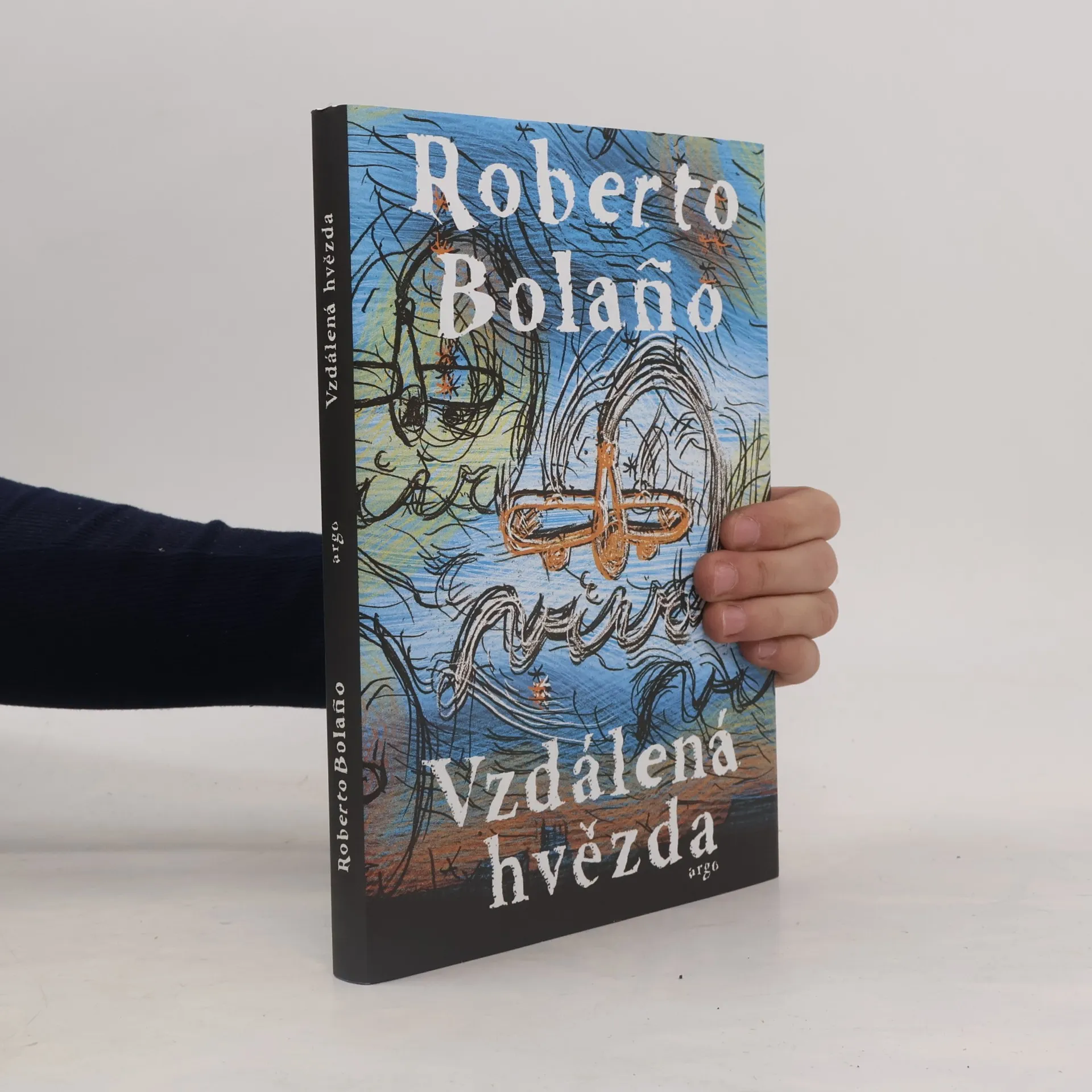
Útlý román Vzdálená hvězda vznikl rozpracováním posledního příběhu Nacistické literatury v Americe. Vypravěč líčí se směsí hrůzy a fascinace několik epizod ze života básníka, s nímž se seznámil počátkem 70. let na básnické dílně a pak se s ním znovu setkal až po Pinochetově puči – vlastně ne s ním, ale s jeho „vzdušnou poezií“, verši psanými na oblohu tryskami letadla. Pátrání po tom, kdo tento básník-válečný pilot vlastně je, co znamená umění pro život a kolik cizích životů je někdo svému svéráznému umění ochoten obětovat, tvoří páteř vyprávění plného odboček dalších příběhů. Kniha, považovaná literárními kritiky za jedno z nejpodstatnějších Bolañových děl, je bajkou nehodnou následování o podvodném umělci, jenž místo jakékoli etiky dbal pouze na estetiku, a další z variant Bolañova hledání podob moderního zla.
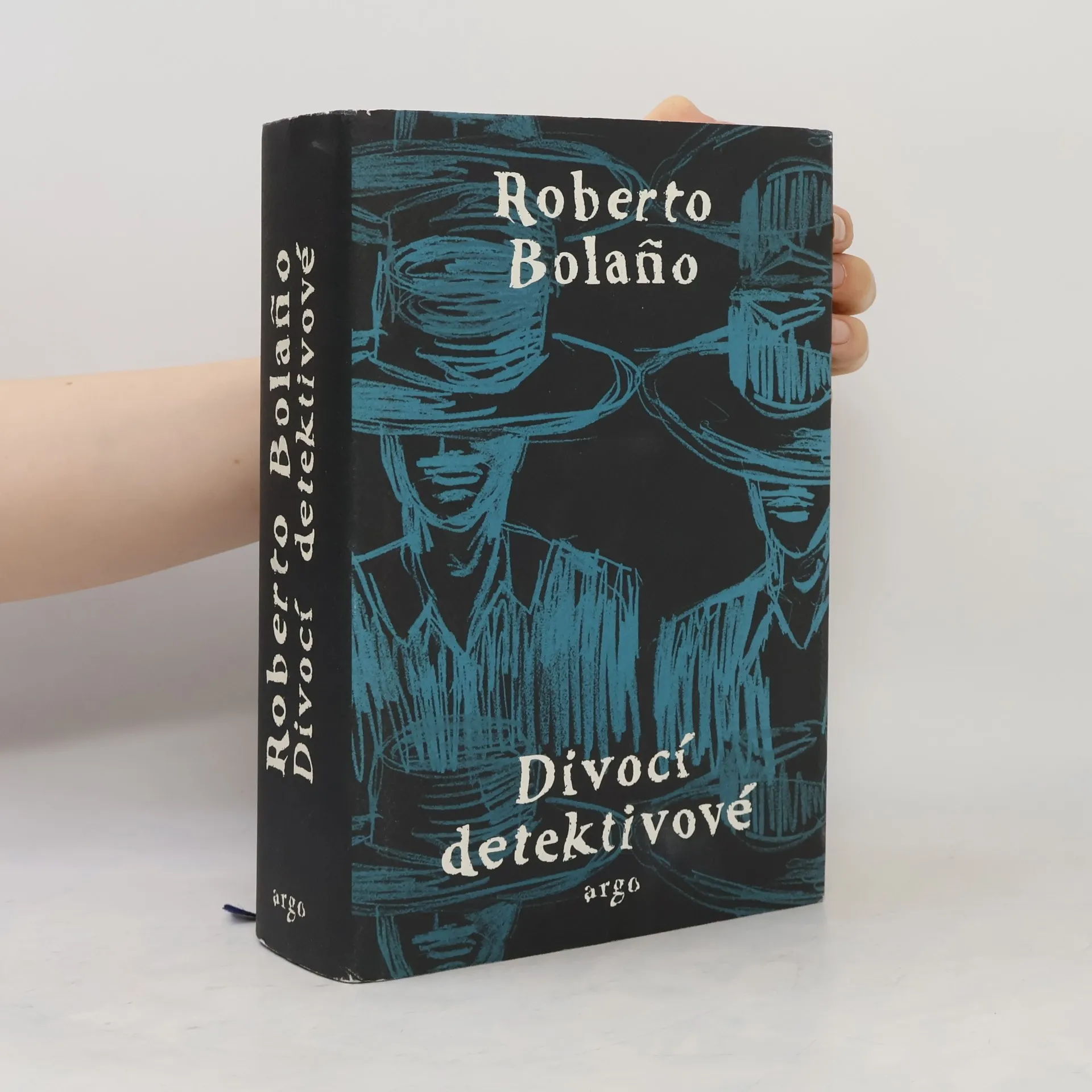
Chilan Roberto Bolaño (1953–2003), básník a prozaik, je v současnosti zřejmě nejvýraznější postavou latinskoamerické literatury. V této knize vypráví příběh dvou „divokých detektivů“, básníků-desperátů Artura Belana a Odyssea Limy a jejich přátel, umělců a stoupenců „žaludečního realismu neboli žaludného či záludného realismu, někdy též bludrealismu“, kteří se vydávají po stopách tajemné básnířky Cesáreji Tinajerové. Hledání – iniciační cesta, bildungsroman, citová výchova – trvá dvacet let, od roku 1976 do roku 1996, a prostřednictvím množství postav se rozvětvuje do změti podivných, někdy neukončených příběhů, tvořících „totální“ román, kde se dá najít úplně všechno: lásky, smrti a vraždy, blázince a univerzity, zmizení a objevování, literatura i život. Dějištěm je Mexiko (kde Bolaño vyrůstal), Nikaragua, USA, Francie, Španělsko, Rakousko, Izrael, Afrika.
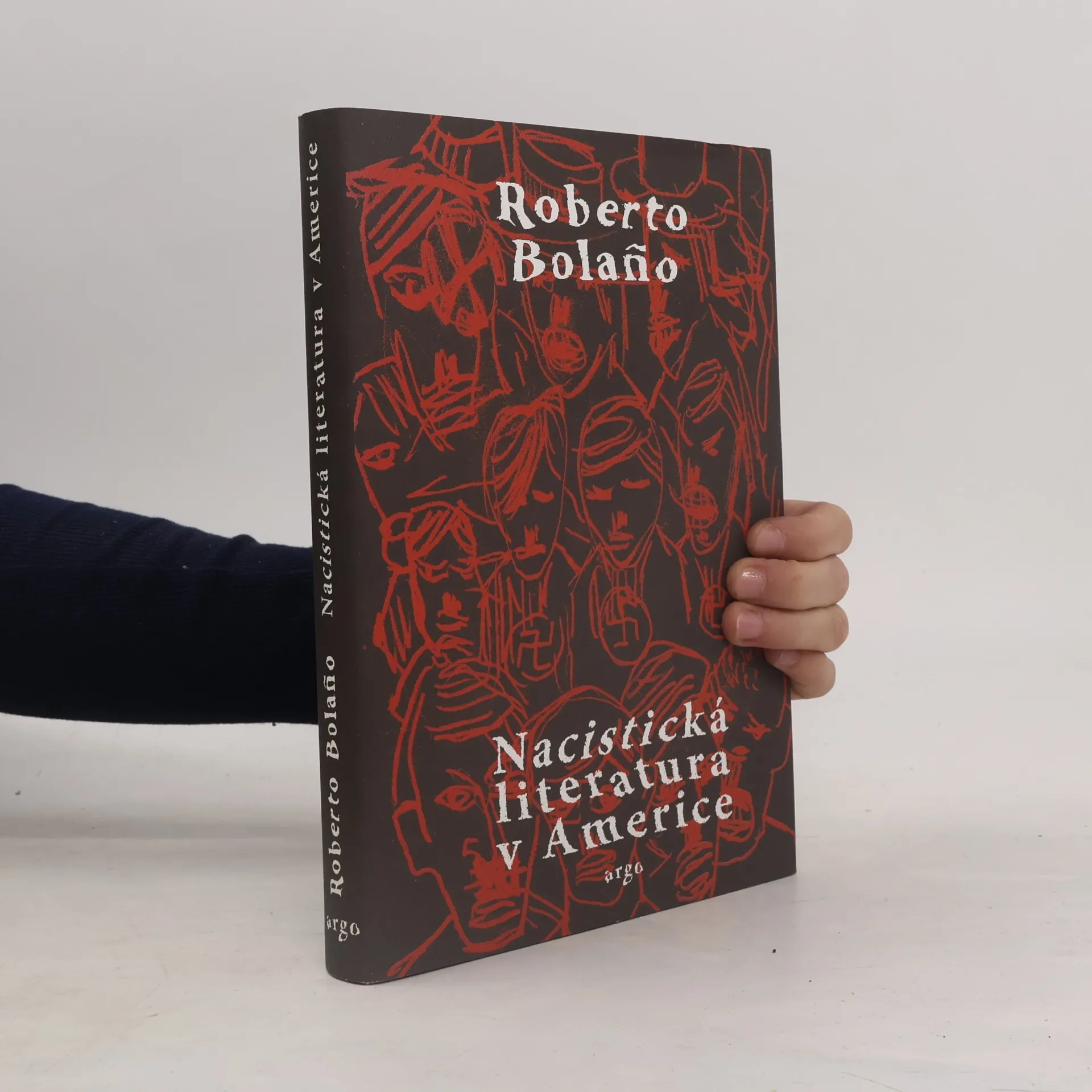
Touto knihou, vydanou v roce 1996, na sebe dnes slavný Roberto Bolaňo poprvé upoutal pozornost. Formálně se tváří jako slovník spisovatelů, ale žádná slavná jména skutečných latinskoamerických autorů, kteří si tak či onak zadali s fašistickou ideologií, tam nenajdeme. Není to ani sbírka esejů, ale ani román či povídky, nýbrž zvláštní hybridní žánr: soubor typicky bolaňovských, záměrně znejistělých vyprávění, kde banální a všední historky nabývají děsivých a groteskních rozměrů. Bolaňo tu má blízko k Borgesovi, jenž také věrohodně vyprávěl o neexistujících spisovatelích, textech a historických osobnostech a s radostí ze hry vymýšlel příručky typu Fantastické zoologie. Bolaňo si navíc hraje se jmény, která se někdy dají v textu dešifrovat, sarkasticky se šklebí a popichuje, ale hlavně propadá - a s ním i čtenáři - kouzlu slova a chrlí fascinující litanie a obrazy.
The Skating Rink
- 192 stránek
- 7 hodin čtení
When Nuria Martí, the beautiful Spanish figure skater, is suddenly dropped from the Olympic team, a besotted admirer builds a secret ice rink for her in the ruins of an old mansion on the outskirts of their seaside town. What he doesn't tell her is that he paid for it using embezzled public funds. Such deceit is not without repercussions, and the skating rink soon becomes a crime scene... Rife with political corruption, sex, jealousy and frustrated passion, The Skating Rink - narrated in turn by a corrupt and pompous civil servant, a beleaguered romantic poet, and a duplicitous local entrepreneur - is a darkly atmospheric tale of murder and its motives.