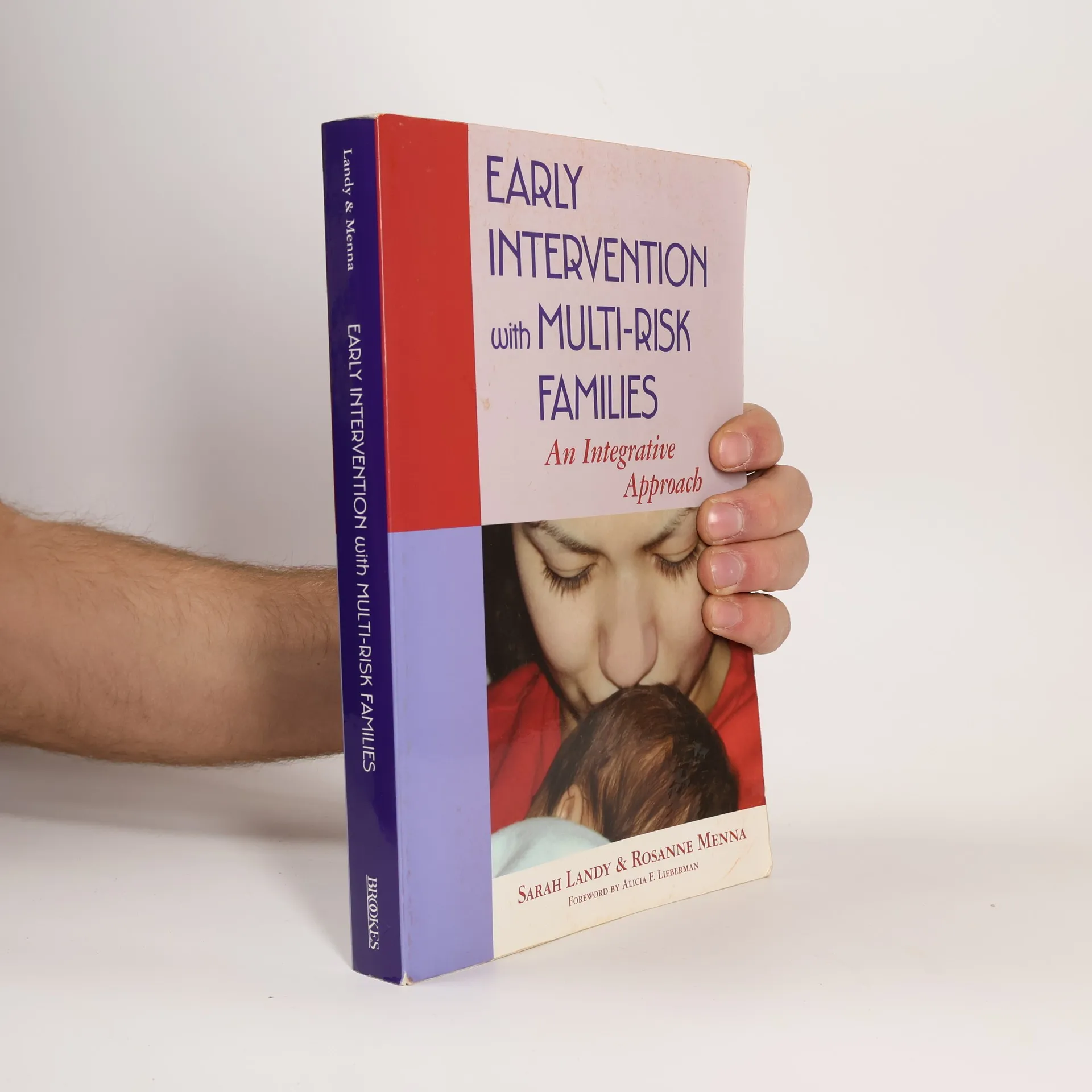
Helping families in high-risk environments, such as those facing poverty, domestic violence, teen parenthood, mental illness, and substance abuse, necessitates collaboration among professionals and paraprofessionals for effective interventions. This essential resource guides service providers in assisting multi-risk families through an integrative model that combines effective techniques from various theoretical approaches, parenting strategies, and innovative programs. It offers strategies for engaging resistant parents and practical methods for support. Extended case studies illustrate key concepts and techniques, presenting a cohesive intervention model, making it a valuable tool for psychologists, social workers, early childhood educators, home visitors, and other service providers. Additionally, it provides program administrators with guidance on establishing high-quality early intervention systems, structuring and training effective teams, developing sound organizational policies, and addressing staff burnout and vicarious trauma. This book is also a vital resource for universities and colleges training early intervention practitioners who work with families in challenging environments.
Sarah Landy Knihy