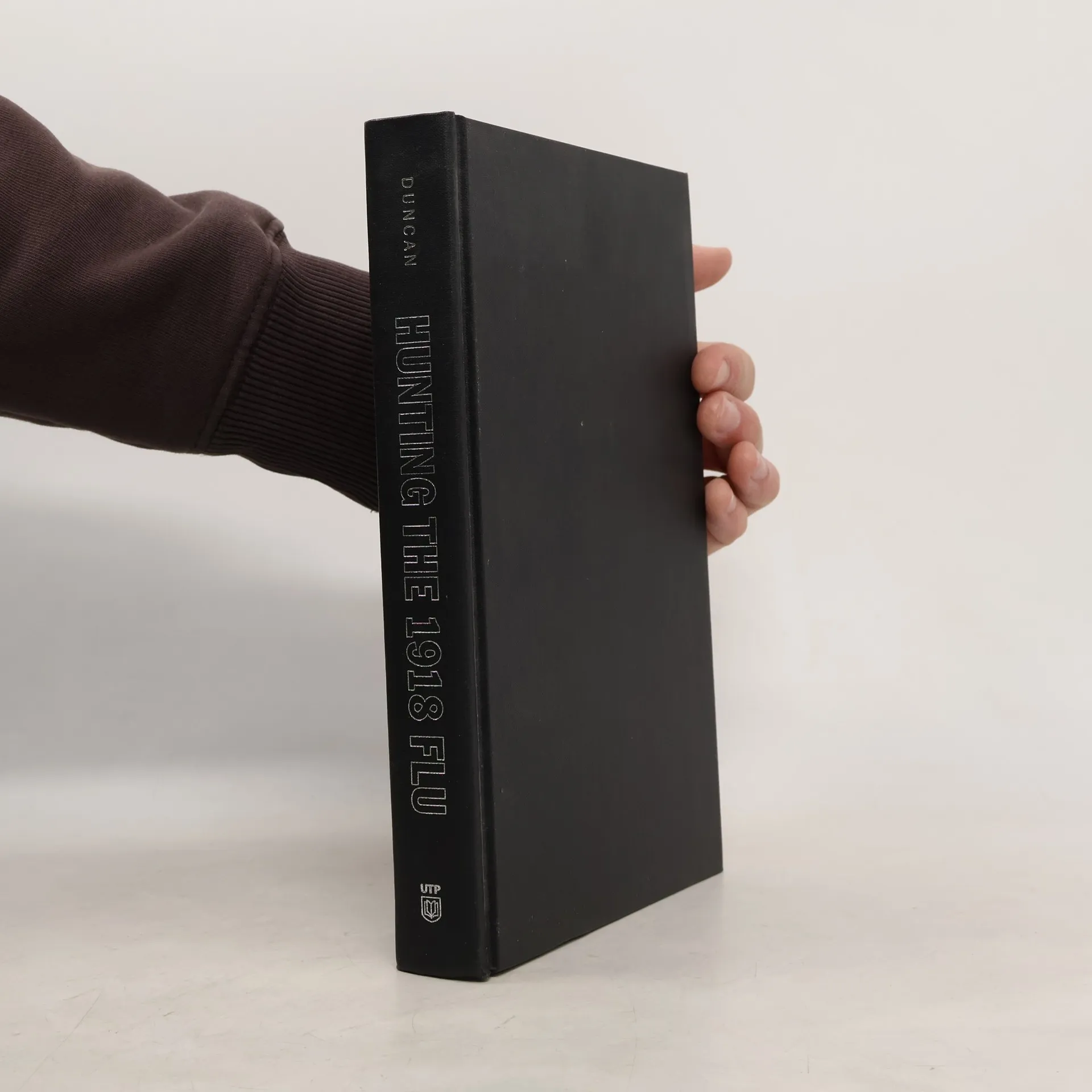
In 1918, medical science struggled to understand the Spanish flu epidemic, which claimed 20 to 40 million lives in a single year, surpassing World War I casualties. Although this pandemic has largely faded from public memory, virologists believe a similarly lethal flu virus will inevitably return. In response to this ongoing interest, Kirsty Duncan recounts her experiences organizing a multi-national scientific expedition to exhume the bodies of Norwegian miners who succumbed to the Spanish flu in Svalbard. Her narrative unfolds in two parts: detailing a large-scale medical project aimed at uncovering genetic material from the virus and providing a first-hand account of the intense politics surrounding the endeavor, where personal egos clashed with high stakes. As a physical geographer, Duncan candidly shares her emotional, financial, and professional struggles encountered on the 'dark side of science.' Readers observe the research team's 'entropic' behavior, despite their commitment to science, as they navigate the challenges from 1992 to 2001. Duncan's pursuit raises critical questions about public health, epidemiology, scientific ethics, and the influence of age, gender, and privilege in research, while also highlighting the risks of personal ambition overshadowing scientific integrity.
Kirsty E. Duncan Knihy