


Knihobot

Allan H. Ropper

    Piercing the Fog of War
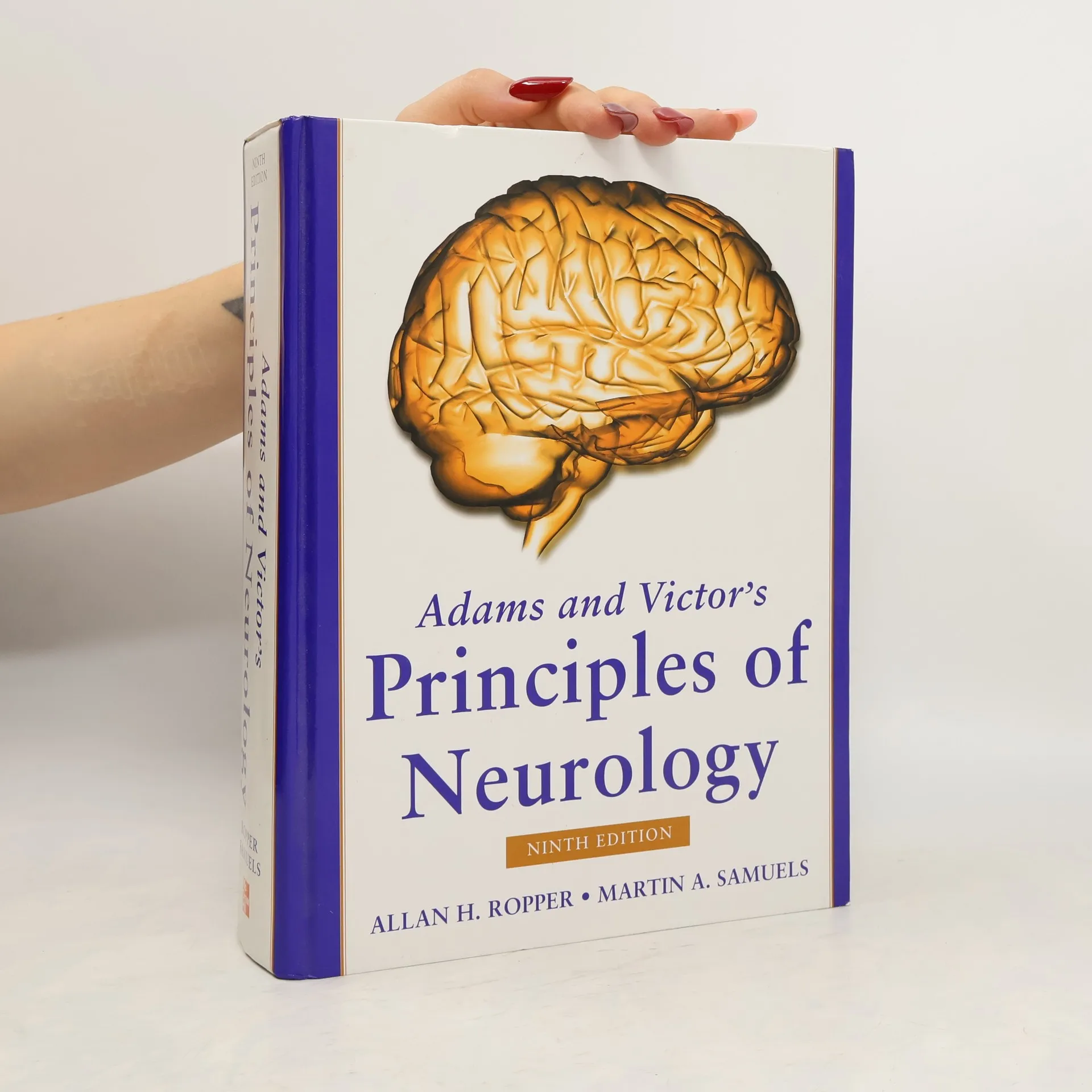
    Adams and Victor's Principles of Neurology - Ninth Edition
    How The Brain Lost Its Mind
    Reaching down the rabbit hole
    • One of the world's leading neurologists reveals the extraordinary stories behind some of the brain disorders that he and his staff at the Harvard Medical School endeavour to treat.

      Reaching down the rabbit hole
    • The remarkable, intertwined histories of neurology, psychiatry, neurosyphilis and hysteria, by the authors of the Sunday Times top ten bestseller Reaching Down the Rabbit Hole.

      How The Brain Lost Its Mind
    • This definitive guide to neurology is recognized as one of the best textbooks in the field, offering insights from outstanding neurologic clinicians. The writing is clear, concise, and conversational, making it feel as if readers are on rounds with a superb clinician. This edition, now 1572 pages, expands on previous versions and continues to be a key resource for neurologists, neurosurgeons, and resident trainees, as well as internists, emergency physicians, and pediatricians. The book has been praised as a balanced textbook that combines a personal approach to studying neurology and neurologic diseases. Its ninth edition attests to its durability and credibility as a comprehensive source for understanding the pathophysiology, evaluation, and treatment of nervous system disorders. Each chapter is authored by the same experts, ensuring a uniform voice throughout the text. Providing essential information for addressing neurologic problems, the book covers a wide range of issues from motility disorders to degenerative diseases. It offers expert insights and practical, in-depth coverage of both common and rare illnesses, alongside accessible treatment and clinical management strategies. The text is organized logically into six parts, focusing on clinical methods, cardinal presentations, and various diseases, while also addressing growth, development, and aging related to neurologic disease.

      Adams and Victor's Principles of Neurology - Ninth Edition
    • Since the late 1970s, military literature in English and German has focused on the Wehrmacht's command system, particularly Auftragstaktik. Numerous descriptions and historical analyses exist, often comparing it unfavorably with British and American methods before their adoption of Mission Command in the late 1980s. However, few have examined these command approaches through the lens of friction, a fundamental aspect of warfare, leading to a flawed understanding of military operations. This book aims to fill that gap by first exploring the nature of friction and potential command responses, developing a typology of eight command approaches, and assessing their effectiveness and success requirements. It then analyzes the doctrines of the British and German armies to highlight similarities and differences in their views on warfare and responses. The experiences of Erwin Rommel, from his early combat in 1917 to his role as a divisional commander in 1940, are used to illustrate the practical application of German doctrine. Finally, case studies of the armored battles of Amiens in August 1918 and Arras in May 1940 are examined to reveal the strengths and weaknesses of each command approach. This work deepens the understanding of command in relation to friction and identifies the necessary conditions for success, serving as a sequel to earlier research on command, training, and tactics in the British and German armies.

      Piercing the Fog of War