
Knihobot

神谷妙子

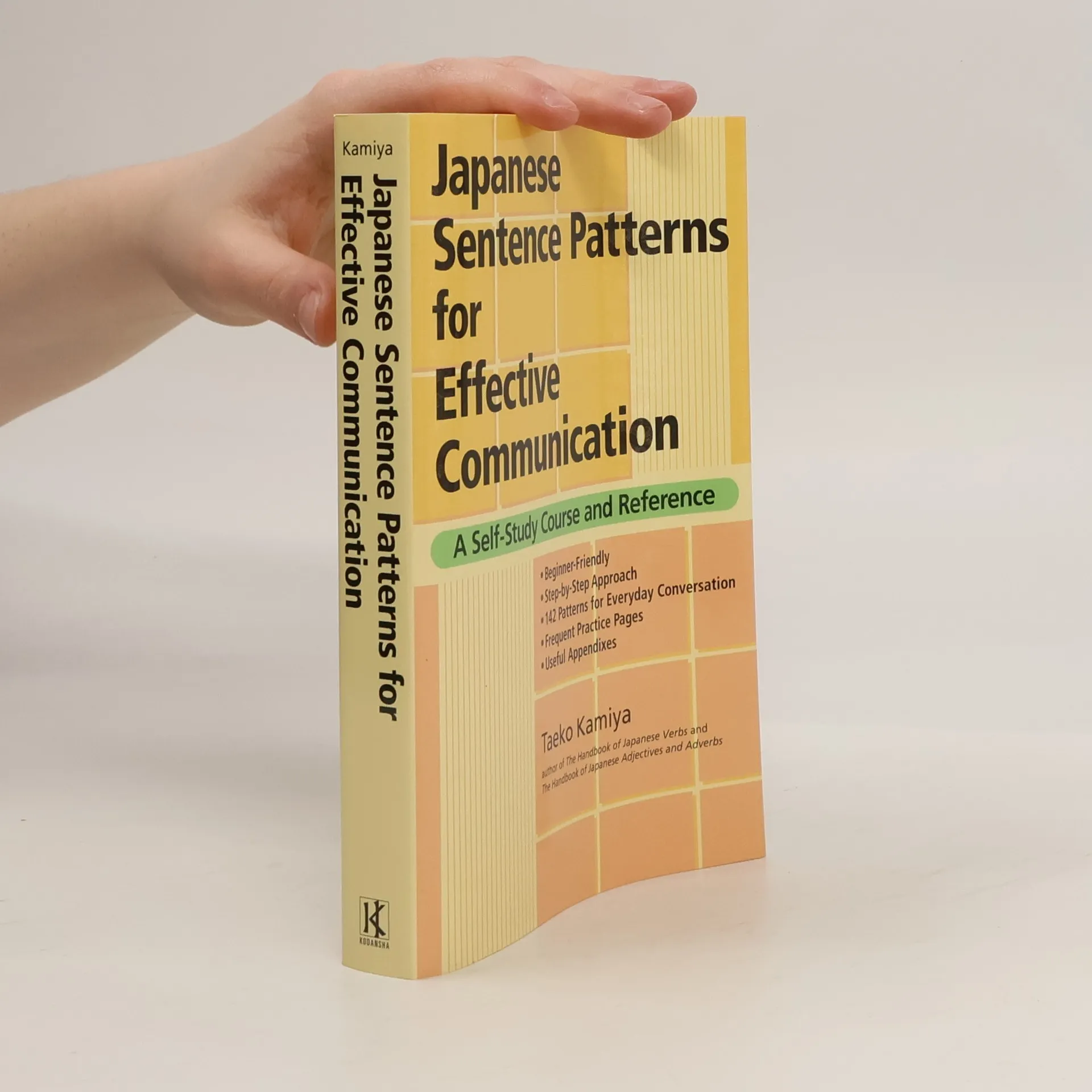
    Japanese Sentence Patterns For Effective Communication: A Self-study Course And Reference
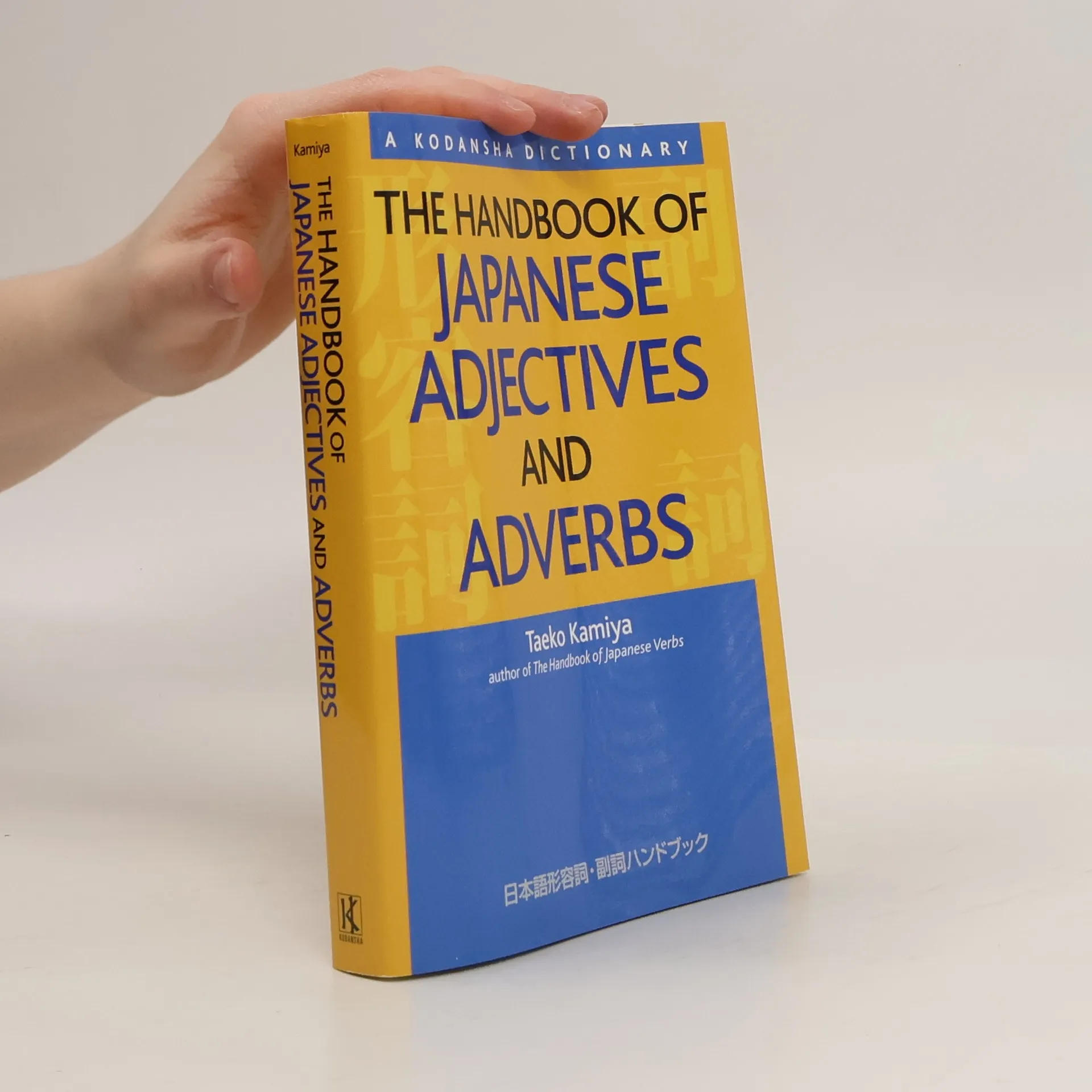
    A Kodansha Dictionary: The Handbook of Japanese Adjectives and Adverbs
    • A Kodansha Dictionary: The Handbook of Japanese Adjectives and Adverbs

      日本語形容詞・副詞ハンドブック

      • 326 stránek
      • 12 hodin čtení

      For beginners of Japanese, adjectives and adverbs can be particularly challenging. Unlike English, Japanese adjectives conjugate, requiring memorization of their various forms to construct complex sentences. Adverbs, while not conjugating, utilize particles to indicate their grammatical relationships and often carry subtle meanings that may not translate directly into English. These elements significantly enrich the Japanese language. This reference manual introduces the fundamentals of adjectives and adverbs clearly, helping students speak Japanese with flair. The book is divided into two main sections: adjectives and adverbs. Each section begins with an overview. The adjectives section is split into two parts: the first covers the conjugations of i- and na-adjectives along with basic auxiliary adjectives, while the second presents common sentence patterns involving adjectives. The adverb section is organized by topic, explaining various types, including those for time, quantity, degree, circumstance, and onomatopoeic expressions. Each entry features a concise English explanation and multiple example sentences for clarity. Exercises throughout the book allow students to assess their understanding, and quick-reference lists in the appendixes aid in vocabulary recall. This manual, alongside its companion publication, promises to offer valuable guidance for years to come.

      A Kodansha Dictionary: The Handbook of Japanese Adjectives and Adverbs
      4,4
    • An indispensable tool for acquiring basic communication skills in a limited amount of time. With Japanese Sentence Patterns for Effective Communication, even absolute beginners can learn to communicate in Japanese in a matter of days. Designed specifically for native-English speakers approaching Japanese as a second language, this book presents 142 essential Japanese sentence patterns, first by giving equivalents in English, then following with Japanese translations. Each pattern is accompanied by a concise, easy-to-follow explanation and several Japanese example sentences that demonstrate its usage. In addition, practice sections for each pattern allow the student to test his or her understanding of the material presented. Japanese Sentence Patterns for Effective Communication is organized into twelve chapters according to communicative function, including such tasks as making simple, declarative statements about people and things in the world; making comparisons; talking about events in the past, present and future; expressing desire, conjecture and intention; stating causes or reasons; making requests; asking and giving permission; and using the passive and causative-passive voices. Extensive charts at the back of the book outline the rules for inflecting and conjugating adjectives and verbs—essential to fluent communication.

      Japanese Sentence Patterns For Effective Communication: A Self-study Course And Reference
      4,3