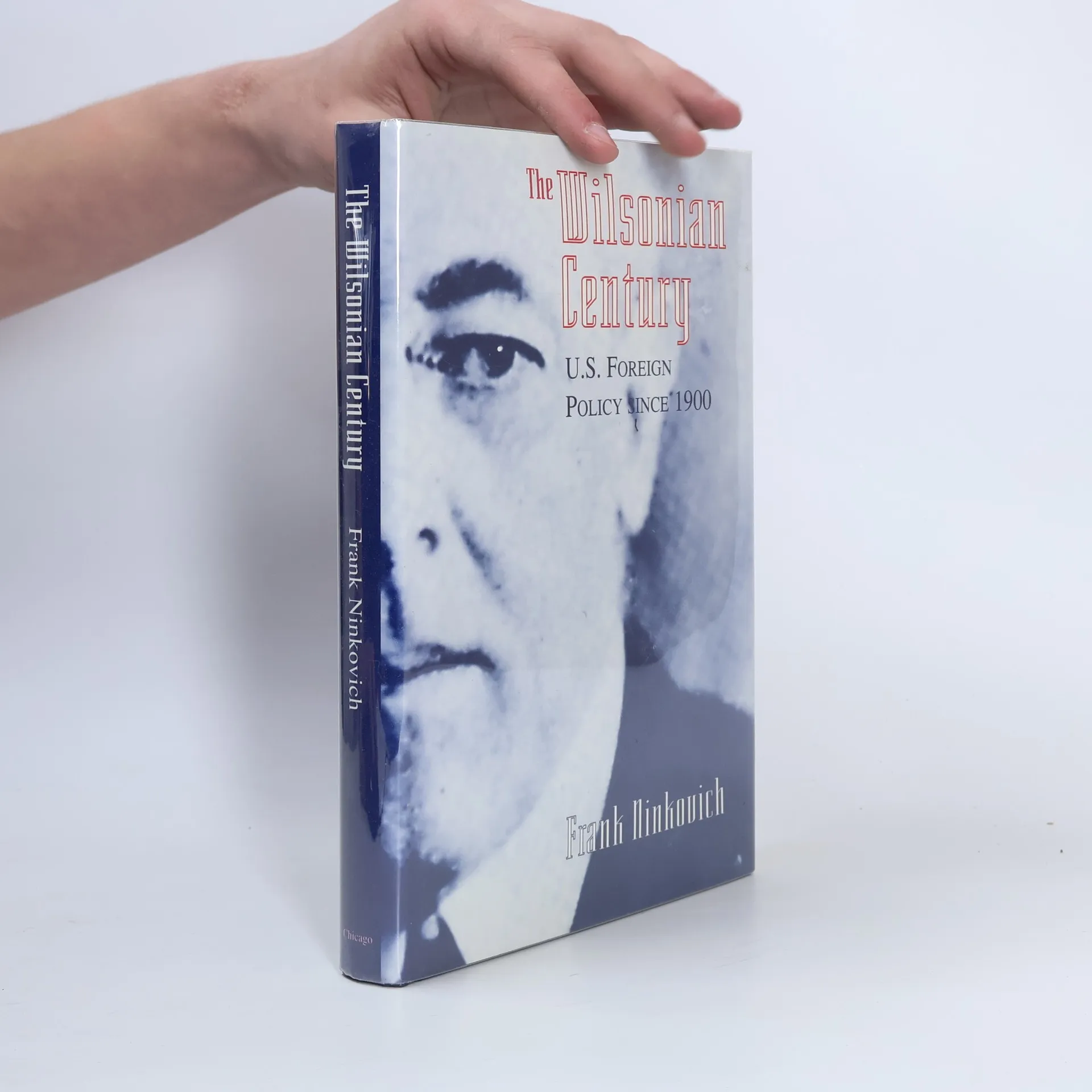
For much of the century, American foreign policy was shaped by assumptions established during World War I by President Woodrow Wilson. In this incisive reexamination, Frank Ninkovich argues that the Wilsonian outlook was not a crusading idealism but rather a reactive, practical approach rooted in fear. Wilson and his successors prioritized guarding against world wars and global domination to ensure political harmony and commercial cooperation among great powers. As the world faced unprecedented turbulence, Wilsonianism evolved into a "crisis internationalism," striving to maintain the benign vision of "normal internationalism" that characterized the U.S. at the century's start. Ninkovich reinterprets key foreign policy events, viewing the 1920s not as isolationist but as a return to Taft's Dollar Diplomacy. The Cold War exemplified Wilsonian America's focus on cohesive world opinion, moving away from traditional regional interests. This work presents a compelling alternative to conventional interest-based interpretations of U.S. foreign policy. By revising the understanding of Wilson's influence, Ninkovich highlights the significant role Wilsonian ideas played in guiding American policy through a century marked by conflict and tension.
Frank A. Ninkovich Pořadí knih (chronologicky)