

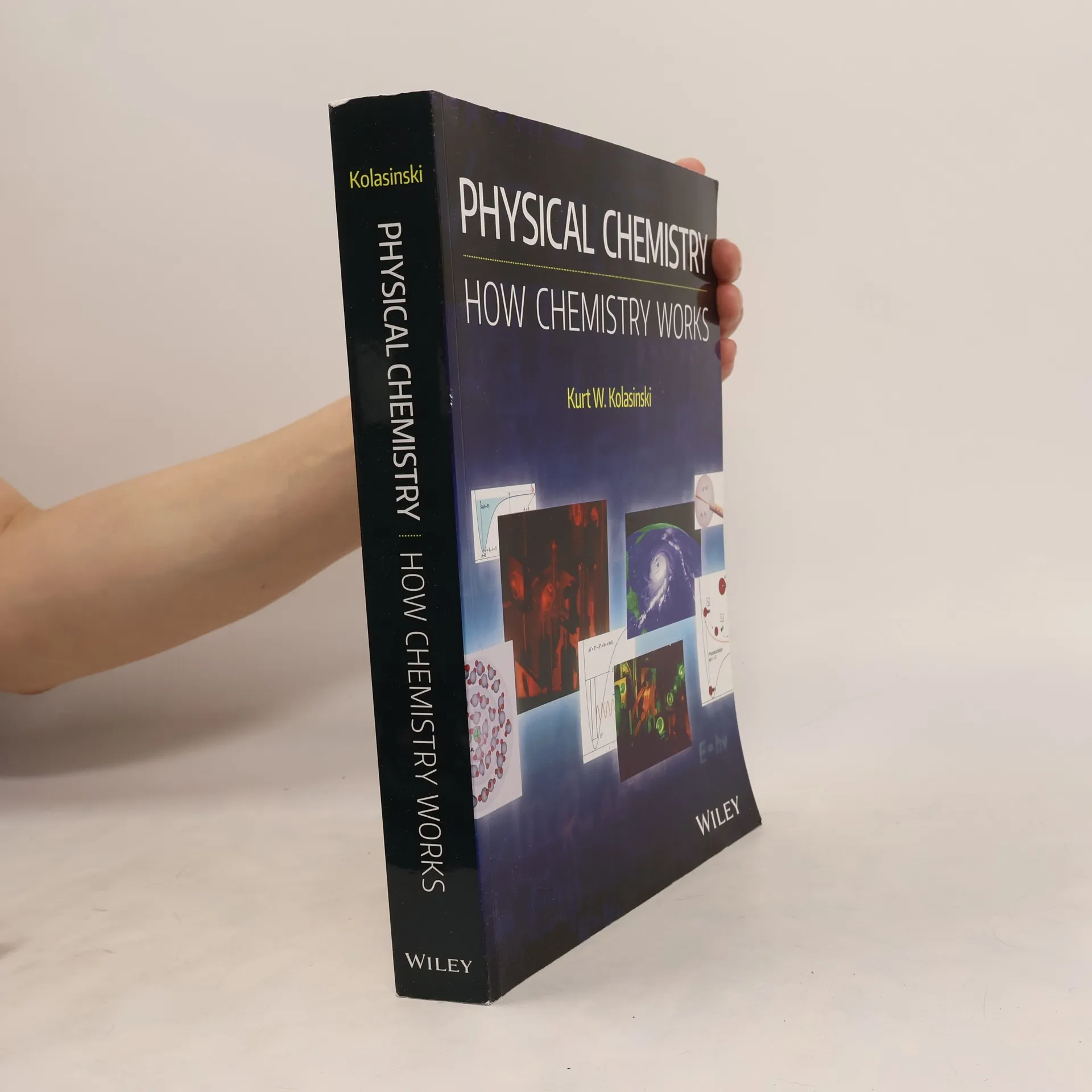
Much of chemistry is motivated by asking 'How'? How do I make a primary alcohol? React a Grignard reagent with formaldehyde . Physical chemistry is motivated by asking 'Why'? The Grignard reagent and formaldehyde follow a molecular dance known as a reaction mechanism in which stronger bonds are made at the expense of weaker bonds . If you are interested in asking 'why' and not just 'how', then you need to understand physical chemistry. Physical Chemistry: How Chemistry Works takes a fresh approach to teaching in physical chemistry. This modern textbook is designed to excite and engage undergraduate chemistry students and prepare them for how they will employ physical chemistry in real life. The student-friendly approach and practical, contemporary examples facilitate an understanding of the physical chemical aspects of any system, allowing students of inorganic chemistry, organic chemistry, analytical chemistry and biochemistry to be fluent in the essentials of physical chemistry in order to understand synthesis, intermolecular interactions and materials properties. For students who are deeply interested in the subject of physical chemistry, the textbook facilitates further study by connecting them to the frontiers of research.
Kurt W. Kolasinski Knihy
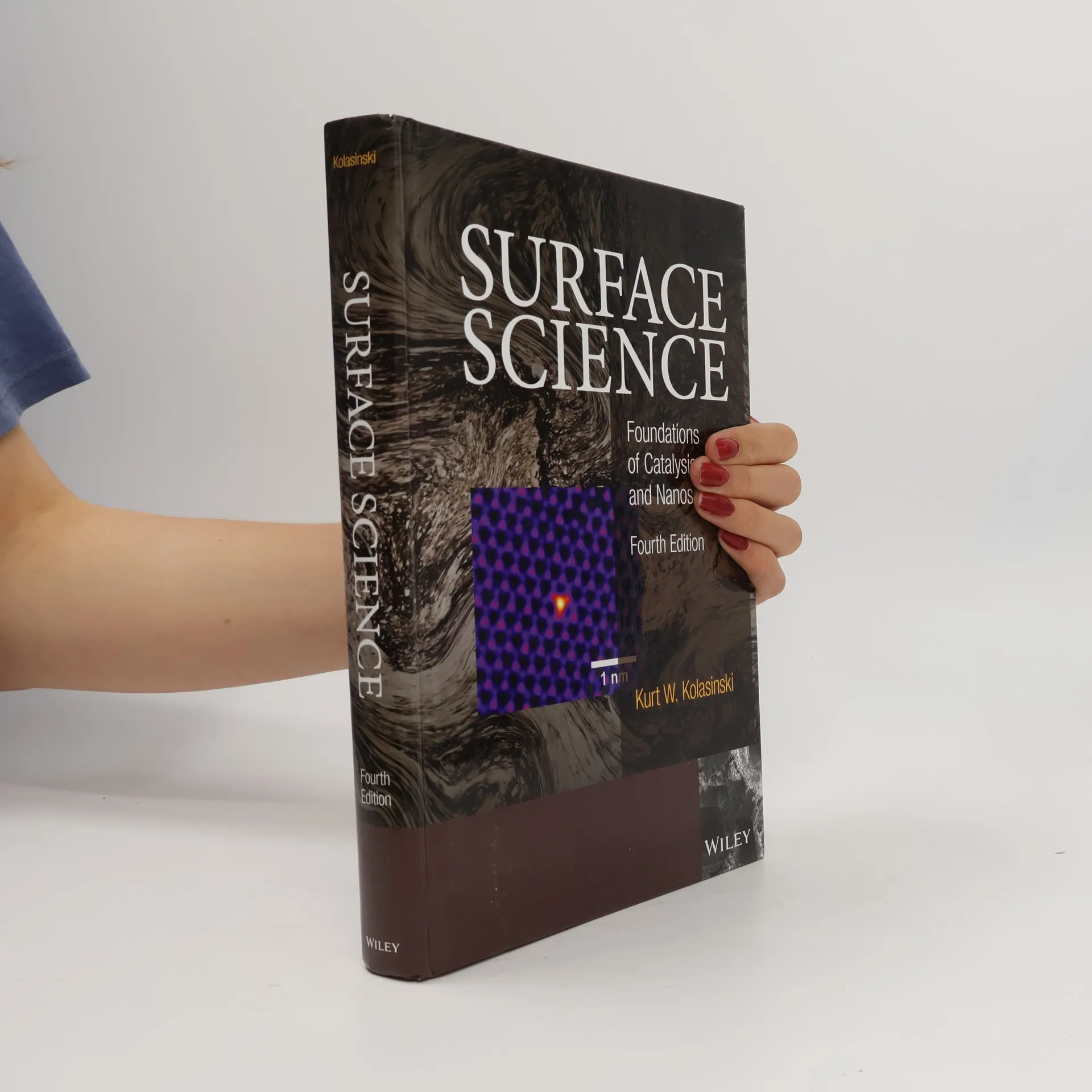
This updated fourth edition provides a comprehensive understanding of chemical transformations and surface structure formation. It covers essential techniques and phenomena relevant to surface science, focusing on gas/solid and liquid/solid interfaces. The text elucidates structural, dynamical, thermodynamic, and kinetic principles that explain how and why chemical transformations occur at surfaces. The author, a noted expert, integrates chemistry, physics, and mathematics to create an accessible resource. New end-of-chapter exercises, with online solutions, demonstrate relevant problem-solving techniques. Each chapter starts with basic principles and progresses to advanced topics, highlighting frontier areas of study. This edition expands on scanning tunneling microscopy (STM), atomic force microscopy (AFM), and super-resolution microscopy, reviews advances in catalysis theory and activity descriptors for catalyst design, and extends discussions on two-dimensional solids, reflecting recent growth and characterization advancements. It also delves deeper into the surface science of electrochemistry and charge transfer reactions, updating the "Frontiers and Challenges" sections and reference lists. Aimed at students, researchers, and professionals, this edition revitalizes the text, providing essential tools and principles for understanding the field.