
Knihobot

Paul Erdkamp

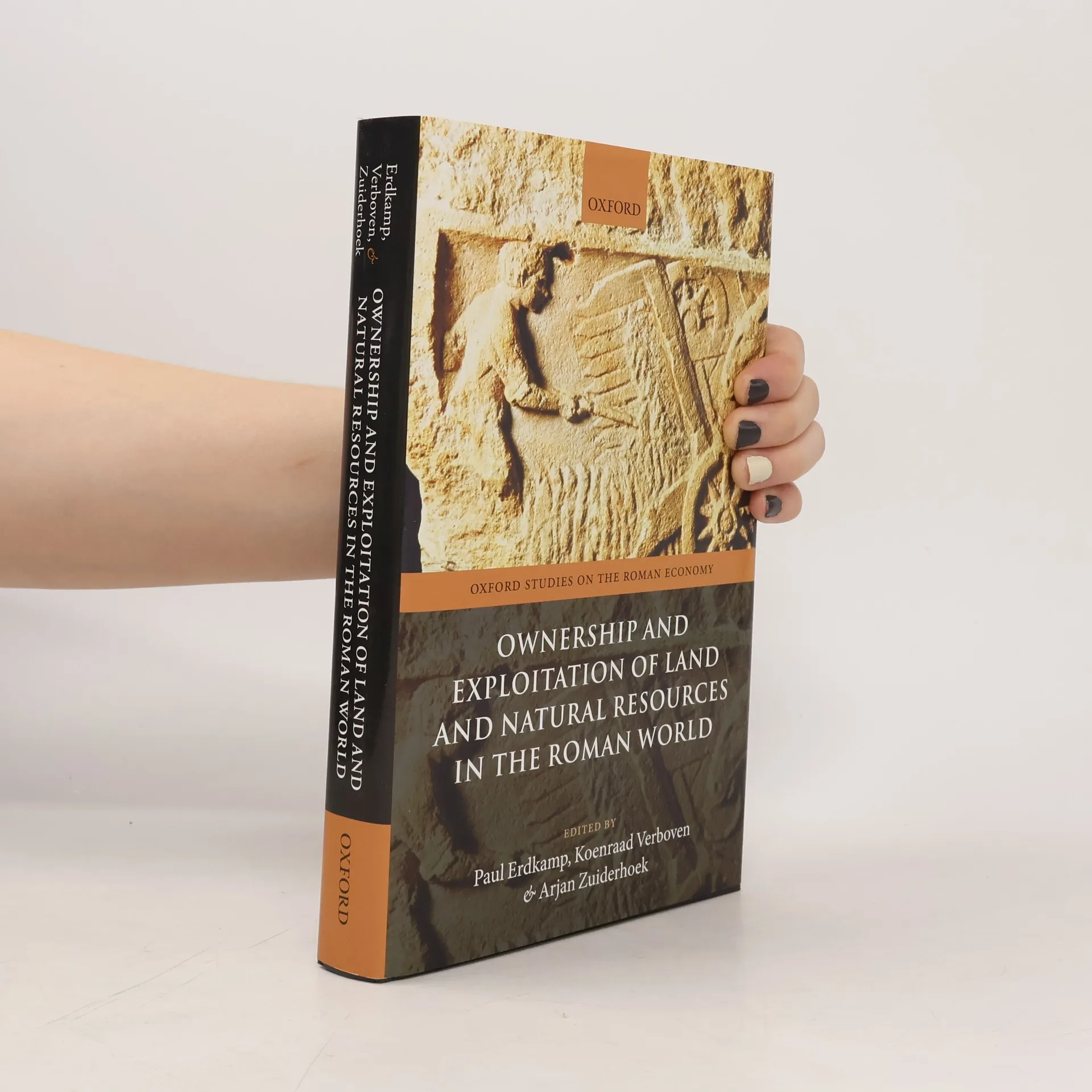
    Oxford Studies on the Roman Economy: Ownership and Exploitation of Land and Natural Resources in the Roman World
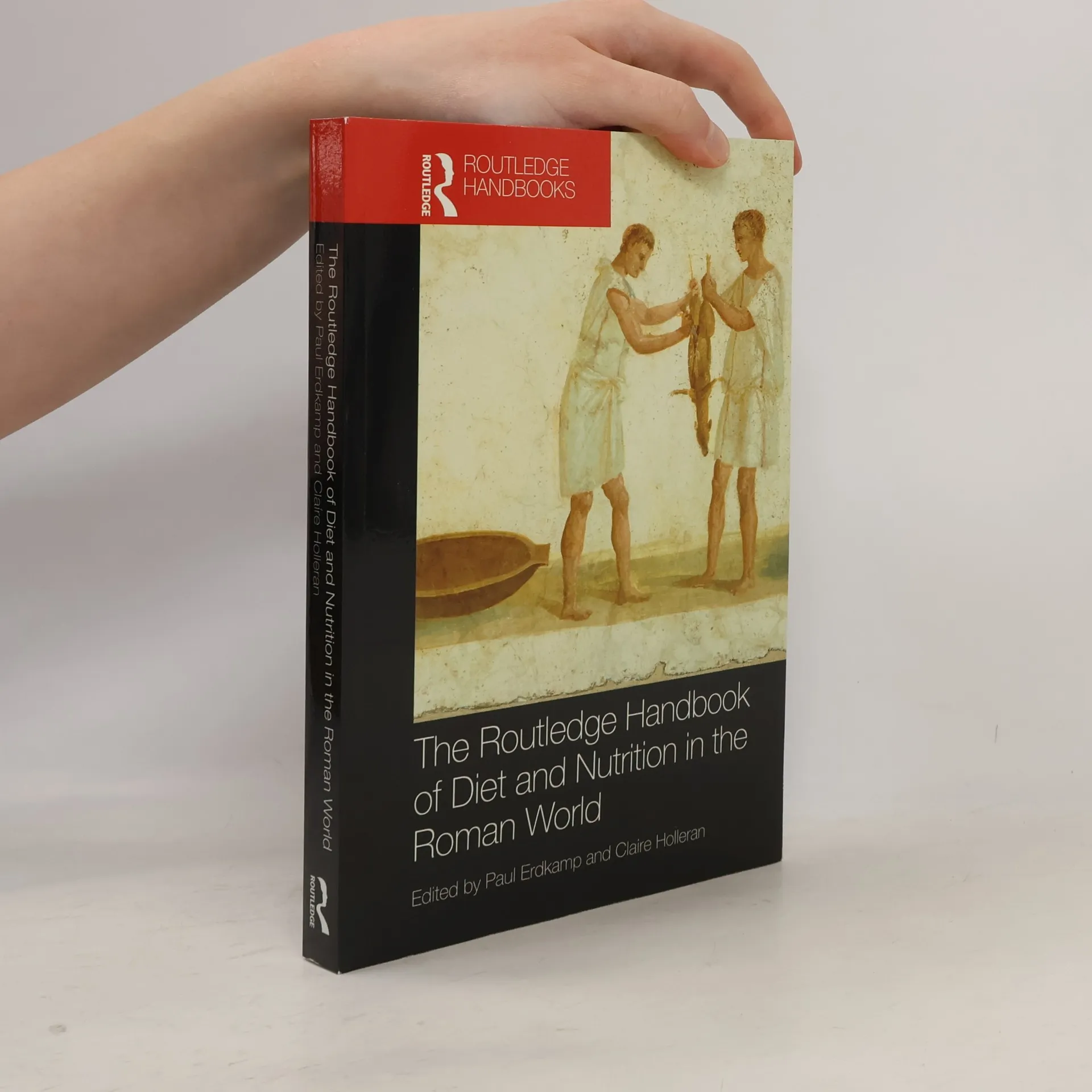
    The Routledge Handbook of Diet and Nutrition in the Roman World
    • The Routledge Handbook of Diet and Nutrition in the Roman World offers a comprehensive overview of the sources, issues, and methodologies related to the study of diet in the Roman era, focusing on the Mediterranean from the second century BC to the third and fourth centuries AD. Food is essential for life, but dietary choices are influenced by social and historical factors, making this a vital area of study. The Handbook employs a multidisciplinary approach, integrating various sources and disciplines to examine the nutrition of men, women, and children in both urban and rural settings. The chapters are organized into five parts. Part I presents a range of textual, material, and bioarchaeological evidence regarding food and nutrition. Part II discusses various food and drink types, such as cereals, pulses, olive oil, meat, and fish, along with their social contexts. Part III shifts focus to women and children, exploring cultures in Roman Egypt, Central Europe, and Jewish communities in Palestine, as well as the influence of Christianity. Part IV features insights from three scholars on the contributions of physical anthropology to understanding health and nutrition. The final section addresses food supply issues within the framework of community and empire.

      The Routledge Handbook of Diet and Nutrition in the Roman World
    • Explanation of the success and failure of the Roman economy is one of the most important problems in economic history. As an economic system capable of sustaining high production and consumption levels, it was unparalleled until the early modern period. This volume focuses on how the institutional structure of the Roman Empire affected economic performance both positively and negatively. An international range of contributors offers a variety of approaches that together enhance our understanding of how different ownership rights and various modes of organization and exploitation facilitated or prevented the use of land and natural resources in the production process. Relying on a large array of resources - literary, legal, epigraphic, papyrological, numismatic, and archaeological - chapters address key questions regarding the foundations of the Roman Empire's economic system. Questions of growth, concentration and legal status of property (private, public, or imperial), the role of the state, content and limitations of rights of ownership, water rights and management, exploitation of indigenous populations, and many more receive new and original analyses that make this book a significant step forward to understanding what made the economic achievements of the Roman empire possible.

      Oxford Studies on the Roman Economy: Ownership and Exploitation of Land and Natural Resources in the Roman World