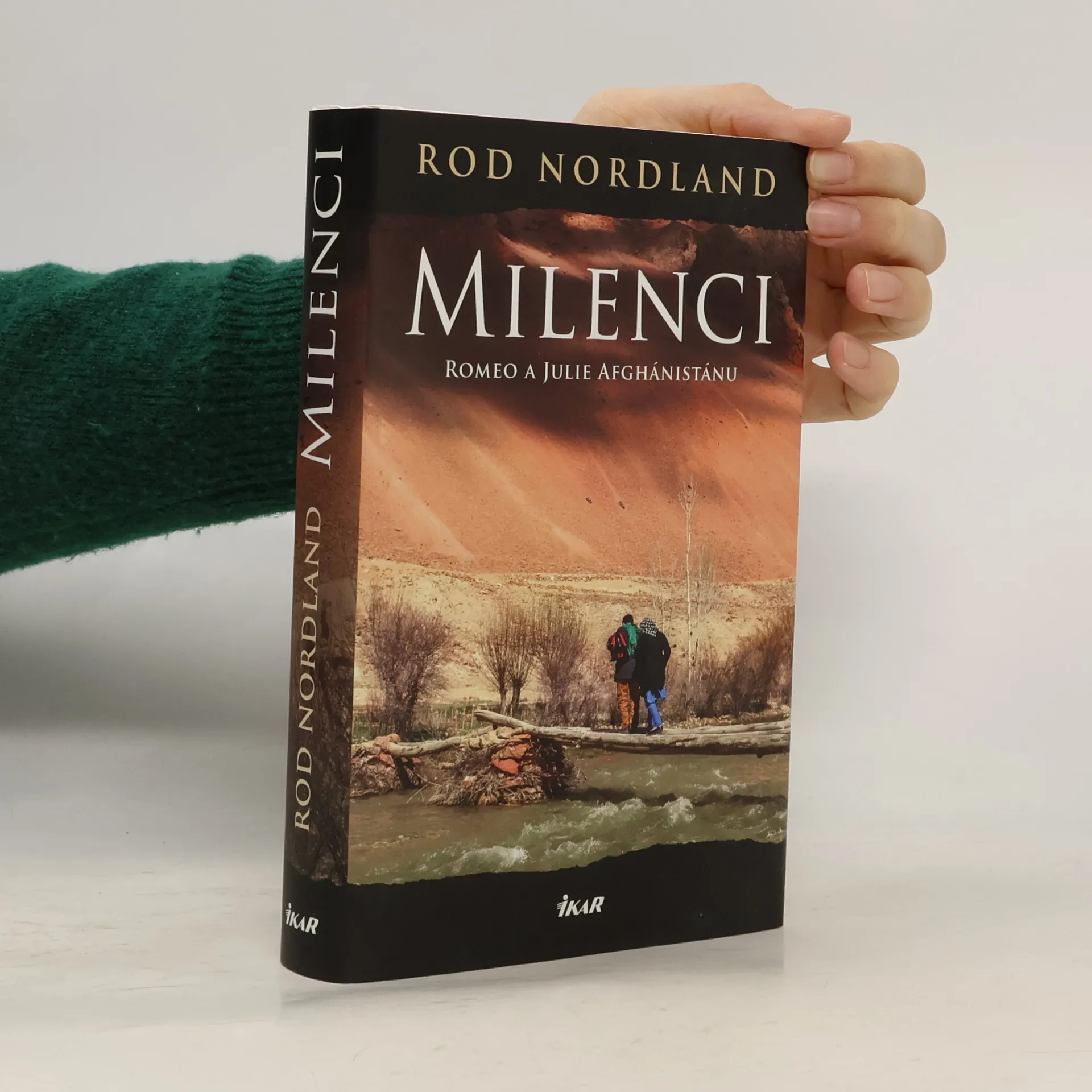
Romeo a Julie Afghánistánu, tímto přirovnáním označuje autor příběh afghánské dvojice mladých lidí, kteří riskovali vše, aby mohli být spolu. Zakija a Alí vyrůstali vedle sebe, přesto jako kdyby byli každý na jiné straně zeměkoule – jejich rodiny pocházely z odlišného prostředí a panovala mezi nimi nesmiřitelná propast. Když tedy Alí požádal Zakijina otce o dívčinu ruku, dočkal se kategorického odmítnutí. Zamilovaná dvojice se však rozhodla vzít osud do svých rukou a vzali se tajně. Od té doby se ukrývají a hrozí jim smrt.
The story follows Zakia and Ali, two young lovers from different Muslim sects in Afghanistan, who elope to escape familial and cultural constraints. Their journey unfolds amidst the challenges of seeking safety and acceptance in a society that opposes their union. Journalist Rod Nordland, who previously shared their plight in the New York Times, feels compelled to assist them but realizes the limitations of his ability to ensure their safety. The narrative explores themes of love, sacrifice, and the struggle against societal norms.
In the tradition of When Breath Becomes Air, a legendary war correspondent delivers a deeply moving meditation on life inspired by his sudden battle with terminal brain cancer. After three decades shadowing death as a preeminent war correspondent, including roles in Kabul and Baghdad, he collapsed during a jog in Delhi's Lodhi Gardens on July 5, 2019. Diagnosed with a terminal brain tumor, he found himself confined to a hospital bed, a stark contrast to his years spent chasing conflicts worldwide. This unexpected pause allowed him to reflect and reconnect with loved ones from whom he had been distant for years. Embracing love and intimacy, he forged peace with his children and rekindled a friendship broken for two decades. The arrogance and certitude that once defined him faded, revealing a deeper understanding of life's richness. He candidly states that his tumor became "the best thing that ever happened to me," enriching his life in unforeseen ways. His initial account of those hospital days, published in the New York Times, resonated with readers for its honesty and beauty. Now, he expands on those experiences, sharing the profound lessons learned in the face of adversity. This inspiring narrative highlights the human capacity to persevere through life's most challenging moments.

This is the heartrending account of Zakia and Mohammad Ali, a couple from opposing ethnic sects, who defying their society's norms have left behind everything they know and are quite literally risking their lives for their love. Friends from childhood, Zakia and Mohammad Ali could never have predicted that their love would anger their families so much that they would be forced to leave their homes finding refuge only in the harsh terrain of the Afghani mountains. Without money or passports they rely on the kindness of strangers to house them for a couple of days at a time as they remain on the run, never deterred. New York Times journalist, Rod Nordland, has chronicled the plight of the young lovers telling their extraordinary story of courage, perseverance and love in one of the world's most troubled countries. This moving love story is told against the bigger backdrop of the horrific but widespread practices that women are subjected to in Afghanistan.
A riveting, real-life equivalent of The Kite Runneran astonishingly powerful and profoundly moving story of a young couple willing to risk everything for love that puts a human face on the ongoing debate about womens rights in the Muslim world. Zakia and Ali were from different tribes, but they grew up on neighboring farms in the hinterlands of Afghanistan. By the time they were young teenagers, Zakia, strikingly beautiful and fiercely opinionated, and Ali, shy and tender, had fallen in love. Defying their families, sectarian differences, cultural conventions, and Afghan civil and Islamic law, they ran away together only to live under constant threat from Zakias large and vengeful family, who have vowed to kill her to restore the familys honor. They are still in hiding. Despite a decade of American good intentions, women in Afghanistan are still subjected to some of the worst human rights violations in the world. Rod Nordland, then the Kabul bureau chief of the New York Times, had watched these abuses unfold for years when he came upon Zakia and Ali, and has not only chronicled their plight, but has also shepherded them from danger. The Lovers will do for womens rights generally what Malalas story did for womens education. It is an astonishing story about self-determination and the meaning of love that illustrates, as no policy book could, the limits of Western influence on fundamentalist Islamic culture and, at the same time, the need for change