
It is the winter of 1945, the last dark days of World War II in occupied Holland. A Nazi collaborator, infamous for his cruelty, is assassinated as he rides home on his bicycle. The Germans retaliate by burning down the home of an innocent family; only twelve-year-old Anton survives. Based on actual events, The Assault traces the complex repercussions of this horrific incident on Anton's life. Determined to forget, he opts for a carefully normal existence: a prudent marriage, a successful career, and colorless passivity. But the past keeps breaking through, in relentless memories and in chance encounters with others who were involved in the assassination and its aftermath, until Anton finally learns what really happened that night in 1945—and why.
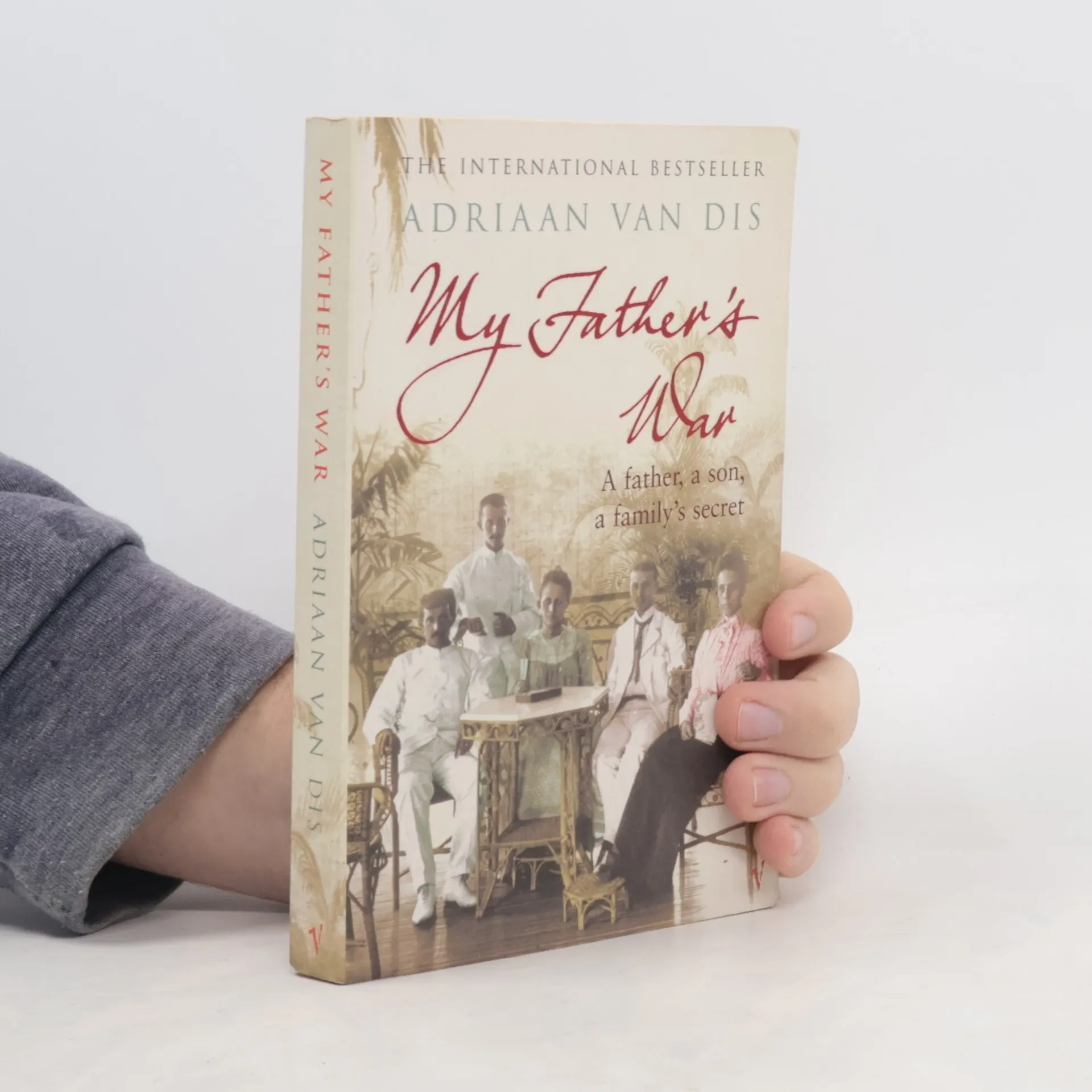
Adriaan van Dis employs masterful skill in telling this rich story of a Dutch man who, in midlife, is coming to terms with the losses in his life and their effect on his family. His half sister's death revives memories of his father, a Dutch soldier who spent three years in a Japanese concentration camp only to die in the Netherlands when the narrator was 11. The drama unfolds as he uncovers the complicated history of his family and realizes what he remembers of his father doesn't match the recollections of others. That this book can address themes as diverse as sibling relationships, child abuse, war, and repressed memories with such subtlety and even a touch of humor is testament to both the quality of van Dis's writing and the expertise of his translator, Claire Nicolas White. From Publishers Weekly The English-language debut by Dutch novelist van Dis is a grim look at a life rattled by the lasting effects of an old war. A child of refugees from Dutch Indonesia, which was occupied during WWII by Japan, the unnamed narrator grew up perceiving the marginalization of his family from mainstream Dutch society. But deeper psychological scars emerge when he is an adult as, all of a sudden, his family begins to disintegrate. First, his sister Ada dies, leaving behind a husband saddled with mental problems and a son drifting through adolescence. Then another sister, Jana, who fled to Canada years earlier, takes ill. All this trauma prompts a third sister, Saskia, to reveal memories, thought long buried, of the Japanese internment camps the family lived through before the narrator's birth. These in turn force the narrator to deal with memories of his father, a hard, cruel man who joined the family after his mother's first husband disappeared. Van Dis adeptly shows how wartime traumas linger in a society's collective memory, even creeping into everyday vocabulary. But the bleaknesss is unrelieved by humor or even color. The narrator's girlfriend remains a shadowy presence, mentioned but never seen, and moments of fulfillment are few and painfully brief. The novel's tone is so unremittingly somber that, by the end, all emotional resonance has dissipated. Copyright 1996 Reed Business Information, Inc.