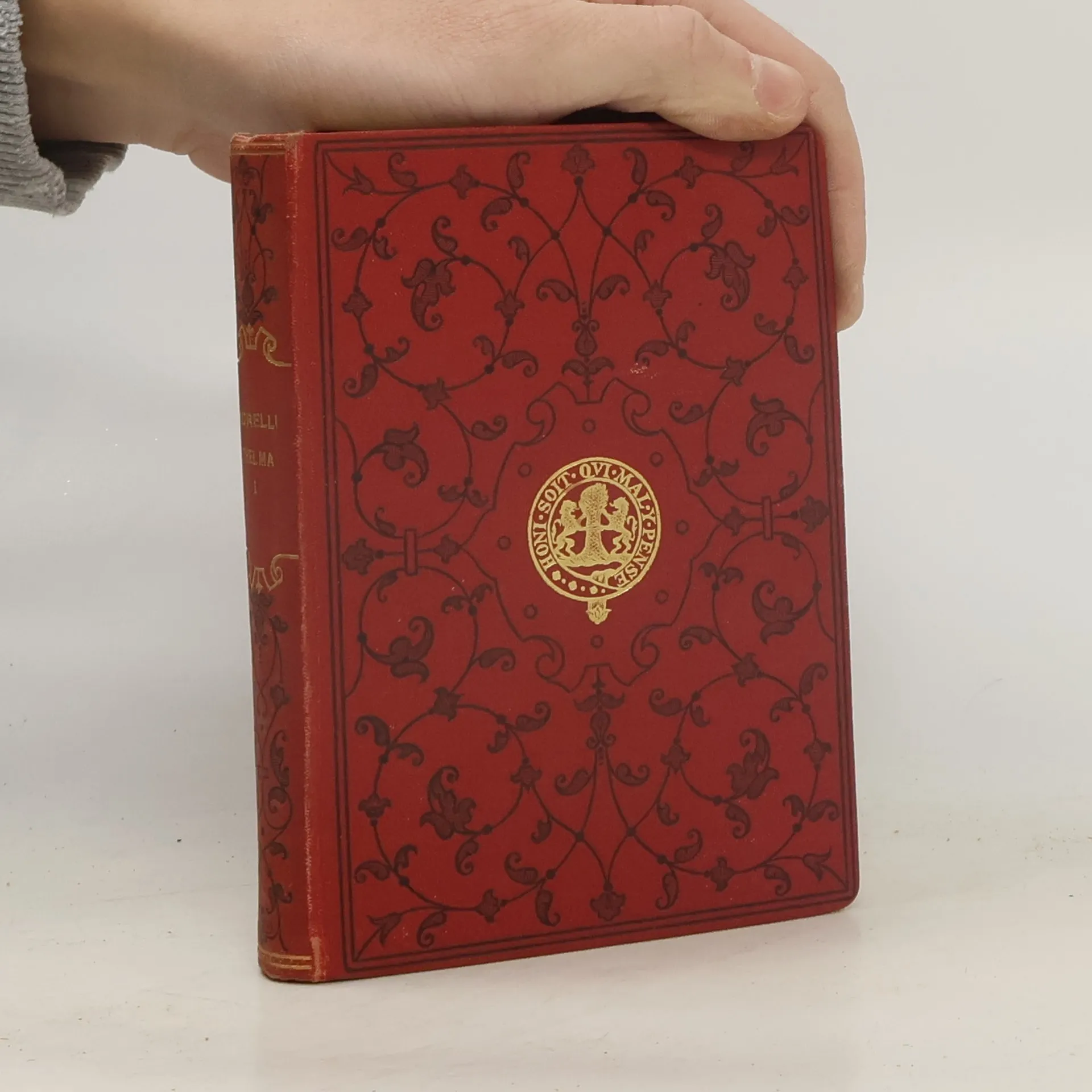
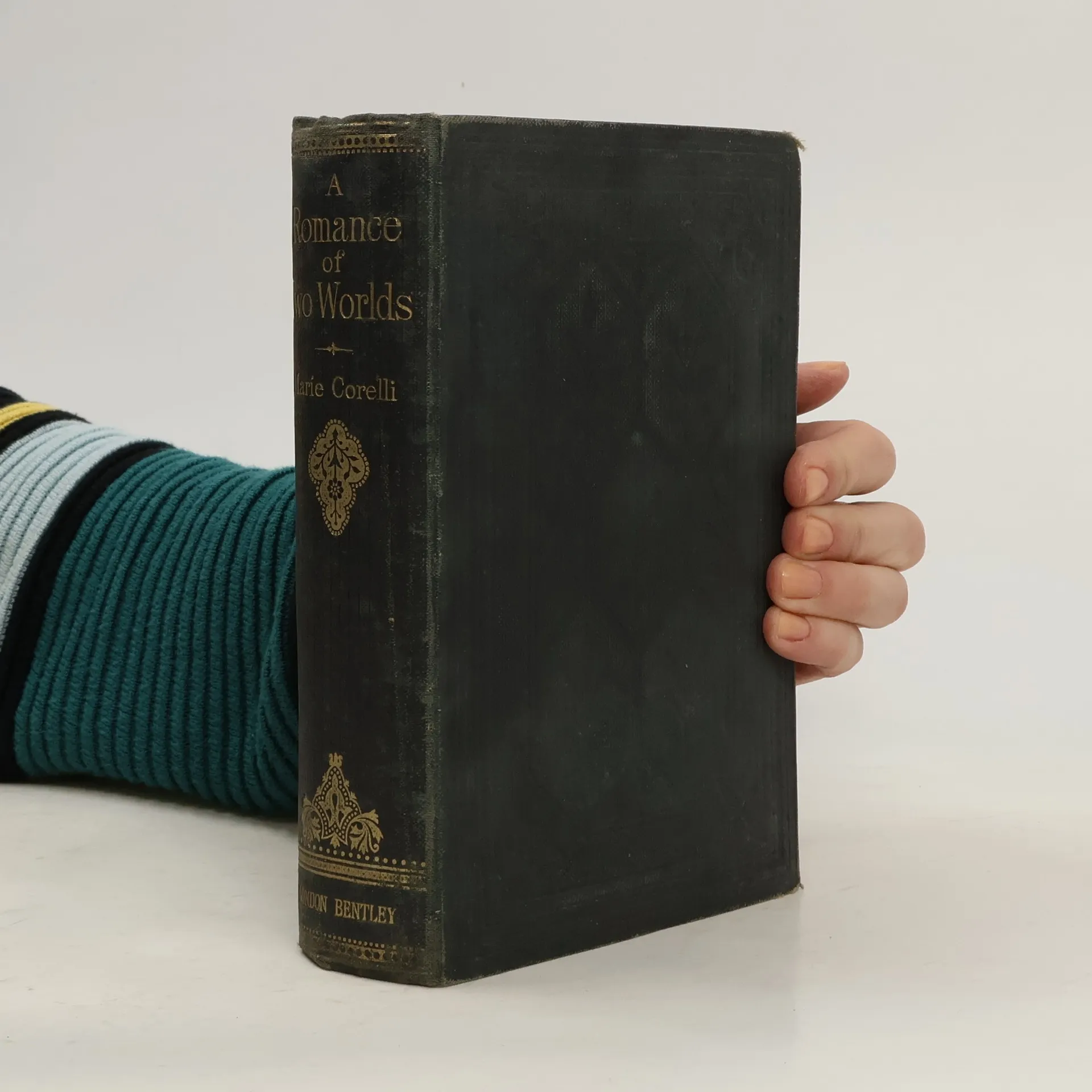
Tématem románu, který vydala Marie Corelli v roce 1914, je týrání nemanželských dětí. Obsahuje několik protofeministických polemik namířených proti instituci manželství. V českém vydání kniha vyšla ve dvou dílech.
Marie Corelli Knihy
Marie Corelli byla uznávanou britskou spisovatelkou, jejíž kontroverzní díla ji řadí mezi rané zastánkyně hnutí New Age. Její romány, které s nadšením četly miliony čtenářů napříč impériem, se dotýkaly širokého publika od královny Viktorie po dělnické dívky. Navzdory kritickému nezájmu se její knihy staly celosvětovými bestsellery a z ní vynesly nejlépe placenou autorku Anglie.



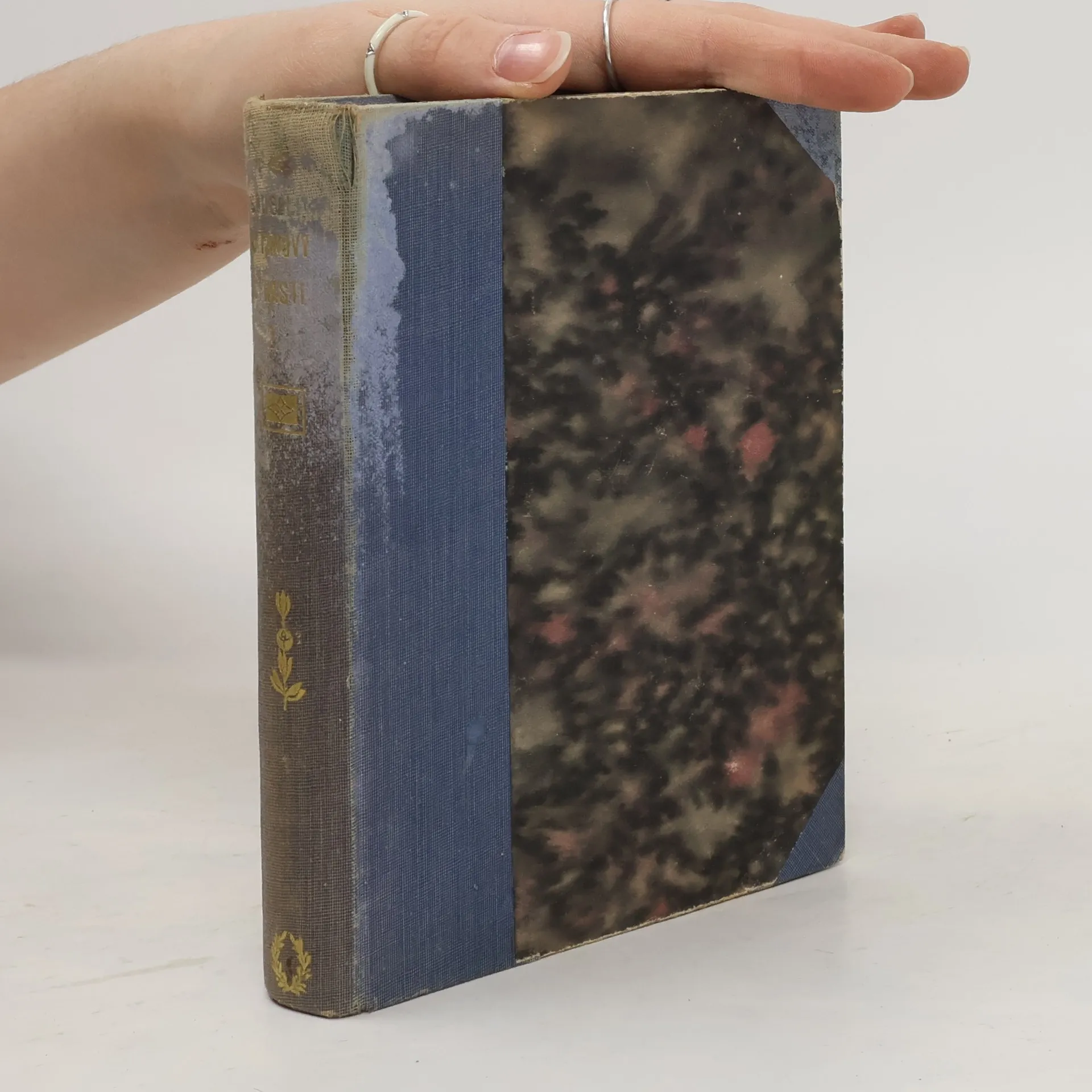
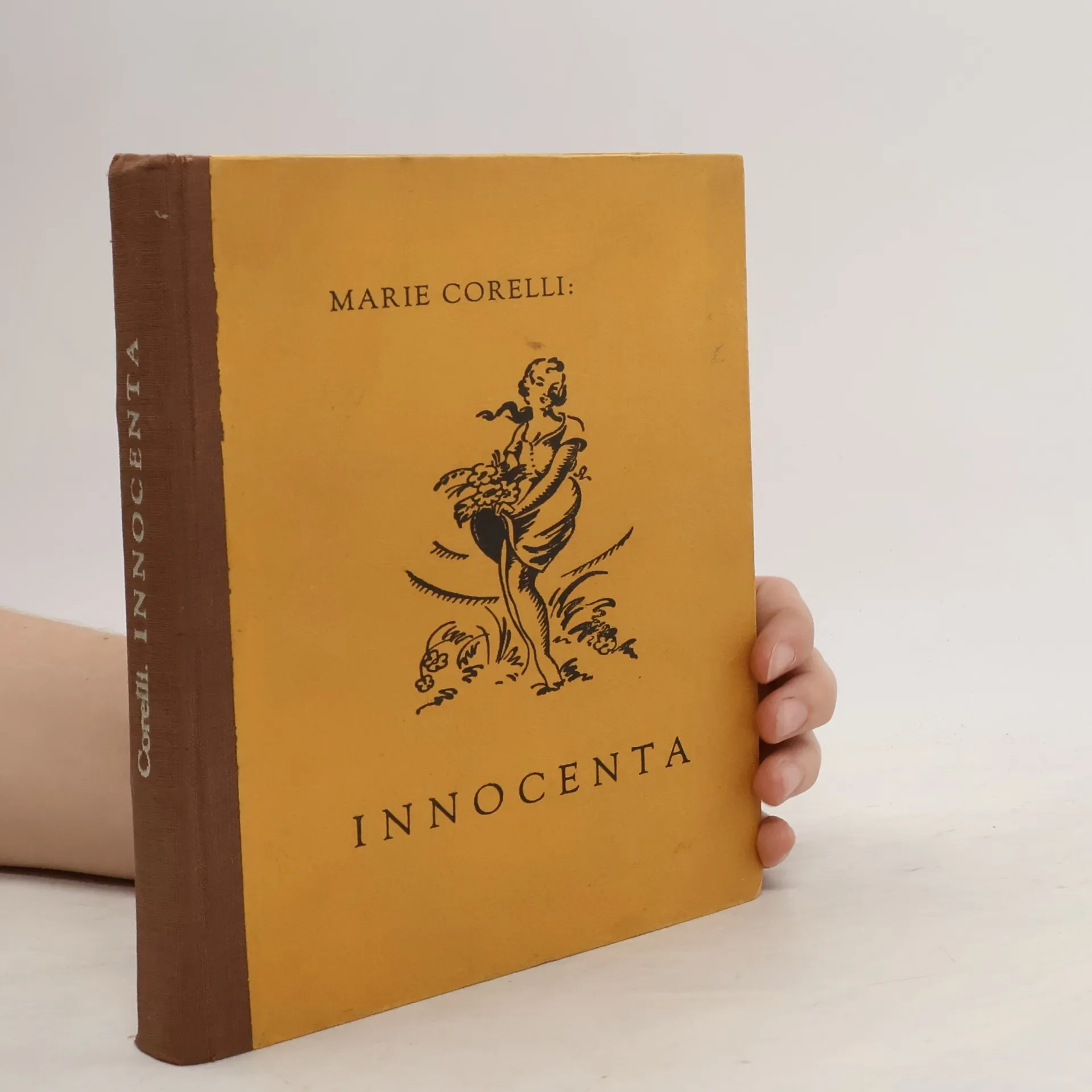
Tématem románu, který vydala Marie Corelli v roce 1914, je týrání nemanželských dětí. Obsahuje několik protofeministických polemik namířených proti instituci manželství. V českém vydání kniha vyšla ve dvou dílech.
Satanovy strasti I-II
- 2 svazky
Temporal Power A Study in Supremacy
- 478 stránek
- 17 hodin čtení
The exploration of power, politics, and religion unfolds through a narrative rich in ambition, morality, and the tension between spirituality and secular governance. Corelli's vivid imagination brings to life intricately drawn characters and complex plotlines that reflect on the nature of authority and its consequences. The novel challenges conventional views of supremacy, delving into the interplay between faith and political influence. Ultimately, it serves as a meditation on the transient nature of earthly power, resonating with timeless themes relevant to the human experience.
The Silver Domino
- 142 stránek
- 5 hodin čtení
The narrative offers a vivid exploration of the literary community in the nineteenth century, highlighting the intricate dynamics of personal and professional politics among authors. With a cast of colorful characters, the book delves into the intense rivalry, fame, and criticism that define the world of publishing during this era, providing a bold and insightful commentary on the challenges and triumphs faced by writers.
Barabbas
- 340 stránek
- 12 hodin čtení
A long, sultry Syrian day was nearing its end, with oppressive heat and a noxious stench permeating the Jewish prison, suffocating the air. In the lowest dungeons, darkness prevailed, except for one cell where a thin line of light pierced the gloom, irritating the solitary prisoner within. This flicker of light, a reflection of the outside Eastern sky, became a source of torment for him. He turned away from its harsh brightness, cursing and groaning in frustration. Bound by chains, he pressed his face into his hands, gnawing his lips until they bled, consumed by restless fury. The light was a constant reminder of time passing—its presence signified day, its absence marked night—while he remained unaware of the minutes or hours slipping by. His life had devolved into a prolonged state of dull suffering, punctuated by fits of maniacal rage that provided only fleeting relief, leaving him more stupefied than before. The relentless beam of light, sharp and blinding, was his only awareness, piercing through the oppressive darkness that enveloped him.
Set in 19th-century England, the narrative follows a protagonist on a quest for true friendship amidst the complexities of Victorian society. As they navigate human relationships and societal expectations, the story emphasizes the importance of genuine connections over material wealth. Corelli's evocative prose explores themes of beauty, passion, and moral ambiguity, highlighting the profound longing for companionship. With twists and turns, the journey reveals that the ultimate treasure lies in the bonds of friendship, leaving a lasting impression on readers.
Wormwood
- 314 stránek
- 11 hodin čtení
Set against the backdrop of Paris, this novel explores themes of betrayal, addiction, and the darker aspects of modernity through the tragic journey of Gaston Beauvais. After being deceived by his fiancée and best friend, Gaston descends into a world of absinthe-fueled despair and violence. Corelli’s work offers a critical social commentary on the moral decay of contemporary French society, echoing the realism of her contemporaries while addressing philosophical and psychological questions relevant to an evolving world.
The Murder of Delicia
- 136 stránek
- 5 hodin čtení
The story revolves around a wealthy woman grappling with the betrayal and excesses of her unfaithful husband, leading her to confront the brutal truths of her marriage. As she navigates the complexities of her situation, her journey takes a dark turn, culminating in an unforeseen and tragic conclusion. This exploration of infidelity and its consequences offers a poignant reflection on the nature of love and betrayal.
The story revolves around a beautiful princess who becomes the muse of a renowned painter, sparking a deep, unsettling connection rooted in a shared past filled with love and betrayal. As the painter grapples with these haunting memories, the narrative explores themes of reincarnation and the enduring power of love across time.
The Sorrows of Satan
- 398 stránek
- 14 hodin čtení
A poverty-stricken man suddenly inherits a fortune and is guided by the mysterious Lucio who introduces him to a world of fame, greed and materialism. As he navigates a path of destruction, he begins to question his partner's motives. Geoffrey Tempest is a struggling writer on the verge of homelessness. He lives in a bustling and expensive city that bends to the rich and powerful. His life dramatically changes when he receives an inheritance from a deceased relative. This sparks the arrival of Lucio, a gentleman who is eager to help Geoffrey manage his wealth. He introduces the new heir to vices that cause more harm than good. Geoffrey soon discovers Lucio's true identity and must choose between the fruits of the spirit and desires of the flesh. The Sorrows of Satan is a commentary on the ancient battle of good versus evil. Corelli uses contemporary London to display man's worldly temptations. The story centers opposing ideals driven by a charismatic and undeniable force. With an eye-catching new cover, and professionally typeset manuscript, this edition of The Sorrows of Satan is both modern and readable.
Vendetta
- 346 stránek
- 13 hodin čtení
After a brief illness and premature death, an Italian man returns home to find his deceitful wife in the arms of his former best friend. This shocking reveal pushes him to seek retribution from the unsuspecting parties. In cholera-ridden Italy, Count Fabio Romani lives in an illustrious home with his beautiful wife. Yet, his life takes an unsuspected turn when he suddenly falls ill and is presumed dead. He is buried alive but manages to escape and find a way back to the woman he loves. Unfortunately, his return is soured when he discovers his closest friend has taken his place. Heartbroken, Fabio conceals his identity and devises a plan to avenge everything he has lost. Vendetta: A Story of One Forgotten is the second novel published by Marie Corelli following her debut, A Romance of Two Worlds. It's an epic drama fueled by one man's desperate need to retaliate. Fabio is a tortured hero who ultimately plays judge, jury and executioner. With an eye-catching new cover, and professionally typeset manuscript, this edition of Vendetta: A Story of One Forgotten is both modern and readable.
Focusing on accessibility, this book is a reproduction of a historical work presented in large print format. The publishing house Megali is dedicated to making literature more accessible for individuals with impaired vision, ensuring that important texts are available to a wider audience.
Marie Corelli's The Sorrows of Satan
- 376 stránek
- 14 hodin čtení
Set against the backdrop of late nineteenth-century London, this gothic horror novel delves into the complexities of human desire while examining the timeless conflict between good and evil. Through its Faustian themes, it offers a profound exploration of morality and the darker aspects of the human soul.
The book is a reproduction of a historical work, published by Megali, which focuses on creating large print editions to enhance accessibility for individuals with impaired vision. This initiative aims to preserve important texts while ensuring they are readable for a broader audience.
A Romance of Two Worlds A Novel
- 234 stránek
- 9 hodin čtení
Set in a Victorian backdrop, this novel intertwines romance with occultism and spiritualism, exploring metaphysical themes of love and the supernatural. The narrative follows characters confronting their desires and struggles within parallel worlds, as they encounter mysterious forces shaping their reality. Corelli's rich characterization and intricate plotlines create an engaging and thought-provoking experience, inviting readers into a realm where natural and supernatural boundaries blur. This captivating tale leaves a lasting impression, solidifying its status as a timeless classic.
This edition focuses on making historical works accessible through large print, catering specifically to individuals with impaired vision. The publishing house Megali is dedicated to preserving original texts while enhancing readability, ensuring that important literature remains available to a wider audience.
The book is a reproduction of a historical work, published by Megali, which focuses on making literature accessible to those with impaired vision through large print. This initiative highlights the importance of inclusivity in reading, allowing a broader audience to engage with historical texts.
This book is a reproduction of a historical work, published by Megali, a company dedicated to creating accessible literature in large print for individuals with impaired vision. The focus on large print enhances readability, ensuring that important historical texts are available to a wider audience.
This book is a reproduction of a historical work, published by Megali, a company dedicated to producing large print editions to enhance accessibility for individuals with impaired vision. The focus on readability makes it an important resource for those seeking to engage with historical texts without the strain of standard print sizes.
This book is a reproduction of a historical work, specifically designed with large print to enhance accessibility for individuals with impaired vision. Published by Megali, a house known for its commitment to making historical texts more readable, it aims to preserve and share important literature while catering to the needs of readers who require larger text.
This book is a reproduction of a historical work, produced by the publishing house Megali, which focuses on making literature accessible to those with impaired vision through large print formats. The initiative aims to preserve important texts while ensuring they are easily readable for all audiences.
Marie Corelli was a highly popular British novelist whose works dominated sales from 1886 until World War I, surpassing those of notable contemporaries like Arthur Conan Doyle and H. G. Wells. Despite critical disdain labeling her as "the favourite of the common multitude," she garnered immense popularity and was even favored by Queen Victoria. Her novels reflect the tastes of her time, showcasing themes that resonated with a broad audience, solidifying her place in literary history.
Free Opinions, Freely Expressed on Certain Phases of Modern Social Life and Conduct
in large print
- 400 stránek
- 14 hodin čtení
This book is a reproduction of a historical work, published by Megali, a company dedicated to producing large print editions for those with impaired vision. The focus on accessibility highlights the importance of making historical literature available to a wider audience, ensuring that individuals with visual challenges can engage with and enjoy classic texts.
The Secret Power
- 244 stránek
- 9 hodin čtení
Set in a uniquely imagined future, this novel weaves together elements of romance, fantasy, and science fiction, exploring themes of discovery and sacrifice. Drawing inspiration from the life of Marie Curie, it highlights the author's significant talent and her impact on early science fiction. As one of the successful writers of her time, Corelli's work deserves a fresh evaluation by contemporary readers, especially those interested in adaptations for film and theater.
This publication focuses on reproducing historical works in large print, catering specifically to individuals with impaired vision. The initiative by the Megali publishing house aims to enhance accessibility and improve the reading experience for those who struggle with standard print sizes.
Focusing on accessibility, this publication by Megali aims to provide historical works in large print format, catering specifically to readers with impaired vision. The initiative underscores the importance of inclusivity in literature, ensuring that classic texts are available to a wider audience.
The Mighty Atom
- 170 stránek
- 6 hodin čtení
Set against a backdrop of realism and social critique, this novel explores the moral decay affecting youth through the story of Lionel, a boy raised in an atheistic household. His father's rigid educational methods lead to Lionel's loneliness and anxiety, prompting a poignant warning from his dismissed tutor about the dangers of neglecting moral guidance. Blending philosophical, scientific, and religious themes, it serves as a call to Christian readers and critiques modern education, making it a significant work for fans of early science fiction.
Marie Corelli, a Romance of Two Worlds
- 288 stránek
- 11 hodin čtení
Marie Corelli's A Romance of Two Worlds is regarded as one of the most culturally important Victorian bestsellers. This critical edition offers instructive access to this multifaceted but still largely underappreciated novel.
The Soul of Lilith
- 366 stránek
- 13 hodin čtení
Excerpt from The Soul of Lilith Why yes, sometimes. He was a man, not a god; and no man's work can be absolutely perfect. Shakespeare had his faults, like everybody else, and with his great genius he would have been the first to own them. It is only your little mediocrities who are never wrong. Are you going also? About the Publisher Forgotten Books publishes hundreds of thousands of rare and classic books. In rare cases, an imperfection in the original, such as a blemish or missing page, may be replicated in our edition. We do, however, repair the vast majority of imperfections successfully; any imperfections that remain are intentionally left to preserve the state of such historical works.
Innocent
- 316 stránek
- 12 hodin čtení
Raised on the prosperous farm of Hugo Jocelyn, descendant of a French knight, Innocent has always believed herself to be Jocelyn's illegitimate daughter by his fiancee before her death. She is an idealistic woman, inspired by the romanticism of the medieval French literature preserved by her ancestor; indeed, she feels she knows 'Sieur Amadis' personally. Corelli enjoyed a period of great literary success from the publication of her first novel in 1886 until World War I. Her novels sold more copies than the combined sales of popular contemporaries, including Arthur Conan Doyle, H. G. Wells, and Rudyard Kipling, although critics often derided her work as "the favourite of the common multitude." A recurring theme in Corelli's books is her attempt to reconcile Christianity with reincarnation, astral projection, and other mystical ideas. Her books were a part of the foundation of today's New Age religion.
The book is a reproduction of a historical work, published by Megali, which focuses on making literature accessible through large print editions. This initiative specifically aims to assist individuals with impaired vision, ensuring they can enjoy reading with greater ease.
This book is a reproduction of a historical work, presented in large print to enhance accessibility for readers with impaired vision. Published by Megali, a company dedicated to making historical texts more readable, it aims to preserve the original content while ensuring a comfortable reading experience for all.
Ein Roman aus zwei Welten
- 360 stránek
- 13 hodin čtení
Die Leiden Satans
- 556 stránek
- 20 hodin čtení
Скорбь Сатаны
- 512 stránek
- 18 hodin čtení
Молодой писатель Джеффри Темпест, прозябающий в нищете и безвестности, продает душу Сатане и получает от Князя Тьмы все, о чем только мечтал… точнее, почти все. Теперь светское общество, ранее им пренебрегавшее, лежит у его ног. К его услугам несметное состояние, любовь прекрасной девушки, роскошь и удовольствия. Но много ли это значит, если утрачено главное, ради чего Джеффри жил, — его талант?..