James Lewis Thomas Chalmers Spence byl skotský novinář, básník, autor, folklorista a badatel v oblasti okultismu. Jeho práce se zabývala zejména mytologií a folklórem, včetně bádání o mayském Popul Vuh a keltských obřadech. Spence také zkoumal ztracenou Atlantidu a snažil se ji vytrhnout z okultní sféry, přičemž hledal spojitosti mezi starověkými civilizacemi Starého a Nového světa. Ačkoli jeho teorie často narážely na kritiku mainstreamových vědců, jeho rozsáhlé a imaginativní bádání zanechalo nesmazatelnou stopu v popularizaci těchto témat a jeho knihy zůstávají dodnes čteny.
This scarce antiquarian book is a facsimile reprint of the original. Due to its age, it may contain imperfections such as marks, notations, marginalia and flawed pages. Because we believe this work is culturally important, we have made it available as part of our commitment for protecting, preserving, and promoting the world's literature in affordable, high quality, modern editions that are true to the original work.
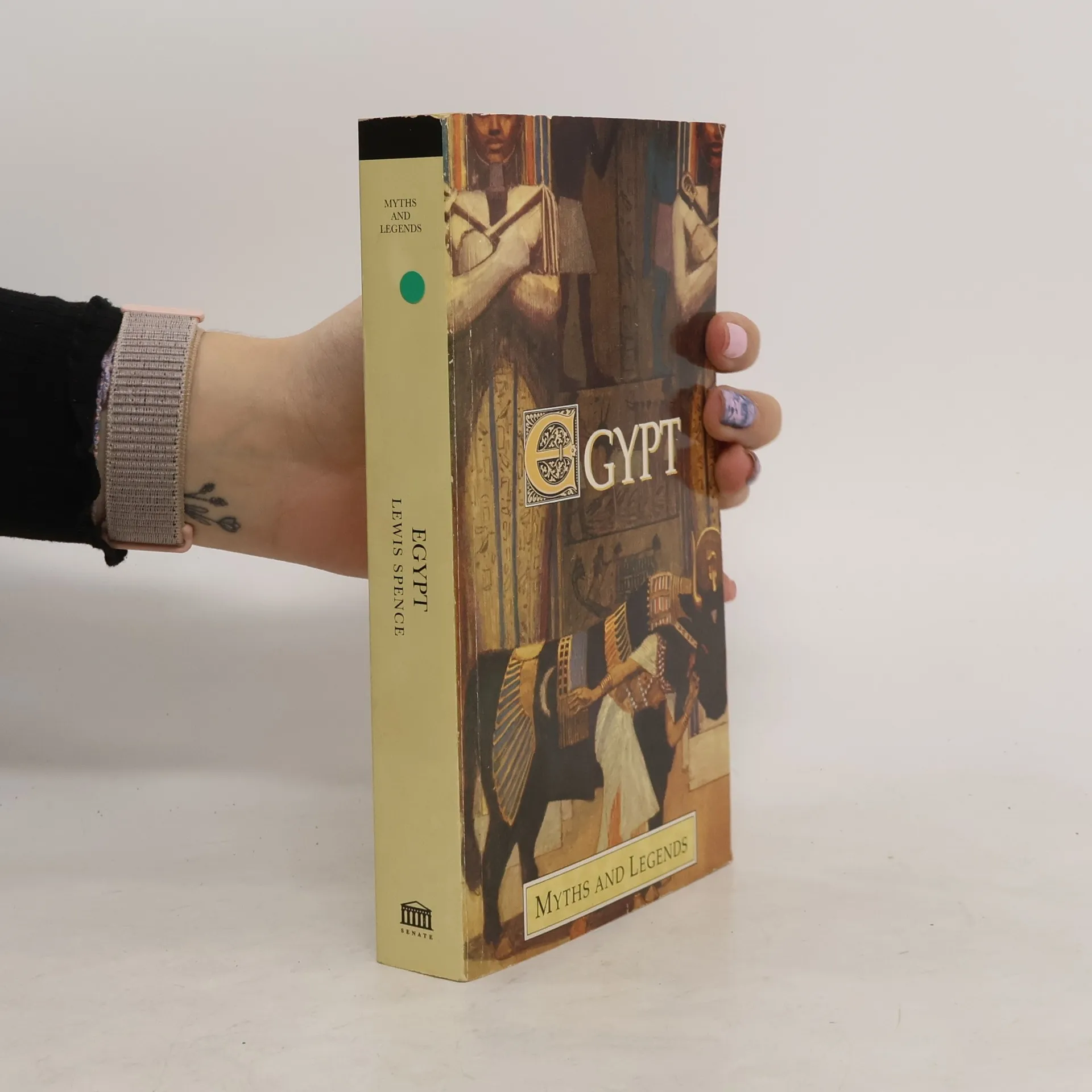
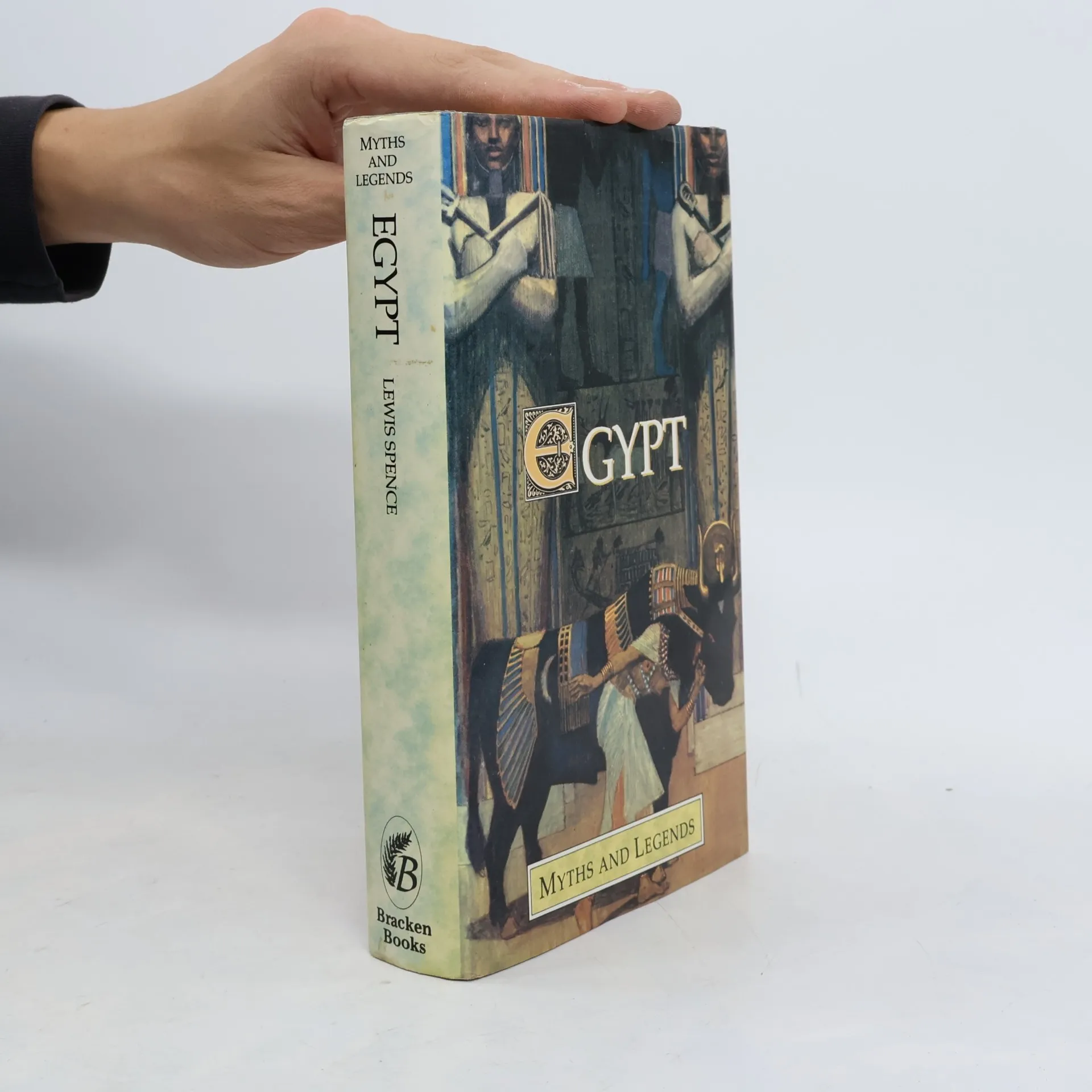
Spence's text is vividly illustrated with images of gods, temples and hieroglyphs, stunning reproductions of tomb paintings and photographs of the eternal landscape of Egypt, watered by the incomparable Nile and as fertile as the imagination of the Ancient Egyptians themselves. For anyone curious to learn about the myths, history and culture of one of the worlds's greatest civilizations, The Illustrated Guide to Egyptian Mythology is beautiful and informative introduction.
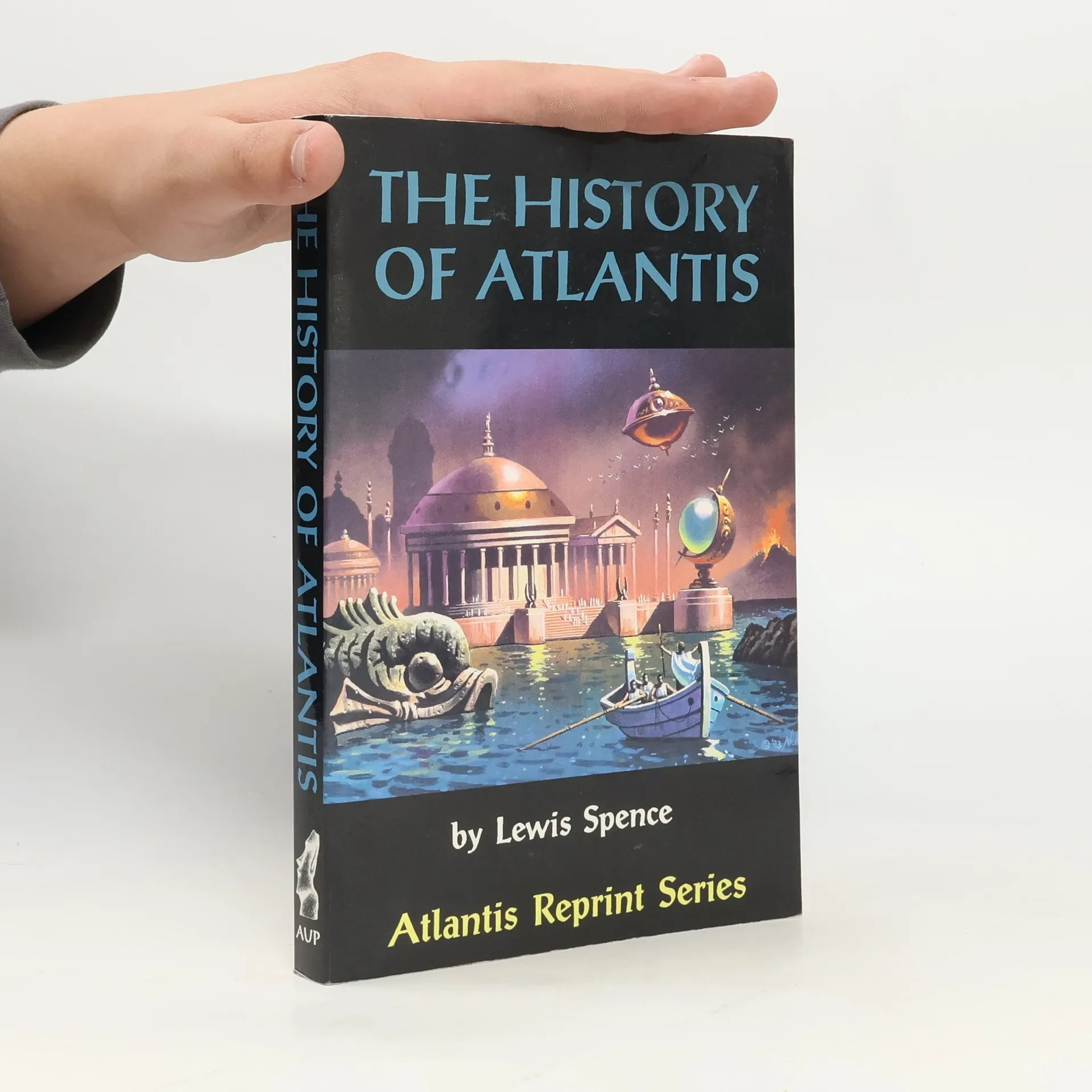
Lewis Spence's classic book on Atlantis is now back in print! Lewis Spence was a Scottish historian (1874-1955) who is best known for his volumes on world mythology and his five Atlantis books. The History of Atlantis (1926) is considered his finest. Spence does his scholarly best in chapters on the Sources of Atlantean History, the Geography of Atlantis, the Races of Atlantis, the Kings of Atlantis, the Religion of Atlantis, the Colonies of Atlantis, more. Sixteen chapters in all. Rare, old illustrations.
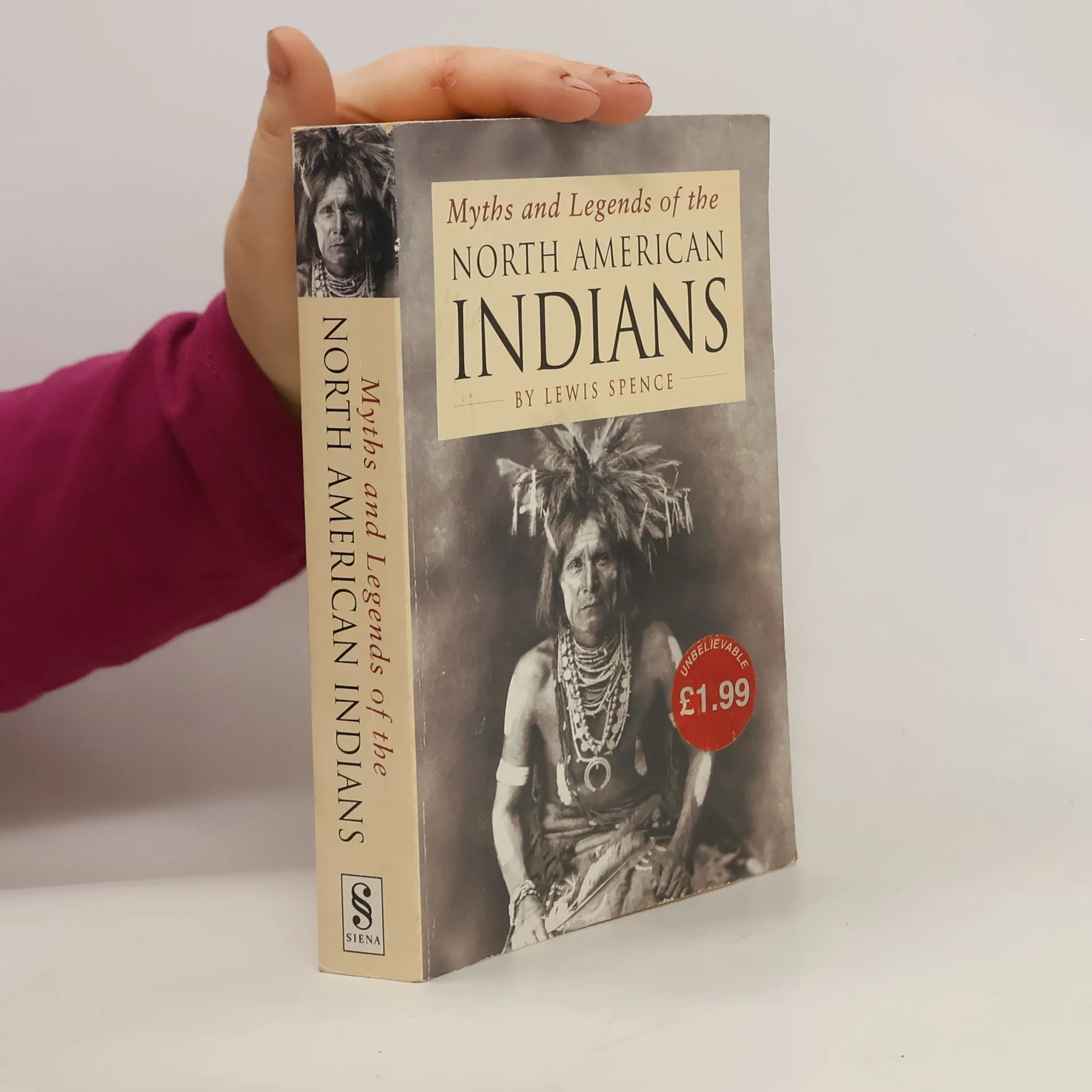
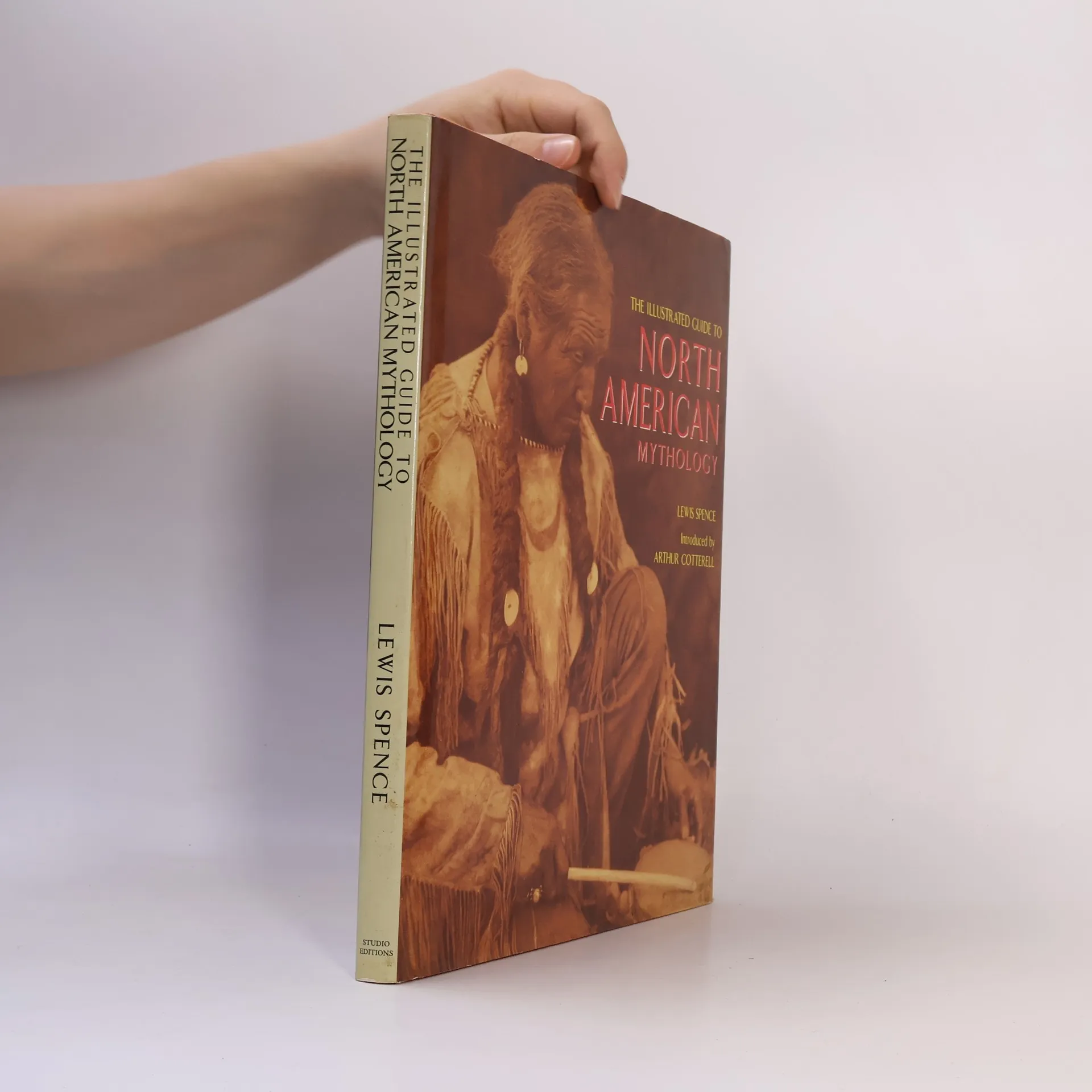
"Chapters 2-76 of A brief guide to Native American myths and legends were originally published in Myths and legends of the North American Indians by Lewis Spence, George G. Harrap, 1914"--Contents verso.
Superb, in-depth survey explores animism, totemism, fetishism, creation myths, Egyptian priesthood, numerous deities, alchemy, Egyptian art and magic, other fascinating topics. Includes over 50 photographs and illustrations.
Superb, in-depth survey explores animism, totemism, fetishism, creation myths, Egyptian priesthood, numerous deities, alchemy, Egyptian art and magic, other fascinating topics. Includes over 50 photographs and illustrations.
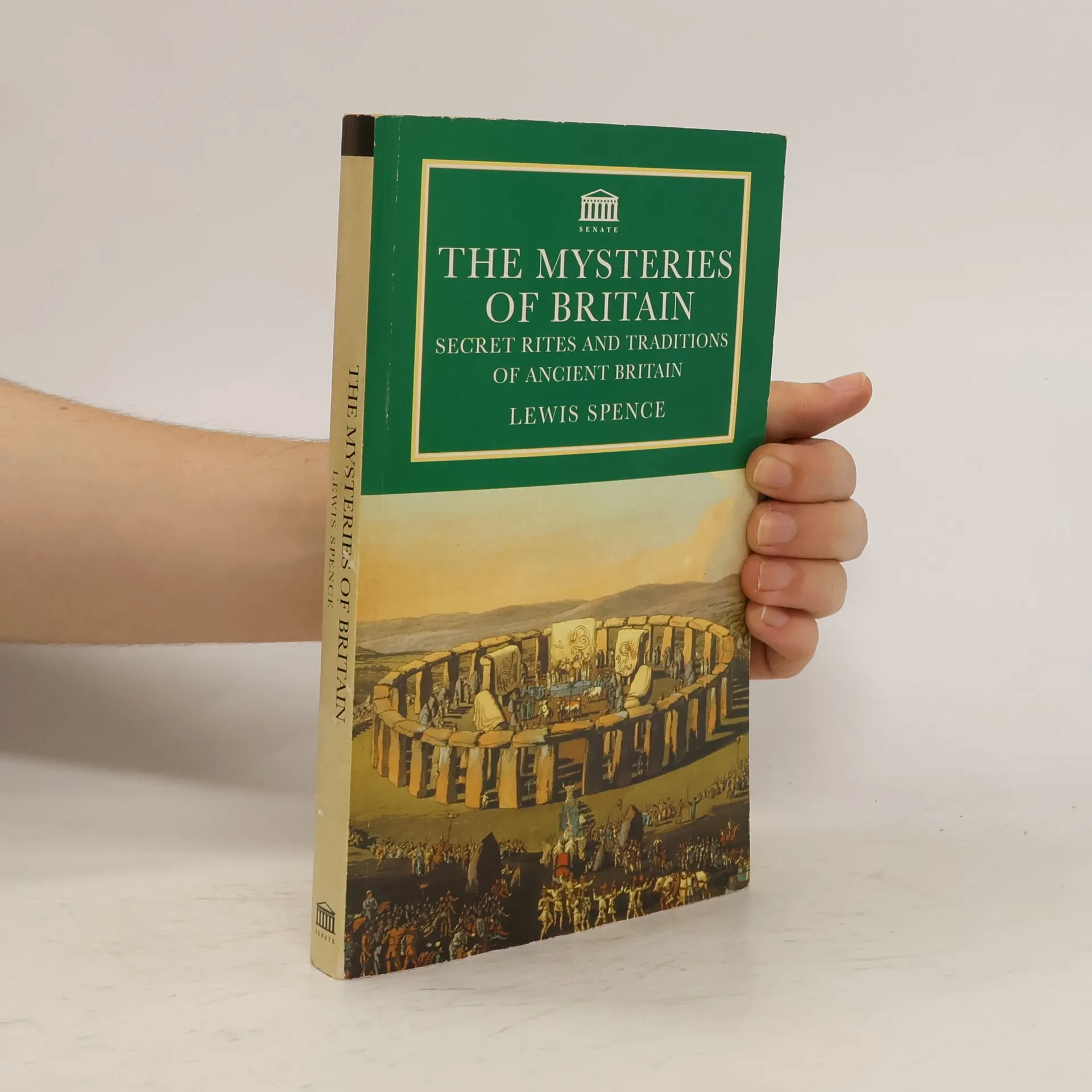
'In no individual born in these islands does there not flow the blood of the Druid priests and seers, and I confidently rely on British mystics, whatever their particular predilections, to unite in this greatest of all possible quests, the restoration of our native Secret Traditions.' Lewis Spence's rallying call to spiritual regeneration animates this classic work on the secret rites and traditions of ancient Britain. Drawing upon Bardic writings and archeological evidence such as stone circles, Spence argues that Druidism developed out of a cult of the Dead, which arose in North Africa, but was adopted and transformed by the British Celts. Spence describes the Druids as having both magical and administrative functions and that, under Roman persecution they only seemed to disappear. He provides good evidence that they survived in the Celtic areas of the British Isles. This stimulating book finds the author passionately arguing for a reassessment of this highly individual type of mysticism based on native spiritual traditions.
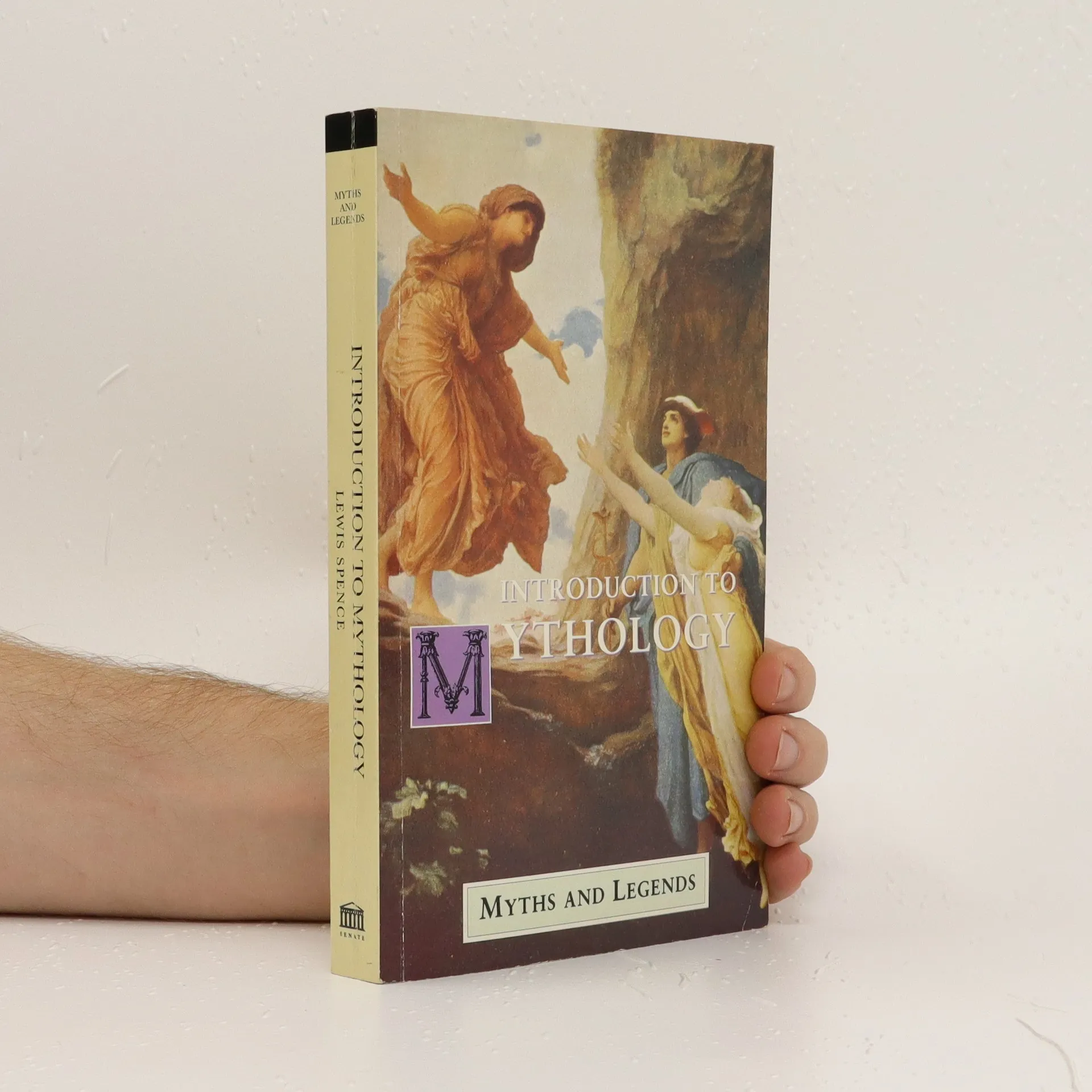
In An Introduction to Mythology, originally published in the 1921, Spence presented a comprehensive overview of traditional forms of narrative that, for our primitive ancestors, served as religion and science. Besides recounting tales from around the world, Spence explained the many differences in primitive and modern worldviews. According to Spence, themes such as animism, while now almost absent from out thinking, are still enlightening to us in modern times: "just as fossil animals and plants have their living representatives to-day, so do ideas and conceptions representing this petrified form of religion and science still flourish in our present-day superstitions and our present-day faiths." Spence's An Introduction to Mythology provides a sweeping view of worldwide mythological themes from a scholar of the overlooked and intriguing. Scottish writer Lewis Spence (1874-1955) was a respected authority on worldwide myths, legends, folklore, and occult subjects, and wrote more than forty books, including Encyclopedia of Occultism, The Popol Vuh, The History of Atlantis, The Magic and Mysteries of Mexico, Ancient Egyptian Myths and Legends, Fairy Tradition in Britain and The Magic Arts in Celtic Britain.