Summer, 1976. A plane crashes on a farm in the Cambridgeshire fens. Out of the flames walks young Maggie Beck, clutching a baby in her arms. Twenty-seven years later, investigative journalist Philip Dryden - visiting his wife, Laura, in hospital - is witness to Maggie's deathbed confession.
Jim Kelly Knihy
1. duben 1957


The Night Raids
- 352 stránek
- 13 hodin čtení
After a bombing in Cambridge, D I Eden Brooke finds the body of Nora Wylde, two fingers on her left hand severed. When Nora's granddaughter goes missing, Brooke's suspicions are aroused.
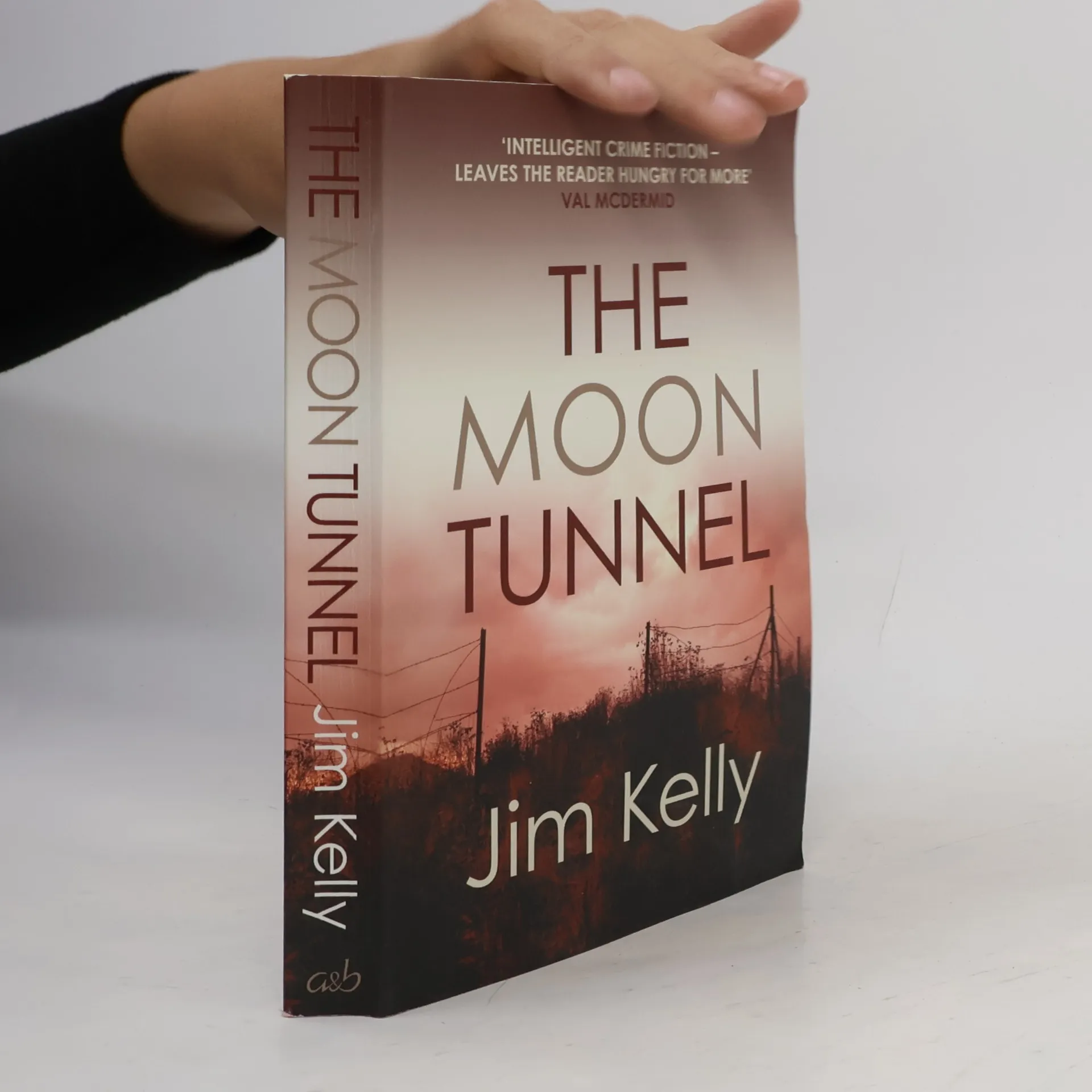
The Moon Tunnel
- 352 stránek
- 13 hodin čtení
When archaeologists unearth a body in the escape tunnel of an Ely POW camp, Philip Dryden's interest is peaked. Why was the man crawling into the camp, and not out.?
A man lies hidden in an abandoned boat. Stifling screams, he draws a knife across his arm, letting the blood flow free. Soon he'll be dead - and life can begin again. Three decades later Declan McIlroy, a 39-year-old loner, is found frozen to death in his flat as Arctic temperatures grip the cathedral city of Ely. His is not the only cold death that winter, but nevertheless reporter Philip Dryden has worrying doubts - for it seems Declan may not have been alone as he slowly froze to death . . . Dryden's suspicions harden when days later he finds the body of Declan's best friend Joe - frozen within a shell of ice on the doorstep of his secluded Fenland farmhouse. Soon Dryden is picking his way along a disturbing trail of cruelty and betrayal to a brilliantly executed crime. And to a chilling, half-remembered mystery from his own childhood . . .
The Great Darkness
- 352 stránek
- 13 hodin čtení
1939, Cambridge: The opening weeks of the Second World War, and the first blackout - The Great Darkness - covers southern England. Detective Inspector Eden Brooke, a wounded hero of the Great War, takes his nightly dip in the cool waters of the Cam. Daylight reveals a corpse on the riverside, the body torn apart by some unspeakable force.
The Mathematical Bridge
- 352 stránek
- 13 hodin čtení
Cambridge, 1940. It is the first winter of the war, and snow is falling. When an evacuee drowns in the river, his body swept away, Detective Inspector Eden Brooke sets out to investigate what seems to be a deliberate attack. As more riddles come to light, can Brooke solve the mystery before a second attack claims a famous victim?
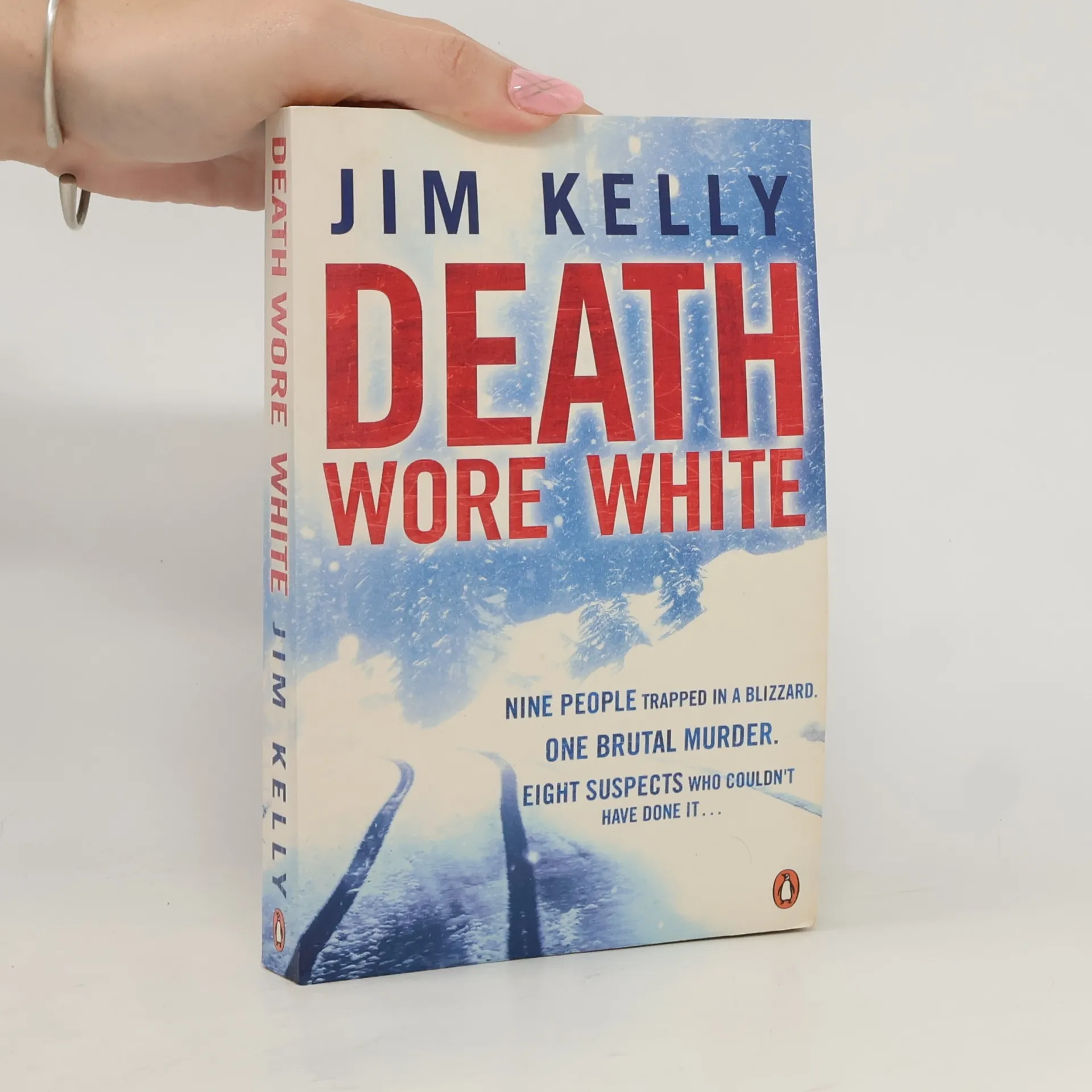
Death Wore White
- 389 stránek
- 14 hodin čtení
At 5.15 p.m. Harvey Ellis was trapped - stranded in a line of eight cars by a blizzard on a Norfolk coast road.At 8.15 p.m. Harvey Ellis was dead - viciously stabbed at the wheel of his truck.And his killer has achieved the impossible: striking without being seen, and without leaving a single footprint in the snow . . .For DI Peter Shaw and DS George Valentine it's only the start of an infuriating investigation. The crime scene is melting, the murderer has vanished, the witnesses are dropping like flies. And the body count is on the rise . . .
In the Cambridgeshire fens two corpses are found - both linking back to a terrifying event in 1966. More than a great story for journalist Philip Dryden, these murders may hold the key to a personal mystery. Who saved his life two years ago? And, more importantly, who left his wife to die? schovat popis
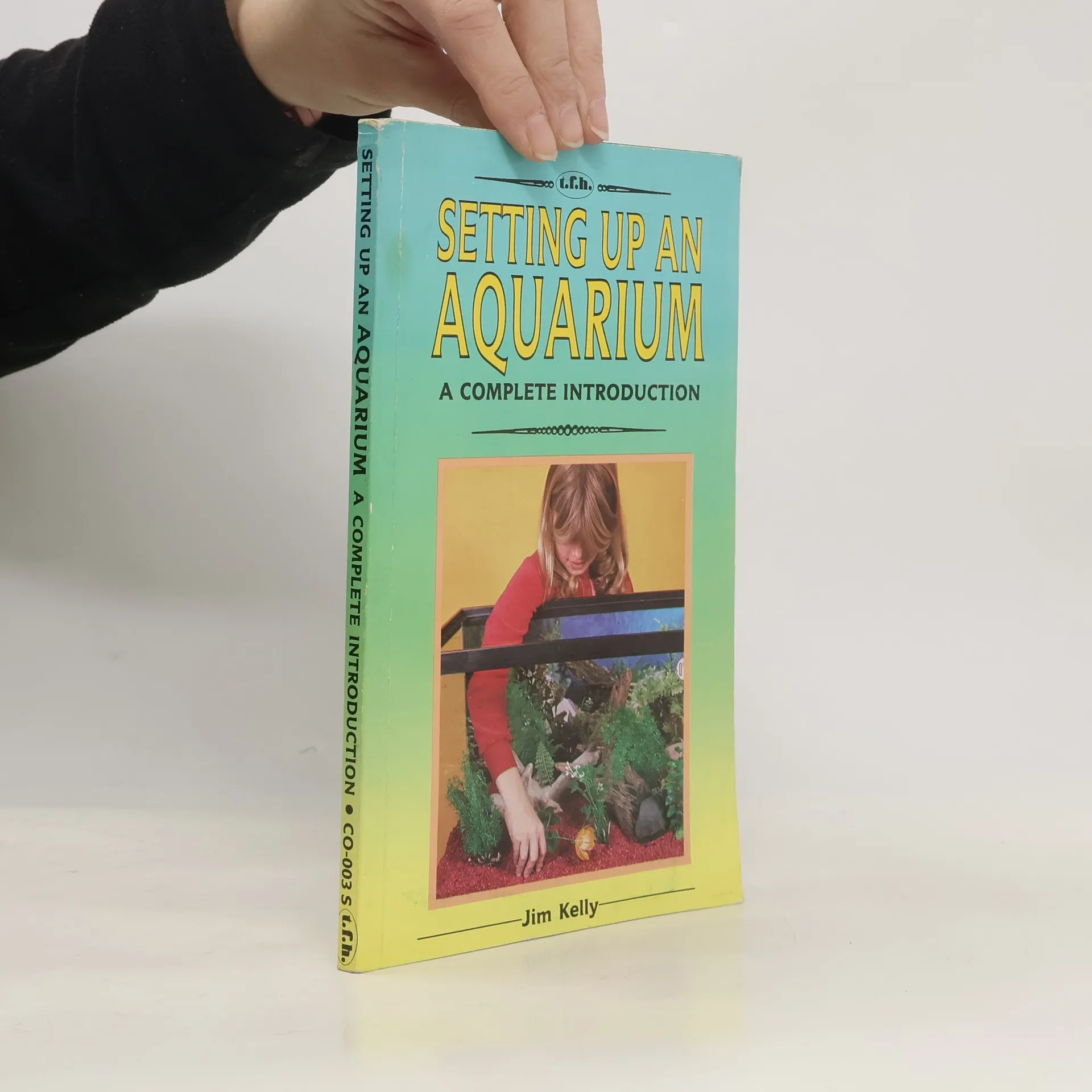
A Complete Introduction to Setting Up an Aquarium
Completely Illustrated in Full Color
- 128 stránek
- 5 hodin čtení
Explains how to set up a freshwater aquarium, discussing the different types of equipment, water chemistry, and the availability of many fish species.
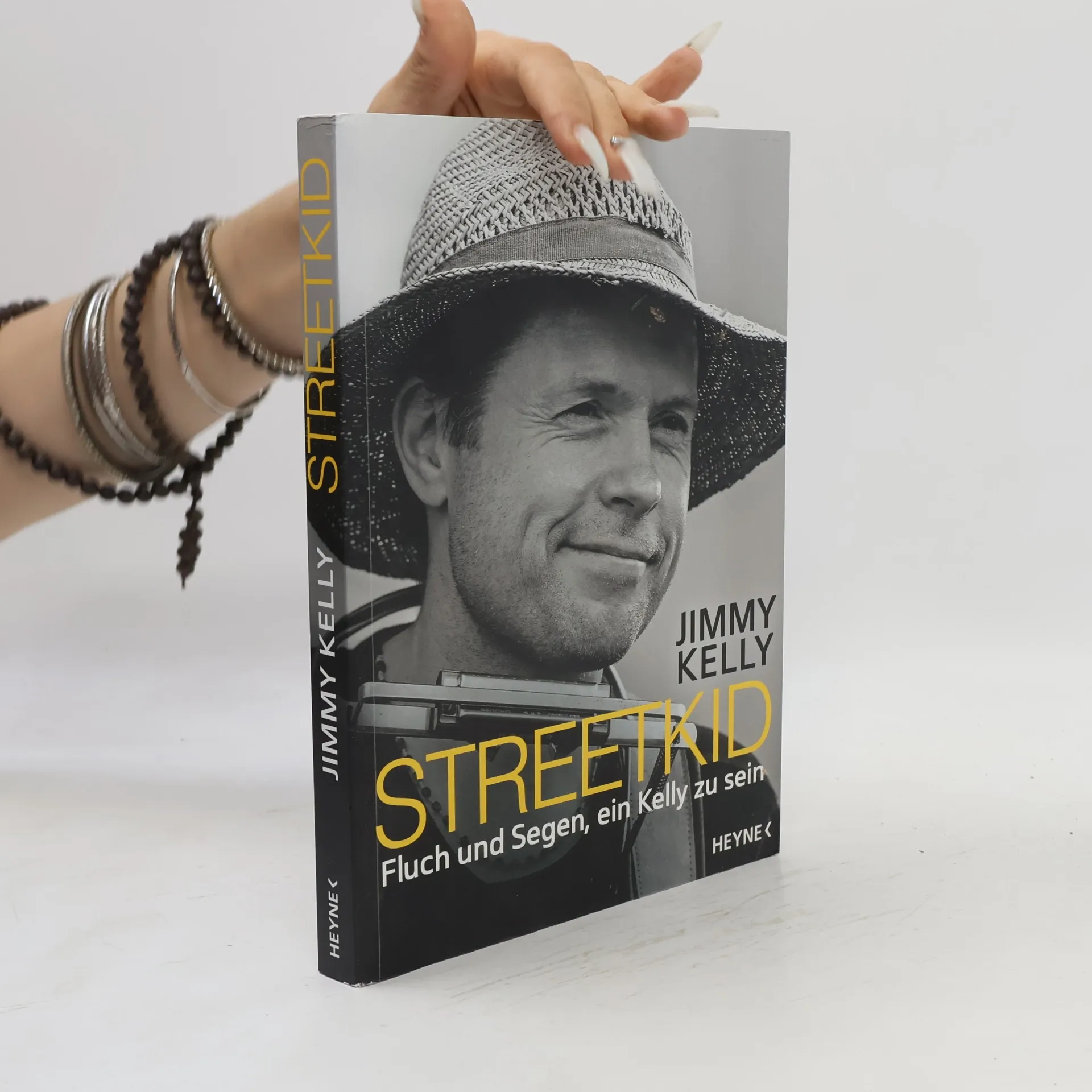
Streetkid
Fluch und Segen, ein Kelly zu sein
Doch der Erfolg hat seinen Preis: Der „Family“ muss sich jeder unterordnen. Erst nach dem Tod des Vaters, der innerhalb der Familie die Fäden fest in der Hand hielt, schafft Jimmy Kelly den Ausstieg aus der Familienband – und steht vor dem Nichts, denn das Erbe ist weg. In seiner Not besinnt er sich auf seine Wurzeln und zieht wieder als Straßenmusiker durchs Land. In Streetkid erzählt er erstmals, wie er aus seiner größten persönlichen Krise zu seiner wahren Berufung und zu sich selbst findet. Ehrlich, menschlich, sehr persönlich! Ausstattung: durchg.4c
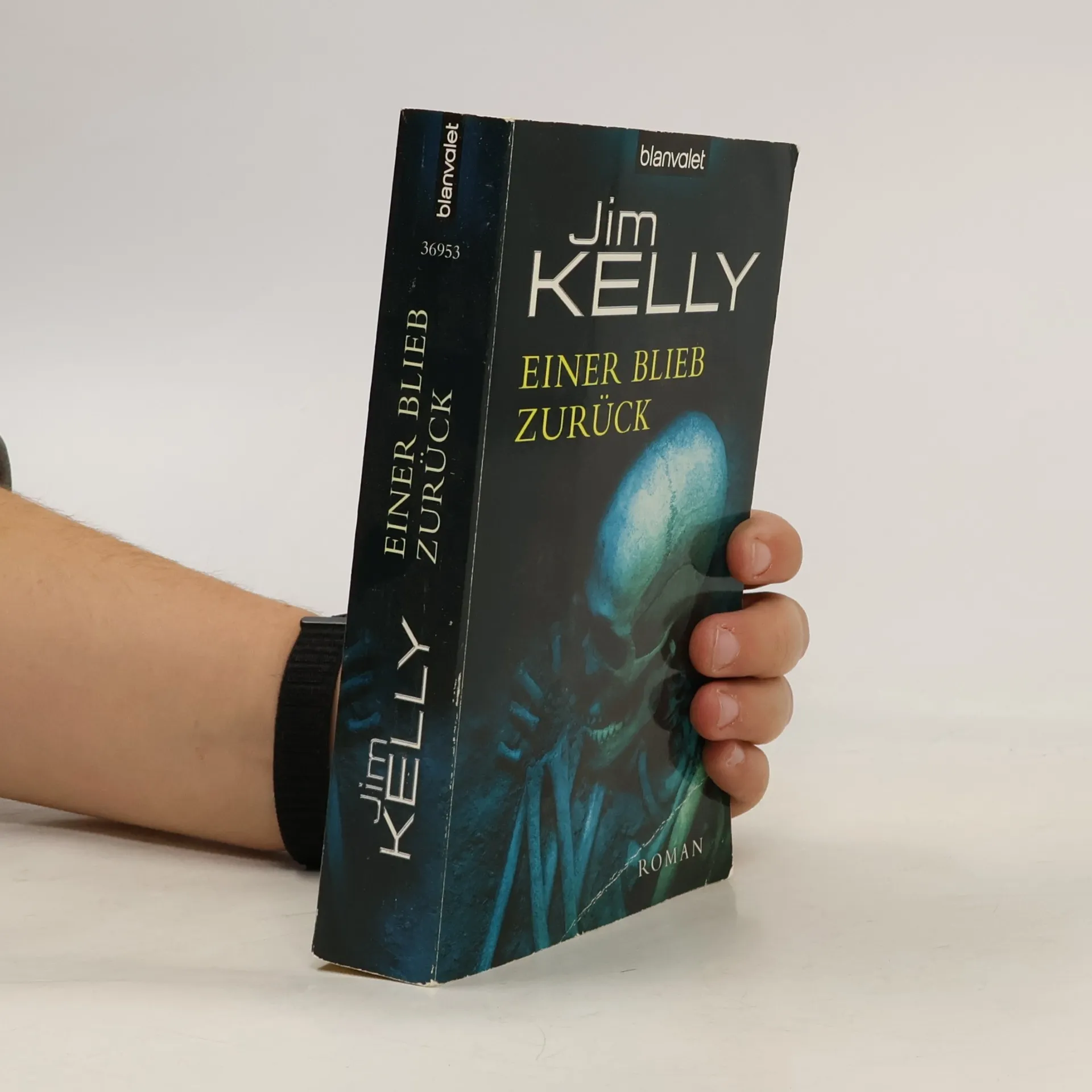
Einer blieb zurück. Roman
- 416 stránek
- 15 hodin čtení
In dem abgelegenen englischen Dorf Jude’s Ferry wird siebzehn Jahre nach der Evakuierung ein Skelett entdeckt. Reporter Philip Dryden stößt auf ein Netz aus Schweigen und alten Konflikten unter den verbliebenen Bewohnern. Der Fall ist spannend, psychologisch raffiniert und voller ungelöster Schuld.
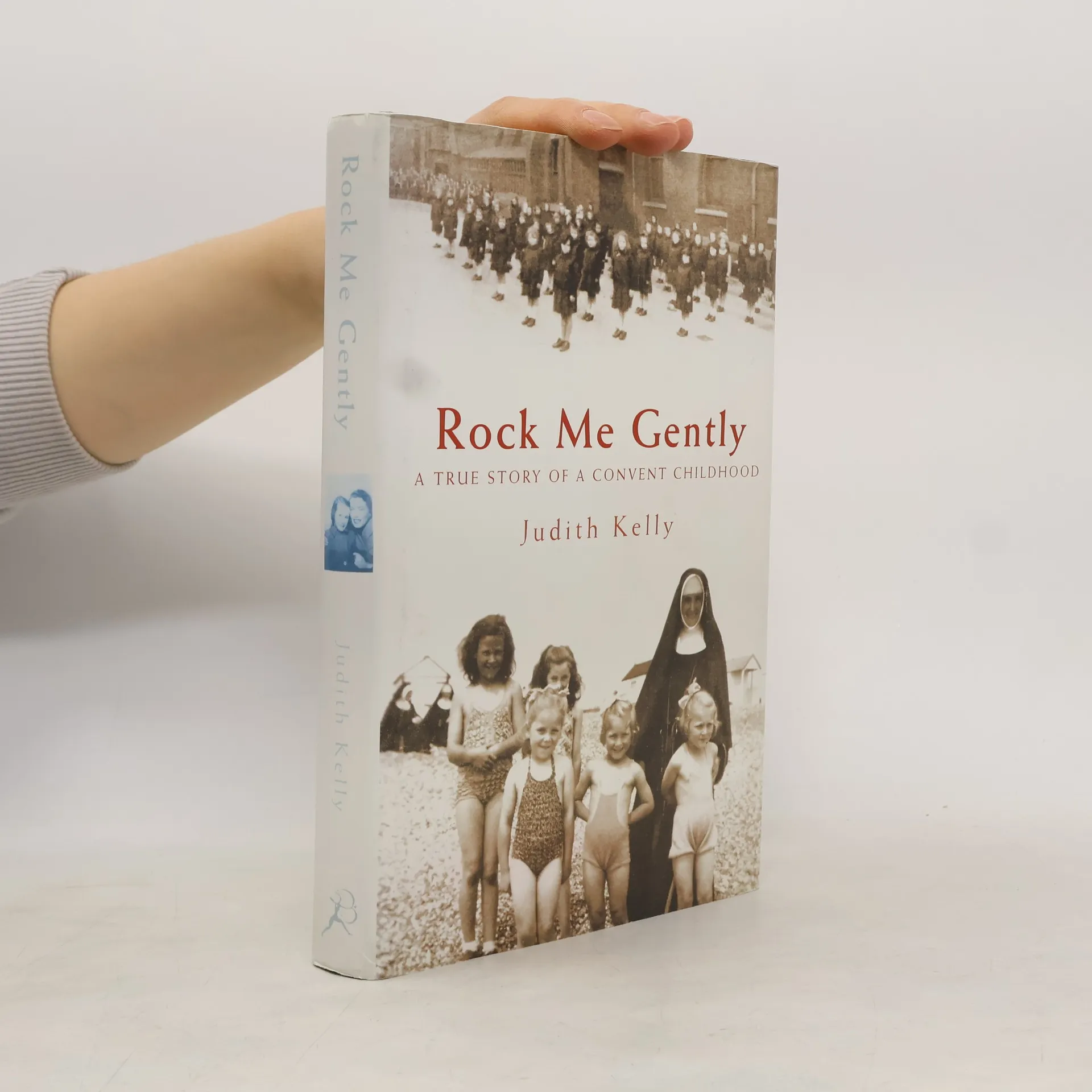
In the 1950s, shortly after her father's death, Judith Kelly was left in the care of nuns at a Catholic orphanage while her mother searched for a place for them to live. She was eight years old. Far from being cared for, Judith found herself in a savage and terrifying institution where physical, emotional and sexual abuse was the daily norm and the children's lives were reduced to stark survival. As the months became years and no word came from her mother, she sought comfort instead from the girls around her, and especially the bright, angel-voiced Frances, who seemed miraculously untouched by the nuns' persecution and the abject misery surrounding her. When a tragic accident robbed Judith of her dearest friend, the traumatic memories of the event were to trouble her deeply, long into her adult life. Years later, at a kibbutz in Israel, Judith met and befriended an elderly Holocaust survivor. It was a friendship that began with an instinctive recognition of the fear and suffering each had experienced, and one that would begin an emotional journey culminating in Judith's return to the Nazareth House orphanage to confront her memories and to achieve some measure of peace. Rock Me Gentlyis an astonishing, moving and deeply shocking memoir, and a story that resonates in the mind long after the final page.
Trappola bianca
- 432 stránek
- 16 hodin čtení