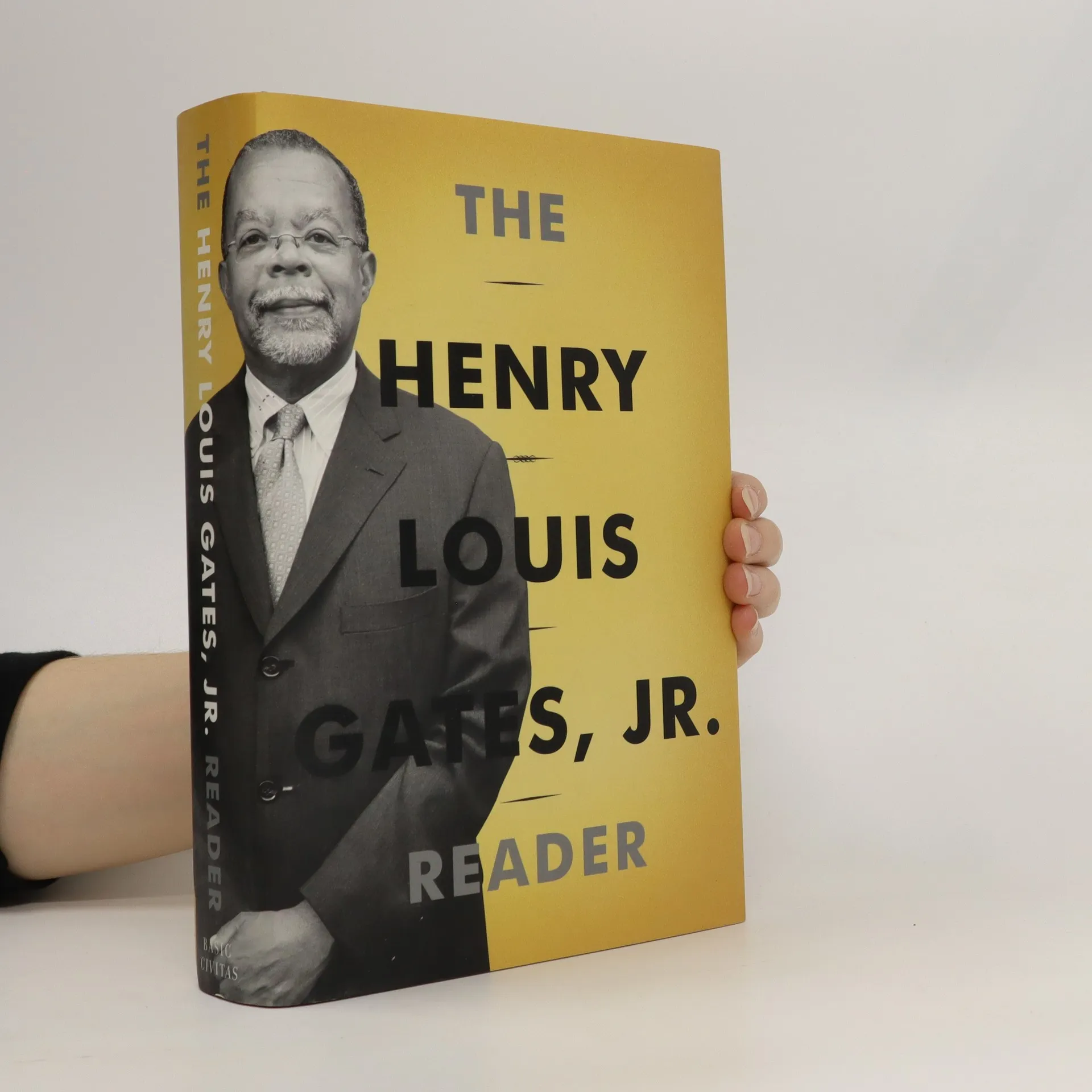
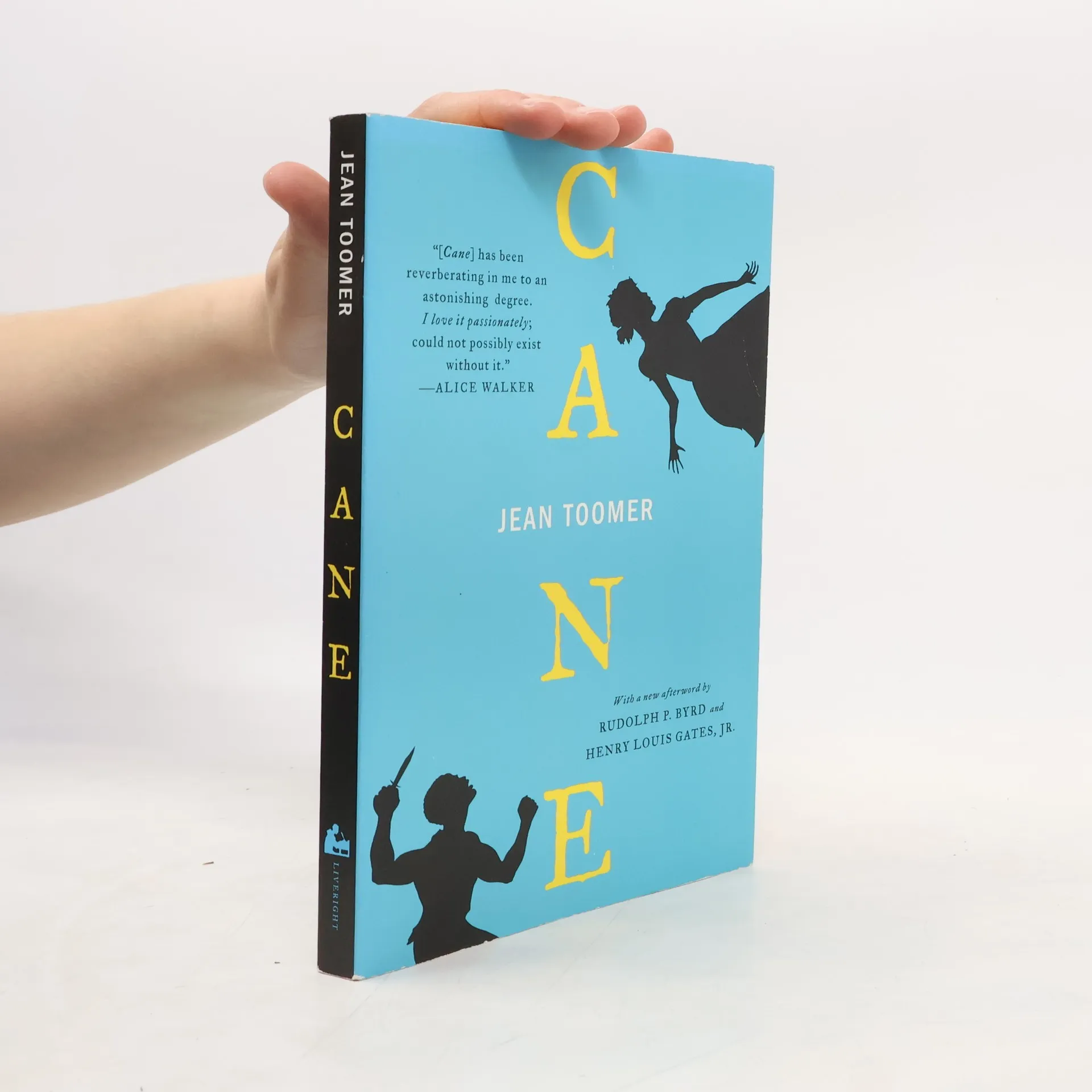
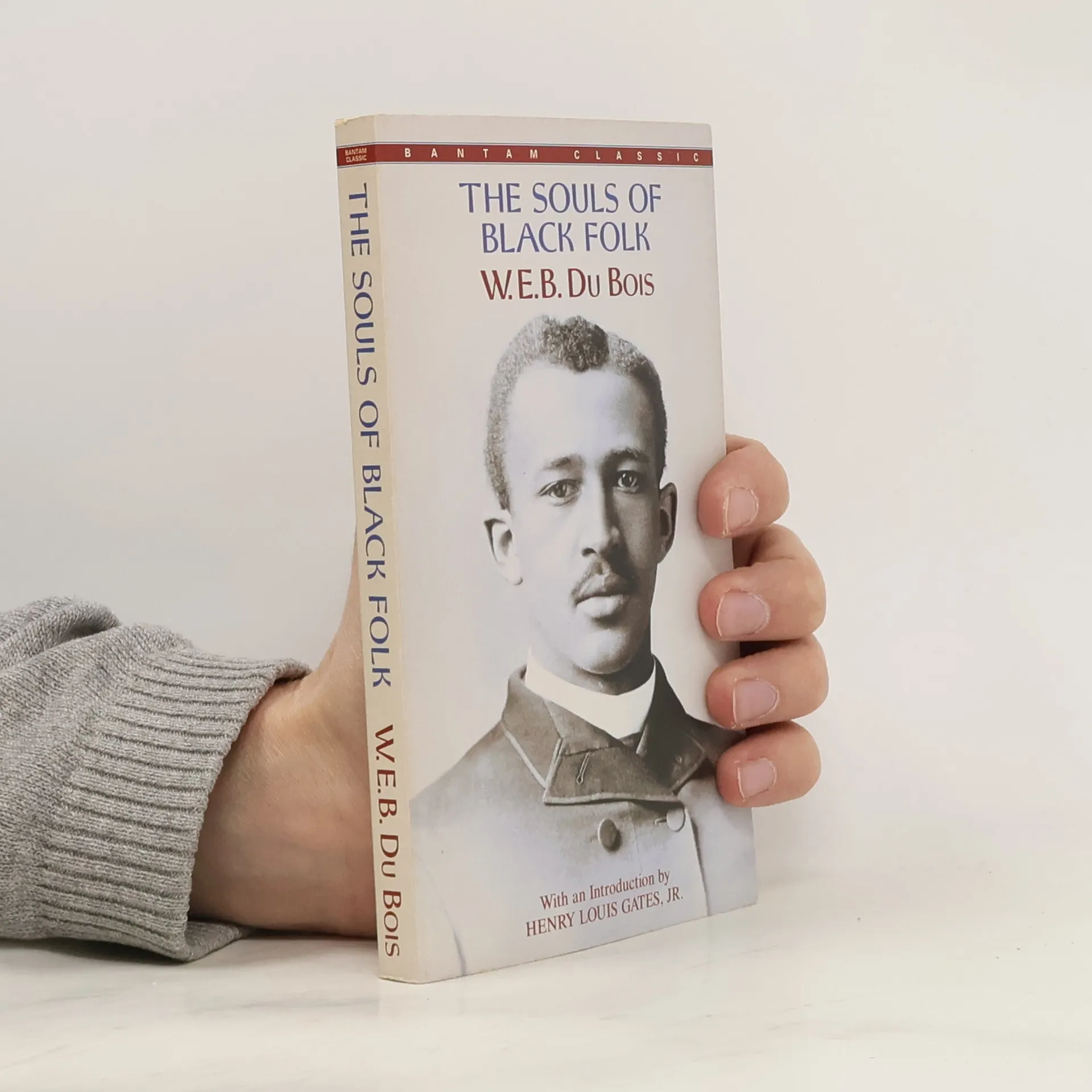
Henry Louis Gates Jr. je uznávaný literární kritik a editor, který se zasazuje o zviditelnění černošské literatury a kultury. Jeho práce se zaměřuje na hlubokou analýzu a propagaci afrických a afroamerických studií. Gates Jr. působí na Harvardově univerzitě a jako ředitel W. E. B. Du Bois Institute, kde formuje diskurz o černošské literatuře a kulturních studiích. Jeho vliv spočívá v osvětlování a oceňování černošského literárního odkazu.
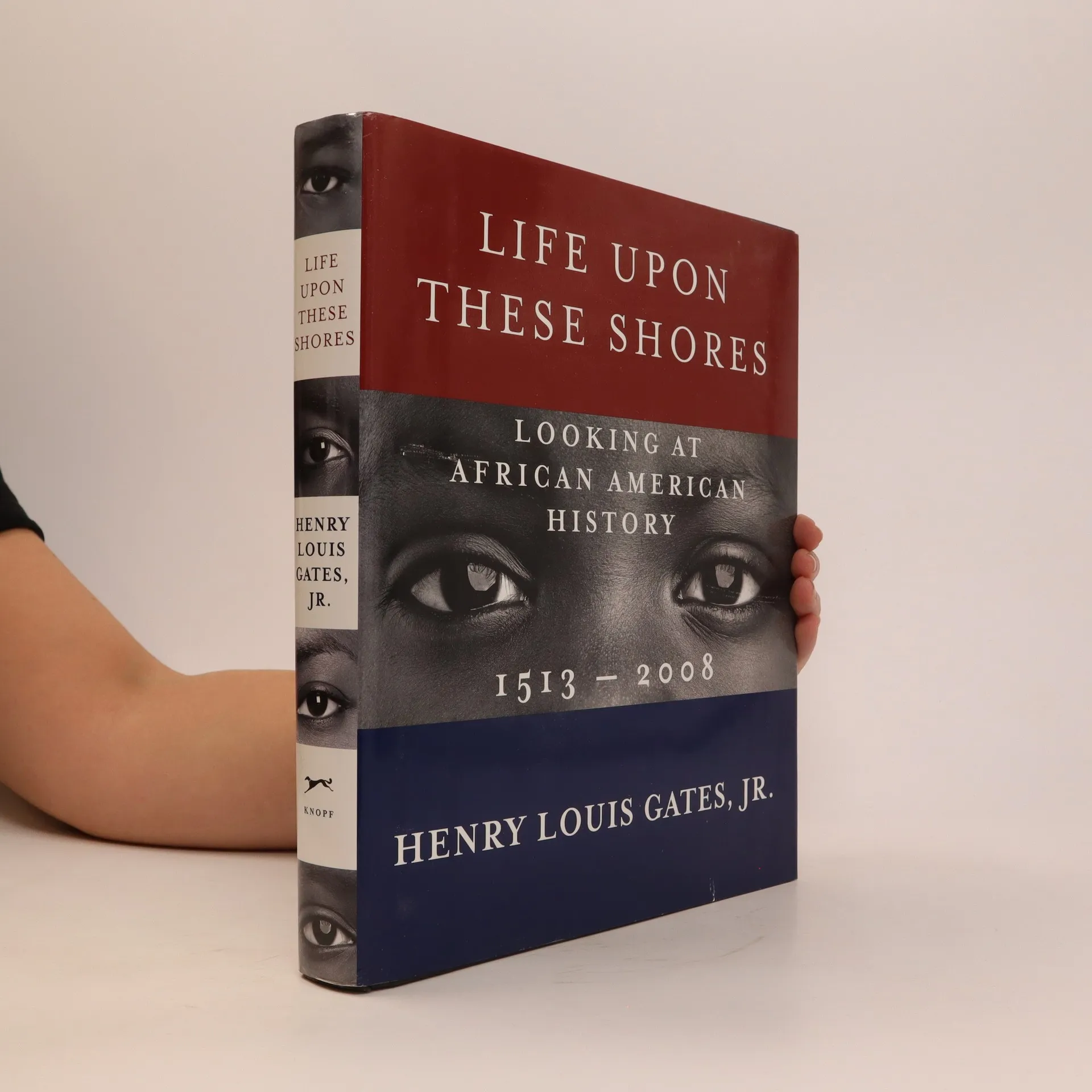
A director of the W. E. B. Du Bois Institute at Harvard presents a sumptuously illustrated chronicle of more than 500 years of African-American history that focuses on defining events, debates and controversies as well as important achievements of famous and lesser-known figures, in a volume complemented by reproductions of ancient maps and historical paraphernalia. (This title was previously list in Forecast.)
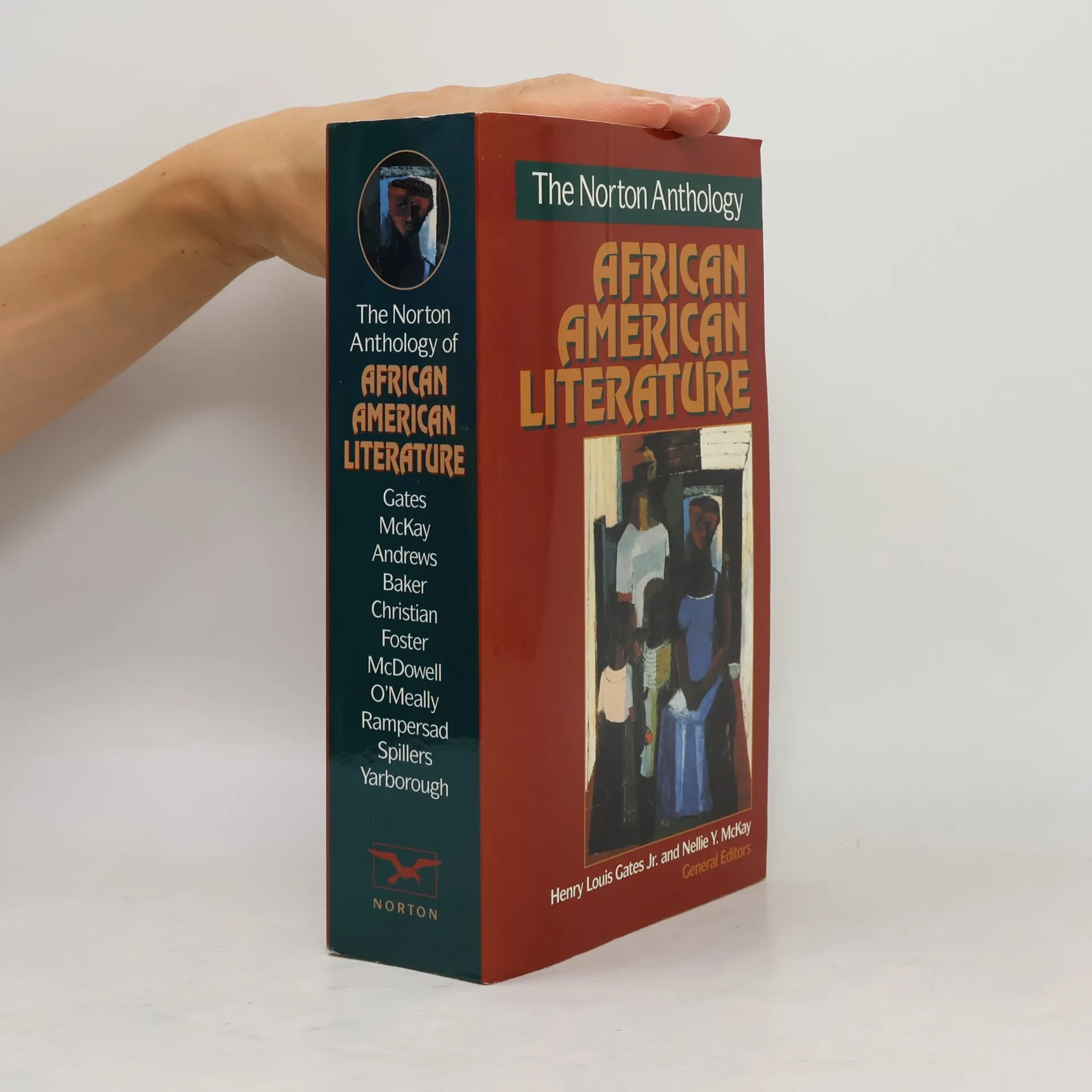
An anthology of the work of 120 writers spanning two centuries, this book covers the earliest known work by an African American, Lucy Terry's poem "Bars Fight", to the writing of Nobel Prize winner Toni Morrison, and Poet Laureate Rita Dove. It begins with blues, gospel, spirituals, rap, sermons, prayers, testimonies and speeches, and continues with writing of all genres: poetry, short fiction, novels, drama, autobiography, journals and letters, including the full text of 11 major works.
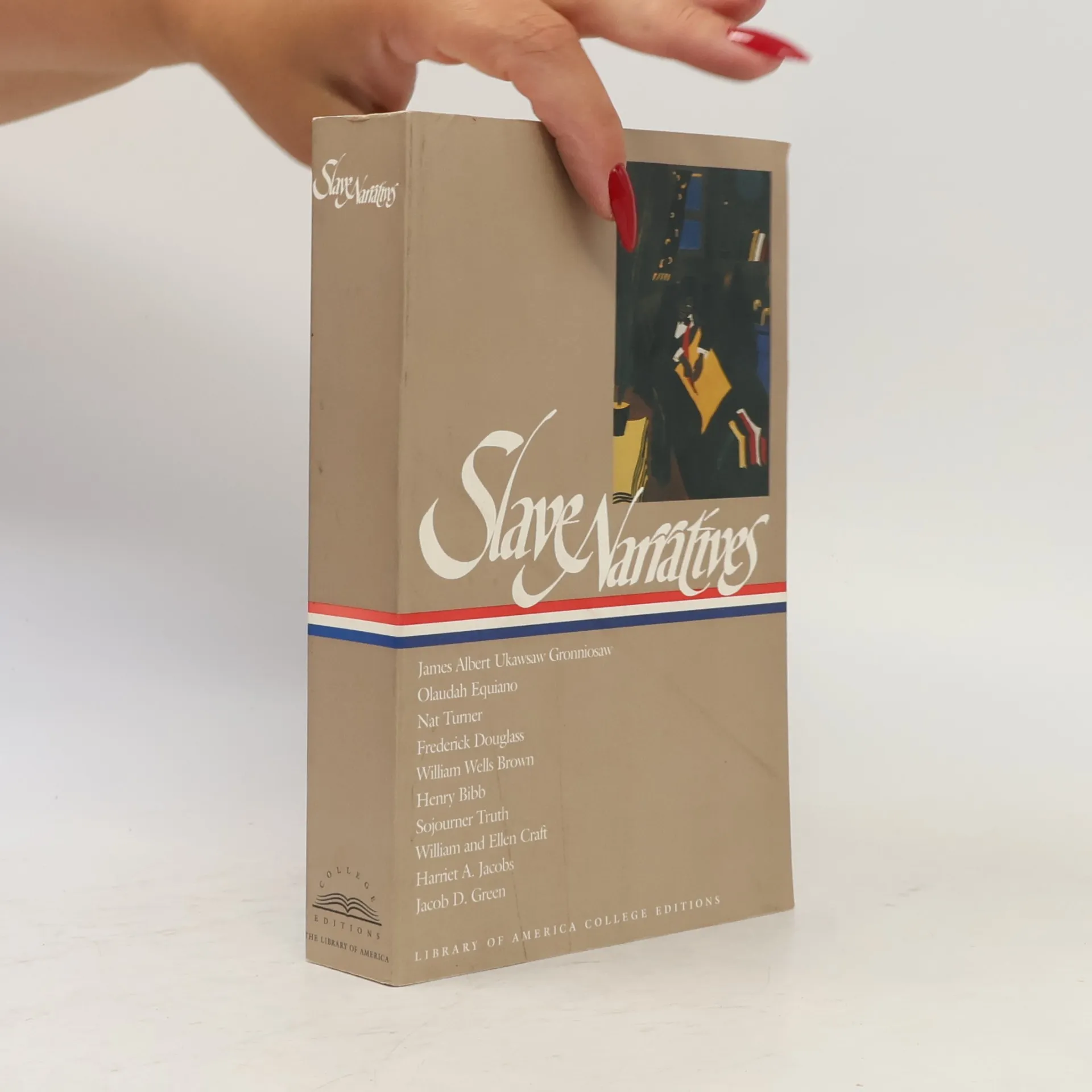
The Life of Olaudah Equiano, The History of Mary Prince, Narrative of the Life of Frederick Douglass, Incidents in the Life of a Slave Girl
688 stránek
25 hodin čtení
No group of slaves anywhere, in any era, has left such prolific testimony to the horror of bondage as African-American slaves. Here are four of the most notable narratives: The Life of Olaudah Equiano; The History of Mary Prince; Narrative of the Life of Frederick Douglass; and Incidents in the Life of Slave Girl.
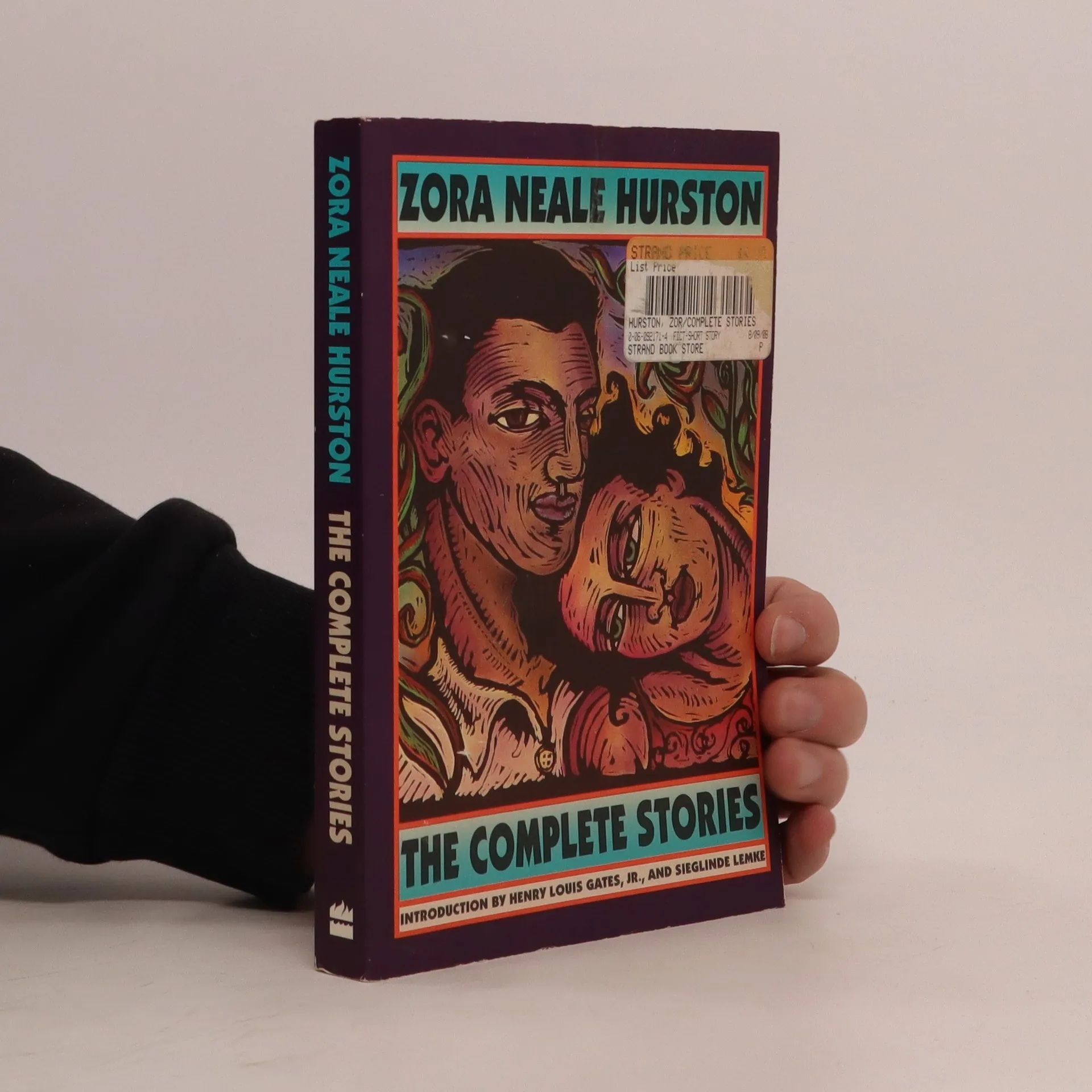
A collection of short stories, most of which appeared in literary magazines during the author's lifetime, along with previously unpublished works, spans the career of one of the century's foremost African American writers.
Twenty-eight powerful, provocative essays from academics and writers of all ethnic heritages, genders, and sexuality, including bell hooks, Eric Garber, Seth Clarke Silberman, Gregory Conerly, and Dr. Gloria Wekker-running from 19th-century slave quarters to postapartheid South Africa, from RuPaul to the Wu Tang Clan, from 1920s Harlem to 1995's Million Man March on Washington-provide a clear-eyed societal, cultural, political, and historical view of both the transformation and continued repression of black lesbians and gay men.A journalist and lecturer living in London, Delroy Constantine-Simms is a sociology graduate of the University of Hull and a psychology graduate of the University of East London. He is the author of The Role of Black Educators in Educational Research and (with V. Showunmi) Teachers of the Future.
The book explores the profound impact of Black writers in shaping self-identity and resistance against racism throughout American history. It draws from Henry Louis Gates, Jr.'s renowned course, highlighting influential figures like Phillis Wheatley, Frederick Douglass, and Toni Morrison. These authors crafted narratives that challenged oppressive definitions and fostered a sense of community amidst disagreement. The narrative illustrates how their literary contributions have transformed a historically marginalized group into a resilient culture, continually redefining what it means to be "Black" in America.
The eighteenth-century essays published for the first time provide a disturbing insight into the origins of racism, showcasing European intellectuals grappling with justifications for the atrocities of the Atlantic slave trade. In 1739, Bordeaux’s Royal Academy of Sciences announced a contest seeking essays on the sources of “blackness,” prompting sixteen submissions from across Europe, including naturalists, physicians, and theologians. These essays address the physical causes of black skin and African hair, as well as notions of degeneration, reflecting a range of opinions. Some authors argue that Africans fell from God’s grace, while others attribute blackness to climate or anatomical differences. Despite their varied perspectives, all essays converge on a common theme: the quest for a scientific understanding of race. This collection serves as a crucial record of Enlightenment-era thought that helped normalize the enslavement of Black individuals. The previously unpublished documents, now translated into English and accompanied by an introduction and headnotes from Henry Louis Gates, Jr. and Andrew Curran, reveal the foundational ideas that fueled anti-Black racism and colorism in the West, preserved for centuries in Bordeaux’s municipal library.
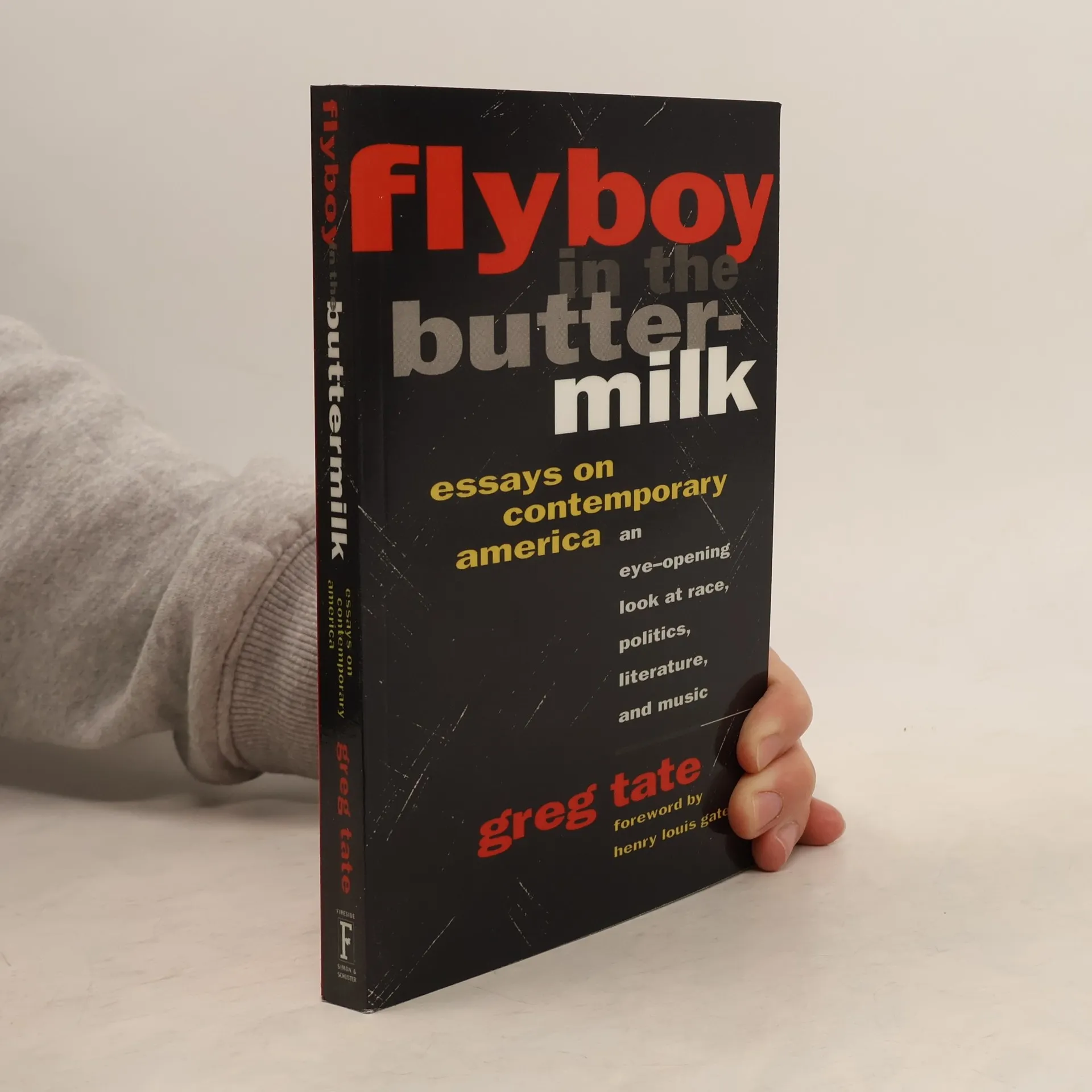
Village Voice columnist Greg Tate offers essays and tales of American music and culture, from Be-Bop to Hip-Hop. He examines music, books, newspaper reporting, and more to explore such issues as racism, poverty, sexism, homophobia, and political and economic injustices from a black point of view.
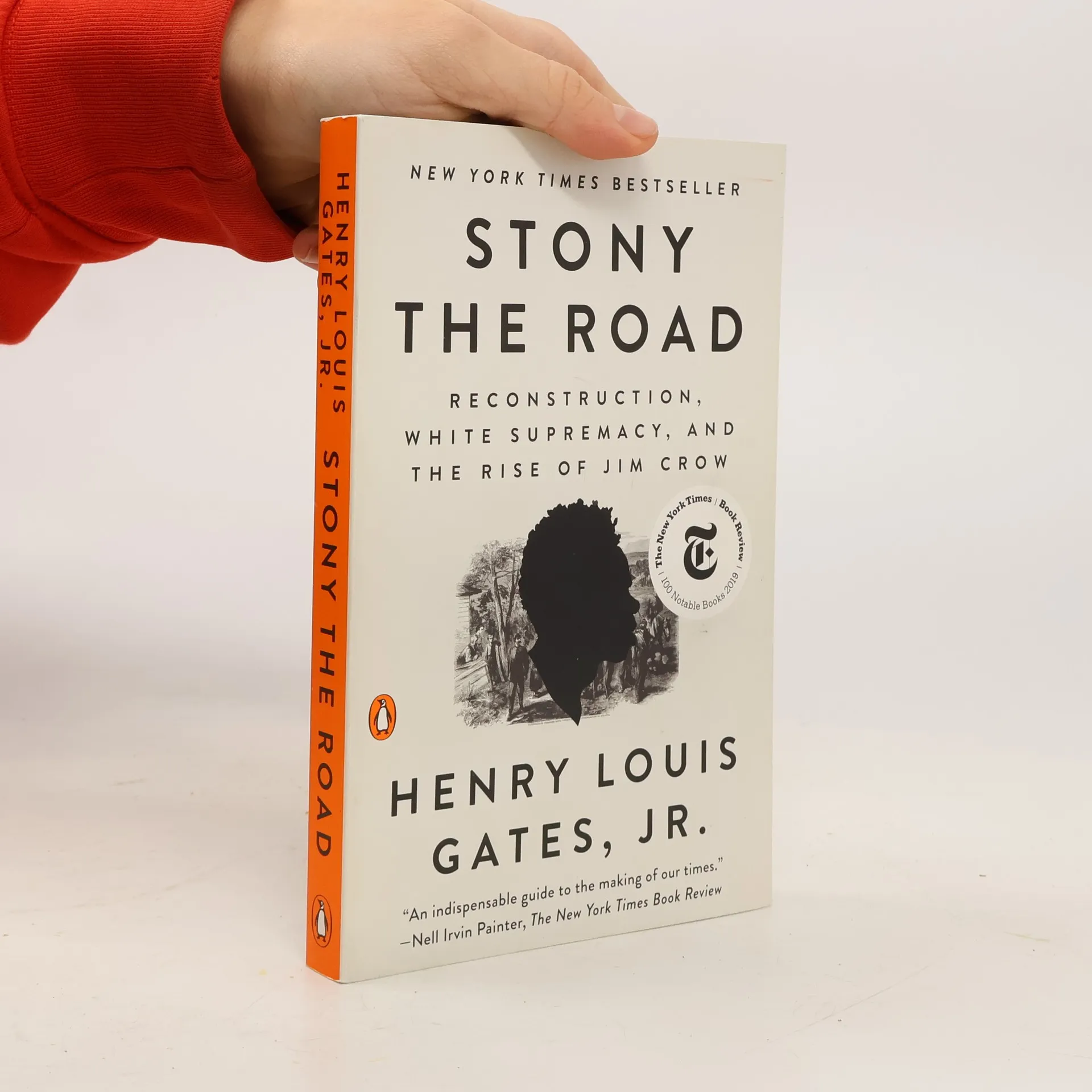
This work offers a profound exploration of the African-American struggle for equality following the Civil War, highlighting the violent counterrevolution that re-subjugated them. While the abolition of slavery and the civil rights movement are well-known, the century in between remains enigmatic. Henry Louis Gates, Jr. seeks to unravel this mystery, examining the period from Reconstruction to the nadir of the African-American experience under Jim Crow, and through World War I and the Harlem Renaissance. By closely analyzing the visual culture of this tragic era, Gates reveals the multifaceted nature of Jim Crow, which solidified a stark racial divide. Drawing on his extensive experience as a scholar, filmmaker, and public intellectual, Gates traces the roots of structural racism today and illustrates how African Americans, post-slavery, fought against it by envisioning a "New Negro." This vision aimed to compel the nation to acknowledge their humanity and significant contributions as America advanced into the modern age. Accompanying the book is a PBS documentary series that further explores these themes, supported by comprehensive promotional efforts from PBS.
A scholarly primer by the Harvard University intellectual and author of the American Book Award-winning The Signifying Monkey collects three decades of his writings in a range of fields, in a volume that also offers insight into his achievements as a historian, theorist and cultural critic.
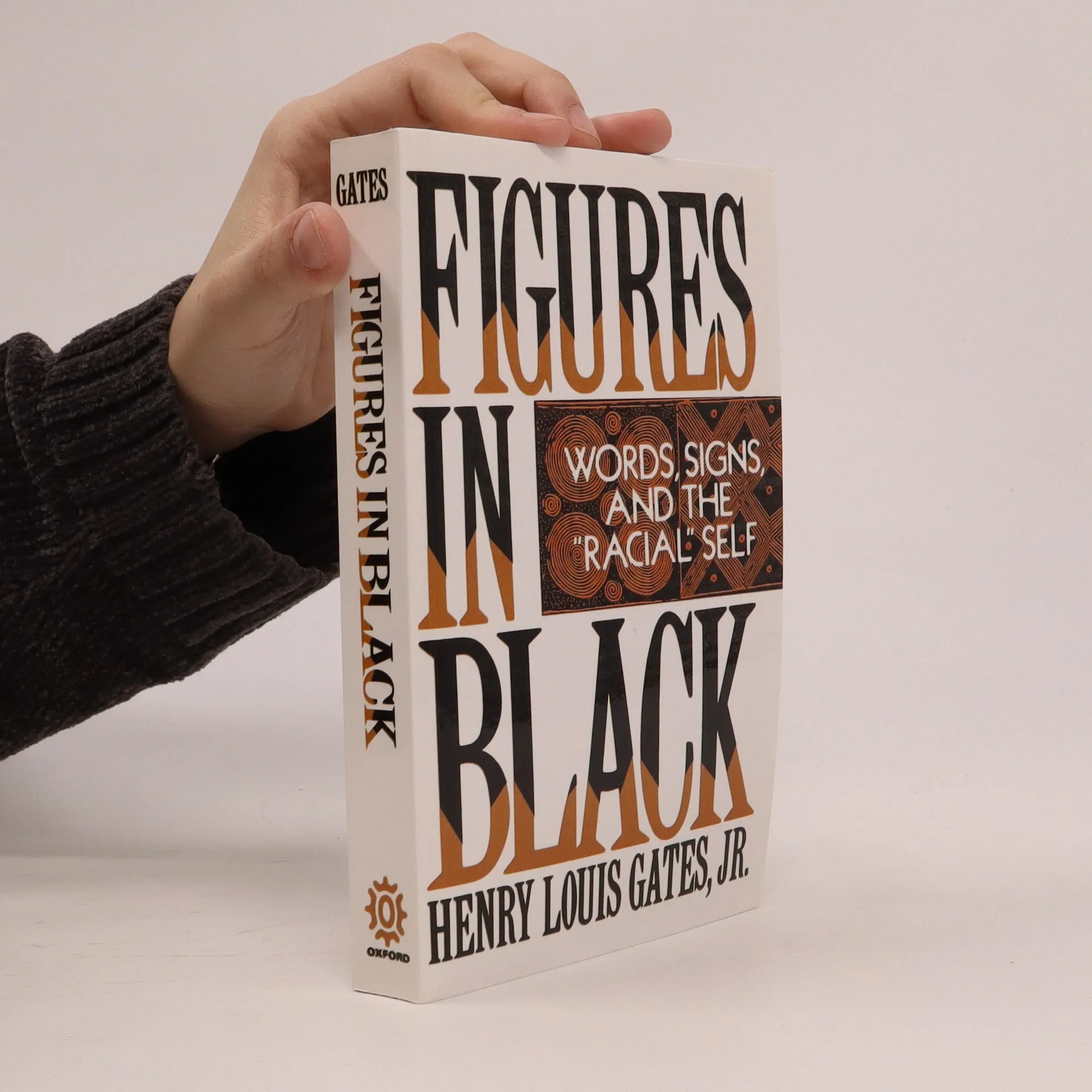
For over two centuries, critics and the black community have tended to approach African-American literature as simply one more front in the important war against racism, valuing slave narratives and twentieth-century works alike, primarily for their political impact.In this volume, Henry Louis Gates, Jr., a leading scholar in African-American studies, attacks the notion of African-American literature as a kind of social realism. Insisting, instead, that critics focus on the most repressed element of African-American criticism--the language of the text--Gates advocates the use of a close, methodical analysis of language, made possible by modern literary theory. Throughout his study, Gates incorporates the theoretical insights of critics such as Bakhtin, Foucault, Lacan, Derrida, and Bloom, as he examines the modes of representation that define black art and analyzes the unspoken assumptions made in judging this literature since its inception.Ranging from the eighteenth-century poet, Phillis Wheatley, to modern writers, Ishmael Reed and Alice Walker, Gates seeks to redefine literary criticism itself, moving away from a Eurocentric notion of a hierarchical canon--mostly white, Western, and male--to foster a truly comparative and pluralistic notion of literature.
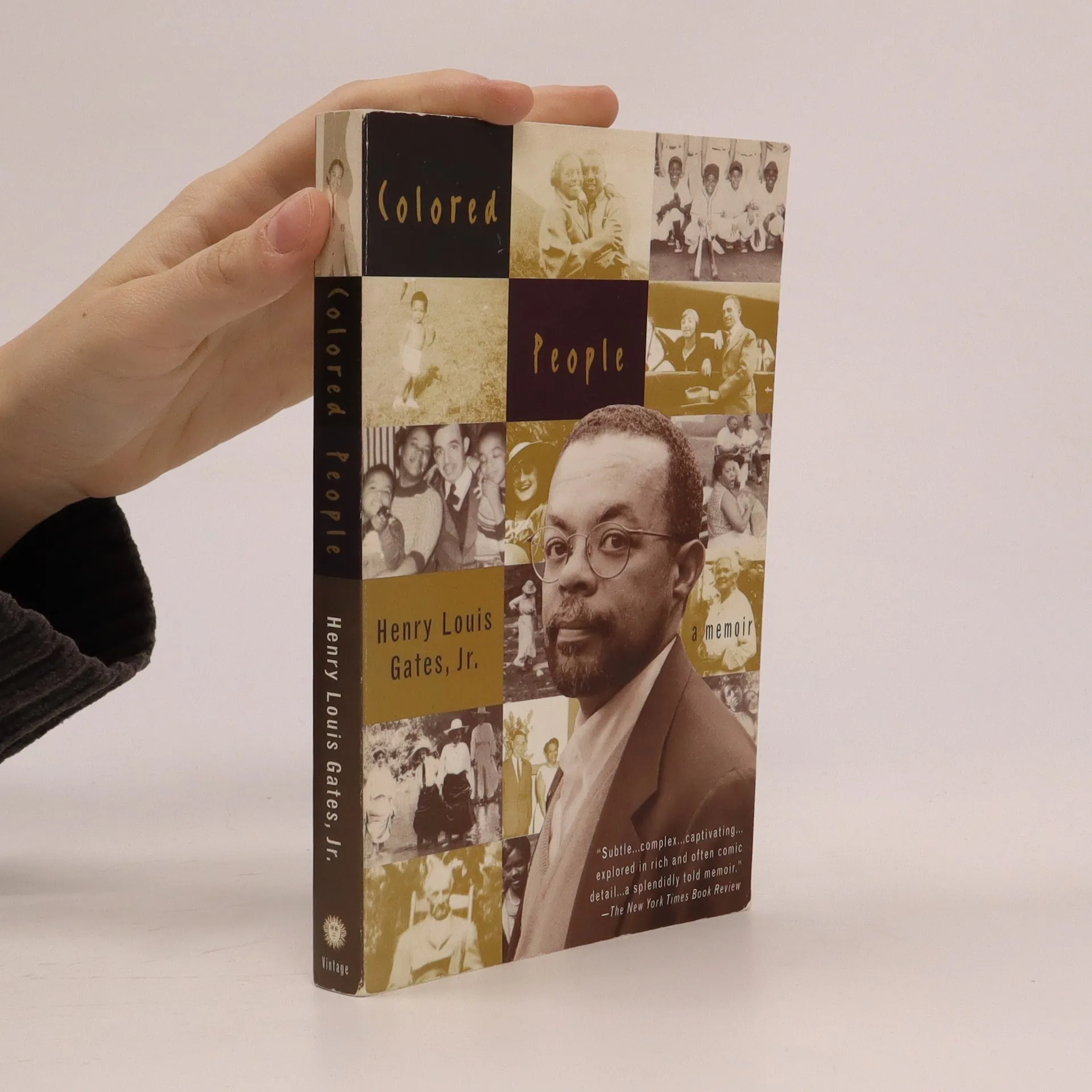
In a coming-of-age story as enchantingly vivid and ribald as anything Mark Twain or Zora Neale Hurston, Henry Louis Gates, Jr., recounts his childhood in the mill town of Piedmont, West Virginia, in the 1950s and 1960s and ushers readers into a gossip, of lye-and-mashed-potato “processes,” and of slyly stubborn resistance to the indignities of segregation. A winner of the Chicago Tribune ’s Heartland Award and the Lillian Smith Prize, Colored People is a pungent and poignant masterpiece of recollection, a work that extends and deepens our sense of African American history even as it entrances us with its bravura storytelling
For young Henry Louis Gates, Jr., growing up in a segregated West Virginia town, the church was a vital community hub, where song and support flourished. In this expansive exploration of the Black Church's significance in America, Gates traces its history over five centuries, from the intersection of Christianity and the transatlantic slave trade to contemporary politics. His reflections on the churches of his youth reveal the profound role of African American religion in the national narrative—serving as a bastion against slavery and white supremacy, a catalyst for political mobilization, and a nurturing ground for musical and oratorical talent that shaped culture. The Black Church has historically provided a rare safe space for the African diaspora, often targeted by white supremacists. From the earliest days of slavery, when worship was permitted, these gathering places faced surveillance and destruction. Even after slavery's end, acts of violence against Black churches persisted, exemplified by the tragic events at the Mother Emanuel AME Church. Gates illustrates that the Black Church embodies a complex legacy, central to the Black political struggle and the emergence of influential leaders. Yet, some denominations have resisted political engagement, fostering exclusion and division. As new generations advocate for dignity and freedom across identities, the Black Church remains a vital source of faith and resilience agains
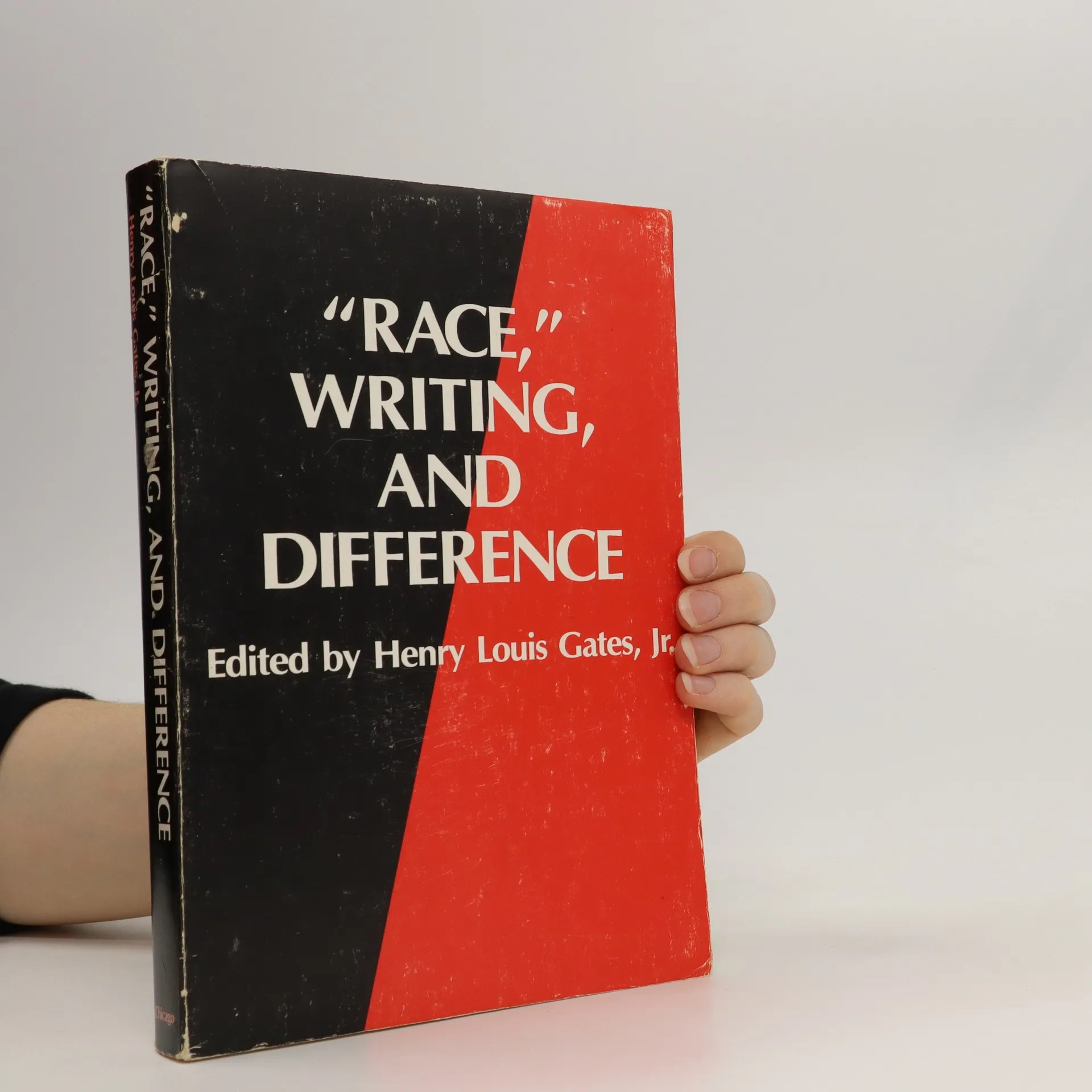
A classic of cultural criticism, "Race," Writing, and Difference provides a broad introduction to the idea of "race" as a meaningful category in the study of literature and the shaping of critical theory. This collection demonstrates the variety of critical approaches through which one may discuss the complexities of racial "otherness" in various modes of discourse. Now, fifteen years after their first publication, these essays have managed to escape the cliches associated with the race-class-gender trinity of '80s criticism, and remain a provocative overview of the complex interplay between race, writing, and difference.
Pronde's the critical framework to examine several major works including, Their eyes were watching God by Zora Neale Hurston, Invisible man by Ralph Ellison, and Mumbo jumbo by Ishmael Reed.
The author takes readers on a journey spanning more than five centuries, from the intersection of Christianity and the transatlantic slave trade to today's political landscape. We emerge with a new understanding of the importance of African American religion to the larger national narrative: as a center of resistance to slavery and white supremacy, as a magnet for political mobilization, as an incubator of musical and oratorical talent that would transform the culture, and as a crucible for working through the Black community's most critical personal and social issues. -- adapted from back cover
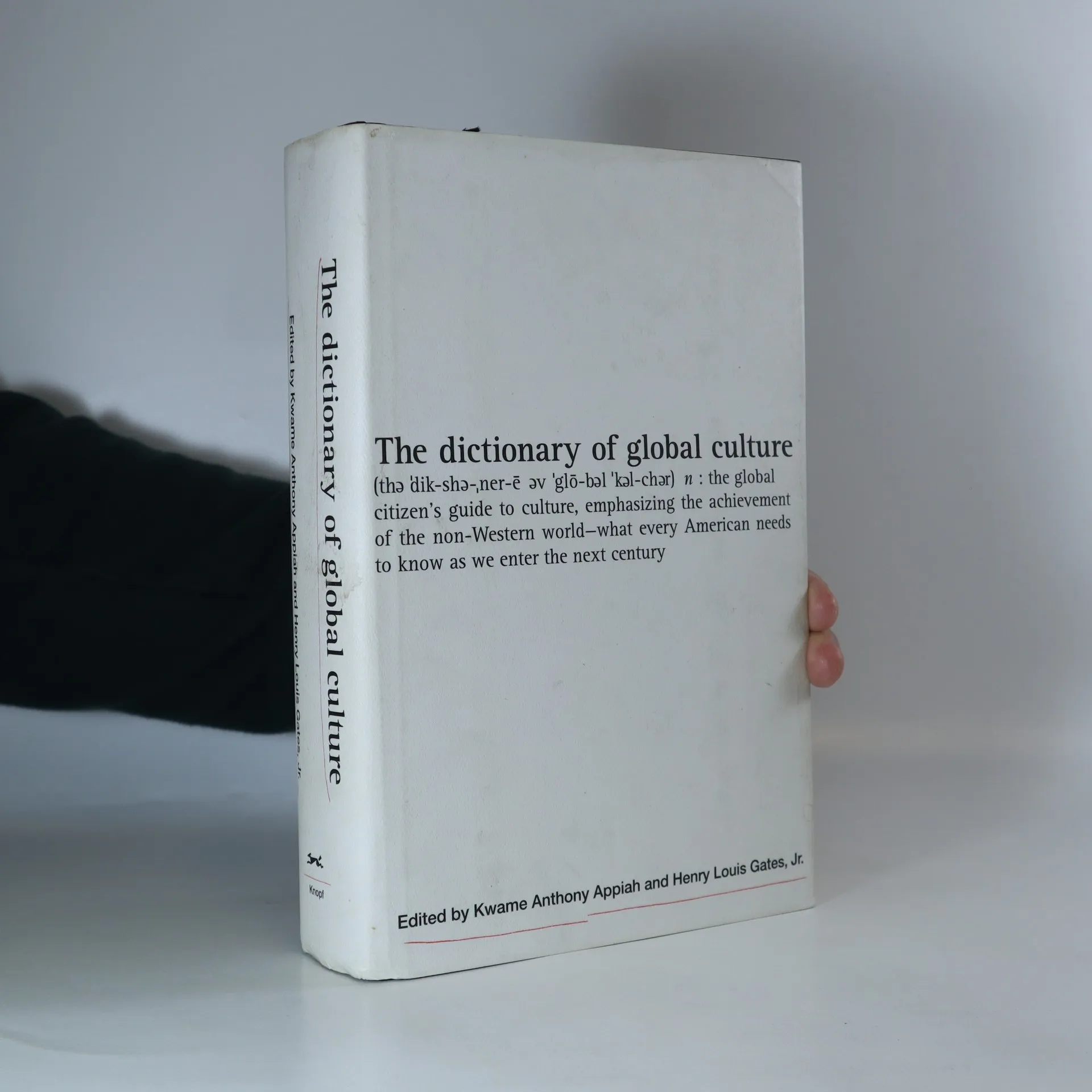
"The global citizen's guide to culture, emphasizing the achievement of the non-Western world -- what every American needs to know as we enter the next century."--Cover
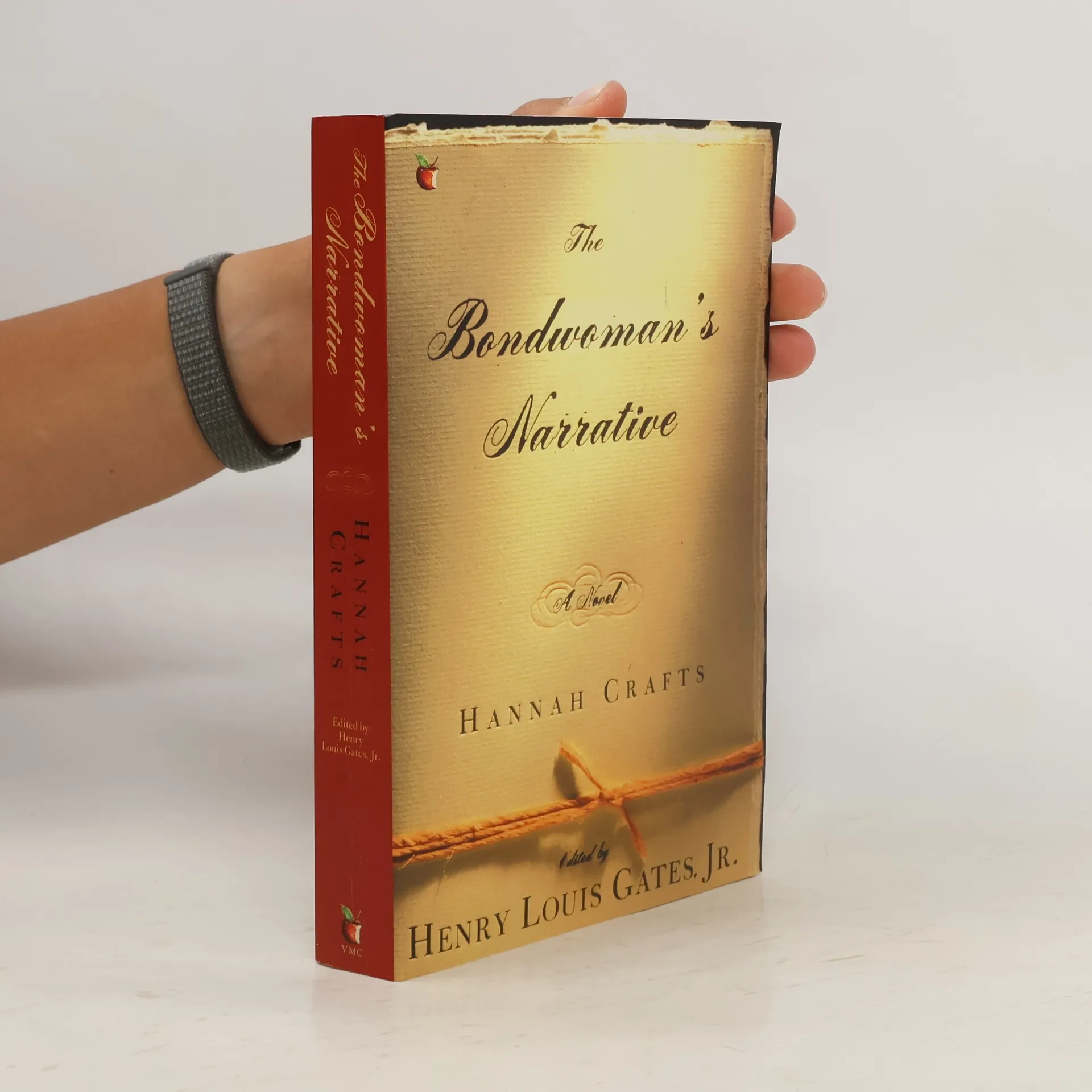
When her master is betrothed to a woman who conceals a tragic secret, Hannah Crafts, a young slave on a wealthy North Carolina plantation, runs away in a bid for her freedom up North. Pursued by slave hunters, imprisoned by a mysterious and cruel captor, held by sympathetic strangers, and forced to serve a demanding new mistress, she finally makes her way to freedom in New Jersey. Her compelling story provides a fascinating view of American life in the mid-1800s and the literary conventions of the time. Written in the 1850s by a runaway slave, the book is a provocative literary landmark. It provides a window into the psychology and perspective of a slave woman.
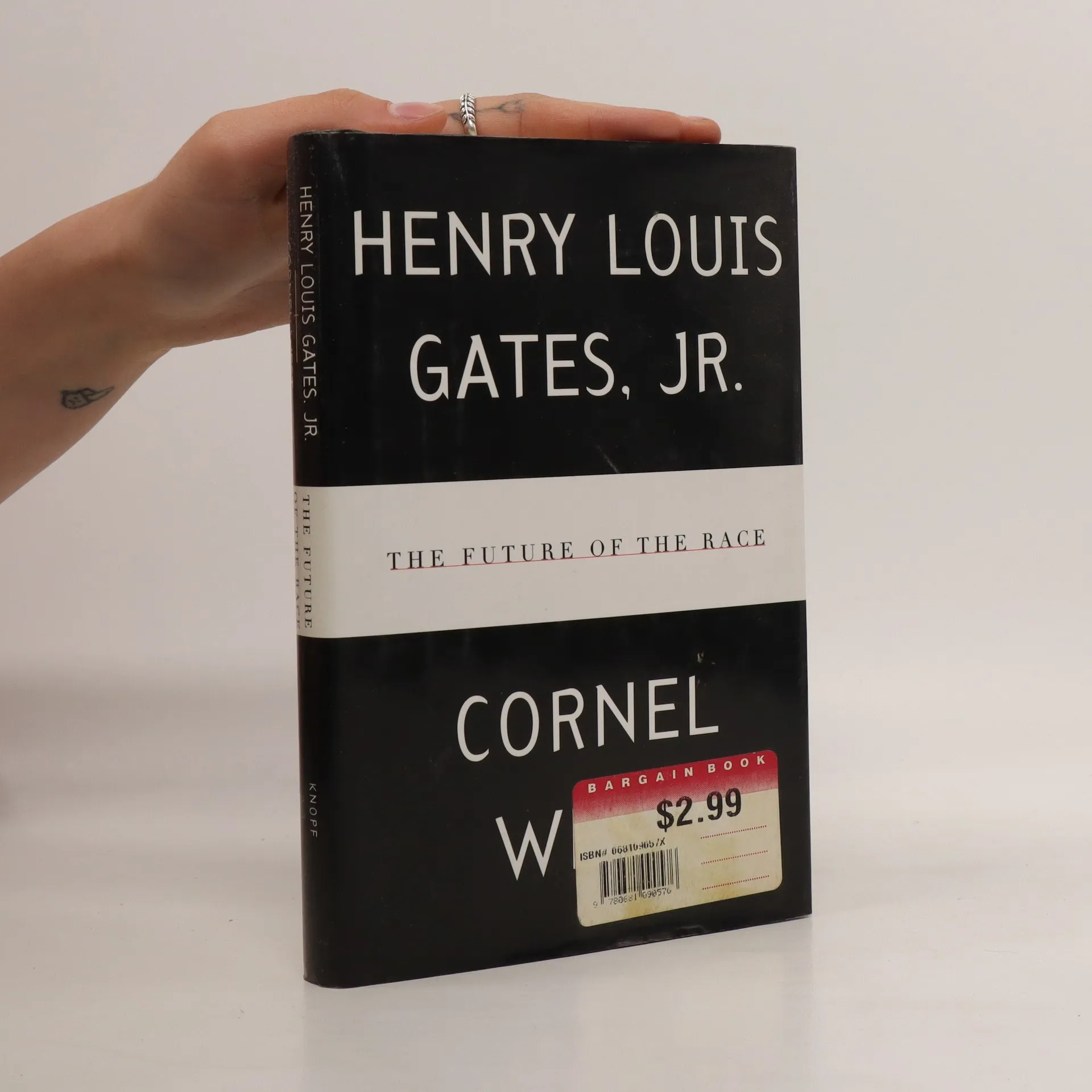
"Almost one-hundred years ago, W.E.B. Du Bois proposed the notion of the 'talented tenth,' an African American elite that would serve as leaders and models for the larger black community. In this unprecedented collaboration, Henry Louis Gates, Jr., and Cornel West -- two of Du Bois's most prominent intellectual descendants -- reassess that relationship and its implications for the future of black Americans. If the 1990s are the best of times for the heirs of the Talented Tenth, they are unquestionably worse for the growing black underclass. As they examine the origins of this widening gulf and propose solutions for it, Gates and West combine memoir and biography, social analysis and cultural survey into a book that is incisive and compassionate, cautionary and deeply stirring." -- Provided by the publisher
The much-anticipated Third Edition brings together the work of 140 writers from 1746 to the present writing in all genres, as well as performers of vernacular forms from spirituals and sermons to jazz and hip hop. Fresh scholarship, new visuals and media, and new selections with an emphasis on contemporary writers combine to make The Norton Anthology of African American Literature an even better teaching tool for instructors and an unmatched value for students."
The much-anticipated Third Edition brings together the work of 140 writers from 1746 to the present writing in all genres, as well as performers of vernacular forms from spirituals and sermons to jazz and hip hop. Fresh scholarship, new visuals and media, and new selections with an emphasis on contemporary writers combine to make The Norton Anthology of African American Literature an even better teaching tool for instructors and an unmatched value for students."
The ten works collected in this volume demonstrate how a diverse group of writers challenged the conscience of a nation and laid the foundations of the African American literary tradition by expressing their in anger, pain, sorrow, and courage.Included in the Narrative of the Most Remarkable Particulars in the Life of James Albert Ukawsaw Gronniosaw ; Interesting Narrative of the Life of Olaudah Equiano ; The Confessions of Nat Turner ; Narrative of the Life of Frederick Douglass ; Narrative of William W. Brown ; Narrative of the Life and Adventures of Henry Bibb ; Narrative of Sojouner Truth ; Ellen and William Craft's Running a Thousand Miles for Freedom ; Harriet Jacobs' Incidents in the Life of a Slave Girl and Narrative of the Life of J. D.Green .
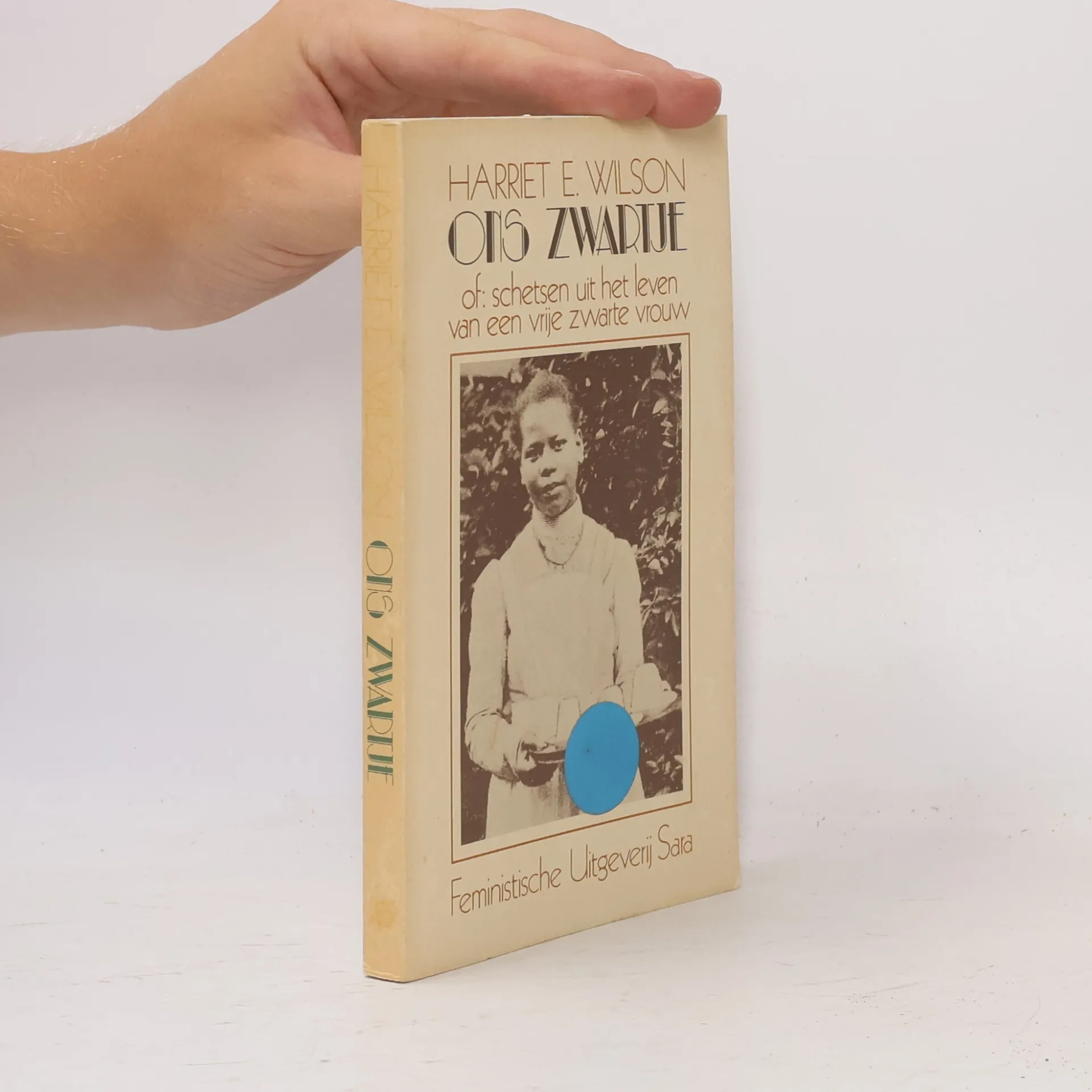
Of: Schetsen uit het leven van een vrije zwarte vrouw
Zelfs door voorstanders van afschaffing van de slavernij werd Ons Zwartje bij verschijning in 1859 genegeerd. Het boek stelde te pijnlijk het racisme in het 'geemancipeerde' noorden van de Verenigde Staten aan de kaak. Ons Zwartje, de eerste roman geschreven door een zwarte vrouw in de VS, vertelt de geschiedenis van Alfrado, een 'mulat', die opgroeit als dienstmeisje bij een witte familie. Harriet E. Wilson combineerde twee literaire conventies: het traditionele slavenverhaal en de negentiende-eeuwse sentimentele roman. Het unieke resultaat is een ironisch en hoogst leesbaar boek en een bewogen verslag van hoe het is om machteloos en onderworpen te zijn.