


Paths of Dissent
- 304 stránek
- 11 hodin čtení
American veterans who fought in Iraq and Afghanistan offer invaluable firsthand perspectives on what made America's post-9/11 wars so costly and disastrous.
Andrew J. Bacevich je uznávaný autor a profesor, jehož díla se zabývají složitými otázkami americké zahraniční politiky a militarismu. S bohatými zkušenostmi z vojenské služby a akademické sféry nabízí pronikavý pohled na historii a současnost americké moci ve světě. Jeho analýzy se vyznačují hlubokým historickým kontextem a kritickým zkoumáním dlouhodobých trendů, které formují americkou roli na globální scéně. Čtenáři ocení jeho schopnost propojovat vojenskou historii s politickou realitou a odhalovat kořeny americké zahraniční politiky.


American veterans who fought in Iraq and Afghanistan offer invaluable firsthand perspectives on what made America's post-9/11 wars so costly and disastrous.
A renowned historian and writer dismantles foreign policy decisions of the Trump and Biden administration.
The purpose of U.S. foreign policy has, at least theoretically, been to keep Americans safe. As we confront a radically changed world, it has become indisputably clear that the terms of that policy have failed. Washington's insistence that a market economy is compatible with the common good, its faith in the idea of the "West" and its "special relationships," its conviction that global military primacy is the key to a stable and sustainable world order-- these have brought endless wars and a succession of moral and material disasters. Bacevich lays down a new approach, based on moral pragmatism, mutual coexistence, and war as a last resort. His vision calls for nothing less than a profound overhaul of our understanding of national security. -- adapted from back cover.
Tough-minded, bracing, and intelligent, Andrew J. Bacevich presents a compelling challenge to the prevailing belief that American security hinges on a permanent military presence worldwide. Hailed as "brilliant," he critiques the bipartisan consensus that has dominated U.S. foreign policy for decades, arguing it has outlived its relevance. With sharp analysis, Bacevich dismantles the assumptions that underpin this faith in military power, particularly the idea that overwhelming strength will ensure compliance with U.S. interests, whether for resources or economic gain. He advocates for a reevaluation of the principles guiding American policy, emphasizing that domestic issues, such as revitalizing Detroit, should take precedence over foreign military engagements like Afghanistan. As America faces the consequences of its militaristic approach—both unaffordable and perilous—Bacevich insists that replacing the entrenched Washington consensus is vital for the nation's future and could be key to its salvation.
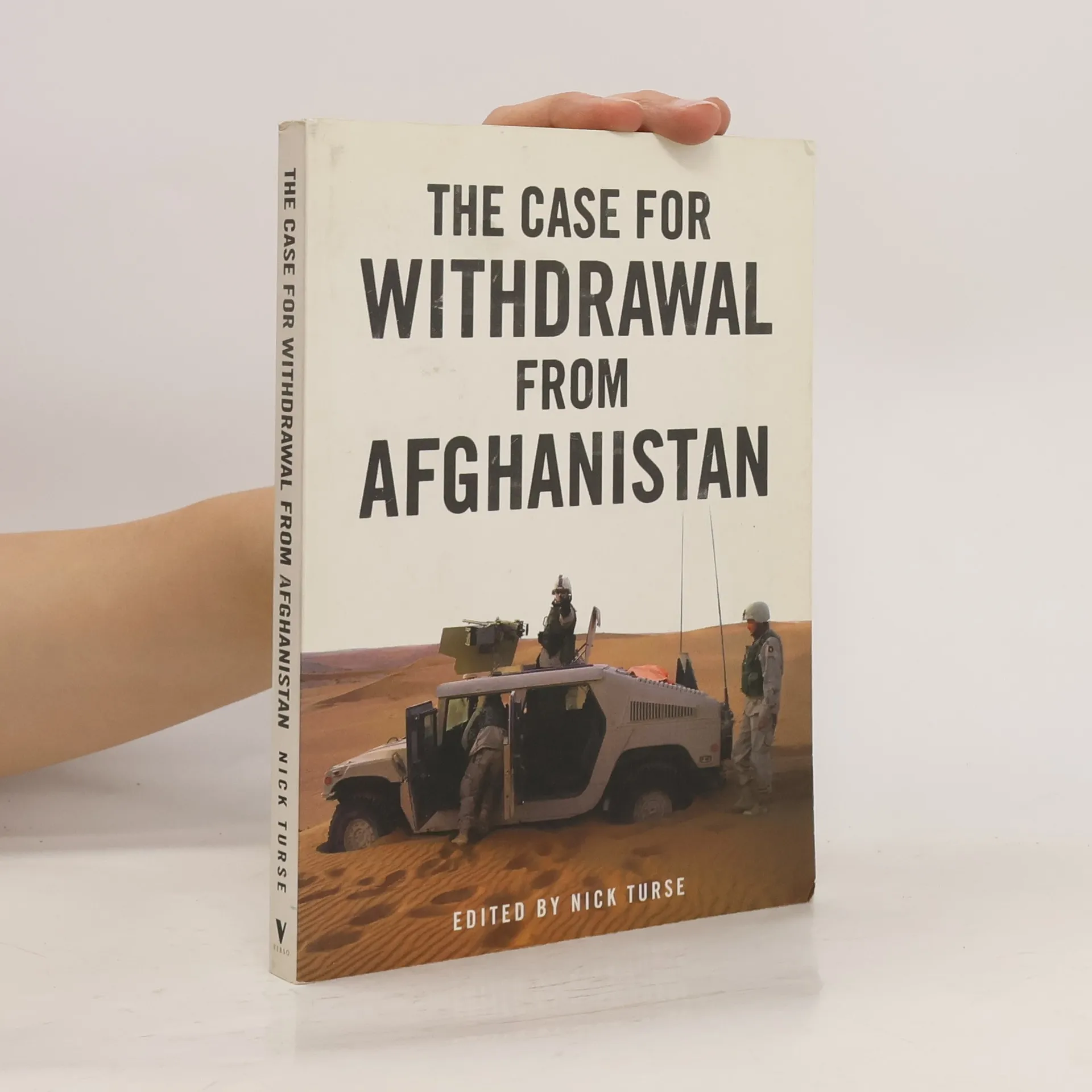
The book features insights from leading commentators who analyze the complexities of the Afghan conflict, drawing parallels with earlier British and Soviet occupations. It delves into the strategic missteps, cultural misunderstandings, and the broader implications of foreign interventions in Afghanistan, providing a comprehensive overview of the historical context and lessons learned from these military endeavors.
From an acclaimed conservative historian and former military officer, a bracing call for a pragmatic confrontation with the nation's problemsThe Limits of Power identifies a profound triple crisis facing America: the economy, in remarkable disarray, can no longer be fixed by relying on expansion abroad; the government, transformed by an imperial presidency, is a democracy in form only; U.S. involvement in endless wars, driven by a deep infatuation with military power, has been a catastrophe for the body politic. These pressing problems threaten all of us, Republicans and Democrats. If the nation is to solve its predicament, it will need the revival of a distinctly American approach: the neglected tradition of realism.Andrew J. Bacevich, uniquely respected across the political spectrum, offers a historical perspective on the illusions that have governed American policy since 1945. The realism he proposes includes respect for power and its limits; sensitivity to unintended consequences; aversion to claims of exceptionalism; skepticism of easy solutions, especially those involving force; and a conviction that the books will have to balance. Only a return to such principles, Bacevich argues, can provide common ground for fixing America’s urgent problems before the damage becomes irreparable.
International relations expert Andrew Bacevich reconsiders the assumptions and purposes governing the exercise of American global power. He finds that successive post-Cold War administrations have adhered to a well-defined "strategy of openness." Motivated by the imperative of economic expansionism, that strategy aims to foster an open and integrated international order, thereby perpetuating the undisputed primacy of the world's sole remaining superpower. Moreover, openness has been an abiding preoccupation of policymakers as far back as Woodrow Wilson. Although based on expectations that eliminating barriers to the movement of trade, capital, and ideas nurtures not only affluence but also democracy, the aggressive pursuit of openness has met considerable resistance. To overcome that resistance, U.S. policymakers have with increasing frequency resorted to force, resulting in the progressive militarization of U.S. foreign policy. Bacevich maintains that this drive for openness is in fact aimed at erecting a global imperium.--From publisher description