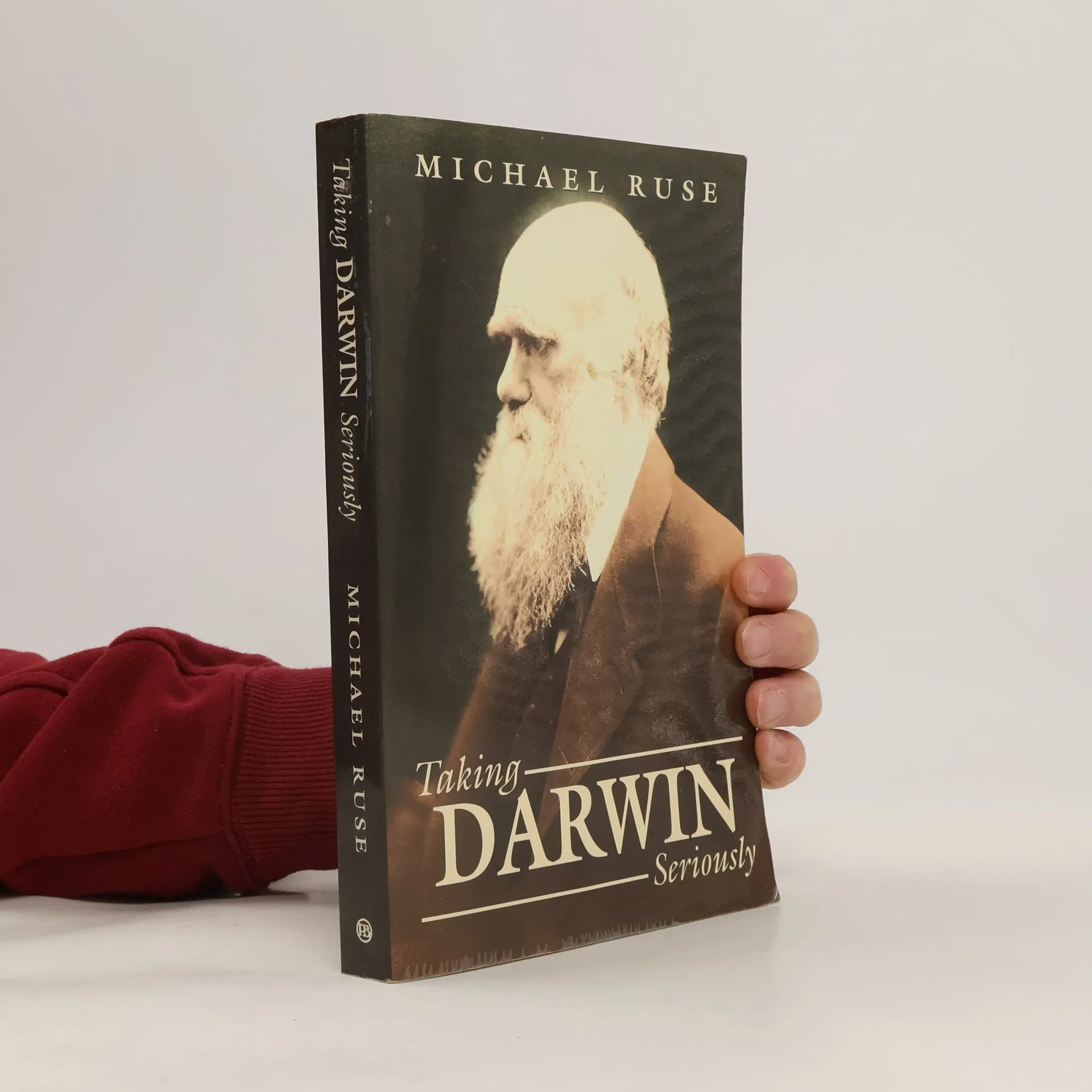
Podtitul: „Filosofické aspekty Darwinových myšlenek“ Charles Darwin je bezpochyby tvůrcem moderní evoluční biologie. Ovšem kniha je víc než jen biologickou teorií. Jde o řadu principů, které měly obrovský filosofický dopad i za hranicemi přírodních věd. Darwinova teorie však vyžaduje konceptuální přezkoumání – určit, jak je strukturovaná a na čem svá tvrzení zakládá. A protože se darwinistická tvrzení týkají i lidstva, etnických a epistemologických důsledků. Michael Ruse, který je známým odborníkem na historii a filosofii darwinismu, v této knize předkládá zásadní studii filosofické povahy Darwinových myšlenek a jejich vlivu na tradiční filosofické otázky o vědění, morálce a náboženství. Tento poutavý text není jen odrazovým můstkem k teoretickým diskusím, ale také pojednáním, které staví na hlavu mnohá protidarwinistická přesvědčení a domněnky, jež prosazují kreacionisté. Ruse srozumitelným a neformálním jazykem říká hodně o statusu evolučního myšlení jako ryzí teorie, filosofických důsledcích darwinismu a současných naturalistických vysvětlení náboženství.
Michael Ruse Knihy
Michael Ruse je přední filozof vědy, jehož práce se soustředí na filozofii biologie. Je uznáván pro své hluboké zkoumání vztahů mezi vědou a náboženstvím, kontroverze týkající se stvoření a evoluce a pro definování hranic vědy. Jeho rozsáhlé publikace a založení prestižního časopisu Biology and Philosophy dokládají jeho celoživotní oddanost filozofickému bádání v oblasti biologických věd.




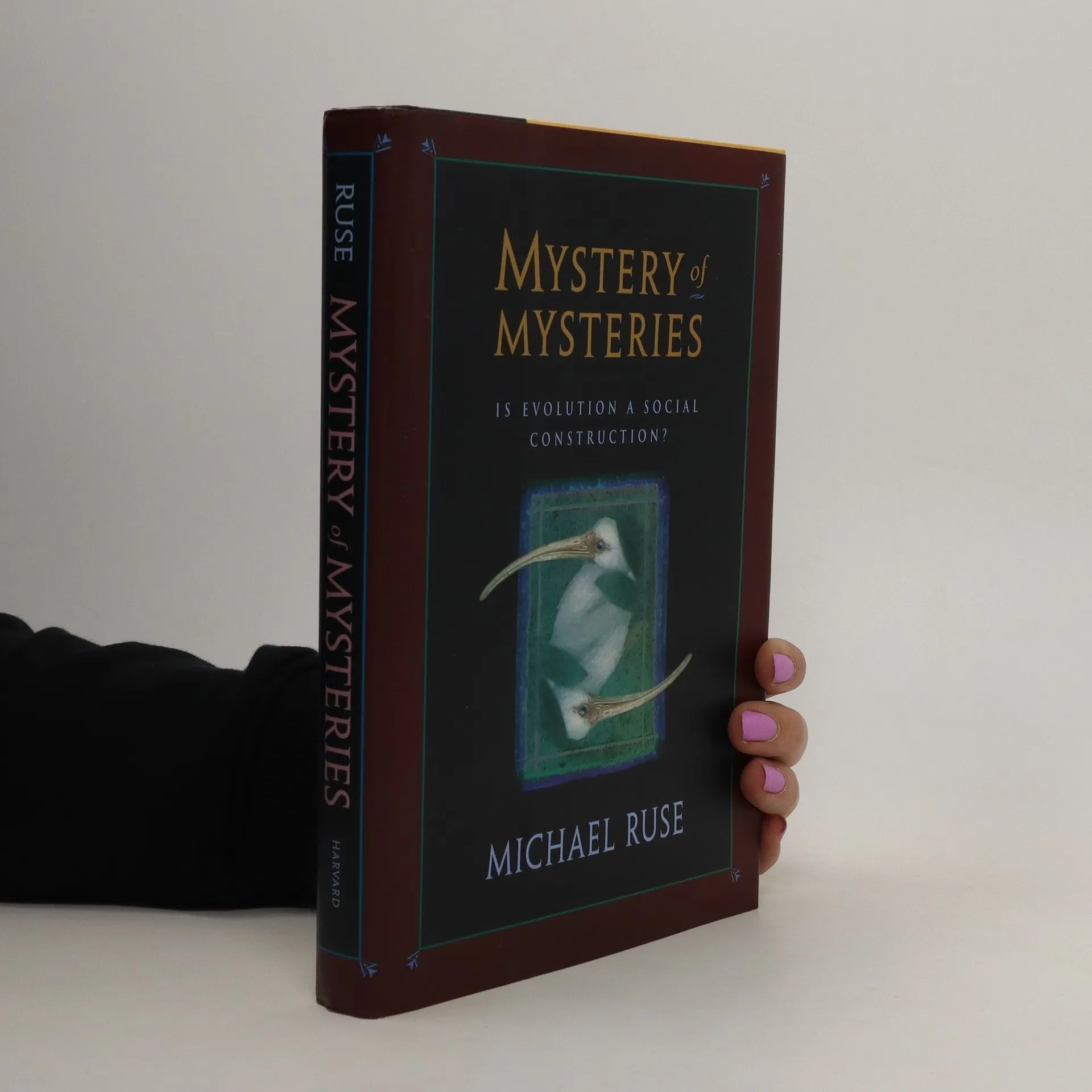

Is science objective, a disinterested reflection of reality, as Karl Popper and his followers believed? Or is it subjective, a social construction, as Thomas Kuhn maintained? This text adds to the argument, using evolutionary theory as a case study
Challenging both traditional and contemporary creationist arguments, this updated edition emphasizes the significance of evolutionary naturalism in the context of modern education, science, and philosophy. With a new preface and final chapter, it reinforces the foundational principles of Darwin's science, positioning itself as a vital resource for understanding and defending evolutionary theory against misconceptions. Michael Ruse's work remains a crucial contribution to the discourse surrounding Darwin's legacy and the ongoing debates in the field.
This book provides a unique discussion of human evolution from a philosophical viewpoint, looking at the facts and interpretations since Charles Darwin's The Descent of Man. Michael Ruse explores such topics as the nature of scientific theories, the relationships between culture and biology, the problem of progress and the extent to which evolutionary issues pose problems for religious beliefs. He identifies these issues, highlighting the problems for morality in a world governed by natural selection. By taking a philosophical viewpoint, the full ethical and moral dimensions of human evolution are examined. This book engages the reader in a thorough discussion of the issues, appealing to students in philosophy, biology and anthropology.
Philosophy of Biology Today
- 166 stránek
- 6 hodin čtení
This short and highly accessible volume opens up the subject of the philosophy of biology to professionals and to students in both disciplines. The text covers briefly and clearly all of the pertinent topics in the subject, dealing with both human and non-human issues, and quite uniquely surveying not only scholars in the English-speaking world but others elsewhere, including the Eastern block. As molecular biologists peer ever more deeply into life's mysteries, there are those who fear that such 'reductionism' conceals more than it reveals, and there are those who complain that the new techniques threaten the physical safety of us all. As students of evolution apply their new-found understanding to our own species, some people think that this is merely an excuse for racist and sexist propaganda, and others worry that the whole exercise blatantly violates the religious beliefs many of us hold dear. These controversies are the joint concern of biologists and philosophers--of those whose task it is to study the theoretical and moral foundations of knowledge. The comprehensive and fully up-to-date bibliography makes this an invaluable and indispensable guide.
On Purpose
- 320 stránek
- 12 hodin čtení
An accessible history of the idea of purpose in Western thought, from ancient Greece to the present Can we live without the idea of purpose? Should we even try to? Kant thought we were stuck with it, and even Darwin, who profoundly shook the idea, was unable to kill it. Indeed, purpose seems to be making a comeback today, as both religious advocates of intelligent design and some prominent secular philosophers argue that any explanation of life without the idea of purpose is missing something essential. On Purpose explores the history of purpose in philosophical, religious, scientific, and historical thought, from ancient Greece to the present. Accessibly written and filled with literary and other examples, the book traces how Platonic, Aristotelian, and Kantian ideas of purpose continue to shape Western thought. Along the way, it also takes up tough questions about the purpose of life--and whether it's possible to have meaning without purpose.
The book presents a transformative perspective on Charles Darwin's theory of evolution, arguing that it can coexist with religious beliefs. It explores the historical context of the theory while asserting its relevance in addressing contemporary social issues such as immigration, race, homosexuality, and women's rights. By linking evolution to these pressing matters, it aims to foster a deeper understanding of both science and society.
Evolution and Religion
- 168 stránek
- 6 hodin čtení
Michael Ruse, a leading expert on Charles Darwin, presents a fictional dialogue among characters with sharply contrasting positions regarding the tensions between science and religious belief.
This book offers a comprehensive and authoritative introduction to evolutionary biology, covering its history, philosophy, and latest findings. It begins with major essays that explore key empirical and theoretical questions, such as speciation, adaptation, paleontology, and evolutionary development (evo devo), and concludes with discussions on the social and political implications of evolutionary biology today. The second section features an encyclopedic array of concise entries on influential figures like Aristotle, Linnaeus, Louis Leakey, and Jean Lamarck, as well as notable scientists such as T. H. Huxley, E. O. Wilson, Joseph Felsenstein, and Motoo Kimura. Topics range from altruism and amphibians to evolutionary psychology, the Piltdown Man, the Scopes trial, and social Darwinism. Readers will gain insights into the history and philosophy of evolution, the nuances of the science, and the complex relationships between evolutionary study, religion, philosophy, and society. Released at the beginning of the Darwin Year of 2009, marking the 200th anniversary of Charles Darwin's birth and the 150th anniversary of the publication of the Origin of Species, this volume serves as a fitting tribute to the science that Darwin initiated.
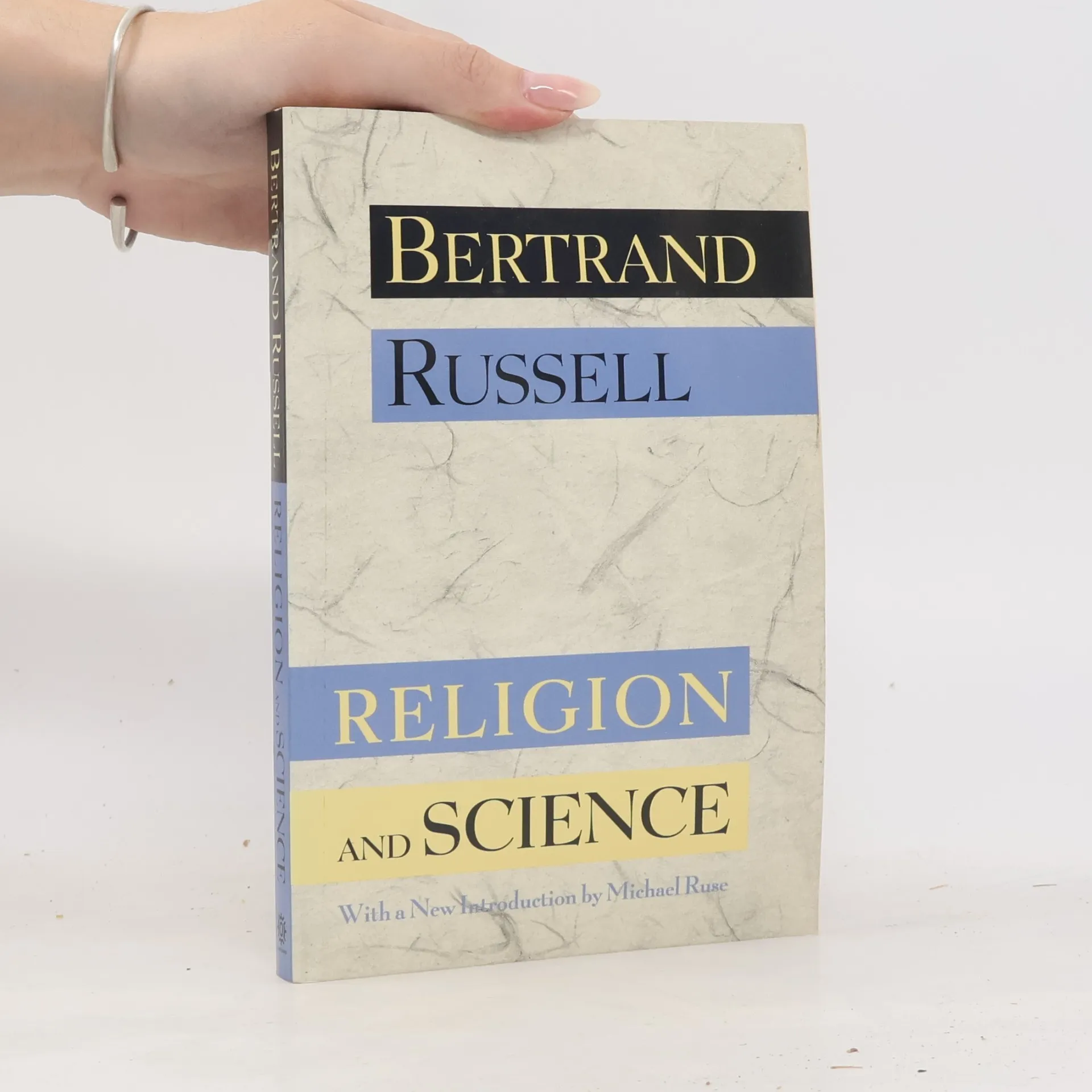
In this timely work, Russell, philosopher, agnostic, mathematician, and renowned peace advocate, offers a brief yet insightful study of the conflicts between science and traditional religion during the last four centuries. Examining accounts in which scientific advances clashed with Christian doctrine or biblical interpretations of the day, from Galileo and the Copernican Revolution, to the medical breakthroughs of anesthesia and inoculation, Russell points to the constant upheaval and reevaluation of our systems of belief throughout history. In turn, he identifies where similar debates between modern science and the Church still exist today. This classic is sure to interest all readers of philosophy and religion, as well as those interested in Russell's thought and writings.
La homosexualidad
- 316 stránek
- 12 hodin čtení
La homosexualidad parece haber cobrado un caracter obsesivo en nuestra epoca. Los homosexuales luchan por su derecho a ser respetados y a disfrutar de la misma libertad y las mismas oportunidades que los demas miembros de la sociedad. El objeto de este libro es llevar a cabo un minucioso analisis filosofico de la cuestion homosexual que, desentendiendose de la emocion y de la retorica, llegue a desvelar sus supuestos basicos.