

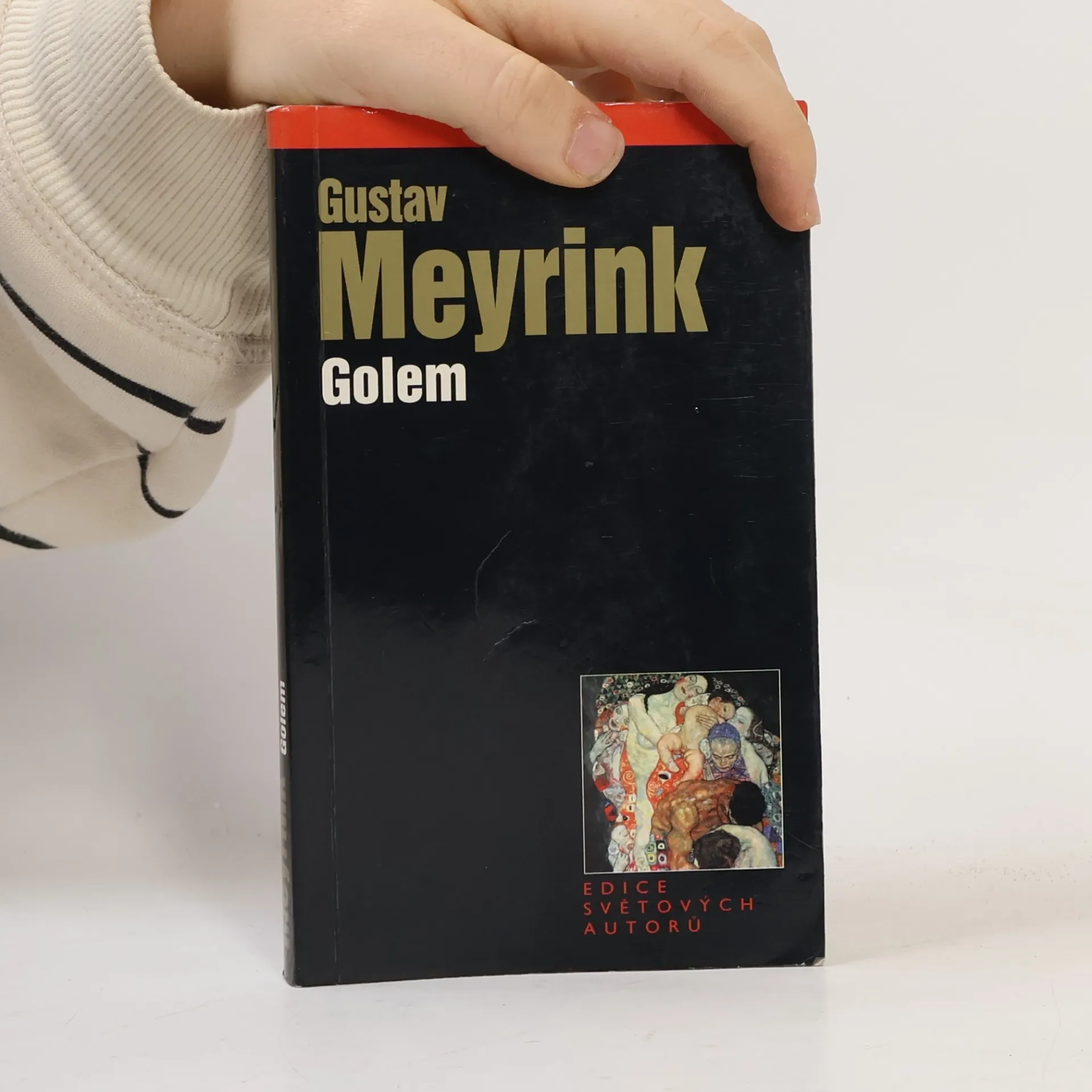
Román jednoho z nejznámějších představitelů pražské německé literární scény, Gustava Meyrinka, jehož díla představují vynikající úvod ke studiu a pochopení ezoterismu. Děj se odehrává kolem roku 1890 v bizarním prostředí pražského ghetta. Příběh balancuje na nezřetelné hranici mezi snem a skutečností a oplývá několika významovými rovinami. Mísí se v něm současnost a mystická minulost rudolfinské Prahy se záhadným domem, v němž podle legendy zmizel Golem.
Mike Mitchell Knihy


První román rakouského prozaika (autora, který po léta upadl v zapomenutí a dnes je nově objevován). Příběh z prostředí starorakouského vojenského výchovného internátu; příběh, který líčí smyslové procitání mladých chlapců a jehož hlavní zápletka je založena na homosexualitě několika z nich a její různé motivaci. Hrdina románu se jí dopustí v slabé chvíli a pak s těžkými výčitkami svědomí svého činu lituje. Přesvědčivě napsaný román tehdy dvaadvacetiletého autora. Doslov Růžena Grebeníčková
Set in an insane asylum, this second installment of the Studer mystery series revolves around the murder of the asylum's director. The story unfolds in a European classic style, blending suspense and psychological intrigue as the investigation reveals dark secrets hidden within the institution. The unique setting and complex characters contribute to a gripping narrative that explores themes of madness and morality.
War Diary
- 108 stránek
- 4 hodiny čtení
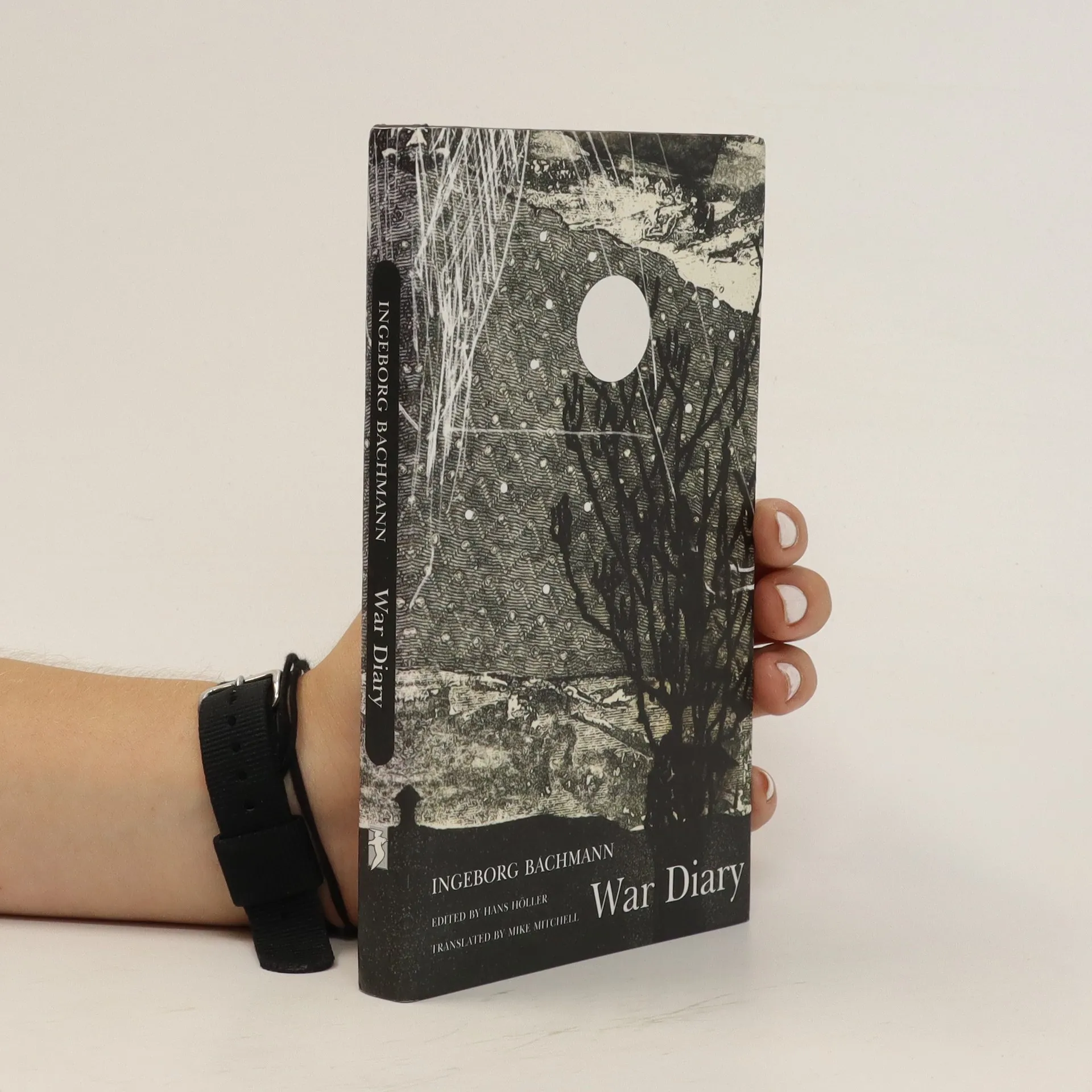
Austrian writer Ingeborg Bachmann (1926-73) is a key figure in postwar German literature, known for her novels, poetry, and plays. Her War Diary is a collection of sketches rather than a traditional journal, reflecting the final months of World War II and the early British occupation of Austria. These powerful entries, remarkable for her young age, express her deep disdain for war and Nazism as she navigates the fervent nationalism in Klagenfurt. The British occupation introduces her to Jack Hamesh, a British officer and Jewish refugee from Vienna, who is surprised to meet an Austrian girl familiar with banned authors like Mann and Schnitzler. Their correspondence, particularly Hamesh's letters to Bachmann during his time in Israel in 1946, reveals his struggles with rootlessness after the war. War Diary offers a unique perspective on Bachmann's development as a writer and serves as a poignant reflection on life in post-war Austria. The insights from both Bachmann and Hamesh extend beyond their personal narratives, touching on broader themes of loss and recovery. The German edition has been praised for its critical commentary, highlighting the historical context and the emotional resonance of Bachmann's experiences.
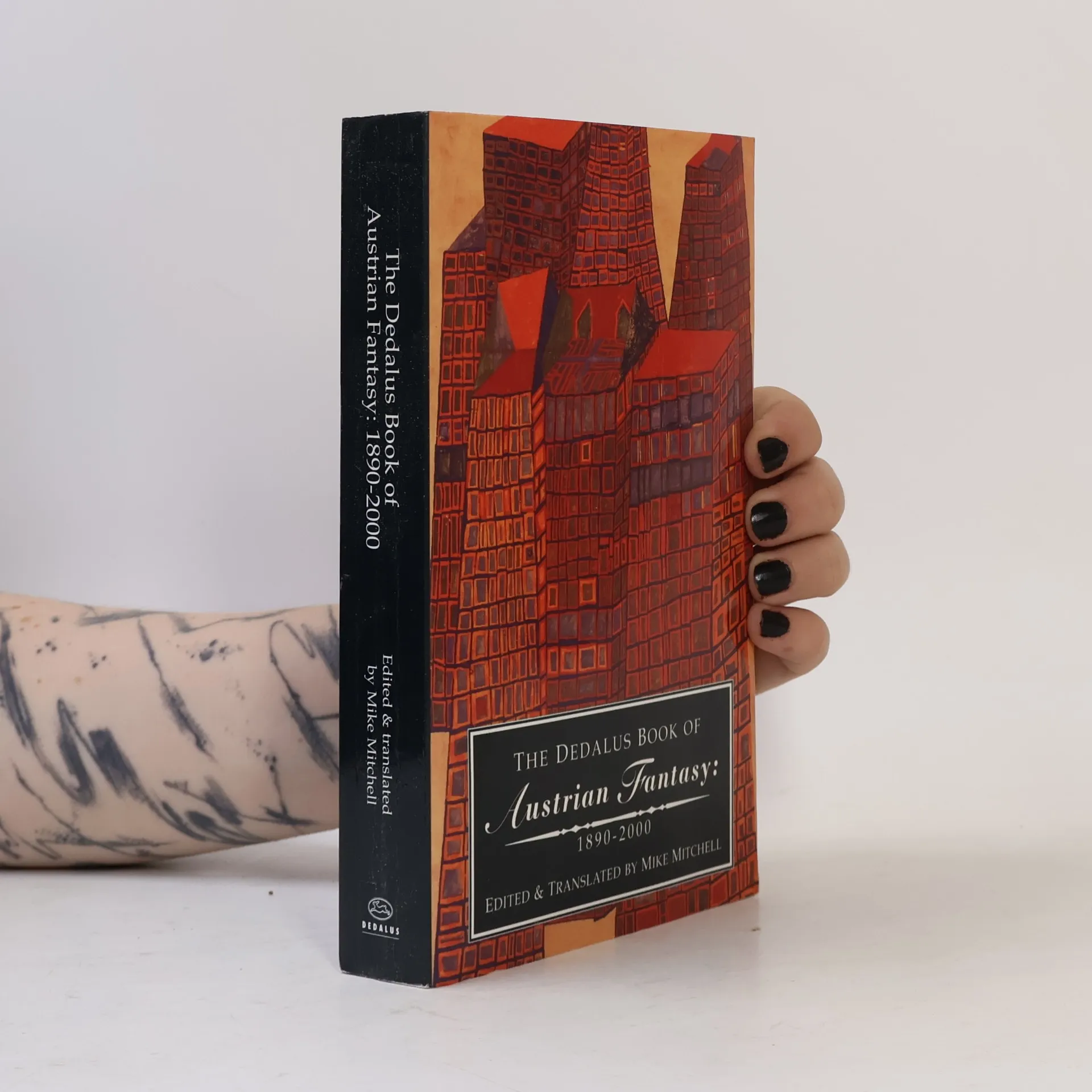
Ever since the fin de siecle Austrian literature has been fertile ground for fantasy in the widest sense and the genre was taken up again by new generations after the Second World War. The Dedalus Book of Austrian Fantasy: 1890-2000 contains stories from authors of the 1890s (Schnitzler, Hofmannsthal), the years around the First World War (Kafka, Meyrink), the post-war era, when Kafka was rediscovered, (Jeannie Ebner, Ilse Aichinger) to the present day (H C Artmann, Michael Koehlmeier). The stories range from the 'freudian' to the 'kafkaesque', to the surreal, grotesque, comic, occult and straightforwardly supernatural. A.S.Byatt described it in The Guardian as one of the best anthologies she has ever read.
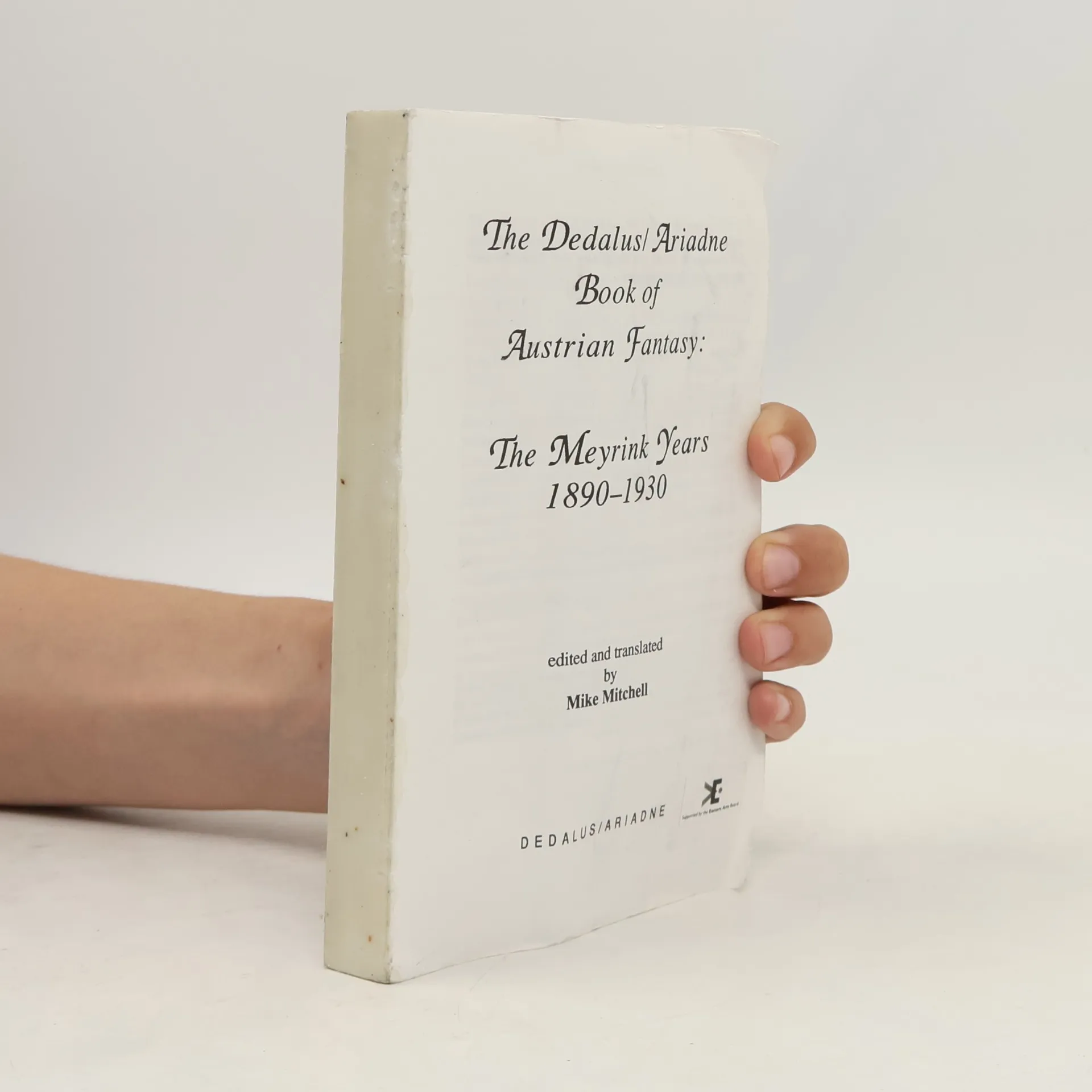
Includes extracts from all of Meyink's novels and some of his short stories. Edited and translated by Mike Mitchell.