

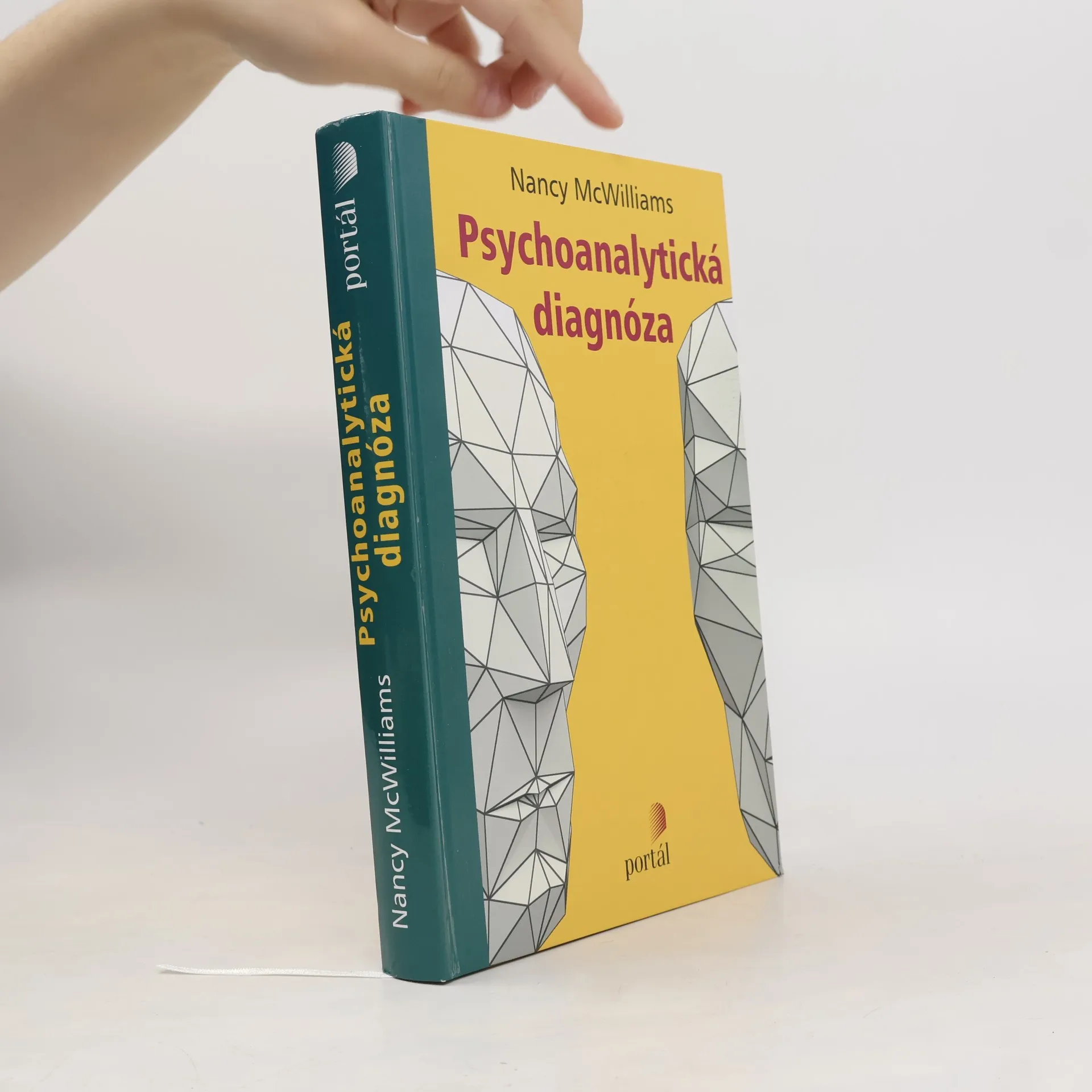
Kniha Nancy McWilliamsové představuje jeden z mála textů, který zpřístupňuje psychoanalytické teorie osobnosti i začínajícím praktikům na poli dynamické psychoterapie. Autorka ukazuje a objasňuje klinicky významné charakterové typy klientů a naznačuje, jak může pochopení pacientovy individuální struktury osobnosti rozhodujícím způsobem ovlivnit terapeutický fokus a způsob intervencí. Téma autorka zpracovává přehledným a srozumitelným způsobem, četné klinické příklady prezentuje s humorem a vcítěním, a tak se jí daří abstraktní koncepty vskutku oživit. Nancy McWilliamsová je psychoanalytička, psychoterapeutka a supervizorka v soukromé praxi. Vyučuje na The State University of New Jersey.
Nancy McWilliams Knihy

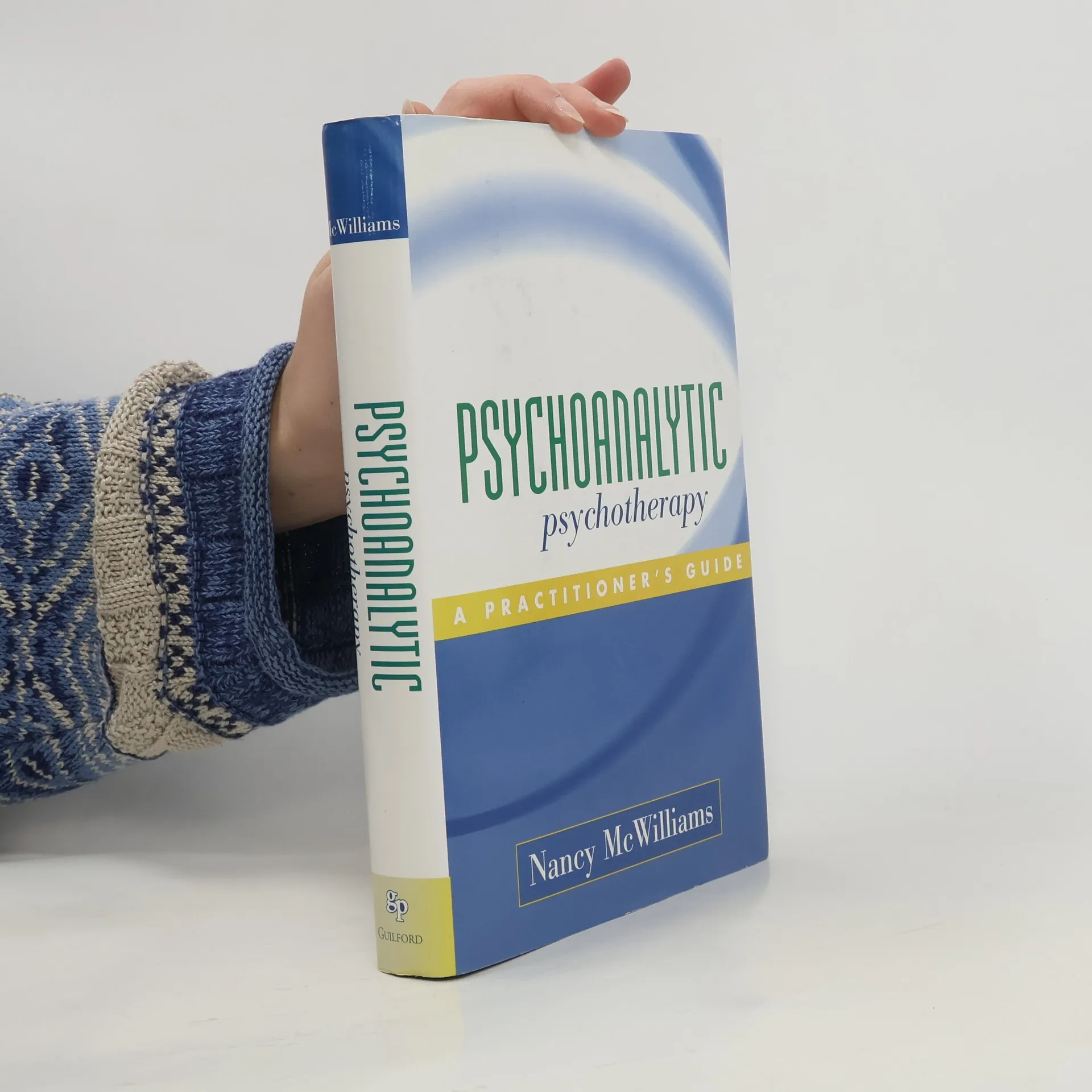
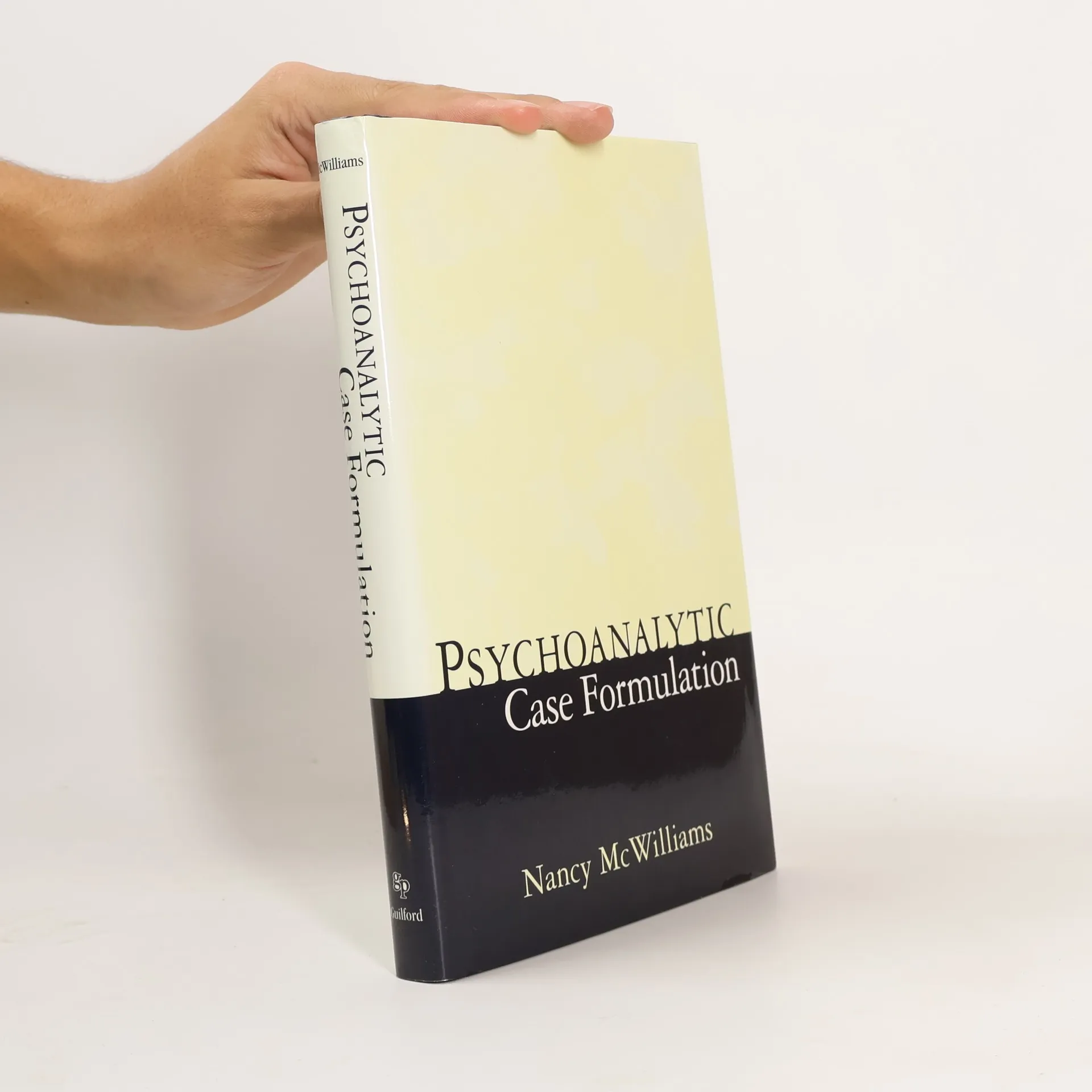
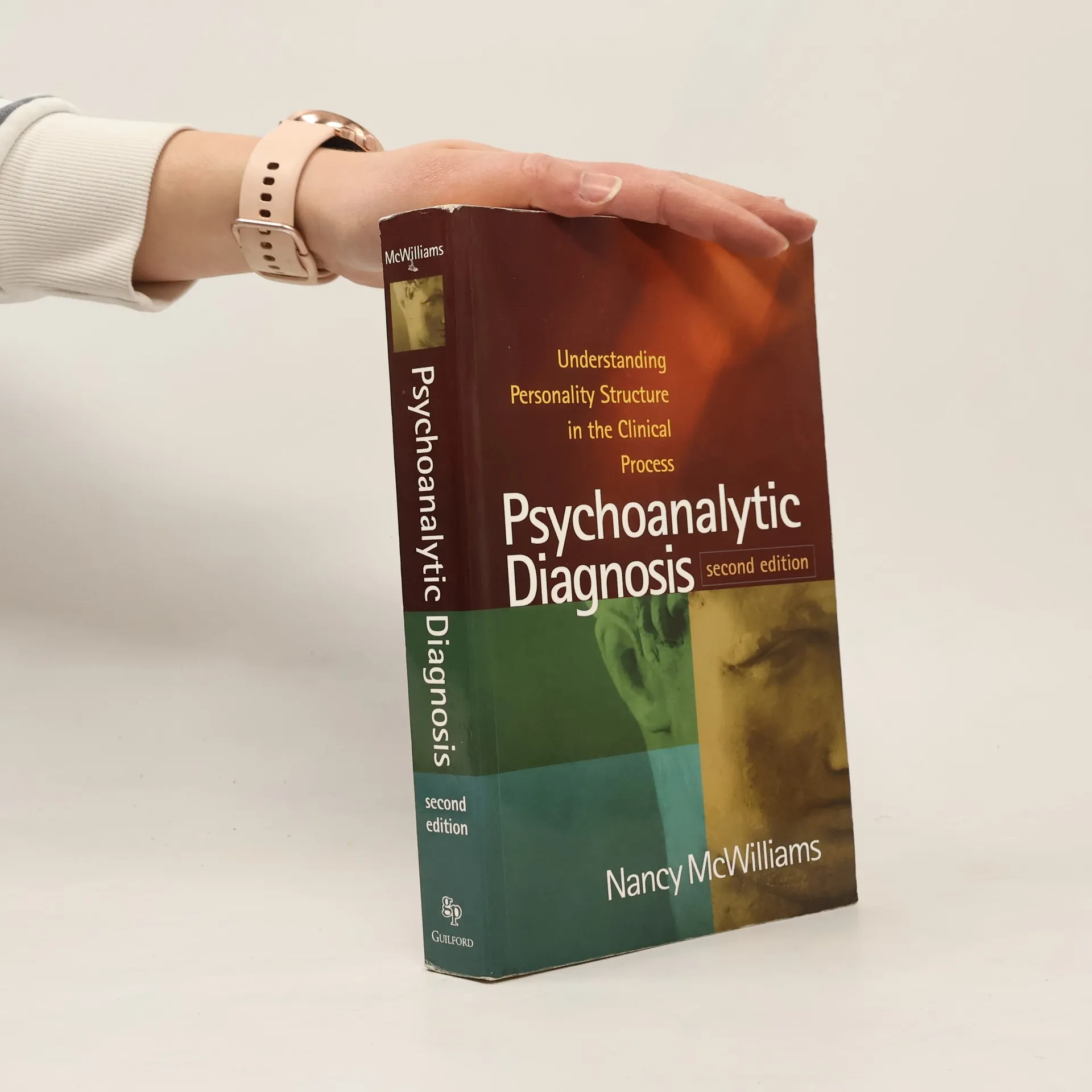
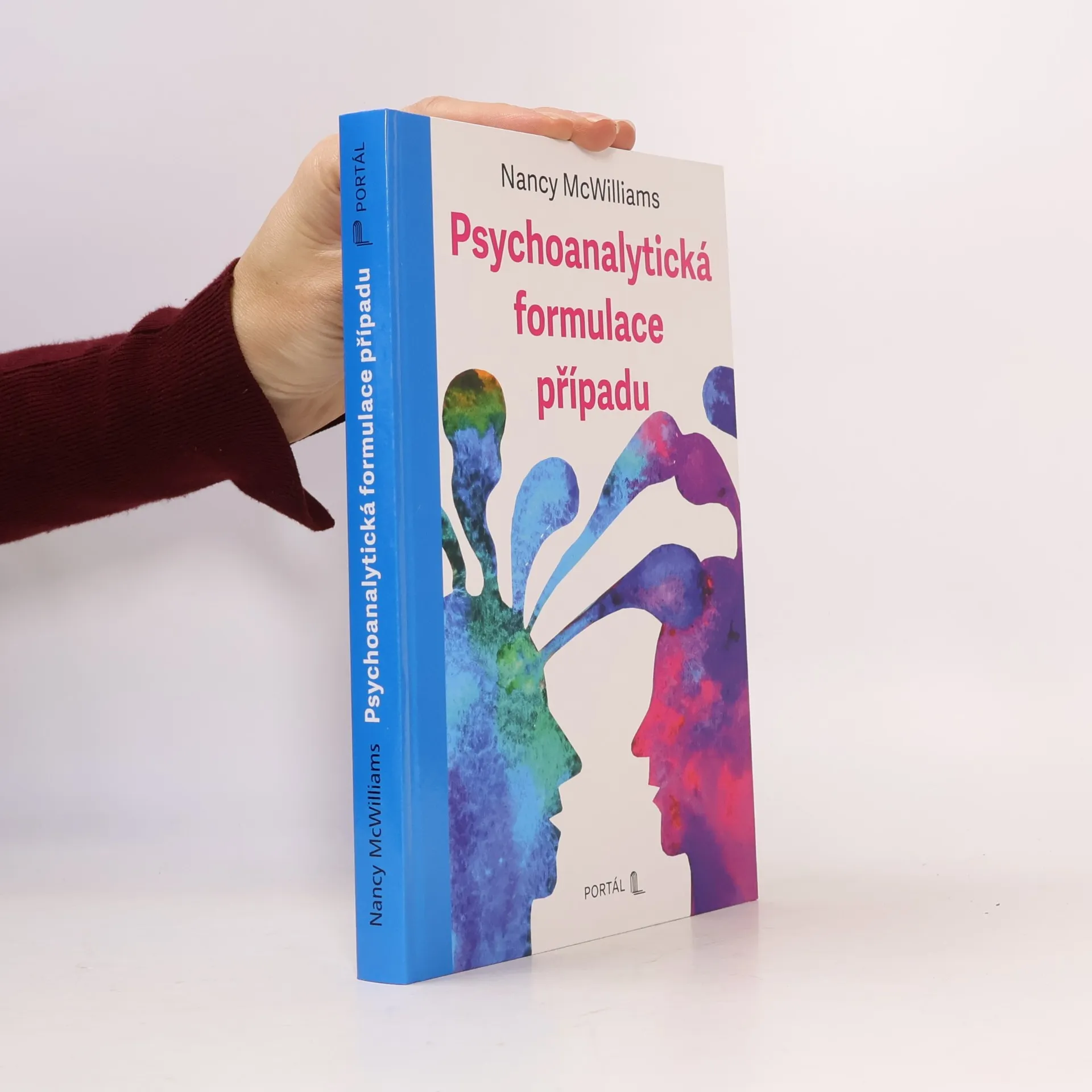

Psychoanalytická psychoterapie : příručka pro praxi
- 343 stránek
- 13 hodin čtení
Motto: Psychologie je možná věda, ale psychoterapie je umění. Kniha uznávané psychoterapeutky a autorky Psychoanalytické diagnózy se věnuje psychodynamické léčbě a popisuje základní principy praxe vč. efektivního naslouchání a rozhovoru, přenosu a protipřenosu, emočního bezpečí a empatického, naladěného postoje ke klientovi. Kniha popisuje hodnoty, předpoklady a klinické a vědecké poznatky, které vedou psychoanalytický proces, a ukazuje, jak integrovat prvky jiných teoretických přístupů. Probírá fáze léčby a zabývá se opomíjenými tématy, jako je poučení klienta o terapeutickém procesu, řešení komplexních problémů ohledně mezí a péče o sebe samého. Kniha je psána osobním, nekomplikovaným jazykem a přináší hluboký vhled daný dlouholetou praxí. Jde o základní psychoanalytickou práci, kterou ocení každý terapeut.
Psychoanalytická formulace případu
- 256 stránek
- 9 hodin čtení
Jaké otázky si kladou zkušení terapeuti, když čelí novému klientovi? Jak lze vyučovat klinickou odbornost? Tato kniha od autorky přelomové Psychoanalytické diagnózy provádí terapeuty krok za krokem procesem postupného porozumění jedinečné psychologii každého klienta, což jedině může vést k úspěšnému rozhodování o léčbě. Nancy McWilliams ukazuje, že zatímco ostřílení praktici spoléhají na zavedené diagnostické kategorie pro účely vedení záznamů a vykazování pojišťovnám, jejich skutečné klinické koncepty a postupy odrážejí spíše subjektivní a intuitivní procesy. V knize se snoubí názorné příklady z praxe s teoretickými poznatky a klinickým výzkumem a probírá se hodnocení temperamentu klienta, jeho vývojové problémy, obrany, afekty, identifikace, vztahové vzorce, potřeba sebeúcty i patogenní přesvědčení. Kniha získala cenu Gradiva Award Národní asociace pro rozvoj psychoanalýzy.
Psychoanalytic Diagnosis
Understanding Personality Structure in the Clinical Process - Second Edition
- 426 stránek
- 15 hodin čtení
This acclaimed clinical guide and widely adopted text has filled a key need in the field since its original publication. Nancy McWilliams makes psychoanalytic personality theory and its implications for practice accessible to practitioners of all levels of experience. She explains major character types and demonstrates specific ways that understanding the patient's individual personality structure can influence the therapist's focus and style of intervention. Guidelines are provided for developing a systematic yet flexible diagnostic formulation and using it to inform treatment. Highly readable, the book features a wealth of illustrative clinical examples. New to This Edition *Reflects the ongoing development of the author's approach over nearly two decades. *Incorporates important advances in attachment theory, neuroscience, and the study of trauma. *Coverage of the contemporary relational movement in psychoanalysis. Winner--Canadian Psychological Association's Goethe Award for Psychoanalytic and Psychodynamic Scholarship
Psychoanalytic Case Formulation
- 240 stránek
- 9 hodin čtení
What kinds of questions do experienced therapists ask themselves when facing a new client? How can clinical expertise be taught? From the author of the landmark Psychoanalytic Diagnosis , this book takes clinicians step-by- step through developing an understanding of each client's unique psychology and using this information to guide and inform treatment decisions. McWilliams shows that while seasoned practitioners rely upon established diagnostic categories for record-keeping and insurance purposes, their actual clinical concepts and practices reflect more inferential, subjective, and intuitive processes. Interweaving illustrative case examples with theoretical insights and clinically significant research, chapters cover assessment of client temperament, developmental issues, defenses, affects, identifications, relational patterns, self-esteem needs, and pathogenic beliefs.Winner--Gradiva Award, National Association for the Advancement of Psychoanalysis
Psychoanalytic Psychotherapy. A Practitioner's Guide
- 353 stránek
- 13 hodin čtení
Addressing the art and science of psychodynamic treatment, Nancy McWilliams distills the essential principles of clinical practice, including effective listening and talking; transference and countertransference; emotional safety; and an empathic, attuned attitude toward the patient. The book describes the values, assumptions, and clinical and research findings that guide the psychoanalytic enterprise, and shows how to integrate elements of other theoretical perspectives. It discusses the phases of treatment and covers such neglected topics as educating the client about the therapeutic process, handling complex challenges to boundaries, and attending to self-care. Presenting complex information in personal, nontechnical language enriched by in-depth clinical vignettes, this is an essential psychoanalytic work and training text for therapists.