

Přestože studie H.L. Dreyfuse a P. Rabinowa je jednou z vůbec prvních knižních publikací věnovaných Michelu Foucaultovi, stále patří k těm nejdůkladnějším a nejoriginálějším knihám, které byly tomuto filosofovi kdy věnovány. Autoři systematicky zkoumají Foucaultovo – v době vydání jejich textu dosud neuzavřené – dílo, přičemž základním výchozím bodem se pro ně stává Foucaultův „metodologický“ spis Archeologie vědění. Na tomto základě potom vymezují Foucaultovo myšlení jak vůči strukturalismu, tak vůči hermeneutice, a interpretují všechny klíčové motivy Foucaultova teoretického projektu: teorii diskursu, subjektu, moci, rozdíl mezi archeologií a genealogií atd. Kniha je doplněna rozhovorem se samotným Foucaultem, a také jeho textem týkajícím se otázky moci.
Paul Rabinow Knihy


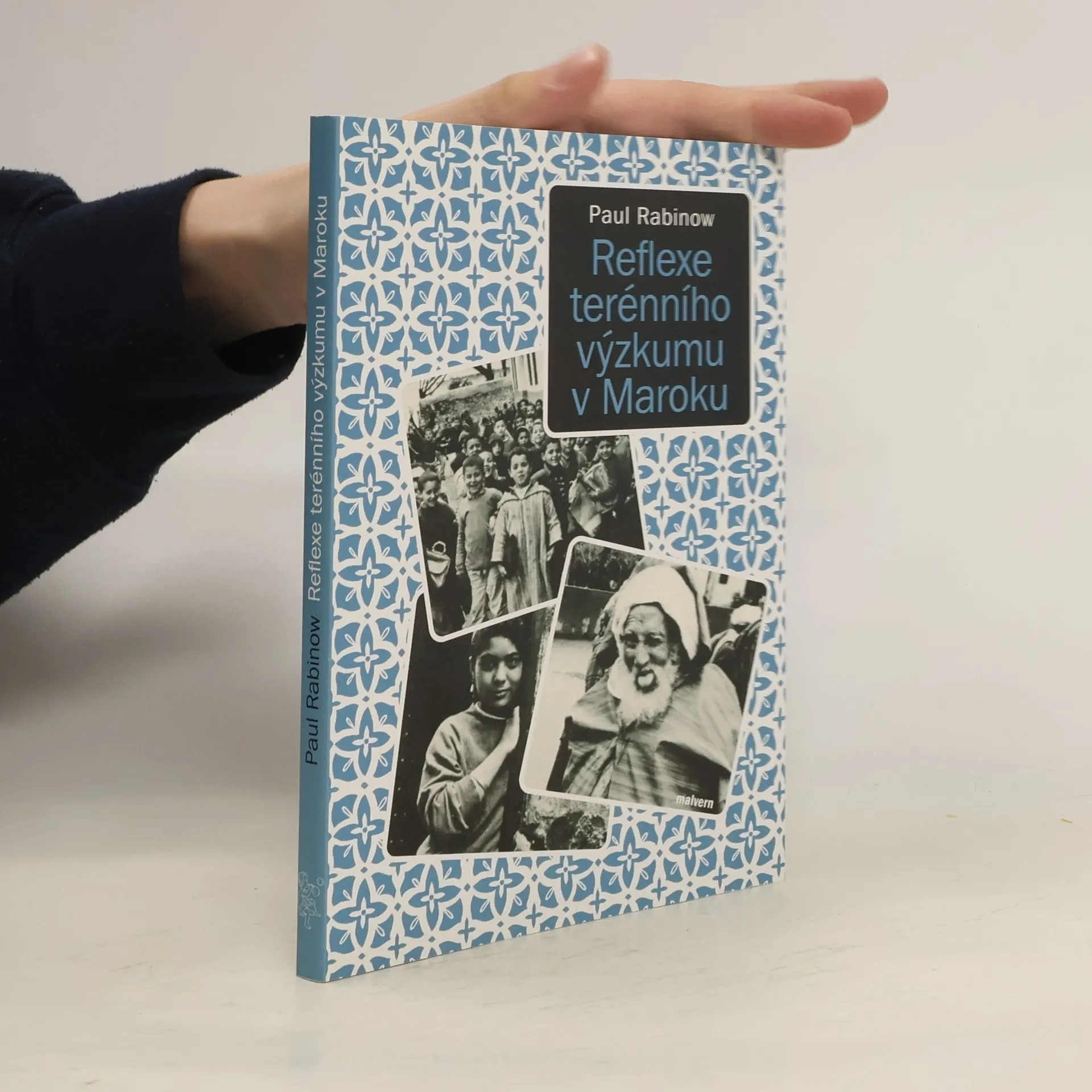
Reflexe terénního výzkumu v Maroku
- 168 stránek
- 6 hodin čtení
Paul Rabinow je předním americkým kulturním antropologem, jenž sehrál významnou úlohu v kritickém přehodnocování forem a norem antropologie, zejména v prosazování reflexivity jako plnohodnotné součásti antropologické tvorby dat. Rabinow v díle demystifikuje terénní výzkum jako základní metodologickou orientaci oboru, ukazuje, že jeho průběh a výsledky se odvíjejí nejen od užitých výzkumných technik, ale rovněž a neodmyslitelně od povahy výzkumníka a jeho naladěnosti. Rabinow živou a otevřenou formou líčí svá setkávání s Maročany i francouzskými usedlíky, trampoty a nástrahy antropologického terénního výzkumu, pochybnosti a myšlenky, nad nimiž během výzkumu přemítal. Třeba okamžik, kdy svého spolupracovníka Alího naštvaně vyhodil z auta a nechal jej dojít domů pěšky. Kladl si otázku, zda to znamená konec jeho vědeckého snažení v Maroku. V současnosti je reflexivita nedílnou součástí antropologického výzkumu i prezentace jeho výsledků a kniha Reflexe terénního výzkumu v Maroku se velice rychle zařadila do antropologického kánonu, i když se Rabinowovi dostalo varování, že vydáním díla si zničí slibně se rozvíjející kariéru.

This book, which Foucault himself has judged accurate, is the first to provide a sustained, coherent analysis of Foucault's work as a whole.To demonstrate the sense in which Foucault's work is beyond structuralism and hermeneutics, the authors unfold a careful, analytical exposition of his oeuvre. They argue that during the of Foucault's work became a sustained and largely successful effort to develop a new method—"interpretative analytics"—capable fo explaining both the logic of structuralism's claim to be an objective science and the apparent validity of the hermeneutical counterclaim that the human sciences can proceed only by understanding the deepest meaning of the subject and his tradition."There are many new secondary sources [on Foucault]. None surpass the book by Hubert Dreyfus and Paul Rabinow. . . . The American paperback edition contains Foucault's 'On the Genealogy of Ethics,' a lucid interview that is now our best source for seeing how he construed the whole project of the history of sexuality."—David Hoy, London Review of Books
The Foucault Reader
- 390 stránek
- 14 hodin čtení
Michel Foucault was one of the most influential thinkers in the contemporary world, someone whose work has affected the teaching of half a dozen disciplines ranging from literary criticism to the history of criminology. But of his many books, not one offers a satisfactory introduction to the entire complex body of his work. The Foucault Reader was commissioned precisely to serve that purpose. The Reader contains selections from each area of Foucault's work as well as a wealth of previously unpublished writings, including important material written especially for this volume, the preface to the long-awaited second volume of The History of Sexuality , and interviews with Foucault himself, in the course of which he discussed his philosophy at first hand and with unprecedented candor. This philosophy comprises an astonishing intellectual enterprise: a minute and ongoing investigation of the nature of power in society. Foucault's analyses of this power as it manifests itself in society, schools, hospitals, factories, homes, families, and other forms of organized society are brought together in The Foucault Reader to create an overview of this theme and of the broad social and political vision that underlies it.
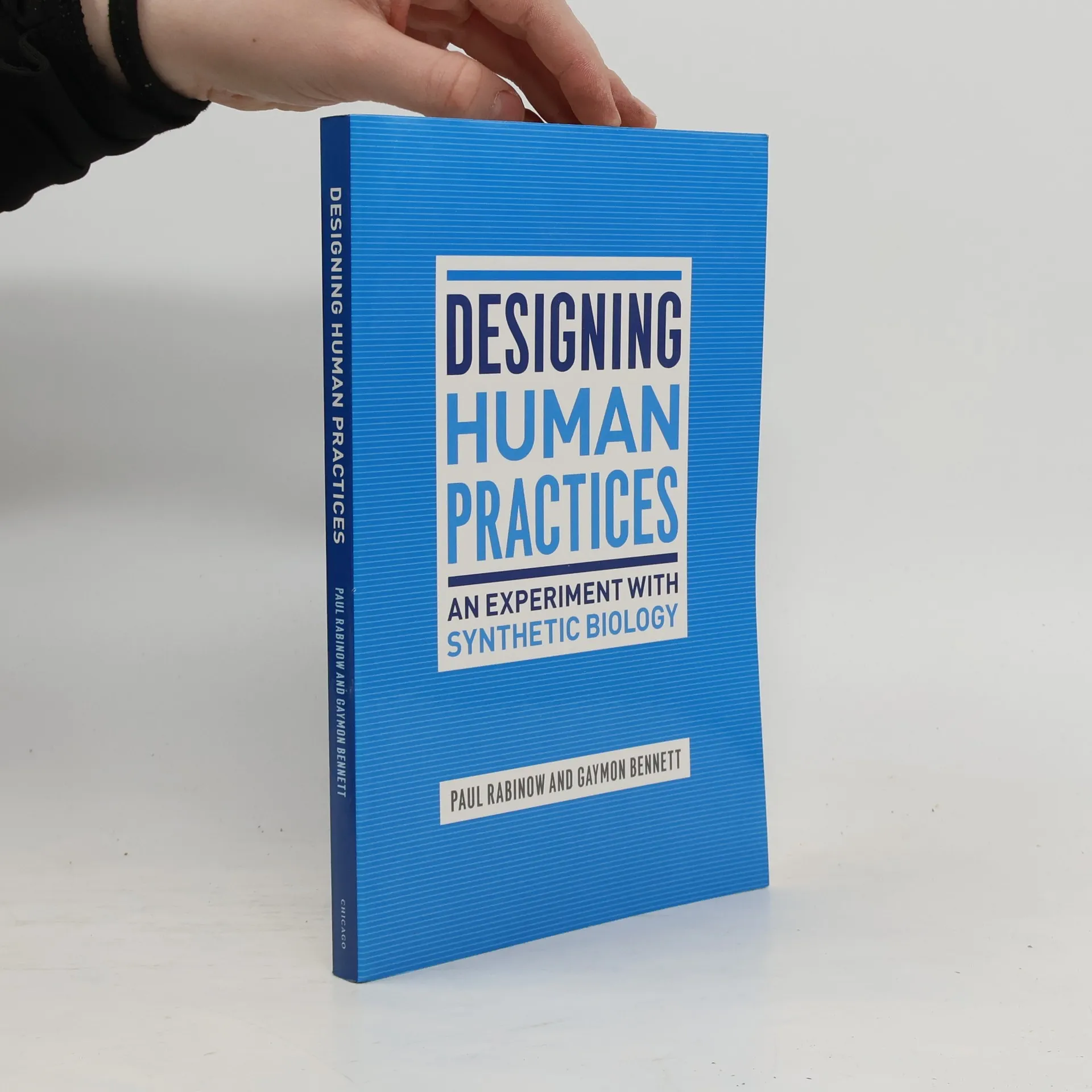
In 2006 anthropologists Paul Rabinow and Gaymon Bennett set out to rethink the role that human sciences play in biological research, creating the Human Practices division of the Synthetic Biology Engineering Research Center—a facility established to create design standards for the engineering of new enzymes, genetic circuits, cells, and other biological entities—to formulate a new approach to the ethical, security, and philosophical considerations of controversial biological work. They sought not simply to act as watchdogs but to integrate the biosciences with their own discipline in a more fundamentally interdependent way, inventing a new, dynamic, and experimental anthropology that they could bring to bear on the center’s biological research. <i>Designing Human Practices</i> is a detailed account of this anthropological experiment and, ultimately, its rejection. It provides new insights into the possibilities and limitations of collaboration, and diagnoses the micro-politics which effectively constrained the potential for mutual scientific flourishing. Synthesizing multiple disciplines, including biology, genetics, anthropology, and philosophy, alongside a thorough examination of funding entities such as the National Science Foundation, <i>Designing Human Practices</i> pushes the social study of science into new and provocative territory, utilizing a real-world experience as a springboard for timely reflections on how the human and life sciences can and should transform each other.
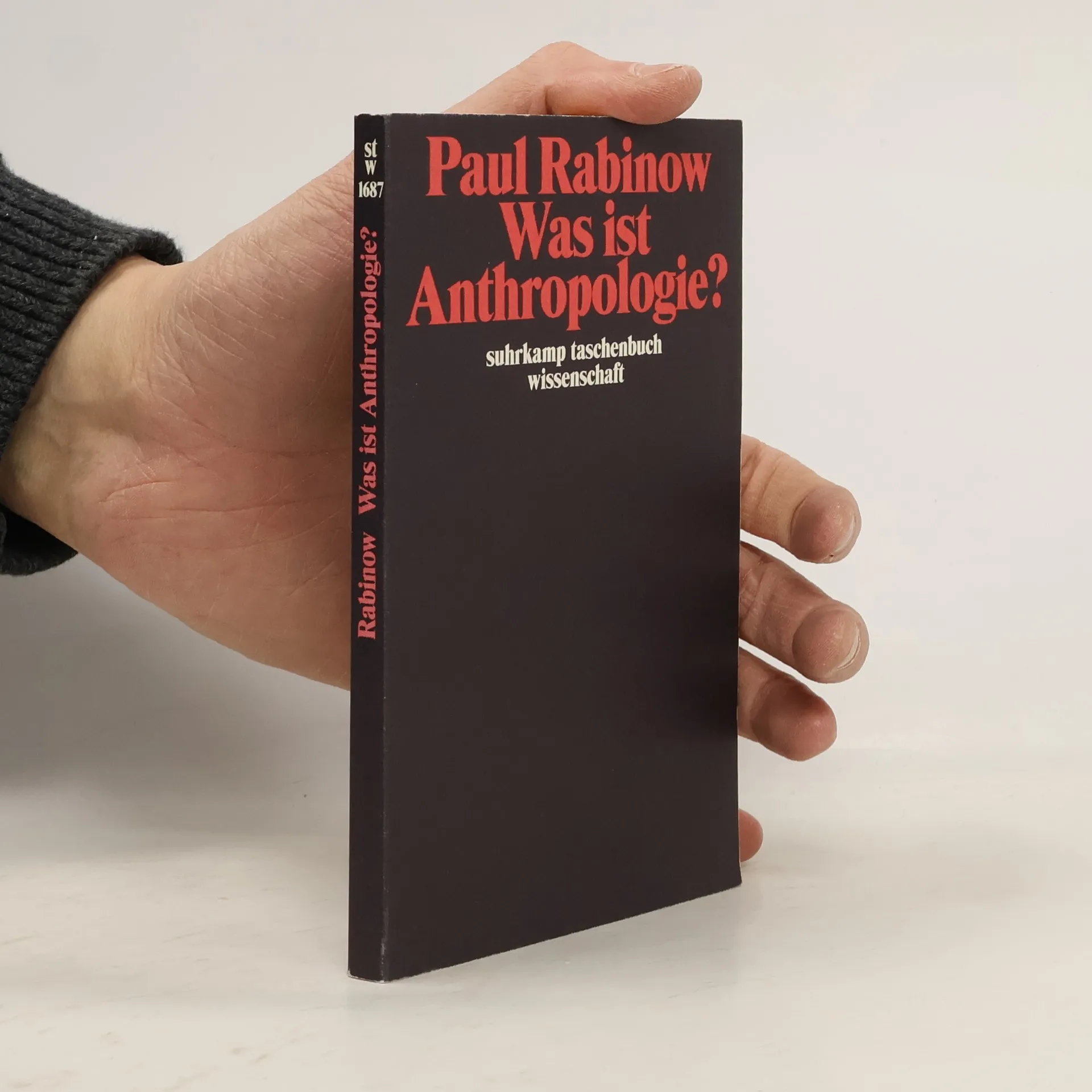
Was heißt Anthropologie heute? Wie könnte sich eine Anthropologie gestalten, die sich darum bemüht, der Offenheit des Jetzt gerecht zu werden und die Spielarten des Menschseins in der Gegenwart zu analysieren? Ist die »Lehre vom Menschen« überhaupt noch als eine universale, auf den Menschen ausgerichtete Wissenschaft denkbar? Ausgehend von Max Webers Sorge um die Menschheit in der Moderne, entfaltet Paul Rabinow eine Anthropologie, die ihren Ausgang zum einen bei der Frage nimmt, ob sich von »Menschheit« heutzutage überhaupt noch sinnvoll sprechen läßt, zum anderen aber auch von der ethnographisch fundierten Analyse, was man unter Menschheit heute versteht. Ziel ist die Rehabilitierung der Anthropologie als Gegenstand der Theorie vor dem Hintergrund empirischer Forschung.
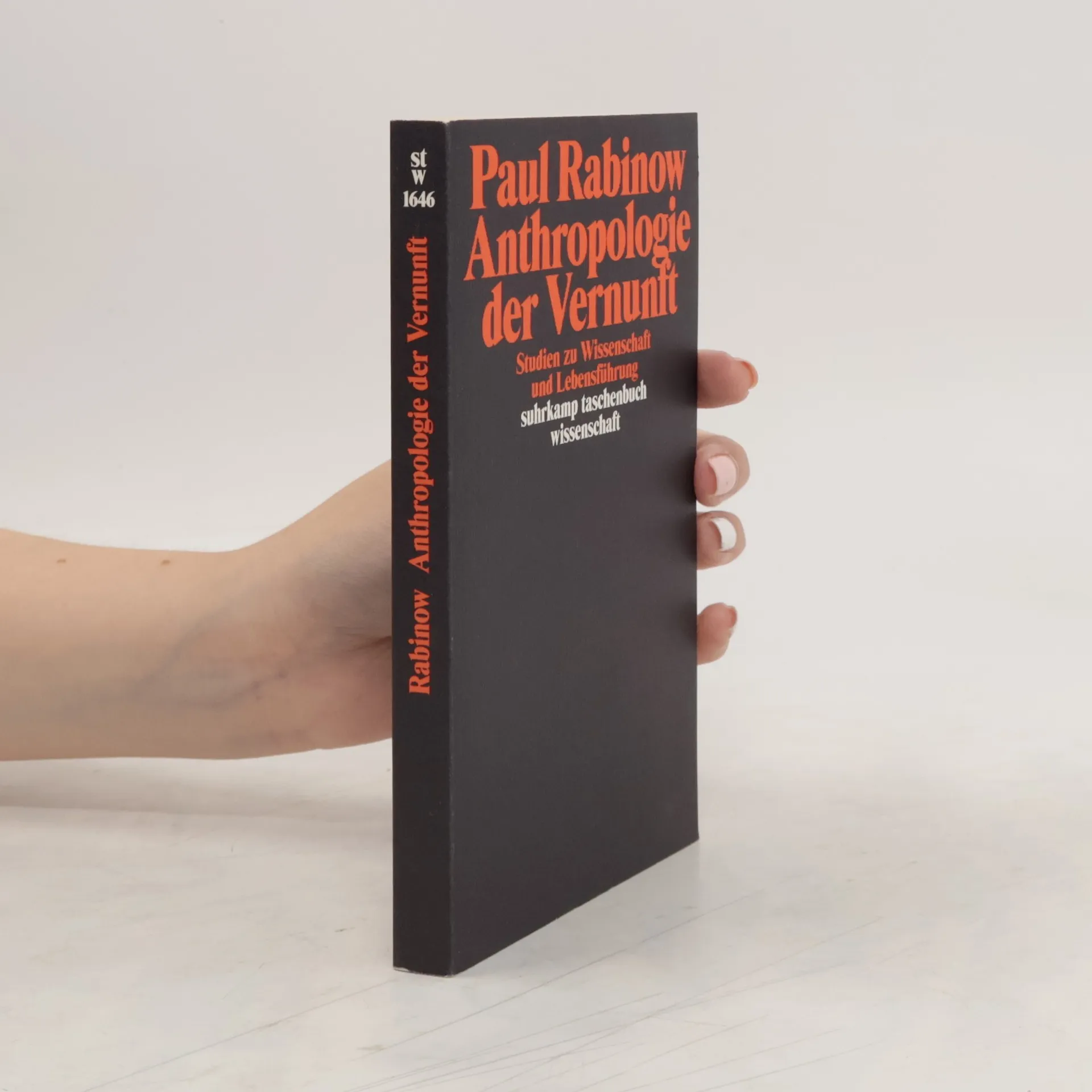
Anthropologie der Vernunft
Studien zu Wissenschaft und Lebensführung
Was heißt Aufklärung heute, was Vernunft? Wie begründet sich das Verhältnis zwischen Vernunft und Lebensführung gegenwärtig? Diesen Fragen geht Paul Rabinow in den hier gesammelten Essays ethnographisch nach. Ethnographisch heißt: die Vernunft selbst als ein menschliches, dem Anthropologen zugängliches und also studierbares Feld sozialer Handlung zu begreifen. In konkreten, der Biotechnologie entnommenen Fallstudien fragt Rabinow nach der Vernunft, die in Laborexperimenten oder in Ethikdebatten am Werk ist. Indem er diese jeweilige Vernunft und deren implizite Menschenbilder auf die Lebensführung der Wissenschaftler hin anwendet und befragt, entstehen subtile anthropologische Studien einer biopolitischen Gegenwart.