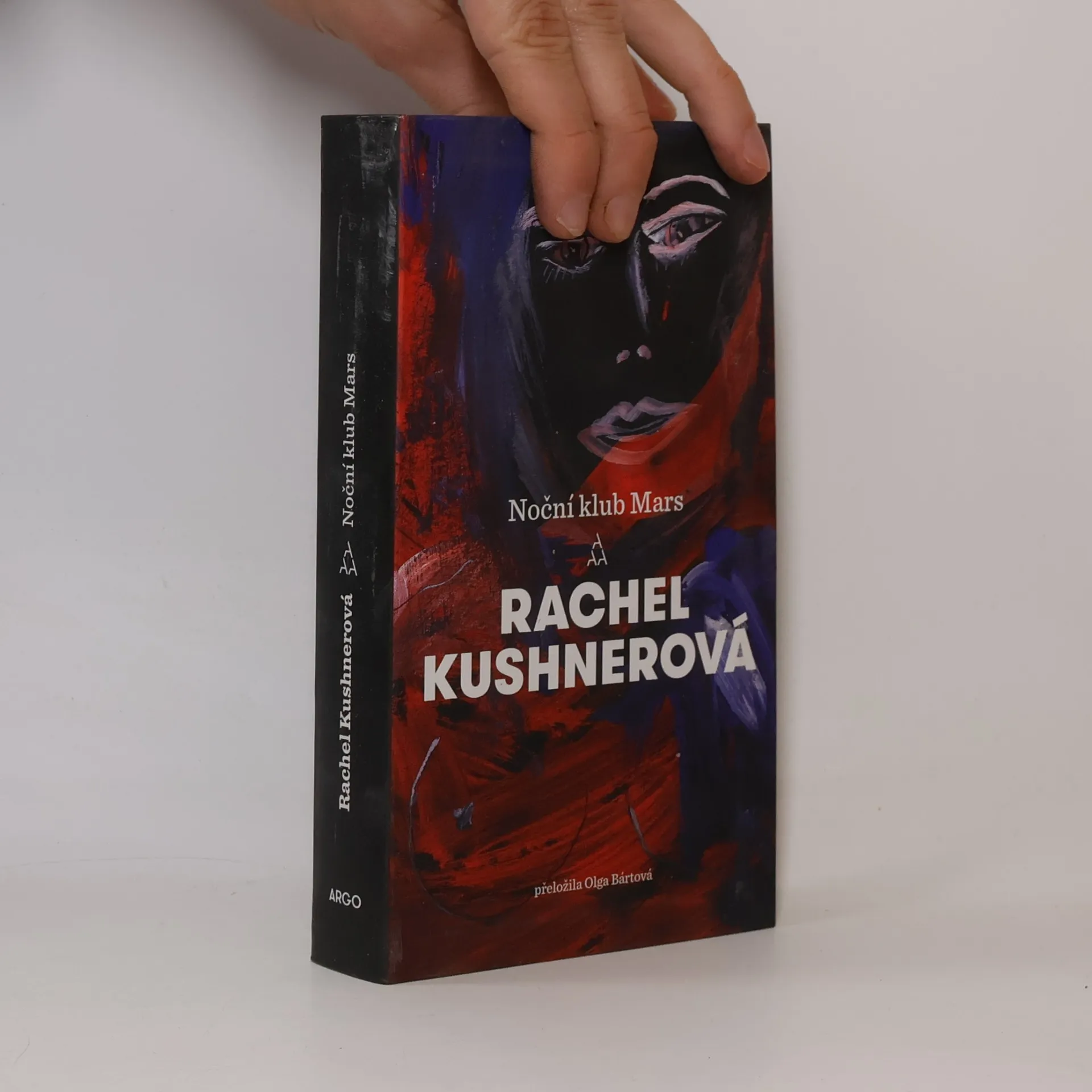
Rachel Kushnerová je autorkou, jejíž díla se často zaměřují na témata feminismu, současného umění, revoluční politiky a modernismu. Její styl psaní je pronikavý a pronikavě zkoumá složité společenské a kulturní otázky. Kushnerová je známá svou schopností vytvářet poutavé příběhy, které čtenáře nutí k zamyšlení. Její eseje a beletrie se objevily v předních literárních publikacích, což podtrhuje její význam v současné literatuře.
Devětadvacetiletá striptérka Romy Hallová byla odsouzená k dvěma doživotním trestům za to, že zabila svého stalkera. Romy se musí naučit žít ve společnosti tří tisíc žen v otřesném prostředí plném násilí a nějak se smířit s odloučením od sedmiletého syna. Časem se s několika spoluvězeňkyněmi sblíží a vytvoří s nimi novou „rodinu“. Přemýšlí o některých svých rozhodnutích i o tom, proč se jí život tak vymkl. Zlomový okamžik nastává ve chvíli, kdy se dozvídá, že matka zemřela při autonehodě a syn bude dán k adopci.
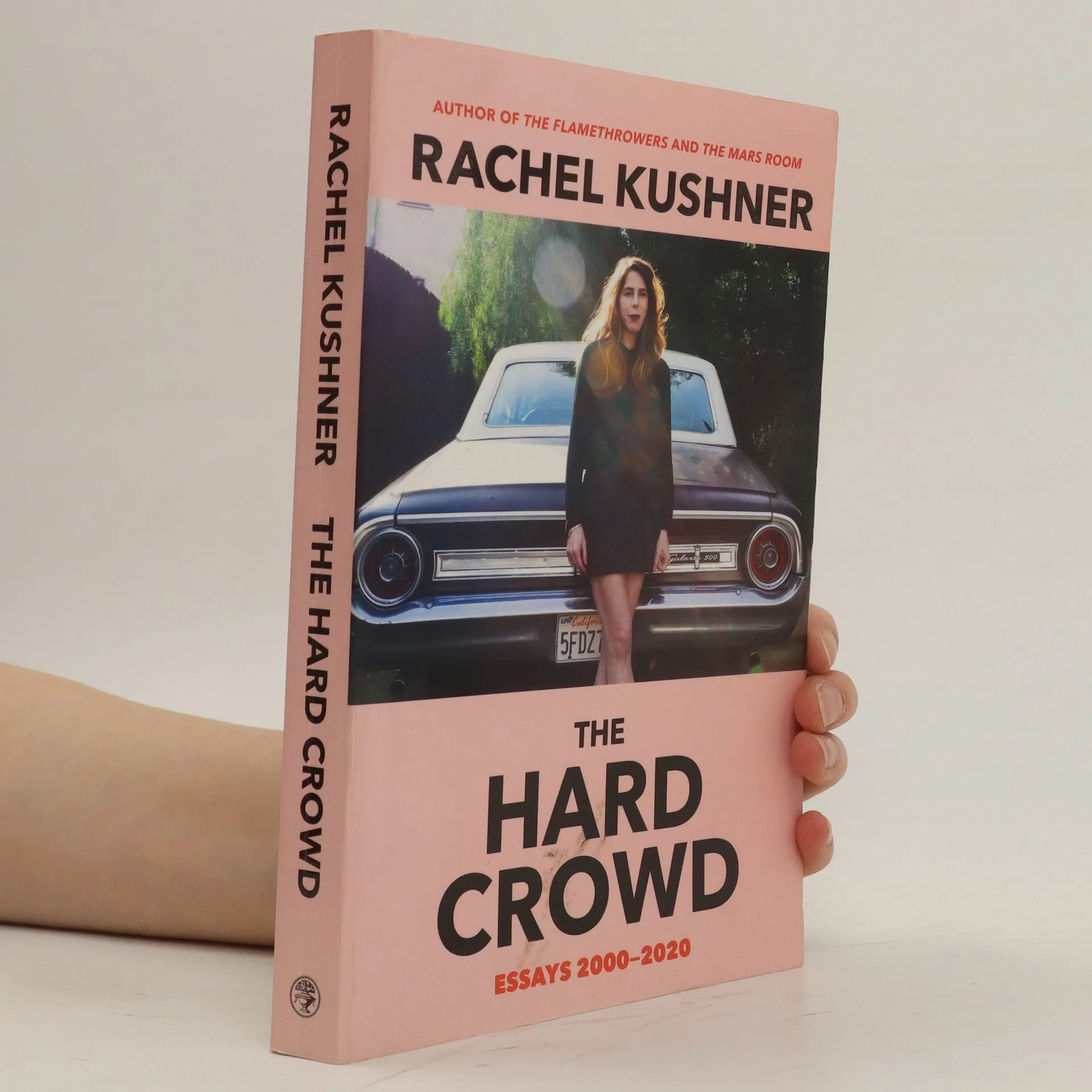
In nineteen razor-sharp essays, this book spans literary journalism, memoir, cultural criticism, and writing about art and literature. Kushner takes us on a journey through a Palestinian refugee camp, an illegal motorcycle race down the Baja Peninsula, 1970s wildcat strikes in Fiat factories, her love of classic cars, and her young life in the music scene of her hometown, San Francisco. The closing, eponymous essay is her manifesto on nostalgia, doom, and writing
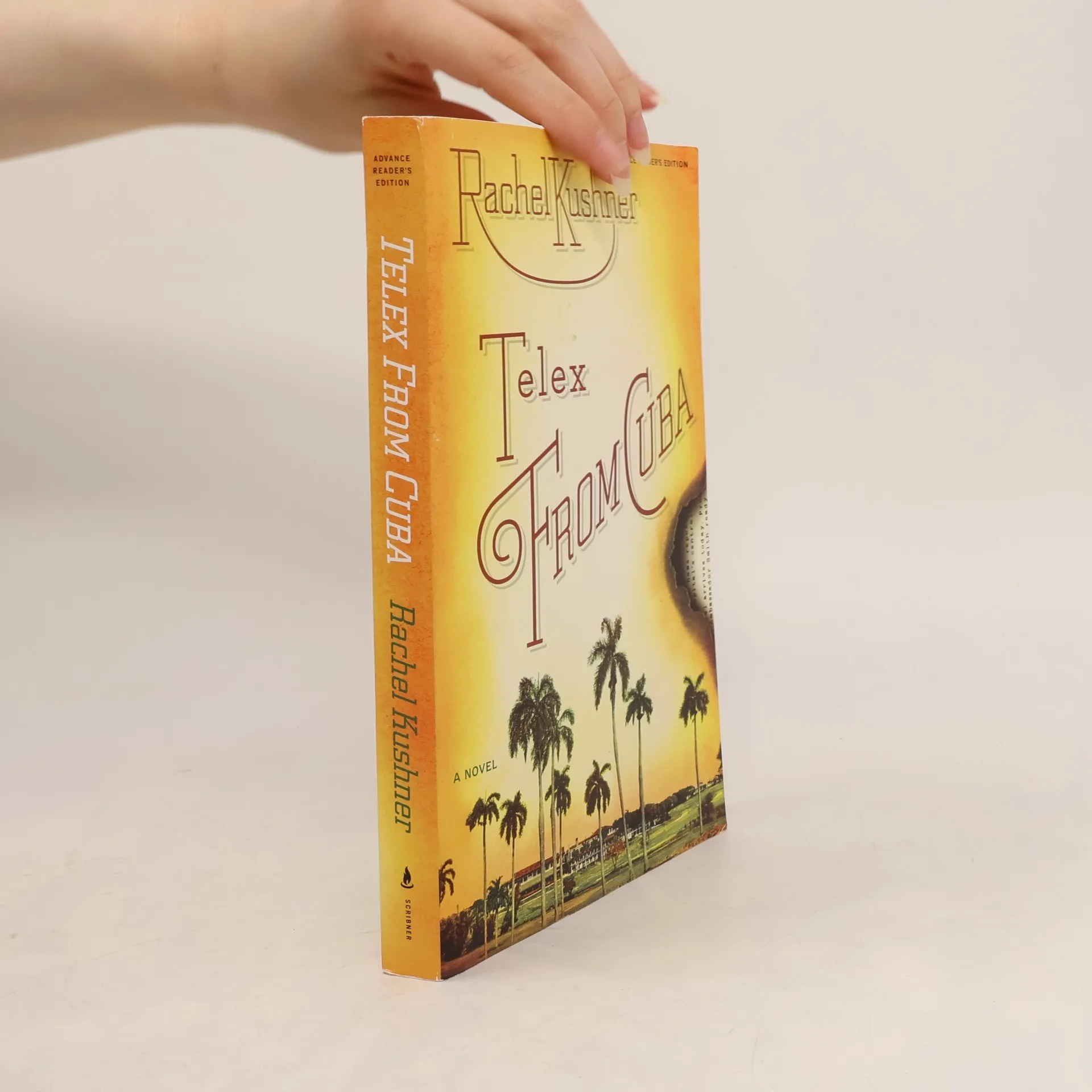
Rachel Kushner's debut novel is a wise and riveting exploration of the American community in Cuba before Castro's revolution, focusing on the paradise that existed for a select few. It uniquely tells the story of Americans driven out in 1958. Young Everly Lederer and K.C. Stites grow up in Oriente Province, where they inhabit a world of three hundred thousand acres of United Fruit Company sugarcane, surrounded by their gated enclave. While the rural tropics seem like a child's dream, Everly and K.C. are acutely aware of the adult indulgences and betrayals around them—mordant drinking, illicit loves, race hierarchies, and violence. Meanwhile, in Havana, a cabaret dancer meets French agitator Christian de La Mazire, whose charm hides a troubled past. Together, they become involved in the political underground as Fidel and Raul Castro lead a revolt from the mountains, igniting tensions that threaten the American colony. While their parents remain blissfully ignorant of the historical forces at play, the children begin to sense the impending turmoil. Kushner's novel is a haunting and compelling narrative, echoing the urgency of a telex from a forgotten era.
From the Booker Prize-shortlisted author of The Mars Room, a wildly original first essay collection about living fast and free in a crowded worldIn her twenties Rachel Kushner went to Mexico in pursuit of her first love - motorbikes - to compete in the notorious and deadly race, Cabo 1000. As fellow racers died on the roadside, bikes were stolen and friends abandoned one another in the heat of the chase, she crashed at 80mph and miraculously survived; soon after, she decided to leave her controlling boyfriend and manoeuvred her way into a freer new life.The Hard Crowd is a white-knuckle ride through that life; a book about muscling your way through, finding your own path and, as she says in the hair-raising opening essay, 'completing the ride without dying'. Charged with hot-blooded humanity - with anger against the world's cruelties, and a free-wheeling passion for rare people, machines, movies, music, art and writing - it is an electrifying work about a woman's determination to reach the finish line.
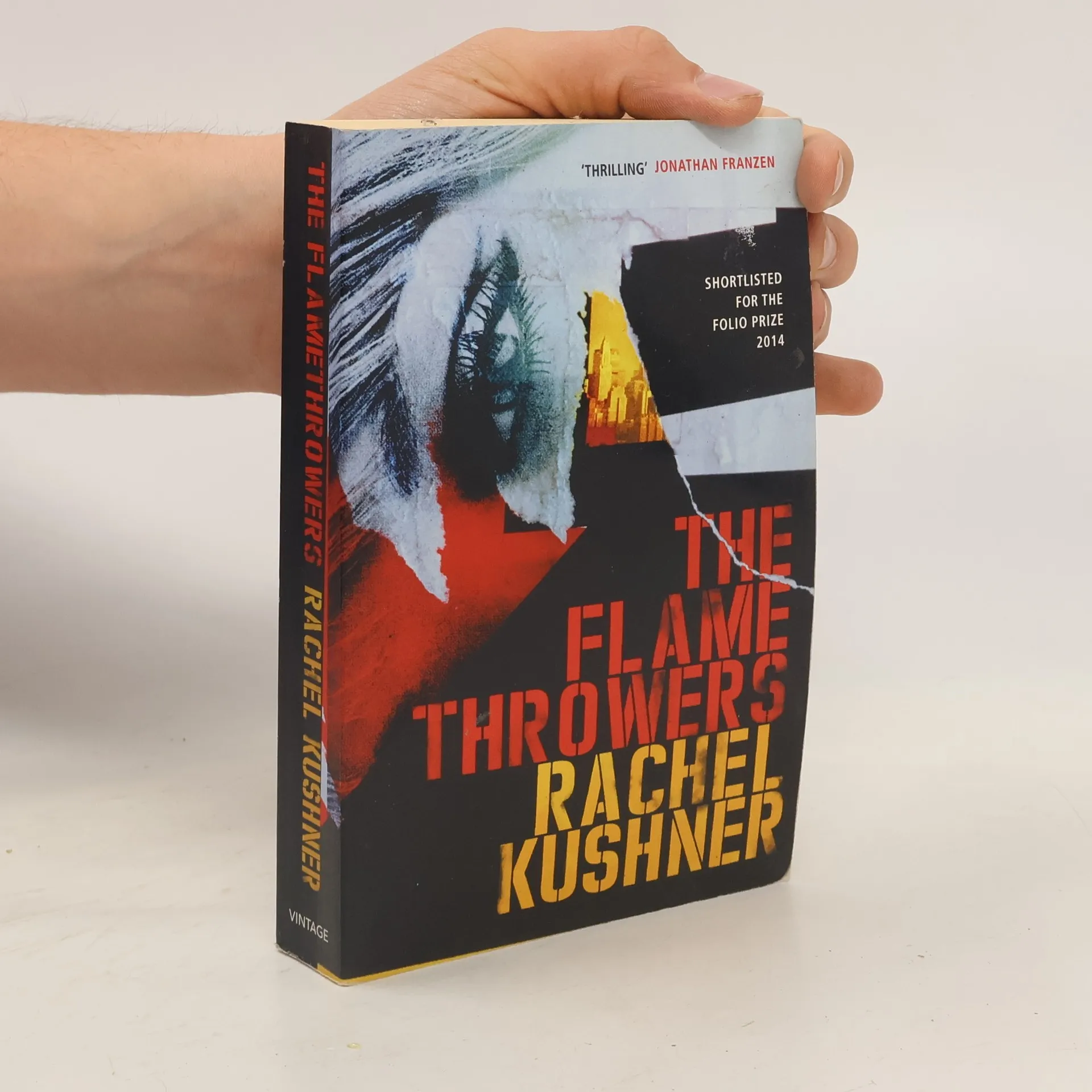
* Shortlisted for the Folio Prize 2014* *Longlisted for the Baileys Women's Prize for Fiction* Reno mounts her motorcycle and sets a collision course for New York. In 1977 the city is alive with art, sensuality and danger. She falls in with a bohemian clique colonising downtown and the lines between reality and performance begin to bleed. A passionate affair with the scion of an Italian tyre empire carries Reno to Milan, where she is swept along by the radical left and drawn into a spiral of violence and betrayal. The Flamethrowers is an audacious novel that explores the perplexing allure of femininity, fakery and fear. In Reno we encounter a heroine like no other. Best Books of the Year: * Guardian * New York Times * The Times * Observer * Financial Times * New Yorker * Telegraph * Slate * Oprah * Vogue * Time * Scotsman * Evening Standard * Shortlisted for the National Book Awards 2013
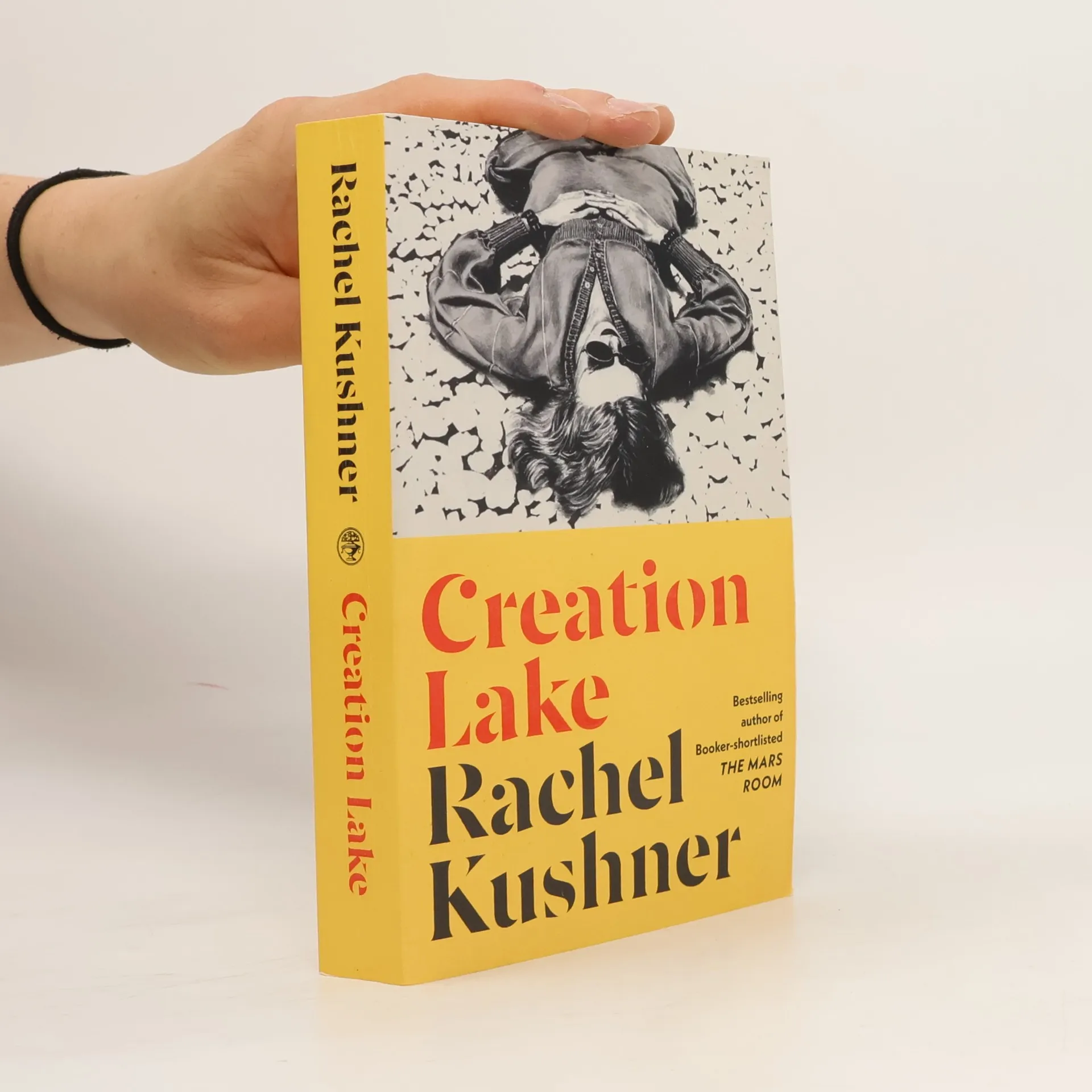
Longlisted for the prestigious Booker Prize 2024, this novel captivates with its intricate storytelling and rich character development. Set against a backdrop of profound societal change, it explores themes of identity, resilience, and the human condition. The narrative weaves together diverse perspectives, creating a tapestry of experiences that challenge and inspire. Readers are drawn into a world that is both familiar and foreign, prompting reflection on personal and collective histories. A compelling read that promises to leave a lasting impact.
À l’heure où Donald Trump quitte la Maison Blanche et que les États-Unis entrent dans une nouvelle ère, America tire sa révérence avec un dernier numéro agrémenté pour l’occasion d’un poster inédit et d’une vingtaine de pages supplémentaires. Dans ce 16ème opus, retrouvez d’abord un grand entretien avec l’écrivain irlando-américain Colum McCann qui nous avait fait l’honneur de participer au premier numéro. Persuadé du rôle déterminant de la littérature, l’auteur livre ses inquiétudes nouvelles mais aussi ses espoirs face à l’inconnue de ces années post-Trump. Alors que Joe Biden vient d’être élu 46ème président, America s’interroge sur l’avenir de l’Amérique à travers des portraits de figures démocrates, un reportage sur le devenir du trumpisme ou encore un essai sur les GAFA, les autres maitres du pays. Autre temps forts de ce numéro, un conte fantastique inédit de la star de la BD Emil Ferris inspiré de la trouble période du confinement, une nouvelle de l’immense écrivain Ernest Hemingway, encore jamais publiée en France, ainsi que le parti pris de l’auteure Rachel Kushner qui imagine la conclusion minable de la relation entre le fils de Donald Trump et sa petite amie, métaphore du désamour du pays pour la défaite en hommage au film « Shame ».