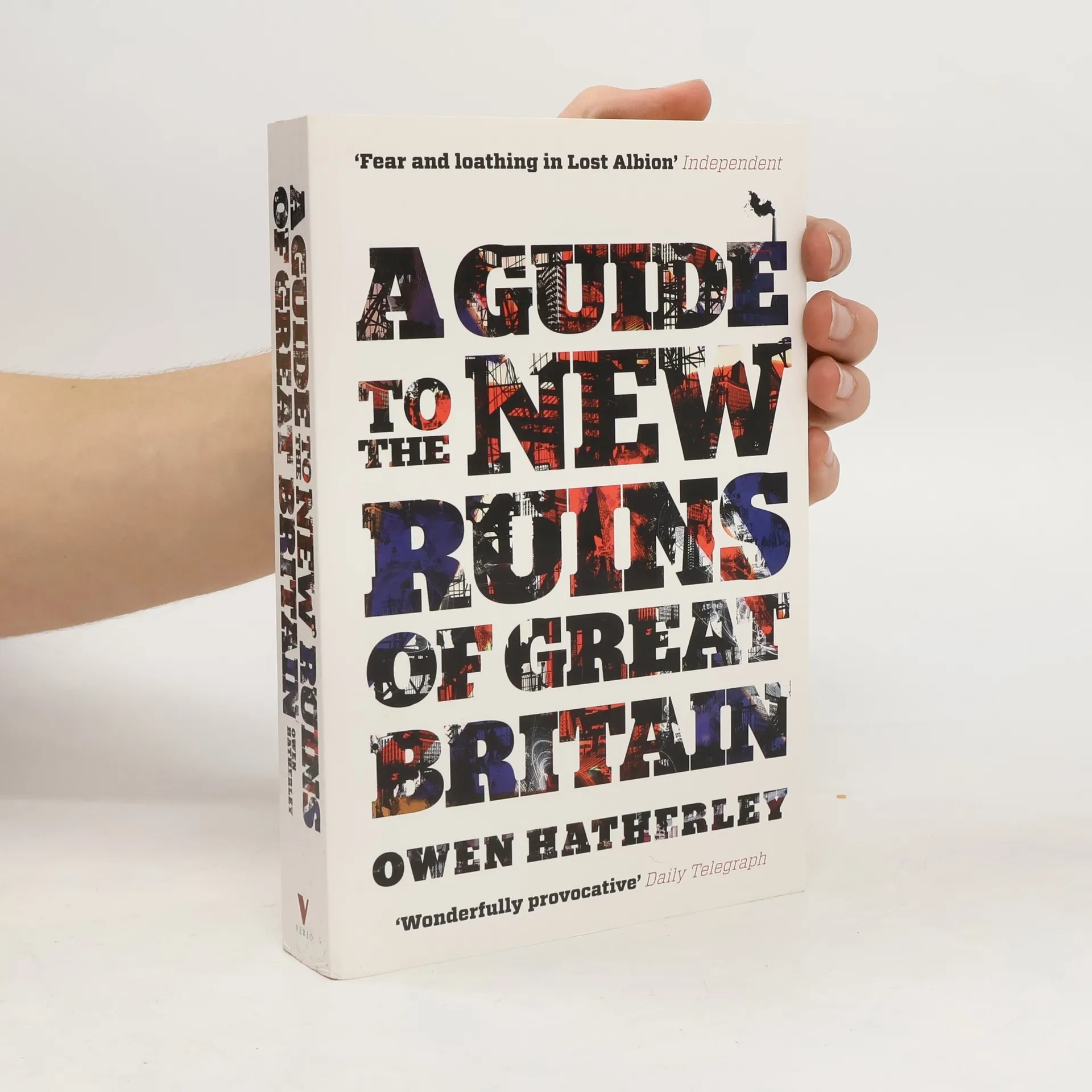
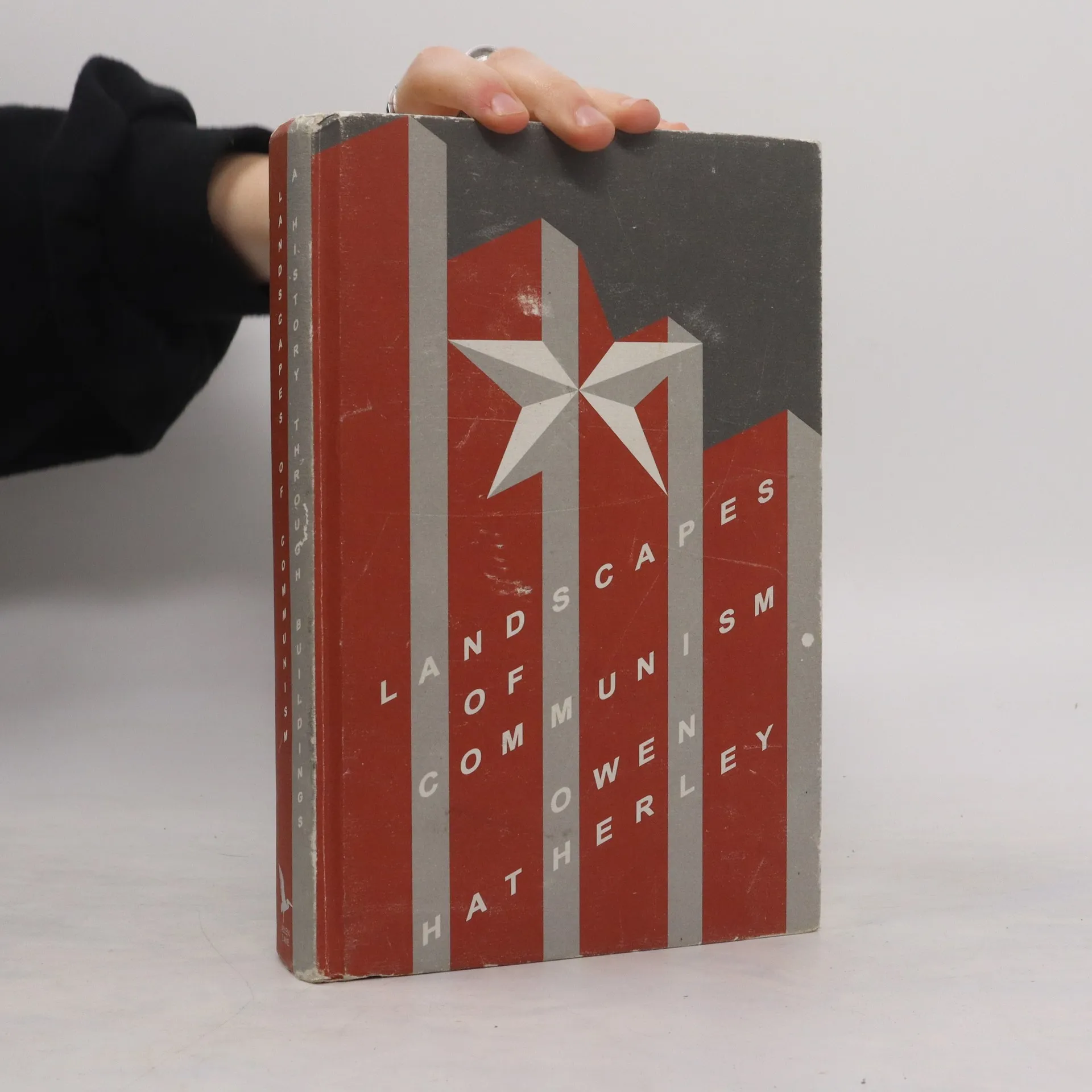
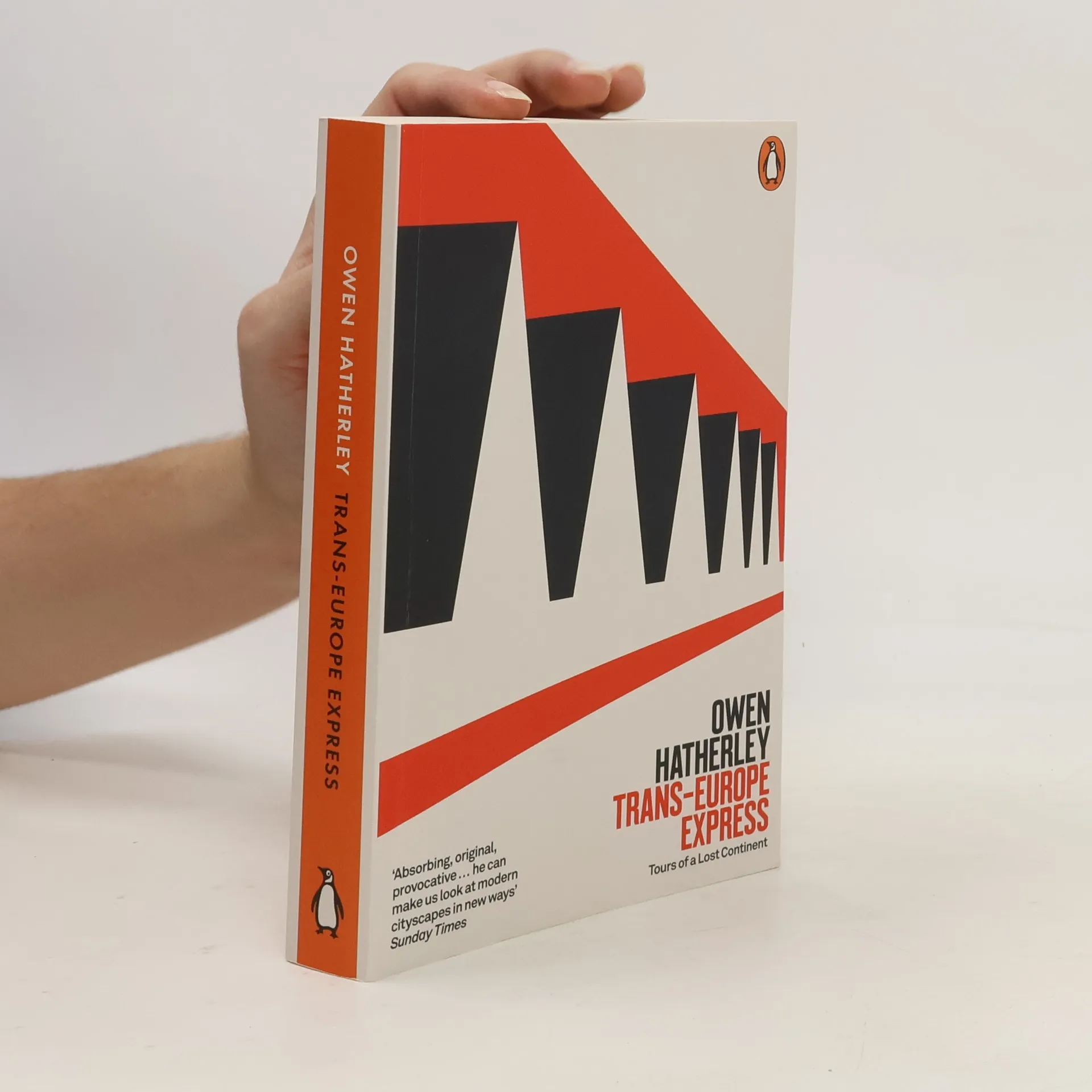
Owen Hatherley je britský spisovatel a novinář, který se ve své práci zaměřuje především na architekturu, politiku a kulturu. Jeho psaní zkoumá vzájemné propojení těchto oblastí a nabízí pronikavý pohled na to, jak formují náš svět. Prostřednictvím svých esejů a reportáží Hatherley kriticky analyzuje současné společenské trendy a jejich historické kořeny. Jeho bystré postřehy a nápaditý styl činí jeho díla poutavým čtením pro každého, kdo se zajímá o složitosti moderní společnosti.
How Central European Emigres Transformed the British Twentieth Century
464 stránek
17 hodin čtení
Set in the 1930s, the narrative explores the impact of refugees fleeing fascism in Europe, particularly Jewish individuals, on British society. Their arrival introduced transformative ideas in art, politics, and architecture, significantly shaping modern Britain. The book delves into how these revolutionary concepts influenced the cultural landscape and contributed to the evolution of British identity during a tumultuous period.
Modernism is now a century old, and its consequences are all around us, built into our everyday lived environments. Its place in Britain's history is fiercely contested, and its role in our future is the subject of ongoing controversy - but modernist buildings have undoubtedly changed our cities, politics and identity forever. In Modern Buildings in Britain , Owen Hatherley applauds the ambition and explores the significance of this most divisive of architectures, travelling from Aberystwyth to Aberdeen, from St Ives to Shetland, in search of our most important and distinctive modern buildings. Drawing on hundreds of examples, we learn how the concrete of Brutalism embodies post-war civic principles, how corporate values were expressed in the glass faç ades of the International Style, and why Ecomodernist experimentation is often consigned to the geographic fringes. As Hatherley considers the social, political and cultural value of these structures - a number of which are threatened by demolition - two linked questions what happens to a building after it has been lived in, and what becomes of an idea when its time has passed? With more than six hundred pages of trenchantly opinionated, often witty analysis, and with three hundred photographs in duotone and colour, Modern Buildings in Britain is a landmark contribution to the history of British architecture.
Kniha Owena Hatherleyho zkoumá nové pohledy
na modernismus 20. století: věnuje se modernímu
designu, filmu, popu, pozornost je zaostřena
především na architekturu (ať už z hlediska
ruského konstruktivismu či britského brutalismu).
Dotýká se témat utopických sociálních projektů
v první sovětské pětiletce i radikálních vizí
Wilhelma Reicha (Sexpol), zkoumajících odcizující
efekty každodenního modernistického života
ve snaze o transformaci a determinaci nových
zítřků. Owen Hatherley přináší ve své monografii
hned několik prvků, které mohou být českému
diskurzu přínosné. Autor se například nebojí pracovat
s levicovými koncepty, ukazuje, že bez hlubokého
pochopení komunistické ideologie a praxe
nemůžeme pochopit modernistickou kulturu
nejen v Sovětském svazu. Kniha je doprovozena
obrazovým materiálem a rozsáhlým poznámkovým
aparátem. Grafika Kateřina Šuterová.
Over the past twenty years European cities have become the envy of the world:
a Kraftwerk Utopia of historic centres, supermodernist concert halls,
imaginative public spaces and futuristic egalitarian housing estates which,
interconnected by high-speed trains traversing open borders, have a
combination of order and pleasure which is exceptionally unusual elsewhere. In
Trans-Europe Express, Owen Hatherley sets out to explore the European city
across the entire continent, to see what exactly makes it so different to the
Anglo-Saxon norm - the unplanned, car-centred, developer-oriented spaces
common to the US, Ireland, UK and Australia. Attempting to define the European
city, Hatherley finds a continent divided both within the EU and outside it.
"'A searching, timely account of the condition of contemporary Europe, told through the landscapes of its cities. Over the past twenty years European cities have become the envy of the world: a Kraftwerk Utopia of historic centres, supermodernist concert halls, imaginative public spaces and futuristic egalitarian housing estates which, interconnected by high-speed trains traversing open borders, have a combination of order and pleasure which is exceptionally unusual elsewhere. In Trans-Europe Express, Owen Hatherley sets out to explore the European city across the entire continent, to see what exactly makes it so different to the Anglo-Saxon norm - the unplanned, car-centred, developer-oriented spaces common to the US, Ireland, UK and Australia. Attempting to define the European city, Hatherley finds a continent divided both within the EU and outside it."--Provided by publisher
In the realm of architectural criticism, Hatherley stands out as a courageous, insightful, and scholarly writer who examines the contemporary built environment, revealing the political fantasies and social realities it embodies. Throughout the twentieth century, communism reshaped Eastern European cities, transforming urban planning to reflect its ideals. The sweeping boulevards, towering high-rises, and expansive housing estates served as bold declarations of a non-capitalist vision. Although the regimes that constructed these structures have vanished, their legacies endure in cities from Warsaw to Berlin and Moscow to post-Revolution Kiev, where the lives of residents were disrupted by the collapse of communism and the rise of capitalism. This work offers an intimate history of communist Europe through its architecture, exploring the dynamics of power within urban landscapes. Hatherley illustrates how much can be gleaned from the surfaces of these cities, especially those as surface-obsessed as the Soviets. Contrary to the common dismissal of Soviet architecture as monolithic, he reveals how these cities transparently reflect the evolution of ideas over decades, showcasing shifts in official style and the remarkable public spaces of metro systems. Ultimately, it is a journey into the depths of socialist architecture, inviting readers to explore the unexpected in these vibrant urban environments.