Roger Crowley je autorem, jehož díla se ponořila do historie a kultury středomořské oblasti. Jeho rozsáhlé cestování a hluboké znalosti regionu se odrážejí v jeho propracovaných a poutavých vyprávěních. Crowleyho psaní často zkoumá složitost historických událostí a jejich dopad na lidské životy. Jeho práce nabízí čtenářům bohatou a podnětnou cestu do minulosti.
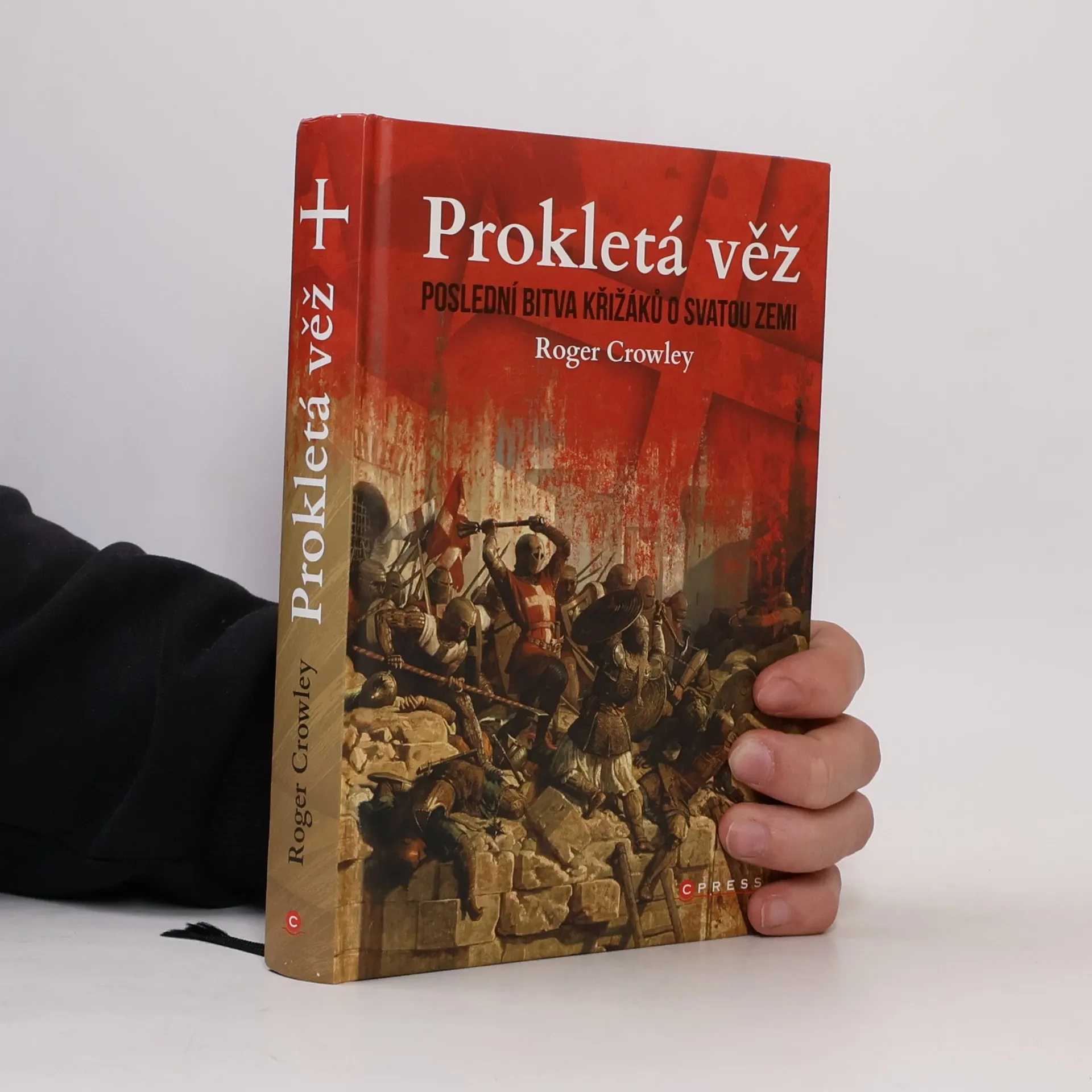
Její pád zpečetil osud křižáků.
Město Akkon bylo poslední velkou pevností křižáků ve Svaté zemi a symbolem jejich moci. Když roku 1291 po šestitýdenním obléhání muslimskými vojsky padlo, dvě staletí trvající historie křížových výprav se uzavřela. Britský historik Roger Crowley se svou obvyklou hlubokou znalostí regionu a jeho dějin a s bezprostředností velkého vypravěče popisuje přípravy i dramatický útok na město. Prokletá věž byla středobodem obléhání – a stala se symbolem pádu starého světa.
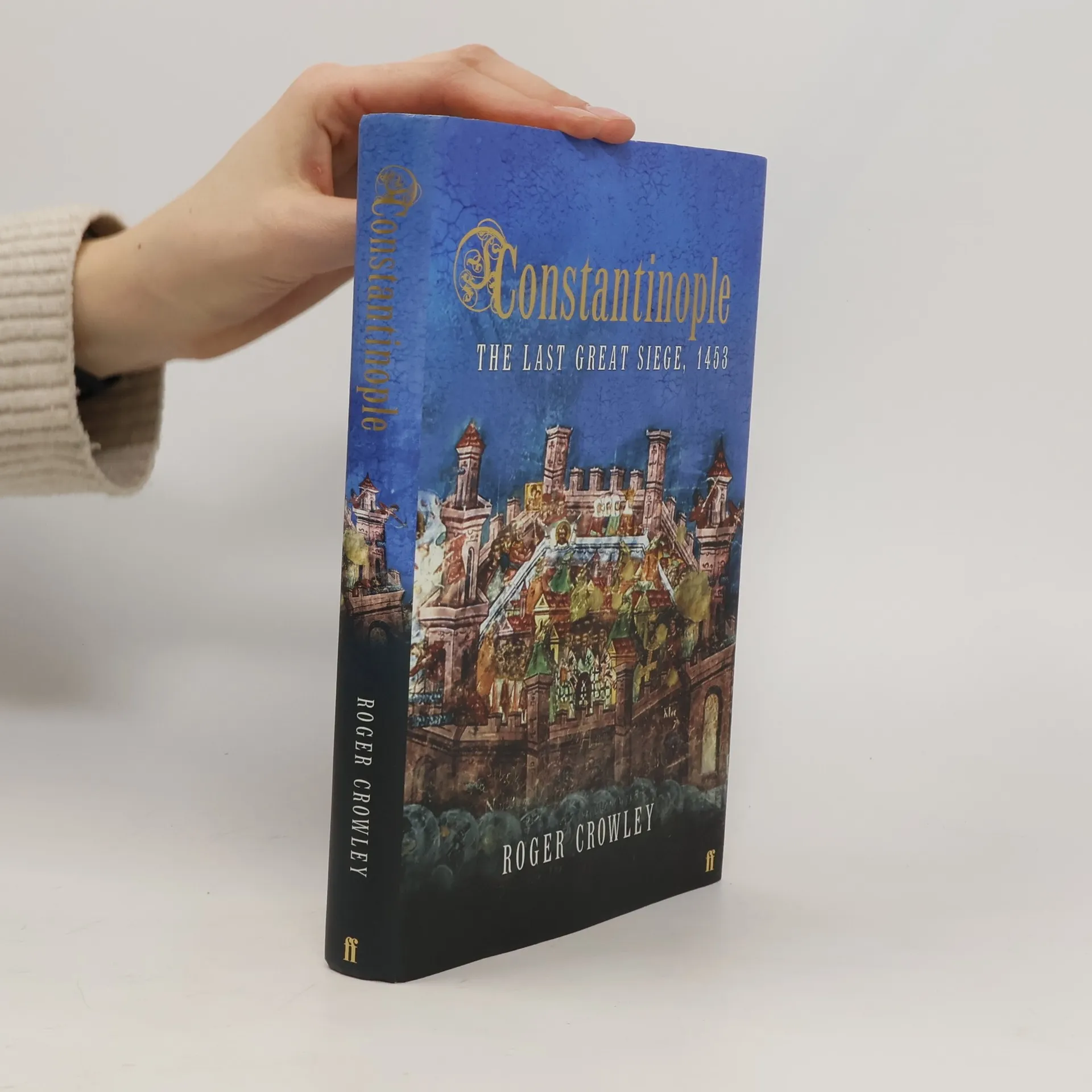
In the Spring of 1453, the Ottoman Turks advanced on Constantinople in pursuit of an ancient Islamic dream: the capture of the thousand year-old capital of Christian Byzantium. This text is an intense, extraordinary tale of courage and cruelty, technological ingenuity, endurance and luck.
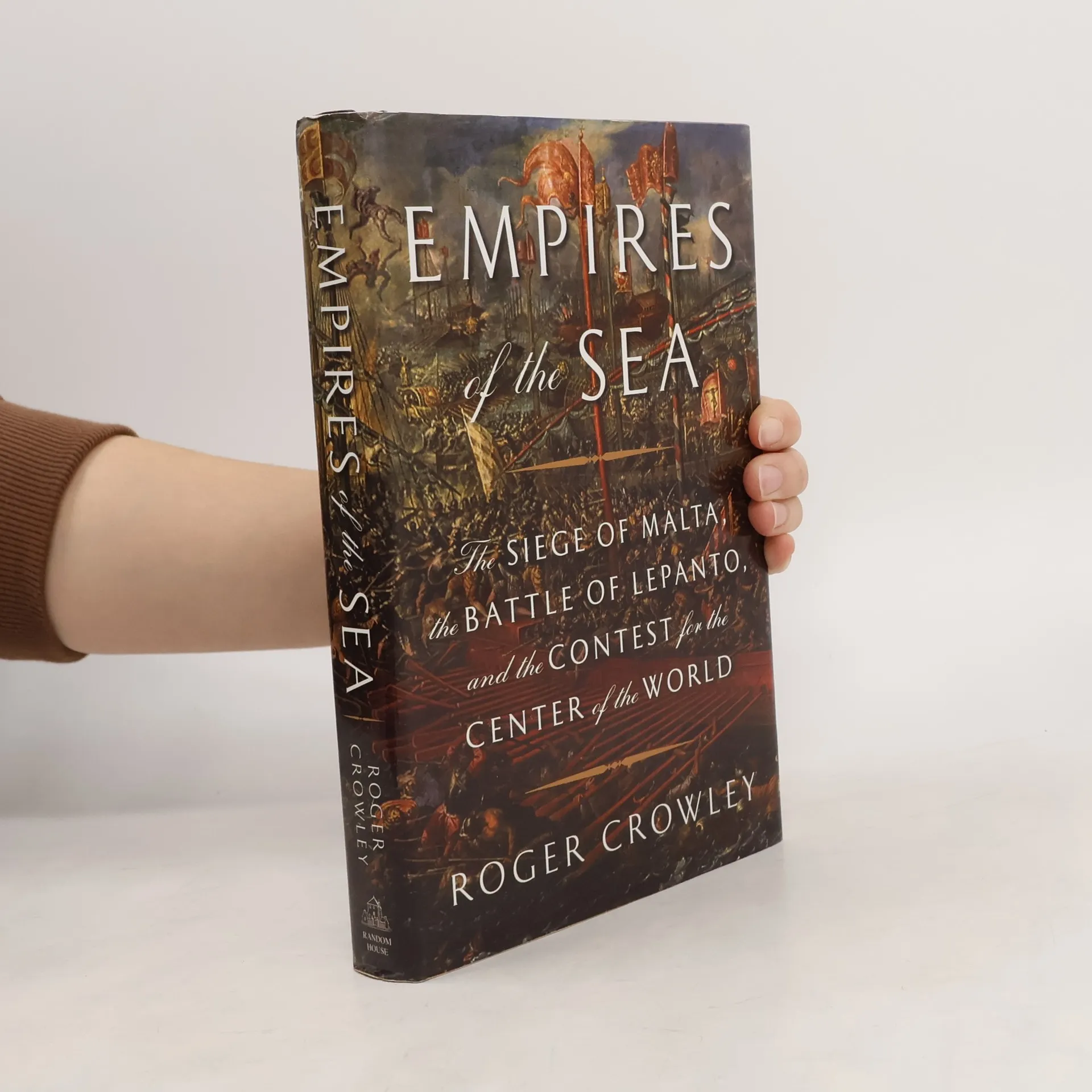
The Siege of Malta, the Battle of Lepanto, and the Contest for the Center of the World
336 stránek
12 hodin čtení
A riveting narrative history of events that shaped the Western world, this is the story of the 50-year battle for domination of the Mediterranean in the 16th century.
Now in trade paperback, a gripping exploration of the fall of Constantinople and its connection to the world we live in today The fall of Constantinople in 1453 signaled a shift in history, and the end of the Byzantium Empire. Roger Crowley's readable and comprehensive account of the battle between Mehmed II, sultan of the Ottoman Empire, and Constantine XI, the 57th emperor of Byzantium, illuminates the period in history that was a precursor to the current jihad between the West and the Middle East.
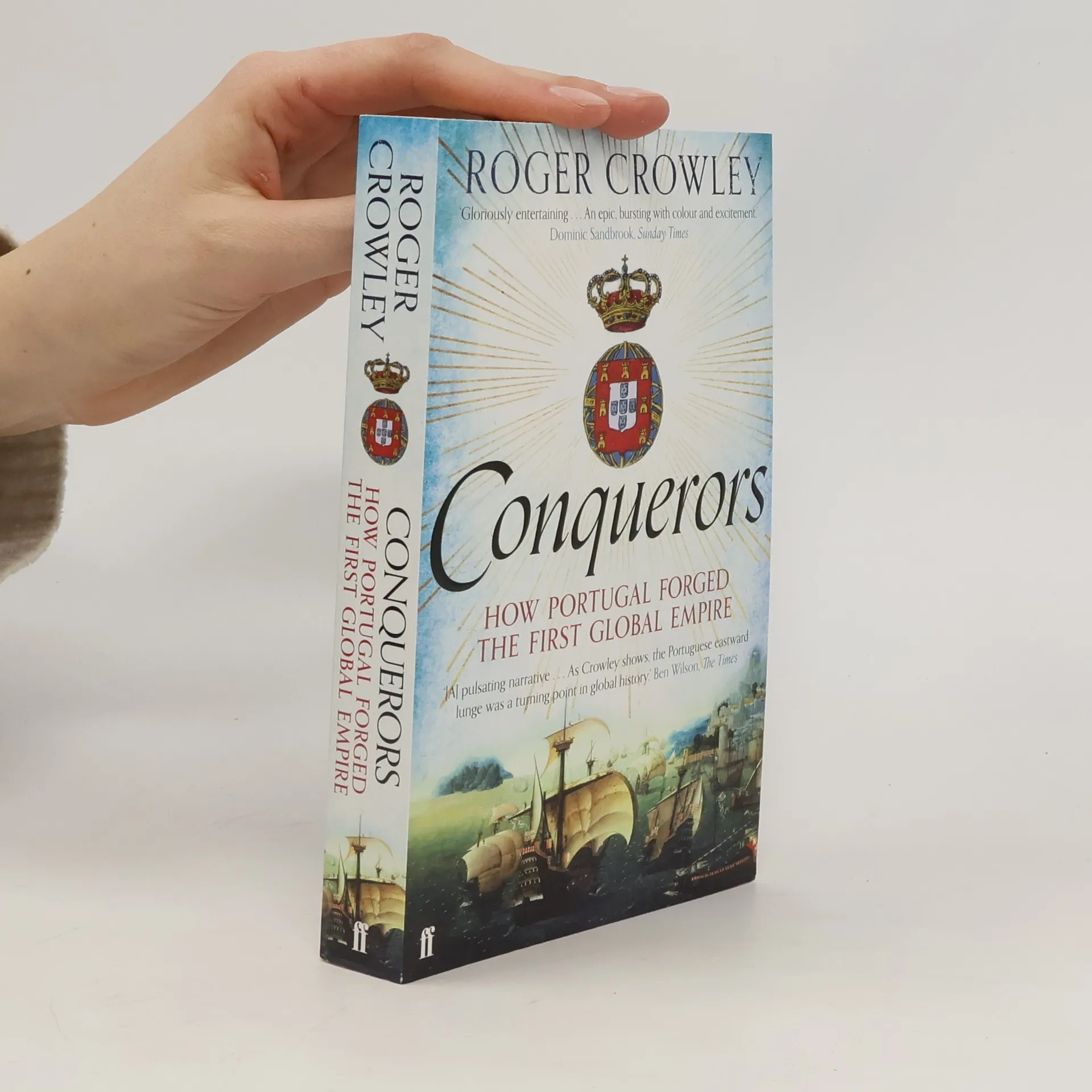
As remarkable as Columbus and the conquistador expeditions, the history of
Portuguese exploration is now almost forgotten. This title tells an epic tale
of navigation, trade and technology, money and religious zealotry, political
diplomacy and espionage, sea battles and shipwrecks, endurance, courage and
terrifying brutality.
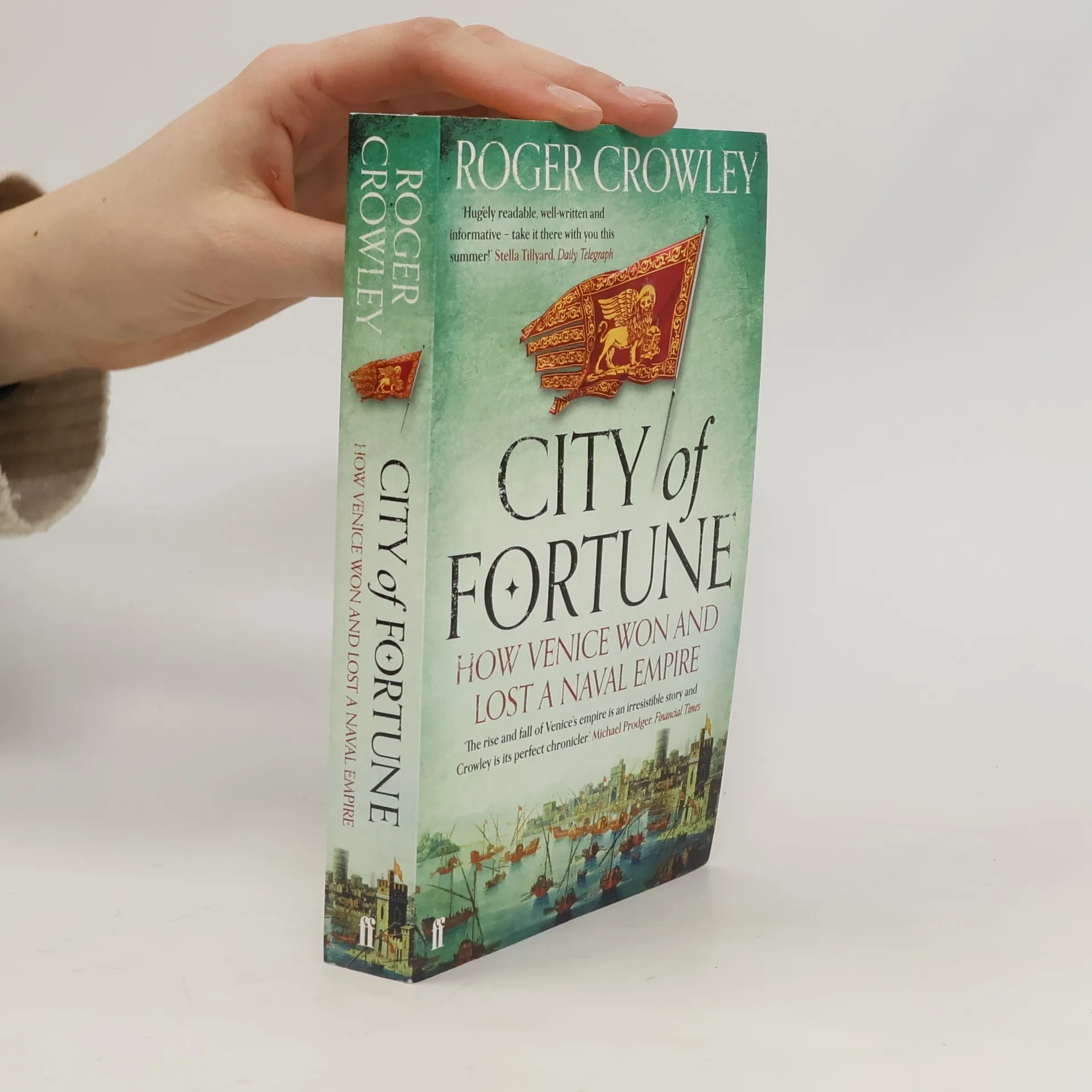
A magisterial work of gripping history, City of Fortune tells the story of the
Venetian ascent from lagoon dwellers to the greatest power in the
Mediterranean - an epic five hundred year voyage that encompassed crusade and
trade, plague, sea battles and colonial adventure.
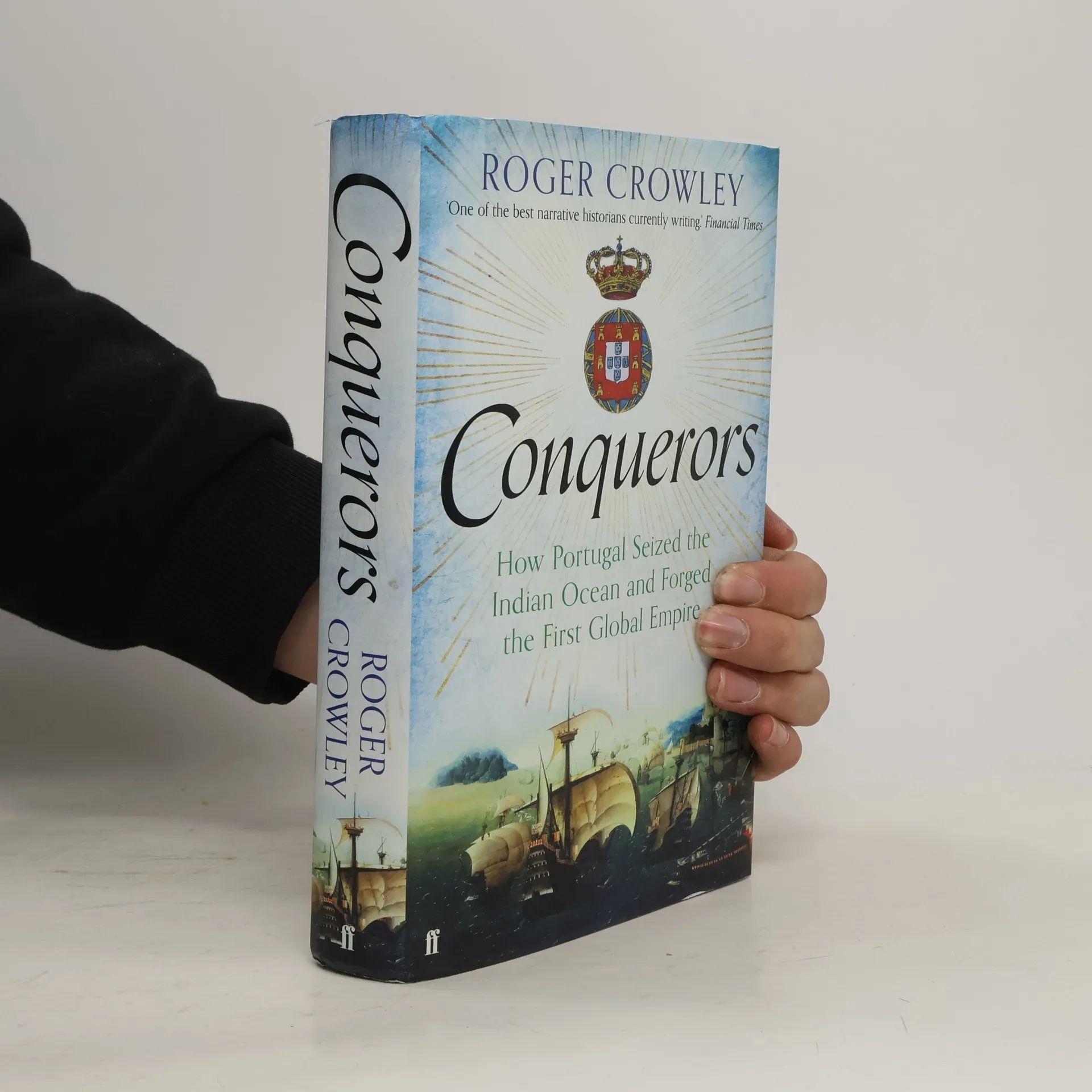
"As remarkable as Columbus and the conquistador expeditions, the history of Portuguese exploration is now almost forgotten. But Portugal's navigators cracked the code of the Atlantic winds, launched the expedition of Vasco da Gama to India and beat the Spanish to the spice kingdoms of the East - then set about creating the first long-range maritime empire. In an astonishing blitz of thirty years, a handful of visionary and utterly ruthless empire builders, with few resources but breathtaking ambition, attempted to seize the Indian Ocean, destroy Islam and take control of world trade. This is an epic tale of navigation, trade and technology, money and religious zealotry, political diplomacy and espionage, sea battles and shipwrecks, endurance, courage and terrifying brutality. Drawing on extensive first-hand accounts, it brings to life the exploits of an extraordinary band of conquerors - men such as Afonso de Albuquerque, the first European since Alexander the Great to found an Asian empire - who set in motion five hundred years of European colonisation and unleashed the forces of globalisation." --Publisher description.
A comprehensive account of the fall of Constantinople to the Ottoman Turks in 1453 examines the end of the Byzantine Empire and the medieval era, and the implications of the siege for the relationship between the West and Islam.
The story of the sixteenth-century's epic contest for the spice trade, which propelled European maritime exploration and conquest across Asia and the Pacific Spices drove the early modern world economy, and for Europeans they represented riches on an unprecedented scale. Cloves and nutmeg could reach Europe only via a complex web of trade routes, and for decades Spanish and Portuguese explorers competed to find their elusive source. But when the Portuguese finally reached the spice islands of the Moluccas in 1511, they set in motion a fierce competition for control. Roger Crowley shows how this struggle shaped the modern world. From 1511 to 1571, European powers linked up the oceans, established vast maritime empires, and gave birth to global trade, all in the attempt to control the supply of spices. Taking us on voyages from the dockyards of Seville to the vastness of the Pacific, the volcanic Spice Islands of Indonesia, the Arctic Circle, and the coasts of China, this is a narrative history rich in vivid eyewitness accounts of the adventures, shipwrecks, and sieges that formed the first colonial encounters--and remade the world economy for centuries to follow.
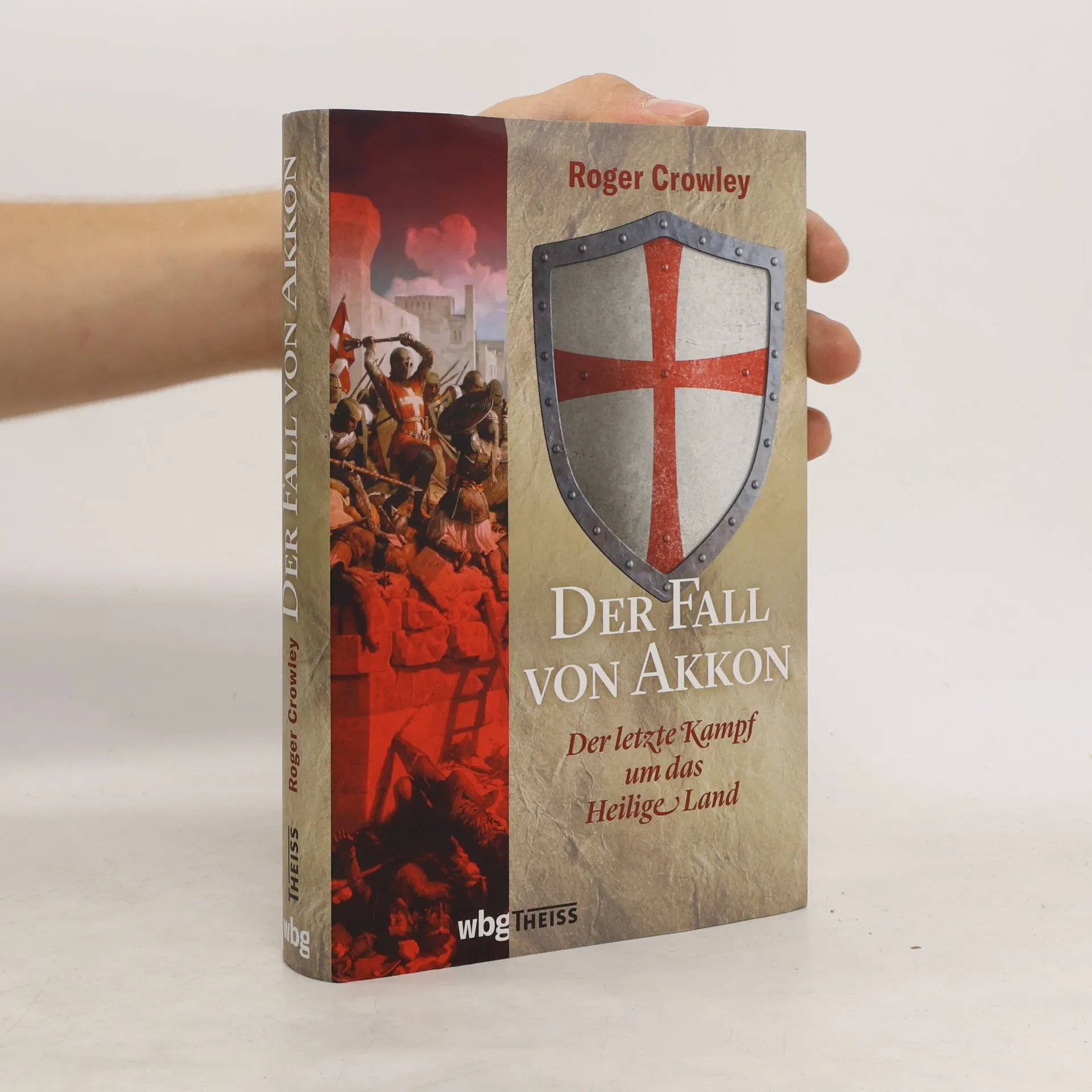
Im Frühjahr 1291 wird die Hafenstadt Akkon von der größten Armee belagert, die die Muslime je gegen die Franken geführt haben. Mitreißend erzählt Roger Crowley die Geschichte des epischen Kampfs um die Stadt vor dem Hintergrund der Kreuzzüge im Heiligen Land und nimmt dabei die Perspektive der Muslime wie die der Kreuzfahrer ein.
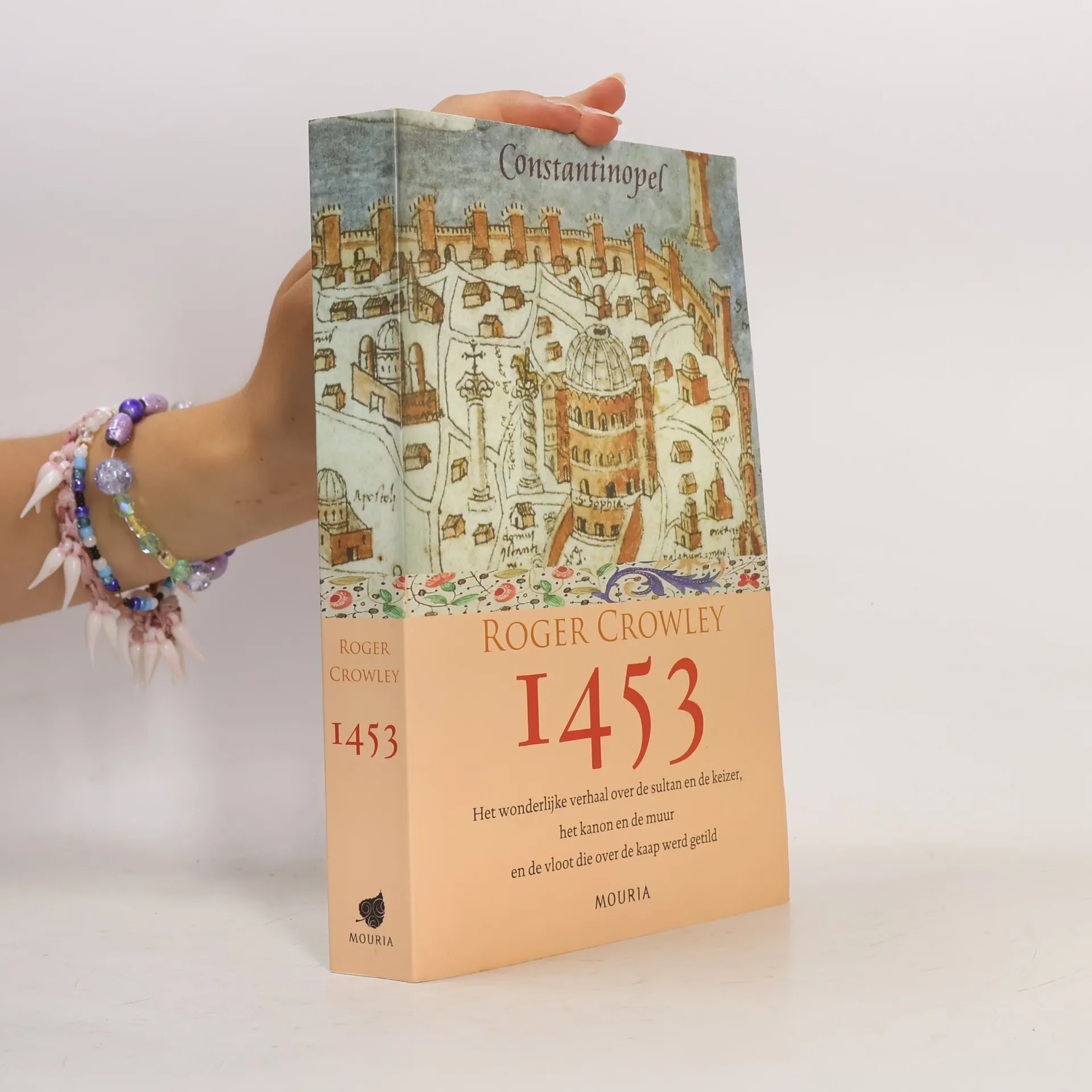
1453 is een levendig en kleurrijk verhaal over een cruciaal moment in de geschiedenis, dat ook vandaag de dag nog veel relevantie heeft. Ruim duizend jaar lang was Constantinopel - het latere Istanboel-het centrum van de christelijke, westerse wereld. Dankzij zijn strategische positie en enorme vestingwerken had de stad de aanvallen vanuit het oosten telkens kunnen weerstaan. In 1453 besloot Mehmed de Tweede, sultan van het Ottomaanse rijk, een nieuwe poging te wagen de stad in te nemen. De belegering in 1453 met de daaropvolgende inname van dit centrum van macht, kunst en cultuur vormt een van de meest dramatische episodes uit de wereldgeschiedenis en luidde het einde in van de middeleeuwen. Roger Crowley vertelt een meeslepend verhaal van moed en wanhoop, technisch vernuft, volharding en nietsontziende wreedheid. De auteur laat daarbij talloze ooggetuigen aan het woord - van beide zijden. Wat 1453 zo bijzonder maakt, is dat het een nieuw perspectief biedt op een bekend verhaal, doordat Roger Crowley niet slechts een westerse visie biedt, maar evenzeer put uit Ottomaanse bronnen.