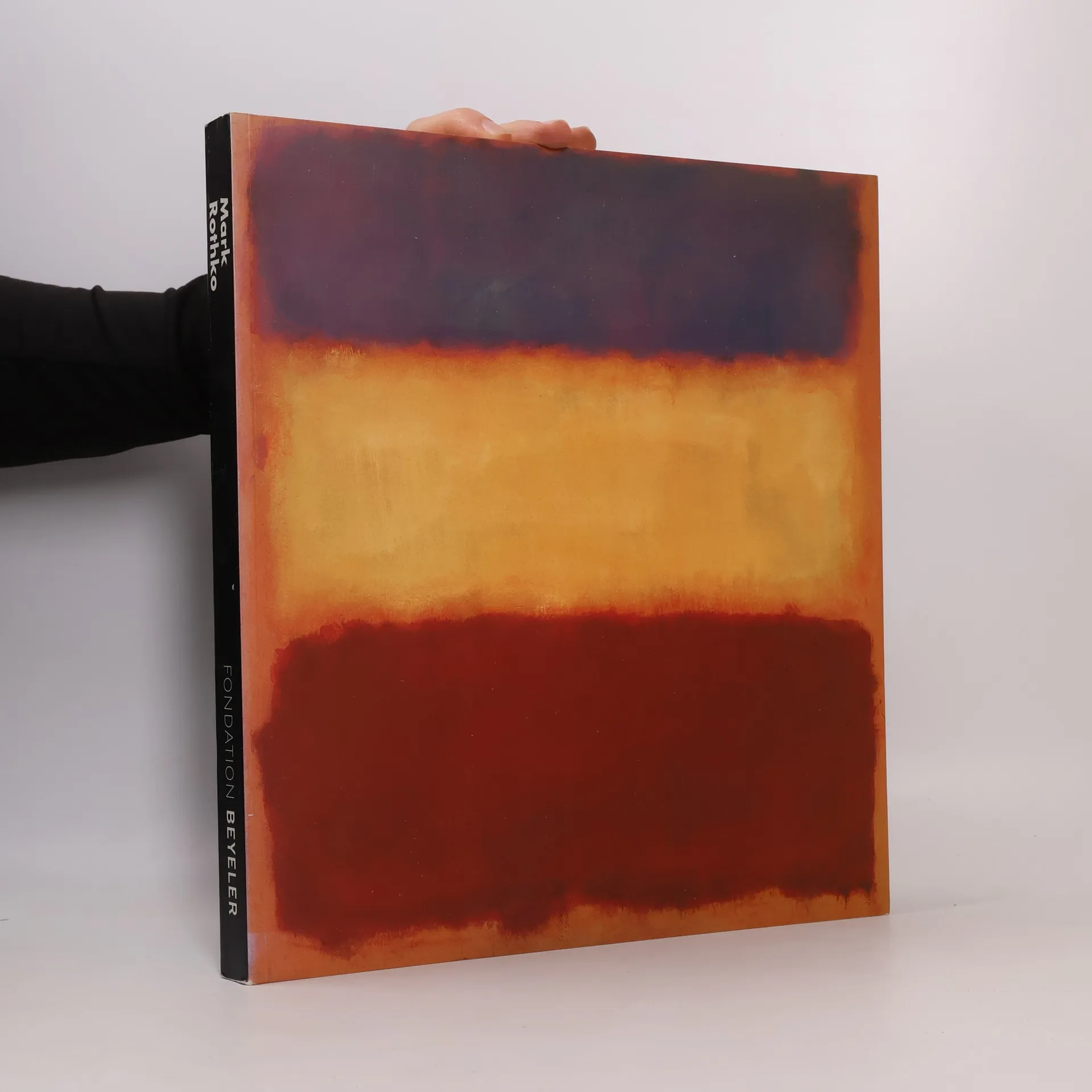
Malířské začátky Marka Rothka (1903 Litva – 1970 USA) byly ovlivněny jak figuralisty (Edward Hopper), tak surrealisty, poté co se jeho hlavní představitelé Breton a Ernst začlenili během svého nuceného válečného exilu do okruhu newyorské avantgardy. Vlastní výraz nalézá až po roce 1947 a to v abstraktních kompozicích horizontálních barevných ploch. Eliminuje ze své tvorby jakýkoliv intelektualismus - oprošťuje své obrazy od symbolů a tvarů, nechává působit intimní barvy a vytváří tak ve svých dílech vysoce spirituální atmosféru. Plátna bez určitých forem představují pravé učení abstraktního expresionismu - přímou odpověď na nerozluštitelné tajemství lidské duše. Hluboká duchovní postata jeho malby vedla v roce 1965 známou sběratelku moderního umění Dominique de Menil k objednávce cyklu maleb pro ekumenickou kapli na Houstonské universitě, architektem byl Philip Johnson. Po intenzivních tónech červených, žlutých a oranžových jeho paleta v pozdních padesátých letech ztemněla, aniž by ztratila na psychické sugestivnosti. Náš výbor obsahuje Rothovy eseje, příležitostná prohlášení a projevy, tři rozhovory a vzpomínku přítele J.H. Fischera.
Mark Rothko Knihy
Tento autor zkoumá hluboké lidské zkušenosti skrze svá díla. Jeho umění často odráží složitost identity a kulturního přechodu. S citem pro detail a silným vizuálním jazykem zve čtenáře k zamyšlení nad svým místem ve světě. Prostřednictvím svých děl nám nabízí jedinečný pohled na univerzální témata lidské existence.


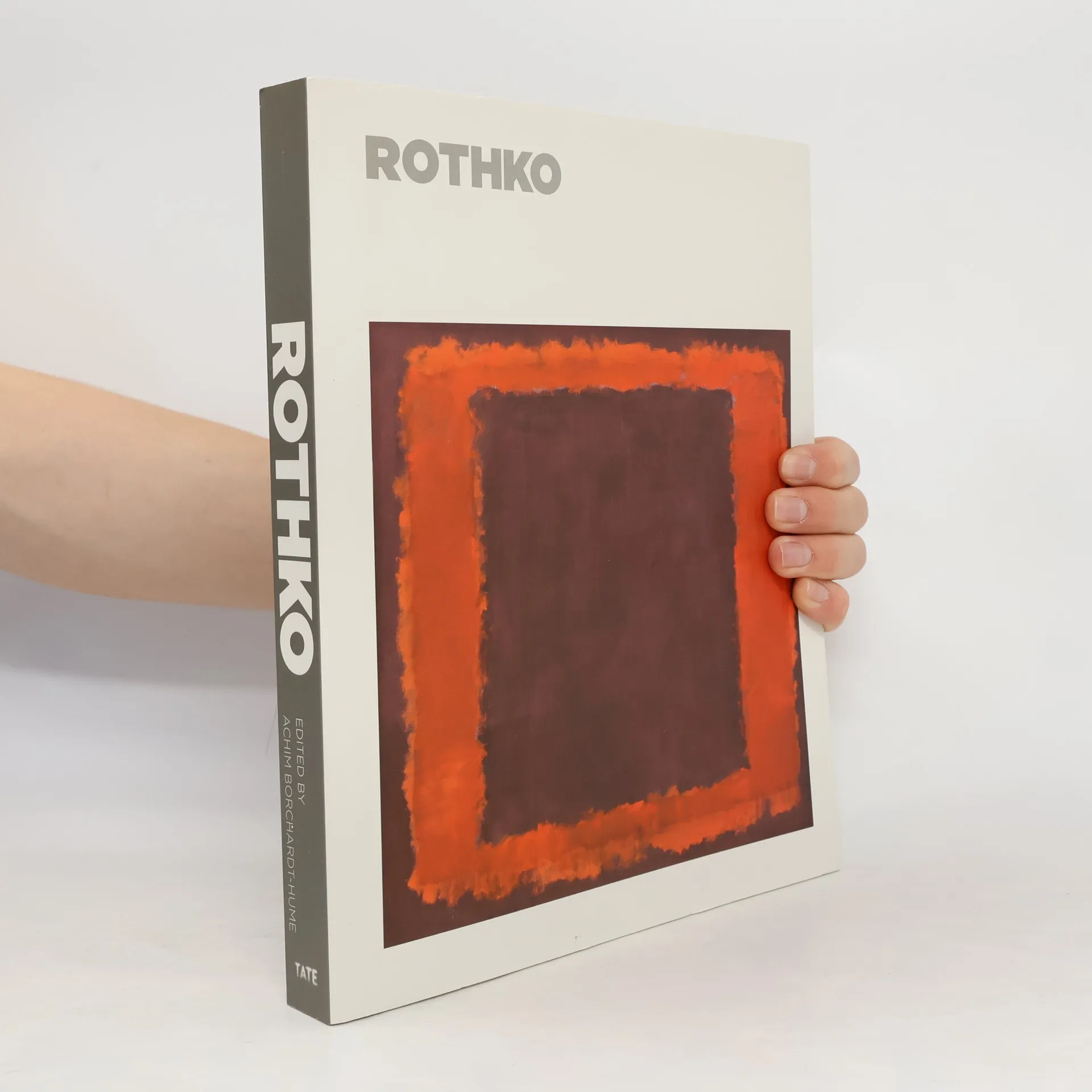

Mark Rothko
- 204 stránek
- 8 hodin čtení
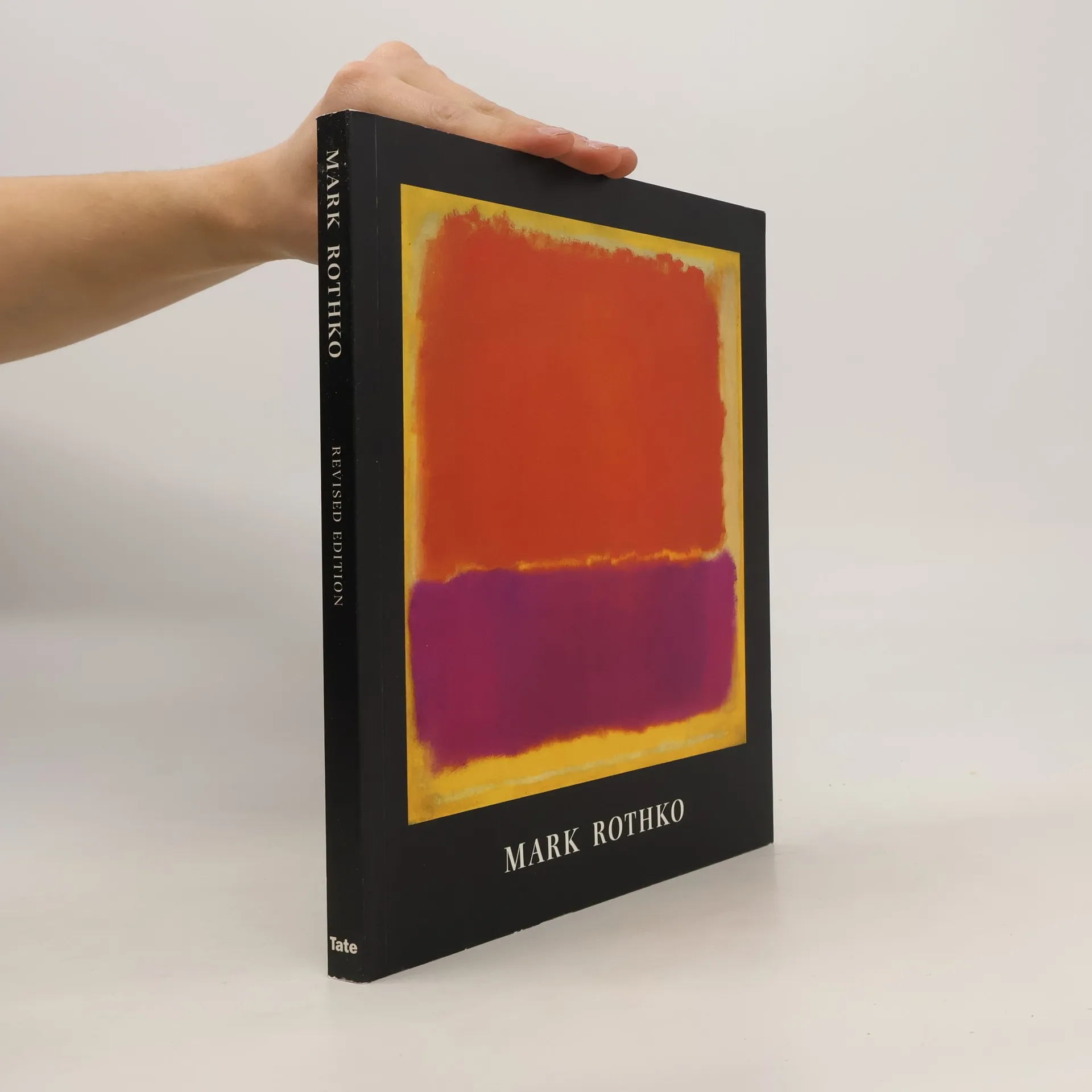
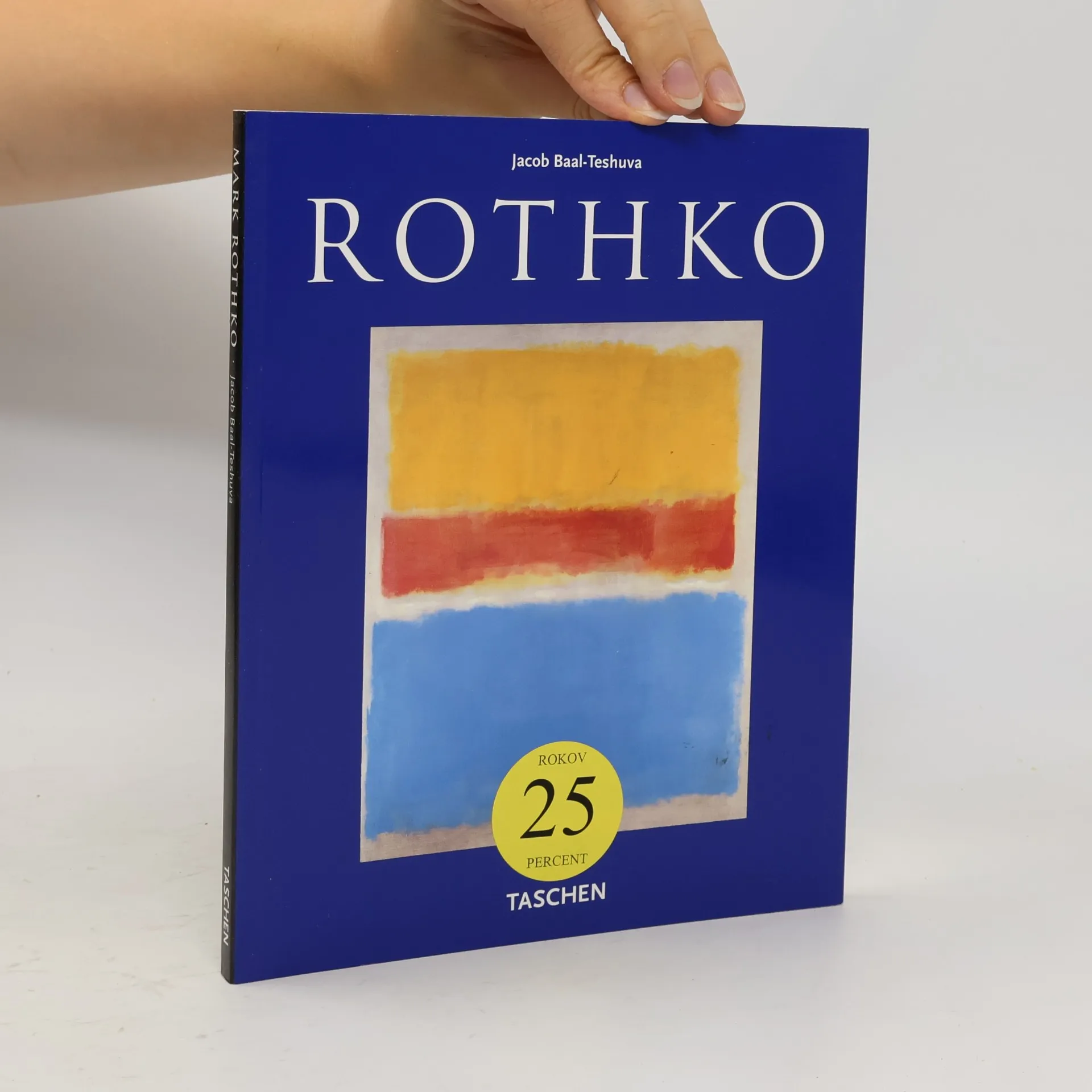
Mark Rothko, the great American artist of Russian descent, is one of the chief exponents of Abstract Expressionism. His paintings, predominantly in a large format and featuring horizontal layers of pigment on a monochrome foundation, will forever be in our pictorial memory as the epitome of classical modernism. By means of Rothko's central work groups from all creative periods - among them the Rothko Room in the Phillips collection and the Harvard Murals of Harvard University -, this book looks at the artist's affinity between picture and viewer. Rothko's adamant insistence on controlling the presentation of his works set him apart from the art scene of his time as early as the beginning of the fifties. His pictures were to be hung closely together in small rooms with soft lighting and large formats were to provide an immediate experience - as a concept which has been most famously and definitively realized in the Rothko Chapel in Houston.
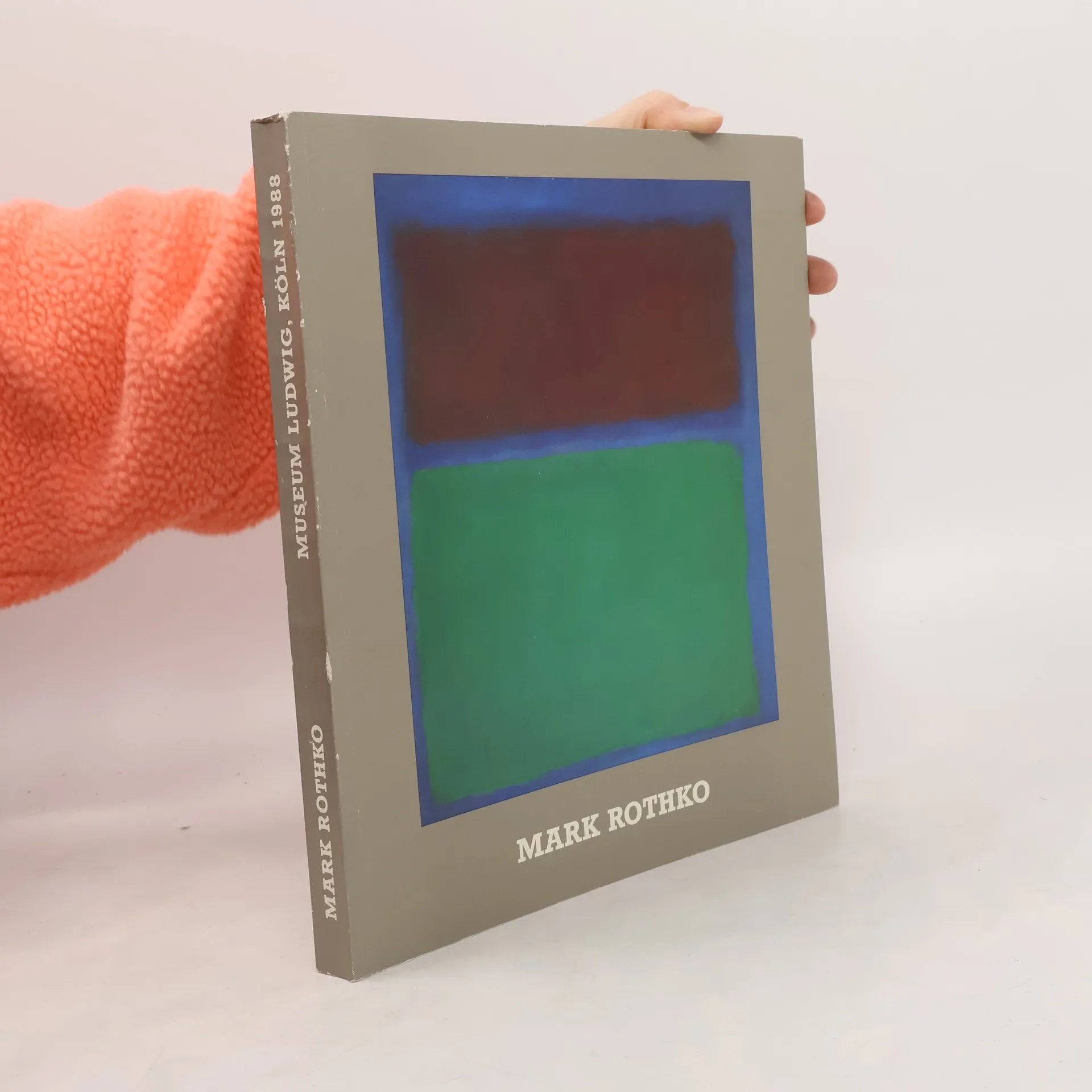
Rothko
- 256 stránek
- 9 hodin čtení
Presents an exhibition catalog that reunites the artist's famed Seagram Murals, originally intended for the "Four Seasons" restaurant in New York, and includes appreciations of his work.
Mark Rothko : 1903-1970 : pictures as drama
- 96 stránek
- 4 hodiny čtení
An overview of the life and work of artist Mark Rothko, this volume exhibits his mythological content, simple flat shapes, and imagery inspired by primitive art.
Mark Rothko (1903-1970) was one of a small group of great artists who helped establish New York as the dominant centre of world art in the 1950s. This book contains essays by two major scholars of the period along with contributions by two members of the R
Writings on Art
- 172 stránek
- 7 hodin čtení
Includes 90 documents, short essays, letters, statements and lectures, written by Rothko. This book includes annotation and a chronology of the artist's life and work. It presents a compilation of both published and unpublished writings from 1934-69, telling the importance of writing for an artist who many believed had renounced the written word.
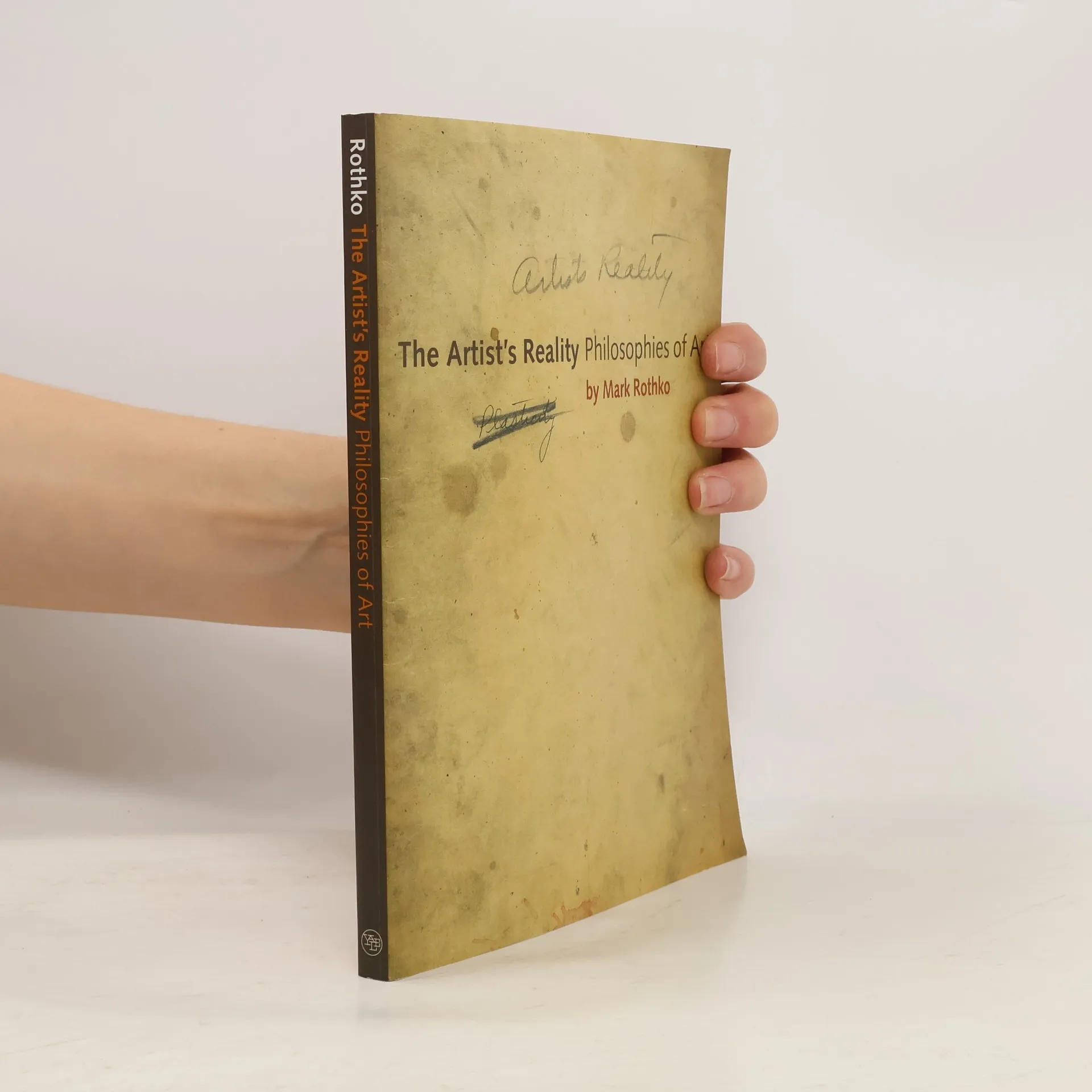
The Artist's Reality
- 176 stránek
- 7 hodin čtení
Discusses Rothko's ideas on the modern art world, art history, myth, beauty, the challenges of being an artist in society, the true nature of 'American art', and much more. This book includes an introduction by the artist's son, who describes the discovery of the manuscript and the fascinating process of bringing the manuscript to publication.
wichtigster Vertreter des abstrakten Expressionismus Gemälde von hoher emotionaler Intensität Mich interessieren nur die grundlegenden menschlichen Emotionen. Mark Rothko
Mark Rothko, works on paper
- 66 stránek
- 3 hodiny čtení
Rothko, die Color Field Paintings
- 120 stránek
- 5 hodin čtení
Mark Rothkos Gemälde sind Ikonen der modernen Malerei, und zählen zu den herausragendsten Arbeiten des abstrakten Expressionismus. Das Buch präsentiert seine bekanntesten Arbeiten - großformatige Ölgemälde mit gestapelten, ineinander verschwimmenden, monochromen Farbflächen. Der großzügige Bildteil wird ergänzt durch Texte seines Sohnes Christopher sowie der amerikanischen Kuratorin Janet Bishop (San Francisco Museum of Modern Art). Die feuilletonischten Aufsätze geben Einblick in das bewegte Leben des Malers, seiner Vorbilder, Inspirationsquellen und seinem Einfluß auf die modernen Kunst. Der hochwertige Leineneinband ist mit einer montierten und eingelassenen Farbtafel veredelt. Das Buch ist nach langer Zeit erste und auch einzige erhältliche Bildband in Deutscher Sprache über Mark Rothko.
Schriften 1934 - 1969
- 205 stránek
- 8 hodin čtení
Die fast einhundert Texte in diesem Buch, zwischen 1934 und 1969 geschrieben, zeichnen Rothkos ästhetisches Denken im Verlauf seines künstlerischen Lebens nach. Die Schriften sind Marksteine eines dem Malen gewidmeten Lebens; eine Art intellektuelles und emotionales Porträt des Menschen Mark Rothko. Diese umfassende Sammlung von Rothkos Schriften enthält viele bisher unveröffentlichte Texte: Essays zur Kunsterziehung, kunsttheoretische Abhandlungen, Vorträge und Interviews. Außerdem seine Briefe an Kuratoren und Galeristen sowie befreundete Kollegen wie Barnett Newman und Clyfford Still.
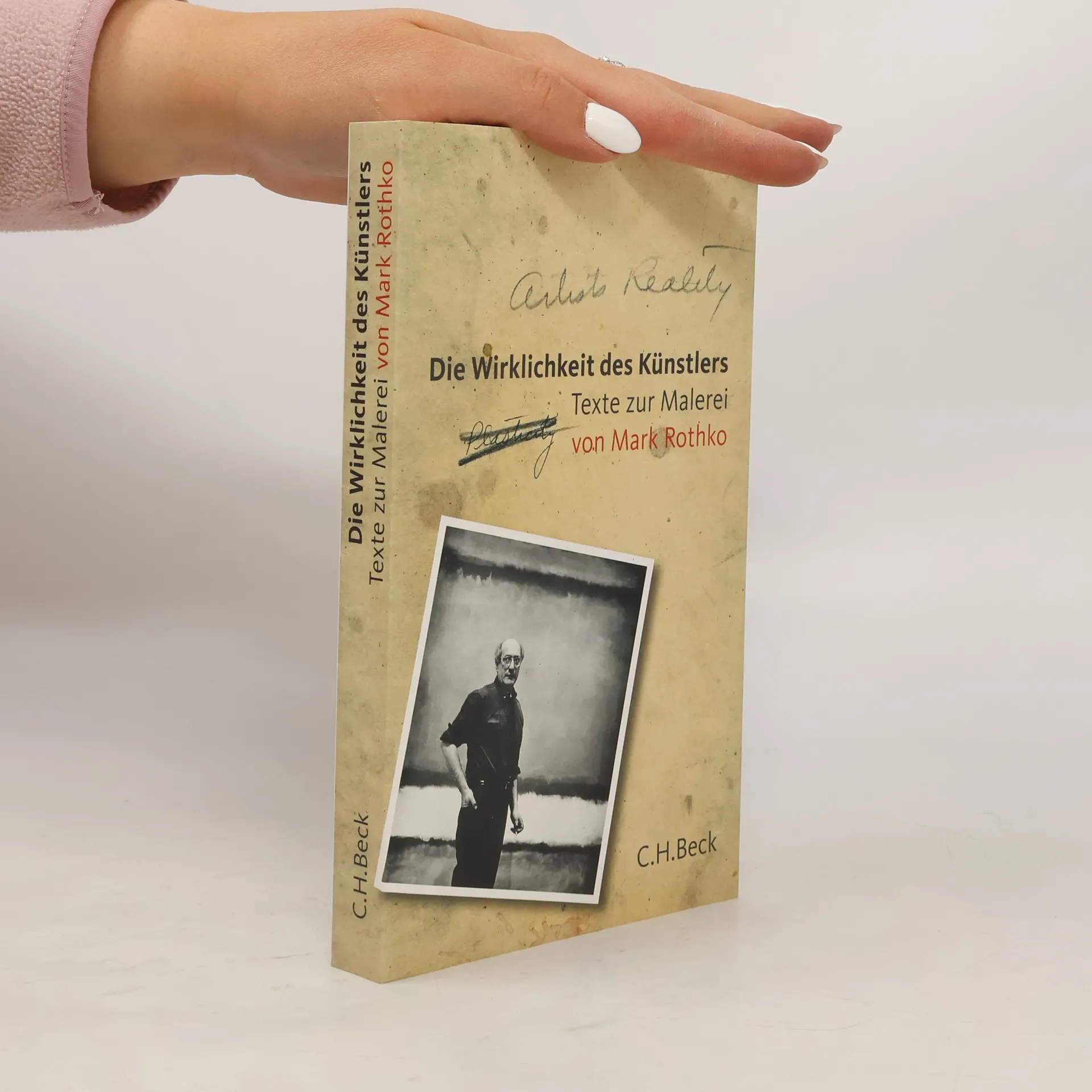
Mark Rothko (1903 - 1970) ist einer der beliebtesten Künstler des 20. Jahrhunderts, vor allem bekannt als Hauptvertreter des Abstrakten Expressionismus. Die faszinierende Rätselhaftigkeit seiner Bilder wurde dadurch befördert, dass der Künstler selbst zu Lebzeiten nur selten öffentlich Stellung zu seinem Werk bezog. So war es eine kleine Sensation, als viele Jahre nach Rothkos Tod ein bislang unbekanntes Manuskript entdeckt wurde. Bei dem außergewöhnlichen Schriftstück mit dem Originaltitel «The Artist’s Reality», das wohl um 1940/41 entstand, handelt es sich um Rothkos Kunstphilosophie. Der Text spiegelt die Auseinandersetzung des Malers mit zentralen Themen der Kunst und bietet einen interessanten Einblick in die Weltsicht des bildenden Künstlers. Reproduktionen der Originalseiten sowie eine Auswahl wichtiger Werke aus der Entstehungszeit des Manuskripts illustrieren den Band.
Arte del siglo XX I.-II. díl
- 2 svazky
Este libro de dos tomos realiza un recorrido por el prolífero siglo XX a través de un espectro de disciplinas, incluyendo la pintura, la escultura, la instalación, la fotografía y los nuevos medios. Casi de modo enciclopédico, este libro destaca las diver