

Ted Kooser (1939) je autorem dvanácti básnických knih a držitelem dlouhé řady ocenění. Za jeho umělecké krédo lze považovat následující citát: „Rád bych ukázal obyčejným lidem, lidem se středoškolským vzděláním, nebo nejvýš několika semestry vysoké, že mohou porozumět poezii. Že se jí nemusí bát, ani se cítit jakkoli podvedeni. Snažím se, aby moje poezie byla v tomto ohledu příkladem.“ Všechny básně tohoto výboru pocházejí z knihy Delights & Shadows, která byla v roce 2005 oceněna Pulitzerovou cenou za poezii.
Ted Kooser Knihy
25. duben 1939
Ted Kooser je jedním z nejvýznamnějších amerických básníků, jehož tvorba čerpá z klidné krásy venkovského života. Jeho poezie se vyznačuje pronikavým pozorováním každodenního života, často s melancholickým, ale zároveň humorným nádechem. Kooser mistrně zachycuje univerzální lidské zkušenosti prostřednictvím jednoduchých, ale působivých obrazů. Jeho díla zvou čtenáře k zamyšlení nad tichými zázraky světa kolem nás.



Kindest Regards
- 239 stránek
- 9 hodin čtení
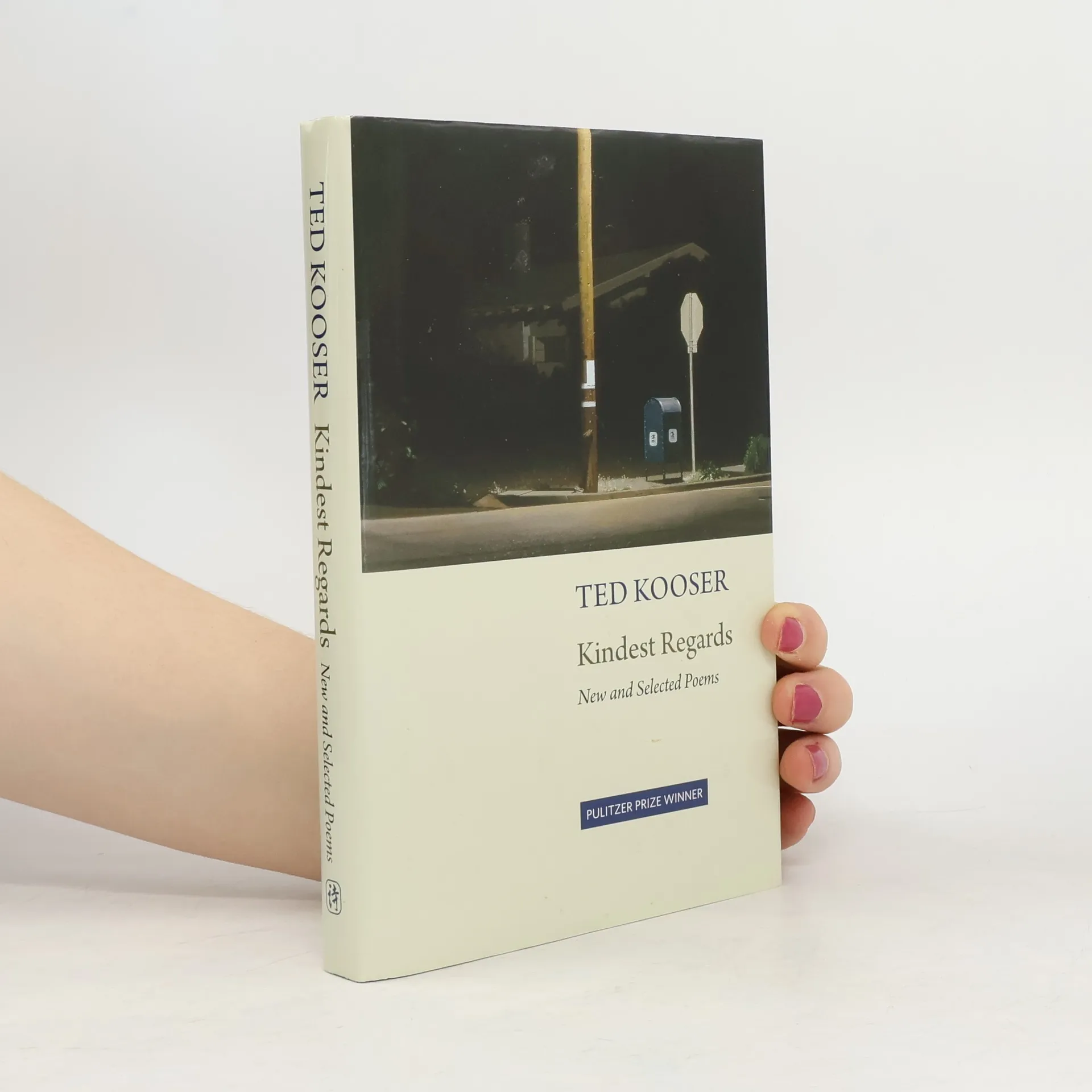
This selection from five decades of Kooser's work illustrates his intense and intimate vision of everyday American life.
Ted Kooser describes with exquisite detail and humor the place he calls home in the rolling hills of southeastern Nebraska—an area known as the Bohemian Alps. Nothing is too big or too small for his attention. Memories of his grandmother’s cooking are juxtaposed with reflections about the old-fashioned outhouse on his property. When casting his eye on social progress, Kooser reminds us that the closing of local schools, thoughtless county weed control, and irresponsible housing development destroy more than just the view. In the end, what makes life meaningful for Kooser are the ways in which his neighbors care for one another and how an afternoon walking with an old dog, or baking a pie, or decorating the house for Christmas can summon memories of his Iowa childhood. This writer is a seer in the truest sense of the word, discovering the extraordinary within the ordinary, the deep beneath the shallow, the abiding wisdom in the pithy Bohemian proverbs that are woven into his essays.
Weather Central
- 104 stránek
- 4 hodiny čtení
Ted Kooser’s third book in the Pitt Poetry Series is a selection of poems published in literary journals over a ten year period by a writer whose work has been praised for its clarity and accessiblity, its mastery of figurative language, and its warmth and charm.
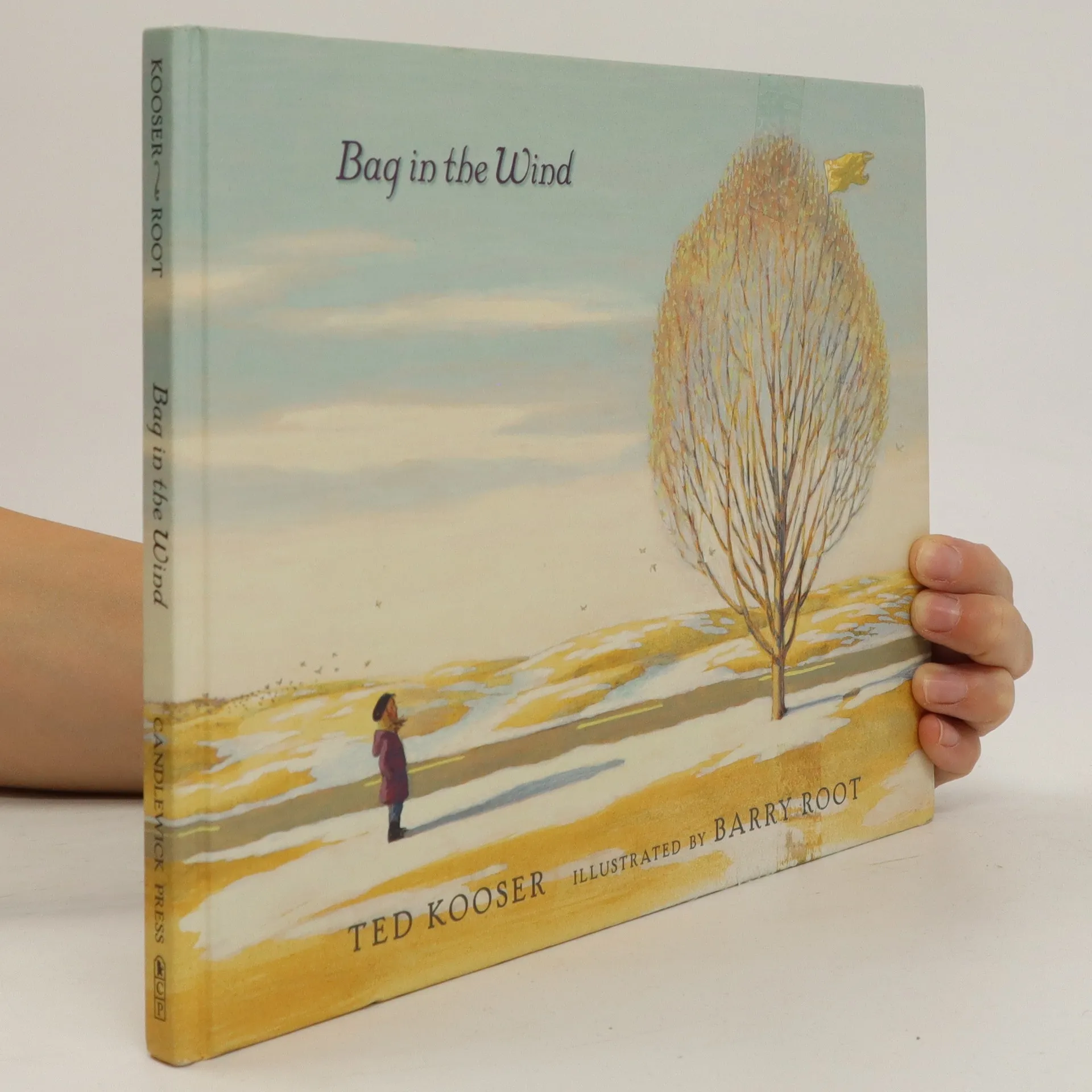
In a singular first children’s book, Pulitzer Prize-winning poet Ted Kooser follows a plastic bag on its capricious journey from a landfill into a series of townspeople’s lives.One cold morning in early spring, a bulldozer pushes a pile of garbage around a landfill and uncovers an empty plastic bag — a perfectly good bag, the color of the skin of a yellow onion, with two holes for handles — that someone has thrown away. Just then, a puff of wind lifts the rolling, flapping bag over a chain-link fence and into the lives of several townsfolk — a can-collecting girl, a homeless man, a store owner — not that all of them notice. Renowned poet Ted Kooser fashions an understated yet compassionate world full of happenstance and connection, neglect and care, all perfectly expressed in Barry Root’s tender illustrations. True to the book’s earth-friendly spirit, it is printed on paper containing 100 percent recycled post-consumer waste and includes an author’s note on recycling plastic bags.
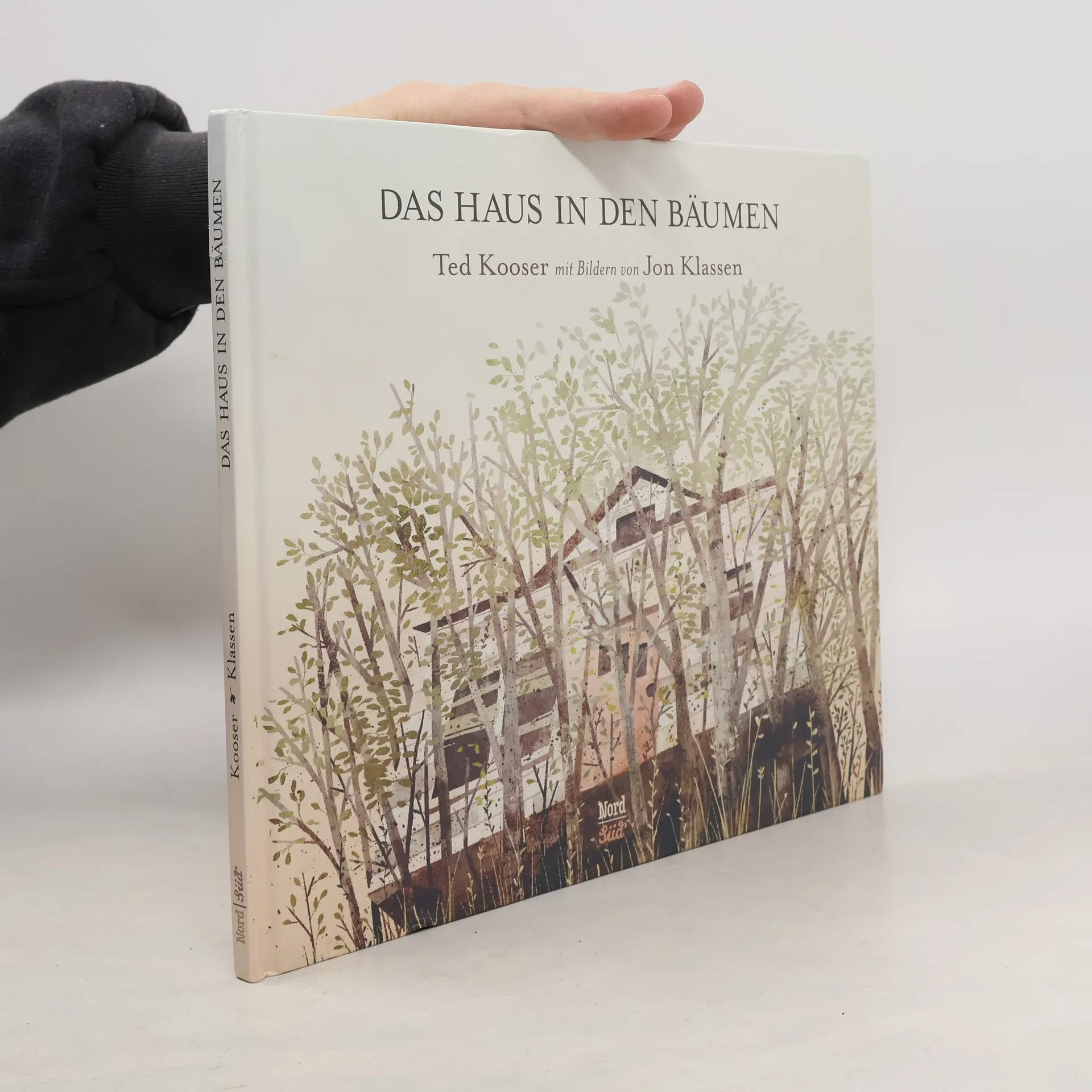
Das Haus in den Bäumen
- 32 stránek
- 2 hodiny čtení
From Pulitzer Prize-winning poet Ted Kooser and rising talent Jon Klassen comes a poignant tale of loss, change, and nature's quiet triumph. When the house was new, not a single tree remained on its perfect lawn to give shade from the sun. The children in the house trailed the scent of wild trees to neighboring lots, where thick bushes offered up secret places to play. When the children grew up and moved away, their father, alone in the house, continued his battle against blowing seeds, plucking out sprouting trees. Until one day the father, too, moved away, and as the empty house began its decline, the trees began their approach. At once wistful and exhilarating, this lovely, lyrical story evokes the inexorable passage of time — and the awe-inspiring power of nature to lift us up.