
Knihobot

Michel Serres

    1. září 1930 – 1. červen 2019
    Hermes I
    Conversations on Science, Culture, and Time
    Branches
    Religion
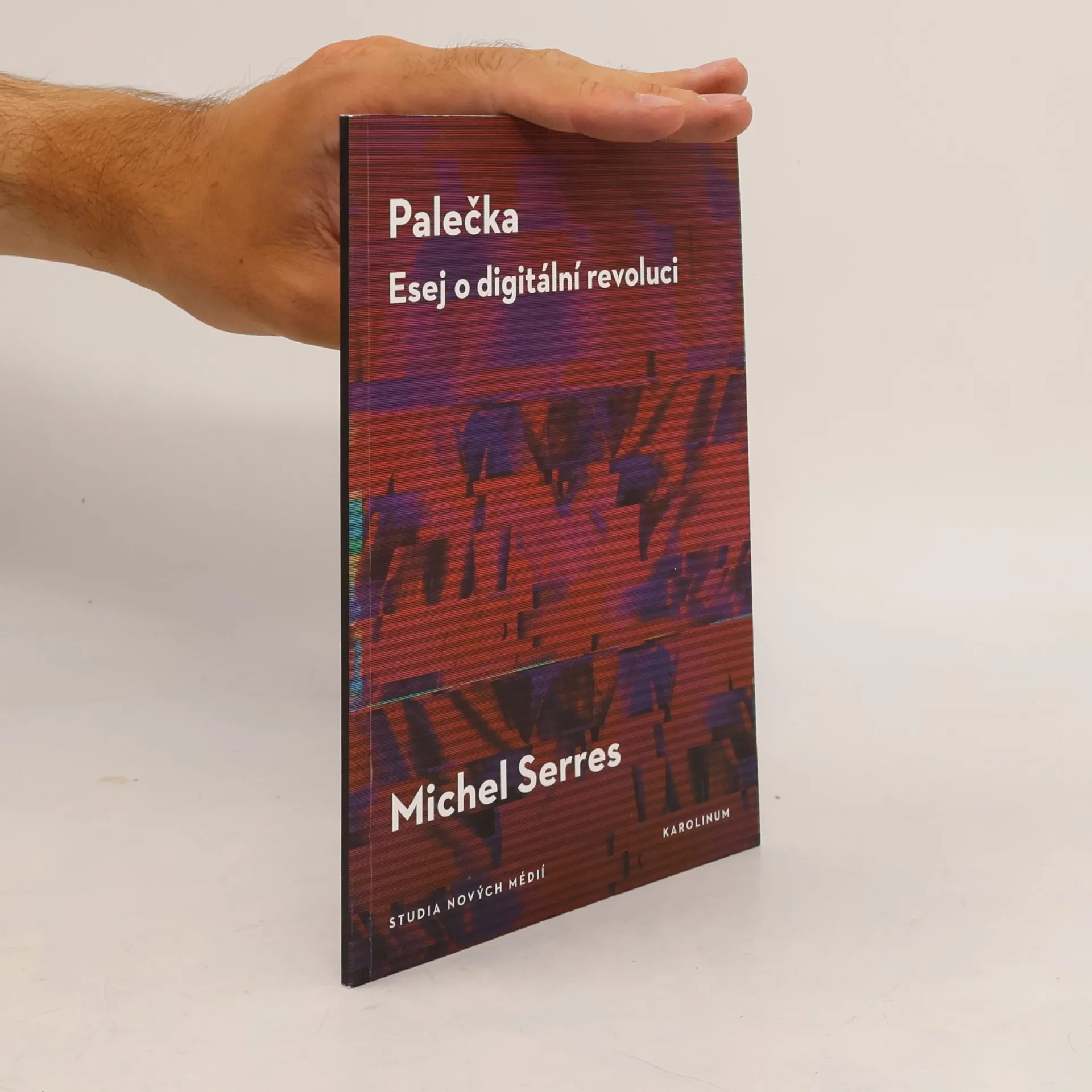
    Palečka: Esej o digitální revoluci
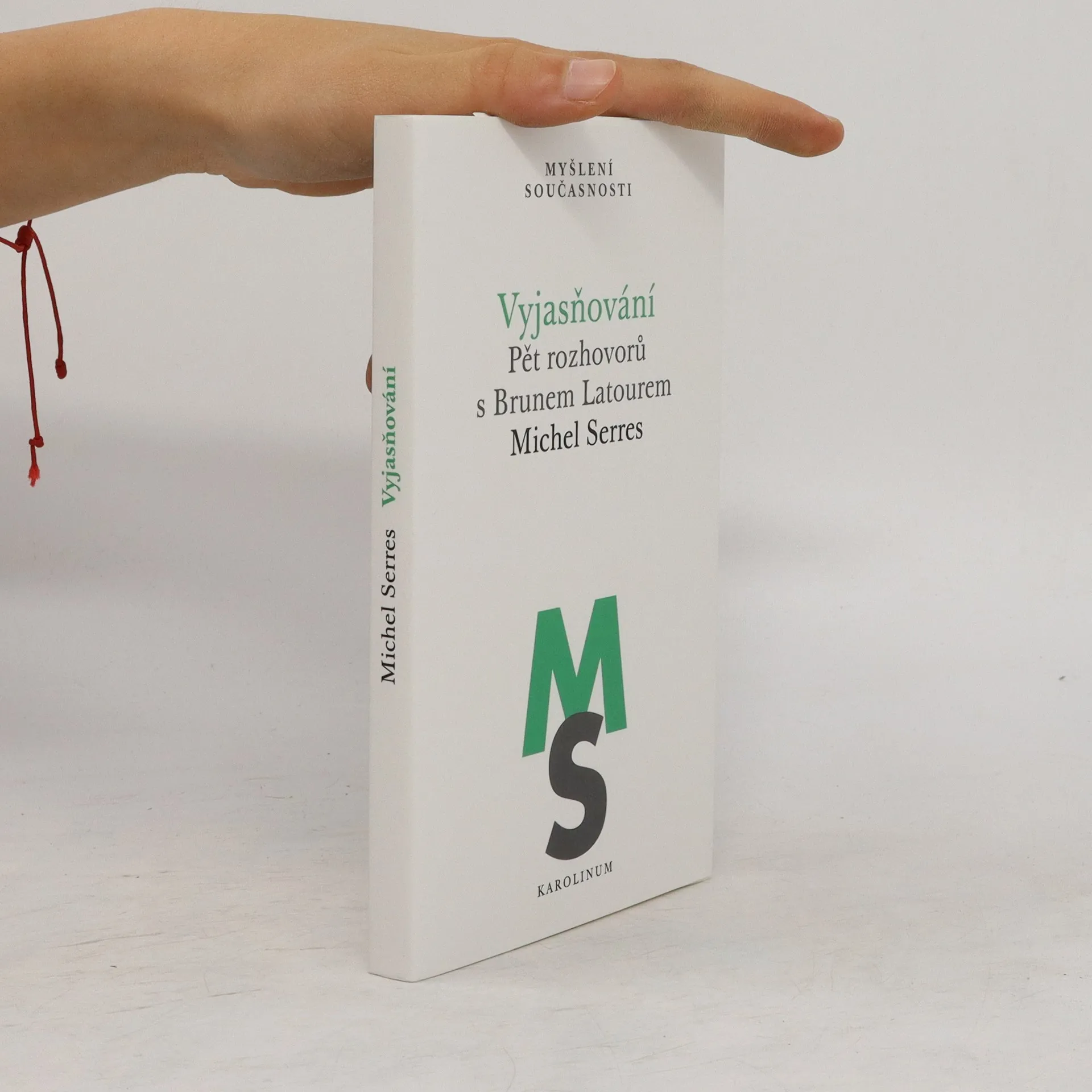
    Vyjasňování : pět rozhovorů s Brunem Latourem
    • Rozhovory shrnuté pod názvem Vyjasňování spolu vedli Michel Serres (1930–2019) a Bruno Latour (1947–2022) na začátku 90. let. O generaci mladší Latour se v nich staršího filosofa s respektem dotazuje na pozadí jeho díla i života a zároveň se neústupně dožaduje vyjasnění jeho rozsáhlého a složitého myšlenkového světa. Vznikl tak napínavý dialog, který od počátečního kroužení kolem východisek Serresova myšlení a jeho vztahu k epistemologii a dobovým filosofickým proudům dochází k pronikavému pohledu na současný svět, dotýká se otázky zla a morálky a dodnes neztrácí svou živost a aktuálnost. Michel Serres představuje zvláštní postavu francouzského myšlení, která stála stranou ústředních tendencí a diskuzí. Rozhovor poprvé vyšel v roce 1992, poté co Michel Serres vydal dvě ze svých ústředních knih – Přirozenou smlouvu (1990) a Poučeného třetího (1991). V první z nich se objevným způsobem věnuje ekologické problematice a v mnohém předznamenává pozdější ekologické myšlení, ve druhé zdůrazňuje důležitost všestranného vzdělání, které neopomíjí exaktní ani humanitní obory a staví na jejich propojení. Dílo Bruna Latoura v mnohém navazuje na tyto Serresovy podněty.
      Vyjasňování : pět rozhovorů s Brunem Latourem
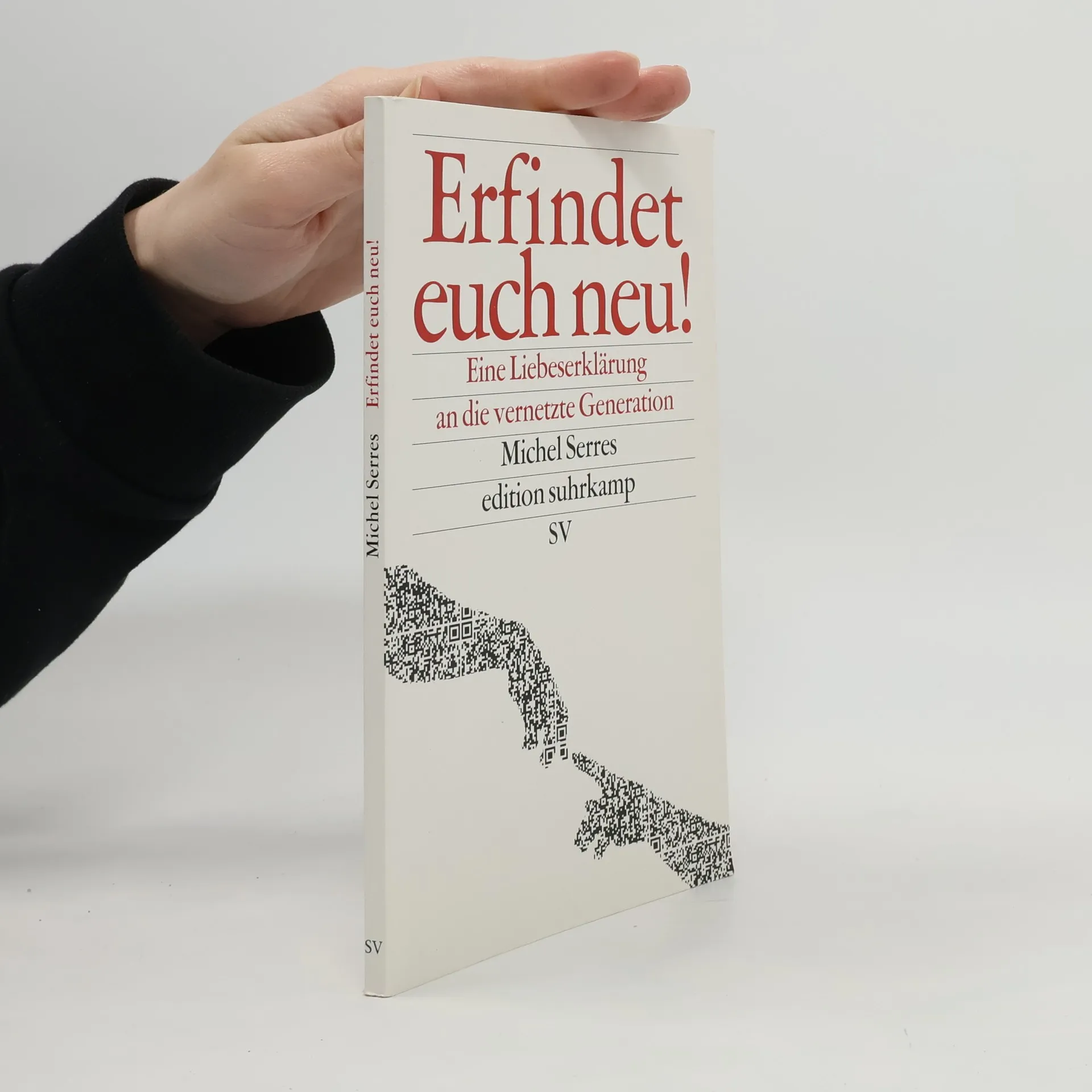
    • Zkušenost mladé generace, kterou Palečka reprezentuje, se radikálně liší od zkušenosti jejích rodičů a učitelů. Žije v symbióze s novými technologiemi, které jí umožňují nevídaně snadný přístup k informacím, ale zároveň ji činí svobodnou a lhostejnou vůči stávajícím autoritám a současnému pasivnímu modelu vzdělávání. Filozof Michel Serres přirovnává dnešní technologickou revoluci ke vzniku písma a vynálezu knihtisku, které od základu změnily fungování společnosti. Kritizuje lpění dnešní vědy na abstrakci a nastiňuje svou vizi vývoje, který bude založen na algoritmech a kódech. Jeho vášnivá obhajoba mladé generace, pronesená na půdě Francouzské akademie, se ve Francii stala bestselerem.

      Palečka: Esej o digitální revoluci
    • Religion

      • 184 stránek
      • 7 hodin čtení
      4,0(4)Ohodnotit

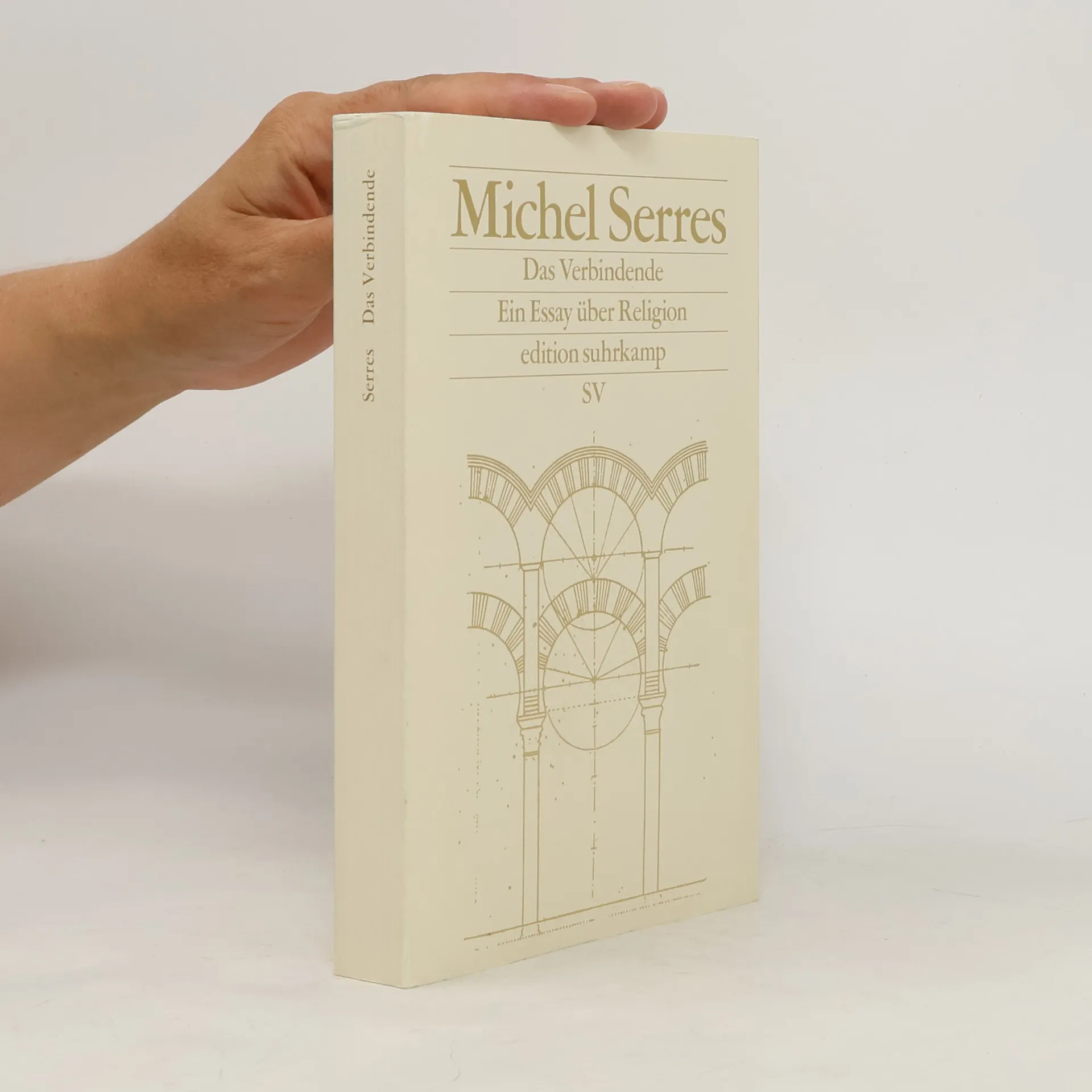
      With this profound final work, completed in the days leading up to his death, Michel Serres presents a vivid picture of his thinking about religion--a constant preoccupation since childhood--thereby completing Le Grand Récit, the comprehensive explanation of the world and of humanity to which he devoted the last twenty years of his life. Themes from Serres's earlier writings--energy and information, the role of the media in modern society, the anthropological function of sacrifice, the role of scientific knowledge, the problem of evil--are reinterpreted here in the light of the Old Testament accounts of Isaac and Jonah and a variety of Gospel episodes, including the Three Wise Men of the Epiphany, the Transfiguration, Peter's denying Christ, the Crucifixion, Emmaus, and the Pentecost. Monotheistic religion, Serres argues, resembles mathematical abstraction in its dazzling power to bring together the real and the virtual, the natural and the transcendent; but only in its Christian embodiment is it capable of binding together human beings in such a way that partisan attachments are dissolved and a new era of history, free for once of the lethal repetition of collective violence, can be entered into.

      Religion
    • Branches

      • 208 stránek
      • 8 hodin čtení
      4,0(7)Ohodnotit

      Despite being one of France's most enduring and popular philosophers, Branches is the first English translation of what has been identified as Michel Serres' key text on humanism. In attempting to reconcile humanity and nature, Serres examines how human history 'branches' off from its origin story. Using the metaphor of a branch springing from the stem and arguing that the branch's originality derives its format, Serres identifies dogmatic philosophy as the stem, while philosophy as the branch represents its inventive, shape-shifting, or interdisciplinary elements. In Branches, Serres provides a unique reading of the history of thought and removes the barriers between science, culture, art and religion. His fluency and this fluidity of subject matter combine here to make a book suitable for students of Continental philosophy, post-humanism, the medical humanities and philosophical science, while providing any reader with a wider understanding of the world in which they find themselves.

      Branches
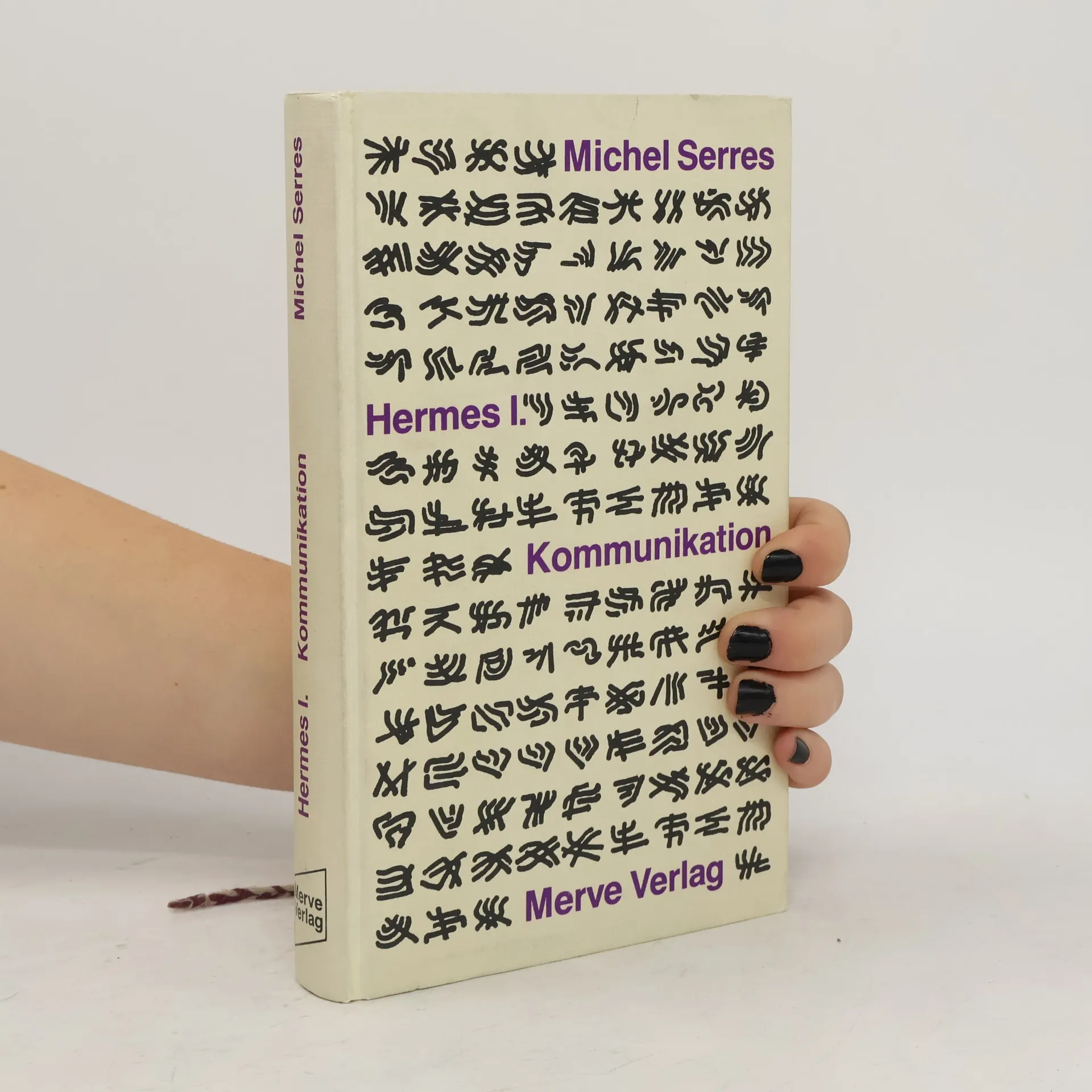
    • For the first time in English, the introductory volume in a major French philosopher's groundbreaking series of poetic transdisciplinary works Michel Serres is recognized as one of the giants of postwar French philosophy of knowledge, along with Giles Deleuze, Jacques Derrida, Michel Foucault, and Gilbert Simondon. His early five-volume series Hermes, which appeared in the 1960s and 1970s, was an intellectual supernova in its proposition that culture and science shared the same mythic and narrative structures. Hermes I: Communication marks the start of a major publishing endeavor to introduce this foundational series into English. Building on the figure of the Greek god Hermes, who presides over the realms of communication and interpretation, Hermes I embarks on a reflection concerning the history of mathematics via Descartes and Leibniz and culminates by way of a Bachelardian logoanalytic reading of Homer, Dumas, Molière, Verne, and the story of Cinderella. We observe a singular poetic philosopher seeking to bridge the gap between the liberal arts and the sciences through a profound mathematical and poetic fable regarding information theory, history, and art, establishing a new way to think about the production of knowledge during the late twentieth century. In these pages, students and scholars of philosophy will discover an extraordinary project of thought as vital to critical reflection today as it was fifty years ago.

      Hermes I
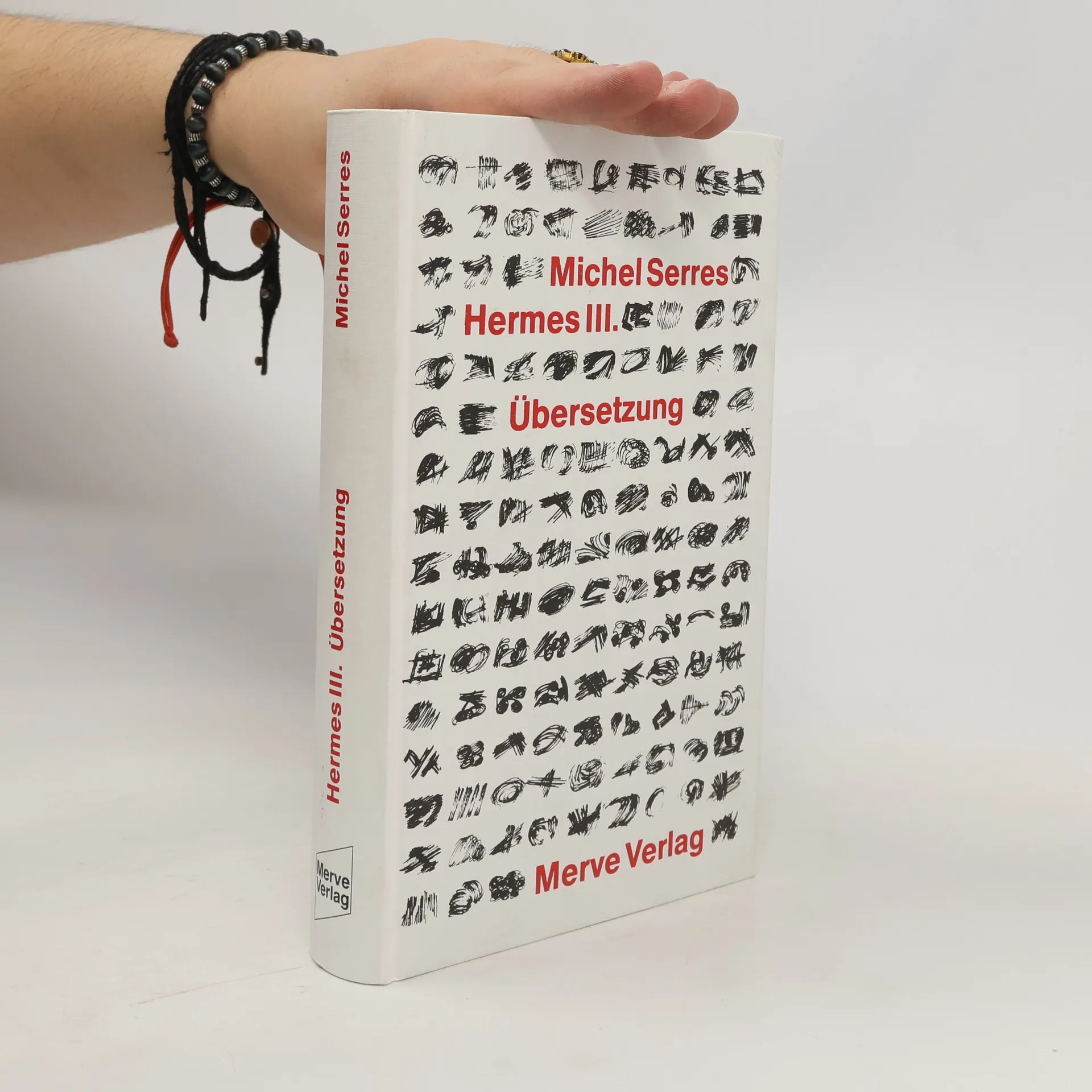
    • „Nichts existiert, nichts wird gedacht, nichts wird wahrgenommen oder erfunden, ohne einen mobilen Empfänger, der in einen Kommunikationsraum mit zahlreichen Sendern eingetaucht ist - einen Raum, in dem Nachrichten zirkulieren, der von Rauschen erfüllt ist, in dem Informationen dauerhaft gespeichert werden. Die Enzyklopädie ist eine Gestalt dieses Raumes.“

      Hermes 2
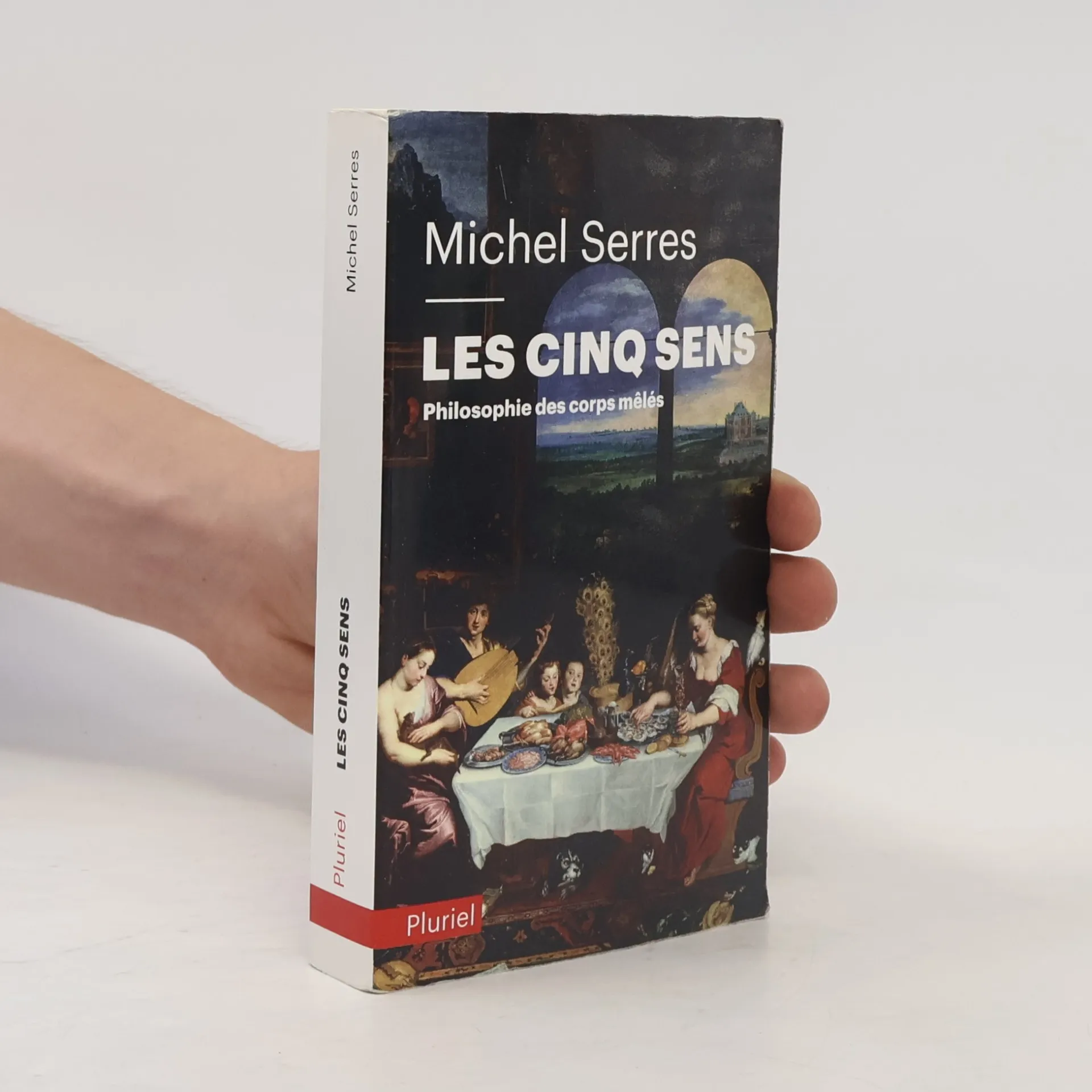
    • Michel Serres, geboren am 1. September 1930 in Agen, war ein französischer Mathematiker und Philosoph. Er absolvierte die École navale, um eine Laufbahn als Marineoffizier zu beginnen. Ab 1952 besuchte er die École normale supérieure, an der er 1955 seine Agrégation in Philosophie erhielt. Im folgenden Jahr trat er erneut in die Marine ein und fuhr jahrelang zur See. Serres war ab 1969 Professor für Wissenschaftsgeschichte an der Sorbonne und wurde 1984 parallel zum Professor an der Stanford University ernannt. Ab 1990 war er außerdem einer der vierzig »Unsterblichen« der Académie française. 2012 erhielt Serres den »Meister-Eckhart-Preis« der Identity Foundation und der Universität zu Köln. Serres starb am 1. Juni 2019 in Vincennes. Michael Bischoff, geboren 1949, studierte Mathematik und Soziologie und war Wissenschaftslektor im Suhrkamp Verlag. Seit 1977 übersetzt er Literatur aus dem Französischen und Englischen, u. a. von Émile Durkheim, Michel Foucault, Isaiah Berlin und Richard Sennett.

      Die fünf Sinne
    • "Qui mange à table d'hôte, invité gourmand, parfois beau causeur est dit parasite. La bête petite qui vit de son hôte, qui change son état courant et le met en risque de mort, est dite, encore parasite. Le bruit qui interrompt sans cesse nos dialogues ou intercepte nos messages, voici toujours le parasite. Pourquoi nomme d'un même mot un homme, une bête et une onde? Voici un livre d'images d'abord comme réponse à la question, une galerie de portraits. Il faudra un peu deviner qui se dissimule sous les plumes et sous les poils, et sous l'accoutrement du fabuleux. Des animaux, grands et petits, mangent ensemble, leur festin est interrompu. Comment? Par qui? Pourquoi? Sortent les animaux, les repas continuent. Nous mangerons avec Jean-Jacques, avec Tartuffe, avec Socrate, avec les frères de Joseph ... Le parasite prend et ne donne rien : des mots, des bruits, du vent. L'hôte donne et ne reçoit rien. Voici la fléche simple, irréversible, sans retour, elle vole entre nous, c'est l'atome de la relation et c'est l'angle du changement. Abus avant l'usage et vol avant l'échange. On peut construire, à partir d'elle, ou repenser au moins, techniques et travaux, économie et société."--Page 4 of cover

      Le parasite