

Ray Kurzweil entwirft in seinem neuesten Buch eine faszinierende Vision einer Zukunft, in der Mensch und Maschine eng verbunden sind und KI unser Leben revolutioniert. Er beschreibt Fortschritte in Gesundheit und Lebensqualität, warnt jedoch auch vor den Gefahren unkontrollierter KI-Entwicklung. Die Richtung dieser Reise liegt in unseren Händen.
Ray Kurzweil Pořadí knih (chronologicky)
12. únor 1948
Raymond Kurzweil je vizionář a badatel v oblasti umělé inteligence, který zkoumá budoucí směřování lidstva a technologií. Jeho práce se zabývá možnostmi překonání biologických omezení a dosažením technologické singularity. Kurzweil se zaměřuje na propojení vědy a filozofie s cílem pochopit a ovlivnit trajektorii vývoje naší civilizace.

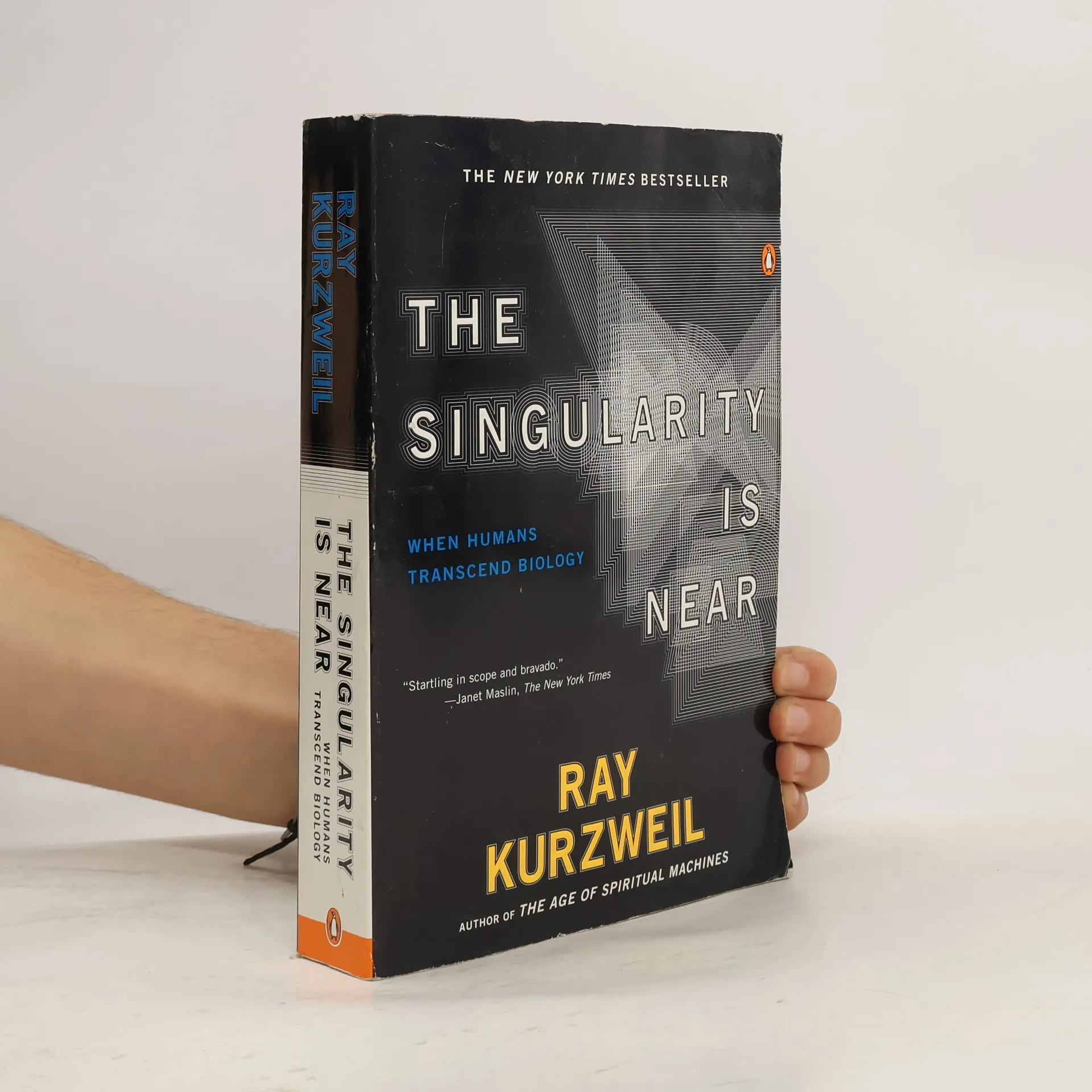
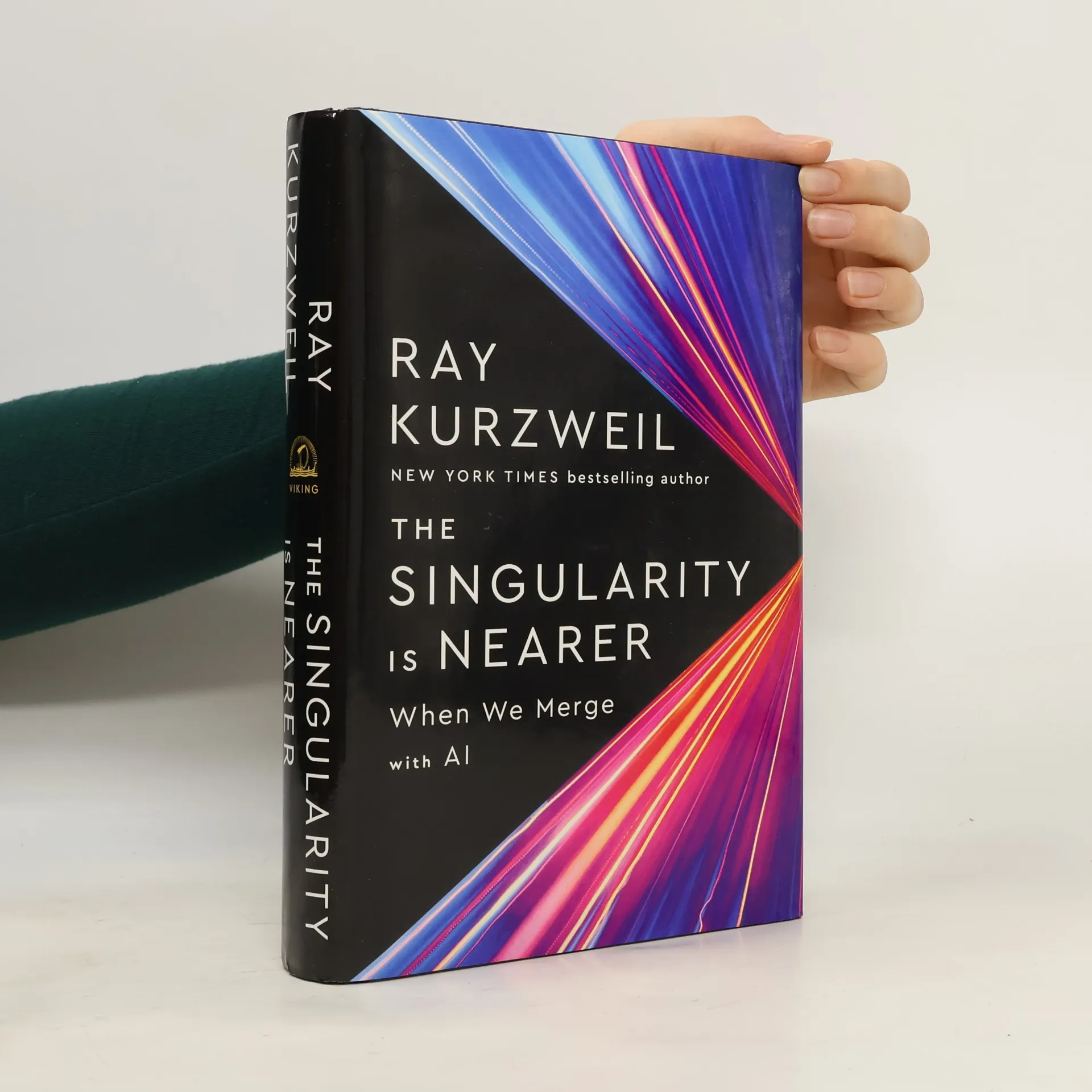
The noted inventor and futurist’s successor to his landmark work explores how technology will transform humanity in the coming decades. Since its release in 2005, the vision of an exponential future has sparked a global movement, with Kurzweil's predictions about technological advancements largely realized, as concepts like AI and biotechnology have become mainstream. In this new work, Kurzweil offers a fresh perspective on the journey toward the Singularity, reassessing his 1999 prediction that AI will achieve human-level intelligence by 2029. He discusses the exponential growth of technology poised to enhance human intelligence a millionfold and revolutionize life. Key topics include rebuilding the world atom by atom with nanobots, radical life extension beyond 120 years, and connecting our brains to the cloud. He highlights how exponential technologies are driving innovation across industries and improving well-being by reducing poverty and violence, alongside advancements in renewable energy and 3-D printing. Kurzweil also addresses the potential dangers of biotechnology, nanotechnology, and AI, exploring controversial issues like AI's impact on jobs and the safety of autonomous vehicles, as well as "After Life" technology aimed at virtually reviving the deceased. This work represents the culmination of six decades of research on artificial intelligence and Kurzweil’s significant contribution to the narrative of this trans
Spiritualities, ethics, and implications of human enhancement and artificial intelligence
- 304 stránek
- 11 hodin čtení
Exploring the intersection of spirituality and ethics, this volume delves into critical questions surrounding human enhancement and artificial intelligence. Contributors examine the implications of technological advancements on human identity, addressing topics such as the limits of biological improvement, the nature of AI personhood, and the spiritual dimensions of artificial intelligence. With insights from both established and emerging thinkers, the book offers a comprehensive look at the ethical landscape of our evolving relationship with technology and its impact on humanity.
Danielle
- 472 stránek
- 17 hodin čtení
Novel tells the story of a precocious young girl who uses her intelligence and accelerating technology to solve humanity's grandest challenges. Now if only we can find more courageous visionaries like Danielle. Written as an alternative history, Danielle's journey as a driven young girl brings her face to face with many important figures from recent history and our modern world. Told through the eyes of Danielle's equally remarkable sister Claire, a girl adopted from Haiti after surviving the earthquake, this story shows all readers a hopeful vision of humanity's future - and how to achieve it. The novel features 24 graphic novel style illustrations, one for each year of Danielle's life. Accompanying the novel are two nonfiction companion books by the author. How You Can Be a Danielle is a call to action, providing pragmatic, thought-provoking and clear guidance on how readers can be inspired to emulate Danielle and help bring about a better world. A Chronicle of Ideas: A Guide for Superheroines (and Superheroes) provides Kurzweil's and Danielle's unique spin on 282 concepts presented in the novel. Publisher
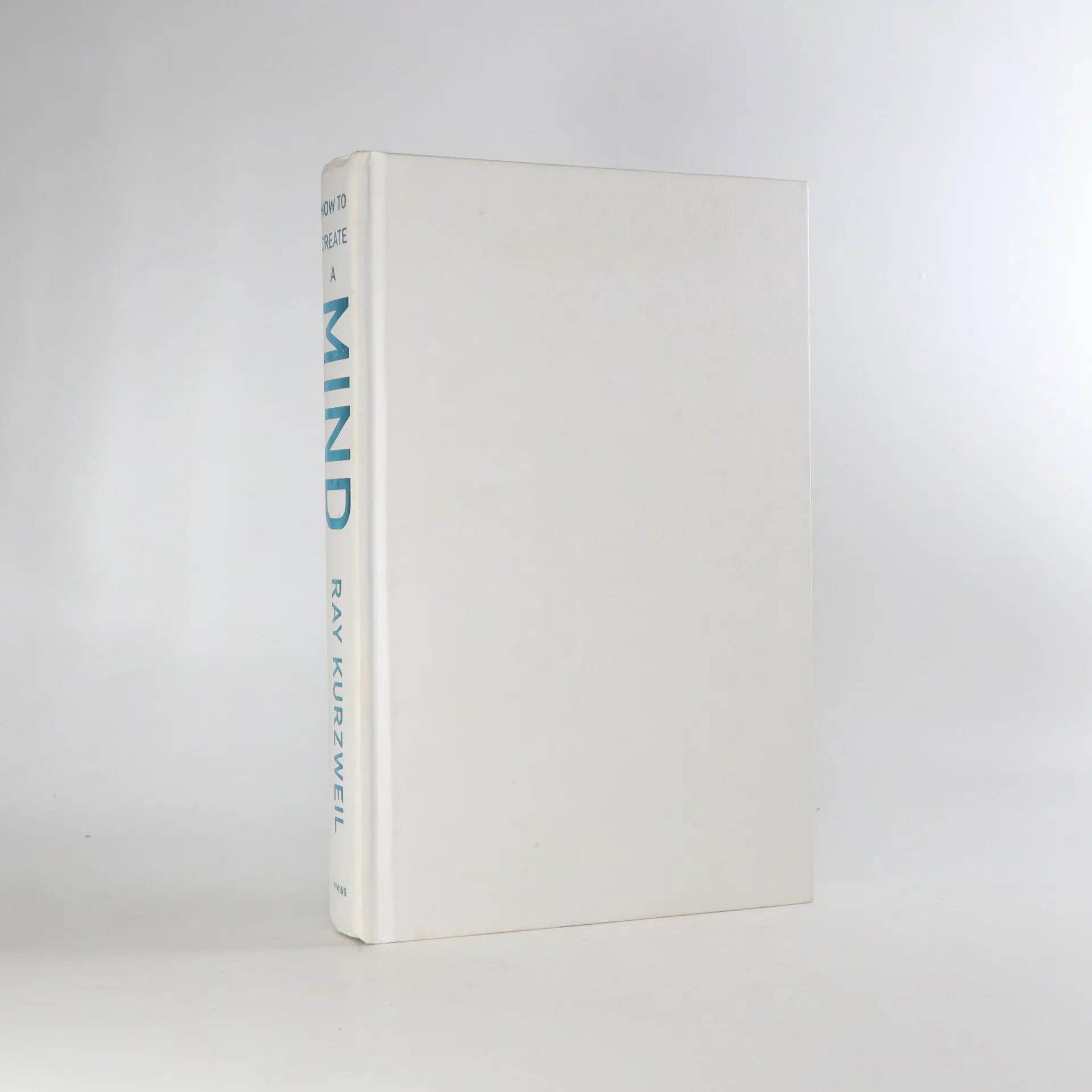
NEW YORK TIMES BESTSELLER • The bold futurist and renowned author of The Singularity Is Near explores the limitless potential of reverse-engineering the human brain. “This book is a Rosetta Stone for the mystery of human thought.”—Martine Rothblatt, chairman and CEO, United Therapeutics, and creator of Sirius XM Satellite Radio “Kurzweil’s vision of our super-enhanced future is completely sane and calmly reasoned, and his book should nicely smooth the path for the earth’s robot overlords, who, it turns out, will be us.”—The New York Times In How to Create a Mind, Ray Kurzweil presents a provocative exploration of the most important project in human-machine civilization: reverse-engineering the brain to understand precisely how it works and using that knowledge to create even more intelligent machines. Kurzweil discusses how the brain functions, how the mind emerges, brain-computer interfaces, and the implications of vastly increasing the powers of our intelligence to address the world’s problems. He also thoughtfully examines emotional and moral intelligence and the origins of consciousness and envisions the radical possibilities of our merging with the intelligent technology we are creating. Drawing on years of advanced research and cutting-edge inventions in artificial intelligence, How to Create a Mind is an incredible synthesis of neuroscience and technology and provides a road map for the future of human progress.
Rare book
“Startling in scope and bravado.” —Janet Maslin, The New York Times“Artfully envisions a breathtakingly better world.” — Los Angeles Times“Elaborate, smart and persuasive.” — The Boston Globe“A pleasure to read.” — The Wall Street JournalOne of CBS News ’s Best Fall Books of 2005 • Among St Louis Post-Dispatch ’s Best Nonfiction Books of 2005 • One of Amazon.com’s Best Science Books of 2005A radical and optimistic view of the future course of human development from t he bestselling author of How to Create a Mind and The Singularity is Nearer who Bill Gates calls “the best person I know at predicting the future of artificial intelligence”For over three decades, Ray Kurzweil has been one of the most respected and provocative advocates of the role of technology in our future. In his classic The Age of Spiritual Machines , he argued that computers would soon rival the full range of human intelligence at its best. Now he examines the next step in this inexorable evolutionary the union of human and machine, in which the knowledge and skills embedded in our brains will be combined with the vastly greater capacity, speed, and knowledge-sharing ability of our creations.
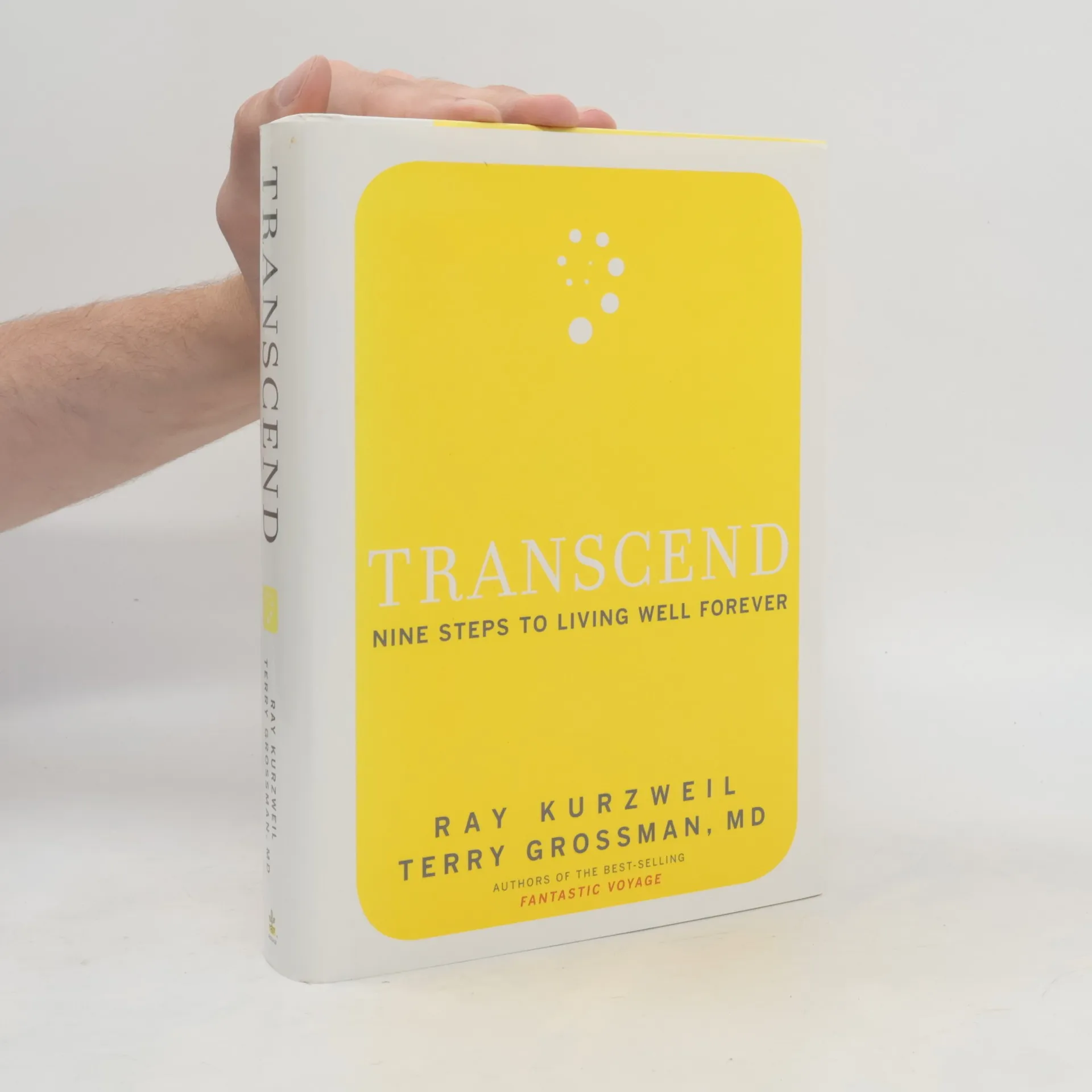
Žijte tak dlouho, abyste mohli žít navždy V této knize její autoři spojili své síly, aby se zabývali úžasným přínosem slibného vývoje lékařské vědy pro lidské zdraví a délku života i tím, co můžete udělat už dnes, abyste plně využili tohoto překvapivého pokroku. Kurzweil a Grossman citují výsledky vědeckých výzkumů, které znějí stejně radikálně jako science fiction. Nabízejí svůj program zaměřený na zpomalení procesu stárnutí a nemocí, který vám umožní dožít se v dobrém zdraví a duševní pohodě doby, kdy budou dostupné technologie, jež maximálně prodlouží lidský život a současně jej obohatí. Tento most do budoucnosti umožní těm, kdo mají zájem, najít cestu z tohoto století do století příštího....i dál.
Homo s@piens
- 509 stránek
- 18 hodin čtení
Die ultimative Denkmaschine, deren Vorhersagen für die Zukunft verblüffend, provokant und näher an der Verwirklichung sind, als man denken könnte, wirft einen ernsthaften und überraschenden Blick auf die Zukunft, der wie großartige Science-Fiction wirkt und einen Rahmen für die Vorstellung des 21. Jahrhunderts bietet. Illustrationen und Diagramme.
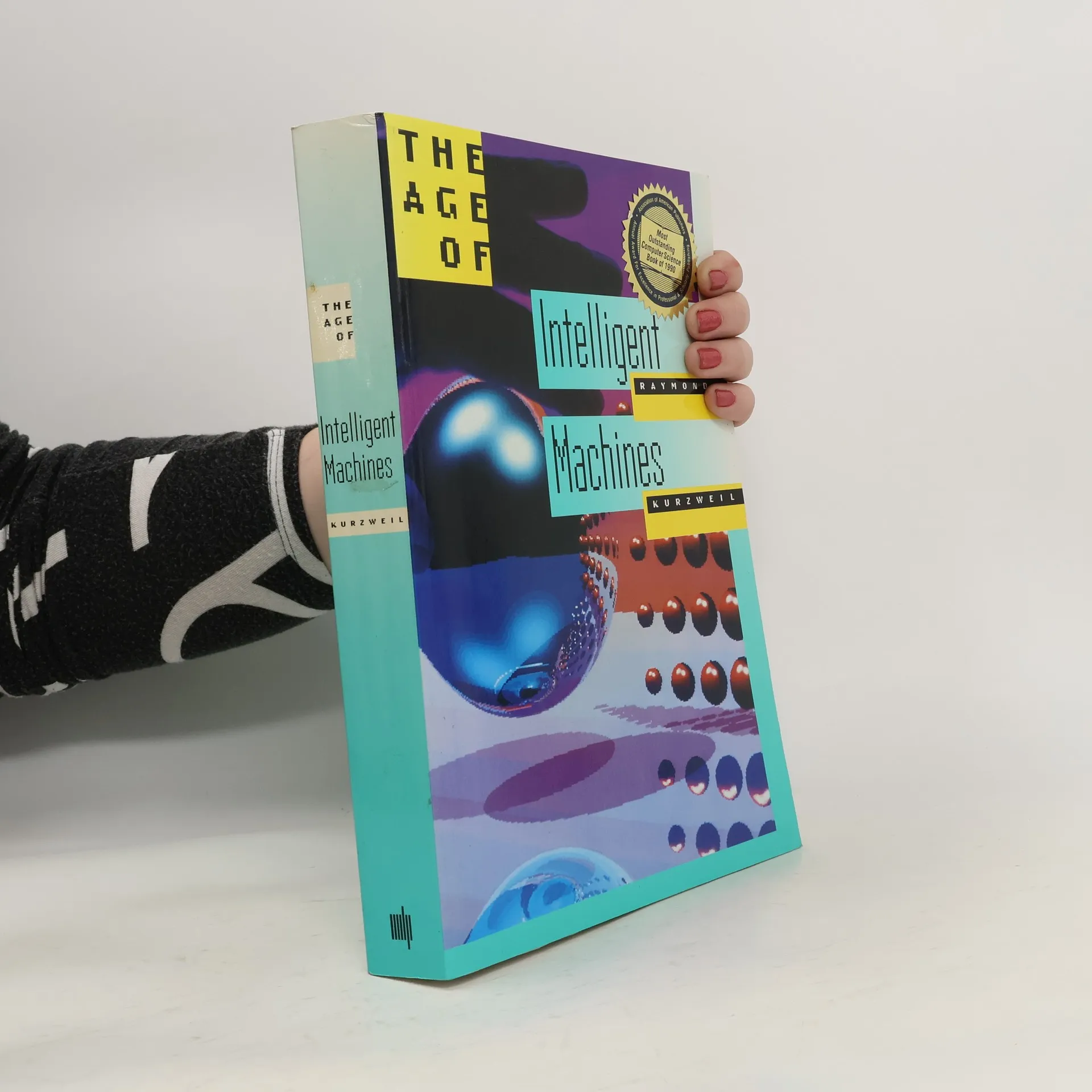
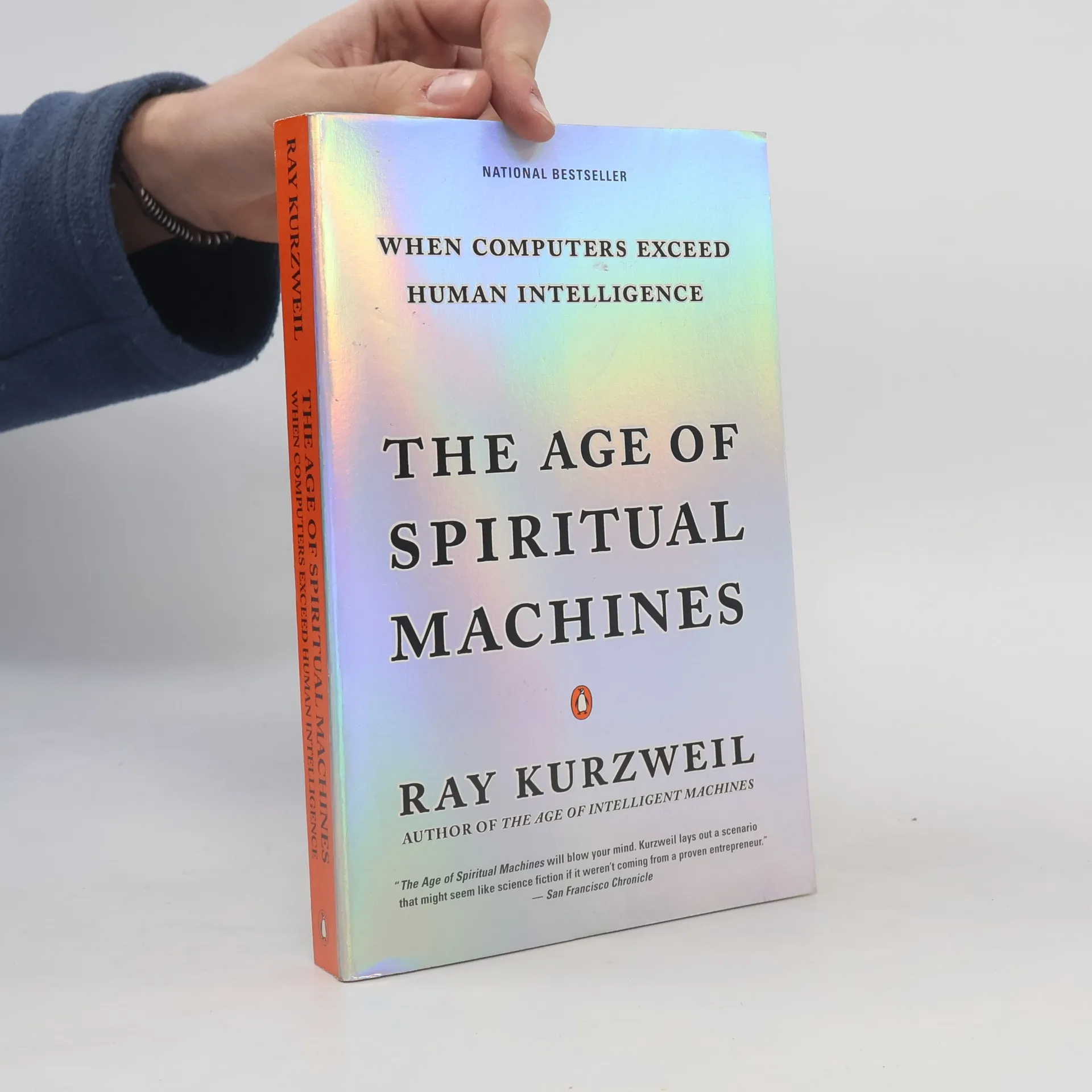
Ray Kurzweil is the inventor of the most innovative and compelling technology of our era, an international authority on artificial intelligence, and one of our greatest living visionaries. Now he offers a framework for envisioning the twenty-first century--an age in which the marriage of human sensitivity and artificial intelligence fundamentally alters and improves the way we live. Kurzweil's prophetic blueprint for the future takes us through the advances that inexorably result in computers exceeding the memory capacity and computational ability of the human brain by the year 2020 (with human-level capabilities not far behind); in relationships with automated personalities who will be our teachers, companions, and lovers; and in information fed straight into our brains along direct neural pathways. Optimistic and challenging, thought-provoking and engaging, The Age of Spiritual Machines is the ultimate guide on our road into the next century.
Inhaltsübersicht: Teil I. Die Vergangenheit unter der Lupe, Teil II. Die Vorbereitung der Gegenwart, Teil III: Blick in die Zukunft
Comparing the human brain with so-called artificial intelligence, the author probes past, present, and future attempts to create machine intelligence


![Homo sαpiens [sαpiens]](https://rezised-images.knhbt.cz/1920x1920/90155326.webp)