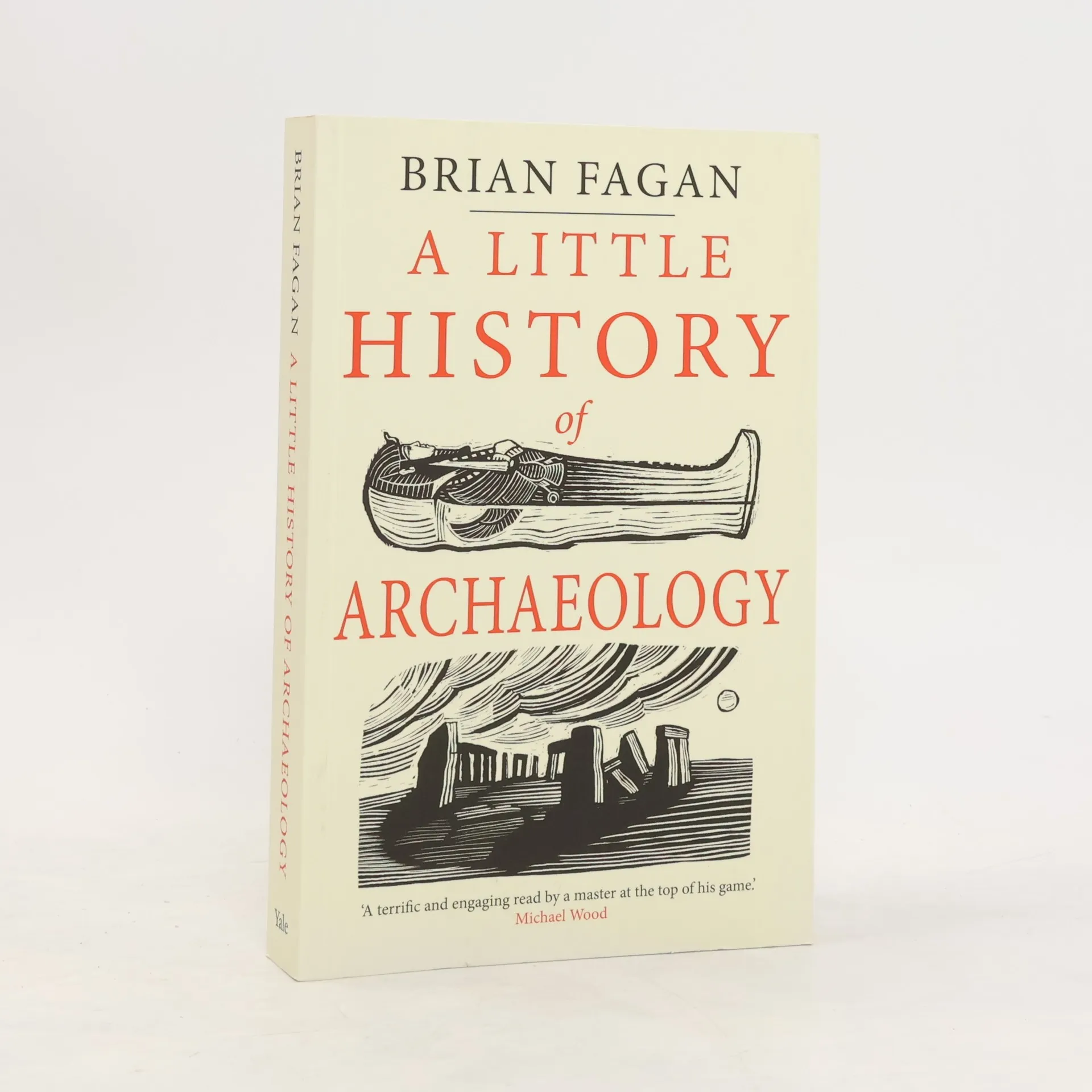
Brian Fagan je archeolog a antropolog, jehož práce se zaměřuje na široké otázky lidské prehistorie. Ve svých knihách, které jsou přístupné i pro laiky, spojuje tradiční kulturní historii s novějšími přístupy. Jeho psaní vyniká schopností vytvářet poutavé historické vyprávění z archeologických dat a zdrojů z jiných oborů. Fagan je také známý svým důrazem na multidisciplinární přístupy a svou snahou zpřístupnit archeologii široké veřejnosti prostřednictvím přednášek a médií.
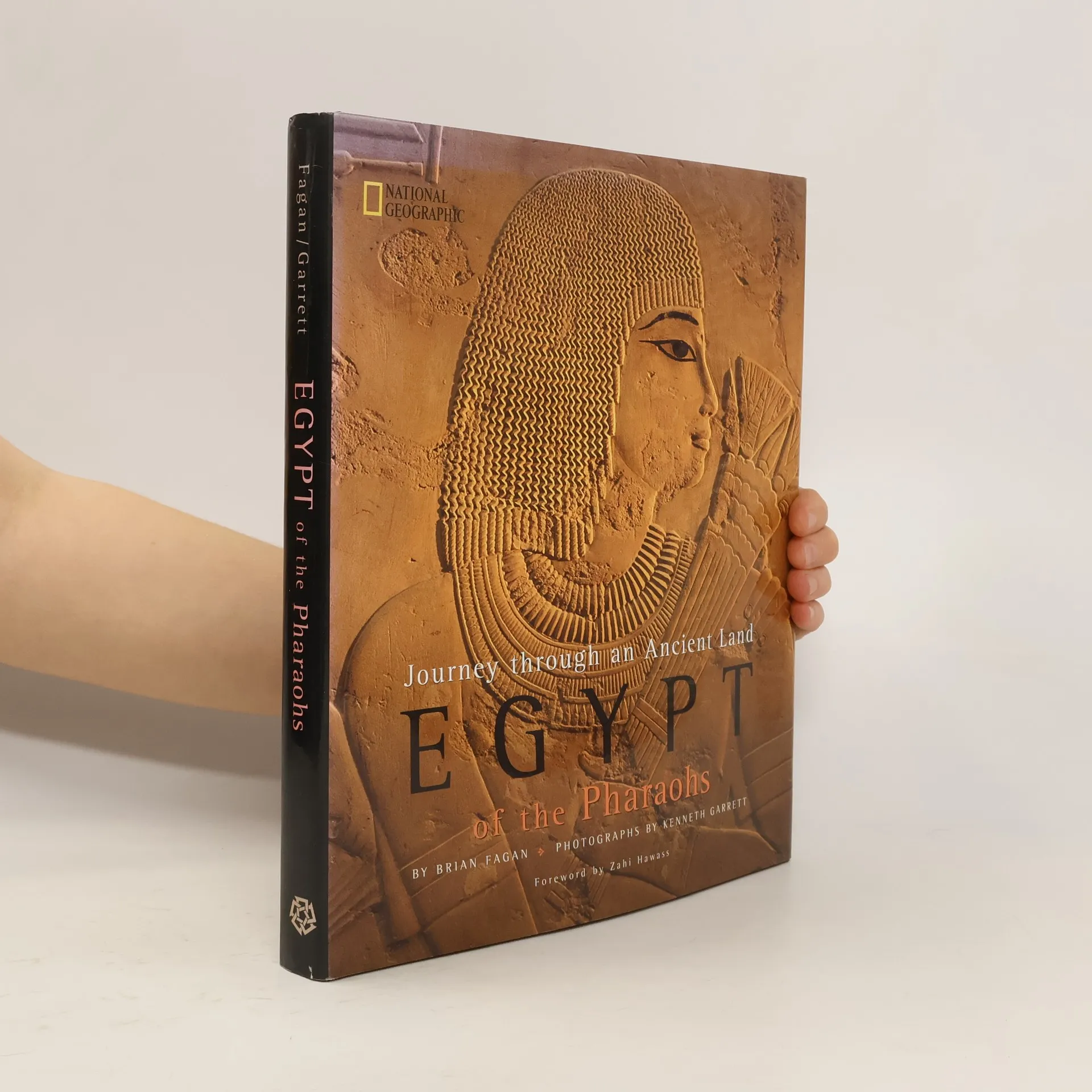
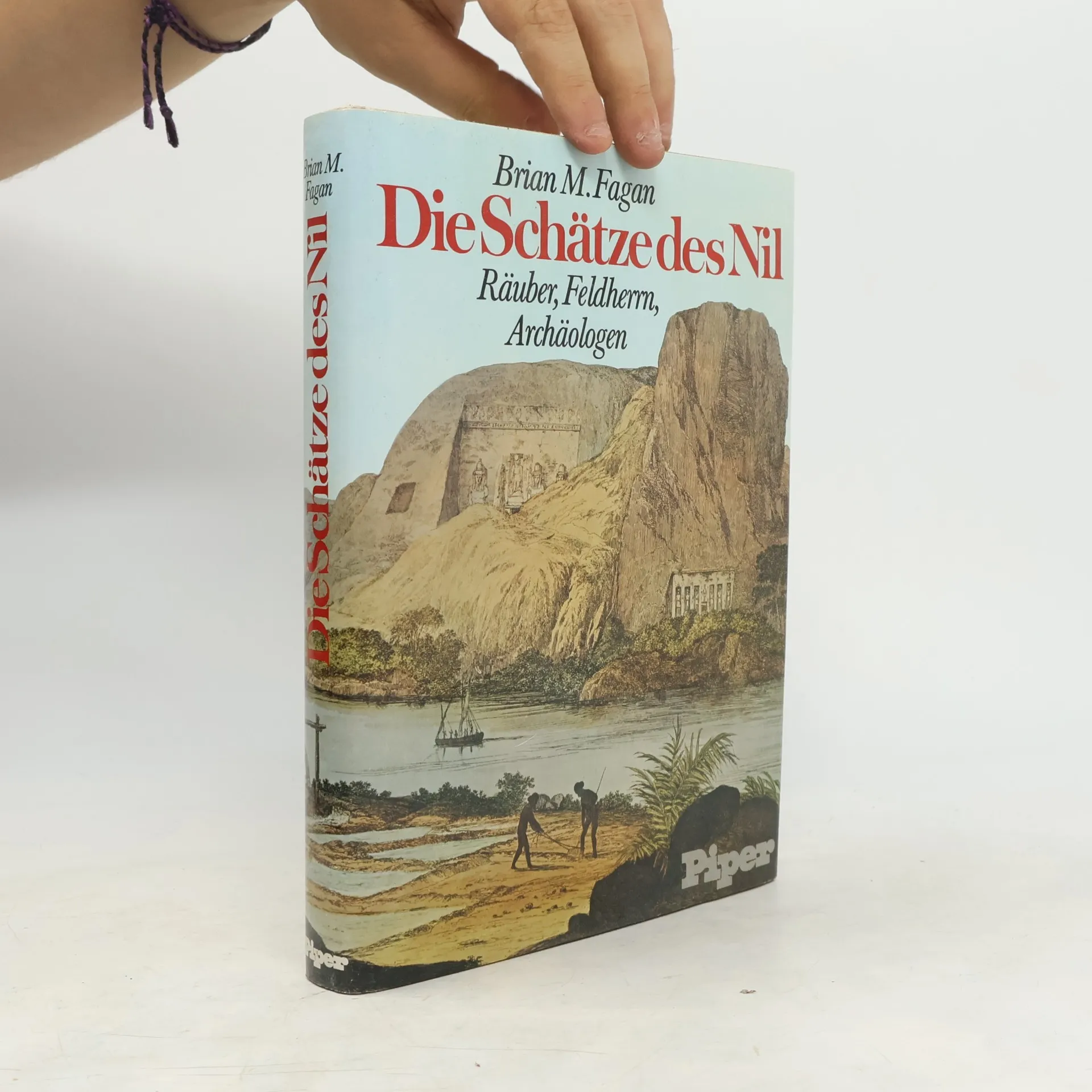
Památky starého Egypta byly předmětem širokého zájmu už od starověku a zůstaly jím dodnes. Autor představuje čtenářům první cestovatele, amatérské archeology, ctižádostivé sběratele i seriózní zájemce o tajemnou civilizaci na Nilu. Poutavě a barvitě vypráví o dobrodružstvích těchto průkopníků egyptologie, o jejich často nevybíravých metodách i o pohnutých osudech řady památek, jež jsou dnes chloubou velkých evropských muzeí.
Kniha se zabývá širokou škálou záhad lidských dějin ze všech koutů světa. Snaží se najít postavy, místa a události skryté v mýtech a legendách starověku.
Kniha ukazuje, jak zásadně podnebí ovlivňovalo dějiny během malé doby ledové, tedy přibližně mezi 14. a 19. stoletím. Spolu s nenadálými sopečnými erupcemi stály klimatické výkyvy v pozadí četných ekonomických, sociálních i politických změn, kupříkladu Francouzské revoluce. Díky pokročilému výzkumu můžeme bohatě čerpat z minulosti, abychom přesněji předpovídali vliv globálního oteplování na lidskou společnost v budoucnosti.
Nazrite pod perinu fascinujúcich dejín postele
V tejto pútavej knihe sa Brian Fagan a Nadia Durrani venujú nekonečne rozmanitej úlohe postele v dejinách ľudstva. Posteľ bola miestom, kde sa nielen spalo, ale aj umieralo, milovalo, rodilo, rozprávali sa príbehy a konali spoločenské aktivity. Kto robil čo, s kým, prečo a ako sa v závislosti od doby a miesta neuveriteľne líšilo.
Ľudovít XIV. vládol Francúzsku z postele. Winston Churchill riadil počas druhej svetovej Britániu z tej svojej. Pocestní si bežne líhali spať s úplne cudzími ľuďmi a v mnohých domácnostiach sa o postele delili celé rodiny. Postele boli drahocenné a často boli vystavované na obdiv – Tutanchamóna pochovali na zlatej posteli a bohatí Gréci odchádzali do podsvetia na honosných ležadlách. Posteľ sa na súkromné, skryté miesto zmenila až v modernej dobe a na jej bohatú spoločenskú históriu sa do veľkej miery zabudlo.
A gripping account of 200 years of archaeological research, excavation and thought, told through the life stories of 70 of the world's greatest pioneers and practitioners. Brian Fagan has assembled a team of some of the world's greatest living archaeologists to write knowledgeably and entertainingly about their distinguished predecessors. Full of fascinating anecdotes, personal accounts and unexpected insights, this comprehensively illustrated book encompasses more than two centuries of research and excavation round the globe. Controversial figures such as Heinrich Schliemann of Troy fame, and Aurel Stein, plunderer of ancient manuscripts from Central Asia, are reassessed. Little-known pioneers - for example, Max Uhle in Peru and Li Chi in China - are set beside the giants in the field: Lepsius, Mariette and Carter in Egypt; Koldewey, Dörpfeld and Woolley in the Near East; Stephens and Catherwood, discoverers of the Maya of Mexico; and Louis and Mary Leakey, who transformed knowledge of our African ancestry. Other indomitable women here include Gertrude Bell, explorer of Arabia and Iraq, Kathleen Kenyon, the excavator of Jericho, and the script-decipherer Tatiana Proskouriakoff.
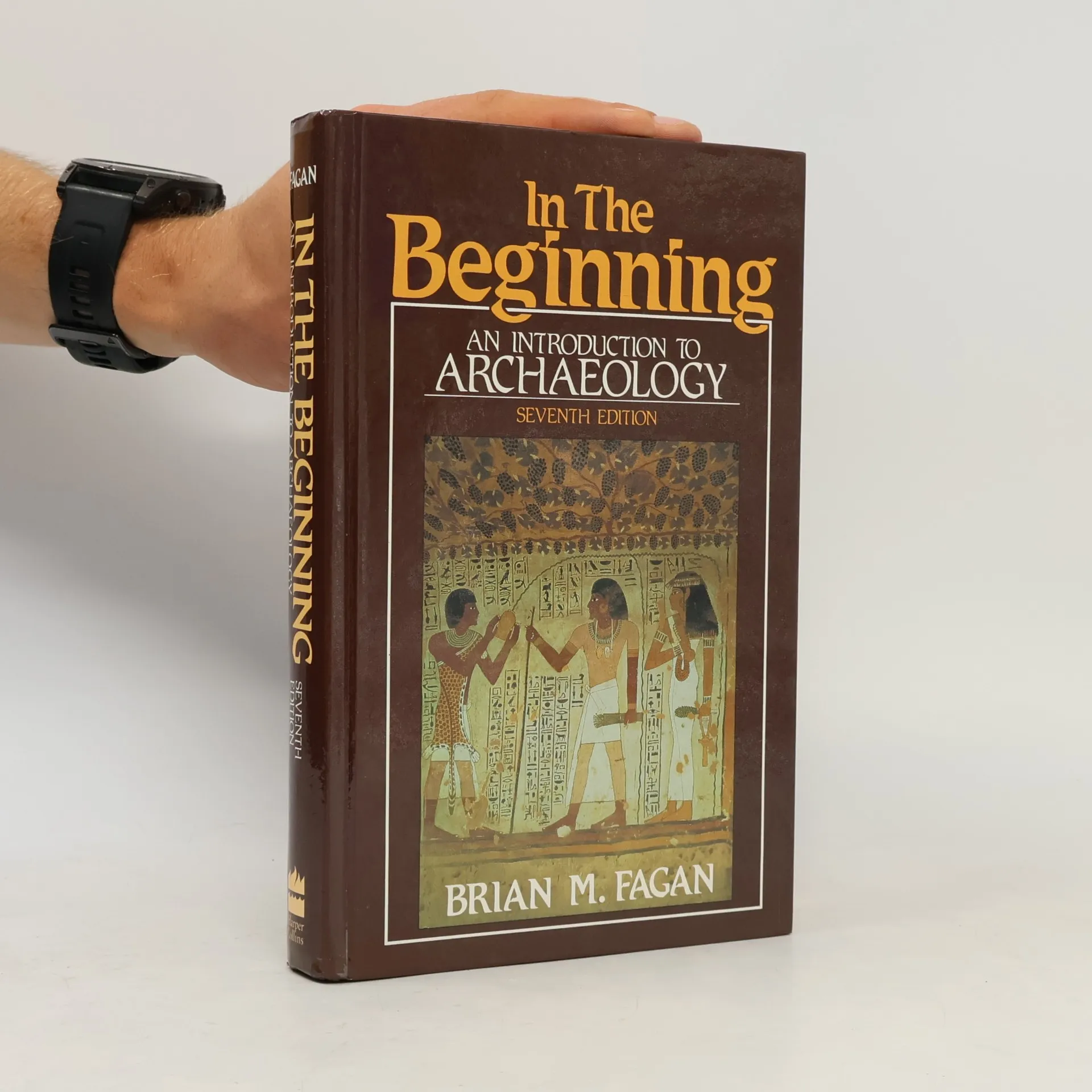
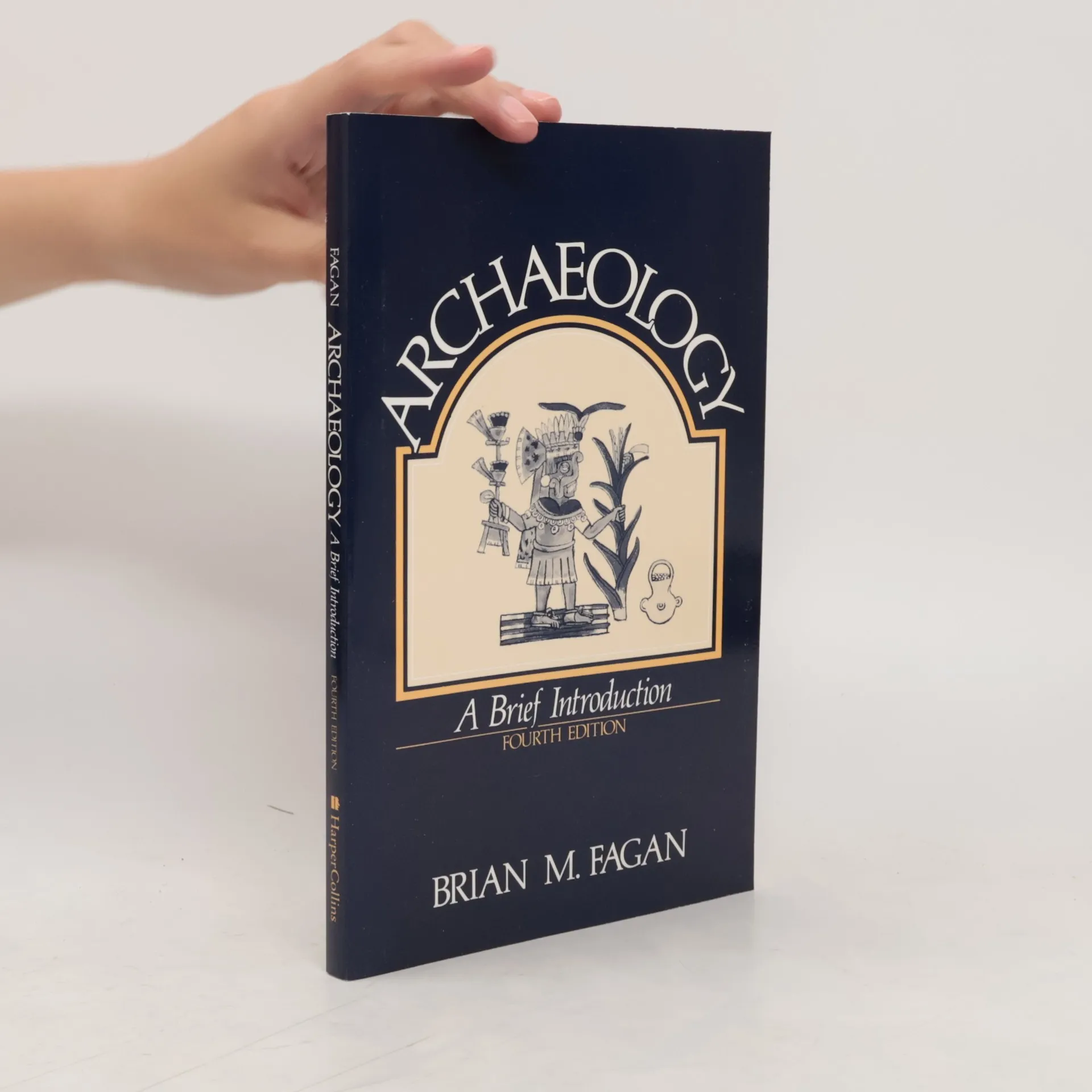
Focusing on fundamental principles, the book outlines essential methods and theoretical approaches in archaeology. Written in a clear and engaging style, it minimizes technical jargon, making the content accessible. The global perspective enriches the reader's understanding of archaeological practices and concepts, making it suitable for both novices and those interested in the discipline.
Brief and highly engaging, this introduction to the fundamental principles of method and theory in archaeology begins with the goals of archaeology, then goes on to consider the basic concepts of culture, time, and space, and the finding and excavation of archaeological sites.
Fagan (Emeritus, Anthropology/Univ. of California, Santa Barbara; The
Attacking Ocean: The Past, Present, and Future of Rising Sea Levels , 2013,
etc.) brings consummate skill to this frequently horrifying study of
humanity's interaction with animals . . . His analysis, however, is sound, the
product of an accomplished archaeological and anthropological background.
Though reminding us of the cruelties still visited upon animals and insisting
that we respect them anew--not merely as pets or idealized creatures of the
wild--Fagan offers no resolutions to our conflicting attitudes toward them,
but his compelling, cohesive book calls for further enlightenment. starred
review, Best Books of 2015 Kirkus
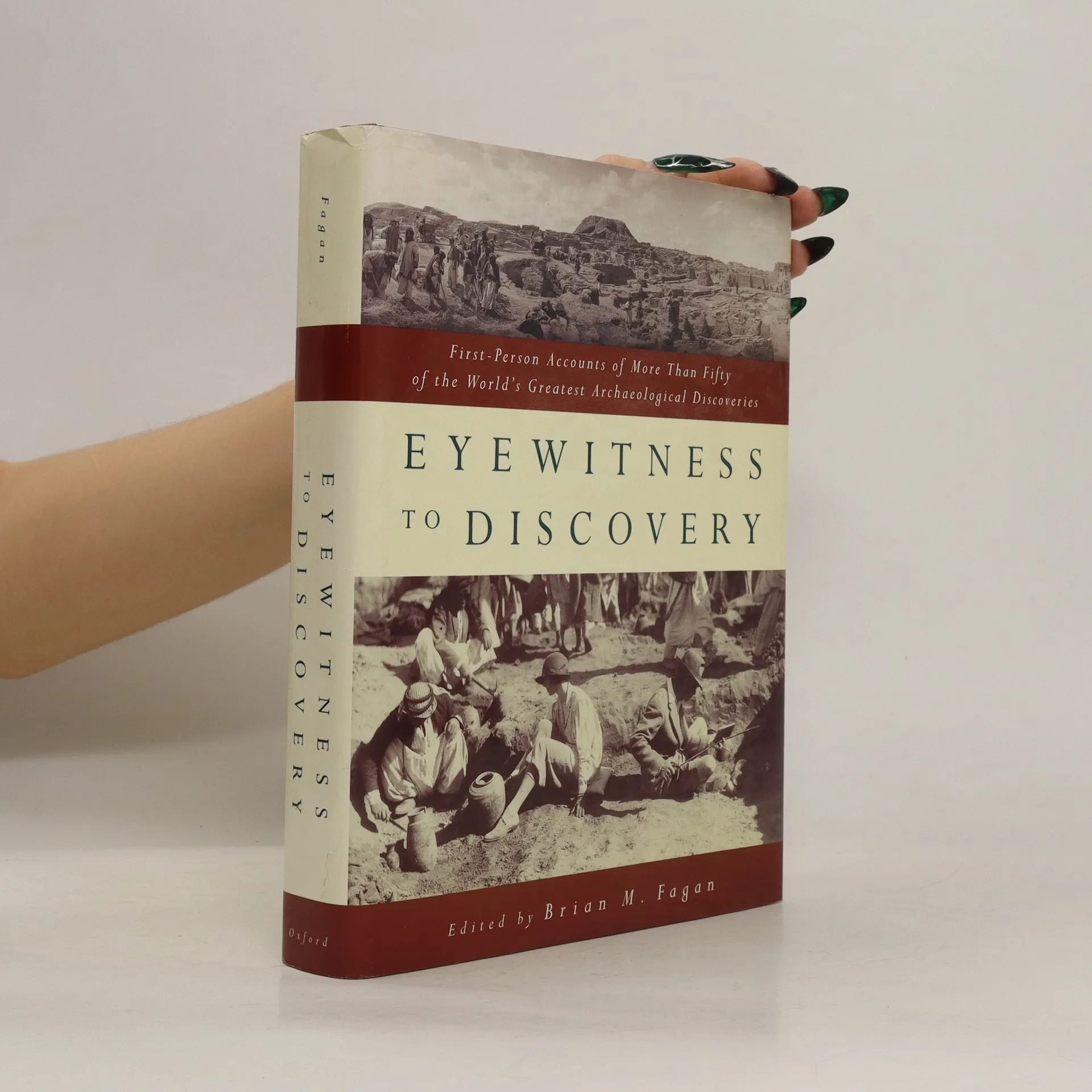
In Eyewitness to Discovery, Brian M. Fagan gathers together 55 vivid accounts of the world's greatest archaeological discoveries, from the tomb of Tutankhamun and the Aegean Marbles to Otzi the Iceman and Macchu Picchu, told by the people who discovered them. The selections chronicle the development of the field, from the early 1700s when archaeology was little more than a lighthearted treasure hunt, to the late twentieth century when discoveries often come not only from spectacular excavations, but also from the screens of computers or from the analysis of pollen grains invisible to the naked eye. Fagan provides engaging, informative introductions to each selection, as well as an introduction to the volume that lays out the history of archaeology. . But the heart of the book is the excitement of the discoveries themselves.
Global in perspective and covering over four million years of history, this accessible volume provides a chronological account of both the development of the human race and the order in which modern societies have made discoveries about their ancient past. Beginning deep in prehistory, it takes in all the great archaeological sites of the world as it advances to the present day. A masterful combination of succinct analysis and driving narrative, Archaeology: The Whole Story also addresses the questions that inevitably arise as we gradually learn more about the history of our species: what are we? Where did we come from? What inspired us to start building, writing and all the other activities that we traditionally regard as exclusively human? A concluding section explains how we know what we know: for example, how seventeen prehistoric shrines were discovered around Stonehenge using magnetometers, ground-penetrating radars, and 3D laser scanners; and how DNA analysis enabled us to identify some bones discovered beneath a car park in Leicester as the remains of a fifteenth-century king of England.
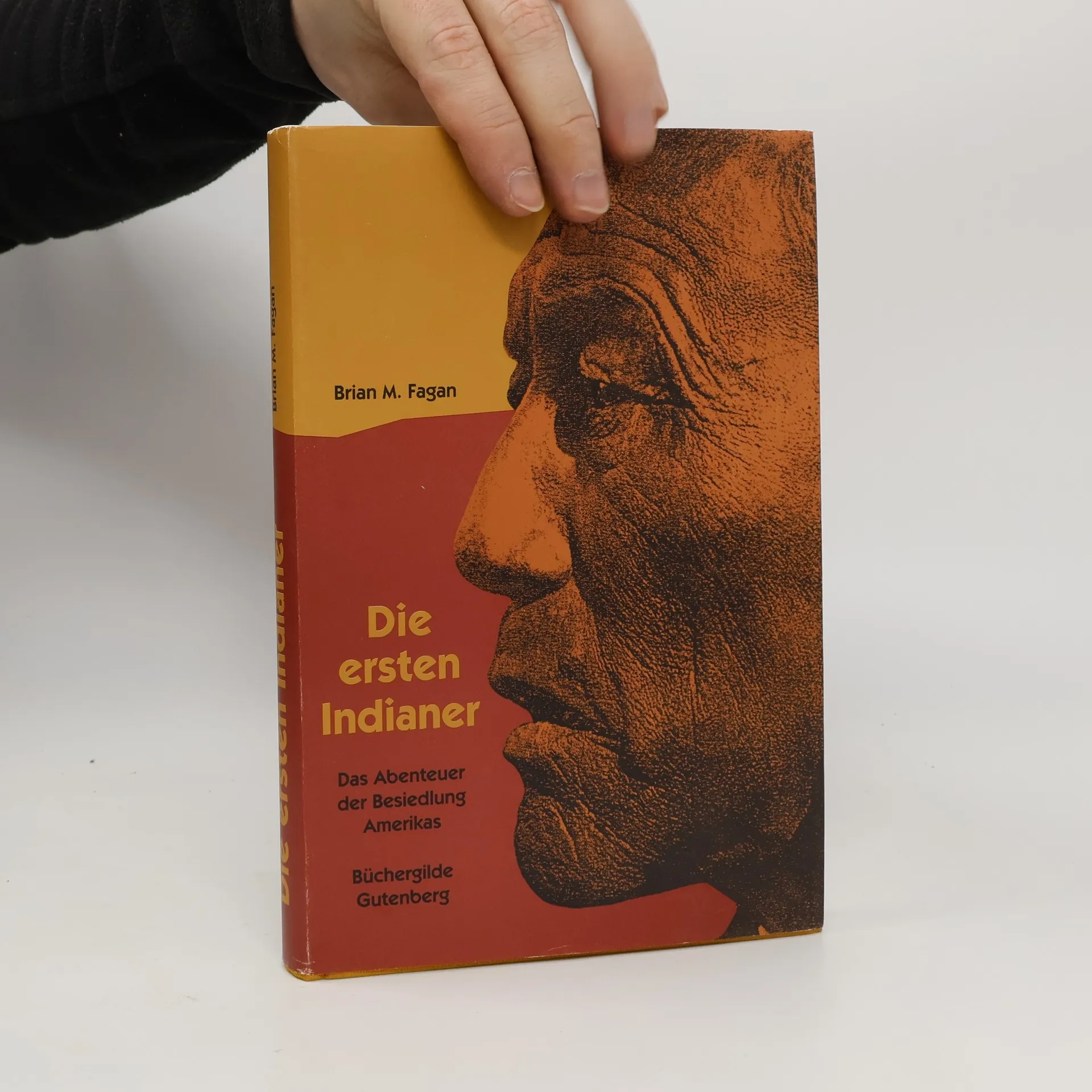
Marshalling evidence, from sources that include frozen mammoths in Siberia, sunken land bridges, and genetics, the author discusses the peopling of ancient America, analyzing the controversial questions posed by modern archaeology
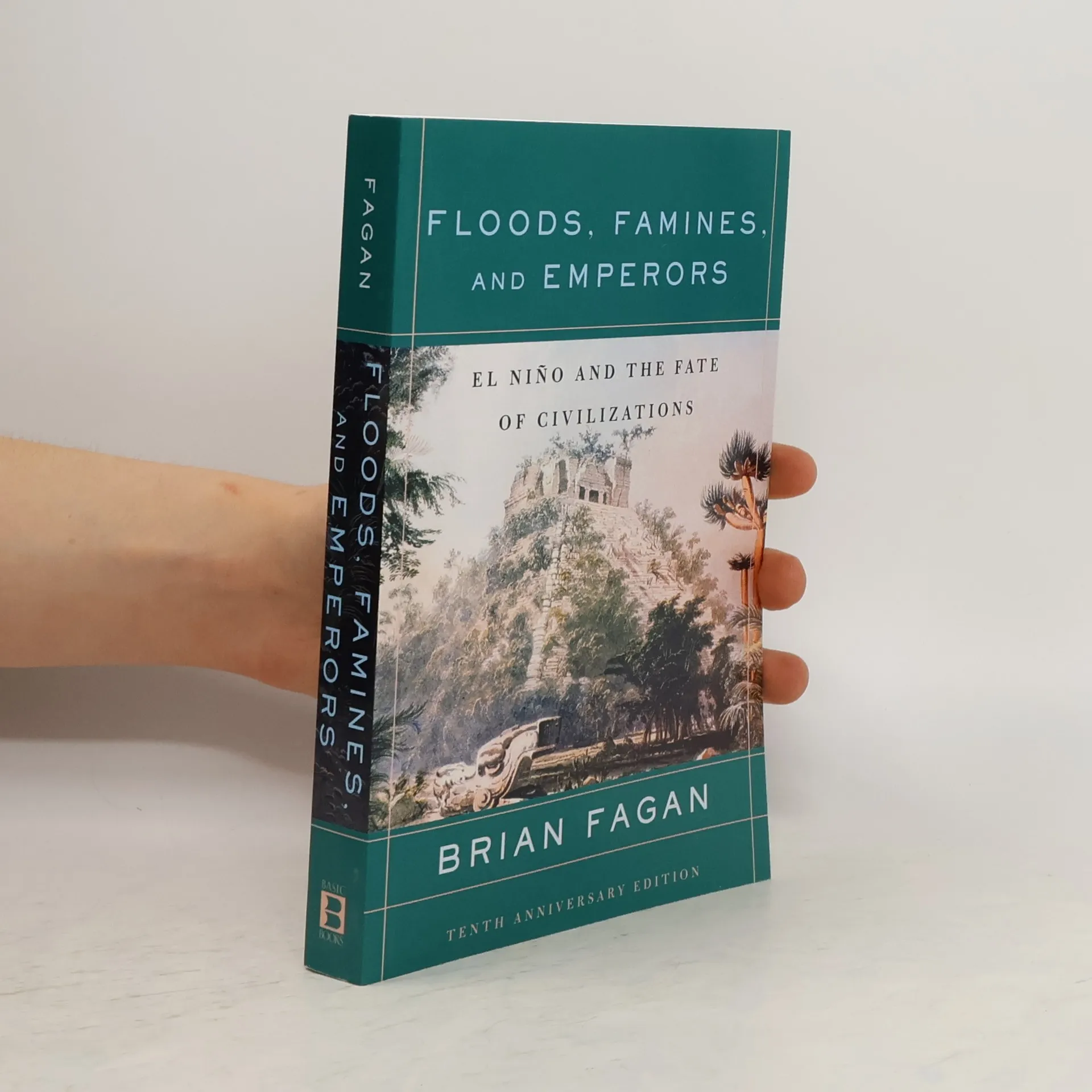
From the Publisher: In 1999, few people had thought to examine the effects of climate on civilization. Now, due in part to the groundbreaking work of archaeologist Brian Fagan, climate change is a central issue. Revised and updated ten years after its first publication, Floods, Famines and Emperors remains the definitive account of how the world's best-known climate event had an indelible impact on history.
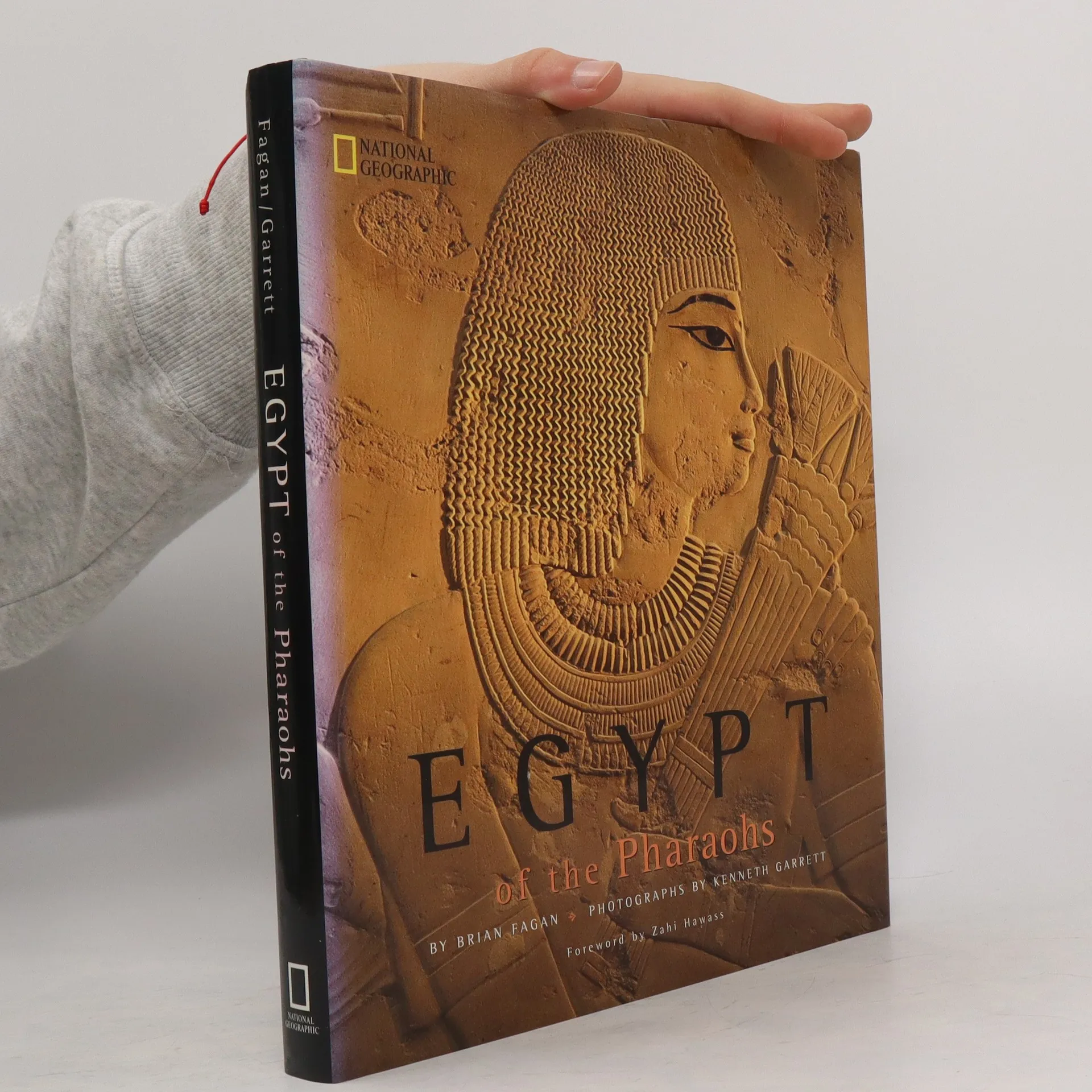
In this handsomely illustrated work, Egypt, one of mankind's oldest and most remarkable civilizations, comes alive from its beginnings about 6,000 B.C. to the height of its power and eventual dramatic decline. 160 illustrations.
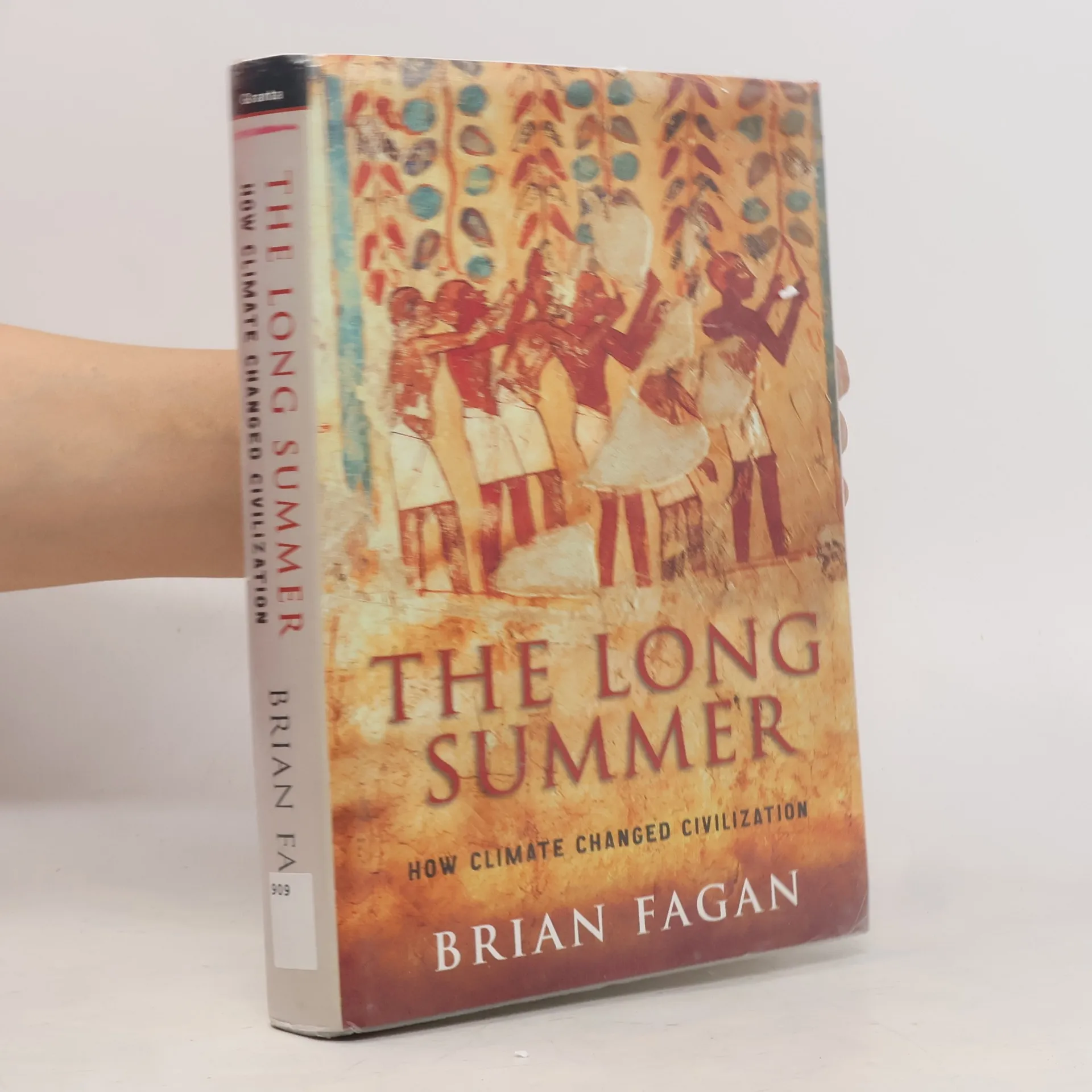
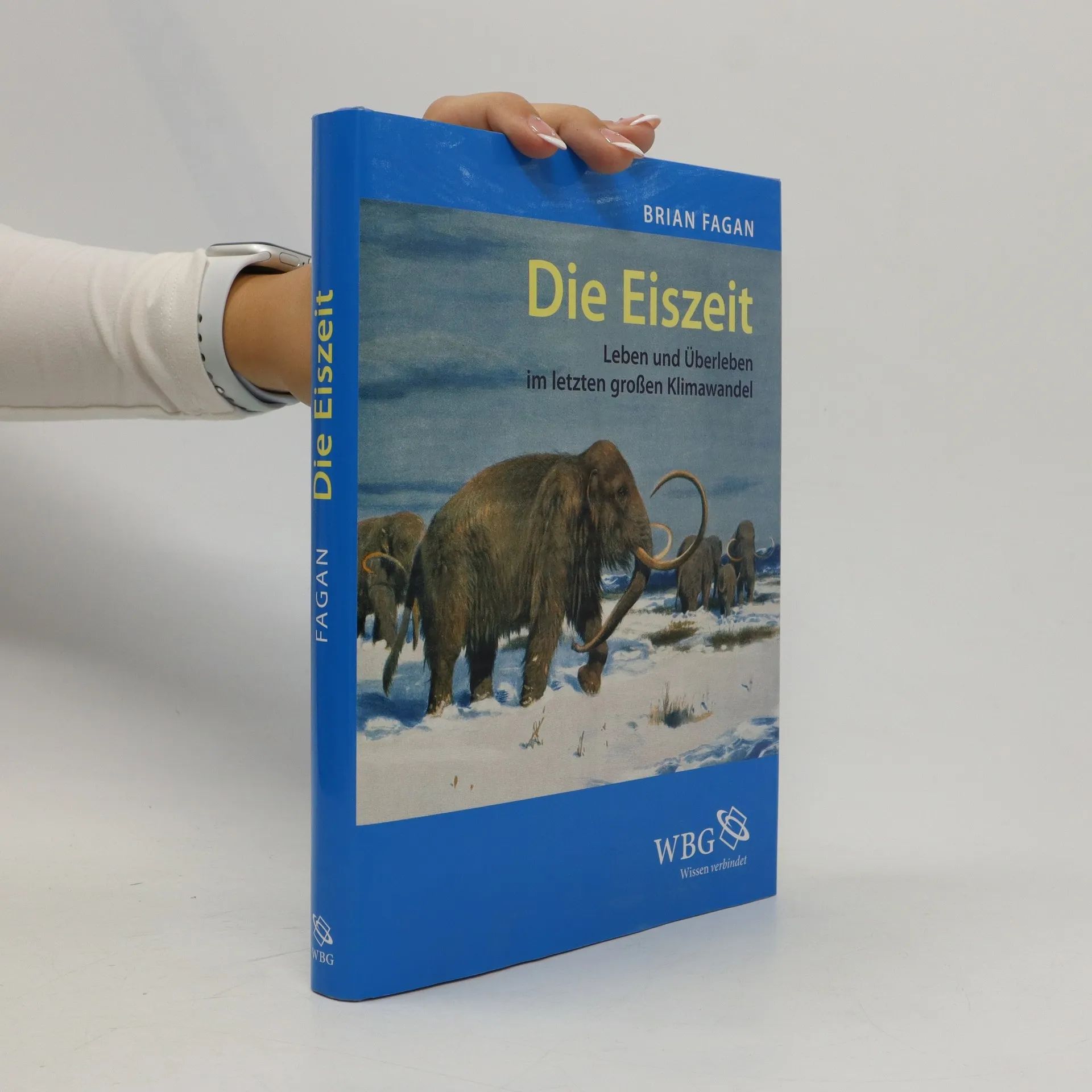
The Earth's climate has always been in flux: glacial periods and warm ones have slowly and relentlessly alternated for millennia. But the period of global warming of the last 15,000 years is without precedent, and it set the conditions which enabled civilization to arise. It is our 'long summer'. From the almost unimaginably hostile climate of the late Ice to the onset of 'Little Ice Age', which began in 1315 and lasted half a millennium, this book tells the remarkable story of how human history has been influenced by the planet's ever-changing climate. Brian Fagan deploys all the resources of the new climatology to reveal the complex interplay between human development and the weather. He shows that human beings have proved themselves to be at their most resilient and adaptable when the Earth's volatile climate has posed the greatest challenges: severe droughts in southwestern Asia, the drying of the Sahara brought cattle people to the Nile Valley with their distinctive ideas of leadership, and the ripple effects of the Medieval Warm Period had very different and profound impacts in Europe and the Americas. Confronted with such challenges, our ancestors time and again rose to meet
How Archaeologists Use Technology to Recapture the Past
288 stránek
11 hodin čtení
Today's archeologists are not treasure hunters but time detectives, utilizing advanced technology to vividly reconstruct the past from minute clues. With the focus in archeology shifting from the recovery of artifacts and antiquities to learning more about how our ancestors lived, archeologists now work in different ways. Frequently they are part of multidisciplinary teams of scientists who, for example, can reconstruct ancient diets from examination of bone collagen remains or describe millennia-old landscapes from fossilized seeds and grains. These new techniques enable us not only to better understand our past, but to better preserve it - excavations today move less earth in two years than those a couple of generations ago moved in a month. . Time Detectives takes us around the world and through more than 15,000 years of human history as we visit the sites of some of the most breathtaking and significant finds of recent years. A fascinating journey into the world of archeology today, Time Detectives shows us not only how the past can be recaptured, but how our knowledge and understanding of the past expands our vision of human experience today.
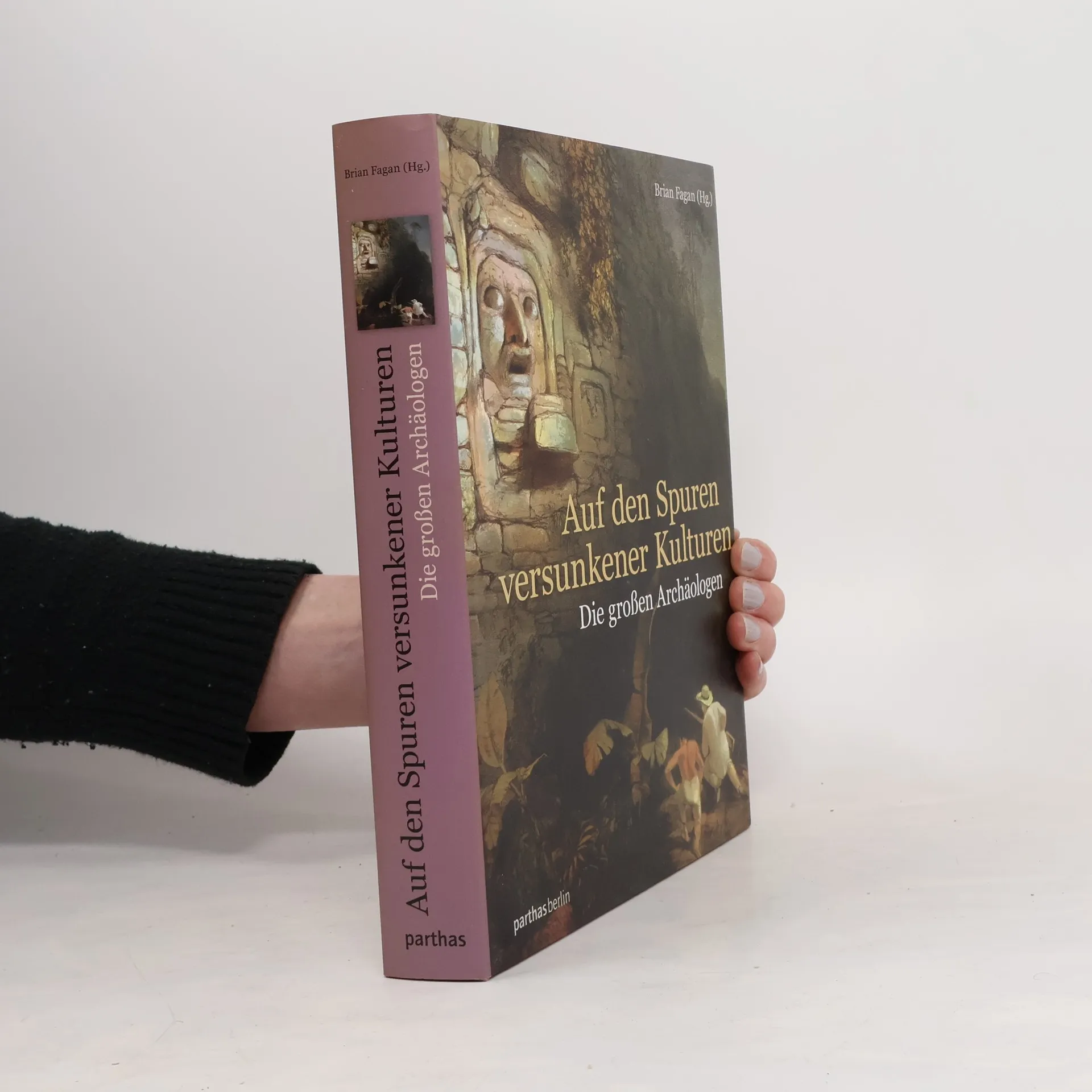
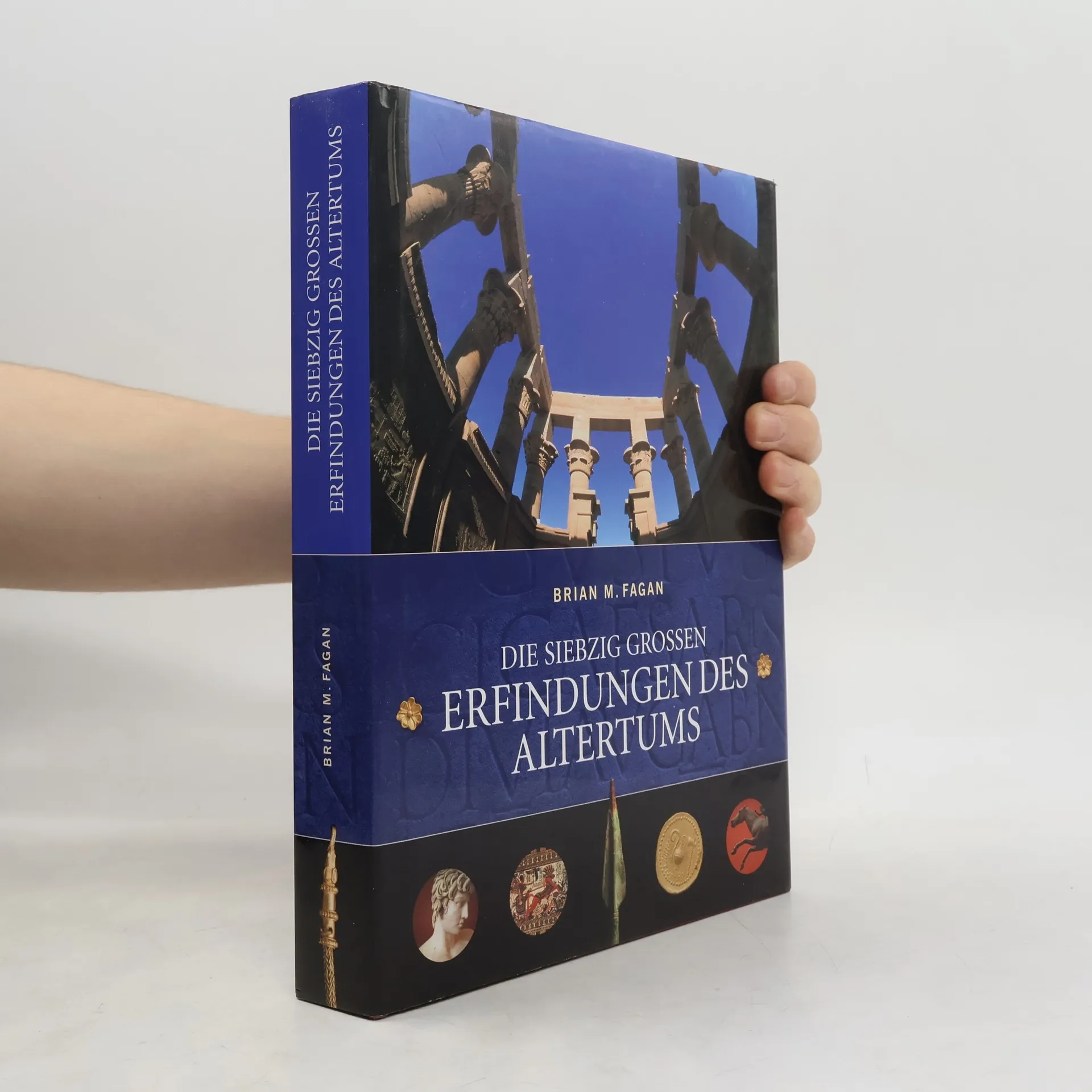
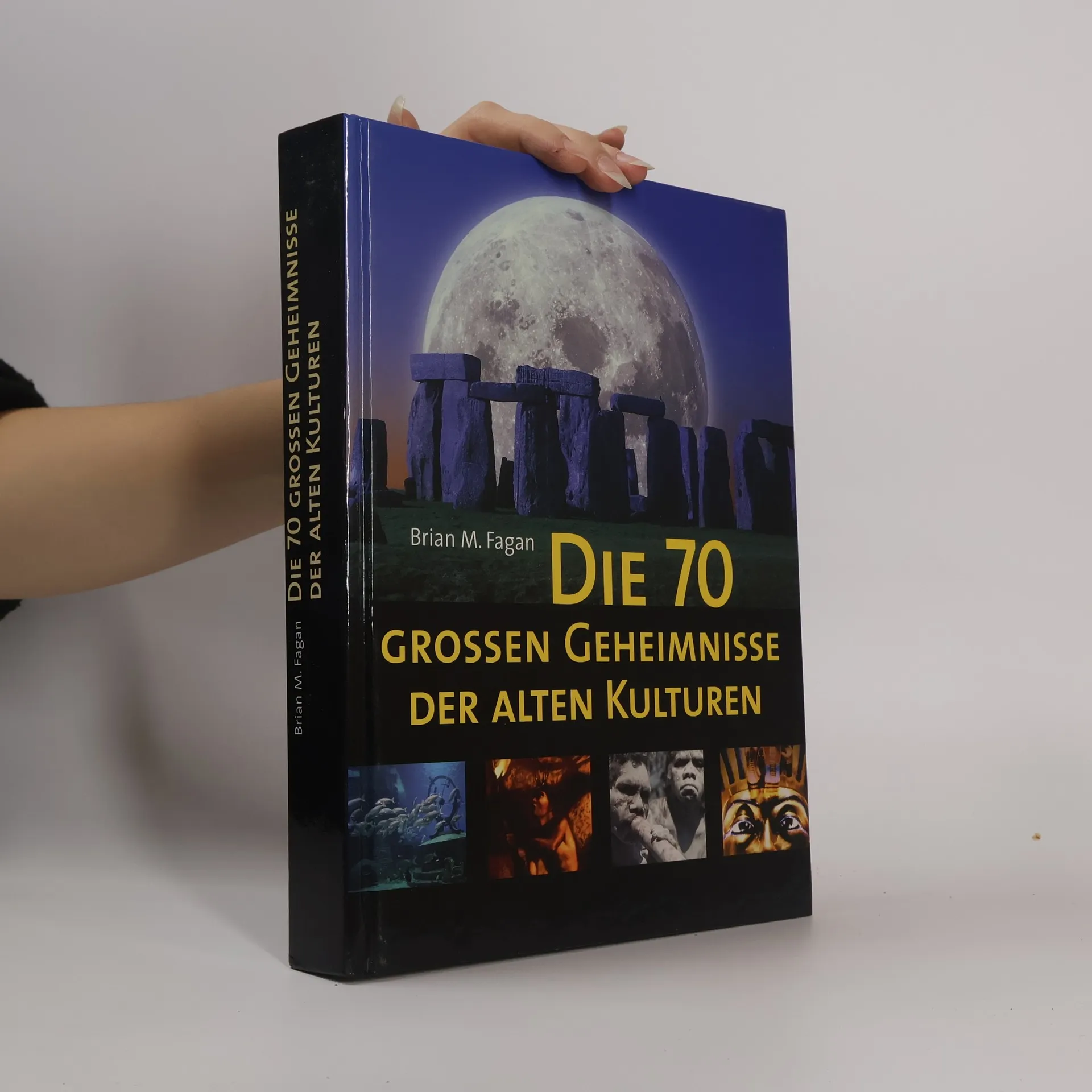
Dieser prächtig ausgestattete Bildband beleuchtet das Leben und Wirken von 70 Archäologen, die in vielfältiger Weise zu unserem heutigen Wissen über 2,5 Millionen Jahre Menschheitsgeschichte eigetragen haben. Die Entzifferung der ägyptischen Hieroglyphen durch Champollion, Heinrich und Sophia Schliemanns Ausgrabungen in Troja oder auch Howard Carters Entdeckung des Tutanchamun-Grabs gehören zu den berühmtesten in diesem Buch vorgestellten archäologischen Leistungen. Von renommierten Wissenschaftsautoren in aufschlussreicher und auch für Laien verständlicher Art und Weise verfasst, erzählen die Porträts von zahlreichen weiteren bahnbrechenden Pionierleistungen und abenteuerlichen Entdeckungsreisen um die ganze Welt. Die mitunter recht abgelegenen Fundorte und ihr archaischer Zauber werden von zahlreichen Abbildungen und historischen Aufnahmen eranschaulicht. So entsteht ein umfassendes Panorama der Geschichte der Archäologie, das dem Leser sowohl einen Eindruck vom wissenschaftlichen Fortschritt als auch von der Faszination für die frühen Hochkulturen vermittelt.
Sämtliche Zivilisationen in der Geschichte litten unter Klimainstabilitäten. Für einige der mächtigsten Hochkulturen bedeuteten sie sogar den Untergang. Was können wir daraus lernen? Meteorologie und Archäologie können heute sowohl die Klimageschichte als auch die Reaktionen der Menschen darauf im Detail nachzeichnen. Die Lektion ist klar: Die vorausschauend planenden Gesellschaften hatten die größten Überlebenschancen. Dieses Buch zeigt eindrucksvoll, wie unsere Vorfahren mit chaotischem Klima zurechtkamen und welche Strategien wir daraus ableiten können, um im Kampf für eine bessere und sichere Zukunft zu bestehen.
Die Geschichte der Menschheit ist die Geschichte ihrer Erfindungen. Seit der erste Urmensch einen Stein als Faustkeil benutzte, hat der Mensch nicht aufgehört, sich immer neue Werkzeuge und Techniken zu erschließen. Dieses Buch erzählt ihre Geschichte: Angefangen bei grundlegenden Geräten wie Stein- und Holzwerkzeugen, Körben und anderen Behältern, über Bau- und Siedlungstechniken und das weite Feld der Landwirtschaft mit ihren Durchbrüchen bei der Domestizierung von Tieren und Pflanzen, spannt es den Bogen zu Themen wie Verkehrswesen, Jagd, Sport, Wissenschaft und Kunst. Zahlreiche Fotos, Illustrationen und Detailskizzen veranschaulichen den Text; zusätzliche Info-Kästen ordnen die Themen chronologisch ein. Besonderen Wert legt das Buch auf Zusammenhänge: Brian M. Fagan, weltweit eine der Koryphäen für die Entwicklung der Zivilisation, referiert nicht nur den jeweiligen Kenntnisstand, sondern diskutiert auch kontroverse Theorien und mögliche Alternativen. Diese Herangehensweise hebt das Buch über den Rang eines Nachschlagewerks hinaus und macht es zu einem Standardwerk der Entwicklung des menschlichen Erfindungsgeistes.
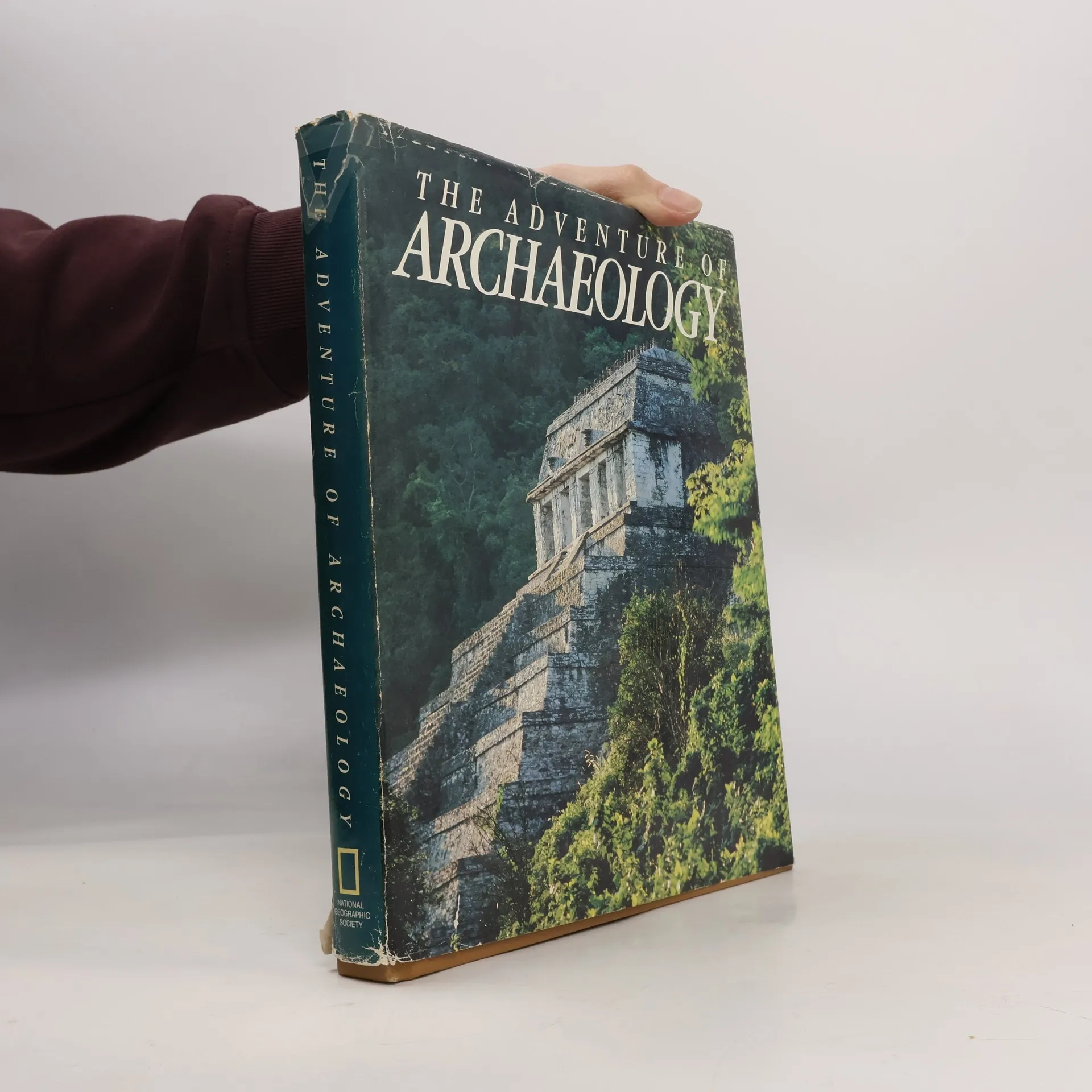
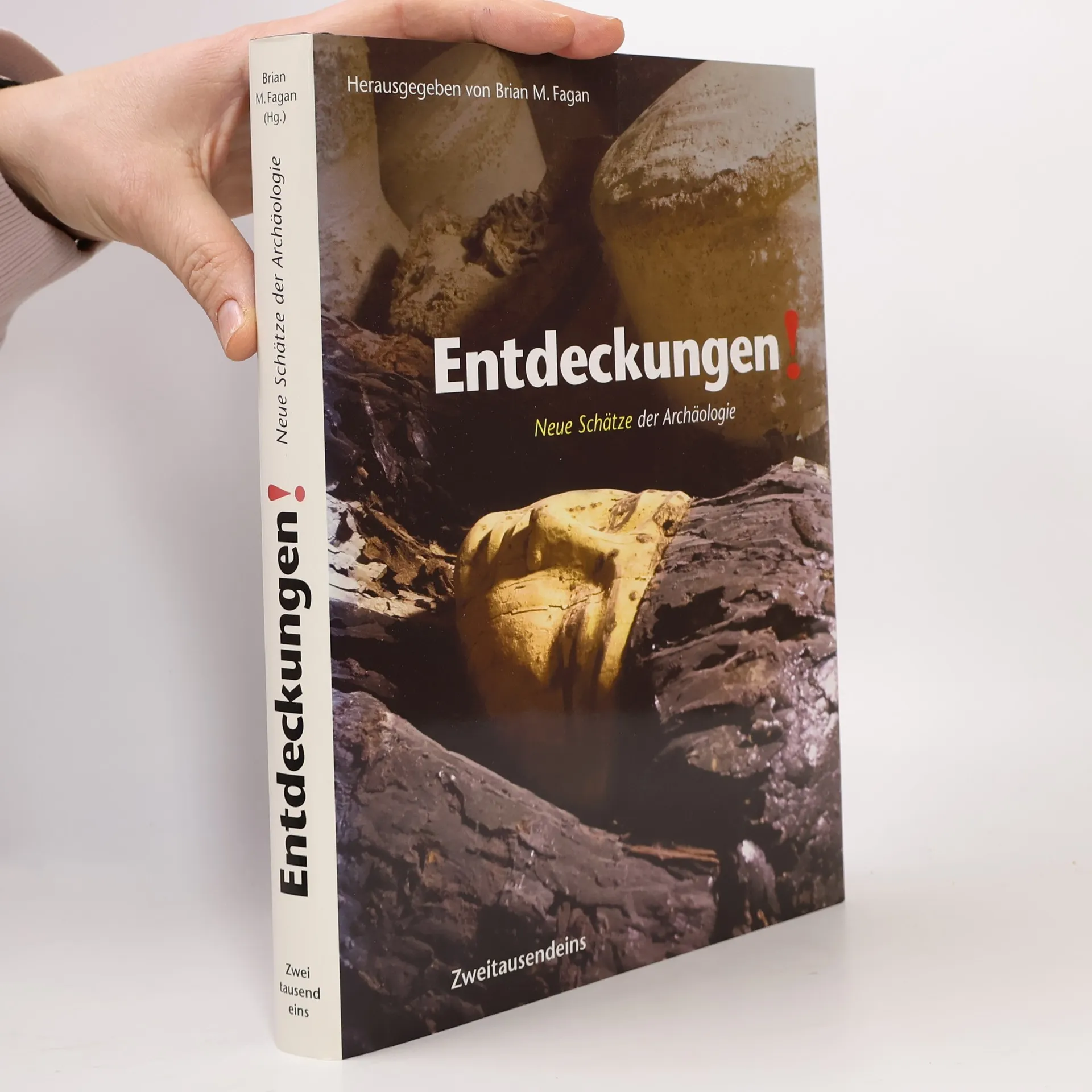
Dieser umfangreiche Text-/Bildband präsentiert neue und erstaunliche Entdeckungen der archäologischen Forschung der letzten 15 Jahre und zeigt bedeutende Funde weltweit. Archäologen, darunter renommierte Ägyptologen und Pioniere der Unterwasser-Archäologie, berichten von spektakulären Entdeckungen, die unsere Sicht auf die Vergangenheit verändern. Die Funde reichen von Fossilien der Hominidenevolution, die unsere Auffassung der Menschwerdung neu interpretieren, bis zu Wracks von U-Booten und Panzerschiffen aus dem Amerikanischen Bürgerkrieg. Es werden neueste Erkenntnisse über die Pyramiden von Gizeh und ein unbekanntes Pharaonengrab im Tal der Könige vorgestellt, ebenso wie die beeindruckenden Goldfunde in den Grabkammern assyrischer Königinnen. Auch berühmte Funde wie „Ötzi“, der Bogenschütze von Amesbury und die Inka-Mumien werden thematisiert. Zu den Schätzen antiker Kunst zählen 30.000 Jahre alte Malereien in der Chauvet-Höhle, die ältesten Maya-Wandgemälde und die römischen Mosaiken aus dem gefluteten Zeugma. Zudem erhalten wir faszinierende Einblicke in die Glaubensvorstellungen unserer Vorfahren und die Anfänge der Landwirtschaft in Anatolien. Interdisziplinäre Forschung ermöglicht es, Gesichter der Neandertaler zu rekonstruieren und mehr über die Lebensweise der alten Pharaonen und europäischer Vorfahren zu erfahren. Begleitende Fotografien halten oft den Moment der Entdeckung fest und bieten ein spannendes Porträt de
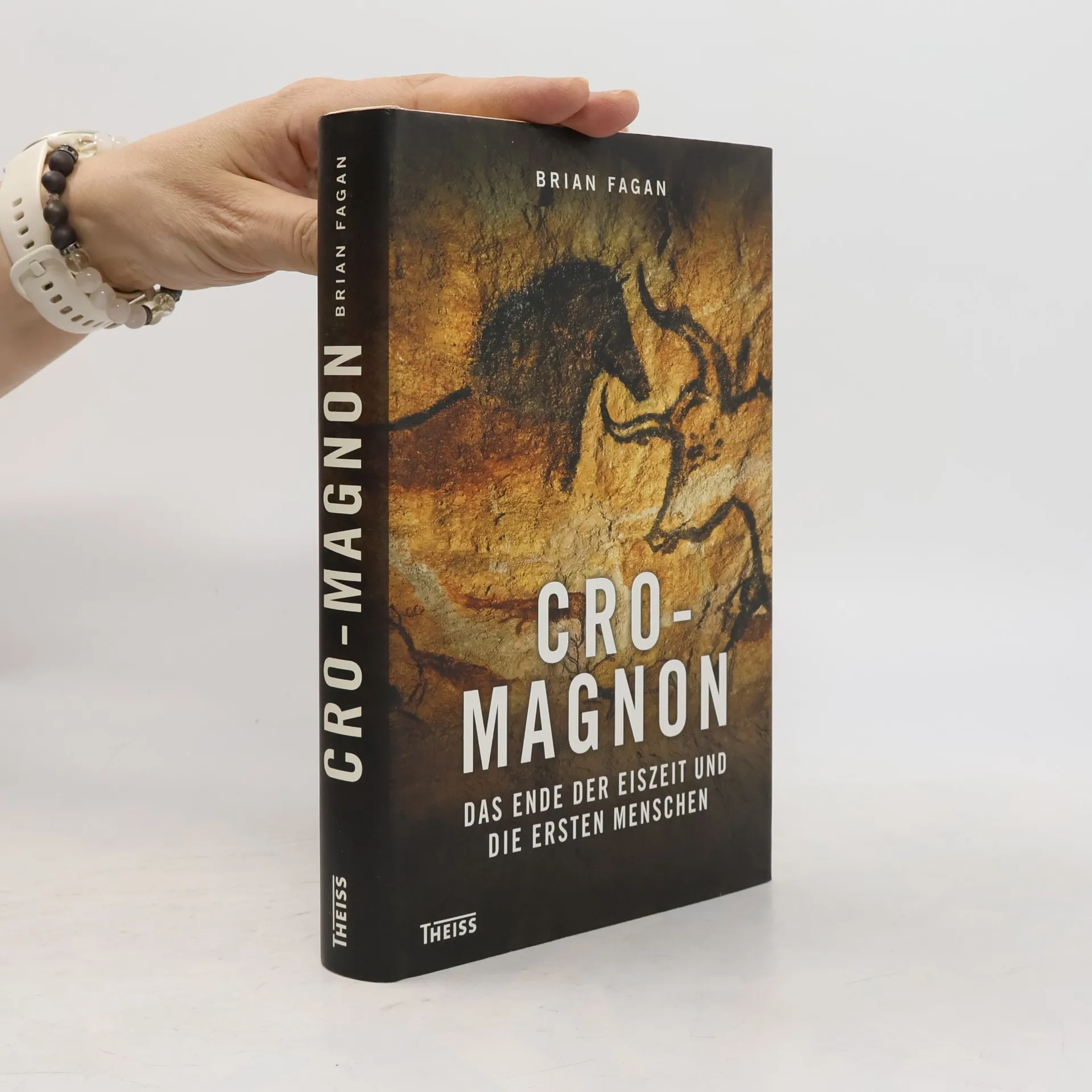
Nach den Erkenntnissen moderner Genetiker erscheint es nun endgültig als erwiesen, daß die Wiege der Menschheit in Afrika stand, daß eine "Eva" dort vor etwa 200 000 bis 150 000 Jahren den ersten Homo sapiens gebar. In diesem Band erzählt Brian M. Fagan in der Manier eines Kriminalromans über die frühe Geschichte des Menschengeschlechts, berichtet, wie sich der Mensch langsam die Welt erobert, der Eiszeit trotzt, die Meere überwindet, nach Australien, Asien und Amerika aufbricht.
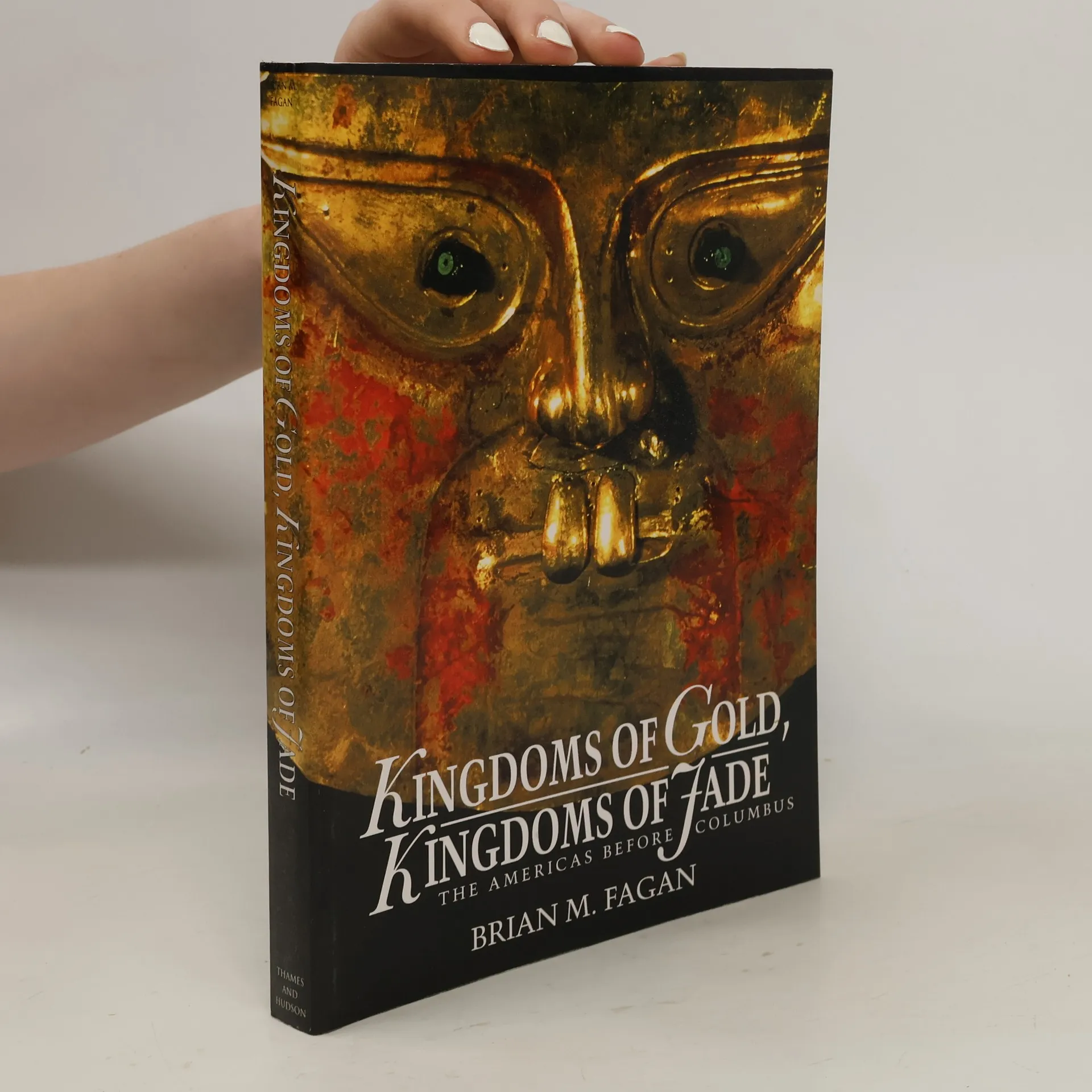
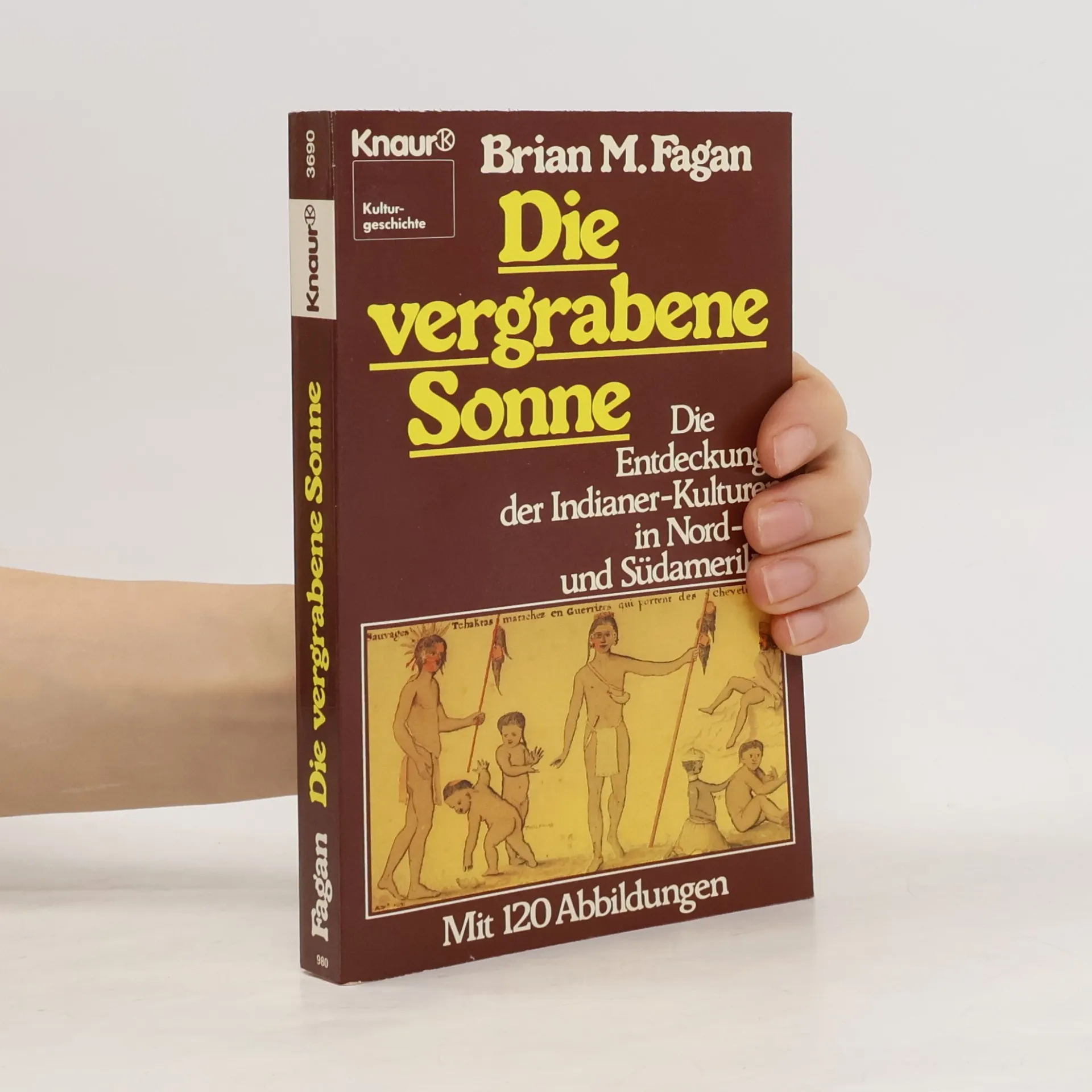
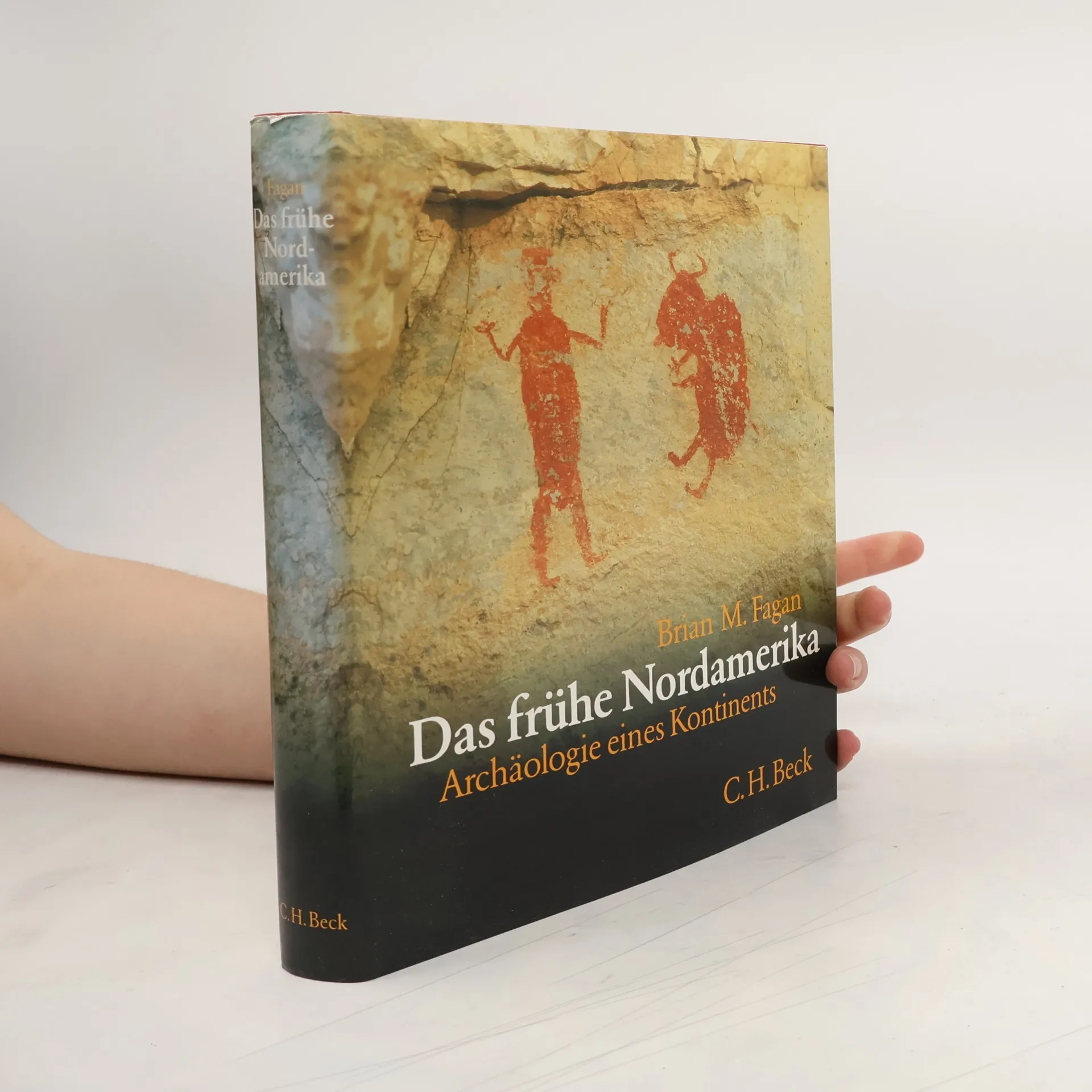
Civiltà spettacolari,esotiche,raffinate,con città vaste quanto Costantinopoli;grandiosi imperi che si estendono sull'attuale territorio del Messico e del Perù;sovrani potenti che regnano nello splendore sulla Valle del Mississippi;minuscoli gruppi di cacciatori che vivono come avevano vissuto i loro antenati per oltre 10000 anni. In questo affascinante racconto dell'America precolombiana,Brian Fagan intesse storia e mitologia,archeologia ed etnografia,ricostruendo ascesa,splendore e declino di un mondo perduto.