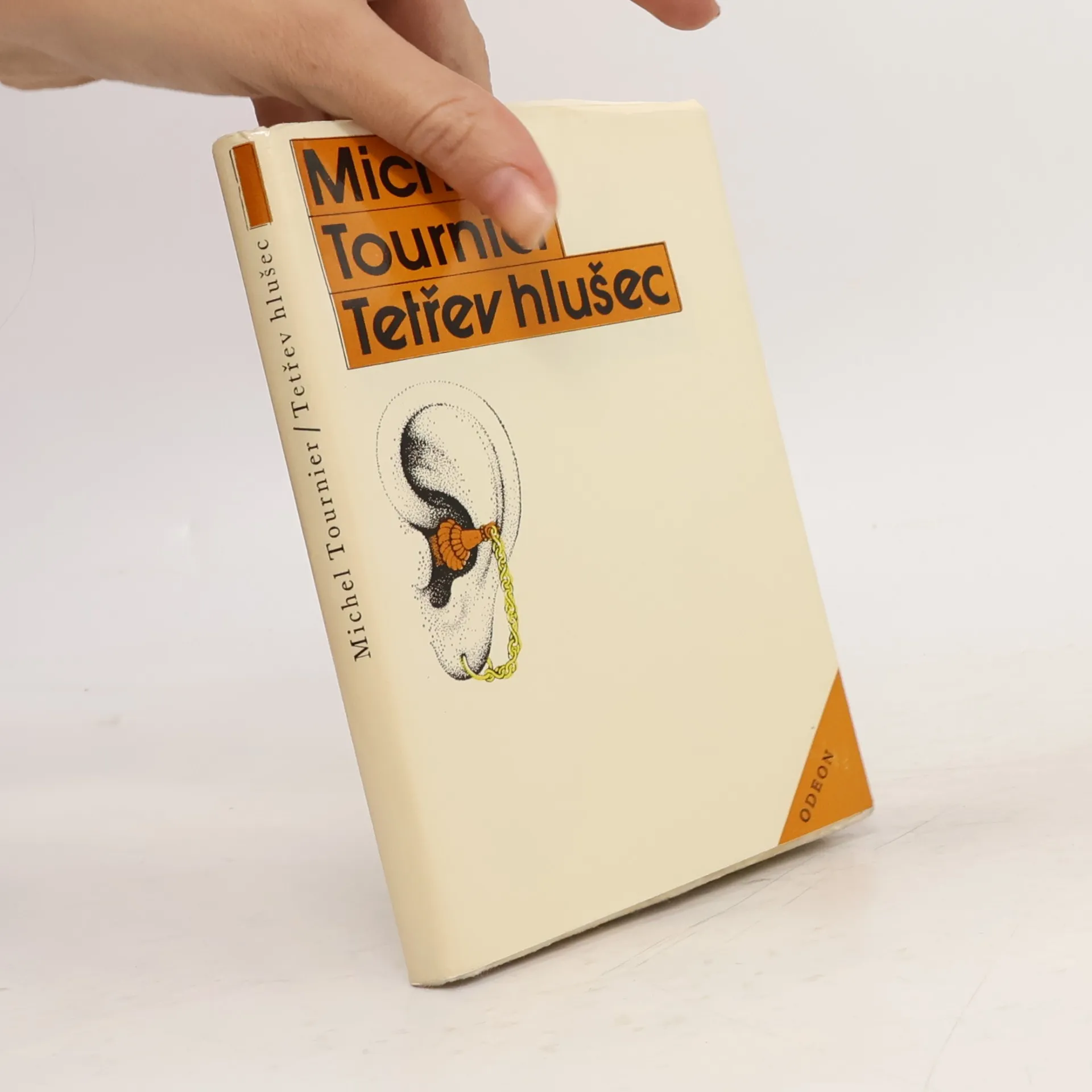
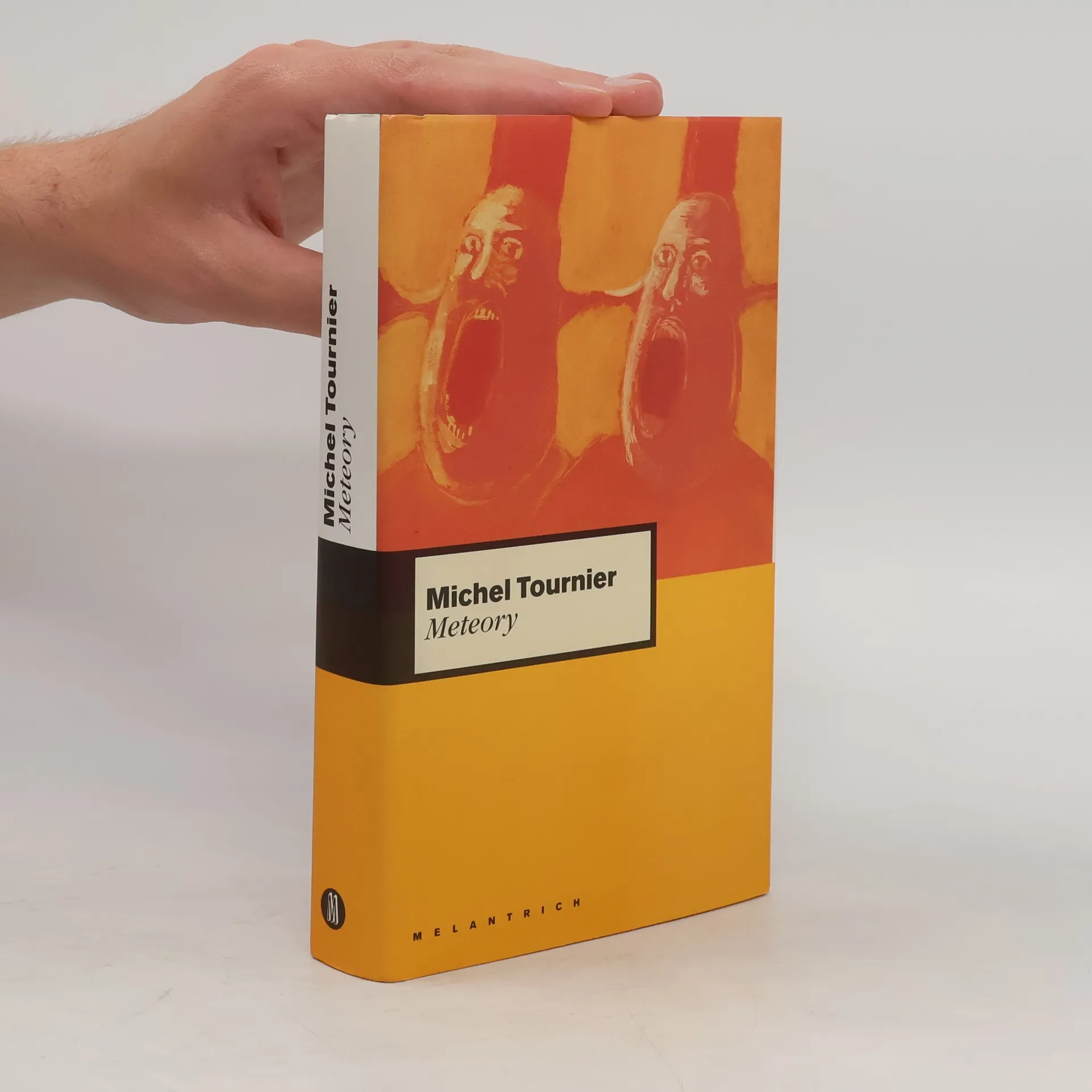
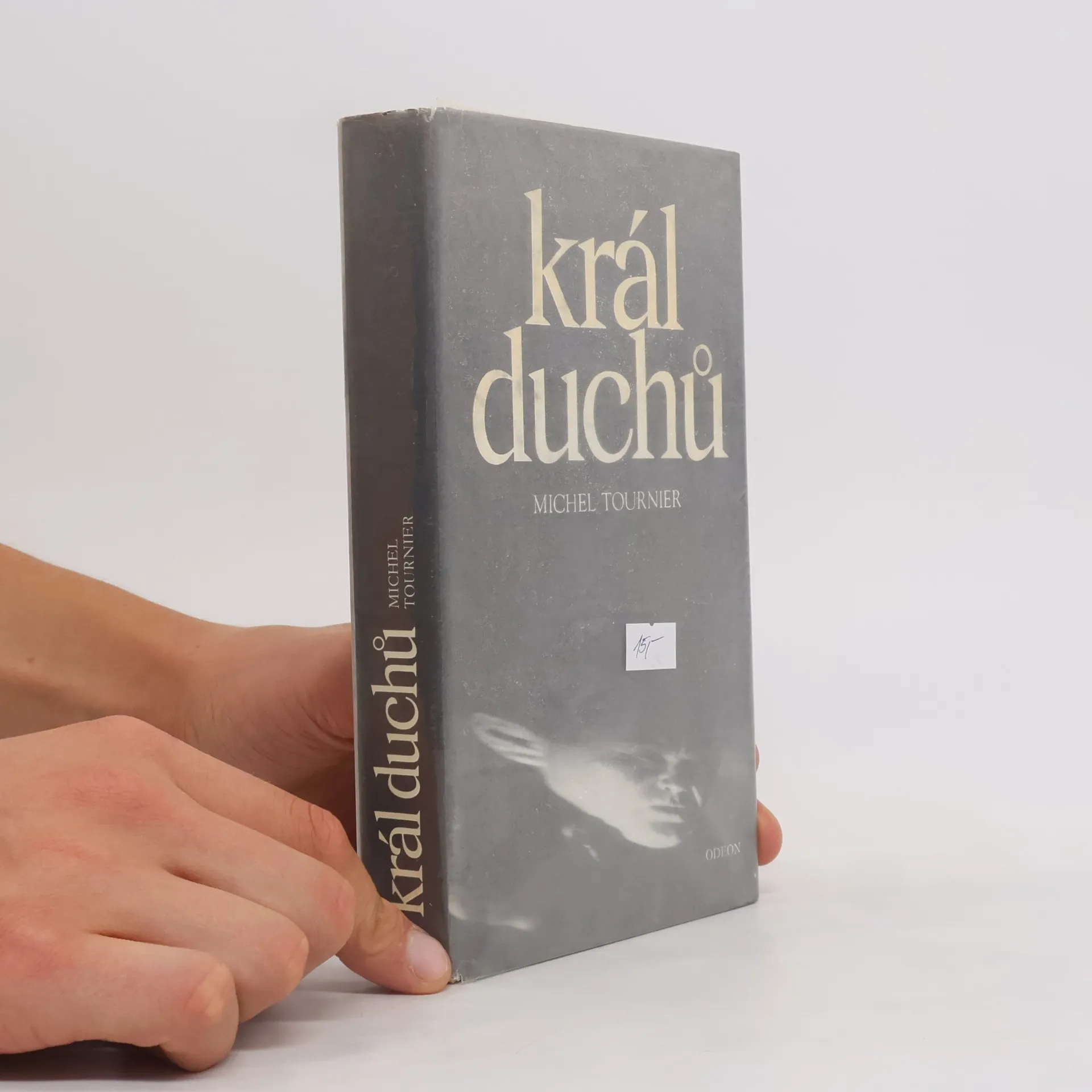
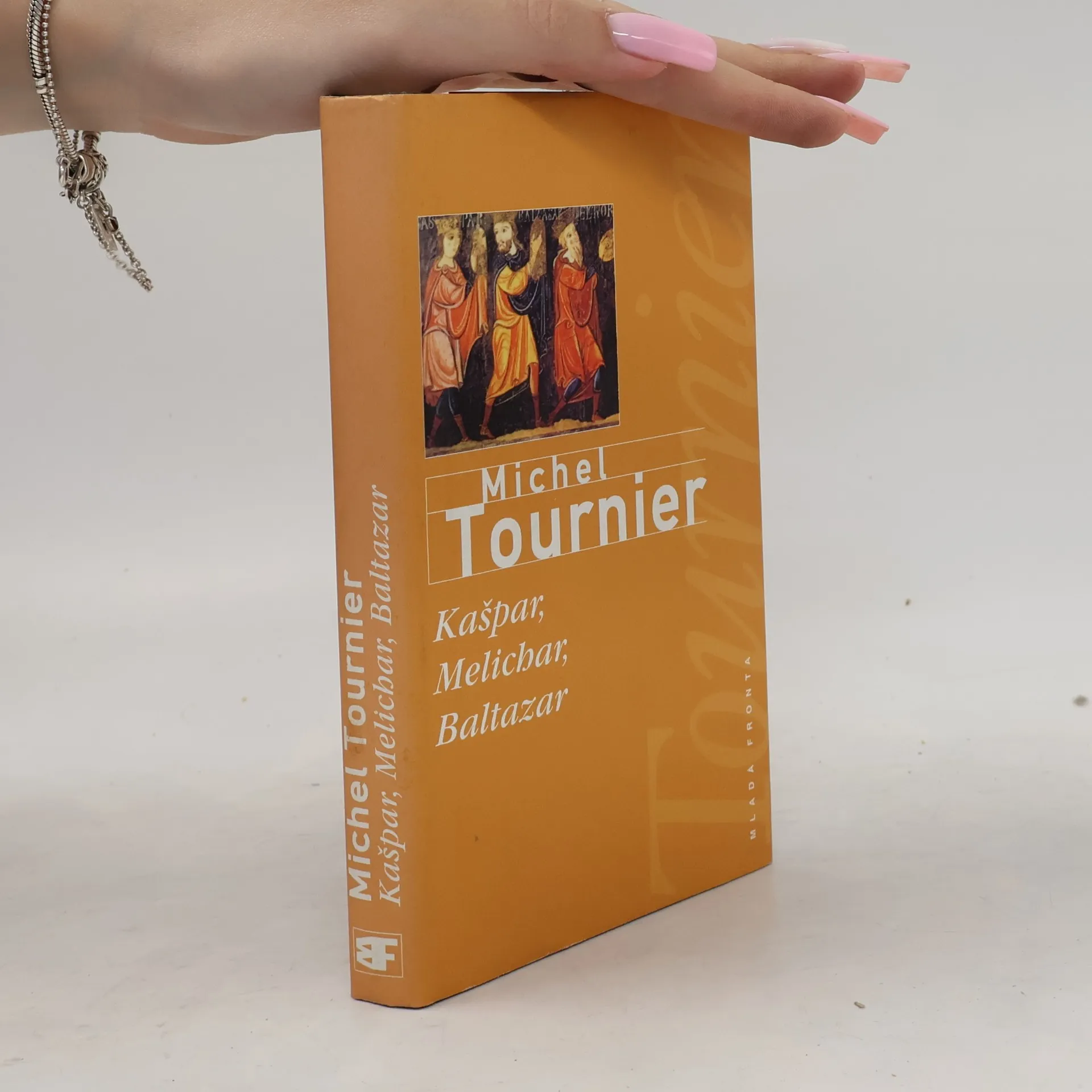
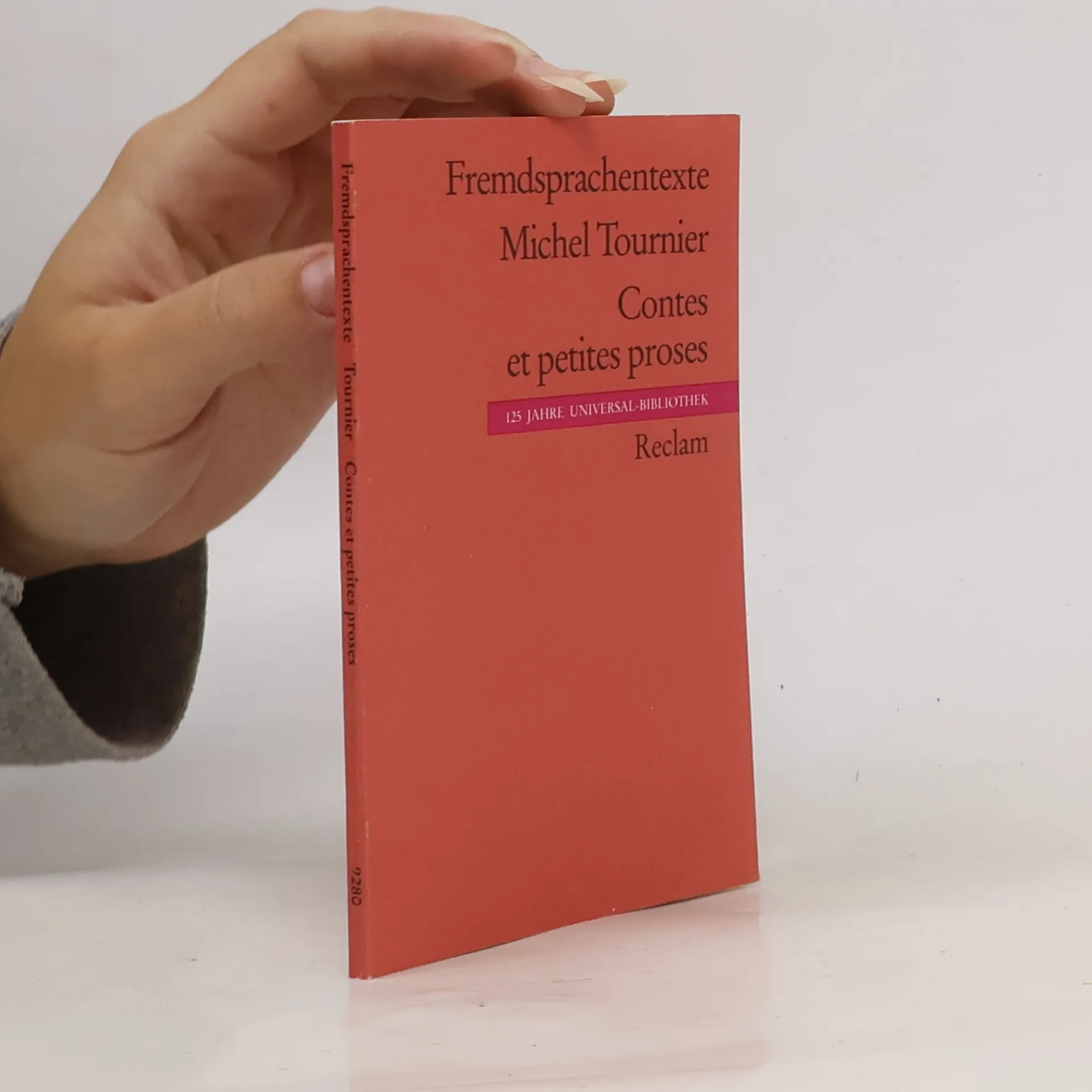
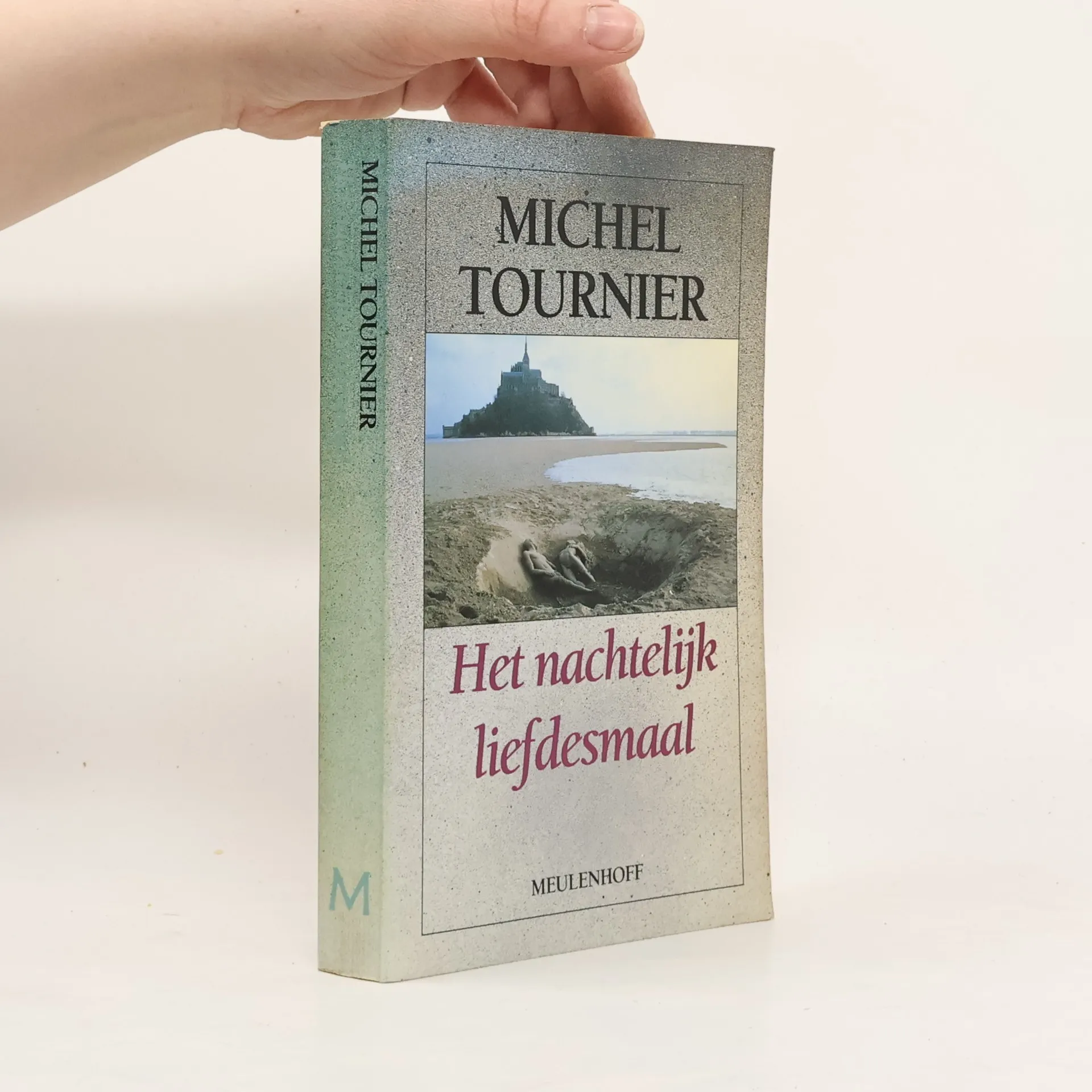
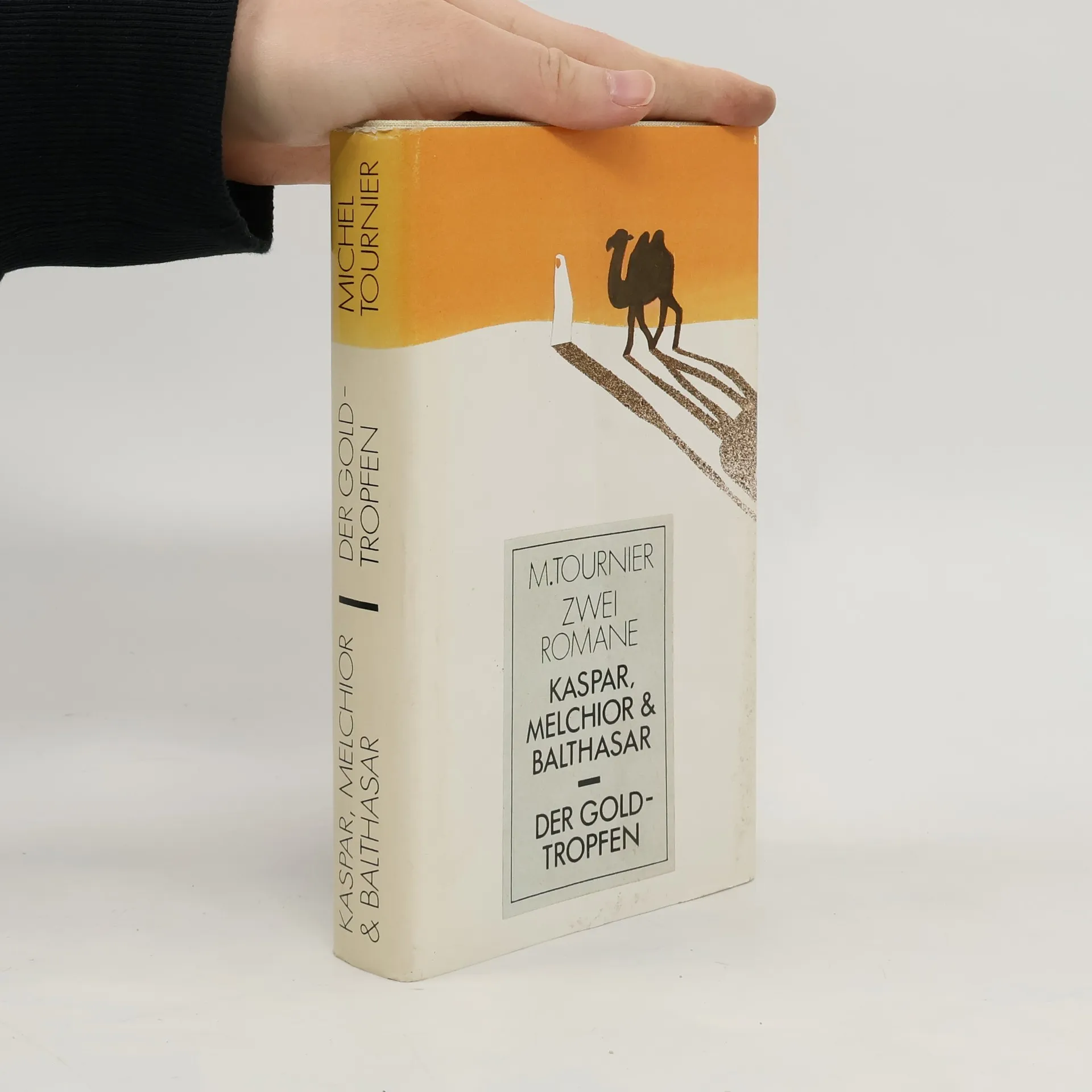
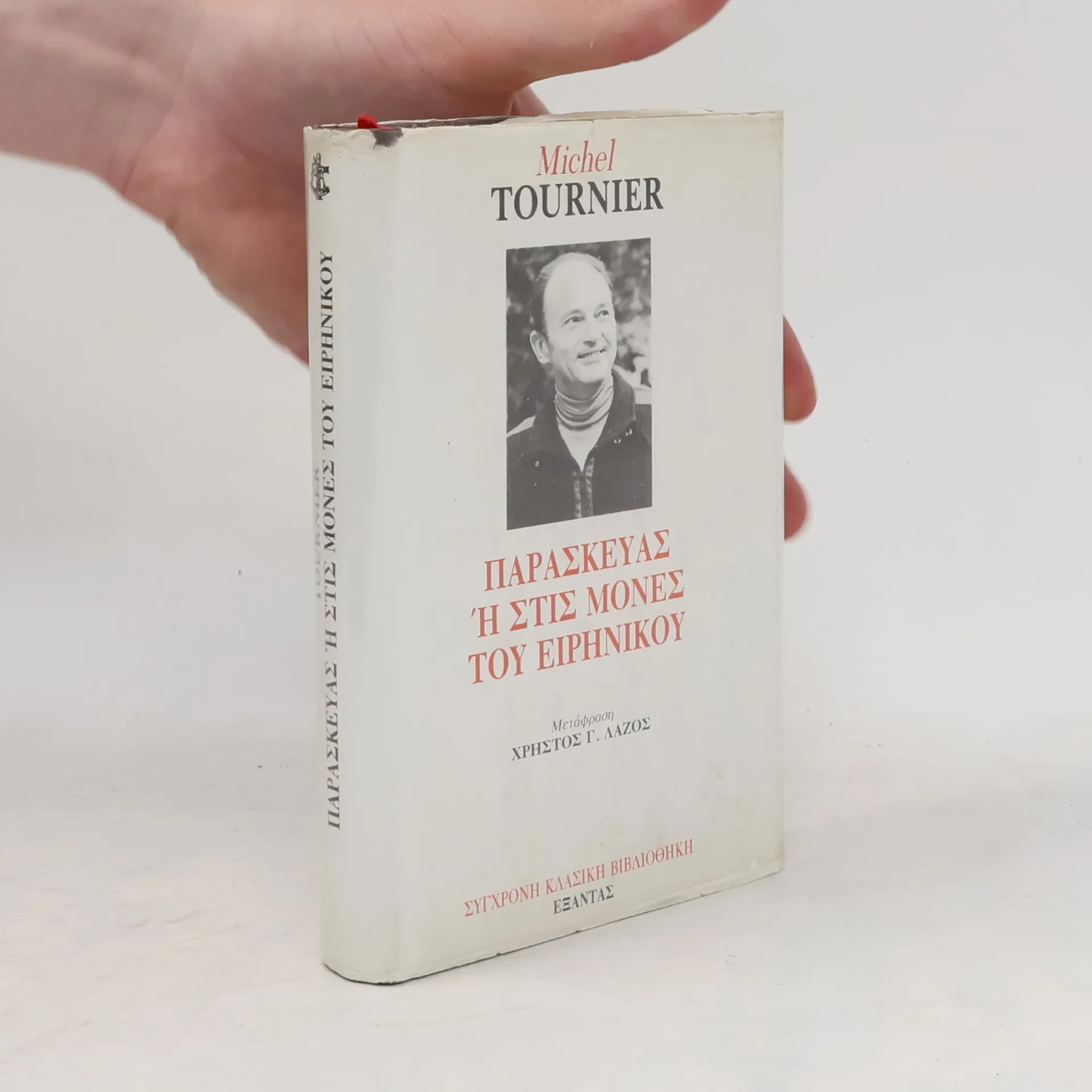
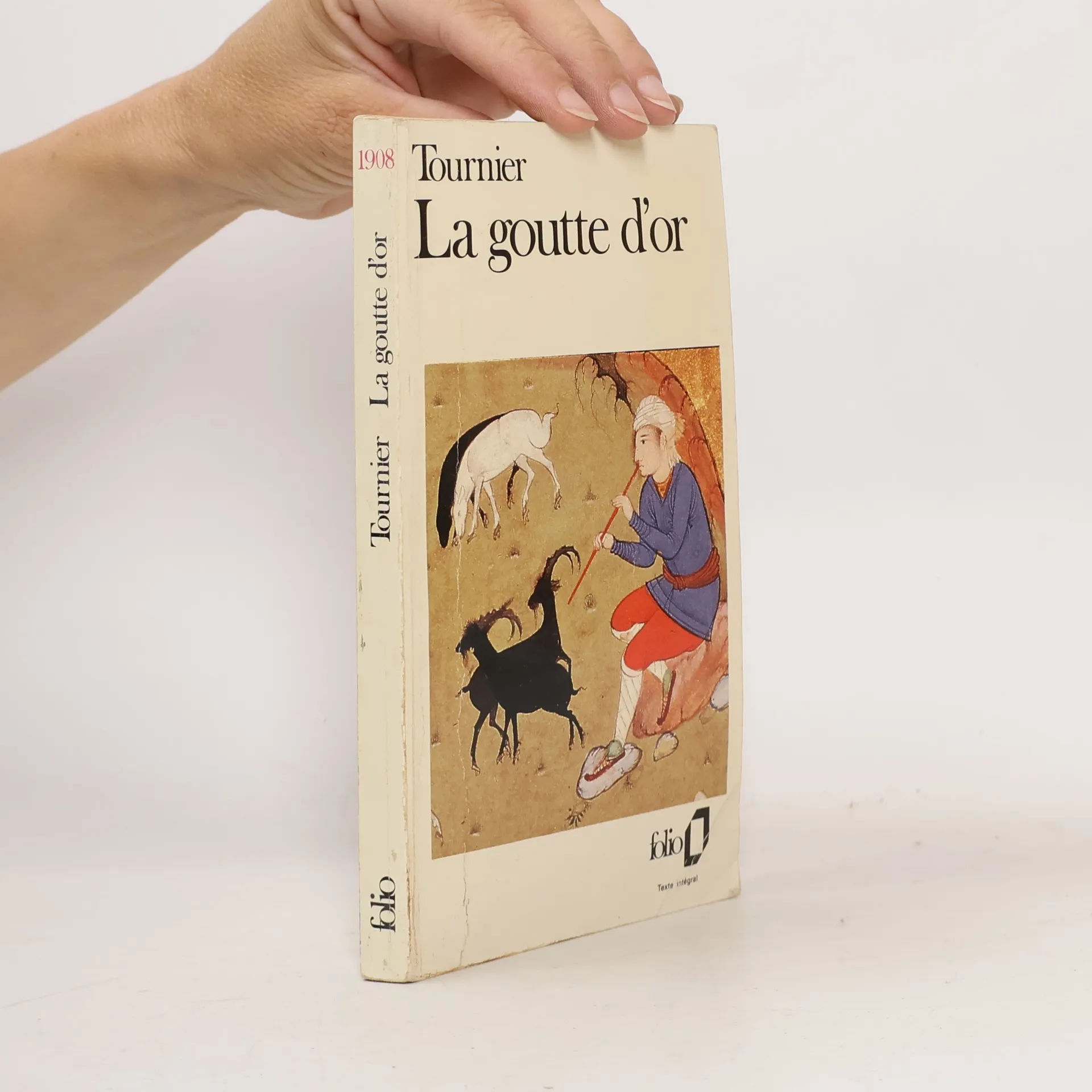
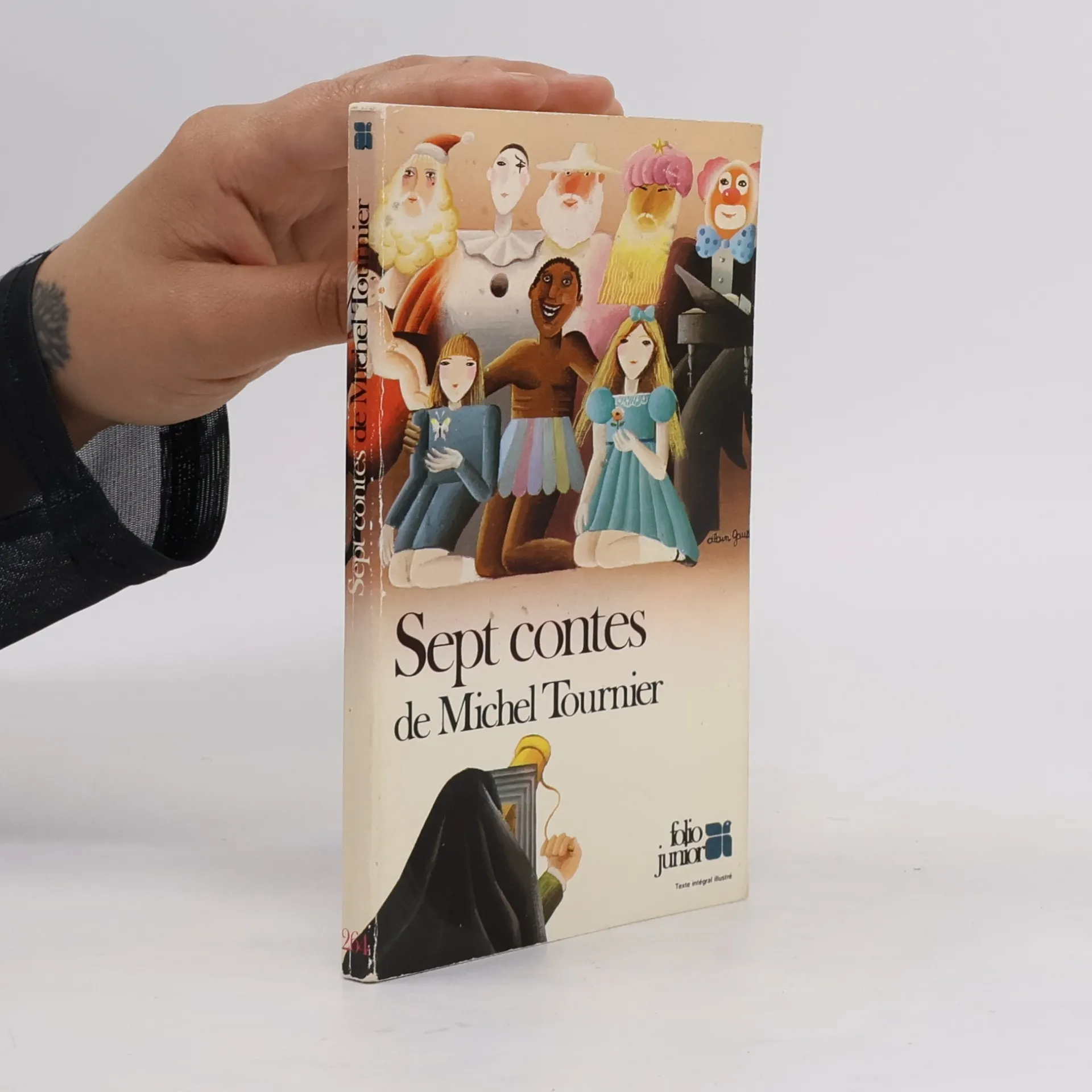
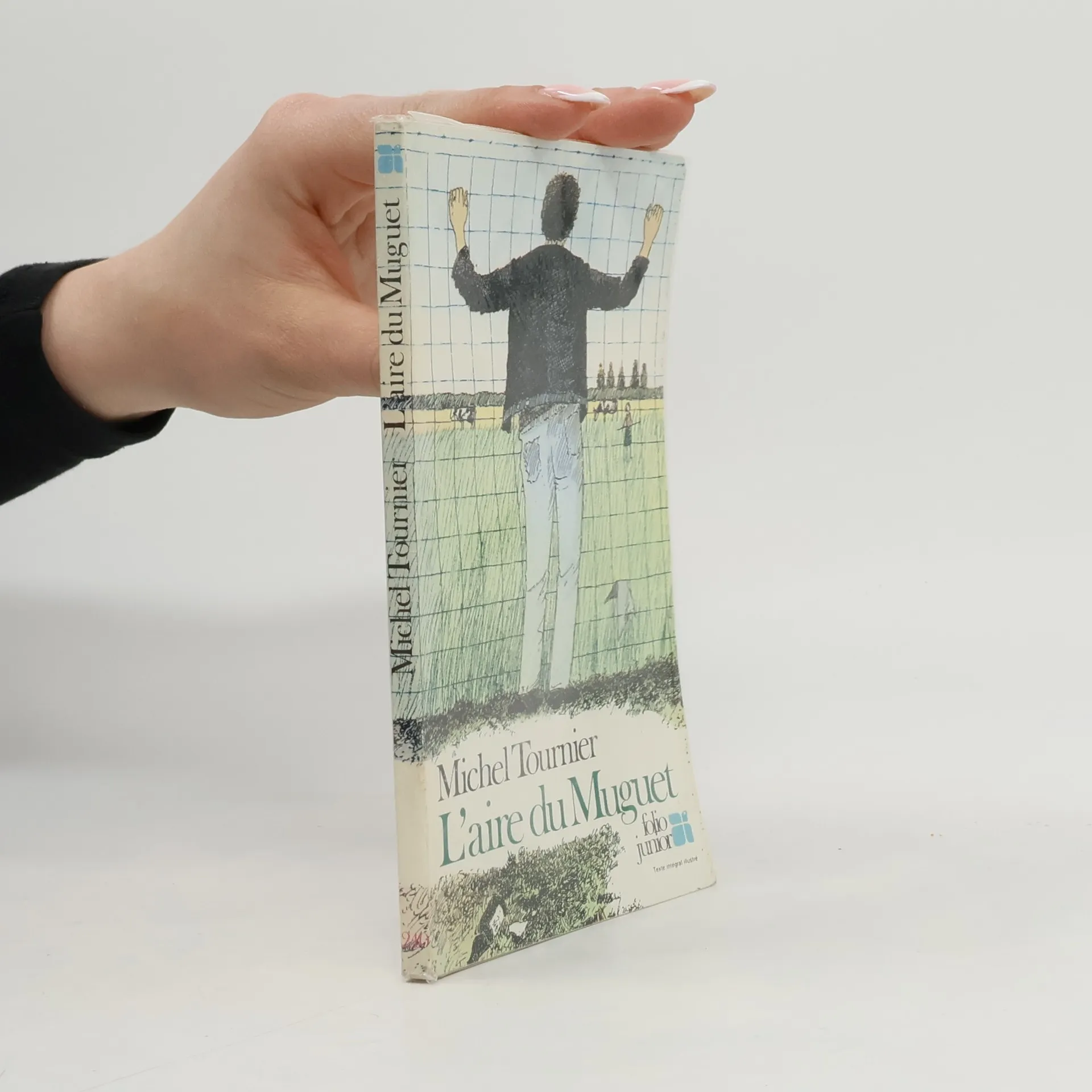
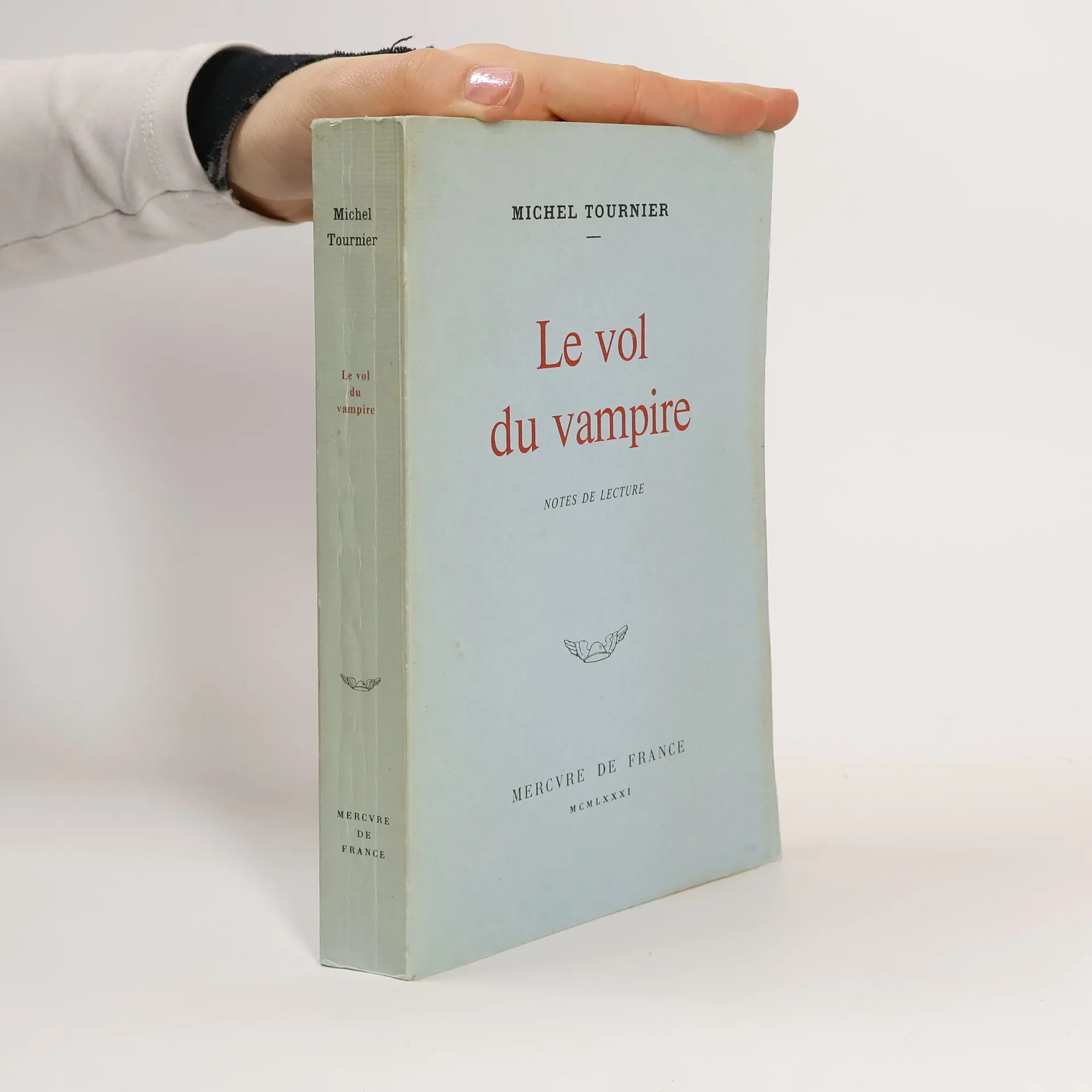
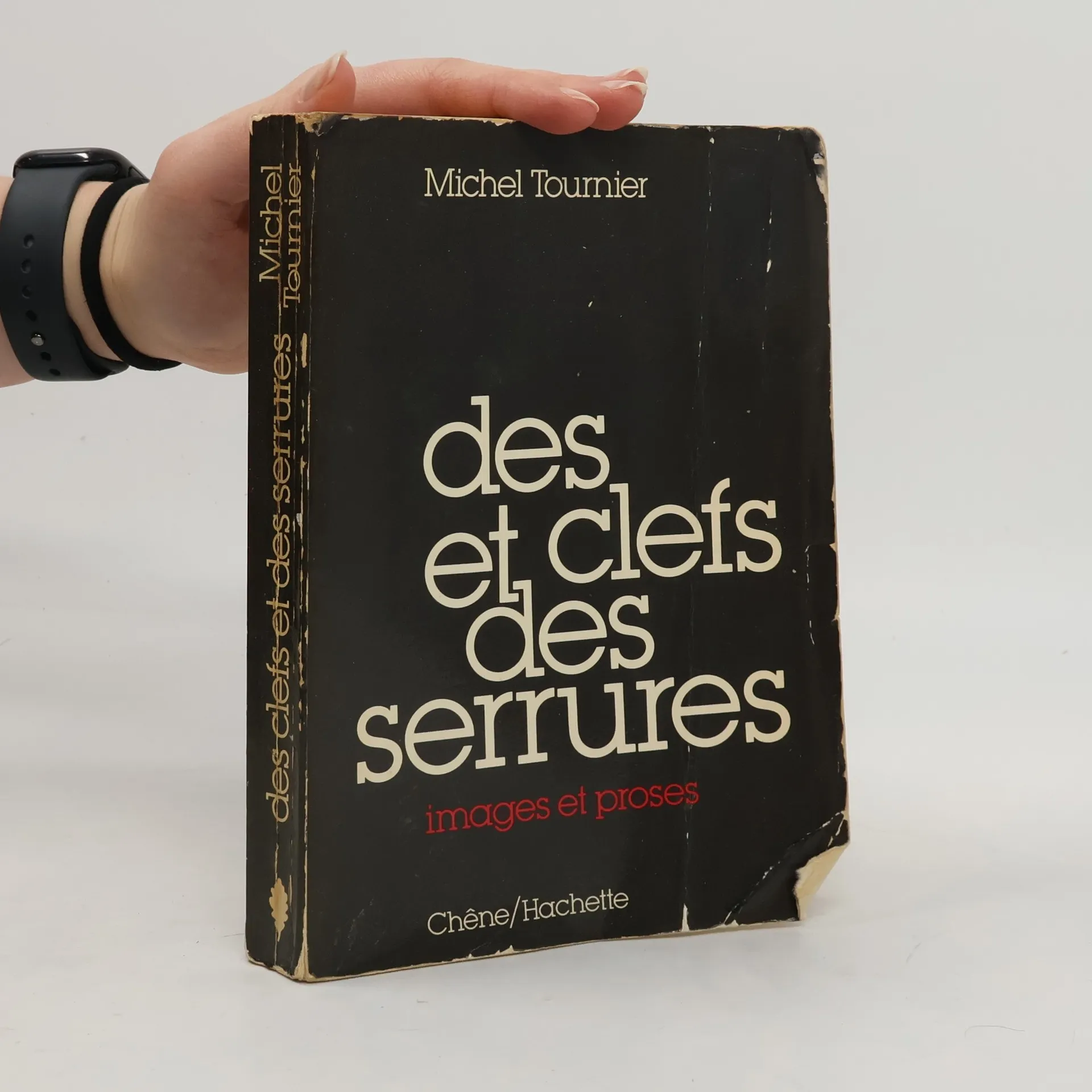
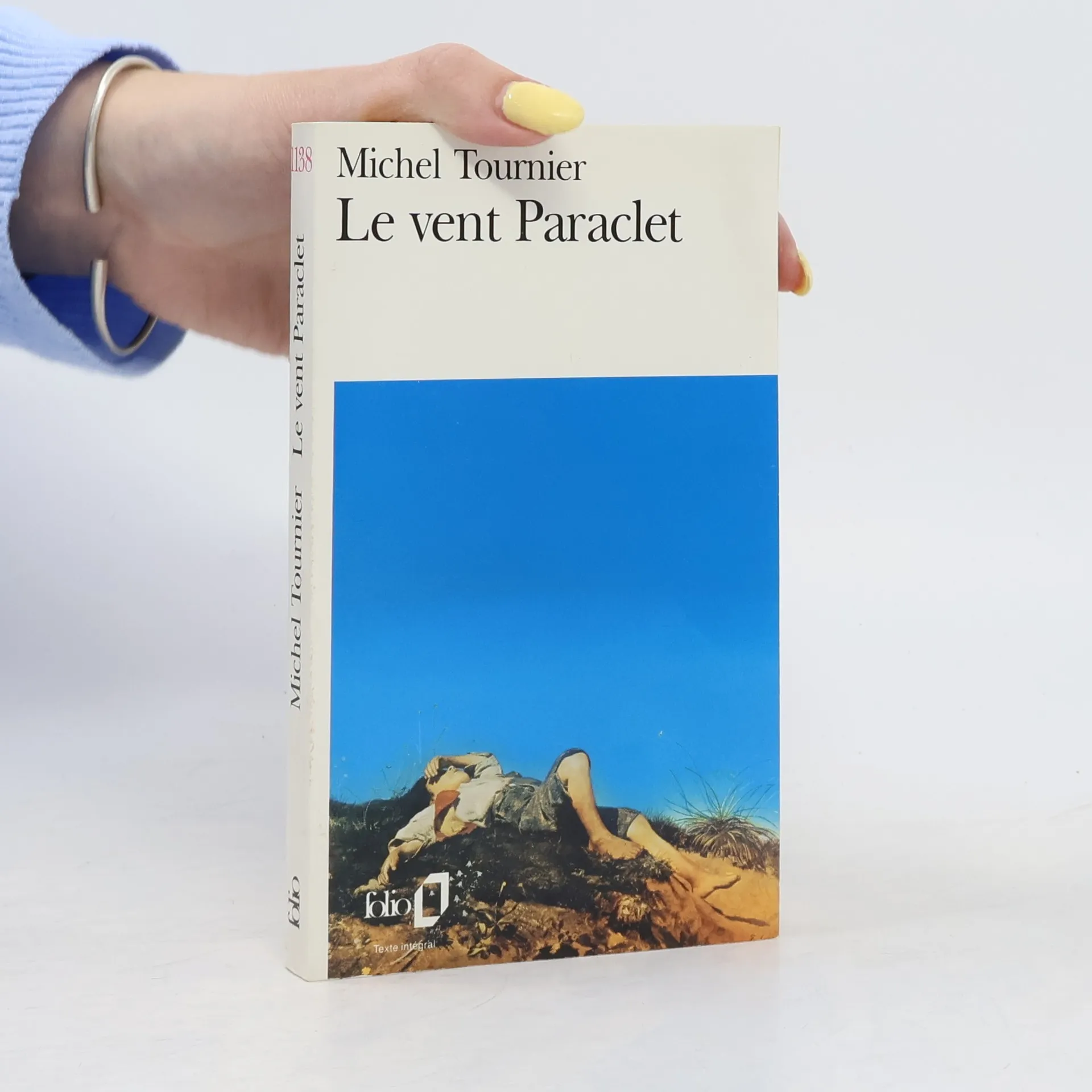
Michel Tournier byl francouzský spisovatel, jehož díla se vyznačují hlubokým zájmem o fantastické prvky a čerpají inspiraci z tradiční německé kultury, katolicismu a filozofie Gastona Bachelarda. Jeho spisy jsou vysoce ceněny a oceňovány pro svůj jedinečný styl a originální pohled na svět.
Qu'est-ce qu'un médianoche ? D'abord, c'est un joli mot, sympathique et appétissant, qui rime avec cinoche et brioche. Ça veut dire : un repas fait au milieu de la nuit. Une fête nocturne et amicale, en somme, où on se raconte des histoires en buvant et en mangeant. Des histoires, en voilà quatorze justement, des vertes et des mûres, des histoires à rire et à pleurer, à boire et à manger.
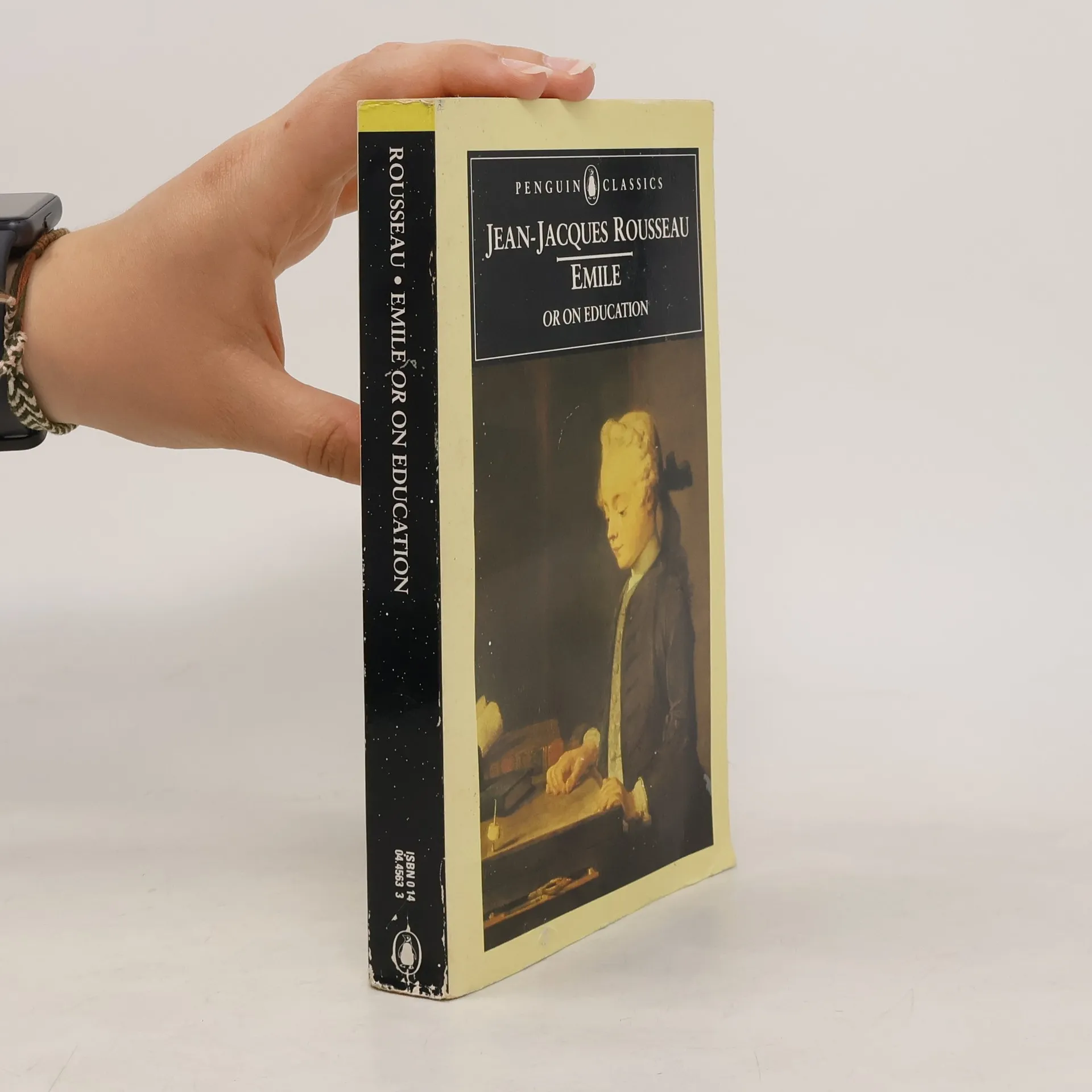
In his pioneering treatise on education, the French philosopher Jean-Jacques
Rousseau presents concepts that had influence on the development of pedagogy
in the eighteenth century. Here, Rousseau asserts his main thesis that human
beings are by nature good; it is only the distorting influences of
civilization that have corrupted them.
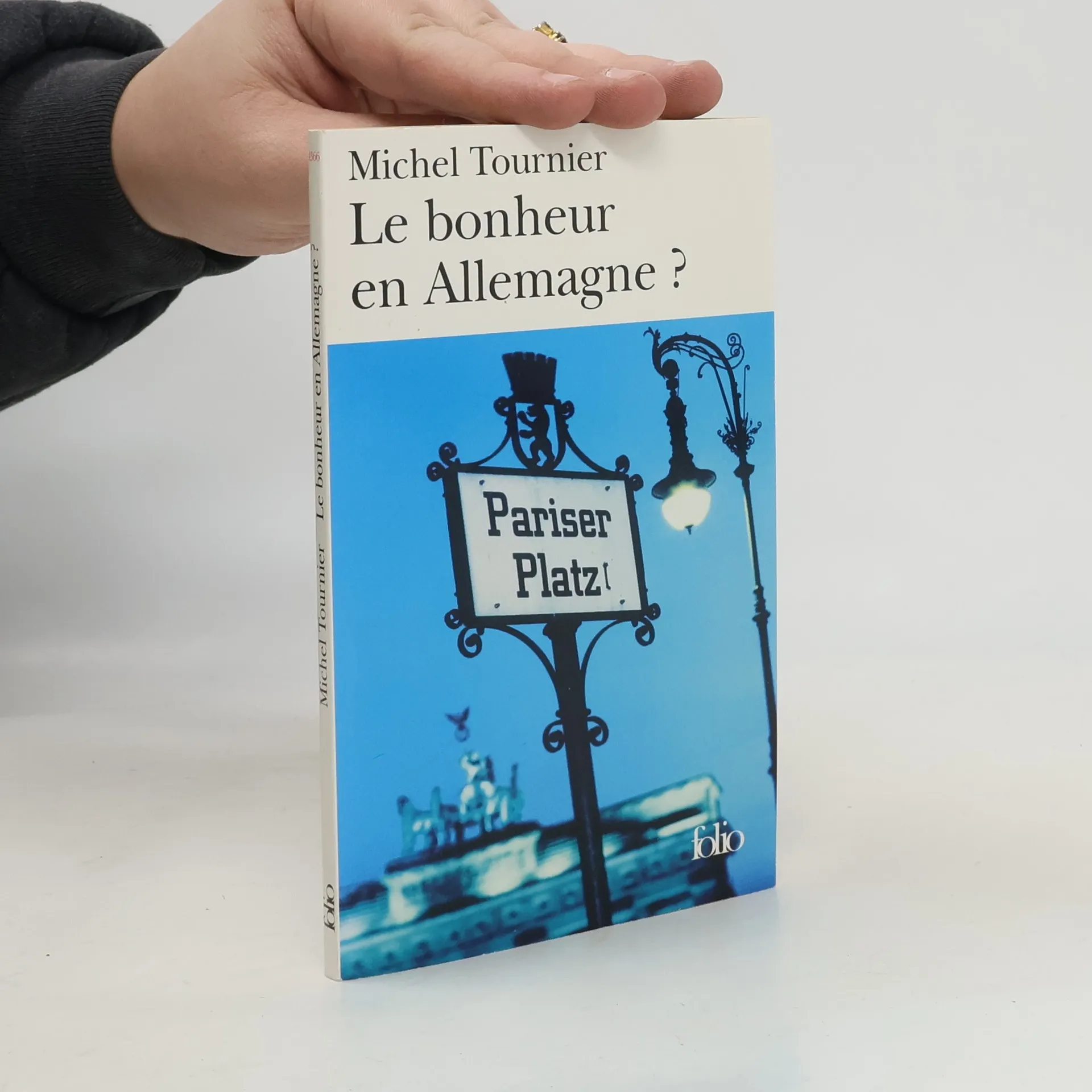
Michel Tournier raconte son lien intime avec l'Allemagne, sa famille germaniste, son rapport à la langue de Goethe, ses études universitaires dans le champ de ruines d'après-guerre...
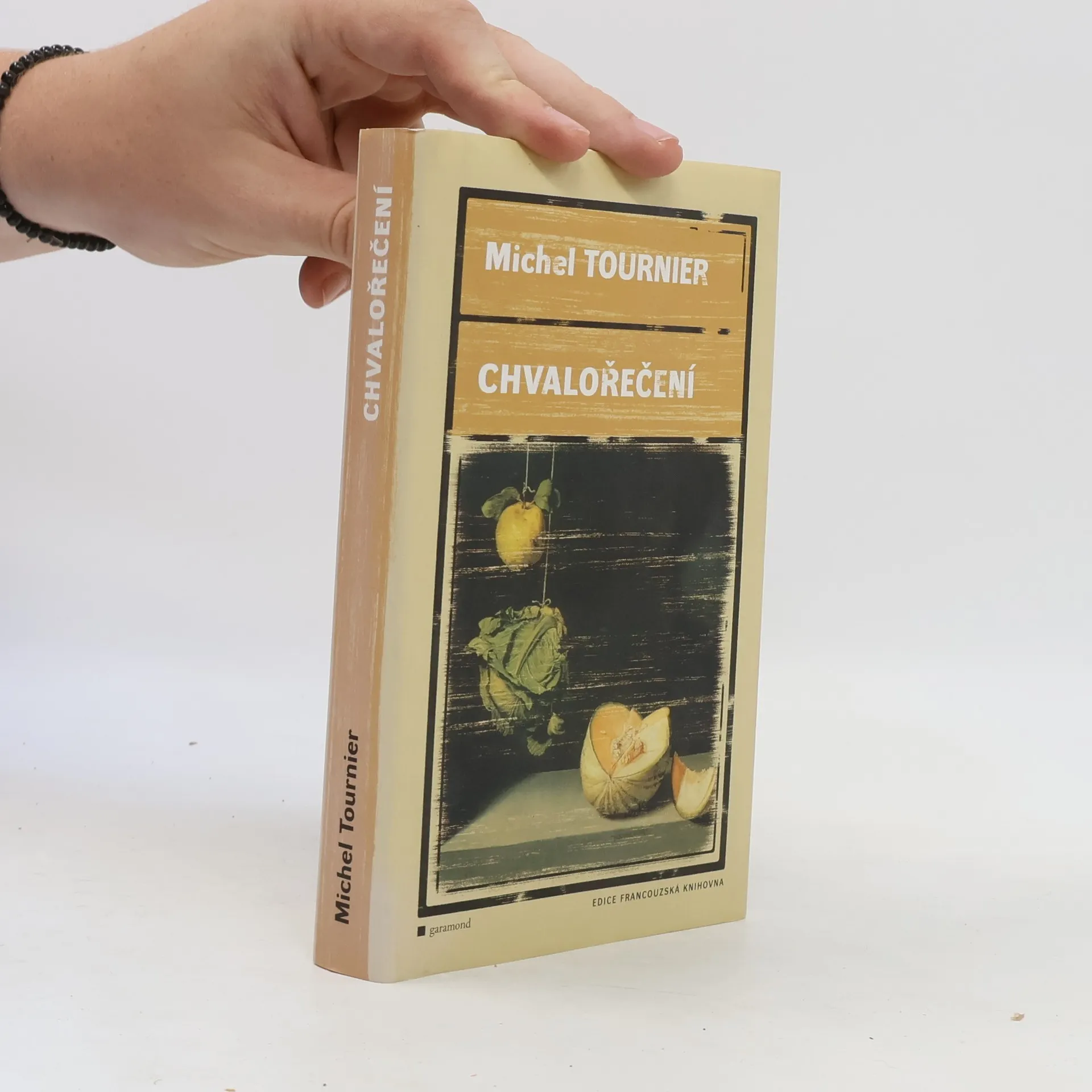
Au fond de chaque chose un poisson nage Poisson de peur que tu n'en sortes nu Je te jetterai mon manteau d'images. Ces vers de Lanza del Vasto décrivent la démarche de ces auteurs dits " pour les jeunes ". Avant des vérités trop graves à exprimer, ils les dissimulent sous des histoires de voyage, de pêche, de chasse, de naïves amours. Si les lecteurs adultes les prennent à la légère et rangent leurs livres dans le rayon du second ordre de leur bibliothèque, c'est qu'ils ont réussi leur coup : le manteau d'images a joué son rôle. Les jeunes lecteurs, eux, ne s'y trompent pas. Ils dévorent ces vérités mystérieuses, profondes et cruelles si joliment enveloppées et qui nourrissent leur sensibilité. On dit parfois d'un enfant qui aime la lecture qu'il est " sage comme une image ". A-t-on mesuré toute la dangereuse et profonde sagesse des images ?
Le roi Nabounassar III régnait sur l'Arabie Heureuse depuis plus d'un demi-siècle lorsqu'il découvrit un poil blanc mêlé au ruissellement doré de sa barbe. Or, le soir même, ce poil avait mystérieusement disparu. Et ainsi, chaque jour, un poil blanc apparaissait et, presque aussitôt, disparaissait. Quelqu'un avait-il entrepris de voler la barbe du roi ? La magie de Michel Tournier transforme cette énigme en un conte éblouissant illustré avec poésie par Georges Lemoine.
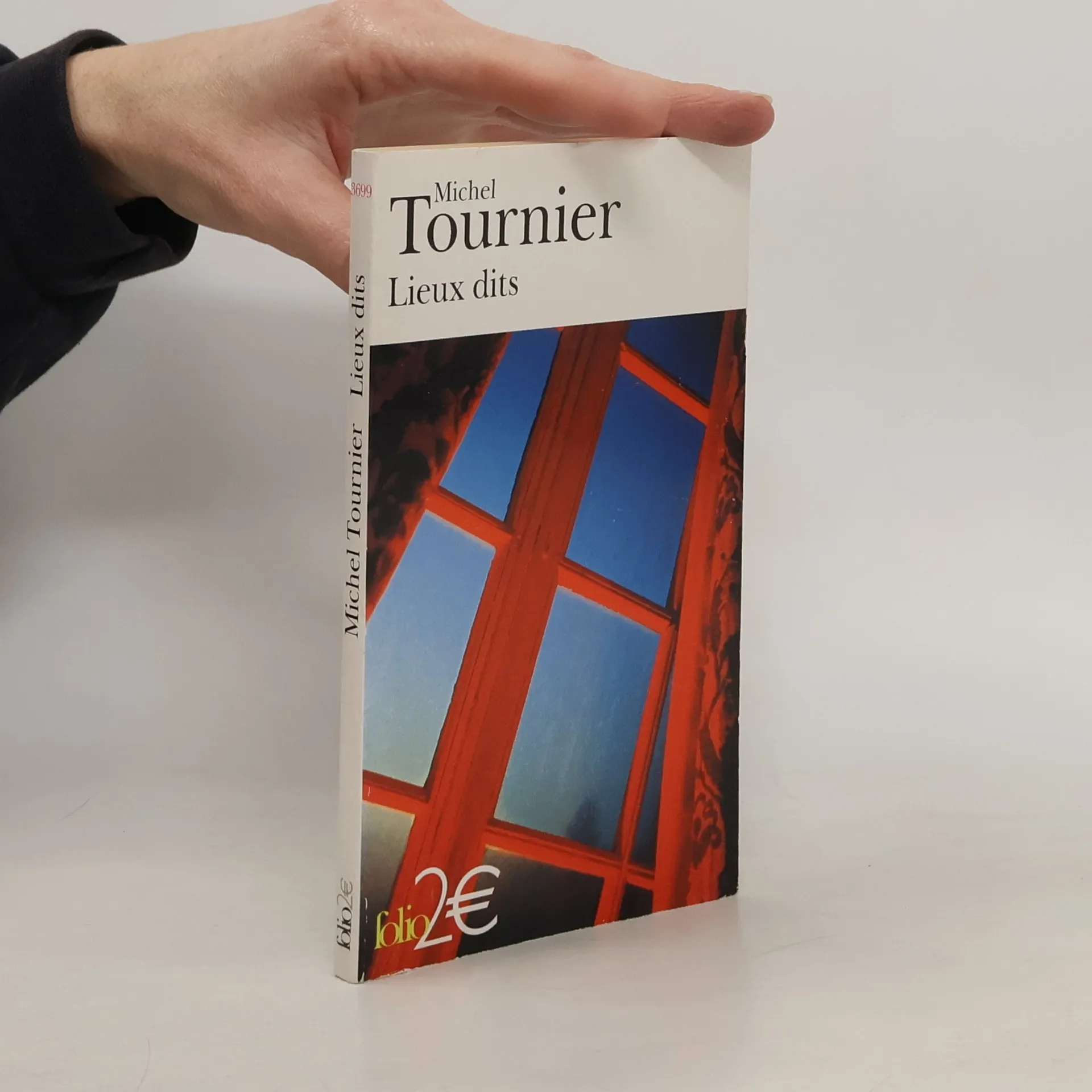
Boire un chocolat chaud ou un vin de Tokay à Prague en compagnie de Mozart et Da Ponte, séjourner à Weimar avec Bach et Goethe, s'envoler pour le Japon, atterrir à Bombay, flâner sur l'île Saint-Louis, créer un jardin "de curé", admirer les cerfs-volants à Dieppe...Autant de promenades, d'escapades, de voyages ou de récréations auxquels nous invite Michel Tournier avec une gourmandise, une poésie et un talent jamais démentis.
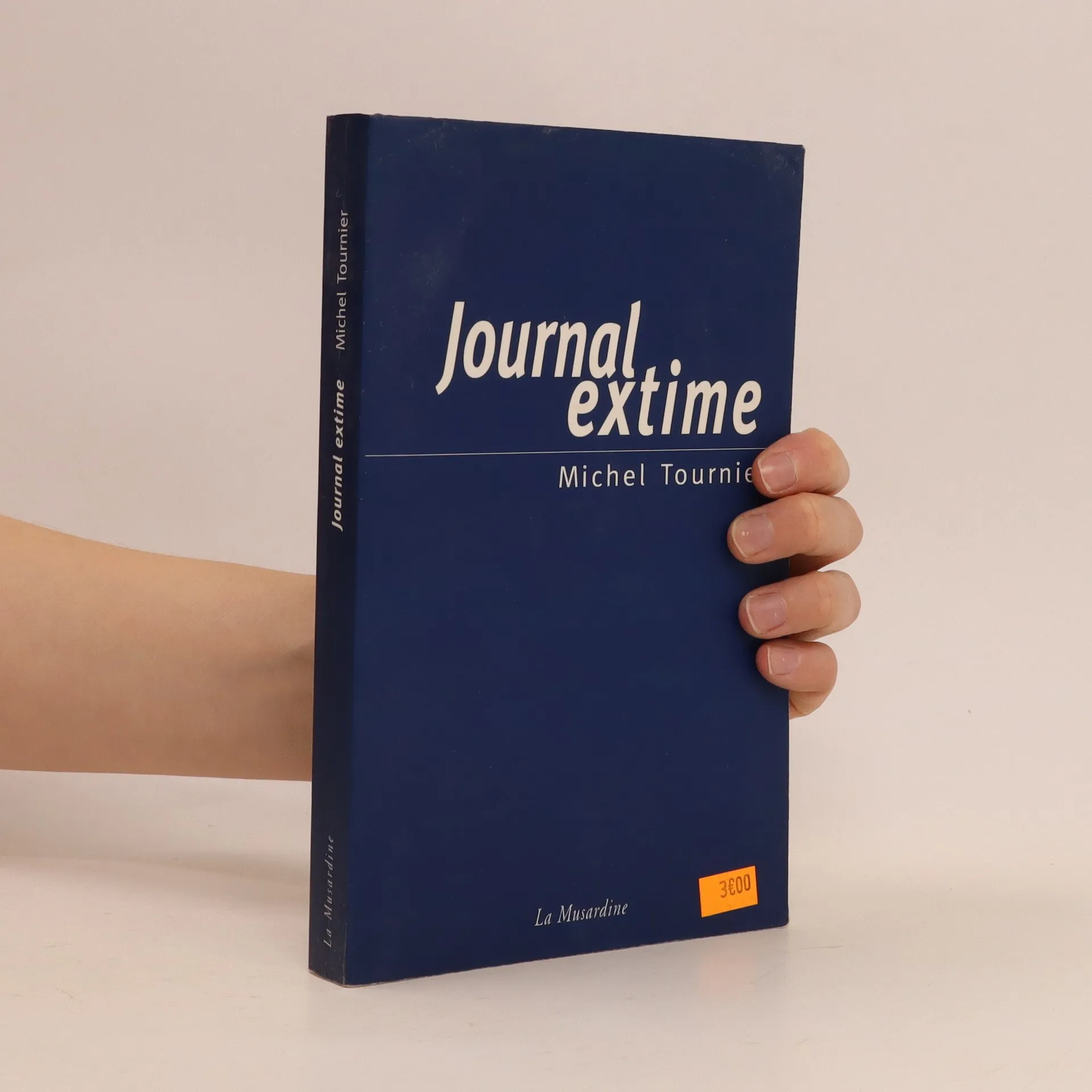
"Il y a longtemps que j'ai pris l'habitude de noter non seulement les étapes et incidents de mes voyages, mais les événements petits et grands de ma vie quotidienne, le temps qu'il fait, les métamorphoses de mon jardin, les visites que je reçois, les coups durs et les coups doux du destin. On peut parler de "journal" sans doute, mais il s'agit du contraire d'un "journal intime". J'ai forgé pour le définir le mot "extime"." Michel Tournier.
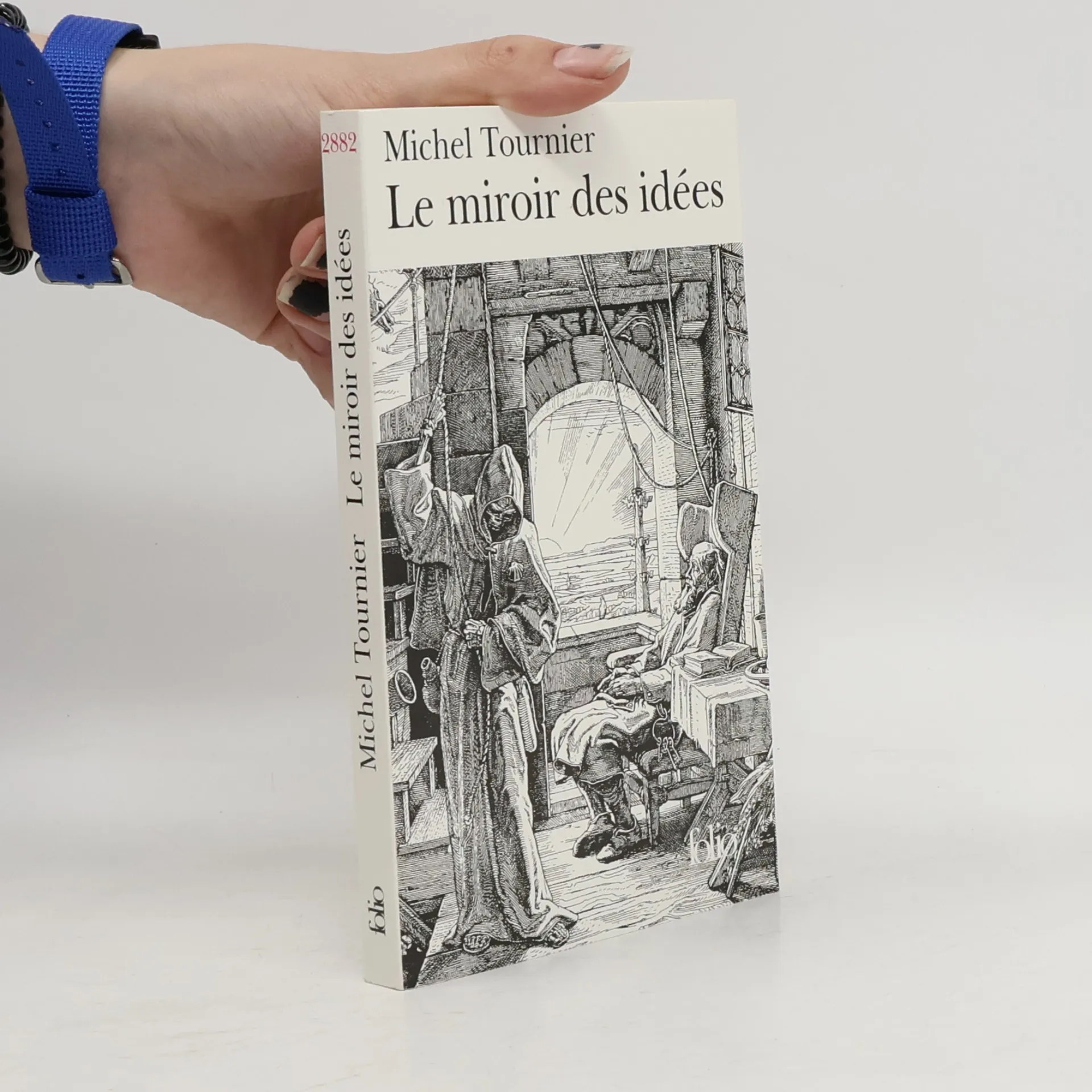
Il faut deux jambes pour marcher, et pour bien saisir on se sert des deux mains. Cette évidence a été le point de départ de ce petit traité où les idées s'éclairent en s'opposant deux à deux. La femme sert de révélateur à l'homme, la lune nous dit ce qu'elle est en plein soleil, la cuiller manifeste sa douceur maternelle grâce à la fourchette, l'encolure du taureau est mise en évidence par la croupe du cheval, etc. L'autre principe de ce livre, c'est que la pensée fonctionne à l'aide de concepts clés qui sont en nombre fini. C'est ce que les philosophes appellent des catégories. Aristote en comptait dix, Leibniz six, Kant douze. Les définir et les analyser, c'est mettre à plat les pièces de la machine cérébrale. En élargissant sa " table de catégories ", à cent concepts, l'auteur a manifesté sa modestie spéculative et son souci d'embrasser la plus grande richesse concrète possible.
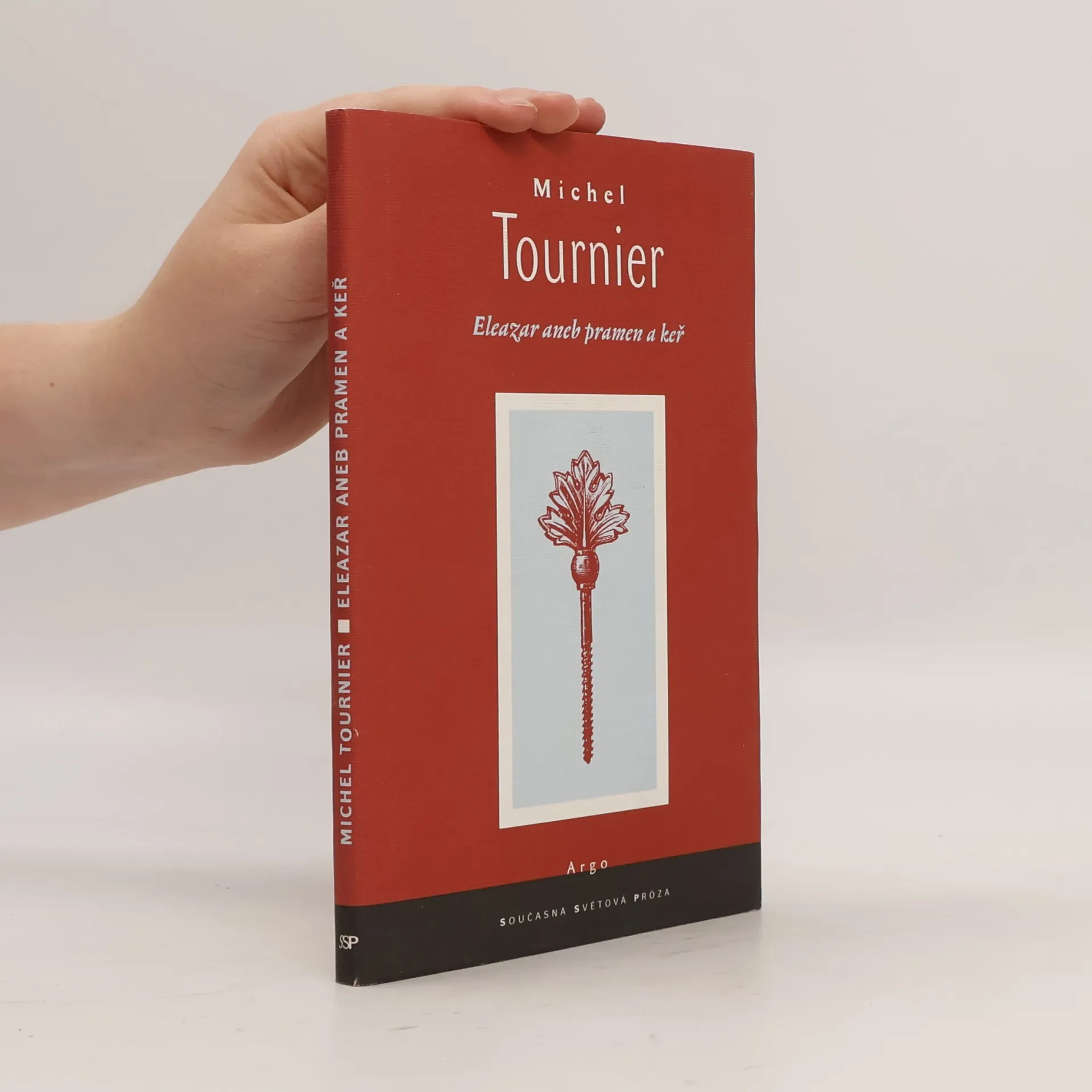
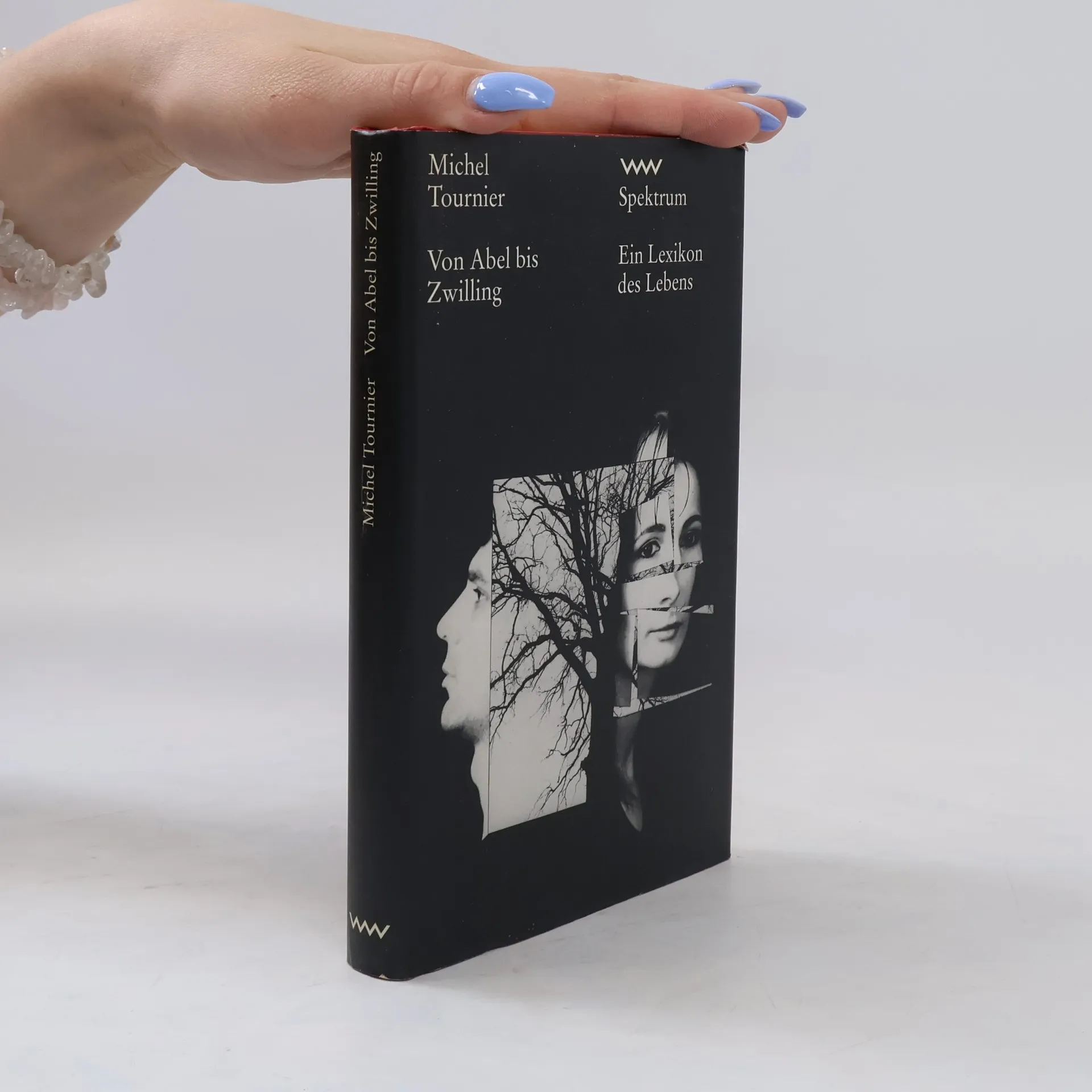
V osmdesáti dvou zdánlivě disparátních krátkých textech esejistické povahy se autor s láskyplnou zvídavostí a žasnoucí otevřeností zabývá nejrůznějšími věcmi, bytostmi, přírodními jevy, historickými událostmi, zvláštními vlastnostmi lidí, zvířat i věcí. Od způsobu chůze čtyřnožců, důležitosti kolene, přílivu a odlivu, vzájemné nenávisti stromů v lese se autor přes Tři krále a Ludvíka Svatého dostane v závěru až k postavám proslaveným i zničeným medializací, jako jsou či byli Sacha Guitry, lady Diana či Michael Jackson. Originální postřehy prokládá zajímavými fakty a vytváří pestrou mozaiku světa, vždy nového a překvapivého pro každého, kdo dokáže neotřele vnímat.
La citadelle de Cléricourt se rendra-t-elle aux troupes anglaises qui l'assiègent ? Le sage Faber et son fils, l'insupportable petit Lucio, vont-ils finir par s'entendre ? Jeté en prison pour avoir allumé la mèche de la couleuvrine, pourquoi Lucio en est-il triomphalement libéré ? Comment Exmoor, le commandant anglais, parvient-il à battre Faber aux échecs ? L'auteur de Vendredi nous transporte en pleine guerre de Cent Ans pour nous raconter une histoire dont les vrais héros sont le hasard et la chance.
Román světově proslulého autora, předního představitele současné francouzské prózy. Příběh venkovana, jenž v r. 1845 opouští s ženou a dětmi rodné Irsko, tehdy sužované hladem, a vydává se do Ameriky. Když na cestě do Kalifornie dorazí do Coloradské pouště, jako by se rázem ocitl ve světě Bible a sám znovu prožíval Mojžíšovo drama.
En estas pequeñas prosas de Michel Tournier apreciamos la observación justa, el descubrimiento insólito, la intensidad de la vida en cada frase y el desengaño de la historia al término de cada reflexión. Los apasionados lectores de Medianoche de amor y El Rey de los Alisos encontrarán en estas páginas la reserva íntima, sabia, viajera de Michel Tournier, que realiza la más perfecta antología literaria con la materia preciosa de la experiencia y lasensibilidad de un certero creador. Novelista de brillante estilo, poético y tenso, sus obras llevan sin embargo un fundamento reflexivo que el lector no deja de apreciar. Viene, pues, muy bien la publicación de El árbol y el camino , conjunto de breves ensayos del autor sobre los temas de su preocupación artística. El lector de habla española los necesitabapara ahondar en la obra de uno de los pocos escritores franceses que nos han llamado verdaderamente la atención en los últimos años.
Na jaren van geluk lijkt er een einde te komen aan het huwelijk van de visser Yves Oudalle en zijn vrouw Nadège. Ze besluiten te scheiden, en om deze nare beslissing bekend te maken nodigen zij op een zomeravond al hun vrienden uit voor een grootse vismaaltijd. Tegen het ochtendgloren zullen zij dan een bordje 'Te koop' aan hun deur hangen en zal ieder zijns weegs gaan. Maar eenmaal bijeen blijken alle negentien gasten een verhaal of een vertelling te hebbben, die te zamen de voortschrijdende nacht een heel andere wending geven. Wanneer Nadège en Yves, nadat de laatste gast is vertrokken, hun gordijnen openschuiven om de eerste zonnestralen binnen te laten, weten zij dat hun liefde is gered. 'Wat ons ontbrak,' zo zegt Nadège, 'was een huis van woorden om samen in te wonen. Onze vrienden hebben ons alle benodigde materialen daarvoor aangedragen.'
Ποιο είναι το νόημα του μύθου "Ροβινσώνας"; Ο Τουρνιέ υποθέτει ότι ο Ροβινσώνας, μέσα από πόνους, ανακαλύπτει μια μεγάλη Υγεία, καθώς τα πράγματα οργανώνονται διαφορετικά, απελευθερώνοντας μια εικόνα χωρίς ομοιότητα, το διπλό του εαυτού του που συνήθως είναι απωθημένο. Αυτό το διπλό απελευθερώνει τα καθαρά στοιχεία που είναι φυλακισμένα. Η απουσία του άλλου δεν διαταράσσει τον κόσμο, αλλά η παρουσία του κρύβει το ένδοξο διπλό του. Η ανακάλυψη του Ροβινσώνα είναι η επιφάνεια, το στοιχειακό πέρα, το Άλλο από τον Άλλο. Ωστόσο, η μεγάλη Υγεία φαίνεται διεστραμμένη, και η επανόρθωση του κόσμου και του πόθου μπορεί να είναι ταυτόχρονα παρέκκλιση και διαστροφή. Παρ' όλα αυτά, ο Ροβινσώνας δεν έχει διεστραμμένη συμπεριφορά. Κάθε μελέτη της διαστροφής προσπαθεί να αποκαλύψει μια διεστραμμένη δομή, η οποία αντιτίθεται στη δομή Άλλος. Οι συγκεκριμένοι άλλοι είναι οι ενεργοί μεταβαλλόμενοι όροι που πραγματώνουν τη δομή Άλλος, ενώ οι συμπεριφορές του διεστραμμένου προϋποθέτουν τη θεμελιώδη απουσία του άλλου και είναι οι μεταβαλλόμενοι όροι που πραγματώνουν τη διεστραμμένη δομή.
«Donne-moi la photo.»Idriss gardait ses chèvres et ses moutons non loin de l'oasis de Tabelbala quand une Land Rover a surgi. Une jeune femme blonde aux jambes nues a pris en photo le petit berger saharien. Sa photo, elle la lui enverra dès son retour à Paris.Idriss a attendu en vain. Son image volée ne lui a pas été rendue. Plus tard, quand il va partir vers le nord et jusqu'à Paris pour chercher du travail, il va se heurter à des images de lui-même qu'il ne reconnaîtra pas. Perdu dans un palais de mirages, il s'enfoncera dans la dérision jusqu'à ce qu'il trouve son salut dans la calligraphie. Seul le signe abstrait le libérera de la tyrannie de l'image, opium de l'Occident.
Co víme o Třech králích, kromě toho, co říká několik řádků Evangelia podle svatého Matouše? Příběh Michela Tourniera je překvapením od první do poslední stránky. Byli čtyři, nikoli tři: Gaspard z Méroé, černý král zamilovaný do bílé otrokyně; Balthazar z Nipouru, milovník umění; Melchior, prince z Palmýry, který přišel o svůj trůn; a Taor z Mangalore, princ cukru, vězeň solných dolů v Sodomy.
Recueil de sept nouvelles dont plusieurs ont déjà fait l'objet d'une publication. La symbolique et le vocabulaire employés ne sont malheureusement pas accessibles à tous. Style recherché.
Comment Jeanne d'Arc, si lucide, au bon sens si fort, a-t-elle put accepter pour compagnon ce Gilles de Rais dont la monstruosité continue à révolter et à fasciner, un demi-millénaire après son supplice ? A cette question - toujours esquivée ou laissée pendante par les historiens -, Michel Tournier tente de répondre : et si Gilles de Rais n'était devenu un monstre que sous l'influence de Jeanne ? Et s'il avait remis son âme entre ses mains pour le meilleur et pour le pire ? Pour le meilleur : libération d'Orléans, victoire de Patay, sacre de Charles VII. Pour le pire : blessure, capture, procès, condamnation par l'Eglise, bûcher. Gilles de Rais a suivi Jeanne jusqu'au bout, jusqu'à la sorcellerie, jusqu'au bûcher sur lequel il est monté neuf ans après elle.
Résumé : L'aire du Muguet - TOURNIER MichelŒŒLe point de vue de l'éditeurŒPierre conduit un énorme semi-remorque. Son domaine, son royaume, c'est l'autoroute. D'ailleurs, pour lui, il y a ceux qui sont de l'autoroute, et ceux qui n'en sont pas. Pourtant, un jour,
Soubor povídek současného francouzského prozaika zaujme výbušným vypravěčstvím, humorem a láskou ke všemu pozemskému. Některé z povídek nově zpracovávají klasická mytická témata, v jiných se objevují mýty, které vytvořila až moderní doba. Titulní povídka je vtipnou ukázkou autorova realismu, jímž navazuje na maupassantovskou tradici.
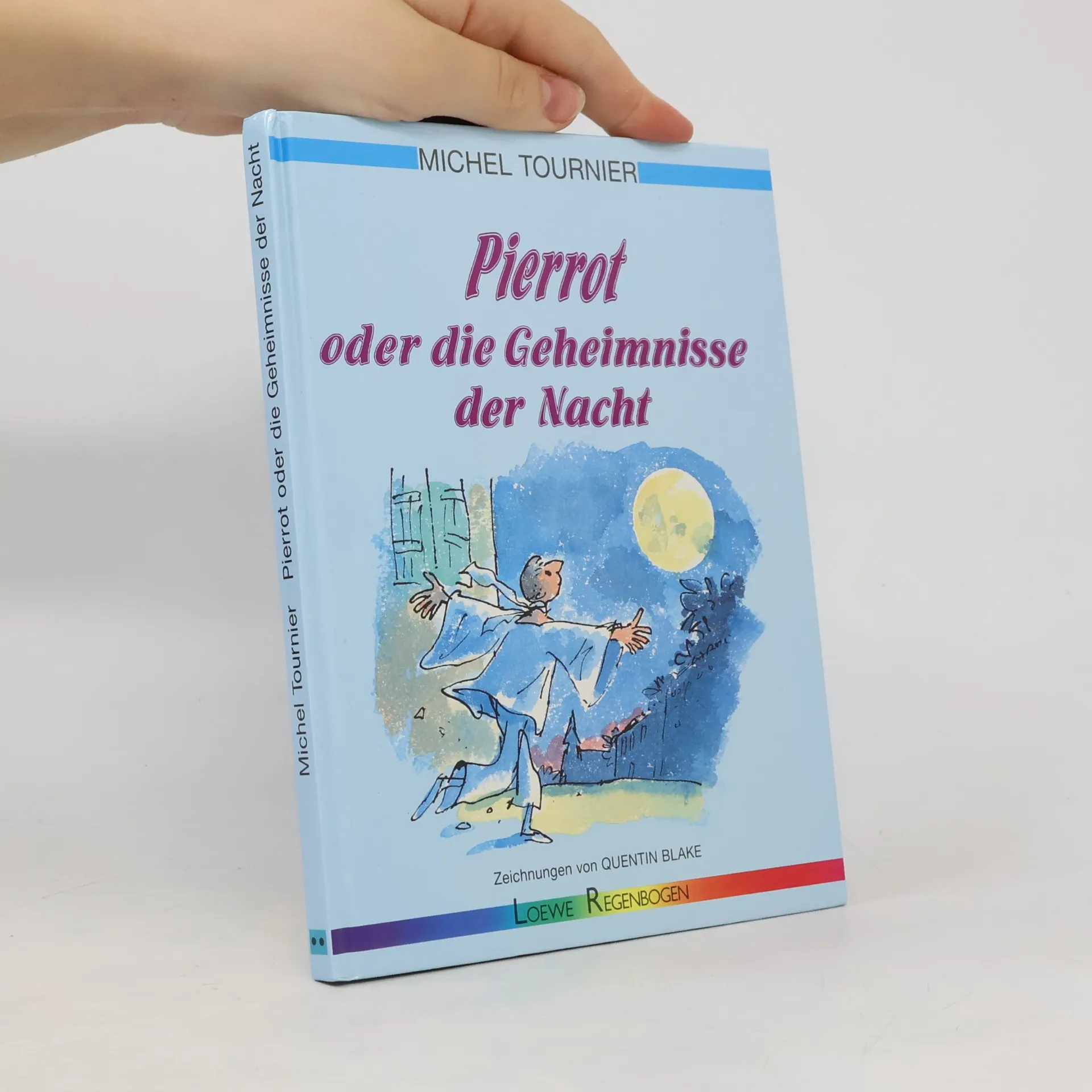
Die Bäckerei ist „Wegen Liebeskummer geschlossen“. Der Bäcker Pierrot hat seine große Liebe, die Weißwäscherin Colombine, verloren. Wie? Pierrots Leben findet nachts und Colombines tagsüber statt. Mond und Sonne trennen beide. Als der Maler Harlekin im Dorf auftaucht, verfällt Colombine seiner Farbpracht. Die Zeit vergeht und was anfangs aufregend und neu war, verliert seinen Reiz. Bis Colombine eines Abends einen alten Brief von Pierrot findet, der sie an ihre wahre Liebe erinnert.
Dans cette autobiographie intellectuelle, l'auteur de Vendredi ou Les limbes du Pacifique, du Roi des Aulnes, des Météores, du Coq de bruyère, s'explique sur ses livres. Passant de l'anecdote à la métaphysique, et de la chronique à l'esthétique littéraire, il cherche à approcher le secret de la création.L'ouvrage qu'il faut avoir lu pour mieux comprendre l'écrivain et son œuvre.
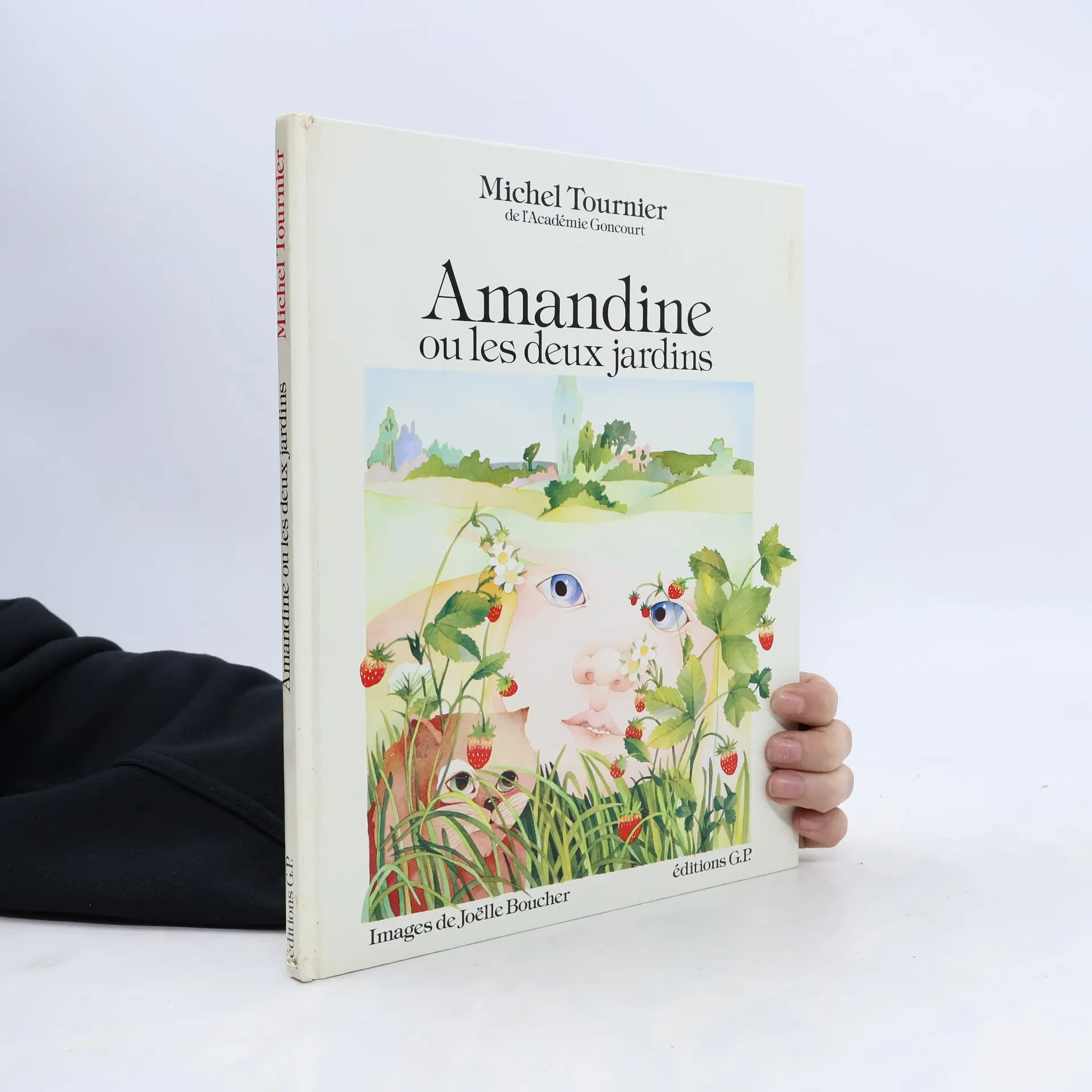
Ce journal d'une petite fille de 10 ans à l'allure naïve raconte la vie, les allées et venues de la chatte Claude et de son petit Kamicha. Ces animaux ne sont que le prétexte de l'auteur pour faire sauter le mur du jardin à Amandine, pour signaler son passage du monde de l'enfance à celui de l'adolescence, marqué par la puberté. Texte poétique où le symbole risque d'échapper aux plus jeunes. Illustration recherchée et réussie. Pour les 10-11 ans.
Román uznávaného autora vypráví tragický příběh členů francouzské maloburžoazní rodiny. Začátek, zahrnující období od 1. do 2. světové války, je věnován nejmladšímu ze tří bratrů Alexandrovi, který se po smrti nejstaršího bratra ujímá vedení společnosti na likvidaci odpadů. Alexandr je formován nejen prostředím skládek a vztahy k ostatním členům rodiny, ale hlavně svojí vášnivou homosexualitou, na které staví svůj filosofický náhled na svět. Jeho tragická pouť končí vraždou v marseillských docích při "lovu" milenců. Příběh pokračuje osudy Alexandrových synovců jednovaječných dvojčat Jeana a Paula. Sledujeme je od malička, kdy si uvědomují svůj blíženecký vztah, přes krizi z toho vyplývající, až po vzájemné hledání a nalezení. Nosným tématem tohoto naturalisticky napsaného románu je vedle sexu a homosexuality i mytické "blíženectví" dvojčat. Román je možné vnímat jako dramatický obraz světa s jeho krásami, fantastickými podivnostmi i "velkolepou ošklivostí", kterou do něho vnesl člověk, nebo, v druhém plánu, jako příběh o bizarní tragice erosu a o duši, jež hledá svou celistvost.
Román jednoho z nejuznávanějších současných francouzských autorů. Jeho protagonista – válečný zajatec – ve Východním Prusku jako přízrak objíždí vesnice a verbuje malé chlapce pro německou vojenskou školu.
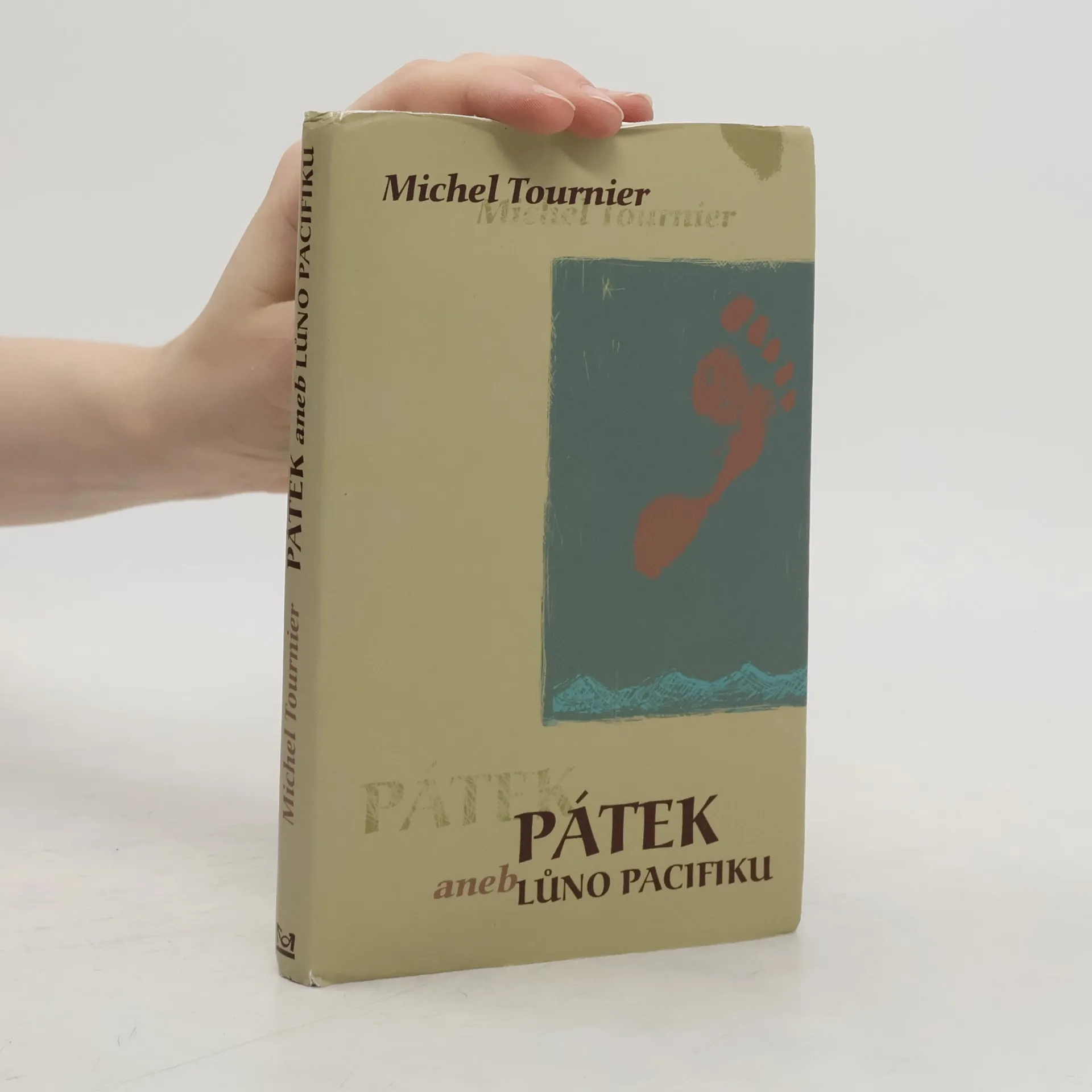
Loď neodvratně směřuje ke ztroskotání. Podivínský kapitán vykládá Robinsonovi karty. Magické obrazy předznamenávají sled proměn, jimiž Robinson během svého života na ostrově projde. Jeho pobyt na ostrově nebude jen historií prostého podmaňování, ostrov a samota zásadně promění Robinsona samého. Tournierův Robinson tak není snem o vládě nad vlastním kusem země, je zamyšlením o podstatě člověka, mýtem o zrození nového člověka z "lůna Pacifiku". Pátek do příběhu vstupuje jako dítě z jiného světa, jako božský průvodce na Robinsonově cestě za nadlidským údělem.
Doslov Gilles Deleuze.