Tento autor zkoumá složité lidské vztahy a hledání identity prostřednictvím pronikavých, často ironických postřehů o současném životě. Jeho styl je charakteristický ostrým dialogem a pozorností k detailům, které odhalují hlubší pravdy o našem světě. Práce tohoto autora vybízí čtenáře k zamyšlení nad sociálními normami a osobní integritou.
Na světě je jedna otázka, která mnohým vrtá hlavou. V noci nám nedá spát a nutí nás objednat se po letech k lékaři. CO KDYŽ UMÍRÁM? Správně by ta otázka ale měla znít: „Co když to bude dříve, než jsme čekali?“ Pokud u vás nastaly nějaké příznaky, měli byste vyšilovat, nebo se uklidnit? Chováte se jako hypochondři, nebo je to naprosto na místě? V knize si představíme nejčastější symptomy a také to, jak v jejich případě postupovat – jestli zůstat v klidu doma, zavolat lékaři, nebo upalovat na pohotovost.
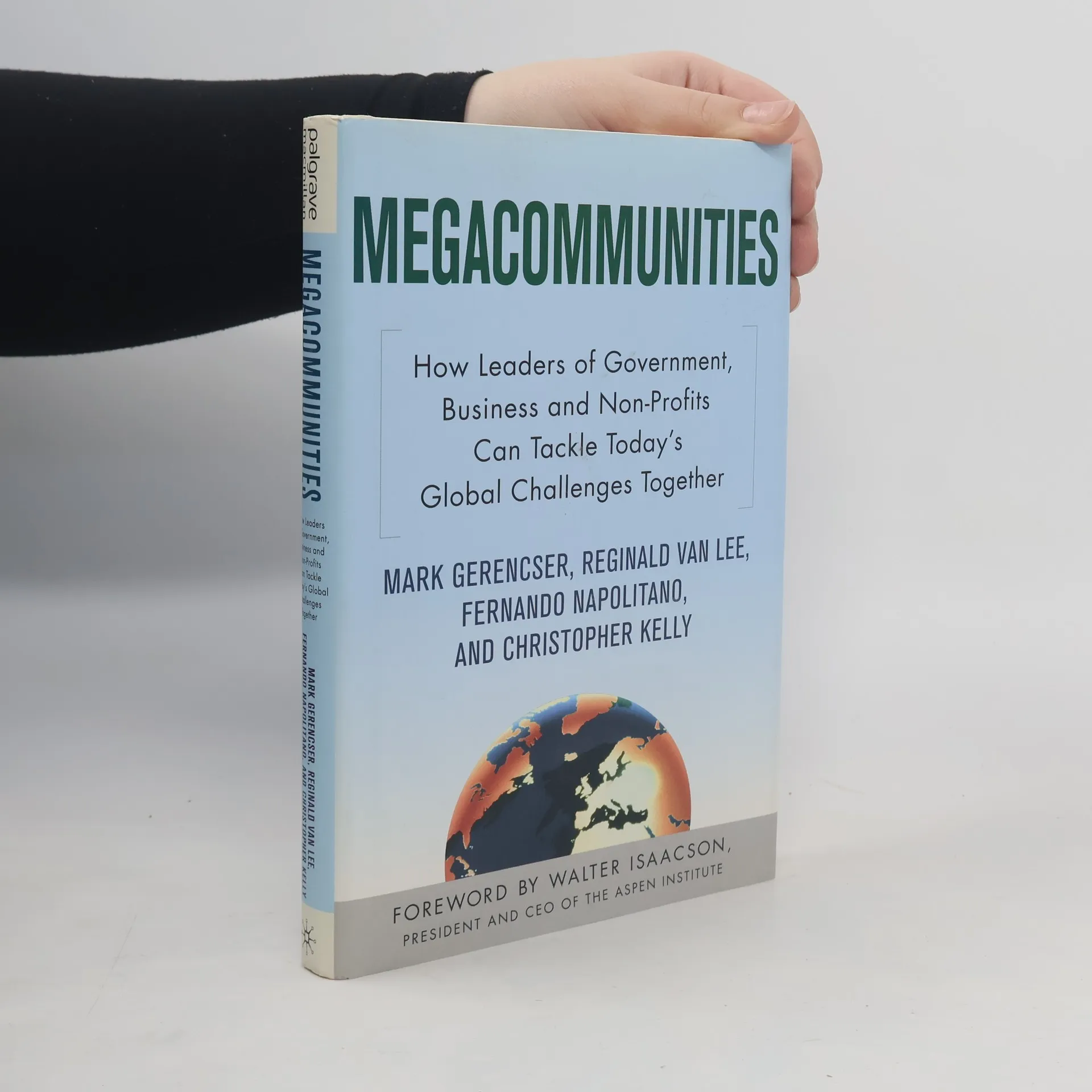
How Leaders of Government, Business and Non-Profits Can Tackle Today's Global Challenges Together
256 stránek
9 hodin čtení
A hurricane strikes a city; terrorists attack a nation; global warming threatens the environment—these issues are too vast for any single authority to tackle alone. Our interconnected world demands a new kind of tri-sector leadership where business, government, and nonprofits collaborate in ongoing negotiation. To succeed, future leaders must bridge national and sector divides to create a collaborative "megacommunity." Drawing from interviews with over 100 global leaders, including Bill Clinton and Henry Kissinger, this work presents a groundbreaking framework for addressing today's complex challenges. Written by four senior consultants from Booz Allen Hamilton, with a Foreword by Walter Isaacson, the book illustrates how a megacommunity approach can effectively confront pressing issues.
For instance, in India, a megacommunity unites public, private, and civil-sector organizations to combat HIV/AIDS, involving PepsiCo, the Gates Foundation, U.S. healthcare experts, and local NGOs. In environmental conservation, stakeholders from the lumber industry collaborate with local communities and organizations like the World Wildlife Fund to save rainforests. In neighborhoods like Harlem, a diverse group of local businesses, community organizations, and foundations, including those linked to Bill Clinton, work together for community growth. The authors emphasize the need for leaders who can identify shared interests and pursue mutual
The Roman Empire was a remarkable achievement. It had a population of sixty million people spread across lands encircling the Mediterranean and stretching from northern England to the sun-baked banks of the Euphrates, and from the Rhine to the North African coast. It was, above all else, an empire of force--employing a mixture of violence, suppression, order, and tactical use of power to develop an astonishingly uniform culture.Here, historian Christopher Kelly covers the history of the Empire from Augustus to Marcus Aurelius, describing the empire's formation, and its political, religious, cultural, and social structures. It looks at the daily lives of the Empire's people: both those in Rome as well as those living in its furthest colonies. Romans used astonishing logistical feats, political savvy, and military oppression to rule their vast empire. This Very Short Introduction examines how they "romanised" the cultures they conquered, imposing their own culture in order to subsume them completely. The book also looks at how the Roman Empire has been considered and depicted in more recent times, from the writings of Edward Gibbon to the Hollywood blockbuster Gladiator. It will prove a valuable introduction for readers interested in classical history.