Before the automobile, city streets were vibrant spaces for children and pedestrians. By 1930, however, streets had transformed into motor thoroughfares, where children were unwelcome and pedestrians labeled as "jaywalkers." The author argues that accommodating automobiles required not just physical changes but a significant social shift, as streets had to be redefined as spaces for motorists. This transformation was not gradual; it was a tumultuous revolution. The narrative explores the struggles of various street users to redefine the purpose of streets during the critical years from the 1910s to the 1930s. An anti-automobile campaign emerged, portraying motorists as "road hogs" and cars as "death machines." The author examines the perspectives of pedestrians, police (who transitioned to "traffic cops"), street railways, businesses, traffic engineers, and automotive promoters. Pedestrians and parents campaigned for "justice," while cities aimed for "efficiency" in regulating traffic. In contrast, automotive interest groups claimed their right to the streets by invoking the powerful rhetoric of "freedom," a concept deeply resonant in American culture.
Peter Norton Pořadí knih (chronologicky)
Peter Norton is best known for his foundational work in personal computing, particularly through the development of essential software and influential books that shaped the early digital landscape. His contributions extended beyond programming to publishing, where he disseminated knowledge and fostered a deeper understanding of computer systems for a wider audience. Norton's entrepreneurial spirit led to the successful commercialization of his innovations, making advanced technology more accessible. His legacy lies in empowering individuals through accessible software and insightful literature.


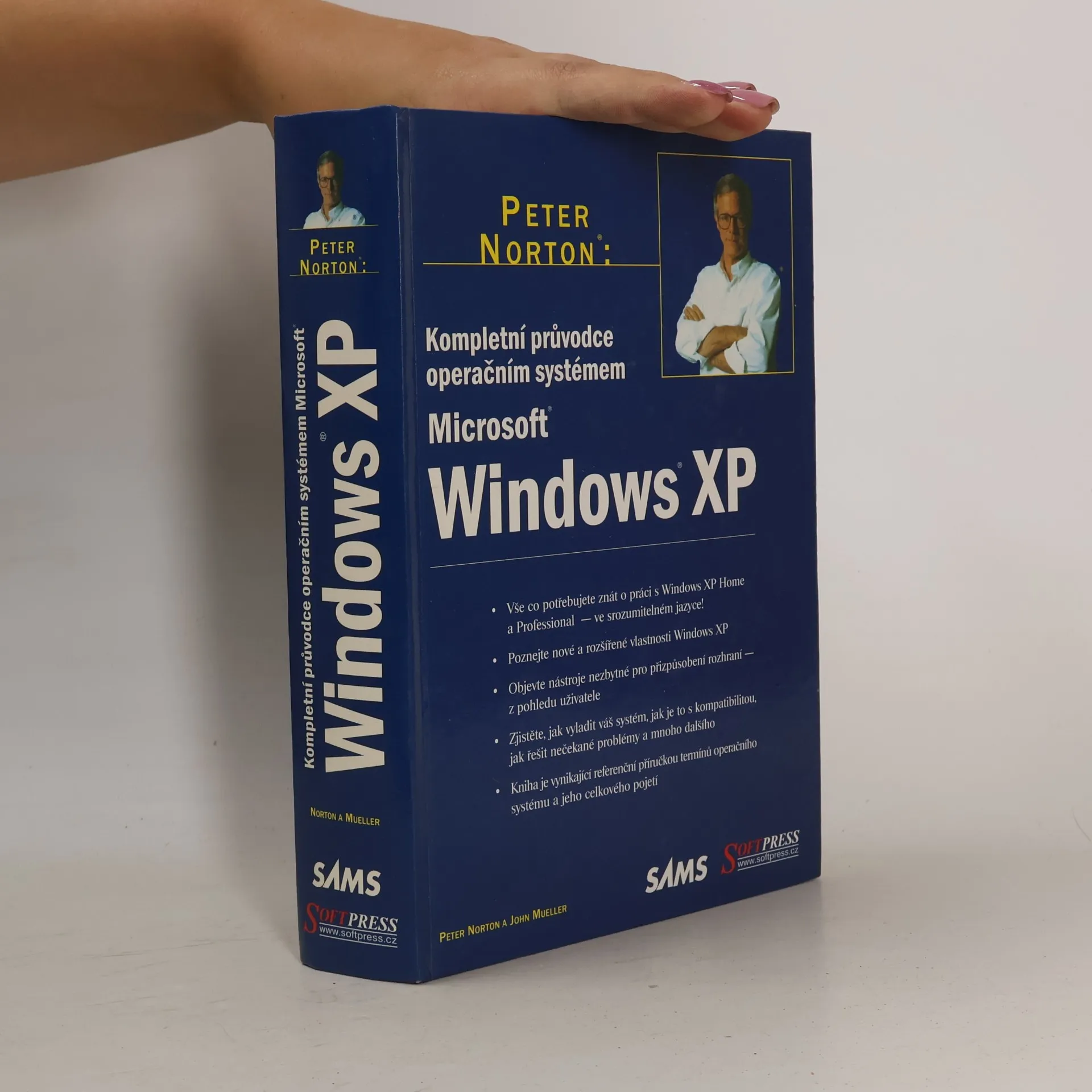
Kompletní průvodce operačním systémem Microsoft Windows XP
- 744 stránek
- 27 hodin čtení
Peter Norton: Kompletní průvodce síťovým operačním systémem Microsoft Windows 2000 Server
- 631 stránek
- 23 hodin čtení
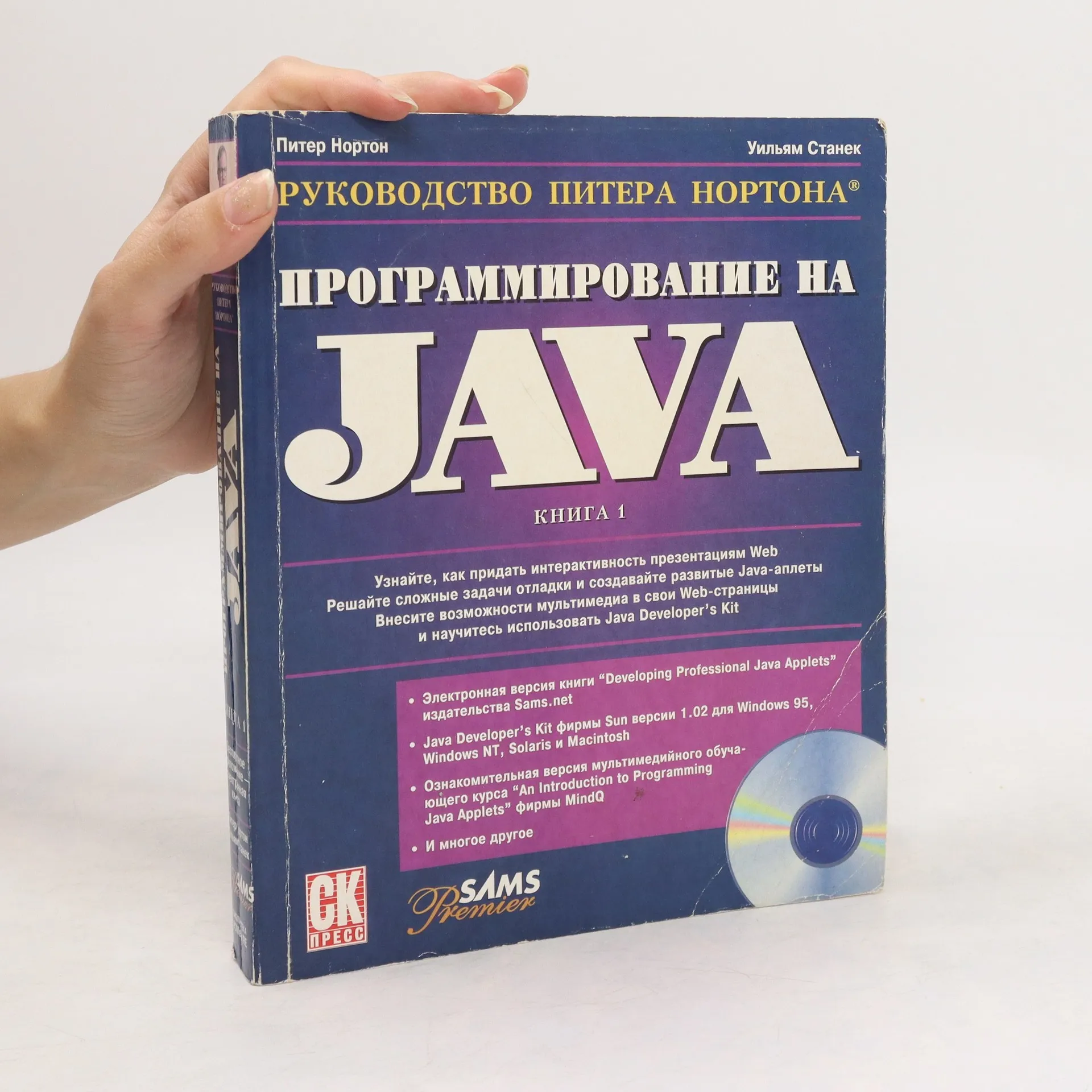
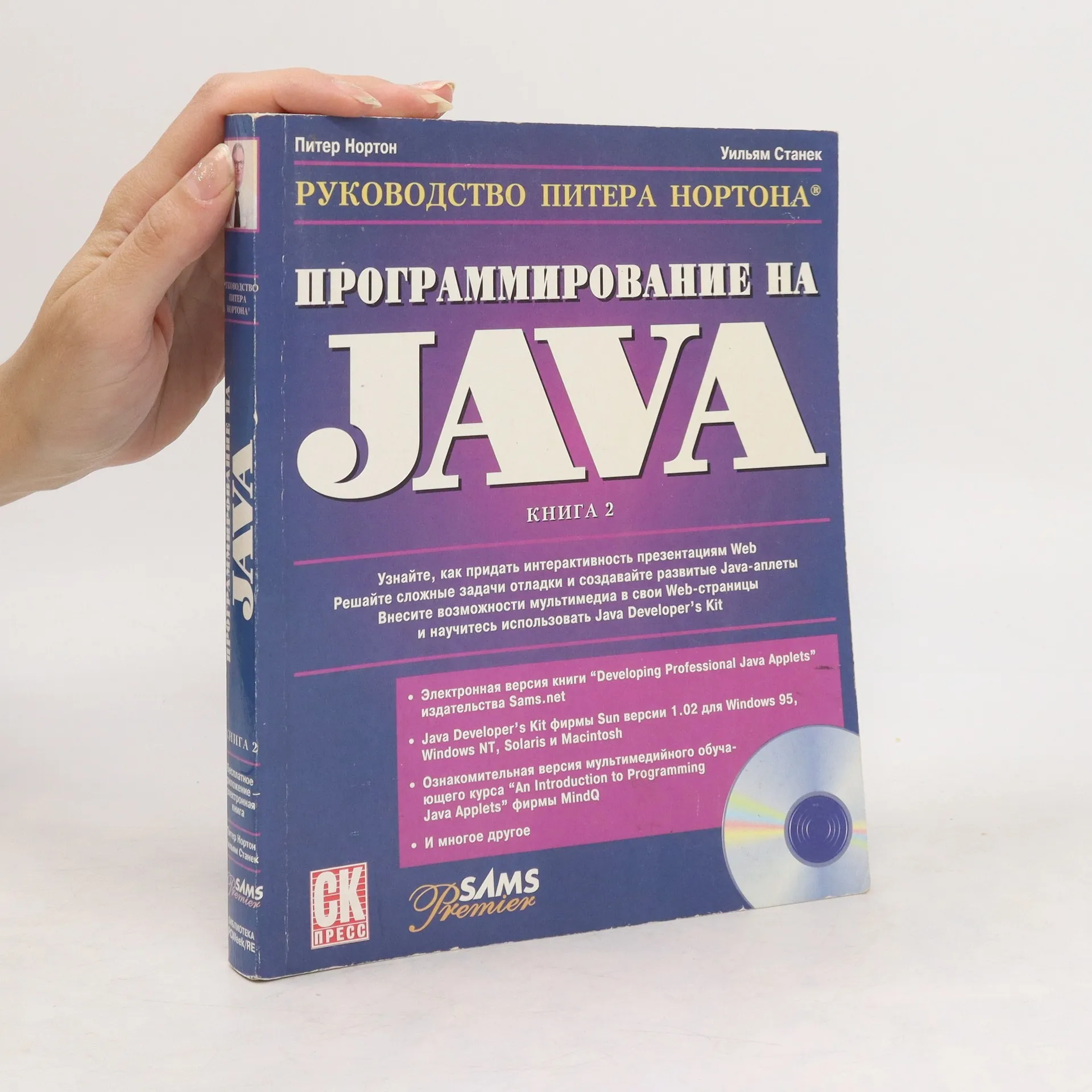
Книга для начинающих и продвинутых пользователей, охватывающая основы языка программирования Java и программного интерфейса, через использование приложений в реальном мире и продвинутую отладку и устранение неполадок. Предполагается наличие некоторого общего представления о программировании или веб-публикации.
Книга для начинающих и продвинутых пользователей, охватывающая основы языка программирования Java и интерфейса программирования, через использование приложений в реальном мире и продвинутую отладку и устранение неполадок. Предполагается наличие некоторого общего знания программирования или веб-публикации.
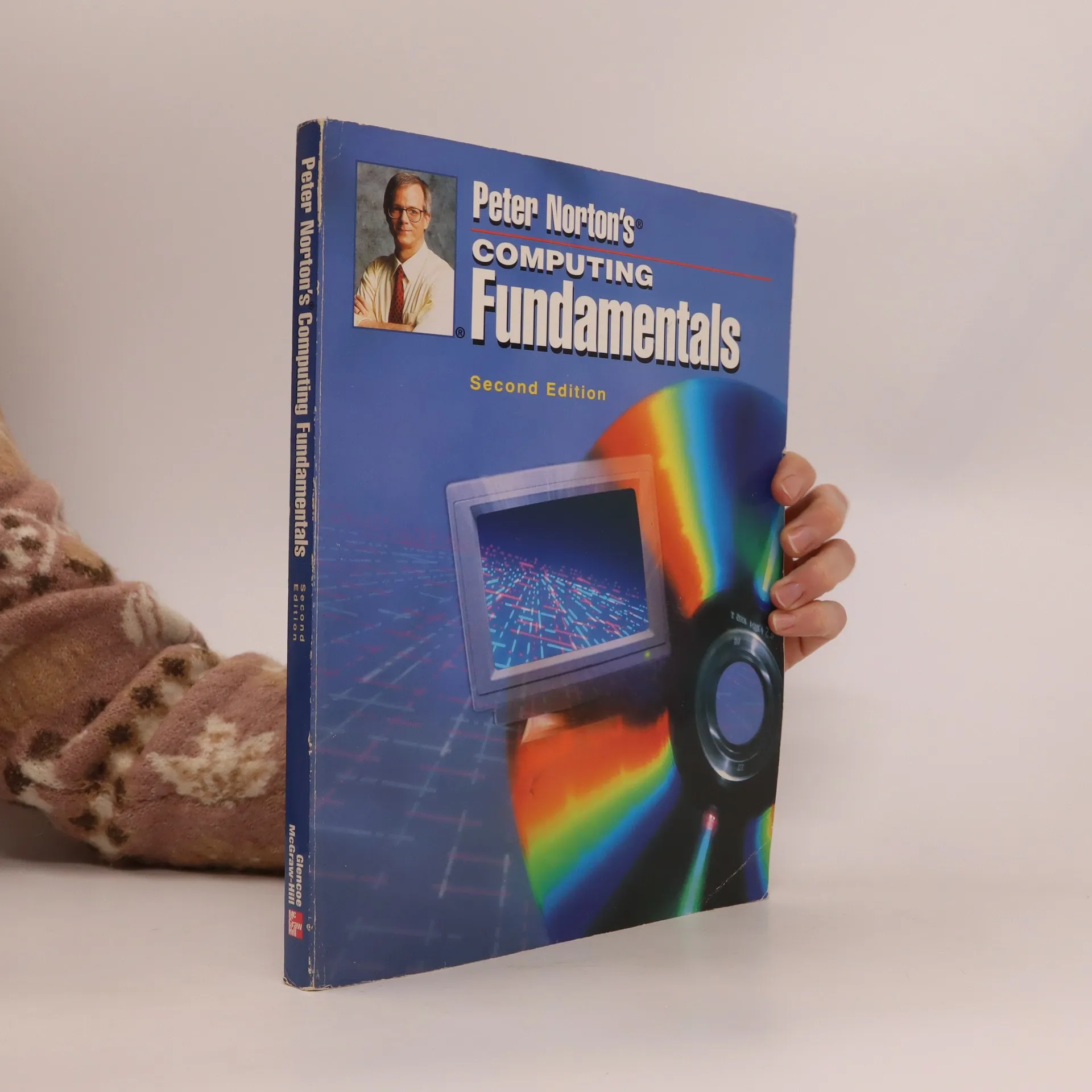
Presents a fresh approach to computer concepts in a concise, 12-chapter text. This book is designed for courses that place equal emphasis on computer concepts and hands-on learning. Its includes an appendix on the ethical considerations of navigating cyberspace.
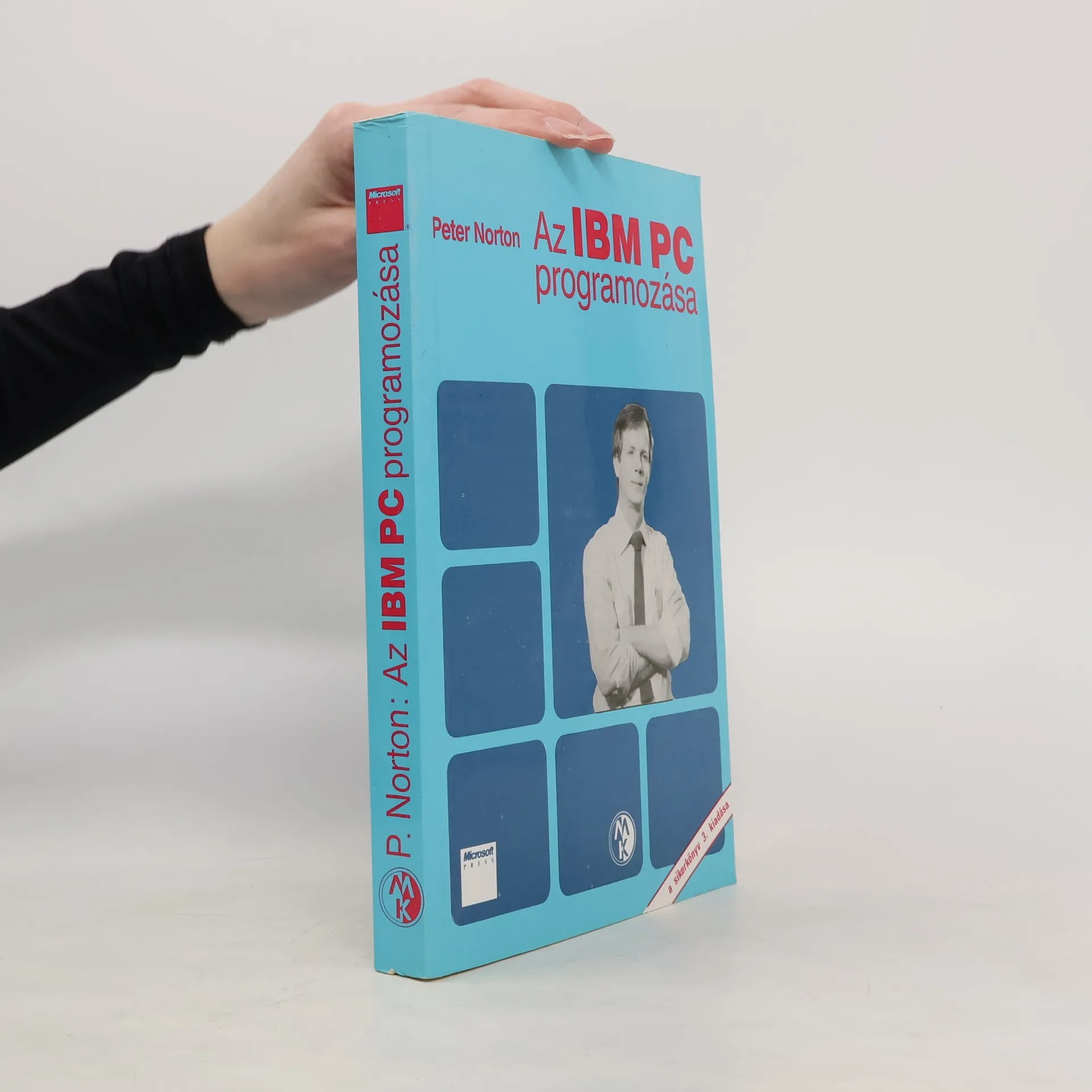
Az IBM PC programozása
- 371 stránek
- 13 hodin čtení
Completely rewritten and reorganized, this third edition of a classic bestseller provides complete reference coverage of industry standard hardware, operating systems, program development tools, and technical details. Update includes Win 3.1 and Win NT, the new IBM and AMD BIOS, MS-DOS 6.0, Intel P5, and much more.
Průvodce Unixem
- 566 stránek
- 20 hodin čtení
Přístupný, praktický úvod do Unixu. Nabízí kompletní informace o operačním prostředí UNIX, utilitách, souborovém systému, textových editorech a dostupných shellech. Obsahuje slovník, tabulky pro převod ASCII a tipy pro uživatele DOSu.
Peter Nortons UNIX-Leitfaden
- 552 stránek
- 20 hodin čtení
The UNIX operating environment is discussed from a user's perspective including a hands-on introduction to its utilities, as well as complete details of the file system, text editors, and available shells. Includes several halpful glossaries.
Includes information on how to write large-scale programs for text editors and utilities, how to use the Intel microprocessors, and how to take advantage of ROM BIOS
Peter Norton's Hard Disk Kompendium
- 459 stránek
- 17 hodin čtení
If you're an intermediate or advanced programmer, you know the value of developing programs for one IBM machine that will port to the others, even any future IBM machines. Peter Norton, creator of "Norton Utilities" give you the information you need to just this. Insights, techniques, technical data, quick reference charts enable you to look at the architectural similarities and differences among IBM's five personal computers. With this information, simple, clean, and portable professional and business programs are attainable