The Tractor Has a Wobbly Wheel
- 24 stránek
- 1 hodina čtení


Set against the backdrop of winter 1944/45, the narrative explores the underestimation of Allied forces by German officers, who mistakenly believed the wooded Reichswald Plug would provide sufficient natural defenses. This miscalculation led to the neglect of the Siegfried Line, leaving it vulnerable as tensions escalated. The story delves into the strategic misjudgments and the implications of overconfidence during a critical moment in World War II.
Set against the backdrop of the Peninsular War, the narrative details Sir Arthur Wellesley's military campaign in Portugal following Napoleon's invasion of Spain. As Spain shifts from enemy to ally, Wellesley navigates logistical challenges and engages in key battles, including the pivotal Combat of Roliça and the hard-fought victory at Vimiero. However, the story highlights a missed opportunity for a decisive victory over the French due to the actions of other British generals, culminating in the controversial Convention of Cintra.
A case study of the introduction of a new weapon system.
The story of a winter battle fought in appalling ground conditions for combat.
Demonstrates how the tactical, command and staff errors on the first day of the battle meant the inexperienced Peninsular Army still had much to learn. Describes how, following the lightening victory over Marshal Soult at Oporto, Wellesley and his army were brimming with confidence.
In this second of Tim Saunders' volumes on the opening stage of the 1945 Rhineland Campaign, the focus is to the north of the Reichswald, on the flood plain of the River Rhine and a narrow strip of slightly higher ground. číst celé
Combines letters, diaries and memoires with modern geographical aids to reconcile the sequence of the battle with exact locations.
Provides an account of the bitter fighting by the Hampshires and Dorsets in the villages of Eterville and Maltot with Tiger tanks and SS panzergrenadiers.
The 1810 French invasion of Portugal, commanded by the veteran marshal André Masséna, who was known to Napoleon as the 'Spoilt Child of Victory' has been well covered by historians. Conversely, the shock revelation of the presence of the Lines of Torres Vedras baring the French Army of Portugal's way to their objective of Lisbon, and numerous combats through to the Battle of Funtes de Oñoro, has been frequently and unjustifiably glossed over. This book, starting with the occupation of the Lines of Torres Vedras, which were at the heart of Wellington's Peninsular strategy from October 1809-1812, is the story of Wellington's pursuit of Masséna back to Spain. This was a time when the Peninsular Army was still being forged and Wellington was refining his own art of war. In addition, 1810-1811 was a period when the outcome of the struggle in Iberia was still far from certain, and Wellington could not manoeuvre with the same confidence in the outcome as he could in future years. The series of combats fought at Pombal, Redhina, Foz da Arounce and Sabugal while Masséna was at bay, though not categorised as 'general actions', were of the same scale and significance as those of 1808; Roliça and Vimiero. The general action at Funtes de Oñoro was one of the most significant of Wellington's victories, but he confessed that 'If Bony had been here we would have been beat'.
The story of the Allies' fight for Point 103, Tilly-sur-Seulles and Vilers Bocage against the elite German Panzer divisions.
The most effective German division fighting in the WestDescribes how the division continually battled the Allied offensivesUses new materials from archives in the former Eastern BlocRefuses to shy away from unpalatable facts or controversies
Uses memoirs and diaries from across the division and provides a wider understanding of the Peninsular Campaign.
Provides a greater understanding of the Peninsular Campaigns.
This book goes back to original documents: reports and first-hand accounts to establish the story of the three separate Ranger Forces that made-up Rudder s Rangers who assaulted not just Pointe du Hoc, where they held out for over 48 hours before relief, but the Western end of Omaha Beach as well.
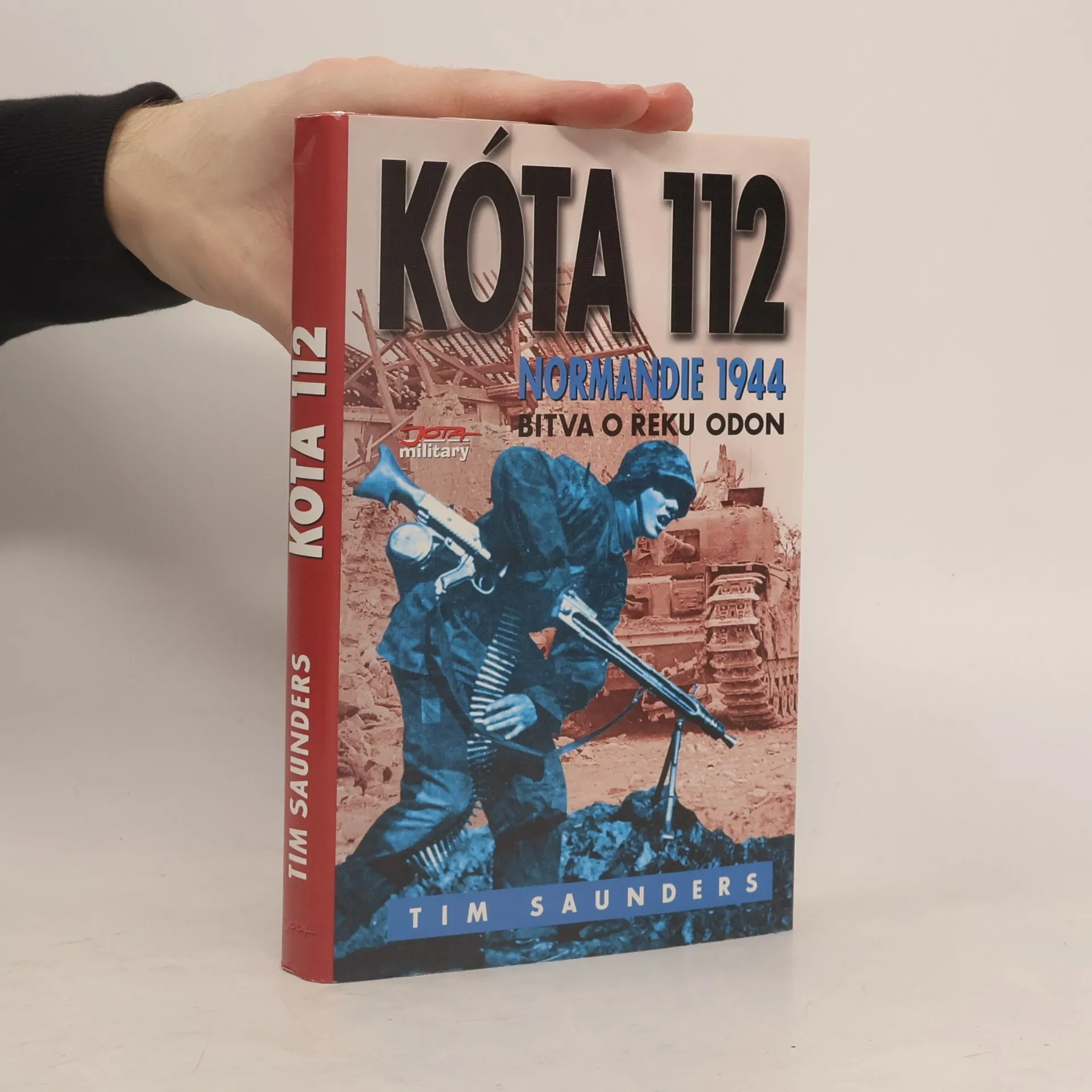
The narrative unfolds in the aftermath of the D-Day landings, focusing on the Allies' struggle to break free from the Normandy peninsula, particularly the strategic town of Caen. The British forces are determined to capture Caen, which is crucial for advancing their position. Central to this operation is Hill 112, referred to by the Germans as "Kalverienberg," symbolizing the intense military conflict and the significance of this location in the larger context of World War II.
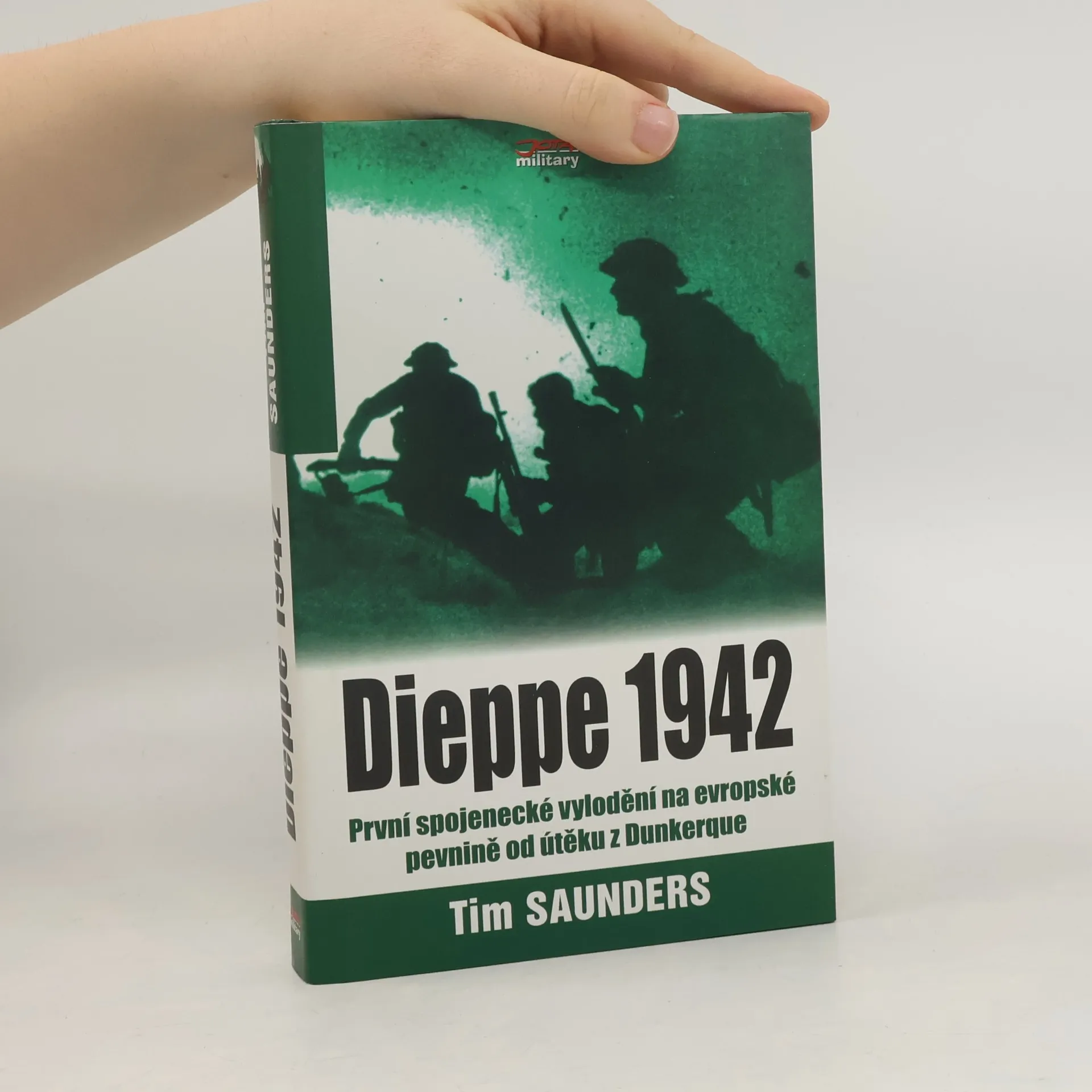
Podtitul: První spojenecké vylodění na evropské pevnině od útěku z Dunkerque - 2. kanadská divize Dne 19. srpna 1942 se na pobřeží u francouzského přístavního města Dieppe vylodilo několik tisíc příslušníků 2. kanadské pěší divize a britských Comanndos v rámci operace JUBILEE. Měl to být jednodenní průzkum bojem a také odpověď na neustálý nátlak sovětského vůdce J. V. Stalina, aby západní spojenci otevřeli druhou frontu a odlehčili těžce zkoušené Rudé armádě. Ve vražedné nepřátelské palbě však na kamenitých plážích zahynuly stovky vojáků, další tisíce jich padly do zajetí. Výsadková akce u Dieppe skončila neúspěšně a nacistická propaganda mohla hlásat do světa zprávy o nepropustnosti Atlantického valu. Další svazek knižnice Bojiště Evropy je věnován draze zaplacené generální zkoušce na vylodění v Normandii o dva roky později.
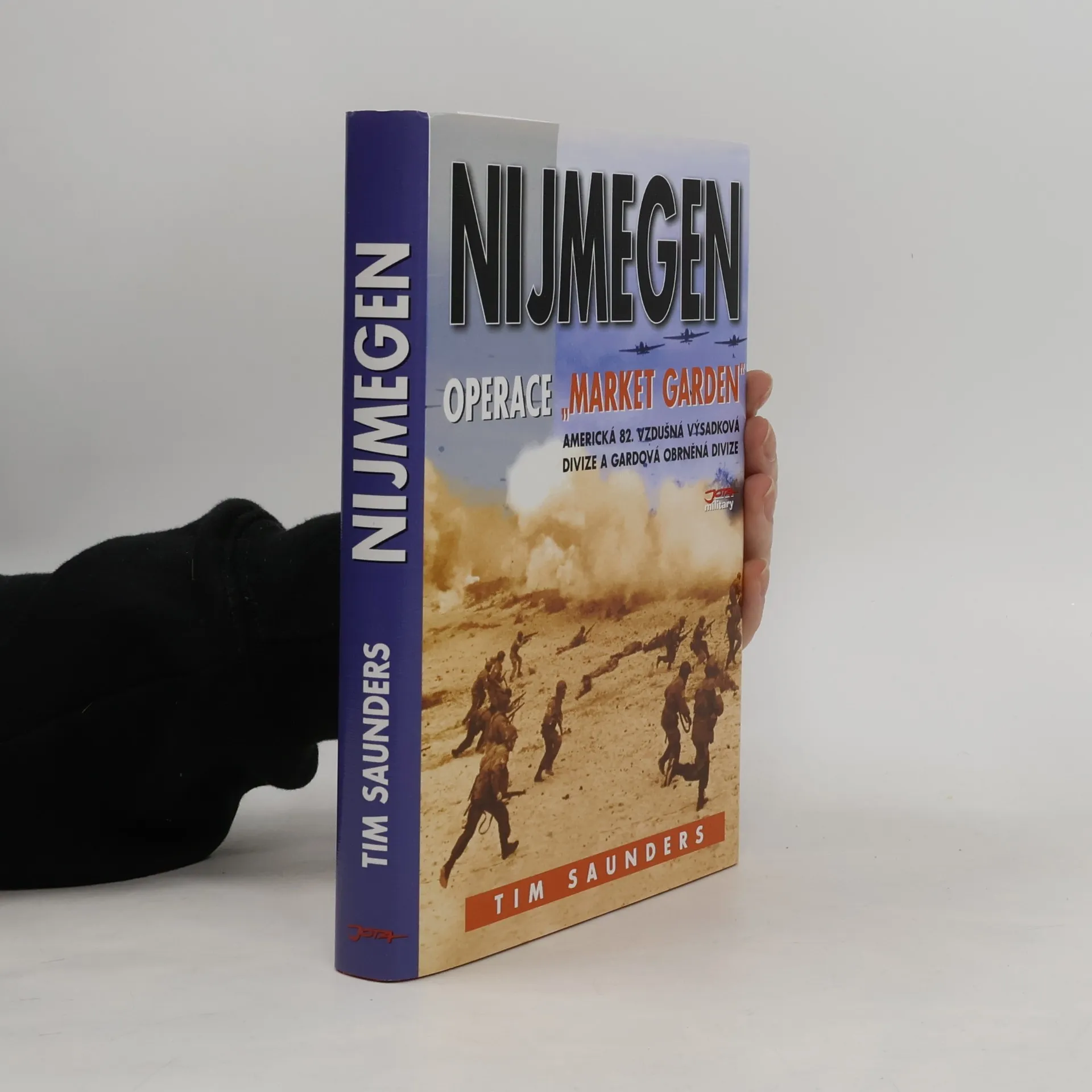
Počet publikací, přinášejících informace o úloze, jakou sehrály americké vzdušné výsadkové divize v operaci MARKET GARDEN, je minimální. Přitom jsou považovány bitvy u Nijmegenu, Groesbecku a v Grave za nejtěžší bitvy 82. vzdušné výsadkové divize v celé druhé světové válce. Úspěšný boj o nijmegenský most byl stejně zoufalý jako zápas vybojovaný 1. parašutistickou brigádou, usilující 18. září 1944 o dobytí arnhemského mostu, ale téměř naprostý nedostatek informací o americkém podílu na bitvě vedl k tomu, že operace MARKET GARDEN byla známa jen úryvkovitě. Tato kniha se snaží z málo známých, rozebraných knih a archivních pramenů sestavit zprávu, která by popsala boje 82. vzdušné výsadkové divize a gardové obrněné divize na Groesbecké pahorkatině a při dobývání nijmegenského mostu.
"Juno Beach was a key part of Hitler's vaunted Atlantic Wall. The attack on it was led by the 3rd Canadian Division, supported by the specialist assault tanks of the 79th Armoured Division. However, despite careful planning and rehearsal, poor D Day weather led to a piecemeal landing and heroic individual battles in the streats of the seaside towns."--BOOK JACKET.Title Summary field provided by Blackwell North America, Inc. All Rights Reserved
By late March 1945, Second British Army and Ninth US Army were poised to carry out an assault. In the British part of the operations, Montgomery's best assault divisions were assembled to carry out the British and Canadian part of the attack between Emmerich and Wesel.
Podtitul: "Normandie 1944 - Bitva o řeku Odon" Kniha přináší podrobný popis jedné z nejurputnějších bitev po spojeneckém vylodění v roce 1944 v Normandii a zároveň slouží jako průvodce po bojišti všem zájemcům o vojenskou historii. V červenci roku 1944 sotva minul jediný den, ve kterém by čtenáři německých nebo britských novin nenašli zprávu o bojích na kótě 112 nebo alespoň zmínku o nich. Tato kniha se pokouší sdělit dnešnímu čtenáři to, co bylo tehdy o těchto bojích všeobecně známé. Protože má Kóta 112 sloužit jako skutečný průvodce po bitvě a po bojišti, neobsahuje sporné názory ani rozsáhlé komentáře, ale preferuje to, aby důležité události hovořily samy za sebe. Vzhledem k tomu, kolik otázek vyvolal Spielbergův film "Zachraňte vojína Ryana", rozhodl se autor zařadit i kapitolu o Montgomeryho strategii. Pečlivě se stará i o to, aby vynikla úloha, kterou hrály podpůrné zbraně, například dělostřelci protitankových pluků Královského dělostřelectva, jejichž nanejvýš významná role byla ve zprávách z bojišť nezřídka opomíjena. Průvodce zařazuje bitvu o kótu 112 do širší souvislosti Montgomeryho strategie západního tažení a uvádí formace a jednotky obou stran. především si však přečteme výpovědi mužů, kteří na kótě 112 tak urputně bojovali.
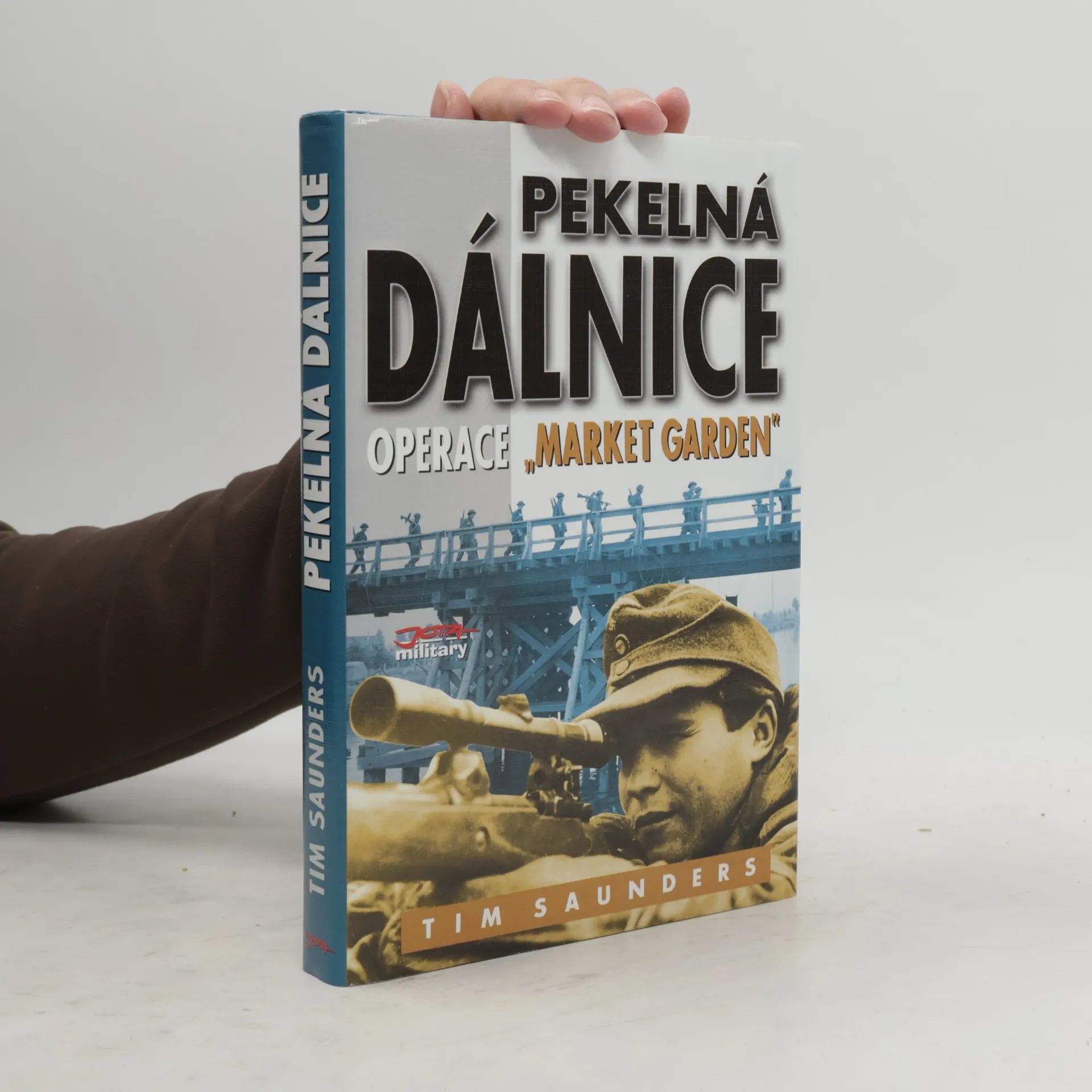
Tento svazek knižnice Bojiště Evropy je věnován úloze, kterou ve velkém kombinovaném tažení v září 1944 v Holandsku sehrála americká 101. vzdušná výsadková divize a britský XXX. sbor, zejména jeho gardová obrněná divize. V operaci Market Garden měly tři parašutistické divize a jedna polská parašutistická brigáda seskočit v Holandsku v týlu Němců, zmocnit se mostů a obsadit a vyčistit silnici od holandsko–německých hranic až po město Arnhem, aby tudy bez velkých překážek mohl bleskově projet britský XXX. sbor, obejít severně od Arnhemu německou Siegfriedovu linii a bez zastávek se pod velením polního maršála Montgomeryho hnát na Berlín. Kniha líčí kombinaci odborného výkladu kvalifikovaného historika, výňatků z kronik příslušných jednotek od roty po divize a sbor a vzpomínek účastníků bojů mimořádně barvitě průlom německé obrany XXX. sborem a boje 101. divize na prvním úseku této dlouhé cesty. Více než sto dobových i současných fotografií ještě zvyšuje dokumentární hodnotu knihy.
Operation EPSOM was General Montgomery's third attempt to take the City of Caen, which had been a key British D-Day objective. Delayed by a storm, the attack, designed to envelop Caen from the west, eventually began at the end of June 1944. The Territorial Army battalions of 15th Scottish Division spearheaded the attacks through the well developed positions of 12th Hitlerjugend SS Panzer Division.It was slow going and when tanks of the 11th Armoured Division dashed to the Odon Bridges they ran into the concentrated fire of dug-in panzers. However, the following day the Argyle and Sutherland Highlanders slipped through the German defenses and seized a vital bridge. Armor poured across but, rather than pushing home their advantage, the British prepared to beat off a powerful counterattack from II SS Panzer Corps.
Amongst the veterans that Montgomery brought back with him from the Mediterranean to spearhead the D-day invasion, were West Country infantrymen of 231 Brigade. The Devons, Hampshires and Dorsets had already carried out assault landings in Sicily and in Italy and replaced another brigade that had been provisionally allocated to lead XXX Corps ashore on Jig sector of Gold Beach. Unknown to the Allies, a quality German Division had been moved forward to the coast. This was the same German Division that nearly halted the Americans at OMAHA and the West Countrymen had to fight extremely hard for their objectives. 231 Brigade faced the sternest test of all British troops on D-Day. Selling Points * An essential addition to our best-selling Normandy World War 2 Battleground Series * Jig Beach saw some of the fiercest fighting of the landings * Employs the successful Battleground formula, with lots of illustrations, maps, personal testimony. Ideal for the visitor and student of war at home. Author Tim Saunders is a professional serving soldier. He has led many battlefield tours and is now one of the our most experienced and best-selling authors with Hill 112, Nijmegen, The Island and Hell's Highway in print all in the Battleground series.
Having fought their way up fifty miles of Hell's Highway and through Nijmegen, XXX Corps was just ten miles from Arnhem and the 1st British Airborne Division. Here it found itself on an island of flat land between the Waal at Nijmegen and the Rhine at Arnhem. The situation was increasingly bad with the remainder of II SS Panzer Corps in the area and German counter attacks on Hell's Highway preventing the Allies applying their material superiority. The Guards Armoured and then 43rd Wessex Infantry Division took turns to lead before reaching the Rhine opposite the paratroopers in the Oosterbeek Perimeter.Attempts to cross the Rhine by the Polish Paras and the Dorset Regiment had little success, but meanwhile, the guns of XXX Corps ensured the survival of the Perimeter. After some desperate fighting on the island, 43rd Wessex Division evacuated just two thousand members of the elite Airborne Division who had landed eight days earlier.
In the first of three books covering the battles on the road to Arnhem, Tim Saunders describes the US 82nd Airborne Division's daring seizure of the Grave Bridge and their battles for the Grossbeek Heights, and the struggle for the vital Nijmegen Bridge. schovat popis
Hell's Highway is the dramatic name given to the vital stretch of road that the British 3rd Guards Armoured Division had to advance down rapidly on their route to relieve the American Paras (82d Airborne) at Nijmegen and the British I st Airborne Division at Arnhem. Adopting the clear and successful style of Battleground works this book relies on personal accounts to embellish this dramatic story.