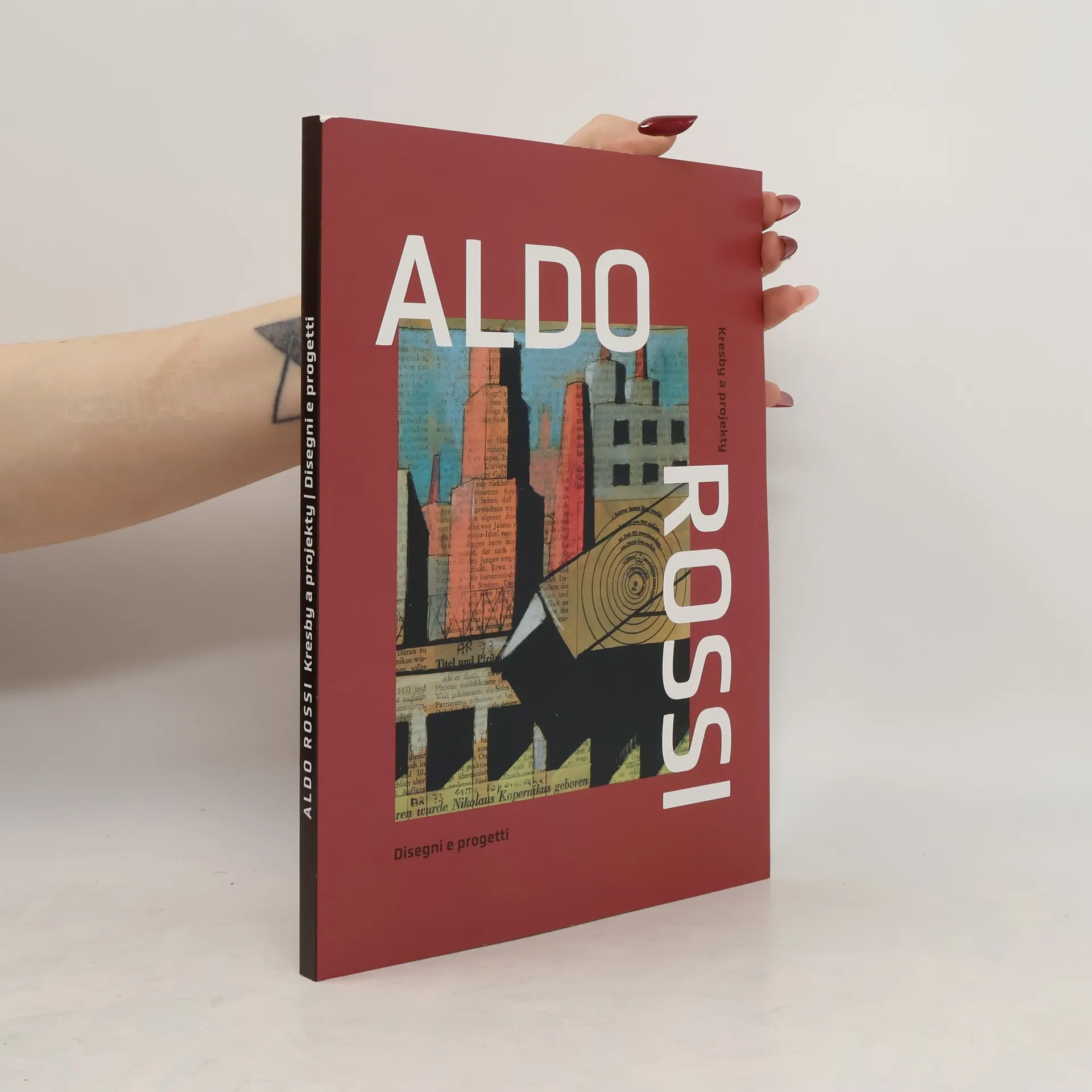
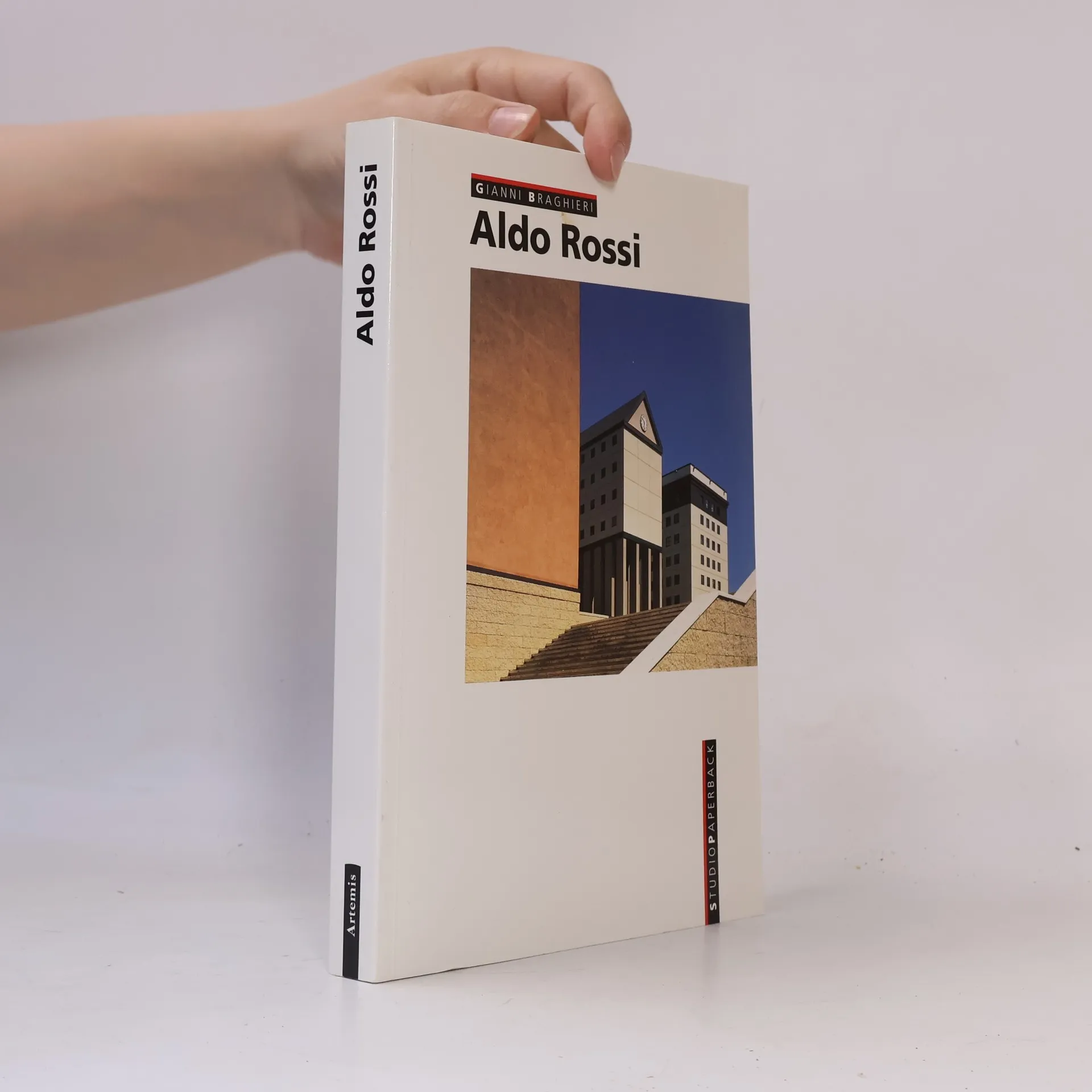
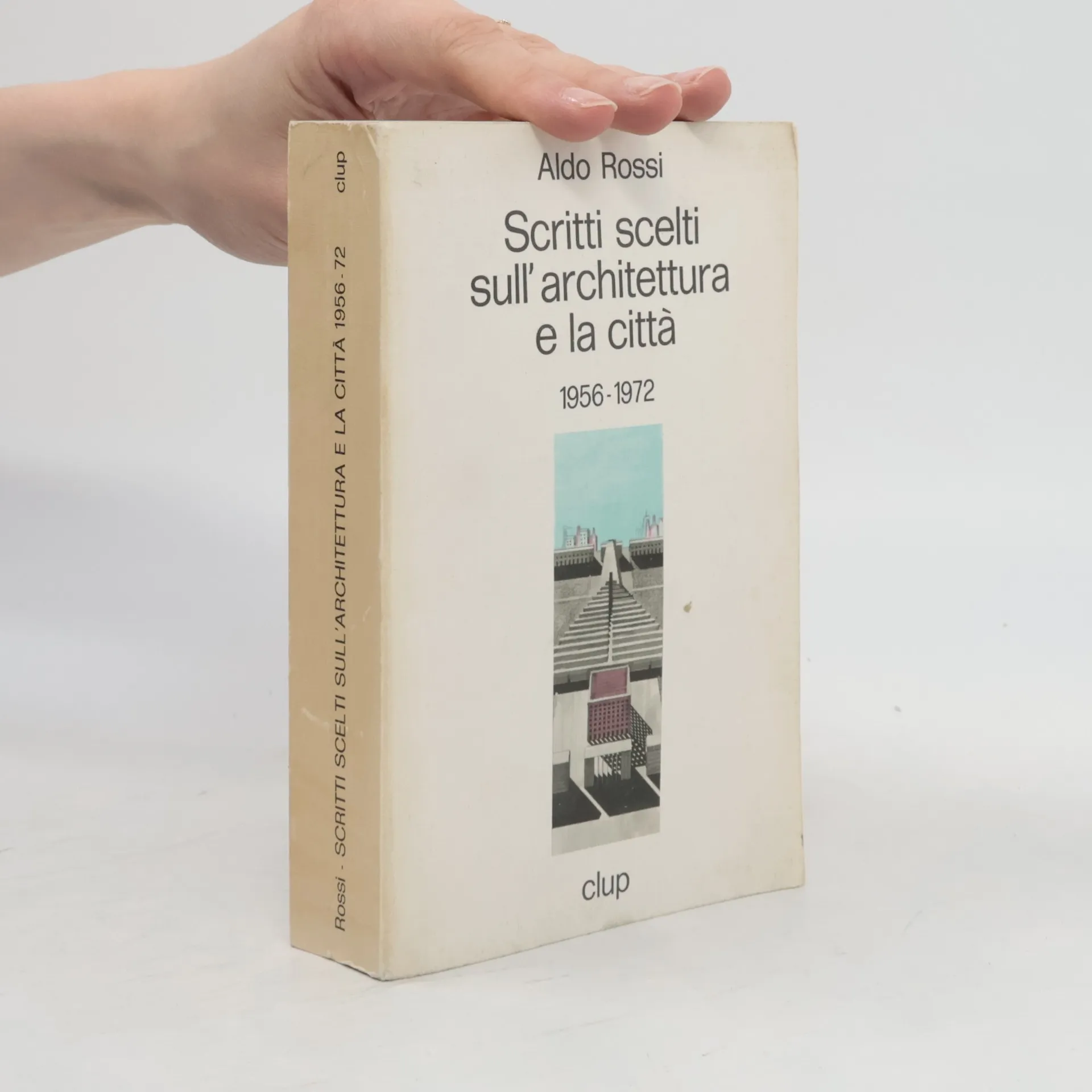
Aldo Rossi byl italský architekt a designér, který dosáhl neobvyklého úspěchu a mezinárodního uznání ve čtyřech odlišných oblastech: teorii, kresbě, architektuře a produktovém designu. Byl uznávaný pro svou poetickou vizi, která prostupovala jeho architektonickou tvorbu i teoretické práce. Jeho dílo se vyznačovalo hlubokým zamyšlením nad podstatou architektury a jejího místa ve společnosti. Rossiho vliv na moderní architekturu a design je trvalý a inspirativní.
Architekt a spisovatel Aldo Rossi (1930–1999) patří k nejvýznamnějším architektům postmoderny. Od samých začátků se jeho výraz stává velmi osobitý svými jednoduchými geometrickými prvky, stejně jako racionálním řešením. Byl zaměřen na školy, řadové domy, muzea a divadla. Ve své knize spojuje zážitky a dojmy z cest a z poznávání různých kulturních jevů s celým procesem vlastního myšlení a projekty. Vzniká zvláštní symbióza, která tuto knihu činí výjimečnou, a to nejen jako klíč k pochopení jeho díla, ale i celého kontextu postmoderní architektury.
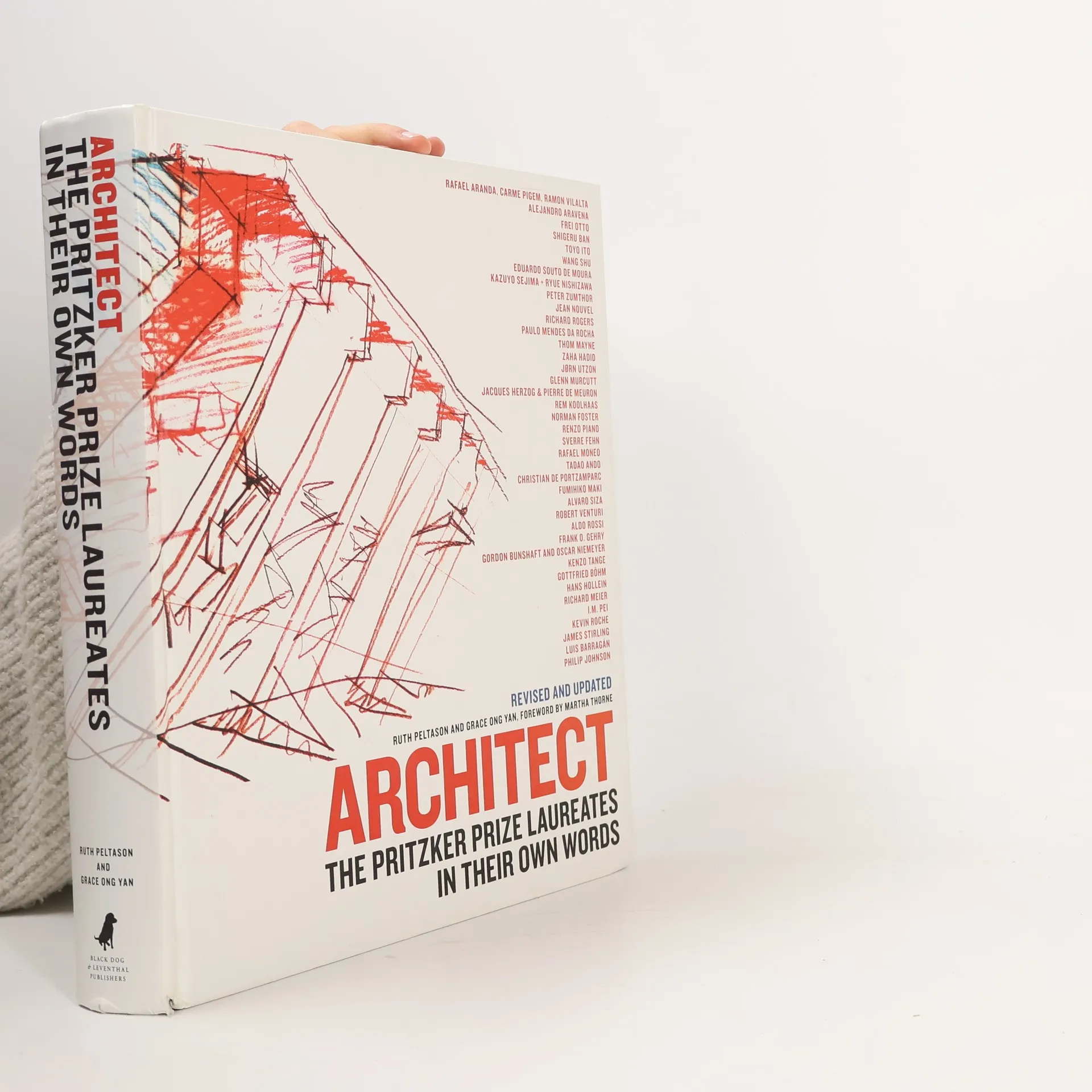
The Pritzker Prize Laureates in Their Own Words - Revised and Updated
464 stránek
17 hodin čtení
In this completely revised and up-to-date edition, the world's most accomplished architects -- Gehry, Pei, Meier, Nouvel, Piano, and 37 more-express their views on creativity, inspiration, and legacy in this visually stunning, one-of-a-kind collection. The Pritzker Prize is the most prestigious international prize for architecture. Architect includes all 42 recipients of the Pritzker Prize, and captures in pictures and their own words their awe-inspiring achievements. Organized in reverse chronological order by laureate each chapter features four to six of the architect's major works, including museums, libraries, hotels, places of worship, and more. The text, culled from notebooks, interviews, articles, and speeches illuminates the architects' influences and inspirations, personal philosophy, and aspirations for his own work and the future of architecture. The book includes More than 1000 stunning photographs, blueprints, sketches, and CAD drawings. Architect offers an unprecedented view into the minds of some of the most creative thinkers, dreamers, and builders of the last three decades and reveals that buildings are political, emotional, and spiritual.
Aldo Rossi was a practicing architect and leader of the Italian architectural movement La Tendenza and one of the most influential theorists of the twentieth century. The Architecture of the City is his major work of architectural and urban theory. In part a protest against functionalism and the Modern Movement, in part an attempt to restore the craft of architecture to its position as the only valid object of architectural study, and in part an analysis of the rules and forms of the city's construction, the book has become immensely popular among architects and design students.
This architectural monograph provides a critical study of Aldo Rossi, a leading Italian architect and one of the most successful architects of the post-modernist period. An historical analysis of Rossi's work is presented as the author explores the source material, and projects and buildings of the period 1965-1992 are examined. The book is illustrated throughout and includes a reappraisal of nine recent projects.
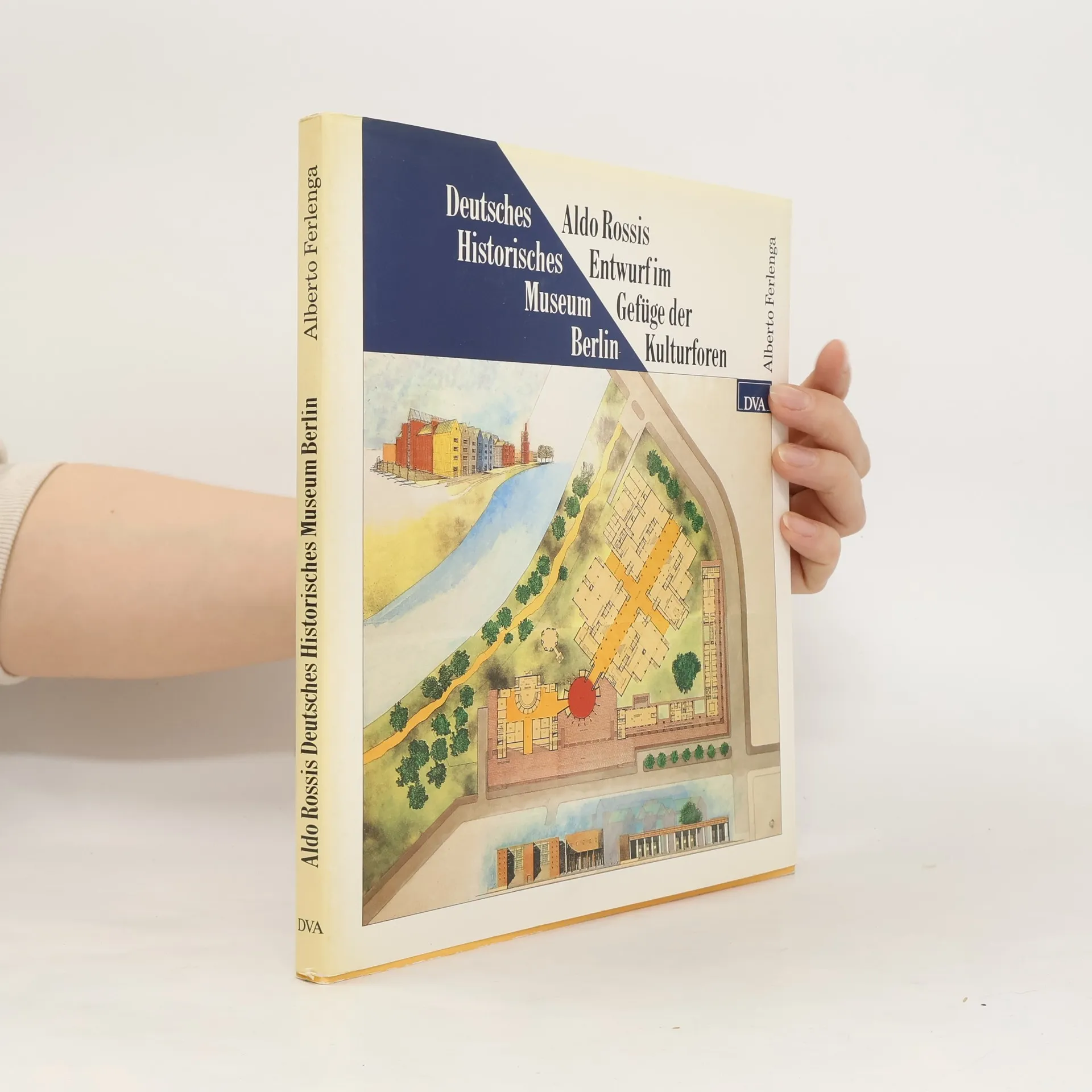
Aldo Rossi (1931–1997), a celebrated Pritzker Prize-winning architect, is a prominent figure in modern architecture. The exhibition at the Museum of Architectural Drawing, in collaboration with the Fondazione Aldo Rossi in Milan, showcases over 110 works on paper by Rossi, many of which are being exhibited for the first time. It features the Corpus Mediolanensis series, which includes colored and reworked graphic works that highlight 30 years of his design evolution. A key focus is the Insula series, which draws inspiration from ancient models and their reinterpretations by Baroque artists like Giovanni Battista Piranesi and Claude Lorrain. Unlike the 1970s architectural movement that sought to break from tradition, Rossi looked to earlier centuries for inspiration. The exhibition's title reflects both this series and the traditional Roman construction method (insulae), which significantly influenced Rossi's designs, such as the Schützenstraße project in Berlin. Both Berlin and Italy were pivotal in Rossi's career, where he created notable projects, some realized and others, like the German Historical Museum, remaining conceptual.
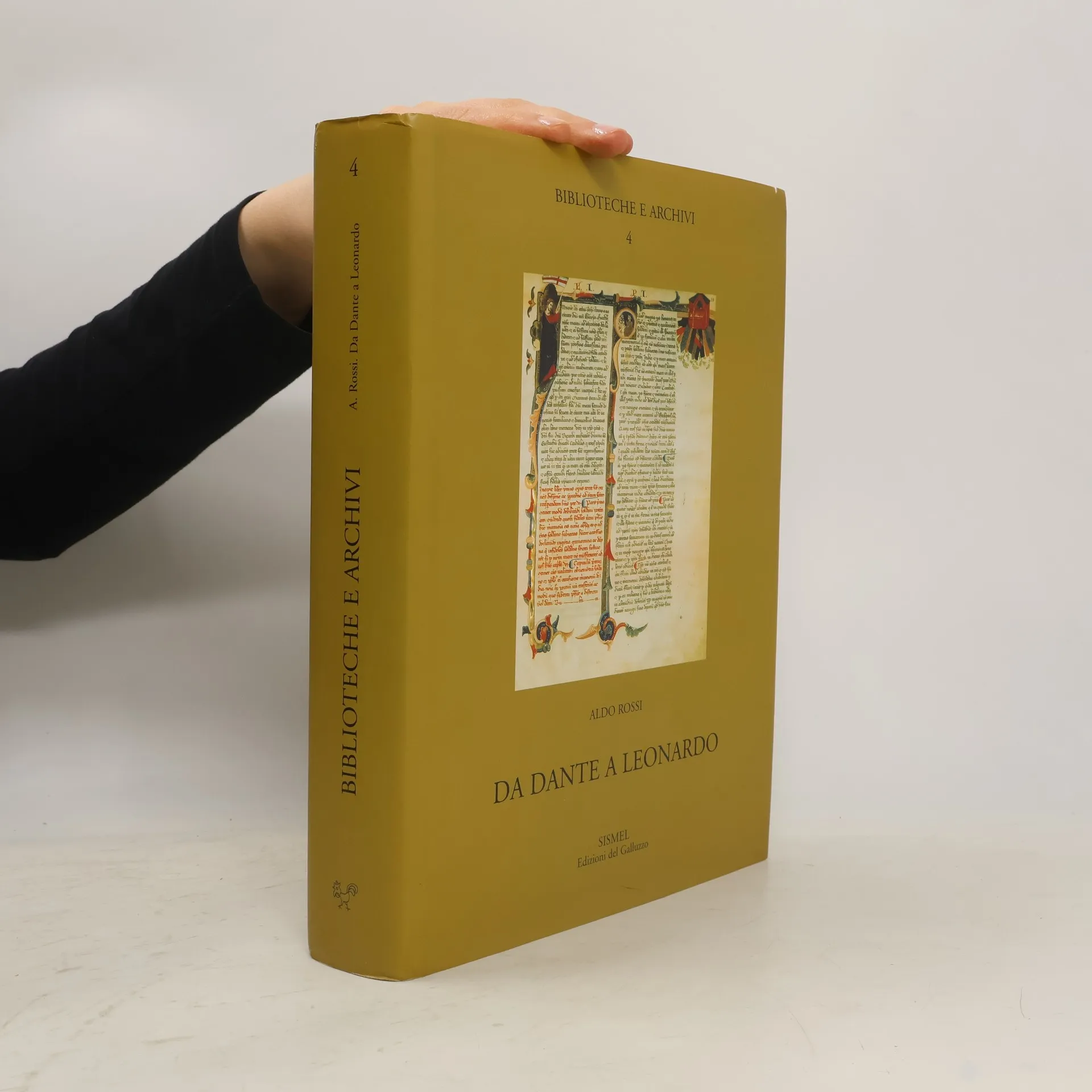
Firenze, SISMEL Edizioni del Galluzzo, 1999, 4to tutta tela editoriale con sovraccoperta illustrata a colori, pp. LXXXIV-430 con 12 stemmi codicum e 123 tavole in nero e a colori fuori testo (Biblioteche e Archivi, 4). In eccellente stato di conservazione.