Greil Marcus je uznávaný literární kritik a teoretik, jehož práce se hluboce noří do americké kultury a historie. Jeho psaní se vyznačuje pronikavou analýzou, která propojuje zdánlivě nesouvisející kulturní jevy a vytváří nové pohledy na umění a společnost. Marcusův styl je zároveň akademický i přístupný, což z něj činí klíčovou postavu v oblasti kulturních studií. Jeho díla jsou ceněna pro svou originalitu a schopnost osvětlovat skryté proudy v americkém myšlení a tvorbě.
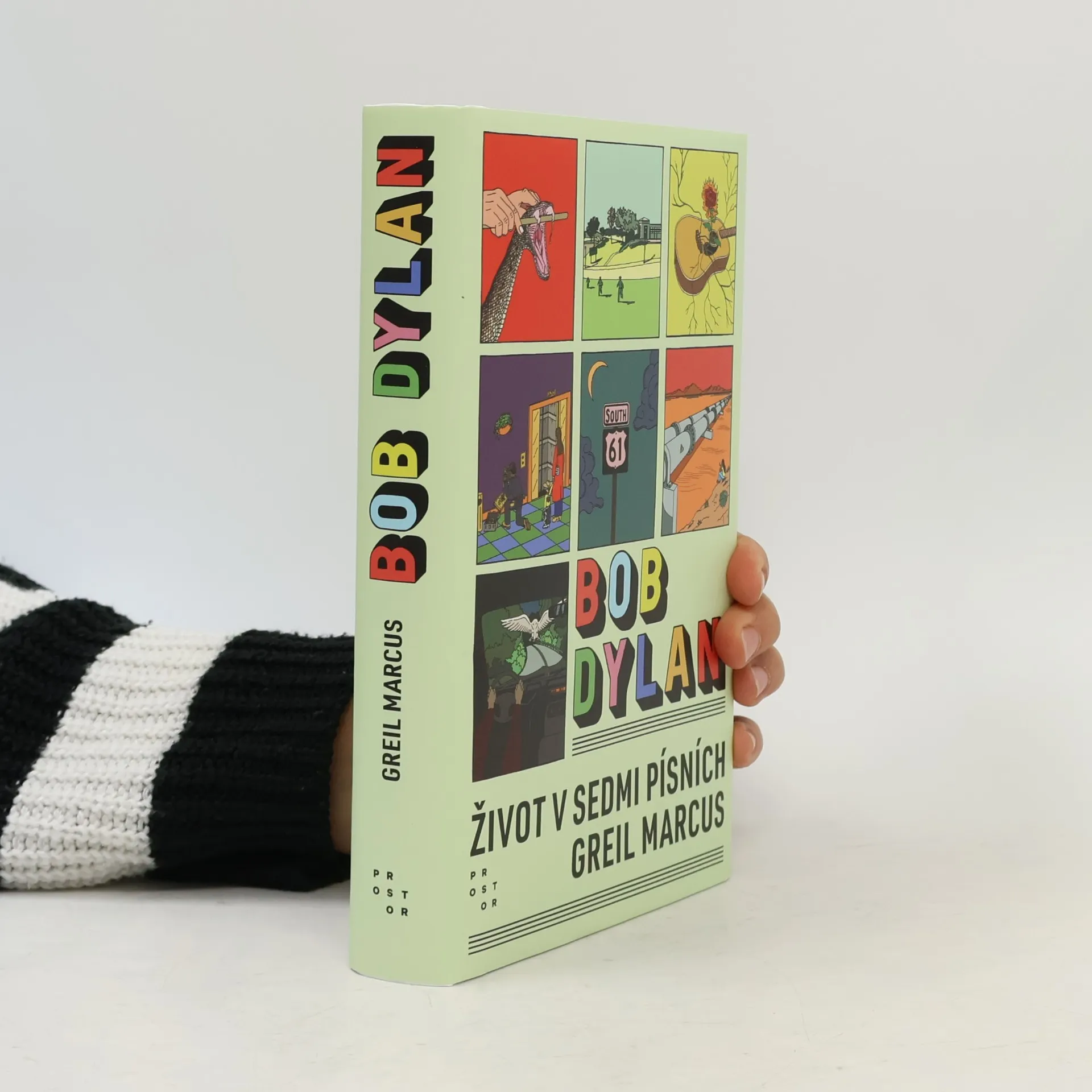
Žijící legenda americké hudební a kulturní publicistiky Greil Marcus vypráví příběh Boba Dylana prostřednictvím jeho šesti autorských písní a jedné převzaté lidovky. Představuje umělcovu šedesátiletou tvorbu a její kořeny v americké lidové hudbě a historii a zkoumá i Dylanův obrovský vliv na světovou uměleckou scénu. A činí to natolik zevrubně a fundovaně, že nic podobného v běžné biografii nenajdeme.
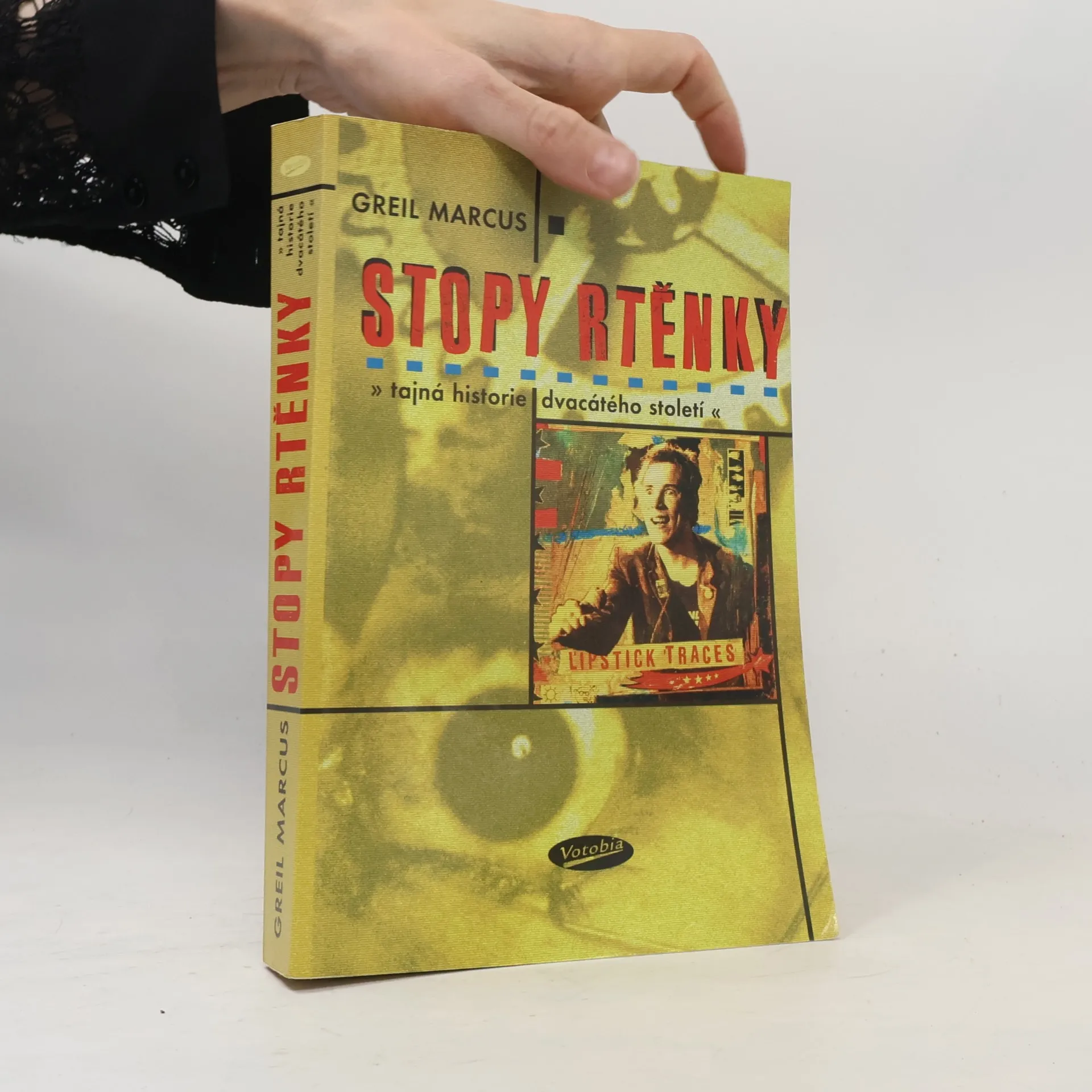
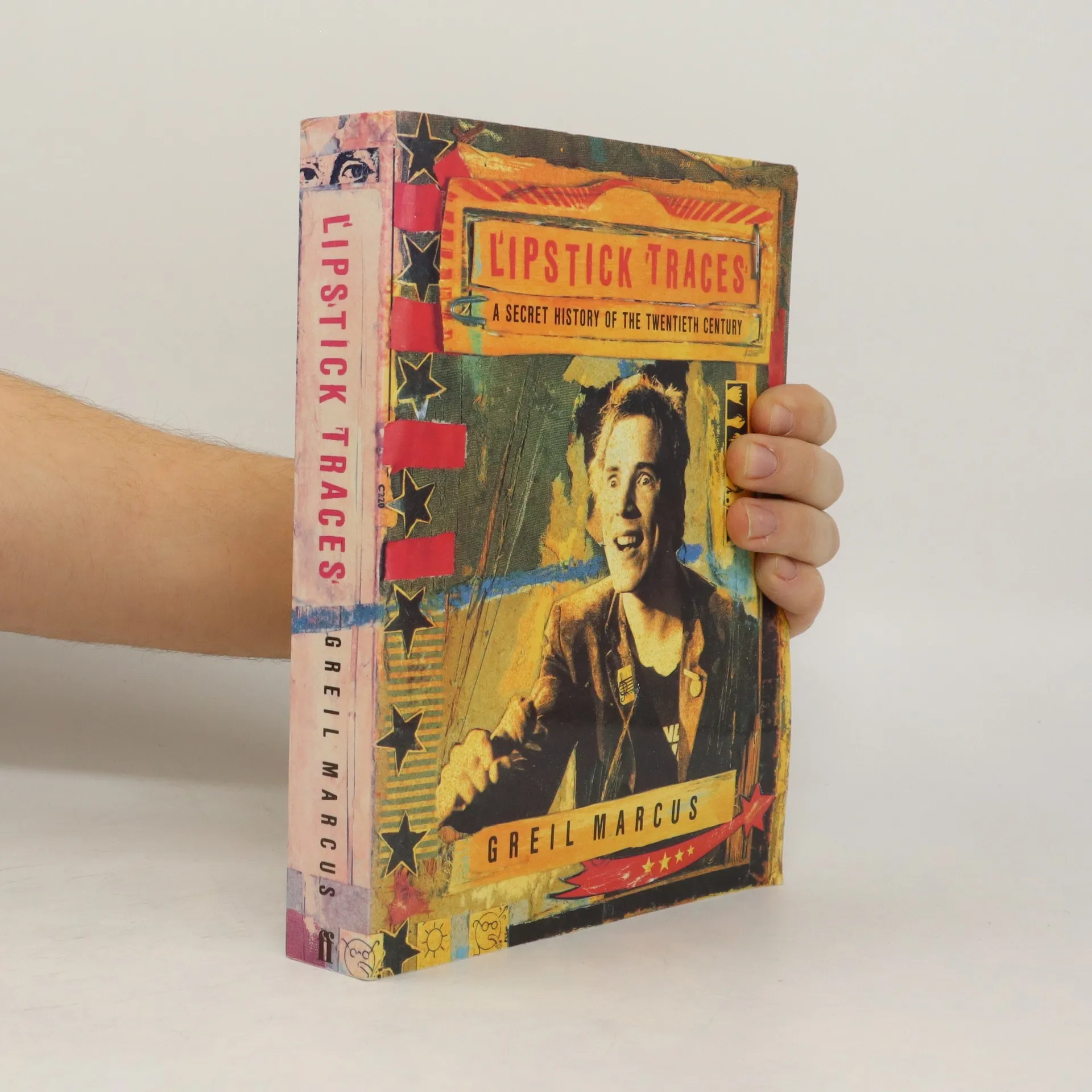
Utajené skutečnosti, které se staly ve dvacátém století, o nichž se v rámci běžných „dějin“ nehovoří. Vývoj uměleckých směrů od počátku století, přes světové války až do nedávné minulosti. Pohled na život dekadentních umělců. Dadaismus. Životní hodnoty a jejich posun po formujícím vlivu prožitých hrůz války. Kniha je doplněna množstvím fotografií.
Snare drum backbeat plus electric guitar: the simple formula that launched the rock star, and contemporary teen culture along with it. Today, rock 'n' roll seems to define postwar American culture, especially in its impact abroad. Though its inception is often imagined as sudden and seismic, it was, of course, a gradual and complex transition from boogie-woogie to the stardom of Elvis Presley and Bill Haley. A thorough survey of rock 'n' roll's bloodline would even reach back as far as 1939, a time when the electric guitar's role was mostly played by piano or saxophone. "Rock 'n' Roll 39-59" does this, with the assistance of some of the genre's finest photographers. Bruce Davidson, Wayne Miller, Robert W. Kelley, Esther Bubley, Eve Arnold and Ernest C. Withers are all here, amid a wealth of visual props, including priceless period posters, records, rare souvenirs, photographs and film stills, and indices of the movement's key venues, events, artists, producers and people. This book describes a lively mess of genres, from boogie-woogie to blues, gospel, big band jazz, country and, most of all, rhythm and blues--interbreeding against a backdrop of colossal social change, and culminating in the rock 'n' roll explosion of the mid-1950s.
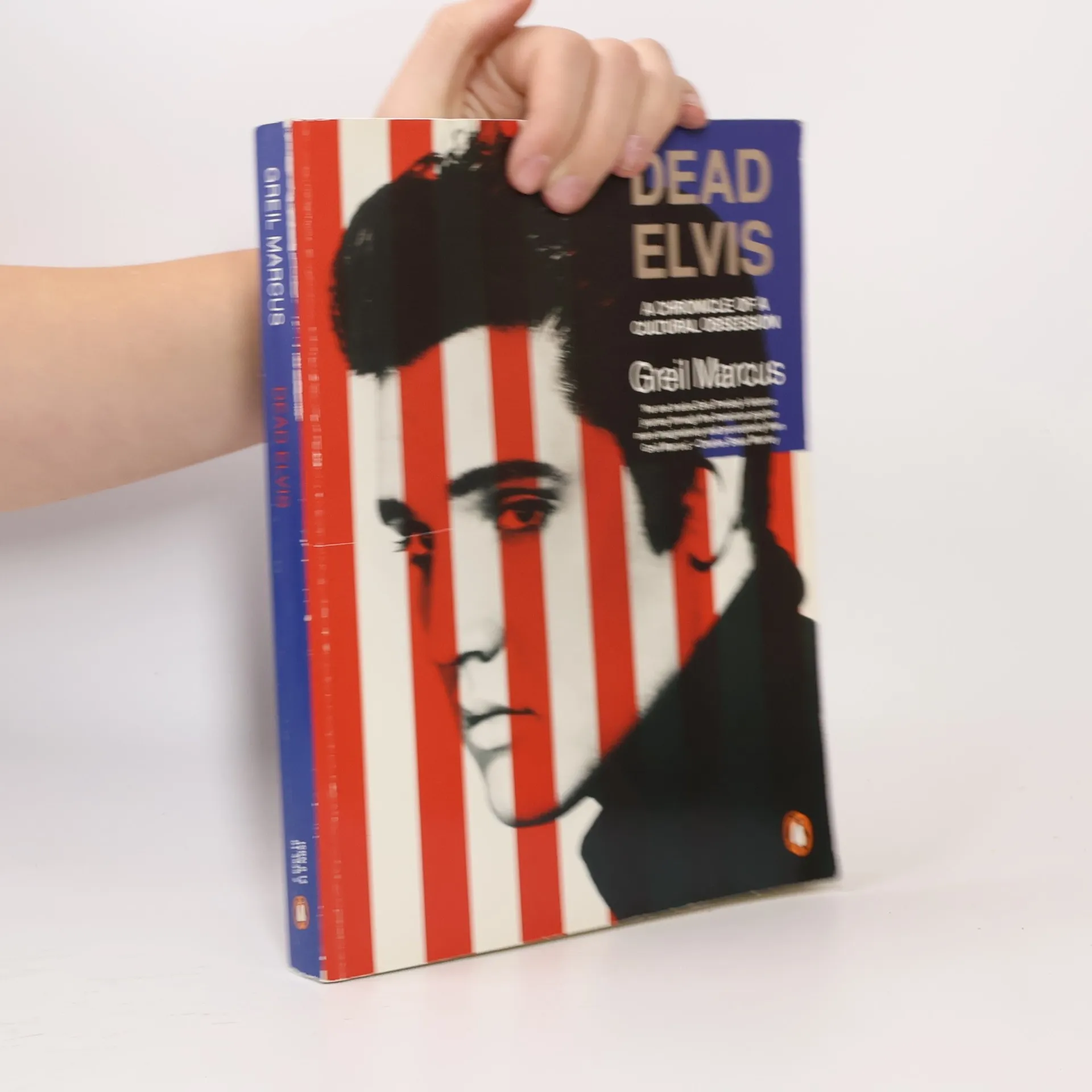
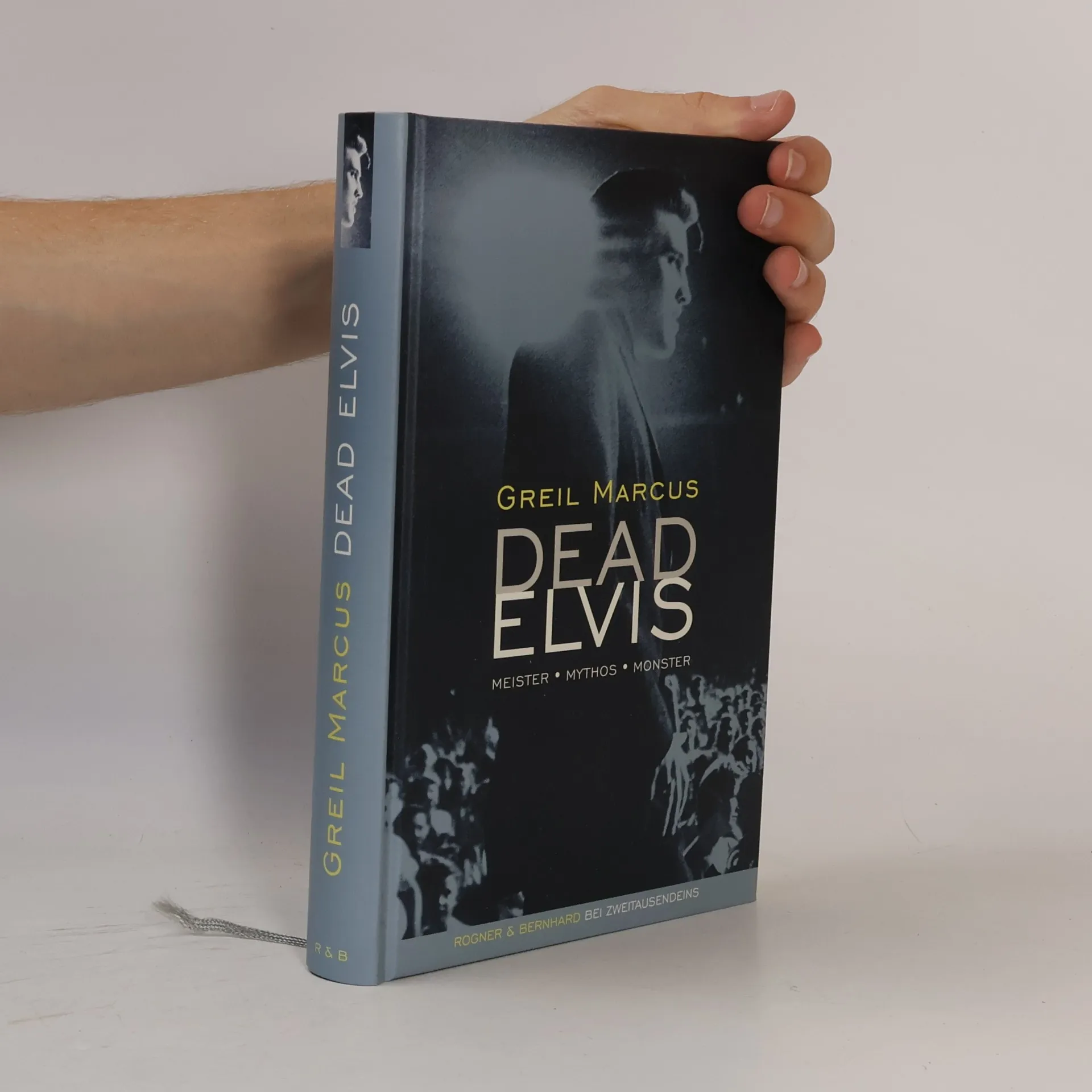
Elvis Presley remains alive--in the cultural imagination of our place and time. His vitality has intensified in direct proportion to the obsession with his memory. Dead Elvis chronicles this obsession; it is a biography of Elvis's life since his death. Elvis has become a sort of ever-present ghost behind any given cultural event, adding an element of mystery, drama, squalor, grandeur--an anarchy of possibilities--to manifestations as diverse as the Statue of Liberty centennial and the third ignored single by an unknown punk band. Greil Marcus follows the trail of this new, posthumous Elvis as an imaginative force, a kind of necessity--"the necessity existing in every culture that leads it to produce a perfect, all-inclusive metaphor for itself." Dead Elvis makes plain how the meanings of that metaphor have multiplied since Elvis died; how themes of freedom, responsibility, authority, sex, repression, youth, age, tradition, novelty, guilt, and redemption have been expressed through a phenomenon of such magnitude it can only be seen in fragments. "This is a book about what Elvis Presley has been up to in the last fourteen years," Marcus writes; "a small history of something much too big for one body or one face. Elvis Presley made history; this is a book about how, when he died, many people found themselves caught up in the adventure of remaking his history, which is to say their own."
In her books and in a string of wide-ranging and inventive essays, Luc Sante has shown herself to be not only one of our pre-eminent stylists, but also a critic of uncommon power and range. She is “one of the handful of living masters of the American language, as well as a singular historian and philosopher of American experience,” says the New Yorker’s Peter Schjeldahl. Kill All Your Darlings is the first collection of Sante’s articles—many of which first appeared in the New York Review of Books and the Village Voice—and offers ample justification for such high praise. Sante is best known for her groundbreaking work in urban history (Low Life), and for a particularly penetrating form of autobiography (The Factory of Facts). These subjects are also reflected in several essays here, but it is the author’s intense and scrupulous writing about music, painting, photography, and poetry that takes center stage. Alongside meditations on cigarettes, factory work, and hipness, and her critical tour de force, “The Invention of the Blues,” Sante offers her incomparable take on icons from Arthur Rimbaud to Bob Dylan, René Magritte to Tintin, Buddy Bolden to Walker Evans, Allen Ginsberg to Robert Mapplethorpe.
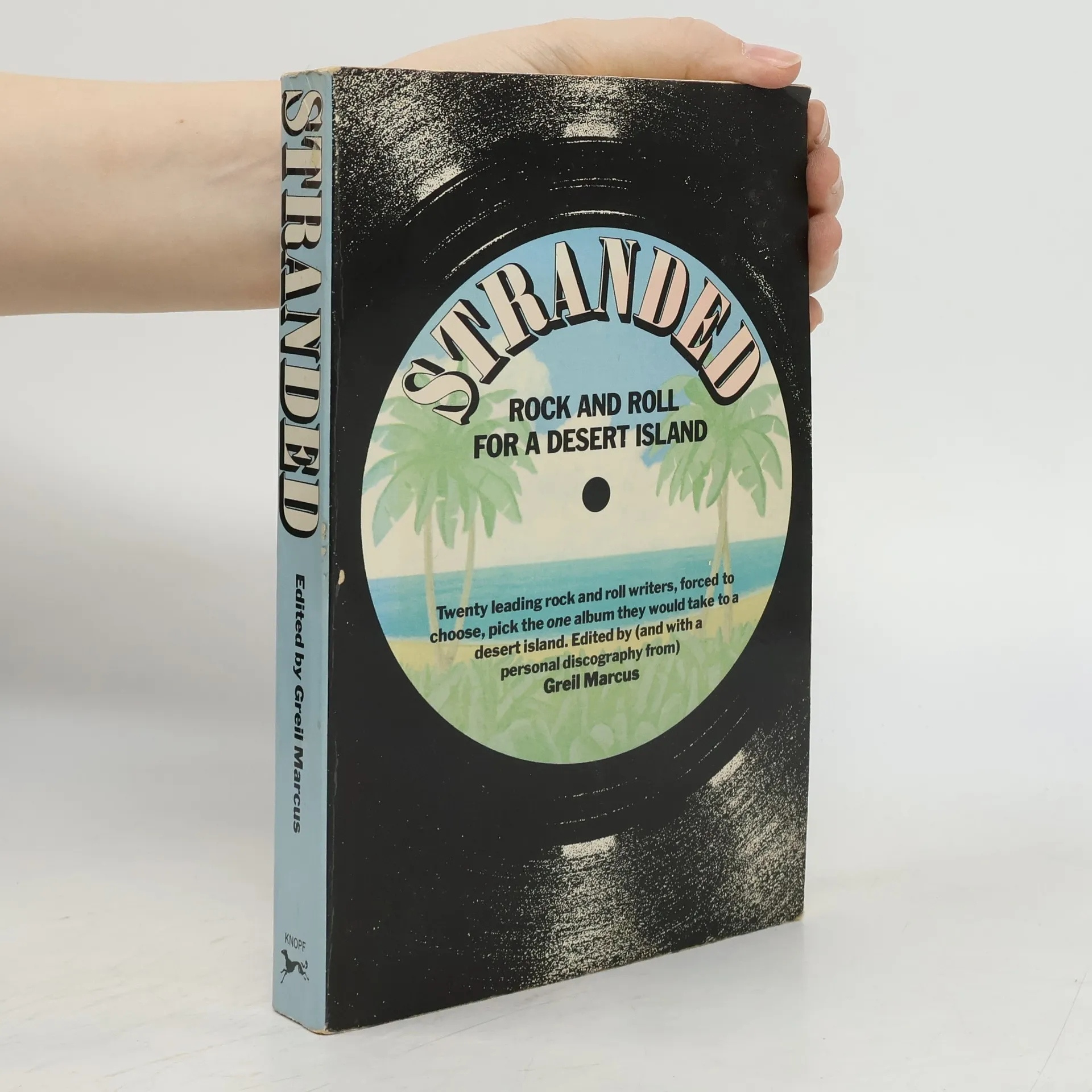
In 1978, Greil Marcus asked twenty writers on rock a question: What one rock-and-roll album would you take to a desert island? The resulting essays were collected in Stranded, twenty passionate declarations to such albums as The Rolling Stones’ Beggars Banquet, the Ramones’ Rocket to Russia, Something Else by the Kinks, and more. Universally revered as the ur-text of rock journalism, Stranded is an indispensable classic.
America is a nation making itself up as it goes along--a story of discovery and invention unfolding in speeches and images, letters and poetry, unprecedented feats of scholarship and imagination. In these myriad, multiform, endlessly changing expressions of the American experience, the authors and editors of this volume find a new American history. In more than two hundred original essays, this book brings together the nation's many voices. From the first conception of a New World in the sixteenth century to the latest re-envisioning of that world in cartoons, television, science fiction, and hip hop, the book gives us a new, kaleidoscopic view of what "Made in America" means. Literature, music, film, art, history, science, philosophy, political rhetoric--cultural creations of every kind appear in relation to each other, and to the time and place that give them shape--From publisher description
The Washington Post hails Greil Marcus as our greatest cultural critic. Writing in the London Review of Books, D. D. Guttenplan calls him probably the most astute critic of American popular culture since Edmund Wilson. For nearly thirty years, he has written a remarkable column that has migrated from the Village Voice to Artforum, Salon, City Pages, Interview, and The Believer and currently appears in the Barnes & Noble Review. It has been a laboratory where Marcus has fearlessly explored and wittily dissected an enormous variety of cultural artifacts, from songs to books to movies to advertisements, teasing out from the welter of everyday objects what amounts to a de facto theory of cultural transmission. Published to complement the paperback edition of The History of Rock & Roll in Ten Songs, Real Life Rock reveals the critic in full: direct, erudite, funny, fierce, vivid, astute, uninhibited, and possessing an unerring instinct for art and fraud. The result is an indispensable volume packed with startling arguments and casual brilliance.
A cult classic in a new edition.This book is about a single, serpentine fact: late in 1976 a record called 'Anarchy in the UK' was issued in London, and this event launched a transformation of pop music all over the world. The song distilled, in crudely poetic form, a critique of modern society once set out by a small group of Paris intellectuals.In Lipstick Traces, Greil Marcus's classic book on punk, Dadaism, the situationists, medieval heretics and the Knights of the Round Table (amongst others), the greatest cultural critic of our times unravels the secret history of the twentieth century.
"It may be the most sophisticated political thriller ever made in Hollywood," film critic Pauline Kael wrote of John Frankenheimer's terrifying 1962 political thriller about an American serviceman brainwashed in Korea and made into an assassin. Sophisticated to be sure, it's also a headlong fall through the looking-glass of American politics and the most deeply prophetic film of the second half of the American century. As Greil Marcus reconstructs the drama, The Manchurian Candidate is a movie in which the director and actors, including Laurence Harvey, Frank Sinatra and Angela Lansbury in an Academy Award-nominated performance, were suddenly capable of anything, beyond any expectations. This edition includes a new foreword highlighting the movie's terrifying contemporary relevance in the age of Trump and Russian interference in the US Presidential election.
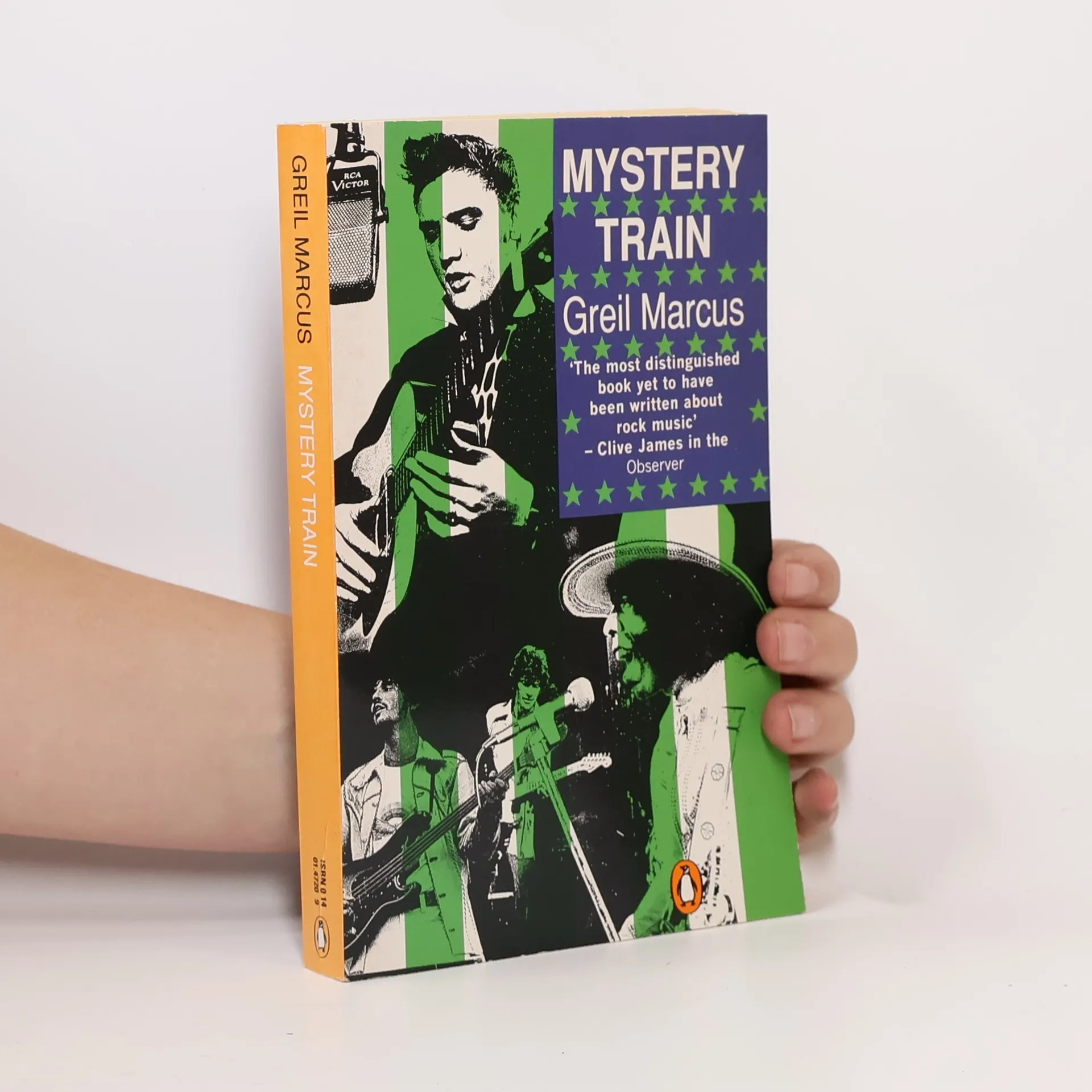
When it was first published, critic after critic called this brilliant study of rock 'n' roll and American culture the best book on the subject. Now, firmly established as a classic, the fourth edition features a completely new introduction as well as an entirely updated discography that includes CDs for the first time.
With the insight and style that have made him the foremost writer on American music, Marcus brings back to life the cultural events that have defined us and our time and uncovers the histories embedded in the most fleeting cultural moments.
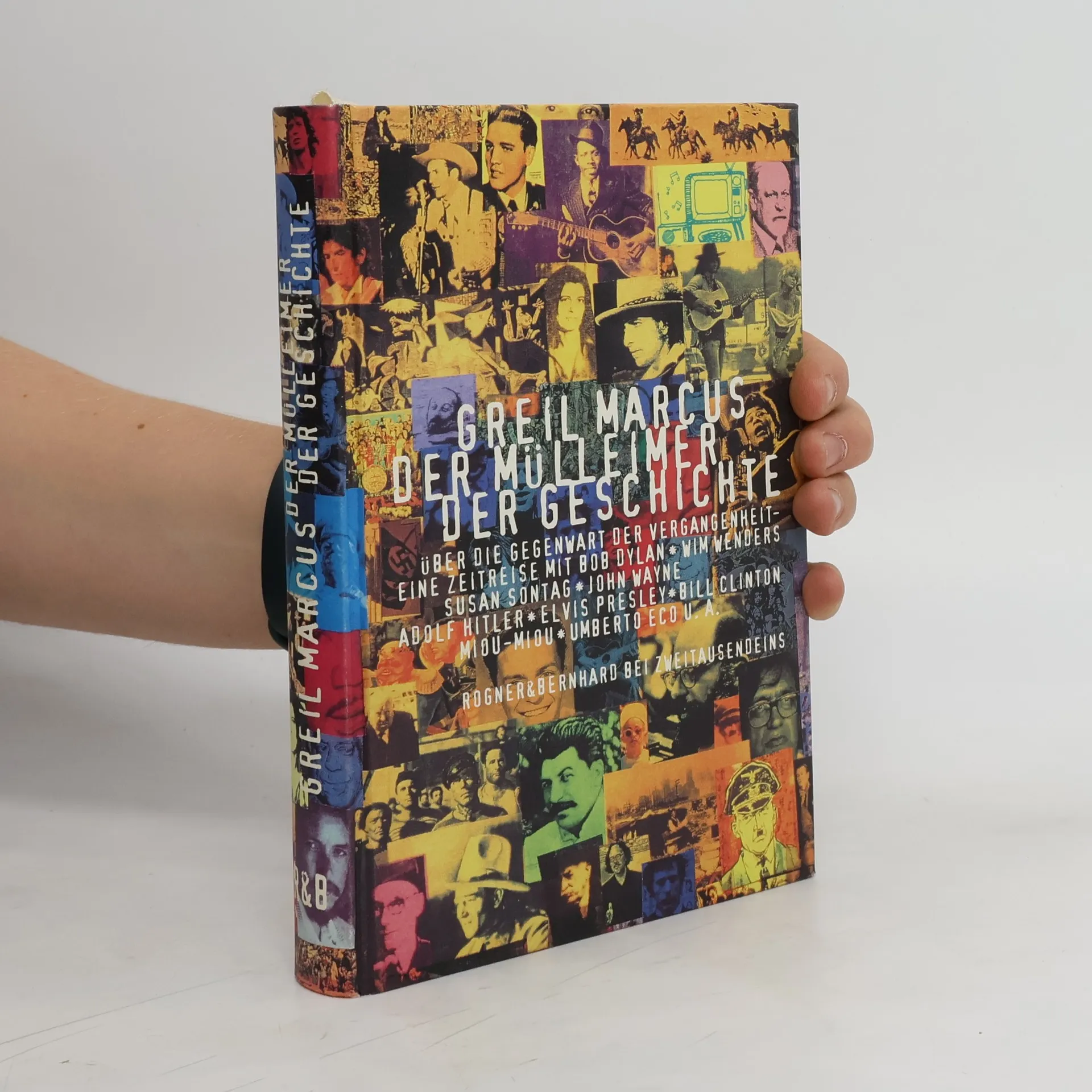
"Focusing on Bill Clinton, Elvis Presley, Hilary Clinton, Nirvana, Sinead O'Connor, Andy Warhol, and especially Bob Dylan, Marcus pursues the question of how culture is made and how, through culture, people remake themselves."--Jacket.
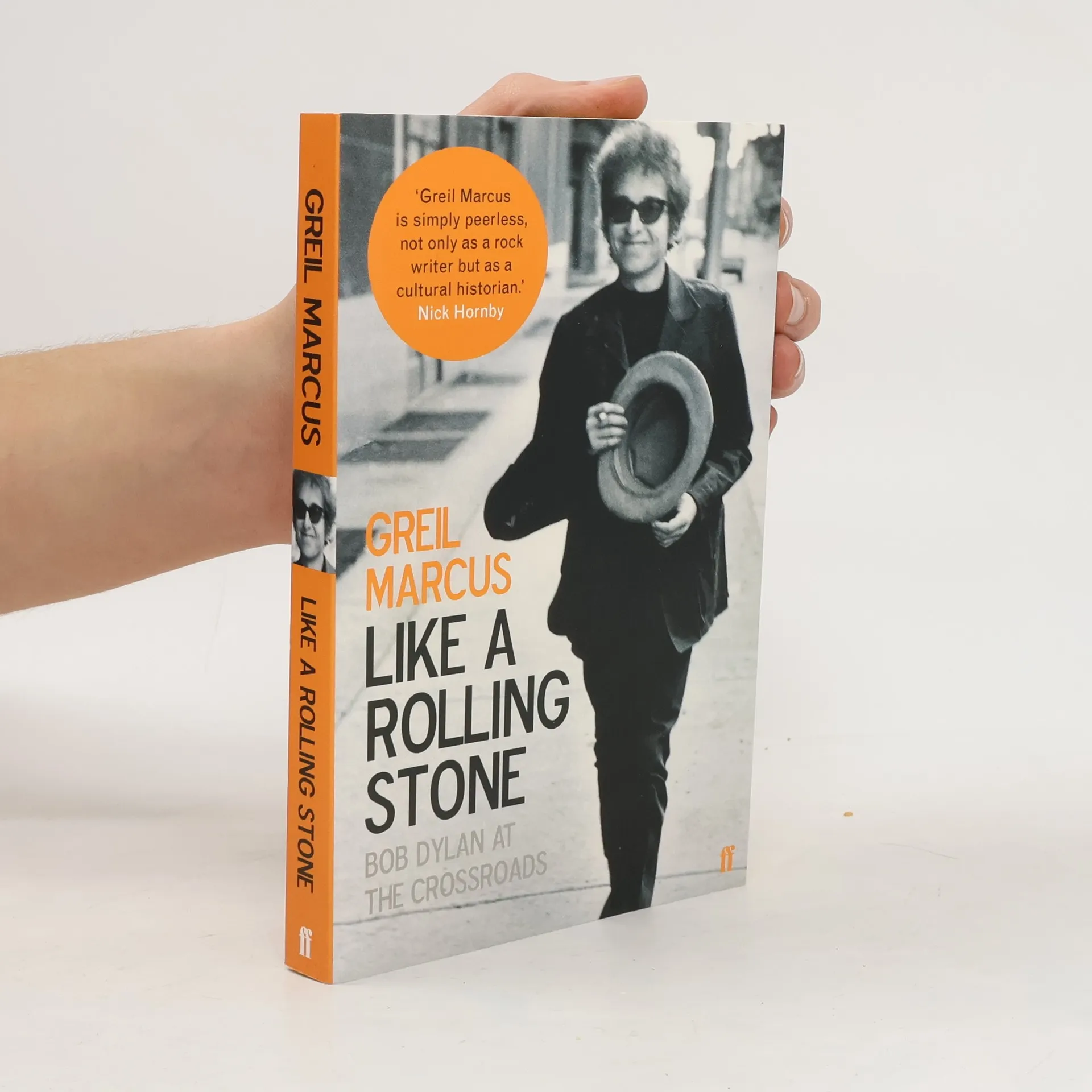
Sardonic, bitter, threatening, compassionate, gleeful, and most of all loud, 'Like a Rolling Stone' is much more than a song. Six minutes and six seconds in length, it was released by Dylan despite the received wisdom of the day as to what constituted a single. Originally published on the 40th anniversary of its release and recording, Greil Marcus' extraordinary book reconstructs the context in which the song first appeared, in terms of Dylan's own career (his controversial transformation from folk singer into rock n roll singer) and the world at large (Vietnam, the Watts Riots, the burgeoning counter-culture of the time). This is itself the stage for Marcus' recreation of the song on the page its emergence from fragments, its words, its sound, its discovery of itself. An analysis and critique of an artist at the height of his creative powers, it affords a unique insight into the mistakes, inspirations and bloody mindedness that come together only in the very highest cultural moments.
Acclaimed cultural critic Greil Marcus tells the story of Bob Dylan through the lens of seven penetrating songs "The most interesting writer on Dylan over the years has been the cultural critic Greil Marcus. . . . No one alive knows the music that fueled Dylan's imagination better. . . . Folk Music . . . [is an] ingenious book of close listening."--David Remnick, New Yorker Named a Best Music Book of 2022 by Rolling Stone "Further elevates Marcus to what he has always been: a supreme artist-critic."--Hilton Als Across seven decades, Bob Dylan has been the first singer of American song. As a writer and performer, he has rewritten the national songbook in a way that comes from his own vision and yet can feel as if it belongs to anyone who might listen. In Folk Music, Greil Marcus tells Dylan's story through seven of his most transformative songs. Marcus's point of departure is Dylan's ability to "see myself in others." Like Dylan's songs, this book is a work of implicit patriotism and creative skepticism. It illuminates Dylan's continuing presence and relevance through his empathy--his imaginative identification with other people. This is not only a deeply felt telling of the life and times of Bob Dylan but a rich history of American folk songs and the new life they were given as Dylan sat down to write his own.
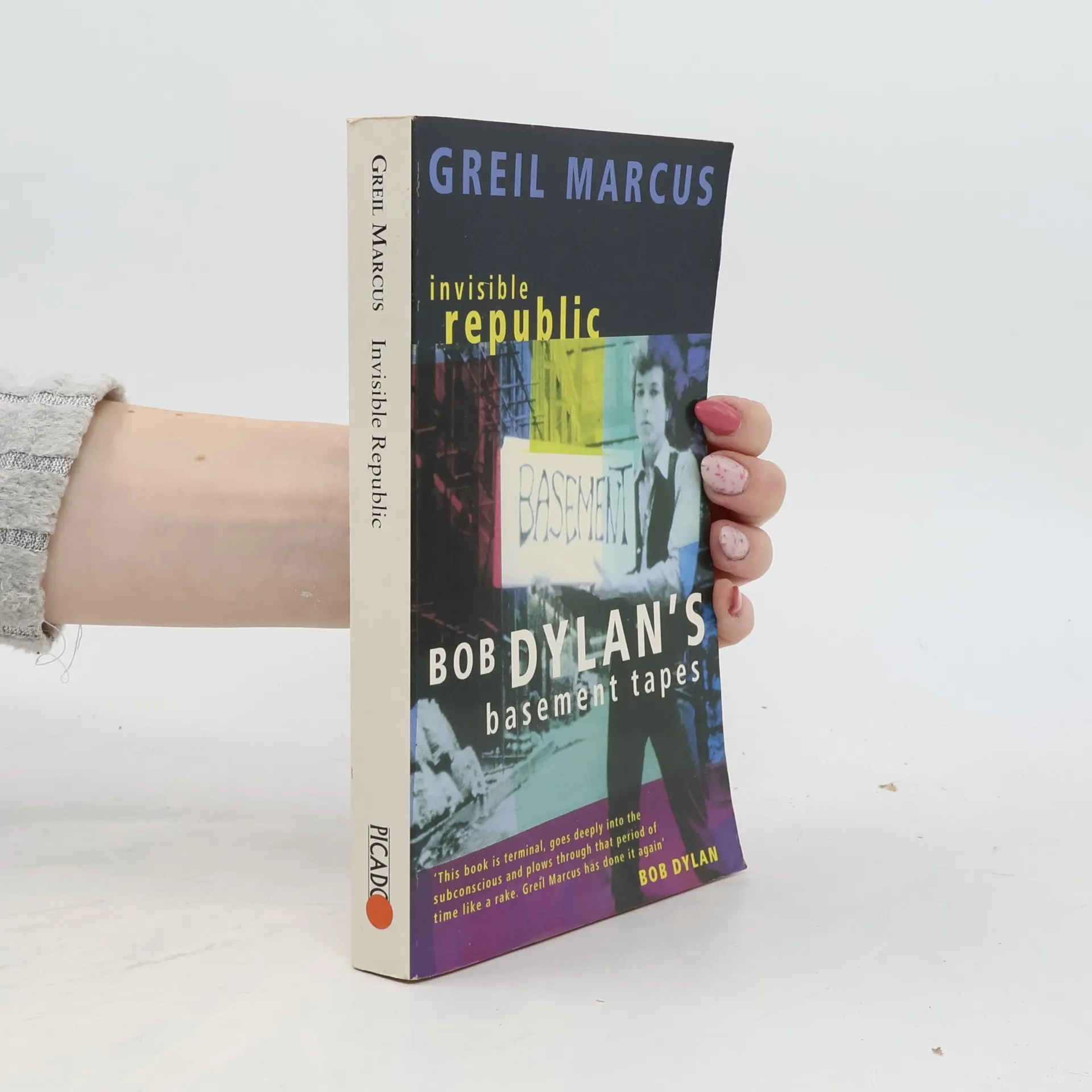
Out of a house called Big Pink came music that remains as seductive and baffling today as it was over thirty years ago. ‘Marcus’s contention is that there can be found in American folk a community as deep, as electric, as perverse and as conflicted as all America, and that the songs Dylan recorded out of the public eye, in a basement in Woodstock with the group who would later become The Band, are where that community as a whole gets to speak . . . Books this good should be burnt’ Mark Sinker, Wire ‘We owe God a death, and Greil Marcus owed all God’s children a lifework on Bob Dylan. And here it is, one heaven of a book . . . what Marcus brings to these songs is a variety of good things: fierce fervour, social convictions, a loving discrimination, never a touch of envy and an extraordinary ability to evoke in words the very feel (throaty, threatening, thorough, thick with thought) of a man’s voice, of this man’s voice’ Christopher Ricks, Guardian ‘You will want to read its most provoking parts over and over and chances are, twenty years from now, it will stand as one of the classics of American criticism’ Mikal Gilmore, Observer ‘A rare ability to describe the genesis of a song and make it sound better than any song you have ever heard’ Tim Adams, Times Literary Supplement
Before his death aged 33 in 1982, Lester Bangs wrote wired, passionate pieces on Barry White, Iggy Pop, The Clash, John Lennon, Lou 'I always wanted to emulate the most self-destructive bastard I could see, as long as he moved with some sense of style. Thus Lou Reed'. To his journalism, he brought the talent of a great fiction writer. As Greil Marcus writes in his 'What this book demands from a reader is a willingness to accept that the best writer in America could write almost nothing but record reviews'.
In The Shape of Things to Come , Greil Marcus untangles the story of America's covenant with itself -and the idealism, horror, eloquence and violence integral to its founding narratives. In a thrilling account that moves back and forth between culture and politics, and with deep dives into the work of a few artists who strikingly dramatize the challenge America poses to each of its citizens - Herman Melville and Raymond Chandler, Philip Roth and David Lynch, Bill Pullman and Sheryl Lee, David Thomas of Pere Ubu and Allen Ginsberg - Marcus captures a story that is constantly being remade and retold, in voices at once paranoid and sardonic, inspiring and terrifying.
In seinem neuesten Buch entlarvt Marcus drei »gewöhnliche« amerikanische Songs als grundlegende Dokumente amerikanischer Identität: Bascom Lamar Lunsfords »I Wish I Was a Mole in the Ground« (1928), Geeshie Wileys »Last Kind Words Blues« (1930) und Bob Dylans »Ballad of Hollis Brown« (1964). Die Art und Weise, auf die jeder dieser Songs den unheimlichen Eindruck erweckt, er sei von niemandem geschrieben worden, erhellt unterschiedliche Aspekte der Tradition des »gewöhnlichen« Songs. Manche sind im Laufe der Zeit ohne einen identifizierbaren Urheber entstanden. Andere beziehen ihre Melodien und Motive aus obskuren Quellen, nehmen aber in den Händen eines bestimmten Künstlers eine endgültige, unvergessliche Gestalt an. Und, wie im Fall von Bob Dylans »Hollis Brown«, gibt es Songs, die von einem identifizierbaren Autor stammen, aber wirken wie Folksongs, die schon seit Generationen weitergereicht worden sind. So trägt jeder dieser Songs Amerikas Geschichte, seine Menschen in sich, auch in ihrer Rolle als Zuhörer.
Stemmen uit de kelder is het langverwachte boek van Greil Marcus over de legendarische opnamen die Bob Dylan en The Band in 1967 maakten in de kelder van Big Pink, hun huis in Woodstock, New York: muziek die dertig jaar later nog niets van haar ongelooflijke aantrekkingskracht heeft verloren. Deze geheime muziek waarvan het niet de bedoeling was dat die ooit op plaat zou worden uitgebracht, volgde op een periode waarin 'folkzanger' Dylan elektrisch versterkt met The Band op tournee was geweest - dit tot ongenoegen van de folkbeweging en de heiraan verbonden burgerrechtenbeweging, die hem tot dan toe als held beschouwden. Greil Marcus maakt duidelijk dat de opnamen, die in Nederland bekend werden door de 'bootleg' Little White Wonder en later als de Basement Tapes, Dylan's antwoord aan de critici te zijn. De muziek op de Basement Tapes markeert het verval van de idealen die neergelegd zijn in de Amerikaanse Onafhankelijkheidsverklaring. In een nummer als 'Tears of Rage' uit Dylan zijn woede over het naderende onheil van een op egoïsme gebaseerde maatschappioj, Stemmen uit de kelder voert de lezer daarbij mee naar de fantastische, barbaarse wereld van de traditionele Amerikaanse muziek. Greil Marcus ontpopt zich als een detectiveschrijver met Bob Dylan als speurder.
Das Phänomen lebt: The Doors Mehr als vierzig Jahre nach dem Tod von Jim Morrison sind die Doors präsenter denn je. Songs wie »Light My Fire« oder »Riders on the Storm« scheinen unsterblich. Auch wenn die Zeiten der Doors längst vorüber sind, das Phänomen lebt weiter. Der legendäre Musikkritiker Greil Marcus widmet sich den Doors aus der Retrospektive. Greil Marcus war bei den Konzerten der Doors in den sagenumwobenen Sixties dabei und betrachtet diese Ära doch konsequent aus heutiger Sicht, wenn er in die einzelnen Songs der Band eintaucht, sie meisterhaft analysiert und sich schlussendlich in ihnen verliert. Greil Marcus gelingt es nach »Bob Dylans ›Like a Rolling Stone‹« erneut, auf mitreißende Weise Zeit-, Kultur- und Musikgeschichte ineinander zu verschränken und einen ganz neuen Blick auf die Sechzigerjahre zu werfen, der mit vielen liebgewonnenen Mythen aufräumt. Dabei vollbringt er ganz nebenbei das Wunder, die Musik für die Generationsgenossen der Doors wieder aufleben zu lassen und diese unglaubliche Zeit für die Spätergeborenen verständlich, ja fast greifbar zu machen. »Greil Marcus’ scharfsinniges und leidenschaftliches Buch über die Doors gehört zu seinen besten überhaupt. (…) Man will sofort den iPod anwerfen und hören, was er hört.« New York Times
Im Leben ging Elvis Presley von der Armut in der Kindheit zum Ruhm, von weltweiter Berühmtheit zu Zerfall und frühem Tod. Wie Greil Marcus in diesem bemerkenswerten Buch zeigt, führt Presleys Reise nach dem Tod ihn noch weiter, indem sie ihn über seine eigenen Grenzen hinausdrängt und ihn mit dem amerikanischen Bewusstsein und dem amerikanischen Unterbewusstsein verschmelzen lässt. Während er dem öffentlichen Gespräch lauscht, das Elvis nach dem Tod neu erschafft, verfolgt Marcus den Weg von Presleys Auferstehung. Er fügt verstreute Fragmente des eklektischen Dialogs zusammen―Schnipsel aus Filmen und Musik, Büchern und Zeitungen, Fotografien, Plakaten, Cartoons―und erstaunt uns nicht nur mit dem, was Amerika gesagt hat, während es seinen verstorbenen König erhebt, sondern auch mit dem, was diese seltsame Besessenheit mit einem toten Elvis uns über Amerika selbst erzählen kann.
In mehr als sechzig Essays über Punkrock und den von Punk beeinflussten Pop, der folgte, beschreibt Amerikas scharfsinnigster Popkulturkritiker die Punkjahre, die Schlüsselbands und die Auswirkungen ihrer Musik.
Greil Marcus verfolgt Bob Dylans Werk mit der Intensität eines Fans und der Hartnäckigkeit eines Detektivs - von Dylans Anfängen bis heute. Die Beiträge in diesem Buch reichen von Artiklen im amerikanischen Rolling Stone wie jedem berühmt berüchtigten über SELF PORTRAIT 1970, der vielleicht verschriensten Plattenkritik aller Zeiten, bis hin zu einer 30 Jahre später erschienenen Würdigung der Tiefen von OUT OF MIND. Das Ergebnis ist eine funkelnde und beständige Chronik einer über 40 Jahre andauernden Beziehung zwischen einem unvergleichlichen Sänger und seinem aufmerksamsten Zuhöhrer. GREIL MARCUS veröffentlichte zahlreiche Bücher, u. a. When That Rough God Goes Riding, Like a Rolling Stone, The Old, Weird America, The Shape of Things to Come, Mystery Train, Dead Elvis, In the Fascist Bathroom; 2009 erschien anlässlich des 20-jährigen Jubiläums eine Neuauflage seines Buchs Lipstick Traces. Seit 2000 lehrt er in Berkeley, Princeton und an der New School in New York; seine Kolumne »Real Life RockTop 10« erscheint regelmäßig im Believer. Er lebt in Berkeley.
Der große Musikkritiker Greil Marcus über Van Morrison Kein Album hat Greil Marcus in seinem Leben öfter gehört als Van Morrisons Meisterwerk »Astral Weeks« aus dem Jahr 1968. Kein Album hat ihn mehr bewegt und mit mehr Rätseln zurückgelassen. »Die Menschen nehmen Van Morrison persönlich«, stellt Greil Marcus fest. »Begebenheiten aus seinen Songs werden zu Ereignissen in ihrem Leben. Es ist, als ob er sie persönlich in ihr Leben gepflanzt hat. Als ob er ›da‹ ist. Nicht in einem magischen Sinne. Sondern in dem Sinne, in dem Kunst wirken sollte: Sie berührt dich.« In »When That Rough God Goes Riding« forscht Greil Marcus nach den Ausnahmemomenten, die Van Morrison in seiner Musik immer wieder kreiert. Diese Augenblicke versucht Marcus auszukosten, zu analysieren und so dem Geheimnis der großen Kunst Van Morrisons ein Stück näher zu kommen, ohne es zu zerstören. Wie in seinen berühmten Werken »Mystery Train« oder »Lipstick Traces« besticht Marcus auch hier durch seine hellwachen Analysen, das Schlagen überraschender Querverbindungen und einen Formulierungsfuror, der den Leser in den Bann schlägt.
Verlagsinfo: Im Frühsommer des Jahres 1967 trafen sich Bob Dylan und seine Band so gut wie täglich in dem Keller eines pinkfarbenen Hauses in Woodstock und machten dort zwanglos, abseits der Öffentlichkeit, Musik. Irgendwann begannen sie, diese Musik mitzuschneiden. Was dabei herauskam, waren die legendären "Basement Tapes", mehr als hundert Aufnahmen von Standardtiteln oder selbstkomponierten Songs. Einige davon wurden in der Interpretation von Peter, Paul & Mary, Manfred Mann und den Byrds binnen kürzester Zeit zu Hits. 1970 wurde die Musik auf Vinyl gepresst und überall als Bootleg feilgeboten. Als 1975 das Doppelalbum The Basement Tapes erschien, eine offizielle Zusammenstellung von sechzehn Basement-Aufnahmen sowie acht Demos der Band, und in die Top Ten kam, zeigte sich Dylan erstaunt: "Ich dachte, jeder hätte schon eine Kopie davon." Die Musik, die zunächst nur dazu gedacht war, die Zeit totzuschlagen, und die Dylan zum Teil selbst vernichten wollte, besaß von Anbeginn einen eigentümlichen Reiz, eine besondere Ausstrahlung, eine Aura des Vertrauten, eine Ahnung ungeschriebener Traditionen, einen Geist "irgendwo angesiedelt zwischen Beichtstuhl und Bordell" (Greil Marcus). Basement Blues erscheint zum 70. Geburtstag von Bob Dylan mit einem neuen Vorwort, vollständig überarbeiteter Diskographie und Literaturverzeichnis.