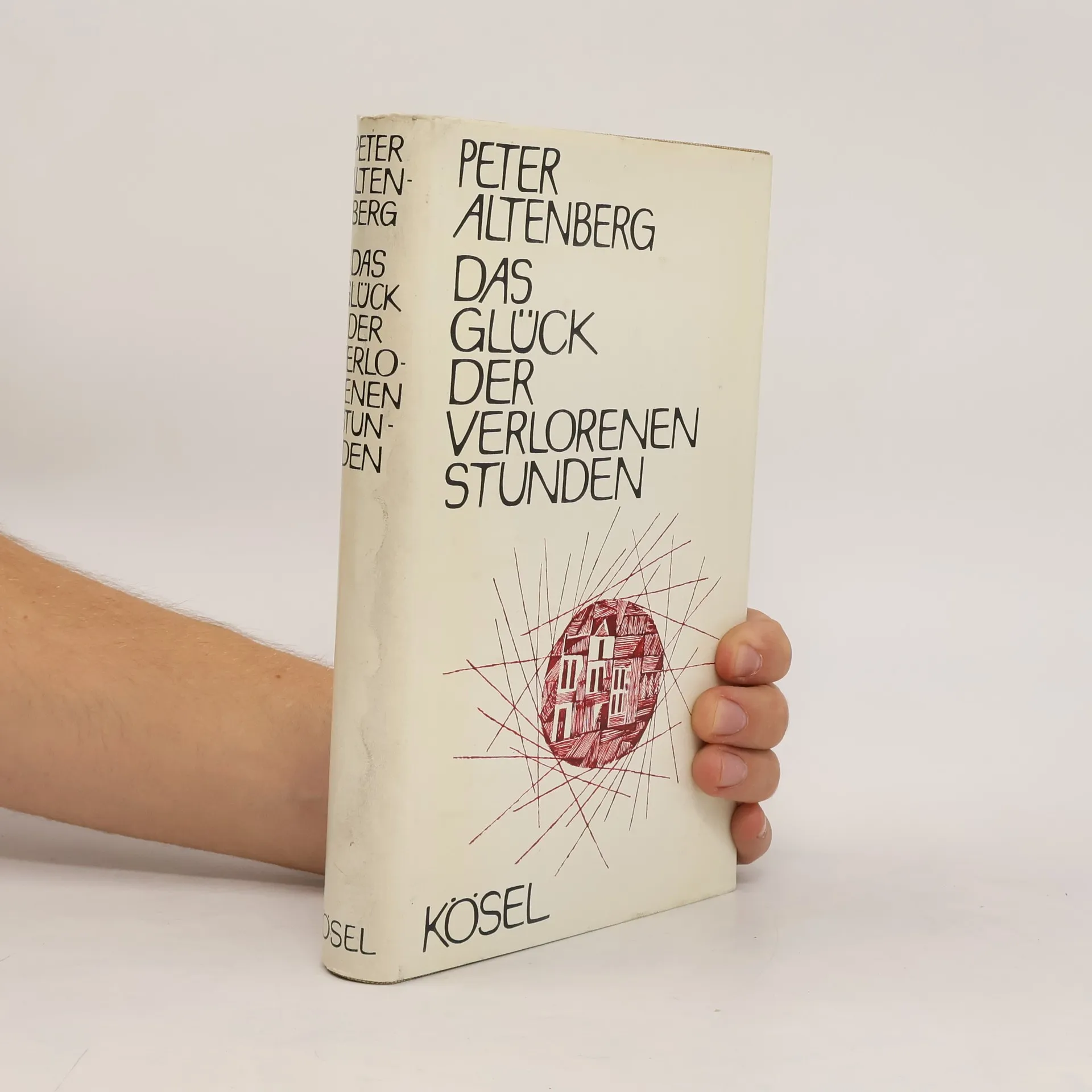
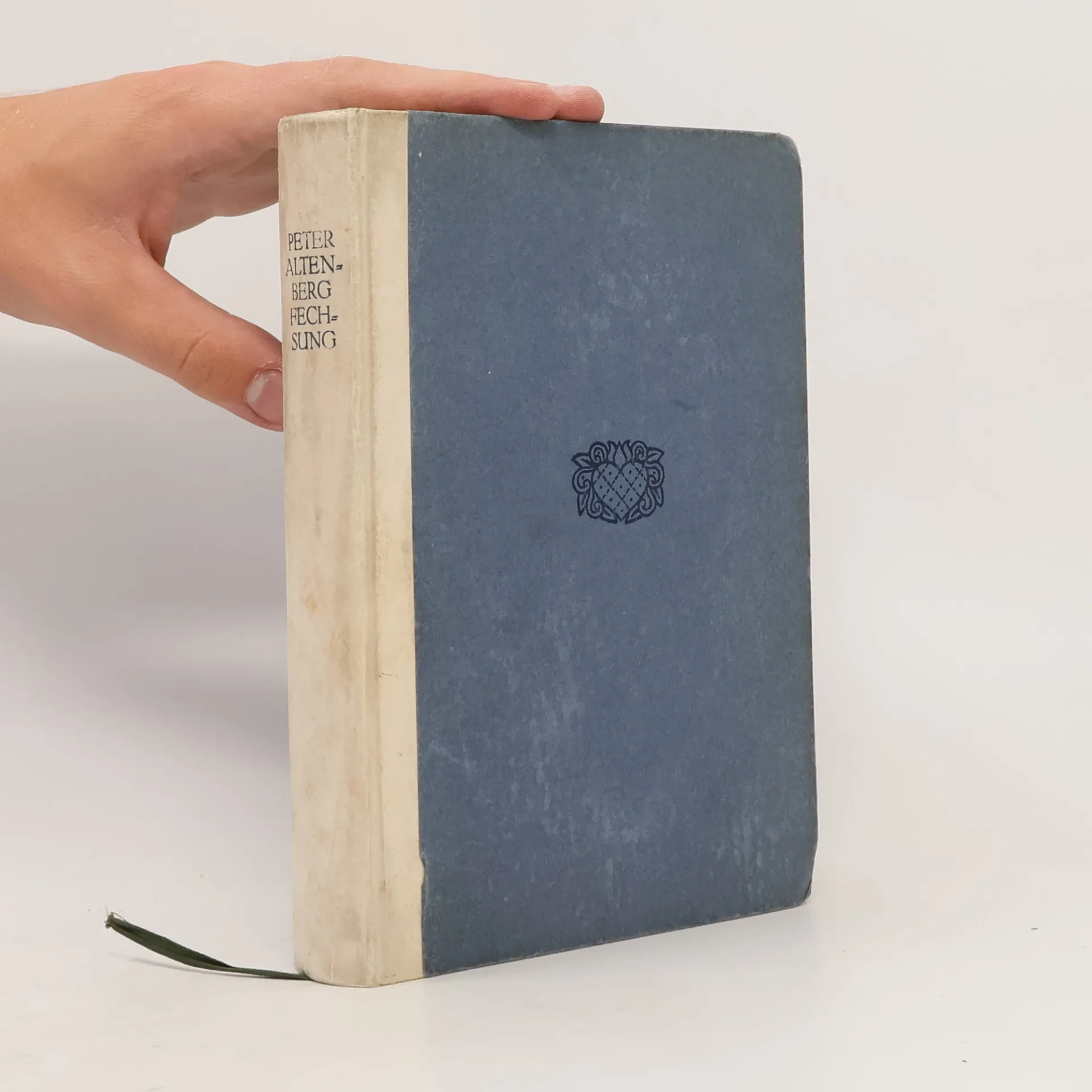
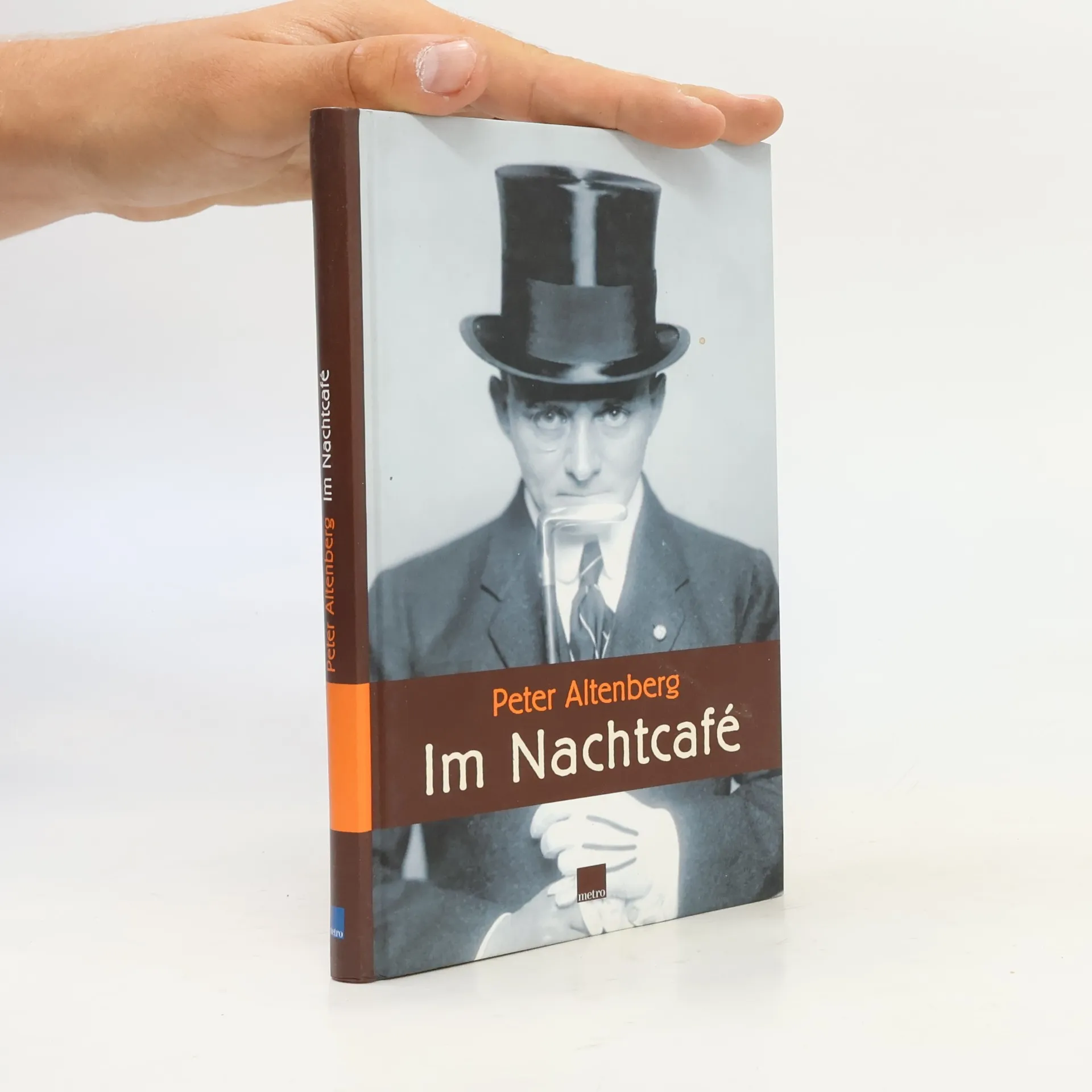
Nové vydání výboru z Altenbergových knih rozšířený o značnou část dosud nepublikovaných překladů Jana Hanče a je doplněno zvukovým záznamem z legendárního představení Miroslava Částka "Extrakty života", které bylo šest let v repertoáru pražské poetické kavárny Viola.
Peter Altenberg Knihy
9. březen 1859 – 8. leden 1919

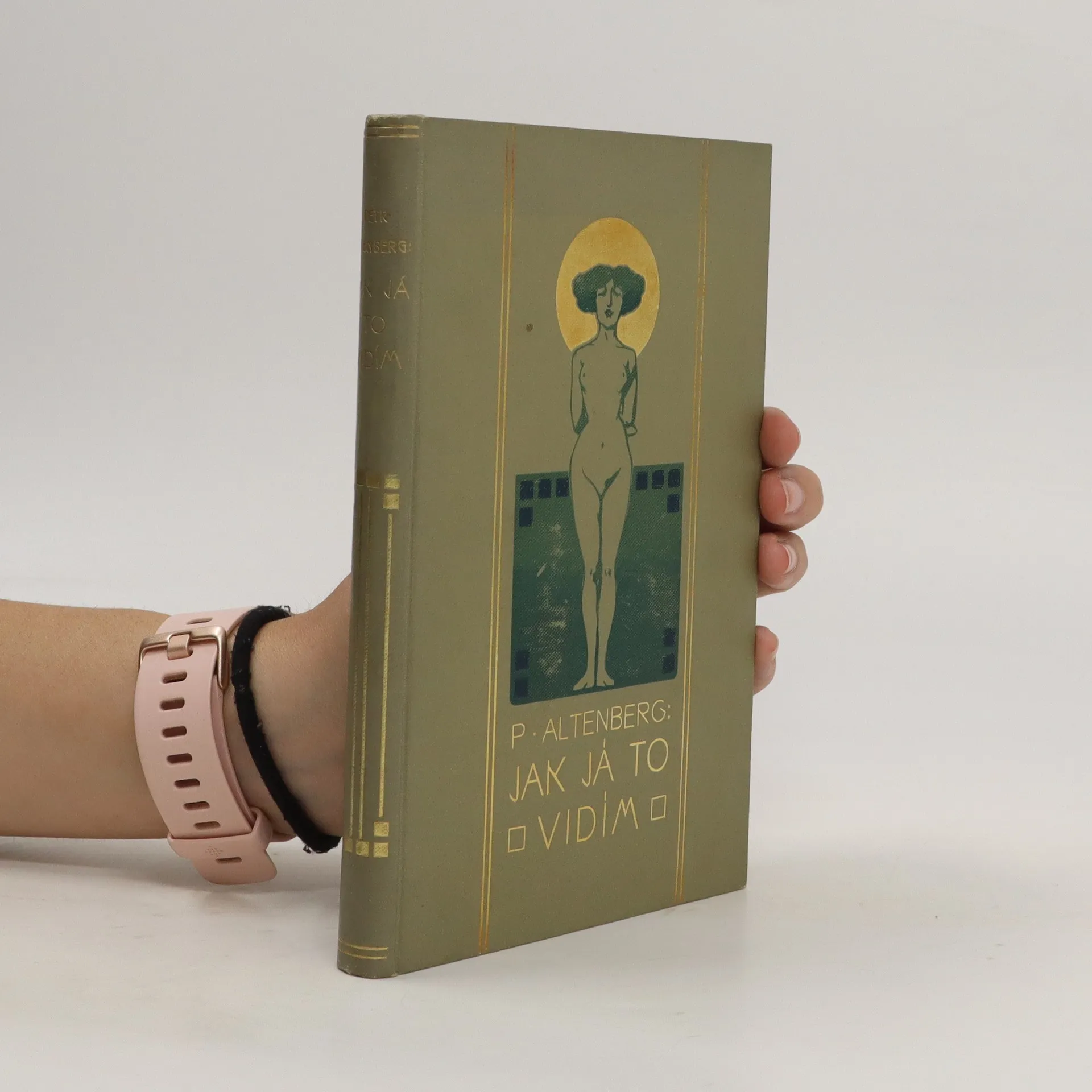
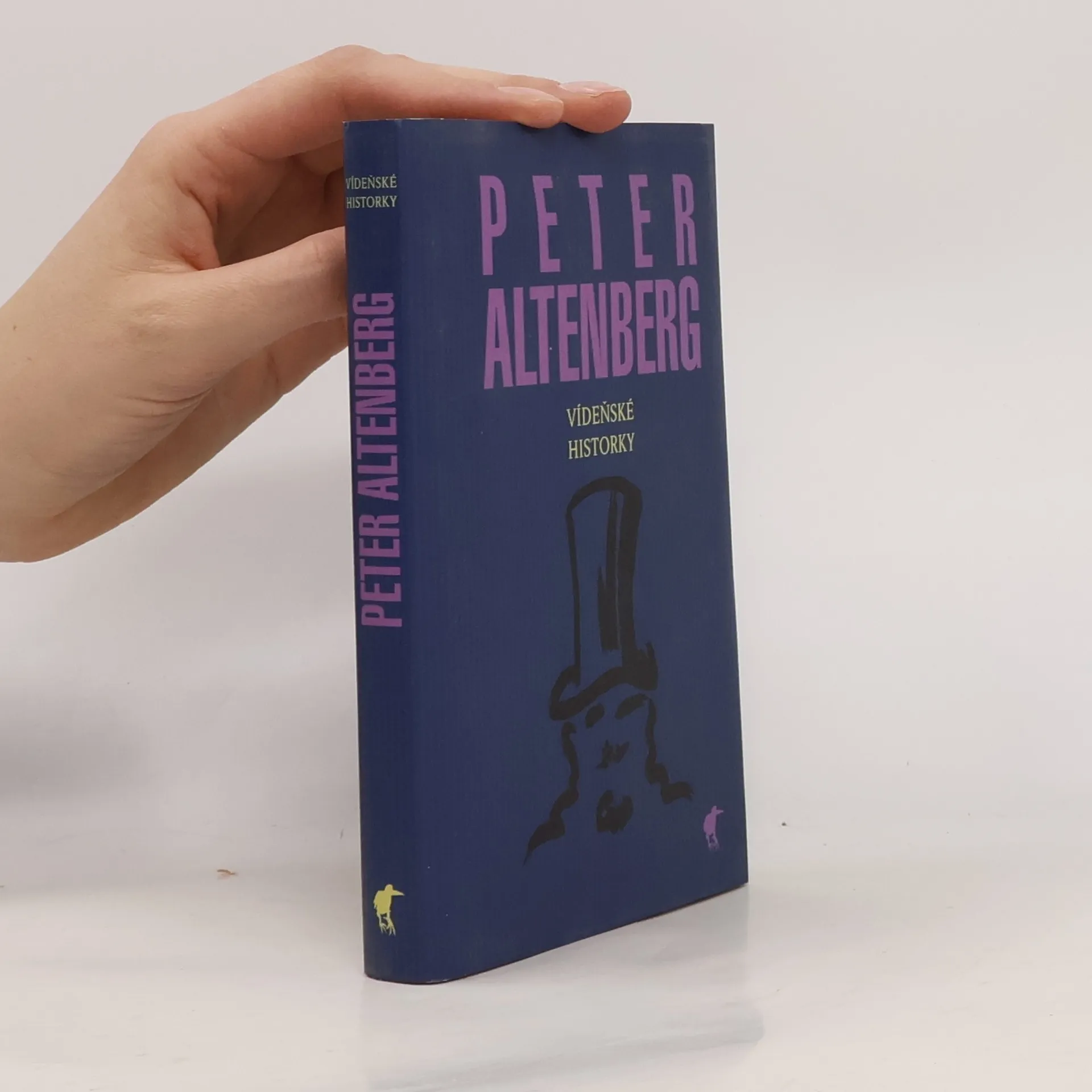
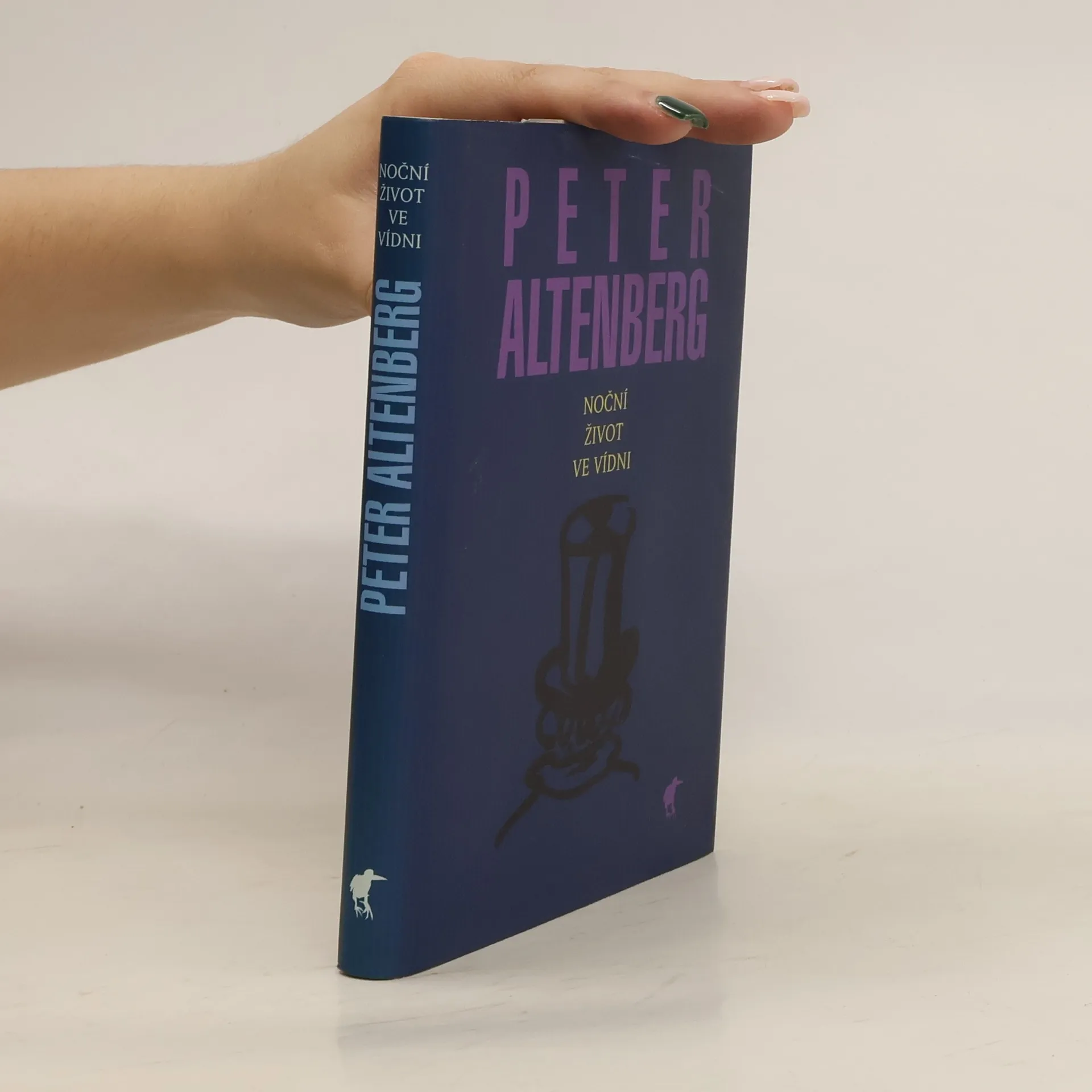
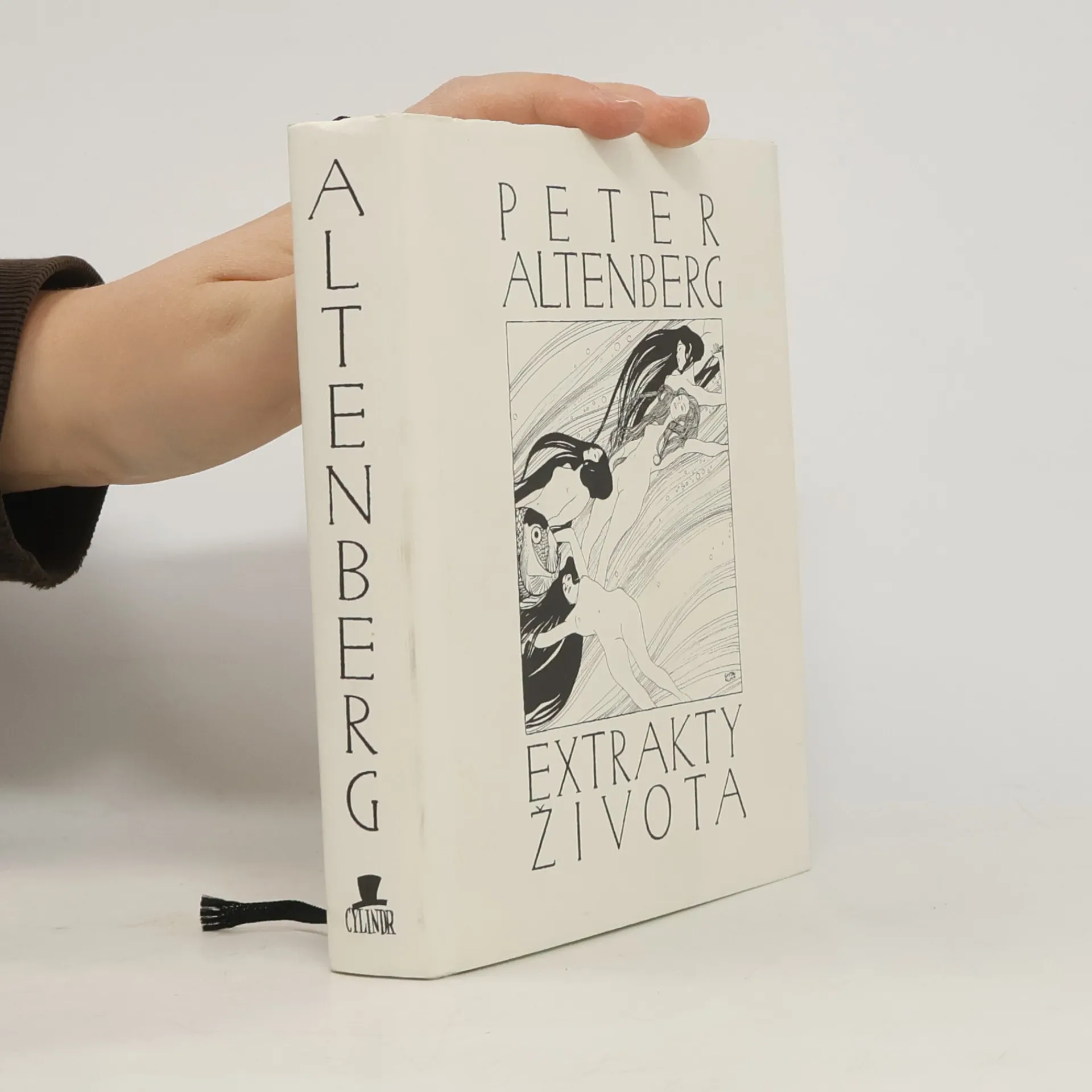
Noční život ve Vídni
- 120 stránek
- 5 hodin čtení
Soubor Noční život ve Vídni uvádí motto "Noční kavárno, malý ubohý světe, zrcadlo velkého světa ještě mnohm ubožejšího" - a právě o tom Altenbergovy črty jsou. Neobyčejně přesné postřehy citlivého pozorovatele, mnohdy s notnou dávkou ironie či sarkasmu, pootvírají dveře dobové vídeňské neopakovatelnosti a jedinečnosti. Ale i v tom městě, i když před sto lety, se často skryl osud, jenž by obstál i dnes. Figurky tehdejšího kavárenského kolotání a nočního života se v drobných obměnách zabydlují ve všech městech a ve všech časech, stačí si jich jen všimnout a zachytit jejich křehkou nepolapitelnost do slov, jak to činil - s gustem sobě vlastním - právě Peter Alterberg, básník, bohém a "salonní flamendr".
Soubor Vídeňské historky rakouského básníka Petera Altenberga má jednoho společného jmenovatele - Vídeň.
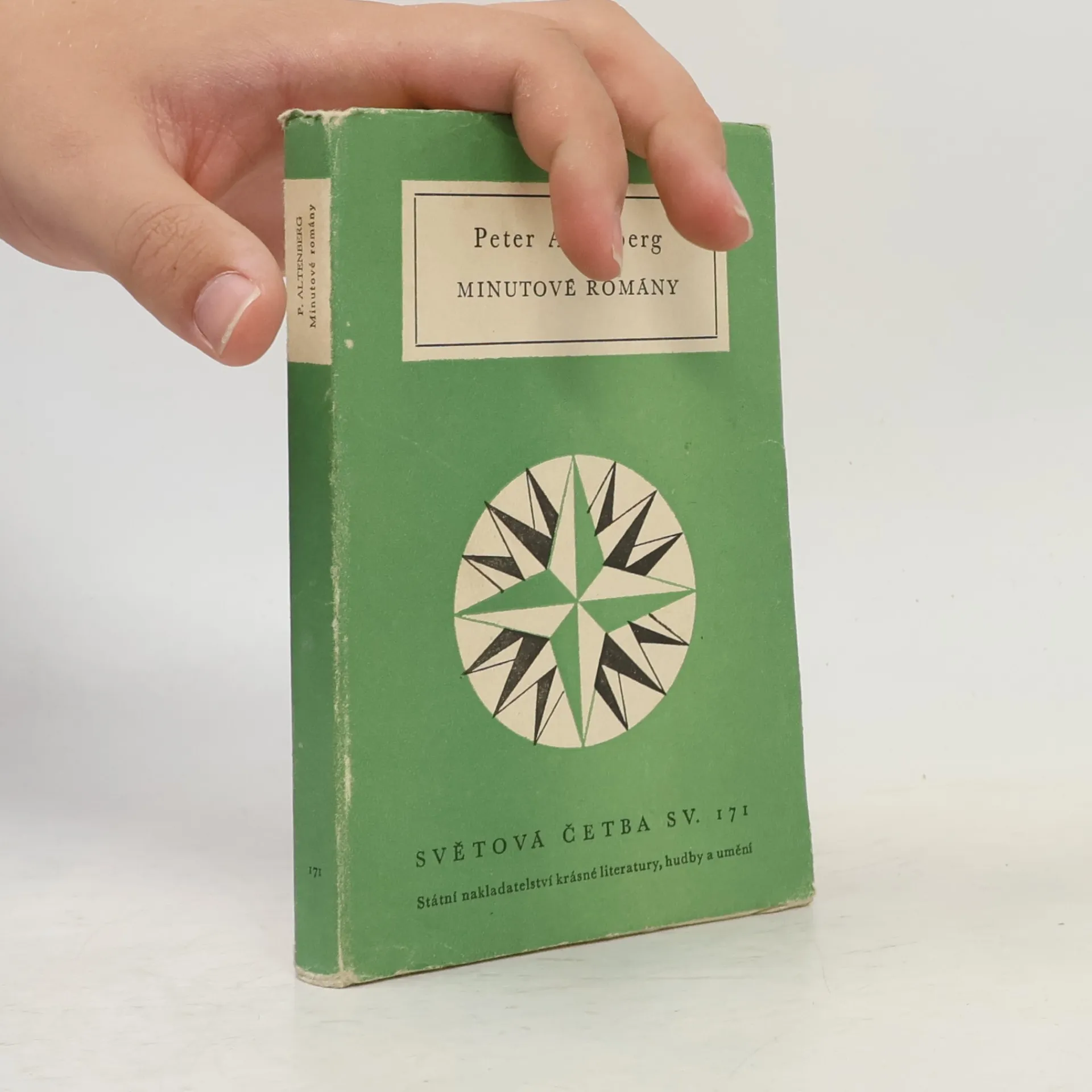
Výbor z díla známého vídeňského prozaika (1859-1919) obsahuje na sto básní v próze, jež sám autor definoval jako „extrakty života“. Jsou to drobné črty vynikající jemností stylu a mistrnou pointou, v nichž básník zachycoval své originální postřehy ze života soudobé Vídně. Obsahuje předmluvu Pavla Eisnera a recenzi F. X. Šaldy na Altenbergův román Prodromos.
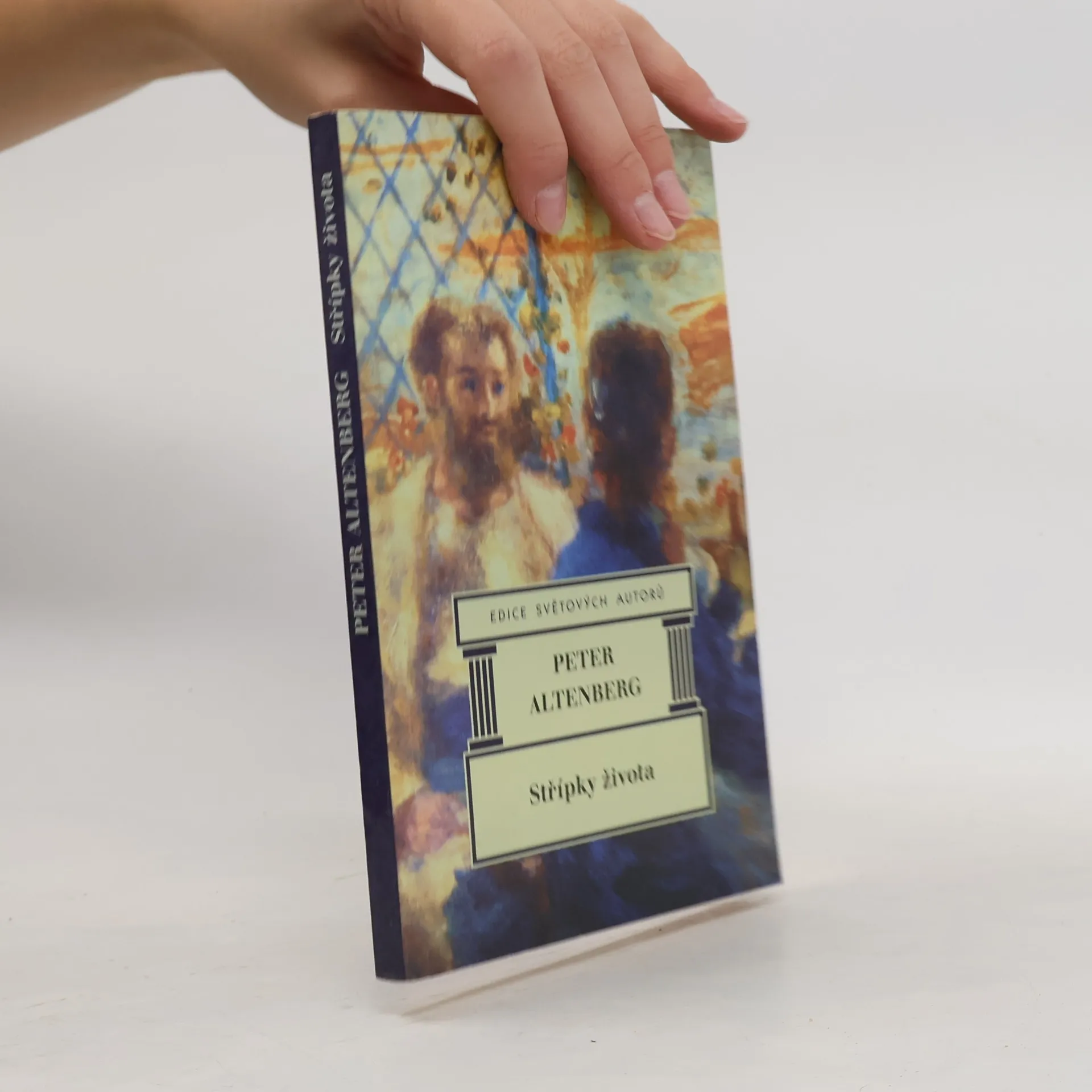
Střípky života
- 153 stránek
- 6 hodin čtení
Krátké prózy výboru vyprávějí o Vídni, ženách, věcech obecných a autorově životě.
Selection from the Austrian poet's works, arranged by Alexander King, consisting of short sketches, tales, and reminiscences. King has added comments and 100 drawings.
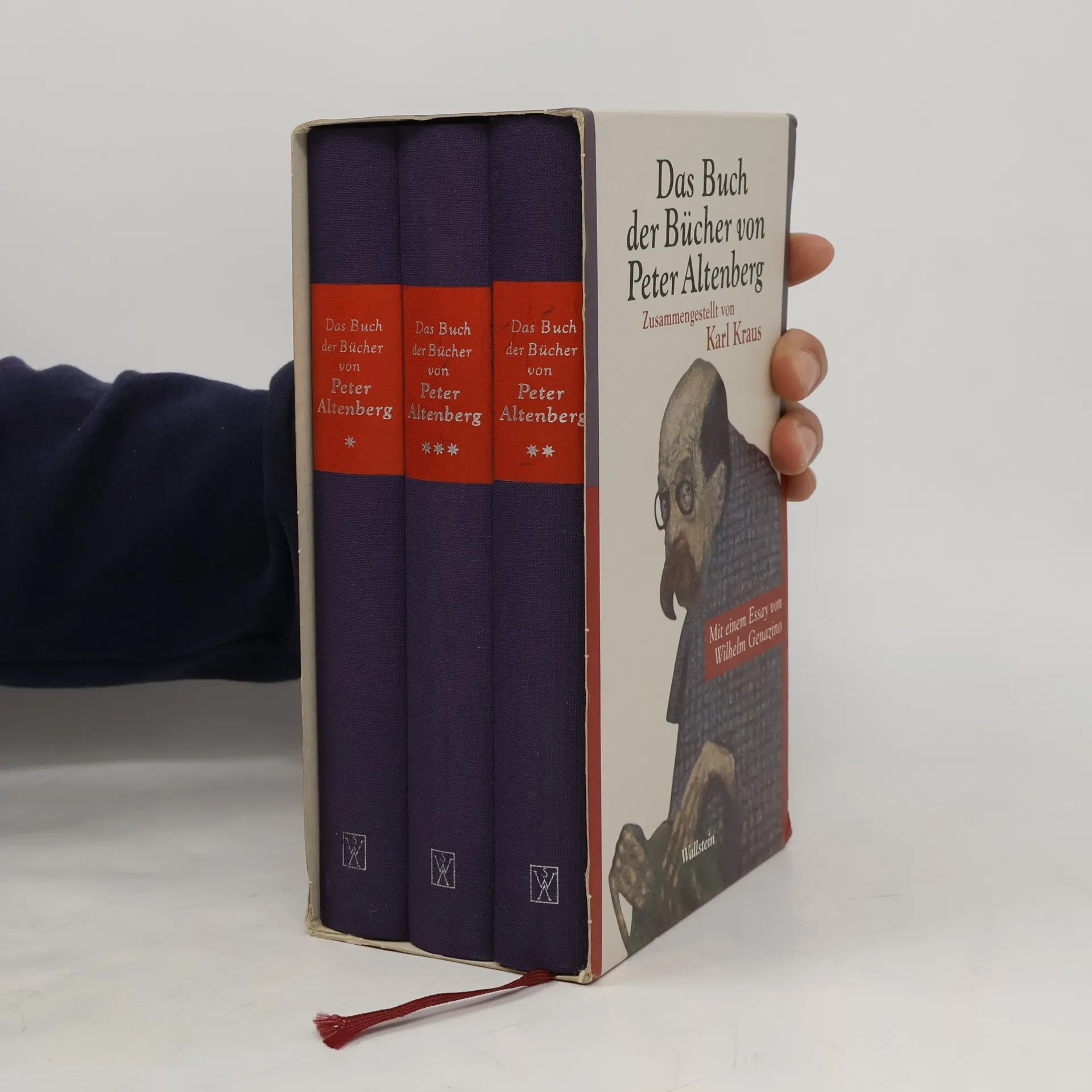
Das Buch der Bücher von Peter Altenberg. Band 1-3.
- 1004 stránek
- 36 hodin čtení
Eine gemeinsame Veröffentlichung der Deutschen Akademie für Sprache und Dichtung und der Wüstenrot Stiftung An seinem Grab versammelte sich vor 90 Jahren das Wien des Fin de Si?e: Egon Friedell, Arnold Schönberg, Adolf Loos, Karl Kraus und hunderte andere Freunde und Bewunderer nahmen Abschied von Peter Altenberg (1859-1919). In diesem tragischen Genie hatte die Wiener Kaffeehausszene ihren Chronisten gefunden: Altenberg hielt fest, was der Tag ihm zutrug - in Prosaskizzen mit Blitzlichtwirkung, Texten, die gegen Ende seines von Alkohol- und Drogenkonsum beschädigten Boh?lebens in Gedankensplitter zerfielen, denen das Wort kaum mehr nachkam. Peter Altenbergs Werk ist heute nur noch in wenigen schmalen Auswahlausgaben greifbar. Mit dieser Edition erscheint zu seinem 150. Geburtstag am 9. März die umfangreichste Werkausgabe, die es je gab: Anhand von Arbeitsexemplaren ist hier die dreibändige Auswahl rekonstruiert, die ursprünglich Altenbergs Freund und Bewunderer Karl Kraus geplant hatte
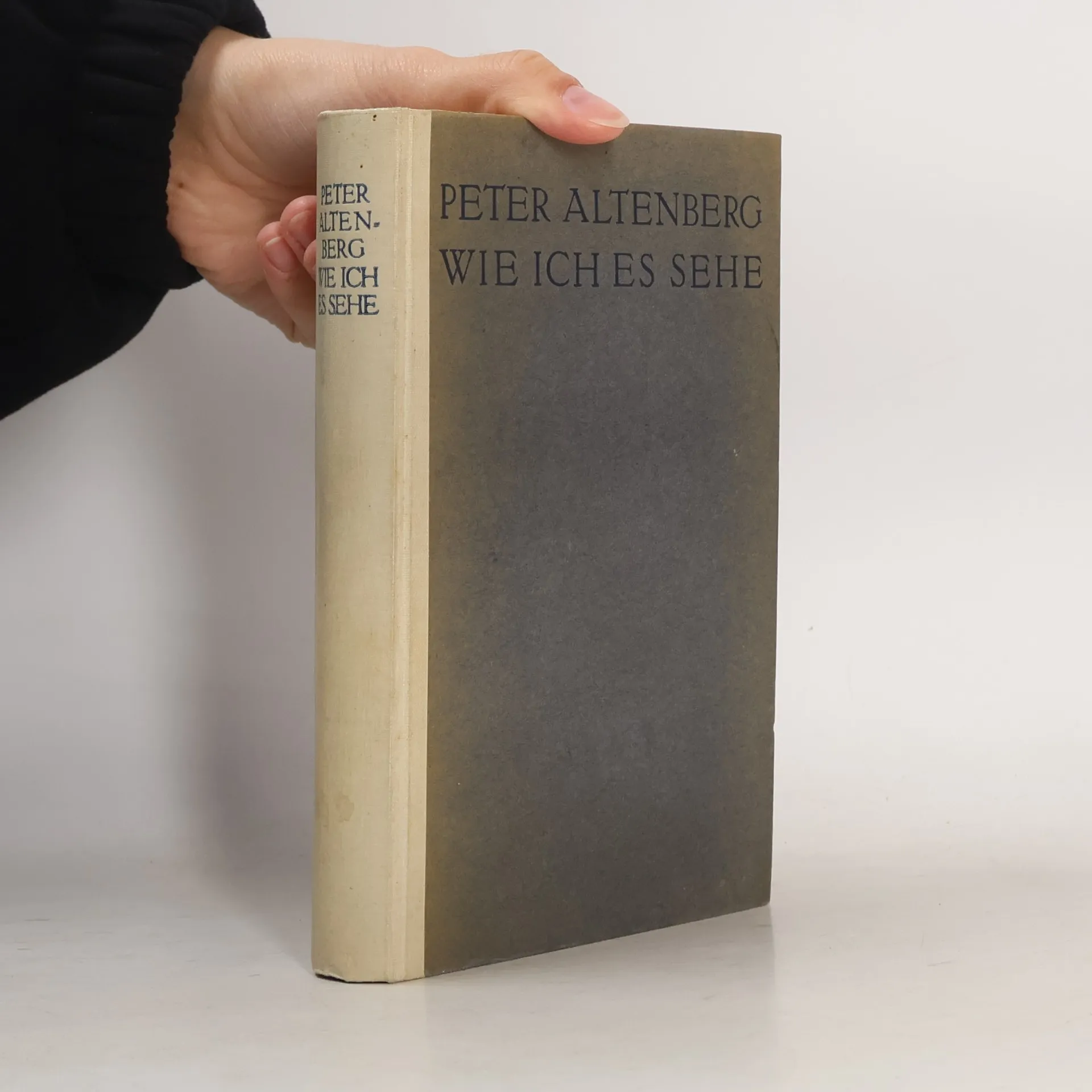
Der exzentrische Altenberg: Bohemien, Mitglied des Literatenzirkels Jung-Wien, Kaffeehausliterat. Seine impressionistischen Skizzen und ironischen Aphorismen, ja Gedankensplitter, sind noch heute unübertroffen. In den Mittelpunkt seiner Kurzprosa stellt er das subjektive Erleben und teilt im Plauderton Augenblicke aus dem Alltagsleben der Großstadt um die Jahrhundertwende mit dabei beschönigt er nie. Dieser Band enthält eine Auswahl aus folgenden Büchern: Wie ich es sehe, Was der Tag mir zuträgt, Pròdromos, Märchen des Lebens, Bilderbögen des kleinen Lebens, Neues Altes, Semmerling, Fechsung, Nachfechsung, Vita Ipsa, Mein Lebensabend, Der Nachlass.
Die Sammlung von Peter Altenberg bietet einen Einblick in seine einzigartige Perspektive auf das Leben und die Gesellschaft des späten 19. Jahrhunderts. Die Berliner Ausgabe von 2023 enthält eine überarbeitete Biografie des Autors, die von Theodor Borken gestaltet wurde, und basiert auf der 8./9. Auflage von 1914. Der Text bleibt der ursprünglichen Rechtschreibung und Zeichensetzung treu. Mit einem großformatigen Layout und lesefreundlichem Großdruck ermöglicht dieses Werk eine ansprechende Lektüre für alle, die sich für die literarische Moderne interessieren.
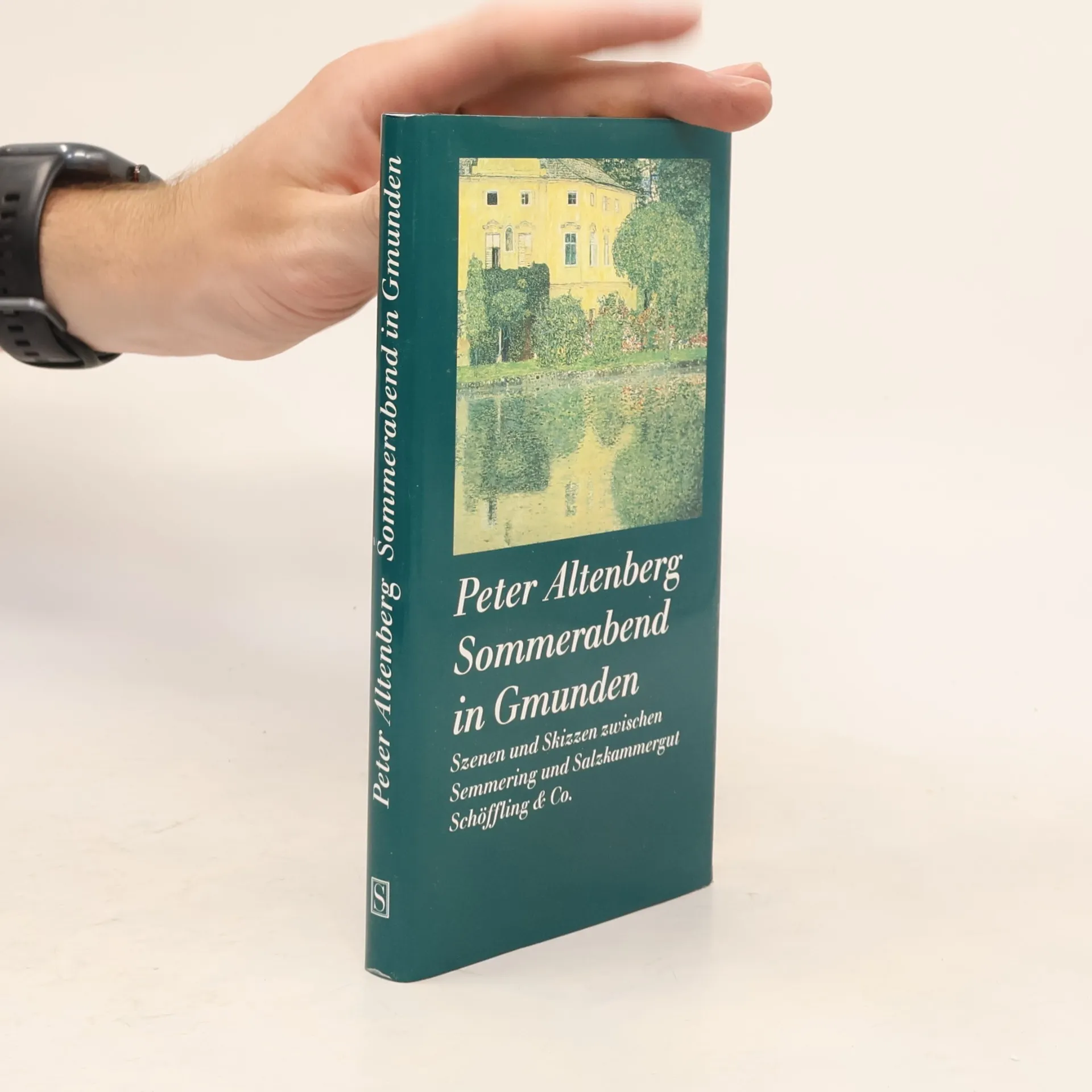
Auch der österreichische Schriftsteller Peter Altenberg, Sohn eines Wiener Kaufmanns, durfte oft diesen Sommertraum erleben. In den Bänden kurzer Prosa, die bis zu seinem Tode 1919 erschienen, sind die Orte der Sommerfrische zwischen Semmering und Salzkammergut immer wieder Schauplatz. Mal gilt ihnen eine schon wehmütige Kindheitserinnerung, mal portraitiert Altenberg in kleinen Szenen und Erlebnissen die Mentalität der großbürgerlich-behüteten Menschen seiner Epoche – ein Blick in eine fast vergangene Welt. (Verlagsangabe)
Über die Anständigkeit
- 96 stránek
- 4 hodiny čtení
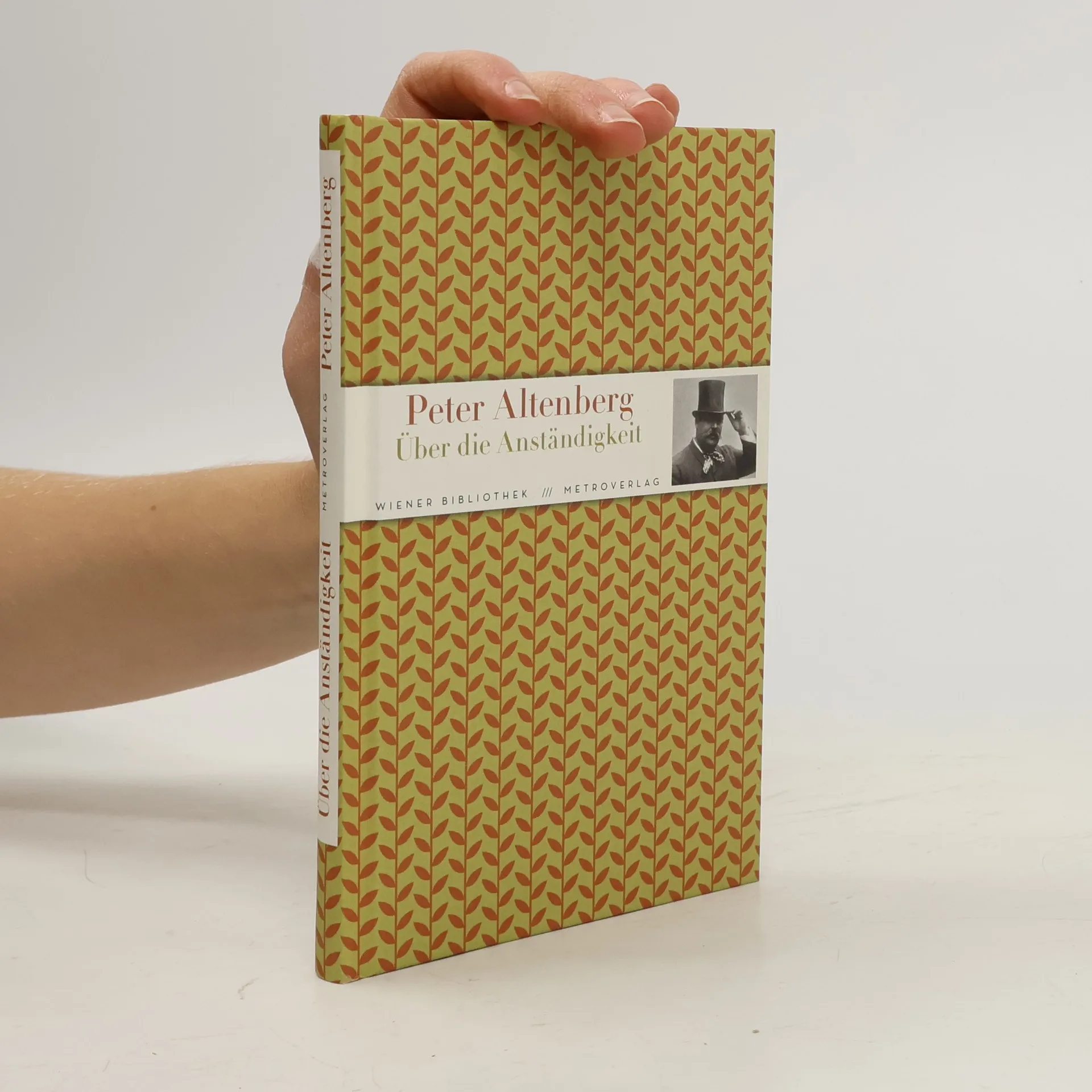
Wie kaum einem Zweiten ist es Peter Altenberg gelungen, sich der Wiener Seele schreibend zu nähern. In seinen Texten, die in Kaffeehäusern und Künstlerstuben, auf der Straße und in den Salons spielen, spricht aus jeder der Zeilen zugleich Leichtigkeit und Schwere, Wehmut und Frohsinn.
Neues Altes
- 96 stránek
- 4 hodiny čtení
Peter Altenberg, ein außergewöhnlicher österreichischer Dichter, wird als Genie beschrieben, dessen Leidenschaft und Temperament unvergesslich sind. Seine Texte fangen die geheime Größe des Alltäglichen ein. Die Gestaltung des Buches spiegelt die Leichtigkeit seiner Aphorismen wider, ergänzt durch elegante Schriftcollagen.
Das macht nichts
Neues Altes aus dem Kaffeehaus
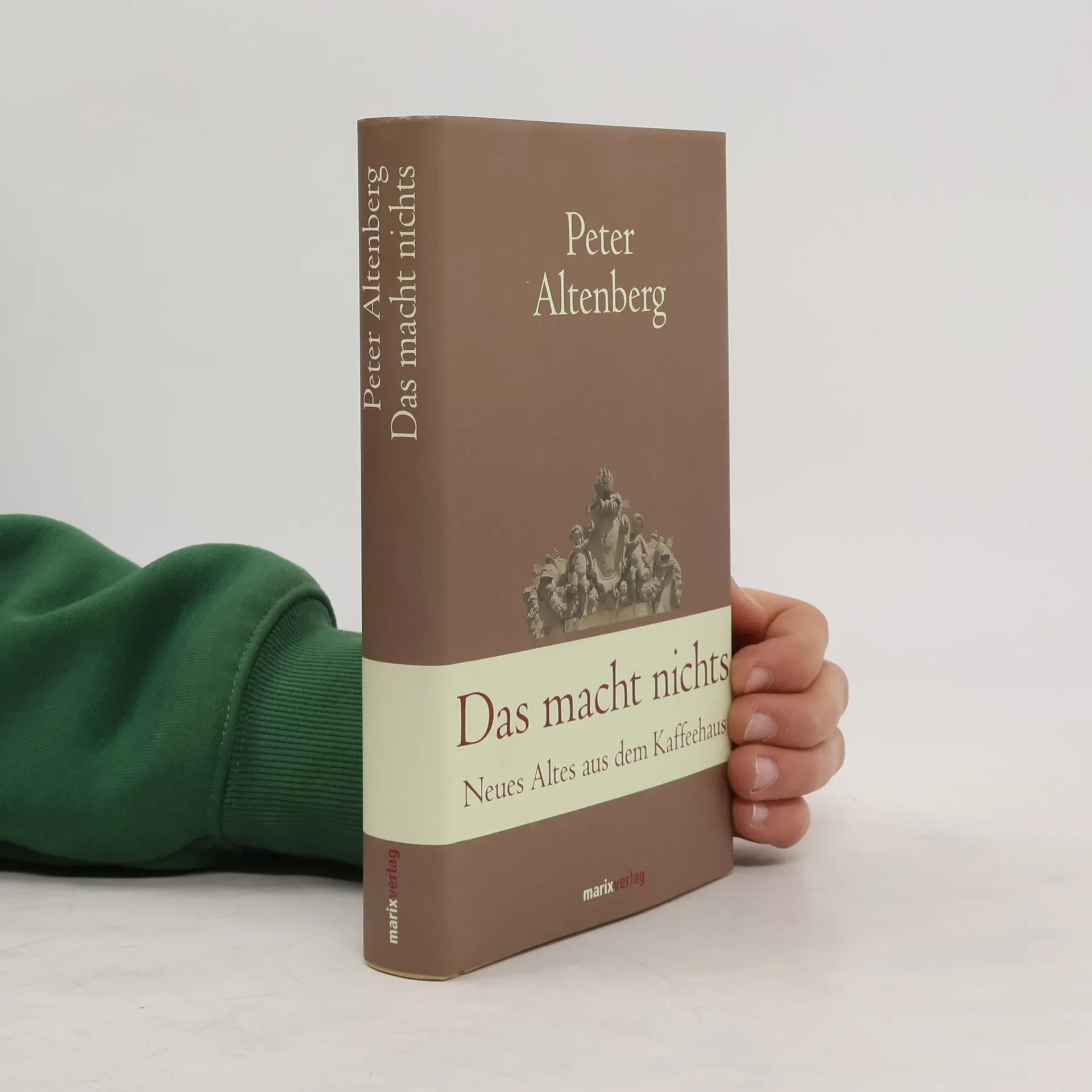
Peter Altenberg ist ein Genie der Nichtigkeiten, ein Idealist, der die Schönheiten der Welt in den Aschenbechern der Kaffeehäuser findet. Er sucht das Ideale nicht im Vollkommenen, sondern im vermeintlich Unvollkommenen und Alltäglichen, um es poetisch neu zu erschaffen: die Anmut der Frau, einen japanischen Apfelbaum, das Reich der verlorenen Kindheit. In heiter-selbstironischem und liebevoll-gerührtem Ton verwandelt er liebenswerte „Nichtigkeiten“ in „Bilderbögen des kleinen Lebens“. Diese Lebensbildnisse sind nicht nur sprachlich schön, sondern auch das autobiografische Vermächtnis eines unvoreingenommenen Menschen, der sich dem Leben in all seinen Facetten überließ. Altenberg gilt zu Lebzeiten als legendärer Vertreter der Wiener Kaffeehausliteratur, und seine ironischen Aphorismen sowie melancholischen Prosaskizzen sind weit mehr als leichtfertige „Sprachhäppchen“. Mit kräftigen Pinselstrichen porträtiert er flüchtige Lebensaugenblicke – zufällig mitgehörte Gespräche, philosophische Gedanken, Stimmungen und Farben – und schafft eine künstlerische Gesamtschau, die das politische und kulturelle Panorama der untergehenden Wiener Moderne sowie das Leben selbst in poetischen Momentaufnahmen festhält. In diesem Band sind ausgewählte Werke versammelt, darunter „Wie ich es sehe“, „Was der Tag mir zuträgt“ und „Märchen des Lebens“.
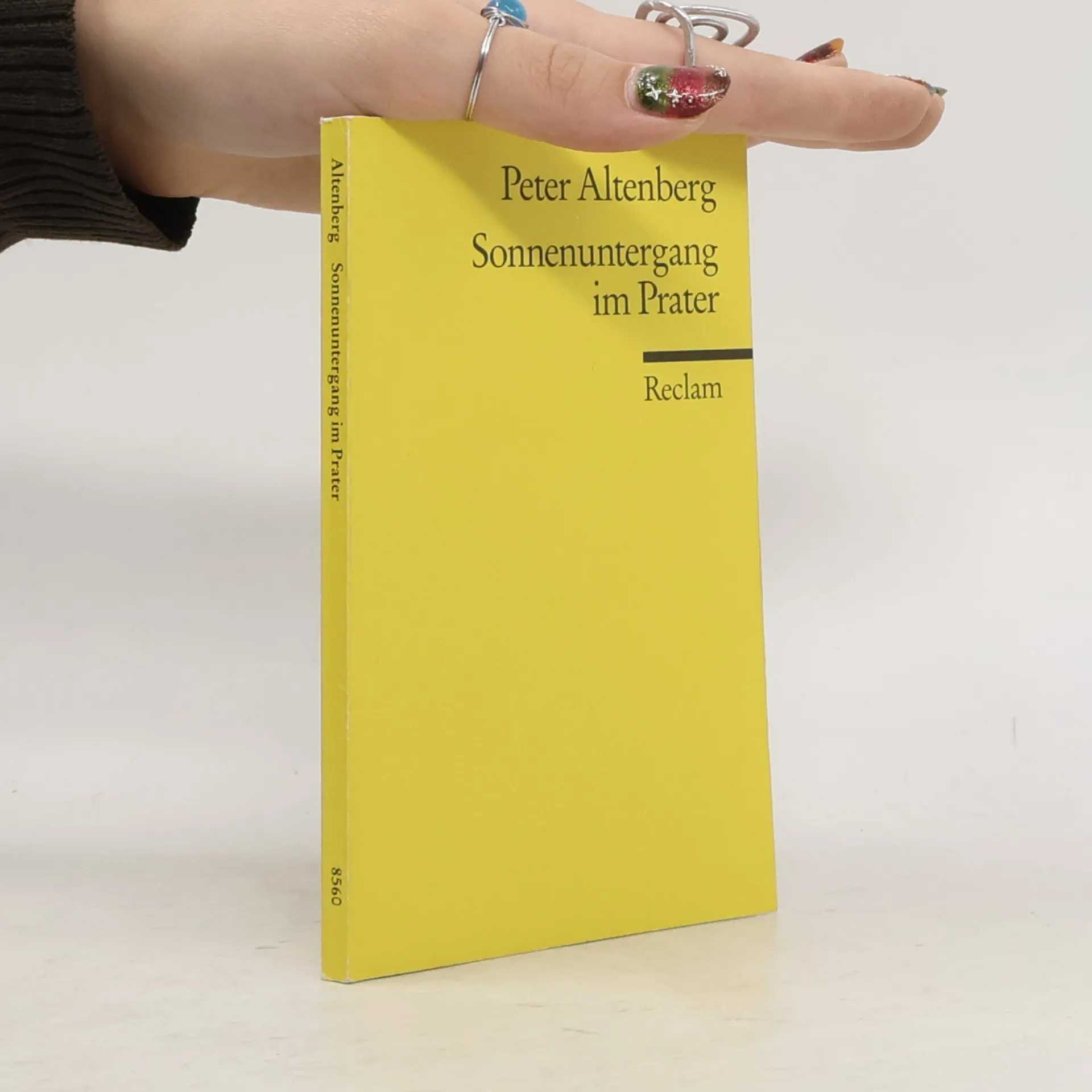
55 Prosastücke.Inhalt:- Blumen-Korso- Sonnenuntergang im Prater- Im Volksgarten- Zwölf- Die Natur- Landpartie- Fünfundzwanzig- Am Lande- Der Landungssteg- Spätsommer-Nachmittag- Es geht zu Ende- Herbstabend- At Home- Quartett-Soirée- Wie einst im Mai- Der Besuch- Musik- Beja Flor- Friede [Teildruck]- Siebzehn bis dreißig- Herrensitz in U.- Der Schloßherr- Mitzi von der Lamingson-Truppe- Fleiß- Die Hütten (abends)- Paradies- Der Abernd- Ein Brief aus Akkra (Westküste, Goldküste)- Akolés Gesang, Akolés süßes Lied- Spätherbst-Abend- Der Trommler Belín- Café de LOpéra (im Prater)- Sommer in der Stadt [Teildruck aus "Newsky Roussotine-Truppe"]- Der Brand- La Zarina- Große Prater-Schaukel- Verkehr zwischen Menschen- Vergnügungslokal- Der Tag des Reichtums- Die Maus- Lift- Schubert- Idylle- Im Jänner, auf dem Semmering- Ich trinke Tee- Meine Ideale- Grammophonplatte- Vöslau- Die Kinderzeit- Onkel Emmerich- Onkel Max- Erinnerung- Reminiszenzen- Parfüm- Im Stadtpark
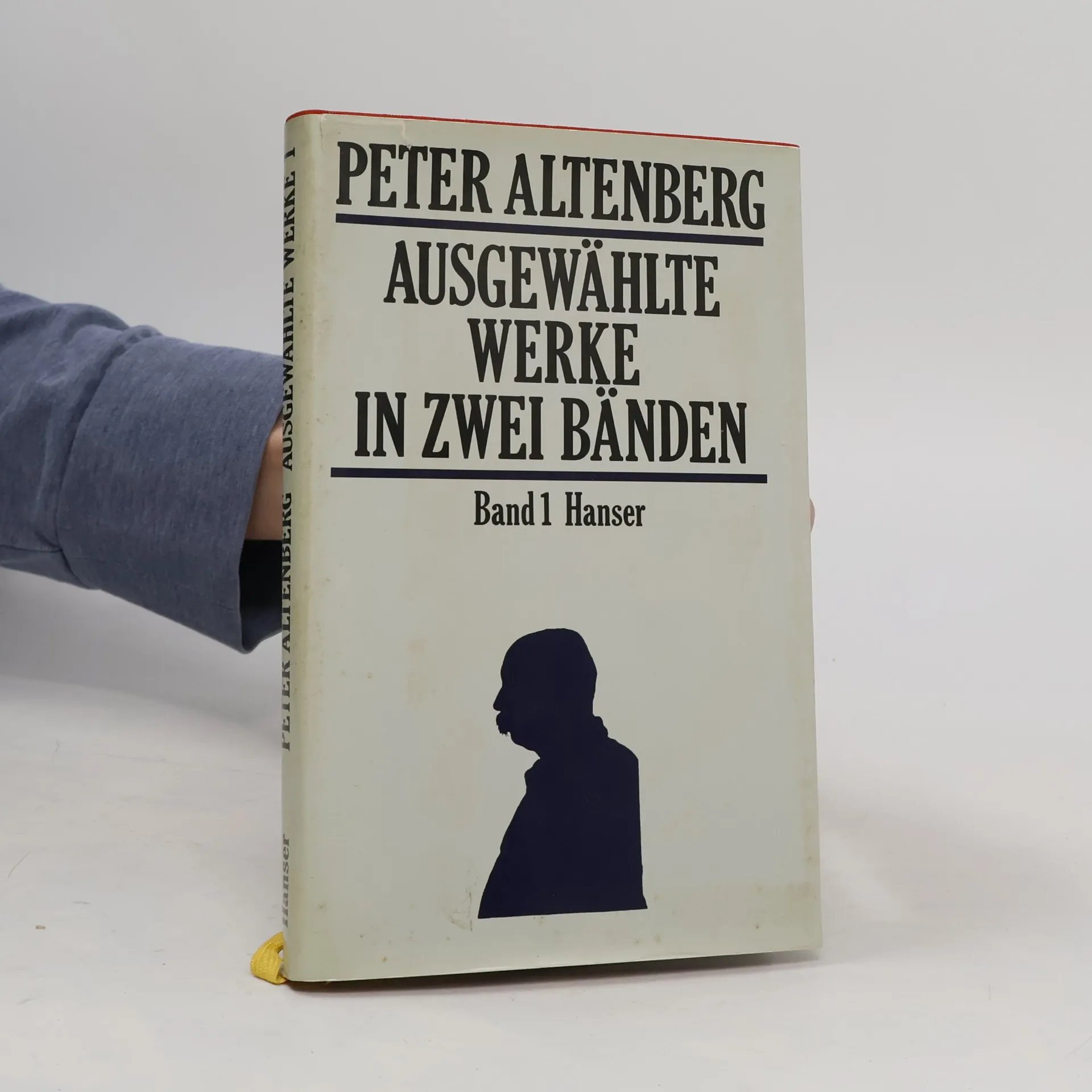
Ausgewählte Werke
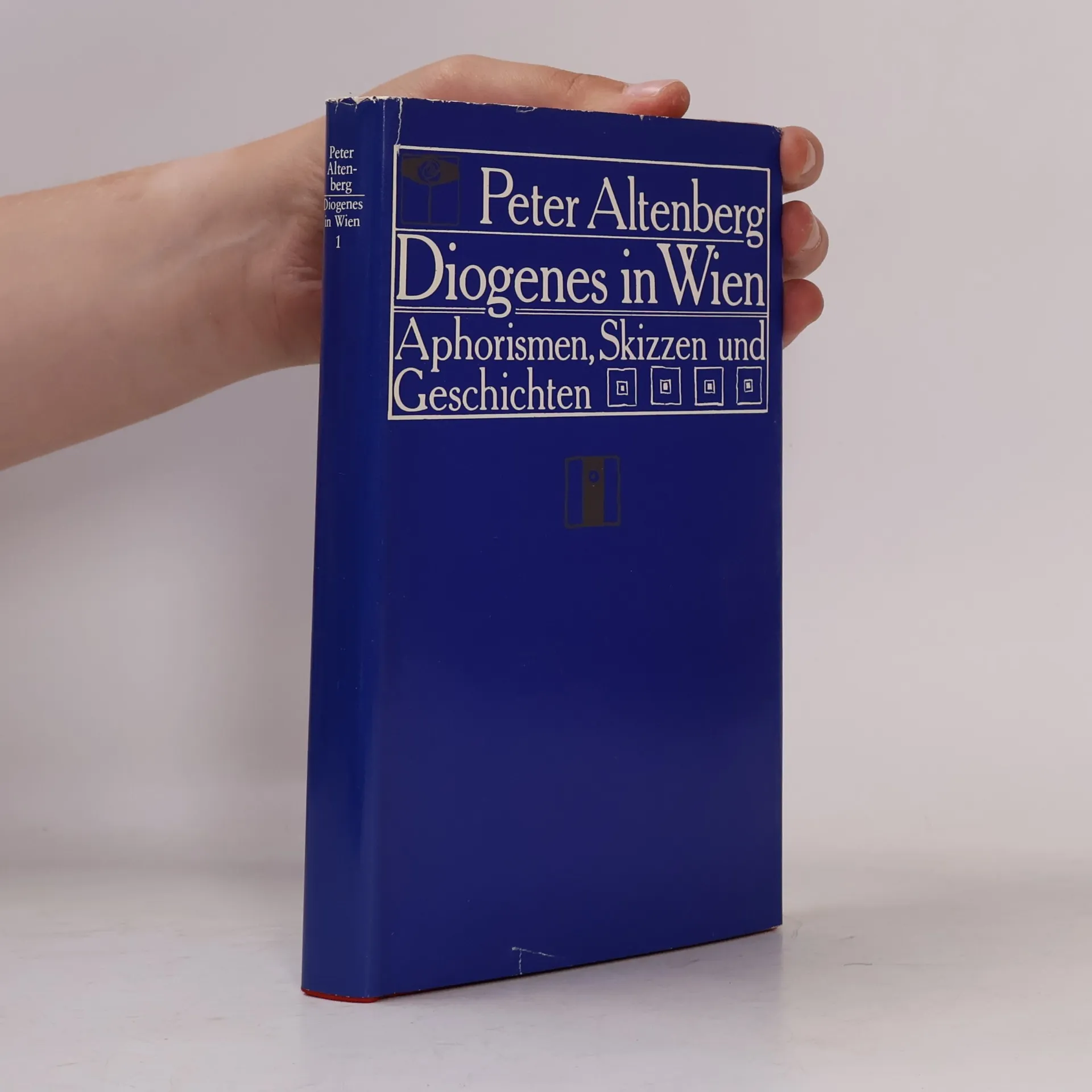
In 2 Bd. : Aphorismen, Skizzen u. Geschichten
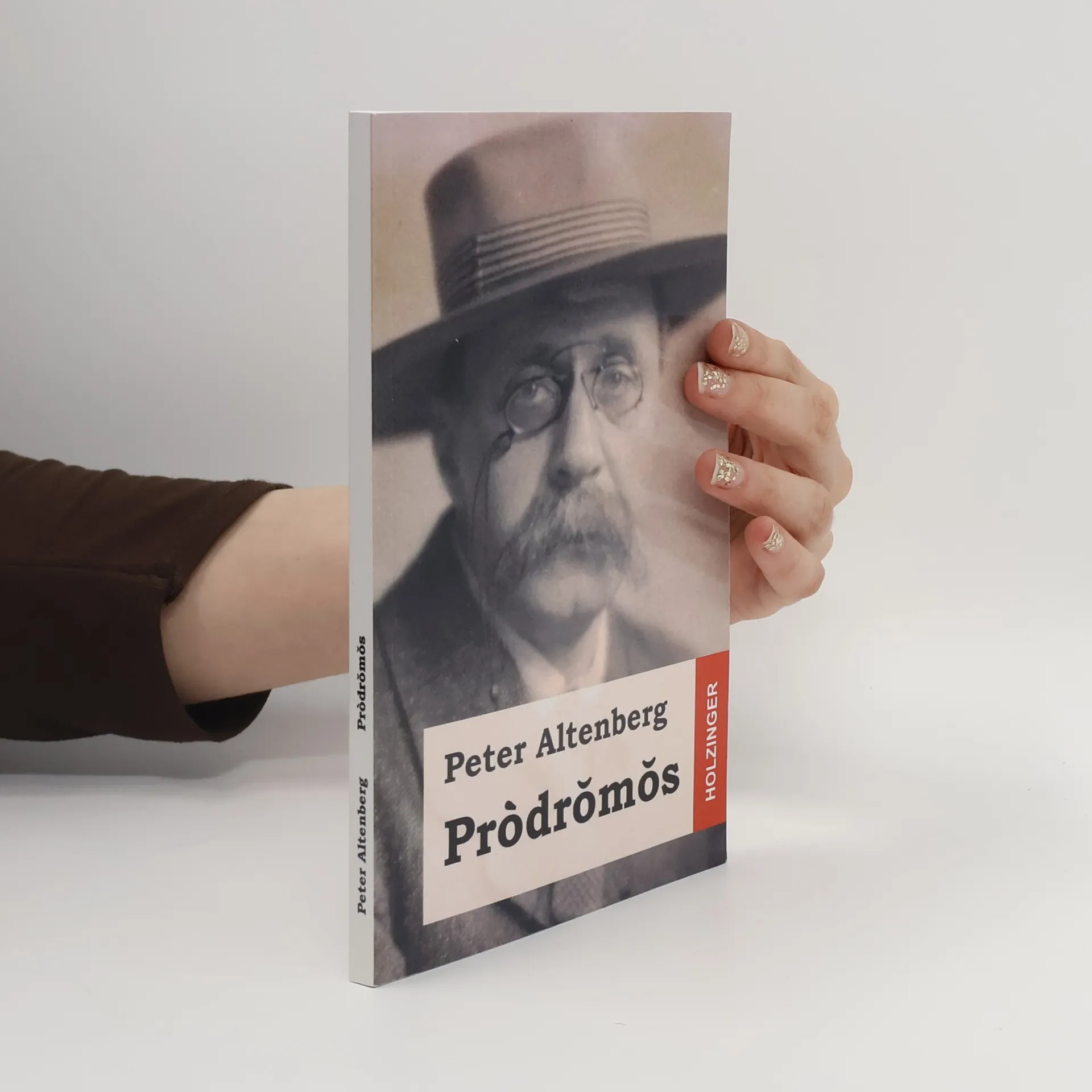
Pròdromos
- 138 stránek
- 5 hodin čtení
Peter Altenberg: Pr�dromos Edition Holzinger. Taschenbuch Berliner Ausgabe, 2018, 4. Auflage Durchgesehener Neusatz mit einer Biographie des Autors bearbeitet und eingerichtet von Michael Holzinger Erstdruck: Berlin (S. Fischer) 1906. Der Text folgt dem Erstdruck. Textgrundlage ist die Ausgabe: Peter Altenberg: Prodromos. 1. Auflage, Berlin: S. Fischer, 1906. Herausgeber der Reihe: Michael Holzinger Reihengestaltung: Viktor Harvion Umschlaggestaltung unter Verwendung des Bildes: Peter Altenberg (Foto von Charles Scolik, 1854-1928) Gesetzt aus der Minion Pro, 10 pt.
Der Verlag Megali hat sich auf die Reproduktion historischer Werke in Großdruck spezialisiert, um Menschen mit eingeschränkter Sehfähigkeit das Lesen zu erleichtern. Diese Ausgabe bietet eine hochwertige Nachbildung eines Originals und fördert den Zugang zu bedeutenden Texten für eine breitere Leserschaft.
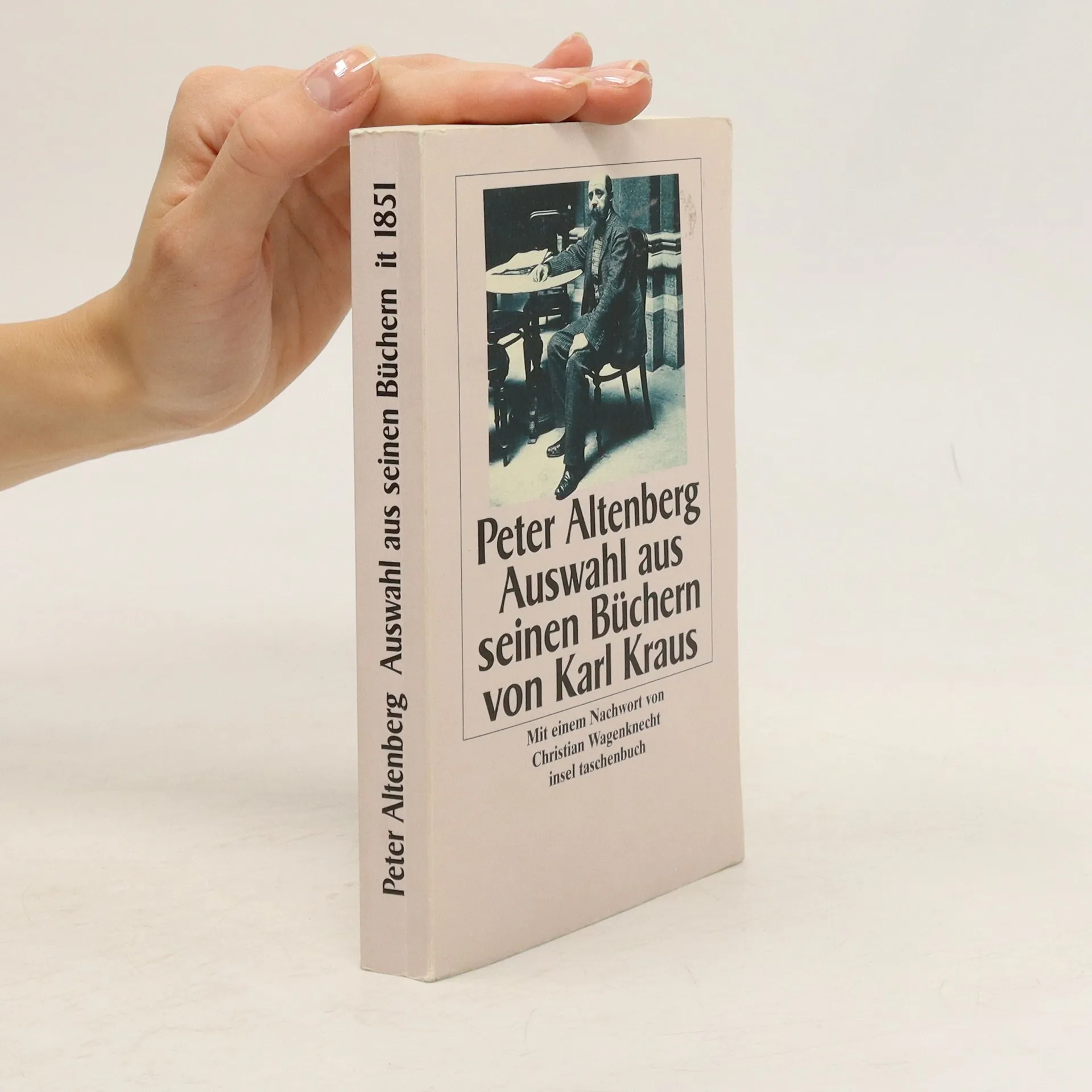
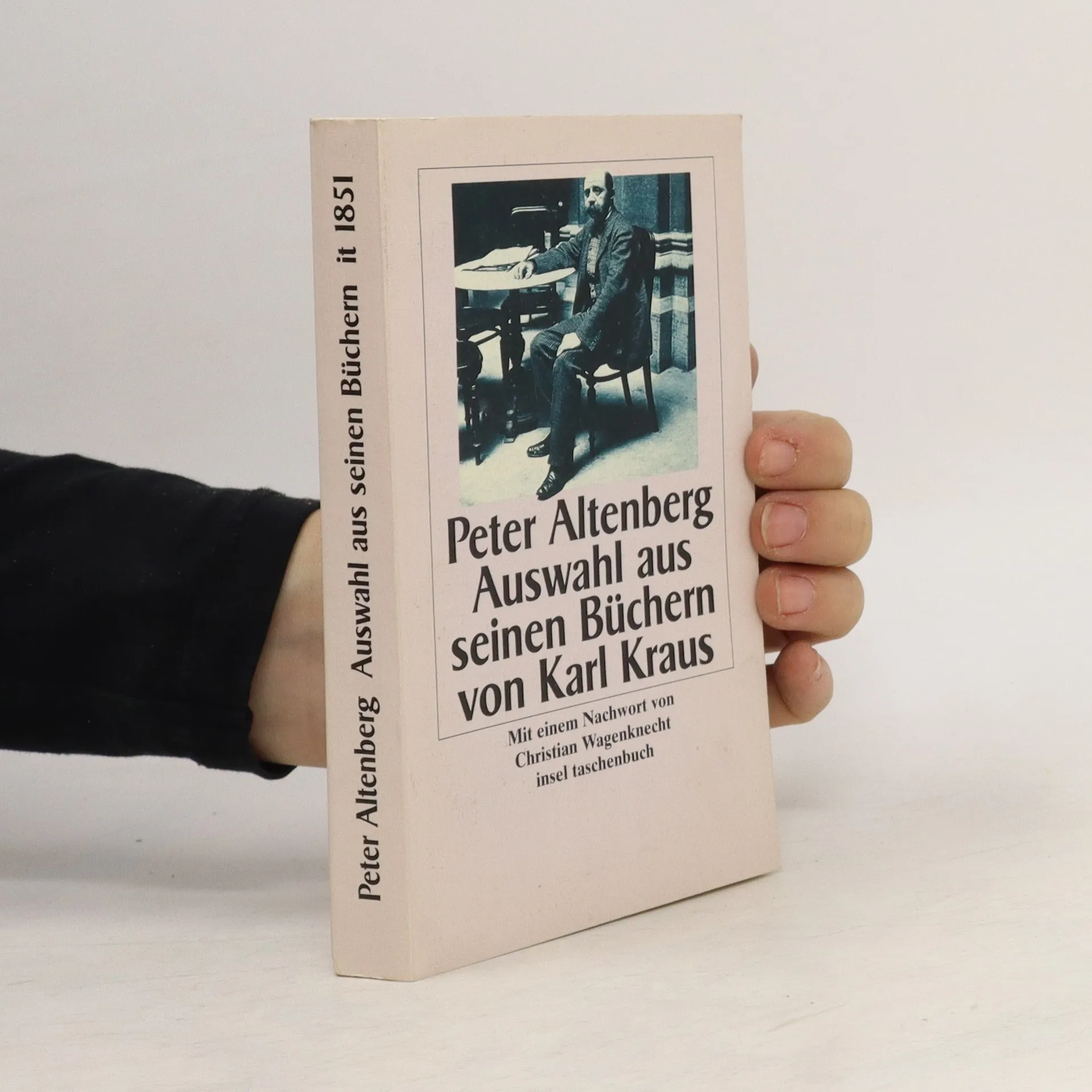
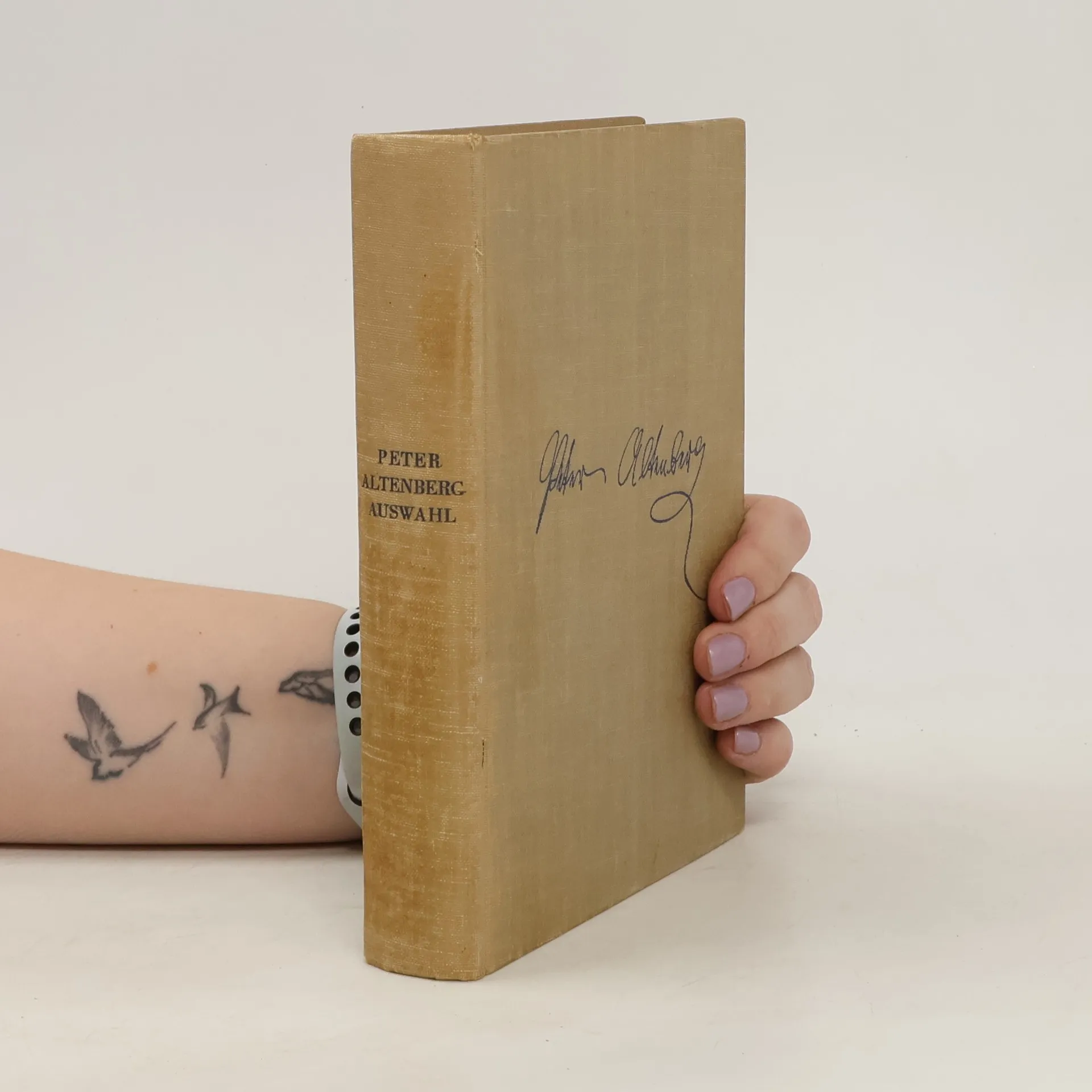
Peter Altenberg
Auswahl aus seinen Büchern
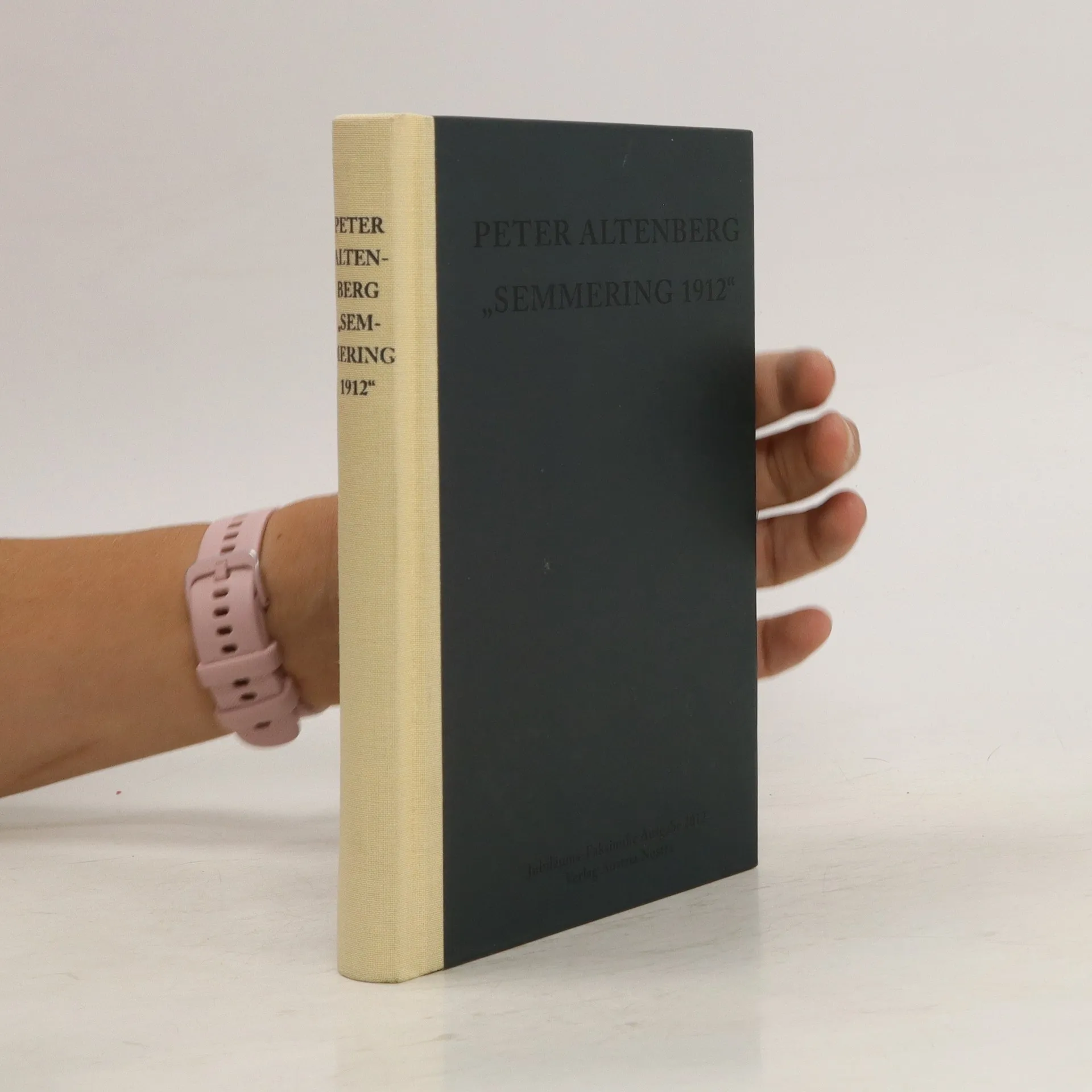
Semmering 1912
- 252 stránek
- 9 hodin čtení
Peter Altenberg: Semmering 1912 Erstdruck: Berlin, S. Fischer, 1912. Neuausgabe mit einer Biographie des Autors. Herausgegeben von Karl-Maria Guth. Berlin 2017. Umschlaggestaltung von Thomas Schultz-Overhage. Gesetzt aus der Minion Pro, 11 pt.
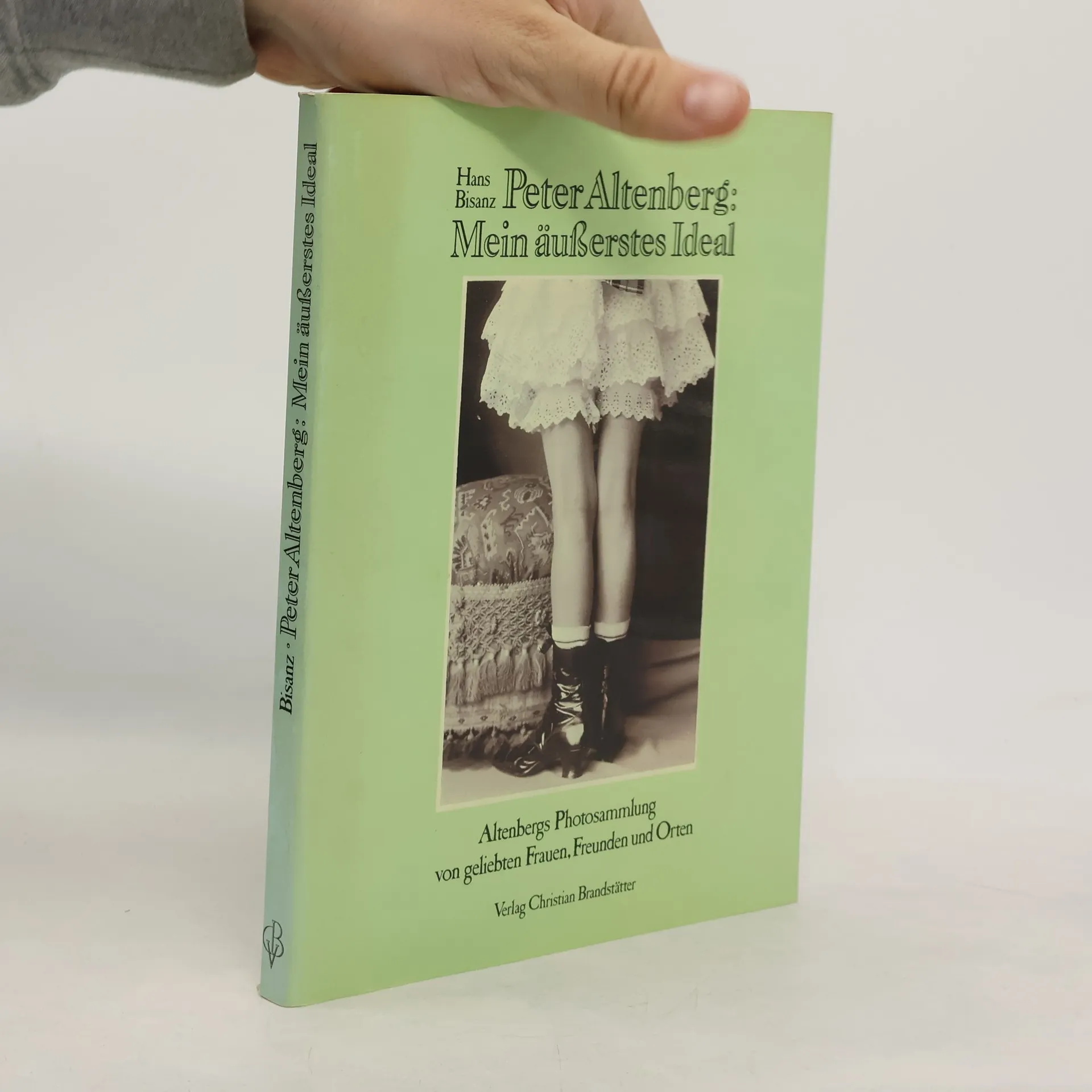
Peter Altenberg, mein äusserstes Ideal
- 127 stránek
- 5 hodin čtení
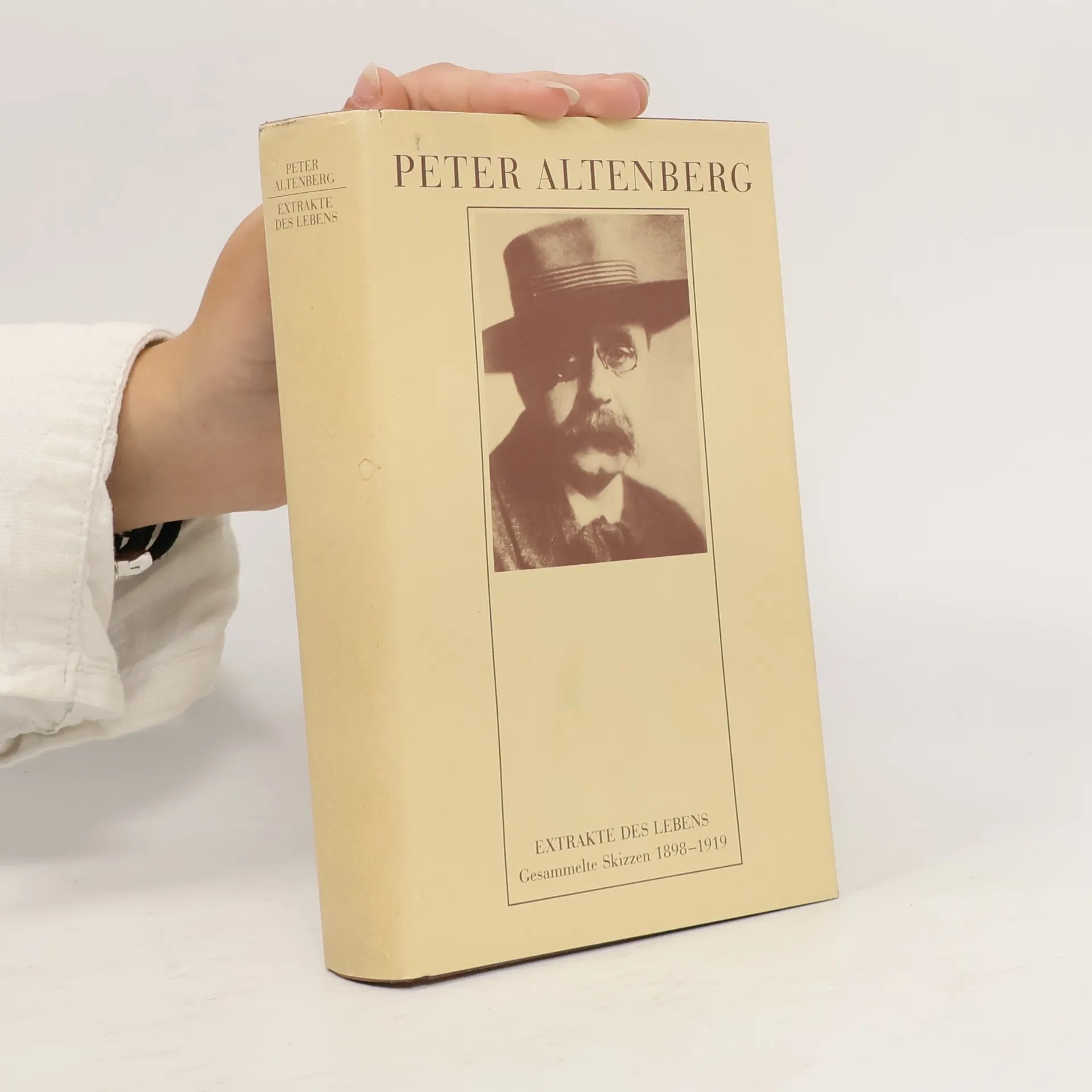
Extrakte des Lebens : Gesammelte Skizzen 1898-1919
- 487 stránek
- 18 hodin čtení
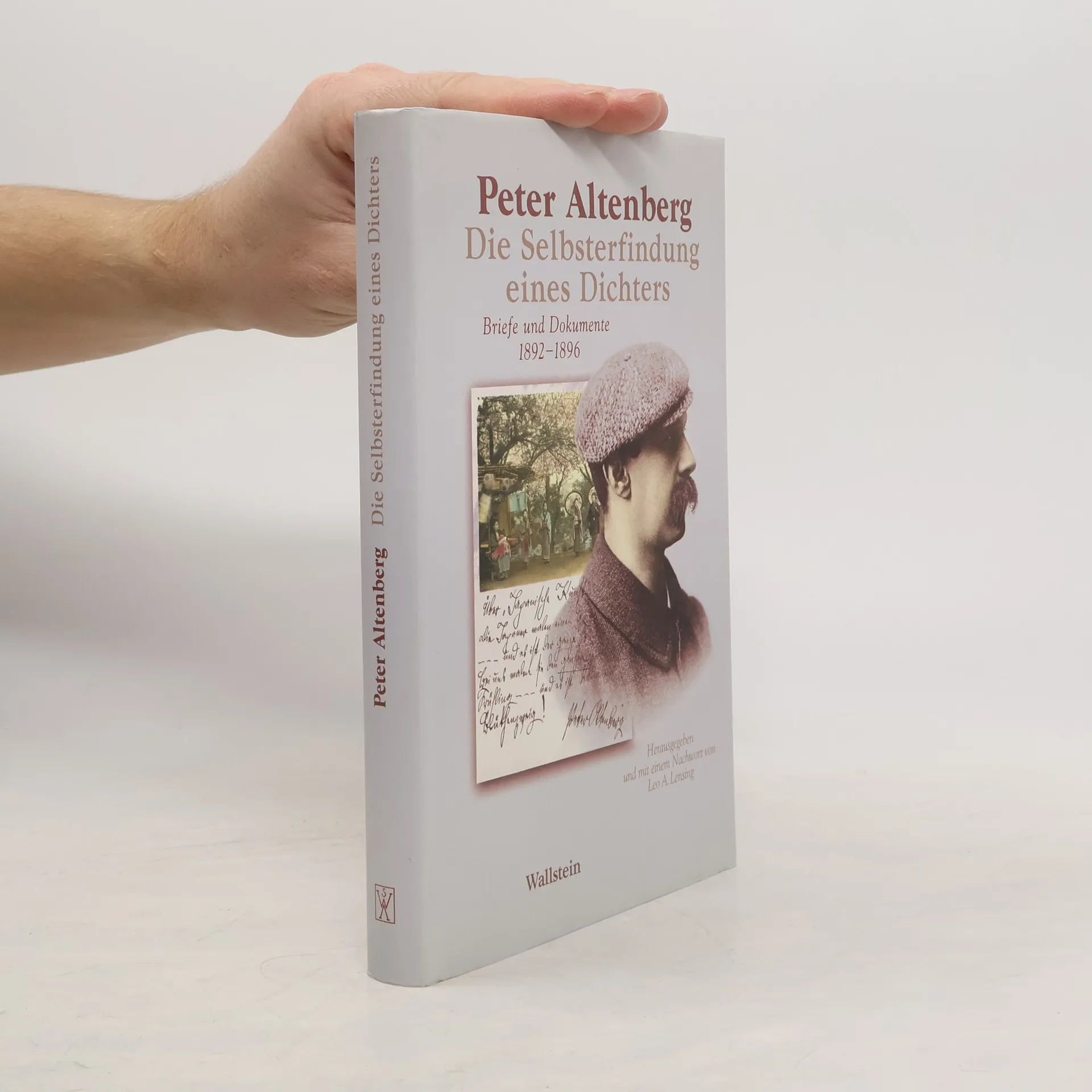
Wie aus Richard Engländer Peter Altenberg wurde - ein Bilderbogen aus frühen Briefen des Wiener Bohèmiens. Mit der Publikation seiner Skizzensammlung »Wie ich es sehe« im April 1896 verwandelte sich der Wiener Richard Engländer in den Dichter Peter Altenberg. Dieses Buch ist ein epochales Prosawerk des Fin de siècle, über das die damaligen Königsmacher der Literatur debattierten: Hermann Bahr, Moritz Heimann, Hugo von Hofmannsthal, Joseph Viktor Widmann und viele andere schrieben Rezensionen zu Altenbergs Debüt, die in diesem Band dokumentiert sind. Die Geschichte der Komposition und Revision von Altenbergs Erstling ist bis heute im Dunklen geblieben. In den hier vorgelegten Briefen an intime Freundinnen und die Familie sowie an Schriftstellerkollegen wie Karl Kraus und Arthur Schnitzler, erfindet sich der Dichter selbst. Richard Engländers Briefe befreien sich von ihren Adressaten und werden zu Bilderbögen des Peter Altenberg: die schöpferischen Obsessionen des Dichters, seine erotisch-romantischen Schwärmereien, seine diätischen Phantasien, seine passionierten literarischen Ur- und Vorurteile. Diese poetischen Briefe entführen den Leser in eine faszinierende, manchmal dunkle Innenwelt, die den Entstehungsort Wien um 1900 zum bloßen Vorwand genommen hat.
Er liebte und sah
- 149 stránek
- 6 hodin čtení
Die Lebensmachinerie. Feuilletons
- 254 stránek
- 9 hodin čtení
Z našich sĺz bude múdrosť; ale z vášho úsmevu?!?
- 144 stránek
- 6 hodin čtení
Peter Altenberg (1859 – 1919) patrí životom i tvorbou k najoriginálnejším autorom modernej rakúskej literatúry. Vytvoril svojrázne, umelecky jedinečné dielo s neopakovateľným pohľadom na človeka a jeho život. Altenberg je básnik bežného života. Tohto „lačného rybára na brehu oceána všedného dňa" priťahoval pôvab každodennosti, objavovanie „malej" skutočnosti obyčajného dňa. Preslávil sa krátkymi prózami, stručnými tesanými škicami, impresiami, novinárskou beletriou, kurzívami, postrehmi na okraj dňa. Sám ich nazýval extraktmi života, črepinami, autogramami a telegramami duše. Sú to často pravé básne v próze, bez dekoratívnosti a krasorečnenia, s geniálnou kompozíciou, vyhraneným krédom, ľudsky účastným, filozoficky hlbokým a kriticky prenikavým. Výber z rozsiahlej tvorby tohto „posledného trubadúra a minnesängra" sa usiluje zachytiť celé jej rozpätie. Od impresionistického opojenia životným momentom, lásky k žene a dieťaťu, až po reflexie životného filozofa a kritika. Len málo diel zo svetovej literatúry sa čitateľovi prihovára tak sviežo a bezprostredne, a iba neveľa próz vie na malom priestore povedať tak veľa o človeku, živote, kráse vecí, krajiny, o radosti, tragike a najmä o zážitku duše.
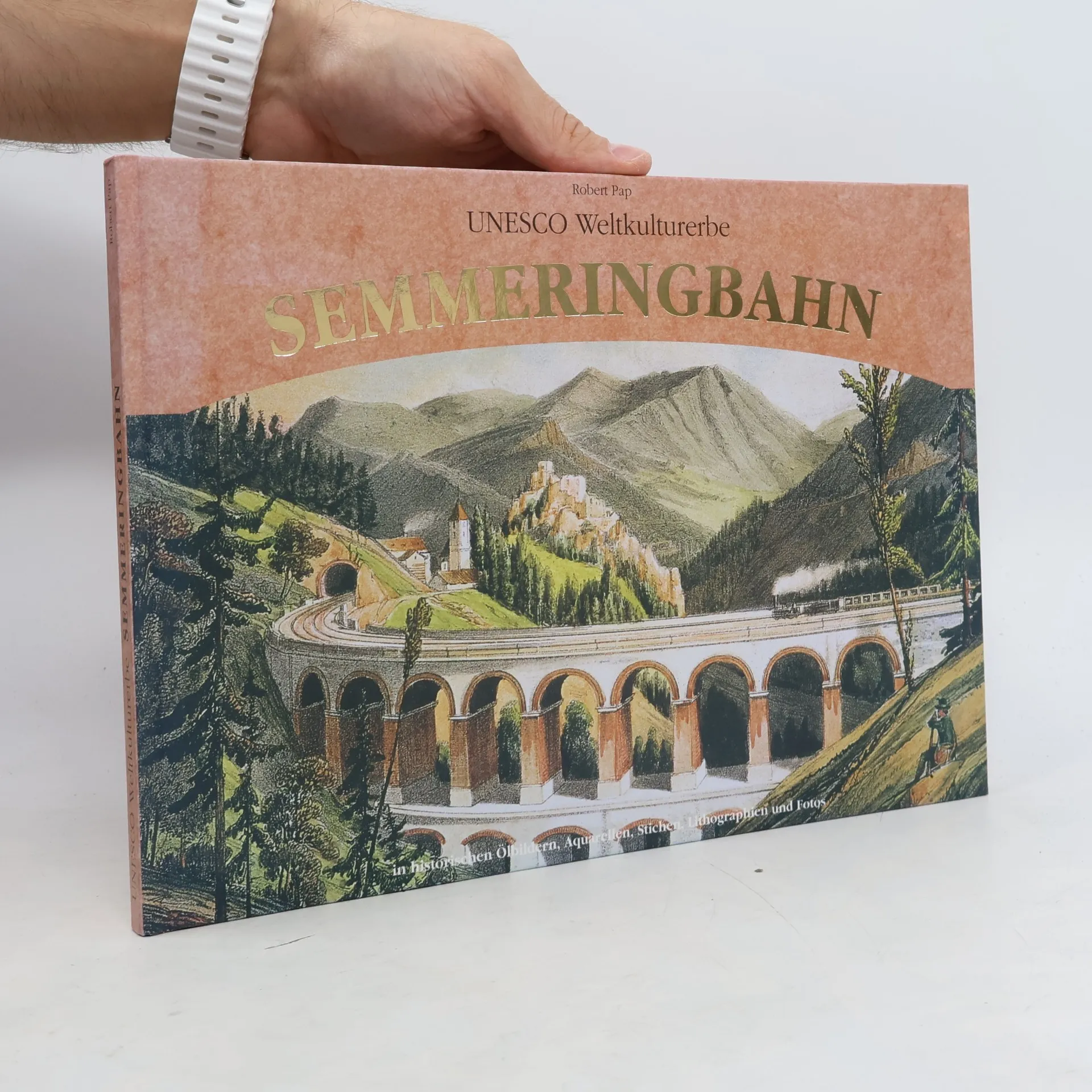
Semmeringbahn
UNESCO Weltkulturerbe: in historischen Ölbildern, Aquarellen, Stichen, Lithographien und Fotos
Im Anhang die „Rede am Grabe Peter Altenbergs“ von Karl Kraus, ein Auszug aus Egon Friedells Essay „Ecce Poeta“ und eine biographische Zeittafel zum Dichter. In der Beilage eine Reproduktion der Original-Handschrift Altenbergs als erschütterndes Dokument aus dem Jahre 1918 samt Poster mit einem Pop Art Motiv Altenbergs.
Expedition in den Alltag
Gesammelte Skizzen 1895-1898
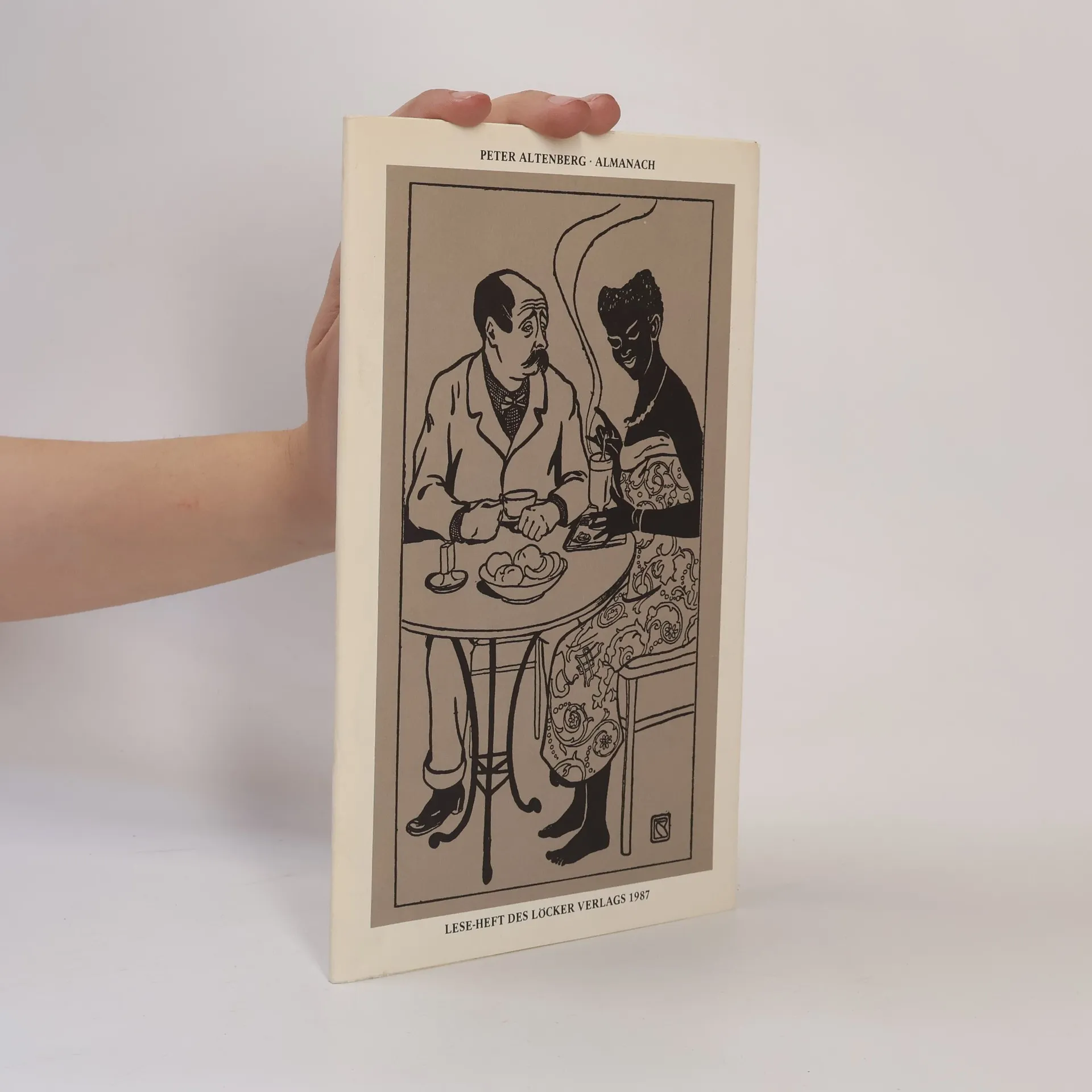
Peter-Altenberg-Almanach - Leseheft des Löcker Verlags
- 53 stránek
- 2 hodiny čtení