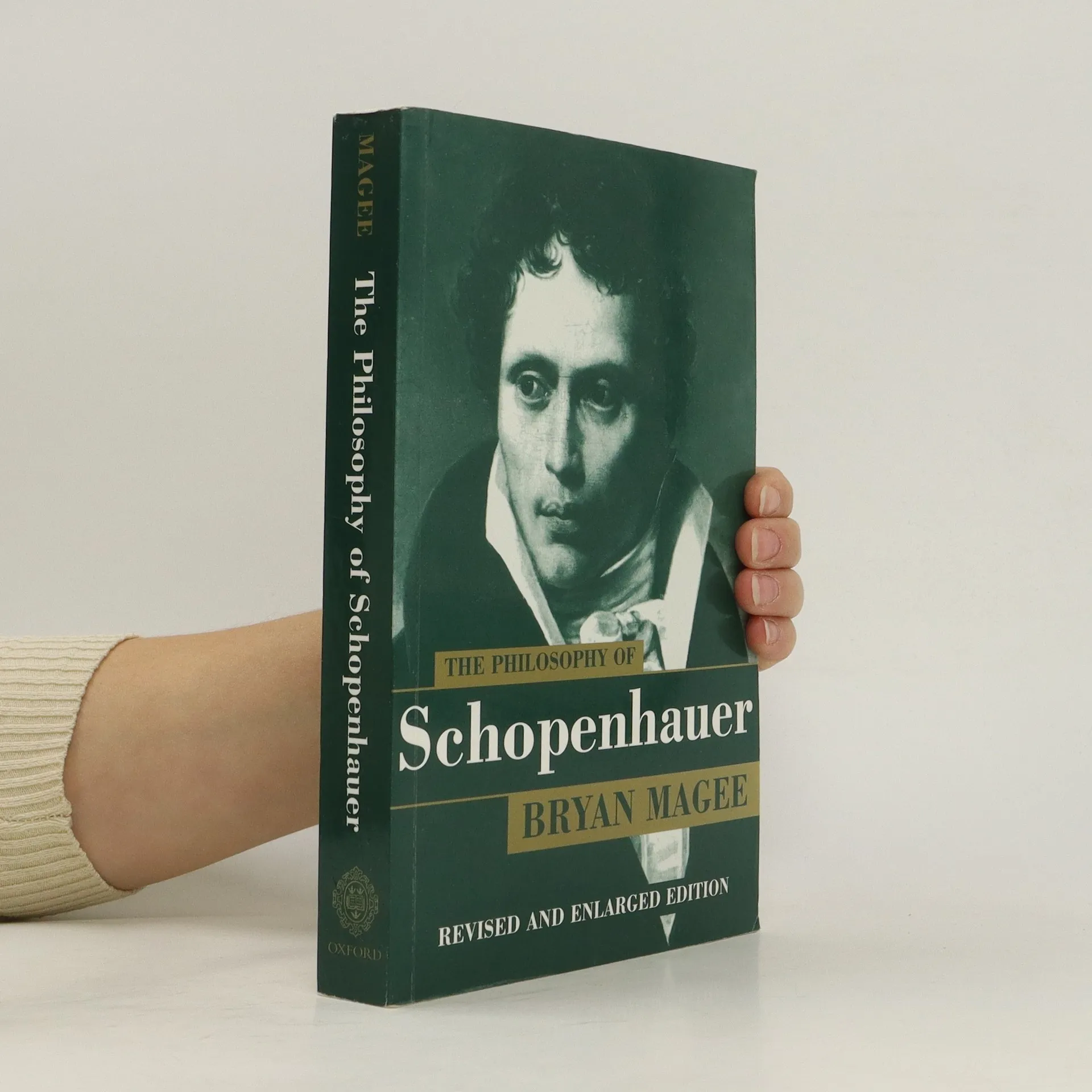
This is a revised and enlarged version of Bryan Magee's widely praised study of Schopenhauer, the most comprehensive book on this great philosopher. It contains a brief biography of Schopenhauer, a systematic exposition of his thought, and a critical discussion of the problems to which it gives rise and of its influence on a wide range of thinkers and artists. For this new edition Magee has added three new chapters and made many minor revisions and corrections throughout. This new edition will consolidate the book's standing as the definitive study of Schopenhauer.
Bryan Magee Pořadí knih (chronologicky)
12. duben 1930 – 26. červenec 2019
Bryan Magee byl známý britský popularizátor filozofie, který zasvětil svou kariéru zpřístupnění složitých myšlenek širšímu publiku. Prostřednictvím své práce, včetně televizního seriálu a publikovaných přepisů, nabídl čtenářům a divákům přístupný úvod do moderního myšlení. Jeho odkaz spočívá ve schopnosti rozbít intelektuální bariéry a přiblížit filozofii běžnému člověku. Mageeho hluboký zájem o historii a politiku zároveň obohatil jeho pohled na filozofická témata.

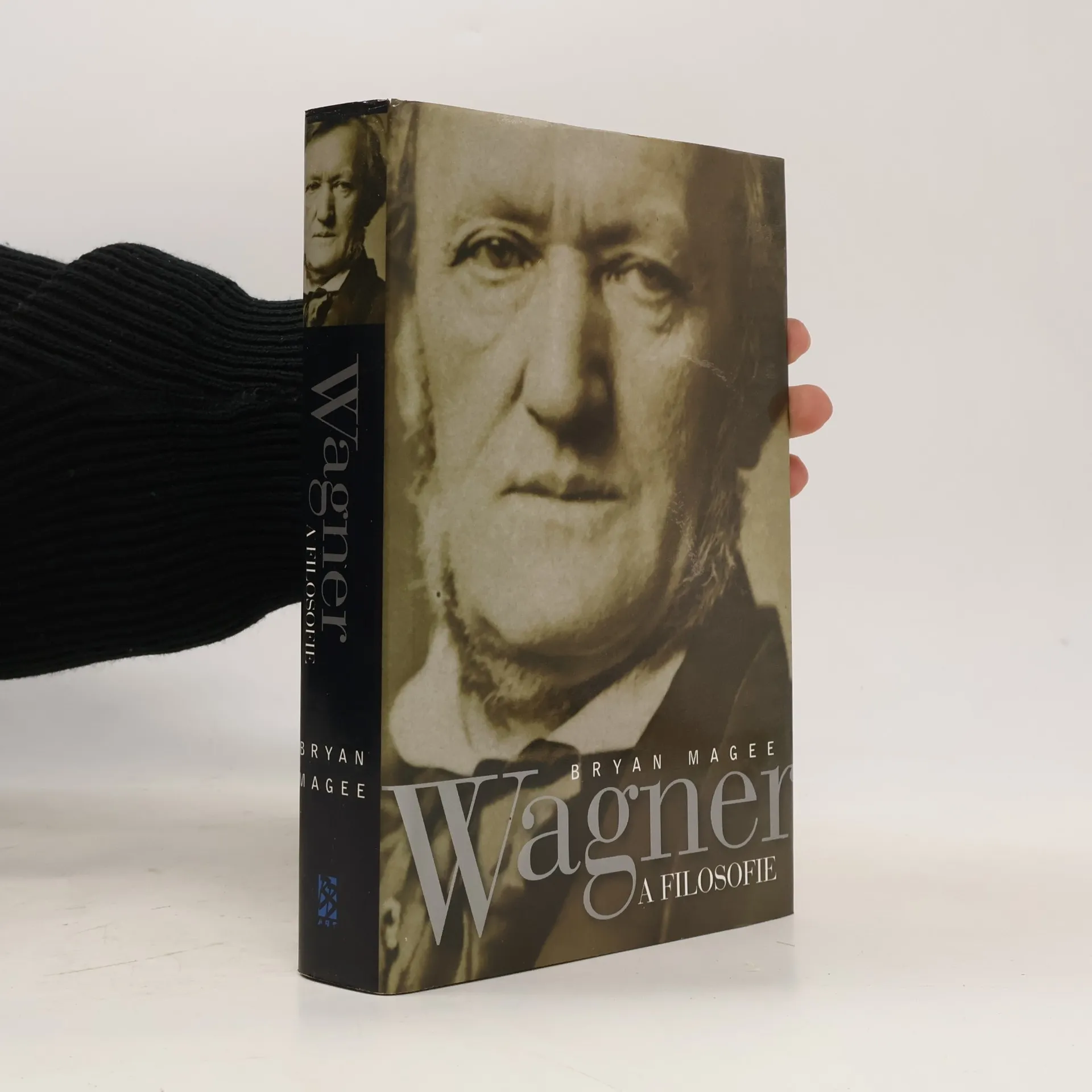
Wagner a filosofie
- 351 stránek
- 13 hodin čtení
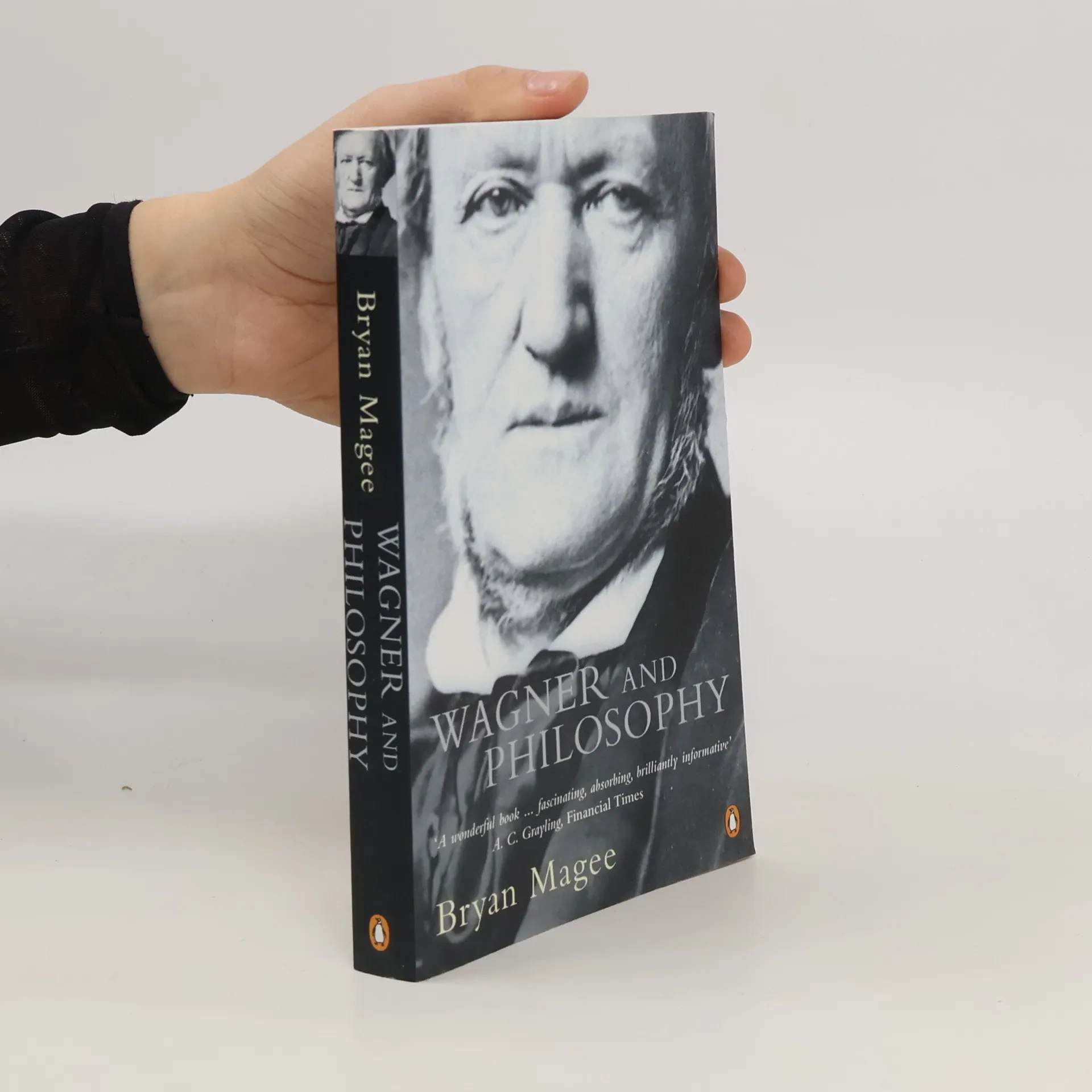
Kniha Wagner a filosofie pojednává o filosofech, jimiž byl Wagner ovlivněn, a popisuje s pozoruhodnou sympatií a vnímavostí, jakým způsobem se jejich vliv konkrétně projevil v jeho tvorbě. Wagner byl jedním z mála velkých hudebních skladatelů, kteří se vážně zabývali studiem filosofie. A málokdo, s výjimkou odborníků wagneriánů, si uvědomuje, v jakém rozsahu pronikly filosofické myšlenky do jeho zralých operních děl. Wagnerova filosofie se během let měnila. V mládí byl typickým levicovým revolucionářem, ale ve středním věku, zklamaný politikou, se od ní odvrátil a začal hledat duchovní hodnoty ve vlastním nitru. Všechny tyto změny se odrážejí v jeho operách a Bryan Magee je skvěle popisuje. Kniha sleduje Wagnerův životní příběh od nadšeného mladistvého socialisty k téměř buddhistické resignaci jeho pozdních let – a nespouští ze zřetele, jak se tyto myšlenky promítly do jeho oper. Zkoumá vztah mezi slovy a hudbou, mezi vědomím a nevědomím, mezi uměním a filosofií. Střízlivě a kriticky posuzuje jak Wagnera, propadlého odpuzující paranoi, egocentrismu a antisemitismu, tak i Wagnerova uměleckého génia. Všímá si také skladatelova dlouhého a důvěrného přátelství s mnohem mladším Nietzschem.
Beelden van een blinde filosoof
- 270 stránek
- 10 hodin čtení
Briefwisseling tussen een ziende en een blinde Britse filosoof over persoonlijke en filosofische implicaties van het blind zijn.
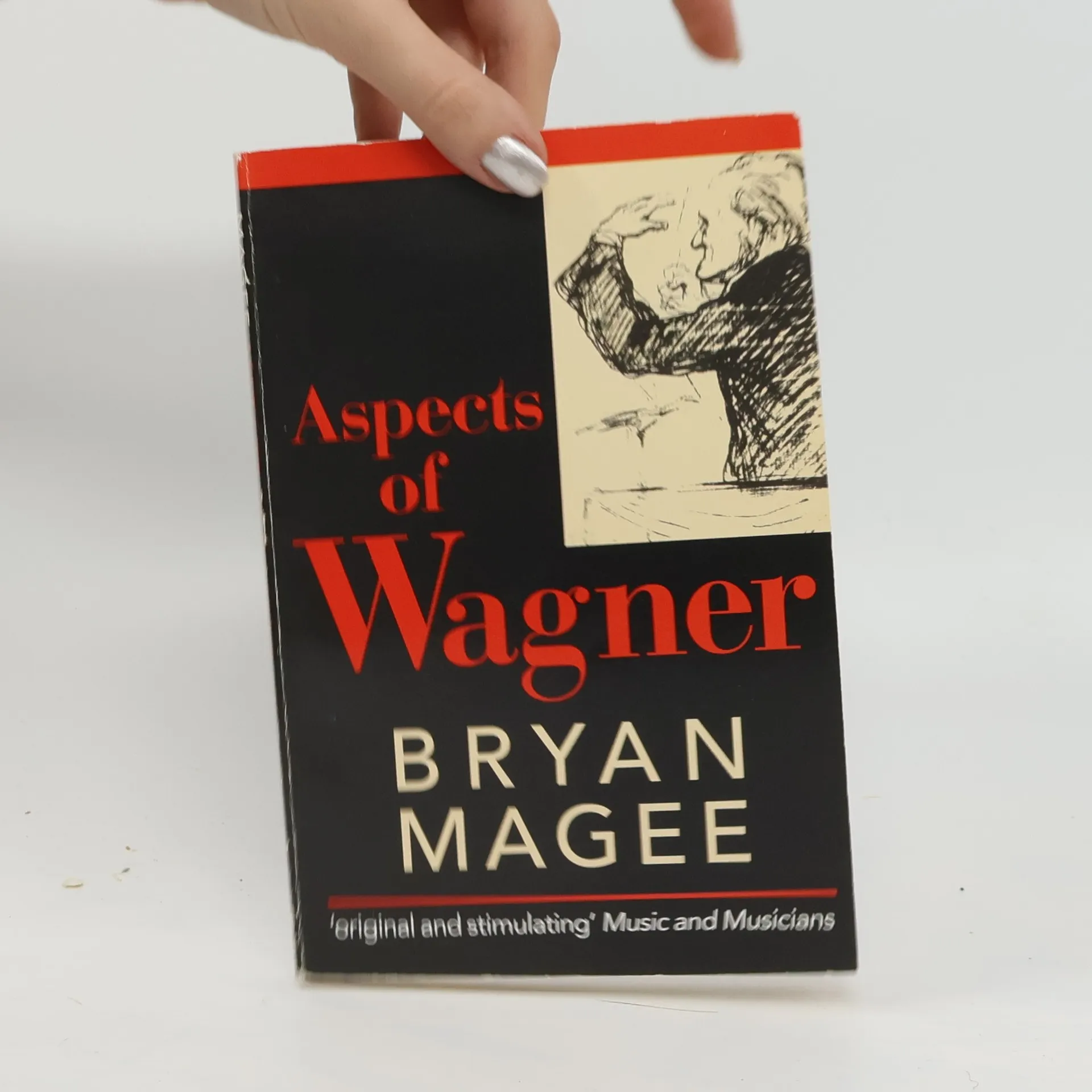
Wagner and Philosophy
- 432 stránek
- 16 hodin čtení
Wagner was one of the few major composers who studied philosophy seriously. This title places the composer's artistic development in the context of the philosophy of his age, and offers a comprehensive study of the close links between Wagner and the philosophers - from the pre-Marxist socialists to Feuerbach and Schopenhauer. schovat popis
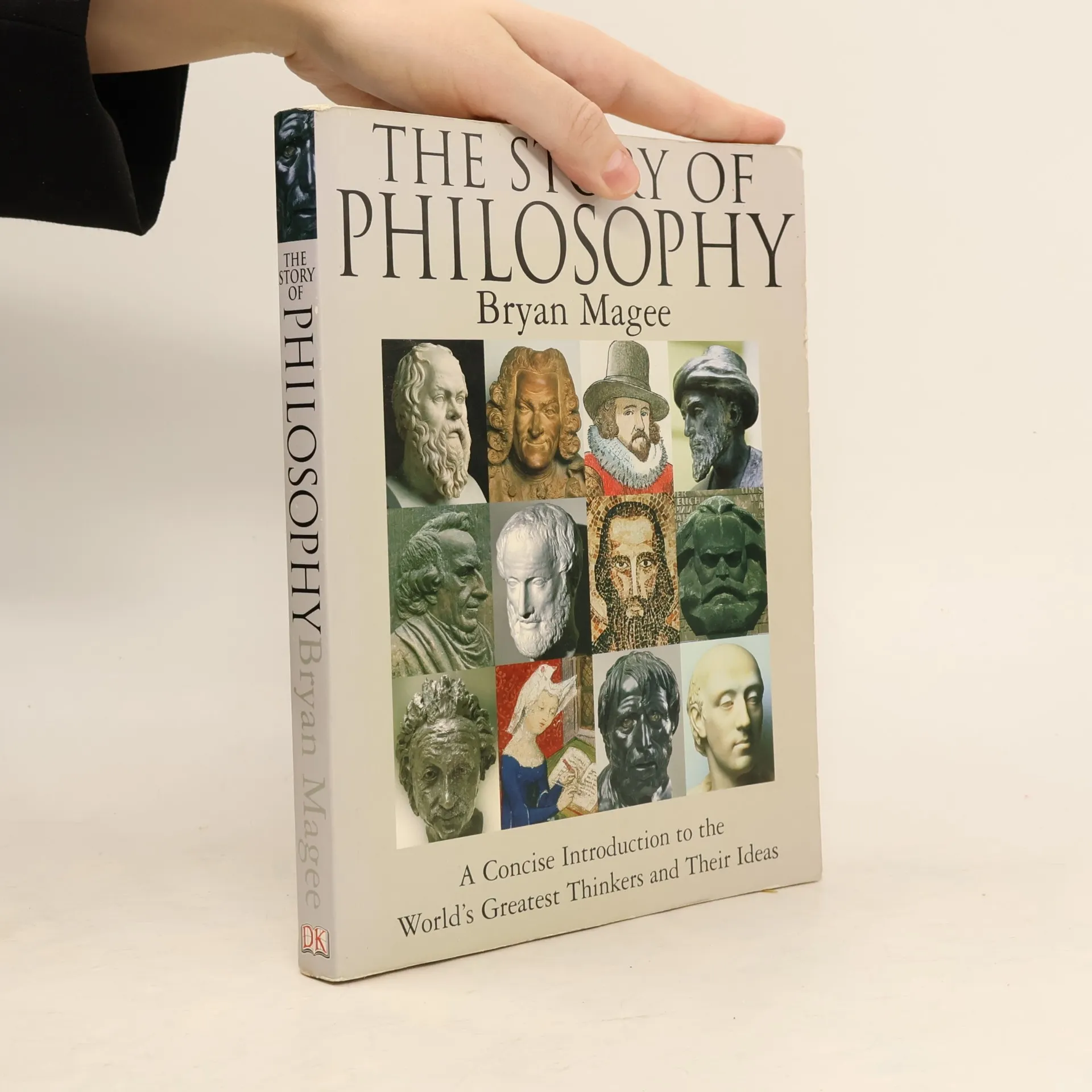
The Story of Philosophy
- 240 stránek
- 9 hodin čtení
Now updated and with a fresh new look, the highly successful The Story of Philosophy traces more than 2,500 years of Western philosophy, from Plato and Aristotle in ancient Greece to Saint Augustine and medieval philosophy, the golden century of German philosophy, Bertrand Russell and Albert Camus of the modern era, and much more. World-renowned philosopher and professor Bryan Magee expertly guides your exploration through the major philosophical issues, the important questions, and the key contributions of the great philosophers in this illustrated, accessible guide. Discover the great thinkers in their historical contexts and learn the influences that shaped their lives and work. In The Story of Philosophy, Revised and Updated , each philosophical movement includes profiles of key philosophers and their important works, historical contexts and influences, important quotes, and other related people and ideas. Full-color photographs, artworks, and illustrations illuminate every page. The Story of Philosophy, Revised and Updated gives you the information you need to think about life's greatest questions, opening up the world of philosophical ideas in a way that can be easily understood by students and by anyone fascinated by the ways we form our social, political, and ethical ideas.
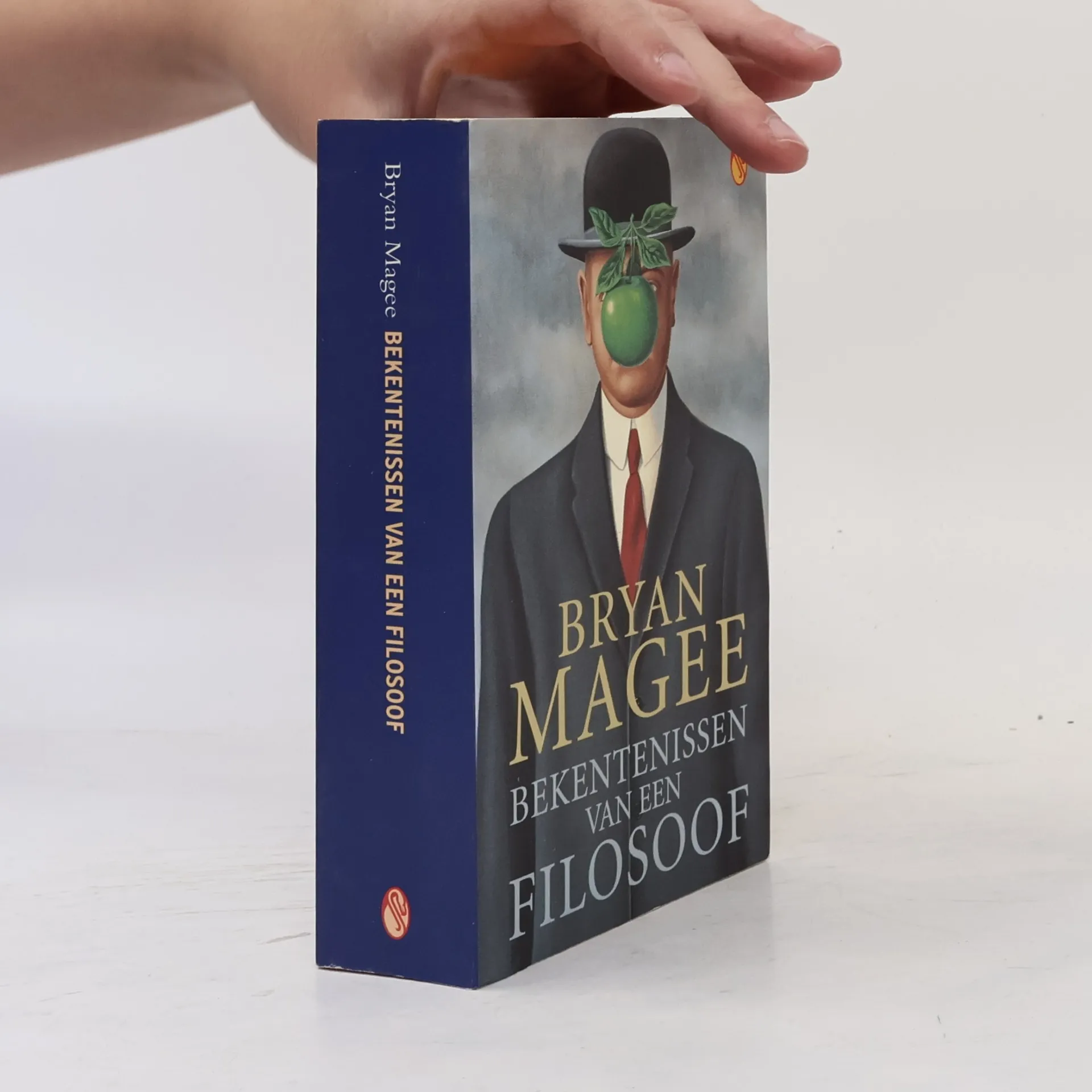
Bekentenissen van een filosoof
- 608 stránek
- 22 hodin čtení
Autobiografisch relaas van de Britse filosoof en journalist (1930- ) over de verwevenheid van filosofie en alledag in zijn leven.
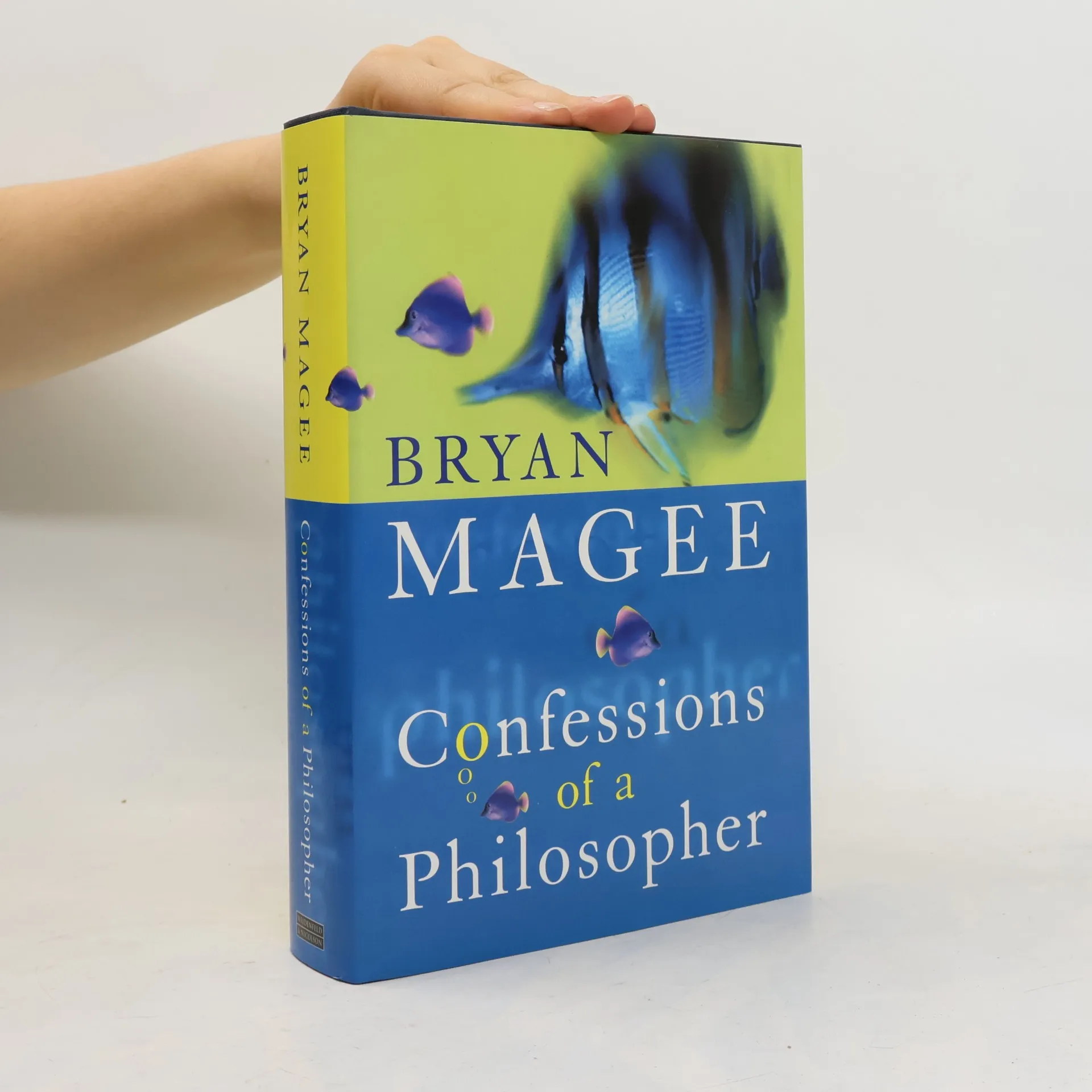
Confessions of a Philosopher
- 503 stránek
- 18 hodin čtení
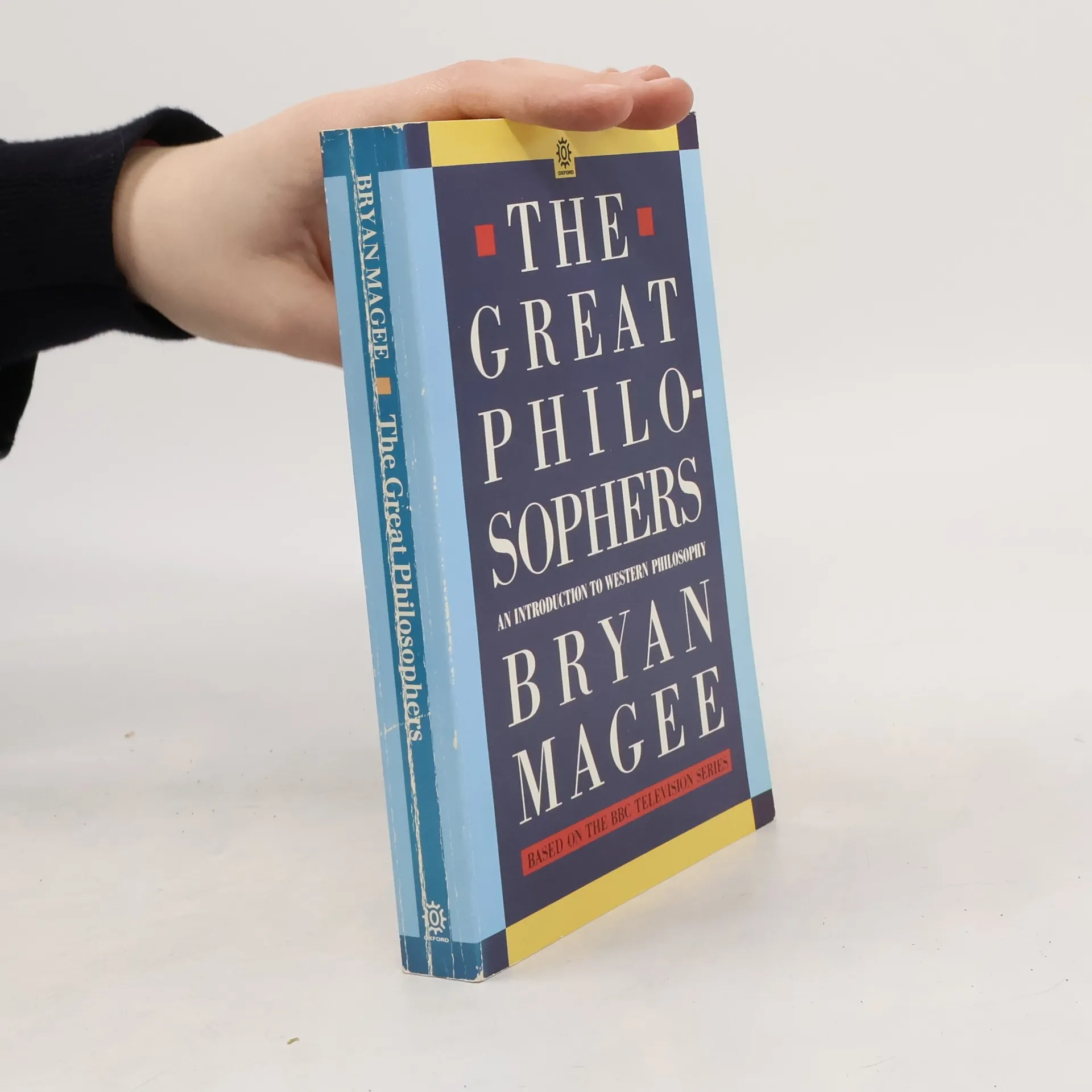
In this infectiously exciting book, Bryan Magee tells the story of his own discovery of philosophy and not only makes it come alive but shows its relevance to daily life. Magee is the Carl Sagan of philosophy, the great popularizer of the subject, and author of a major new introductory history, The Story of Philosophy. Confessions follows the course of Magee's life, exploring philosophers and ideas as he himself encountered them, introducing all the great figures and their ideas, from the pre-Socratics to Bertrand Russell and Karl Popper, including Wittgenstein, Kant, Nietzsche, and Schopenhauer, rationalism, utilitarianism, empiricism, and existentialism.
Western philosophy is a remarkable aspect of world civilization, yet it remains largely unknown to many. This work features fifteen dialogues between Bryan Magee and prominent scholars and philosophers, offering an engaging history of philosophy from Plato to the present. It begins with Socrates' death in 399 B.C. and Plato's foundational writings, then progresses through Aristotle and medieval thinkers, the seventeenth-century contributions of Descartes, Spinoza, Leibniz, and Locke, and the eighteenth-century insights of Berkeley, Hume, and Kant. The narrative continues with the nineteenth-century ideas of Hegel, Marx, Schopenhauer, and Nietzsche, culminating in the twentieth century with philosophers such as Husserl, Heidegger, Frege, Russell, Wittgenstein, and American pragmatists. The dialogues feature influential figures like Martha Nussbaum, Bernard Williams, and Peter Singer, who present complex philosophical concepts in a lively and accessible manner. This work serves as an engaging introduction to the key ideas and thinkers of Western philosophy, making it a valuable resource for those seeking to understand this rich intellectual tradition.
An analysis of Wagner, his music, stage directions, prose and his influence on the culture of our age, with a discussion of the reasons for the reactions his work has provoked. Magee sheds light on Wagner's anti-semitic ideas and the way these were used by the Nazis for their own ends.
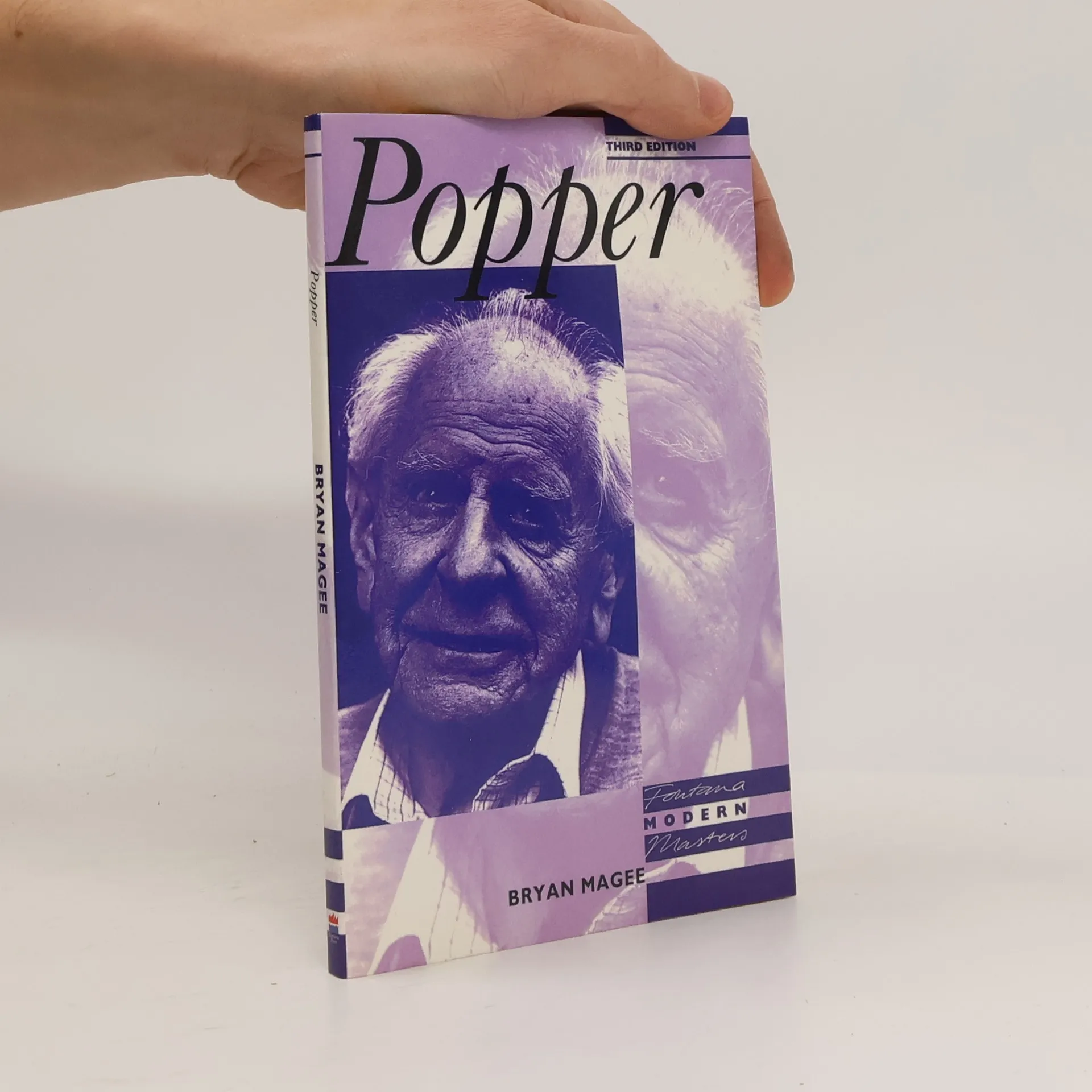
Popper
- 112 stránek
- 4 hodiny čtení
Karl Popper has been hailed as the greatest philosopher of all time and as a thinker whose influence is ackowledged by a variety of scholars. This work demonstrates Popper's importance across the whole range of philosophy and provides an introduction to the main themes of philosophy itself.