

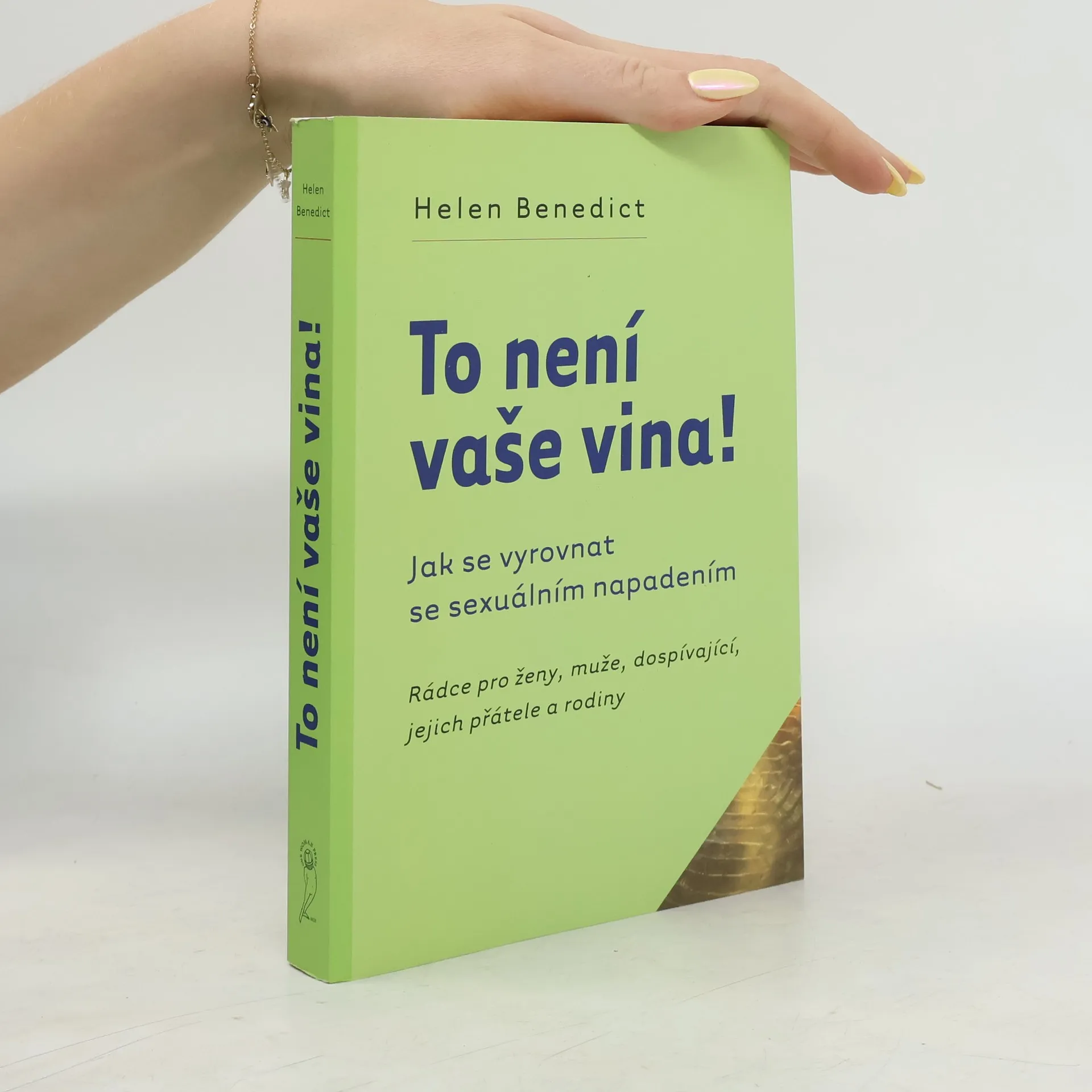
Psychosociální rádce pro oběti znásilnění s praktickými návody, jak si pomoci sám a jak mohou pomoci ostatní. Kniha je doplněna o adresář s kontakty na organizace a zařízení, která obětem znásilnění pomáhají, a na linky důvěry a linky krizové intervence v ČR a na Slovensku. Kniha je vhodná nejen pro oběti a jejich blízké, ale také pro osoby, které se s nimi setkávají v rámci své práce: pracovníky z řad policie, zdravotnický personál a poradce krizových center. Pomůže jim pochopit čím oběť prochází a jak ji pomoci.
Helen Benedict Knihy
5. listopad 1952
Helen Benedictová je oceňovaná autorka, která se nebojí ponořit do složitých témat. Její díla často zkoumají traumatické zkušenosti žen v souvislosti s válkou a dopady konfliktu na jejich životy, rodiny i komunity. Benedictová píše s autoritou a soucitným porozuměním, odhaluje lidskou cenu válečných konfliktů a nabízí příběhy o odolnosti a naději. Její próza je popisována jako živá a působivá, čtenáře vtahuje do světa mimo běžná sdělení a odhaluje univerzální lidské zkušenosti.


The Good Deed
- 304 stránek
- 11 hodin čtení
"Hilma, an American painter of fifty-eight, goes to the beautiful island of Samos to escape a family tragedy by swimming and hiking and trying to forget. But on one of these swims, she finds a small Syrian girl floating unconscious in a life jacket. Hilma saves her but quickly becomes obsessed with the idea of adopting the girl, whose mother and father, she assumes, have drowned, as so many refugees do. The child's mother, Farah, did not drown, however, but has turned up in the refugee camp on the island, frantically worried about what became of her child after their boat sank in the sea. Waiting for her on the island are her mother, Leila; her two little brothers; and Leila's friends, Amina and Nafisa, each of whom has their own backstory that weaves through the tale. As the novel evolves through the women's daily lives at the camp and their backstories in Syria and Sudan, Hilma's increasing obsession with the child pitches her into direct conflict with Farah and her family. Eventually, it becomes clear that Hilma is obsessed because she accidently killed her own granddaughter, which blinds her to the fact that she is trying to steal a child from the very people she thinks she wants to help. The book's climax comes in the final scenes in the courtroom, when the judge, Solomon-like, must decide who is the real mother and to whom the child will go"--
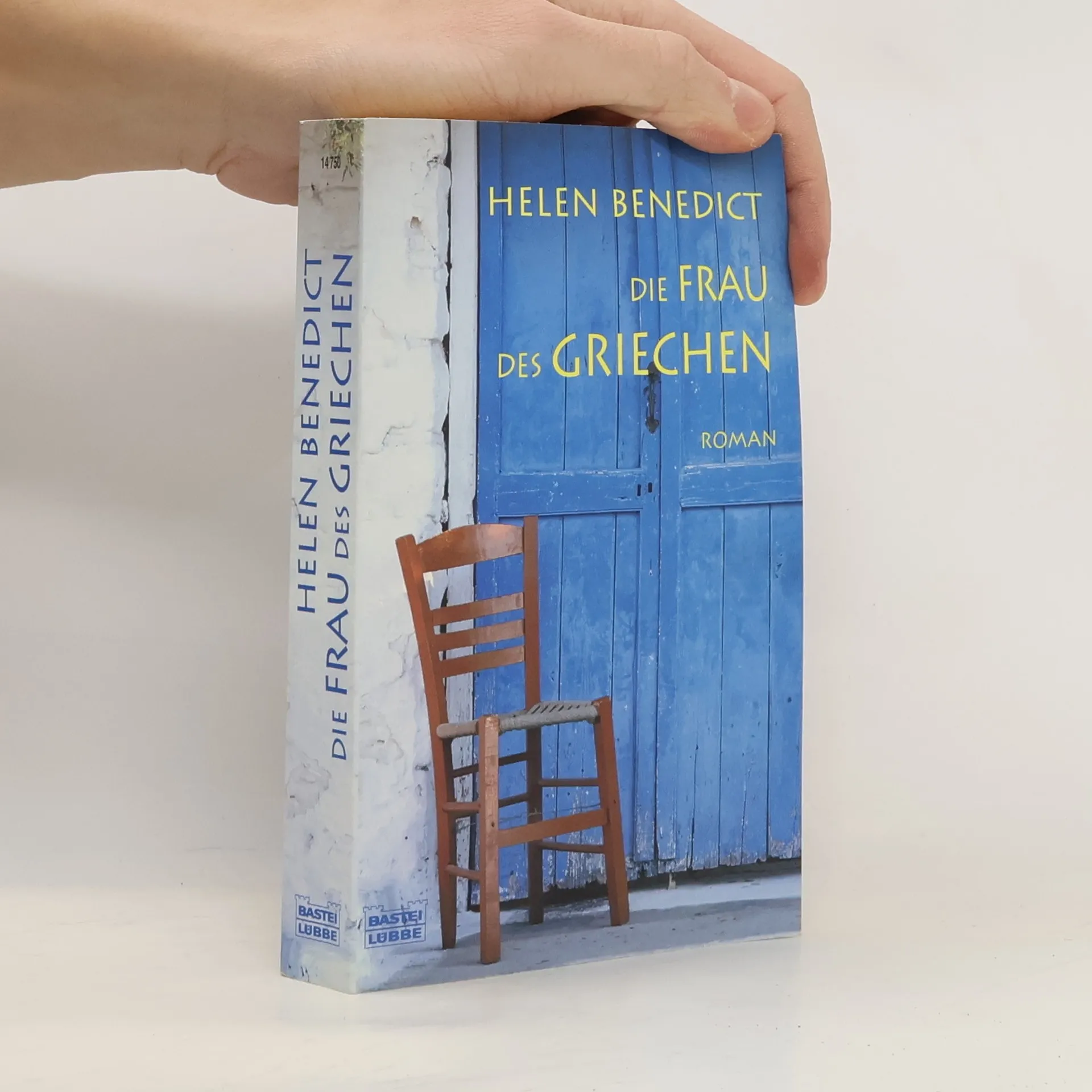
Hals über Kopf verliebt sich Joyce in den griechischen Matrosen Nikos und folgt ihm auf eine kleine Insel im Mittelmeer. Dort erlebt sie eine völlig andere Kultur und Mentalität: die strengen Gesetze der Dorfgemeinschaft, religiöse Passionen, das griechische Familienleben und die harte Arbeit auf dem kargen Land. Doch Joyce gefällt ihr neues Leben auf dem Hof der Schwiegereltern, und sie gewöhnt sich immer mehr an ihre neue griechische Identität. Bis die Sehnsucht nach Nikos, der sich ständig auf See befindet, immer größer wird und sie eines Tages dem Engländer Alex begegnet ...