Woman
- 544 stránek
- 20 hodin čtení
A comprehensive history of the struggle to define womanhood in America, from the seventeenth to the twenty-first century


Lillian Faderman je přední mezinárodní badatelkou v oblasti lesbické historie a literatury, stejně jako etnické historie a literatury. Její práce se ponořuje do bohatých a často přehlížených příběhů a hlasů, které formovaly queer komunity a jejich literární projevy. Fadermanová zkoumá témata identity, vztahů a společenských změn s pronikavou inteligencí a hlubokým respektem k minulosti.


A comprehensive history of the struggle to define womanhood in America, from the seventeenth to the twenty-first century
Harvey Milk was elected to the San Francisco Board of Supervisors in 1977, but he had not served a full year in office when he was shot by a homophobic fellow supervisor; his assassination made him the most famous gay man in modern history. Before finding his calling as a politician Milk fumbled to find the niche from which he could fulfill his aspirations. He rejected Judaism as a religion, but he was deeply influenced by the cultural values of his Jewish upbringing and his understanding of anti-Semitism and the Holocaust. Faderman provides context to Milk's life as a gay icon, a Jew, and a complex, if contradictory, man. -- adapted from front jacket and back cover
Focusing on the fight for gay and lesbian rights, this book presents a compelling narrative enriched by interviews with politicians, military personnel, and members of the LGBT community. It highlights their personal experiences and the ongoing challenges they confront, offering a deep insight into the broader societal struggle for equality and acceptance. Through these diverse voices, the book illuminates the resilience and determination of those advocating for their rights.
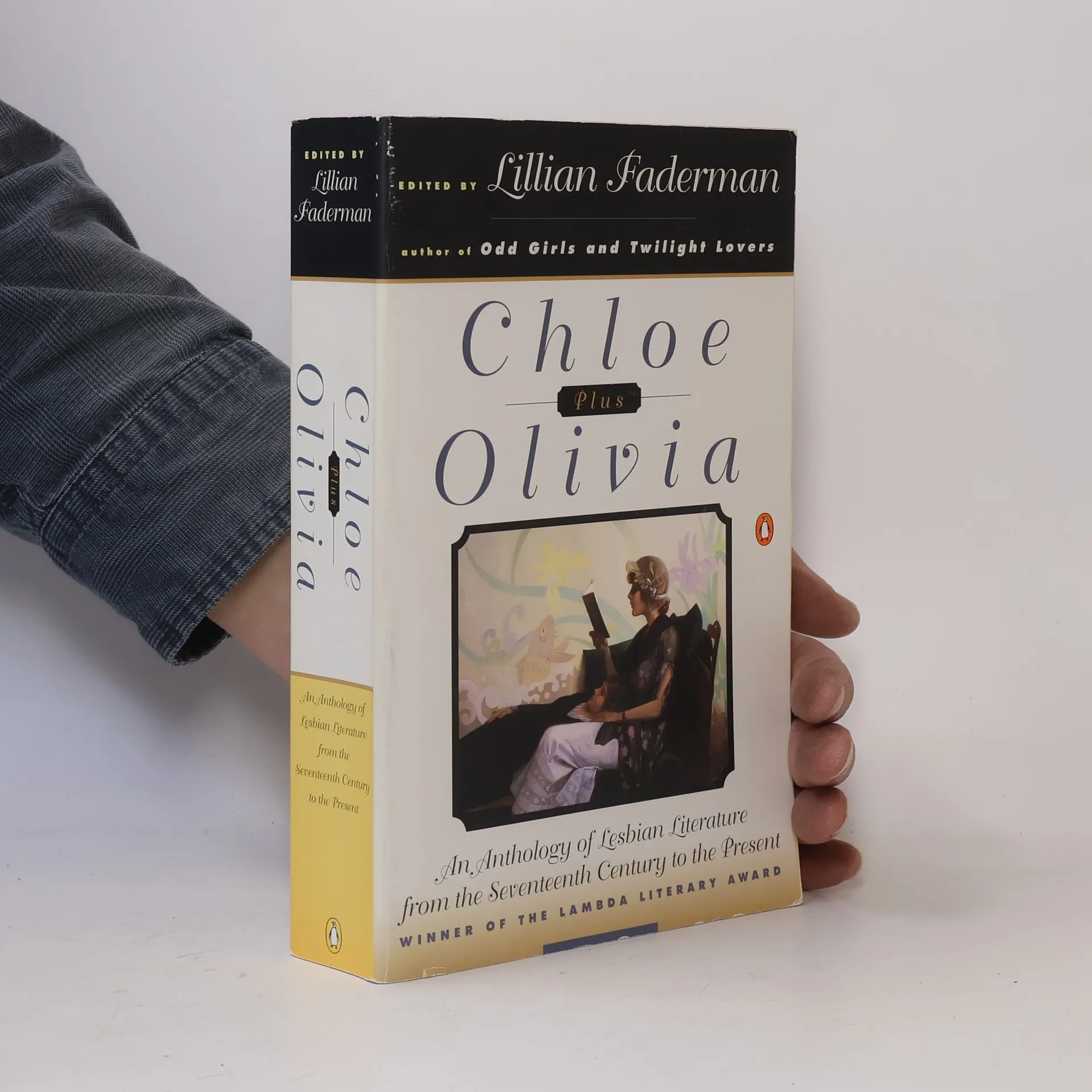
An Anthology of Lesbian Literature from the Seventeenth Century to the Present - Winner of the Lambda Literary Award
In this groundbreaking anthology, Lillian Faderman aims to redefine four centuries of lesbian literature, addressing a long-standing gap with a comprehensive collection of works by lesbian writers, each contextualized historically and literarily. This scholarly work illuminates the evolving concept of "lesbian literature" and explores six distinct genres: Romantic Friendship, Sexual Inversion, Exotic and Evil Lesbians, Lesbian Encoding, Lesbian Feminism, and Post-Lesbian Feminism. Faderman analyzes a diverse array of texts, including Willa Cather's My Antonia and Virginia Woolf's Orlando, alongside poetry from Gertrude Stein and Amy Lowell, and fiction by Carson McCullers, Helen Hull, and Alice Walker. The anthology also features writings by men who explored women's relationships, highlighting their role in the development of lesbian literature, especially in eras when women faced greater challenges in publishing. The fluid nature of lesbian writing, shaped by changing social attitudes and women's voices, defies the notion of a singular "great tradition." Faderman's personal quest for a definition of lesbian literature enriches the historical scope of this pioneering work, establishing it as a foundational reference for future studies in the field.
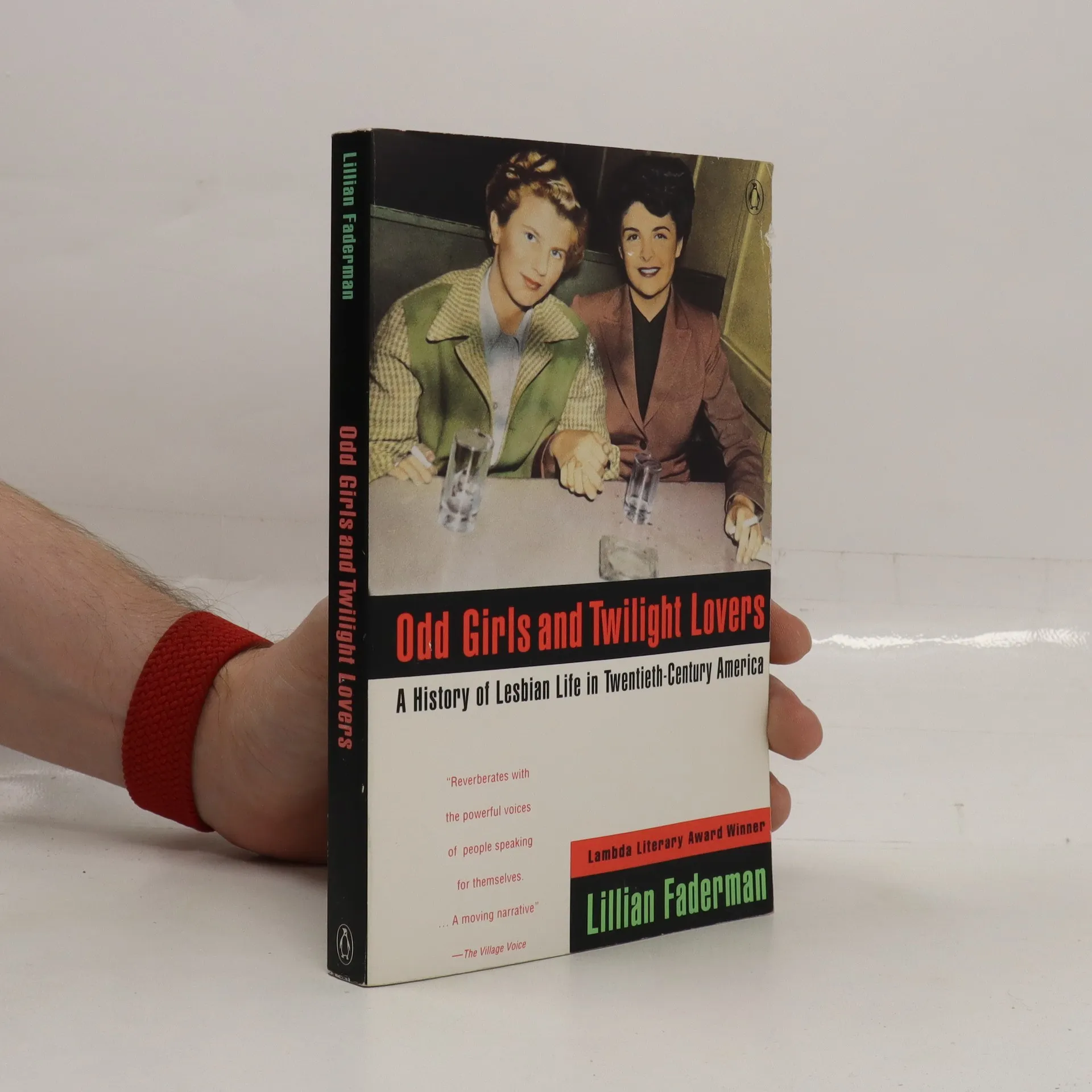
Lillian Faderman tells the compelling story of lesbian life in the 20th century, from the early 1900s to today's diverse lifestyles. Using journals, unpublished manuscripts, songs, news accounts, novels, medical literature, and numerous interviews, she relates an often surprising narrative of lesbian life. "A key work...the point of reference from which all subsequent studies of 20th-century lesbian life in the United States will begin."—San Francisco Examiner.
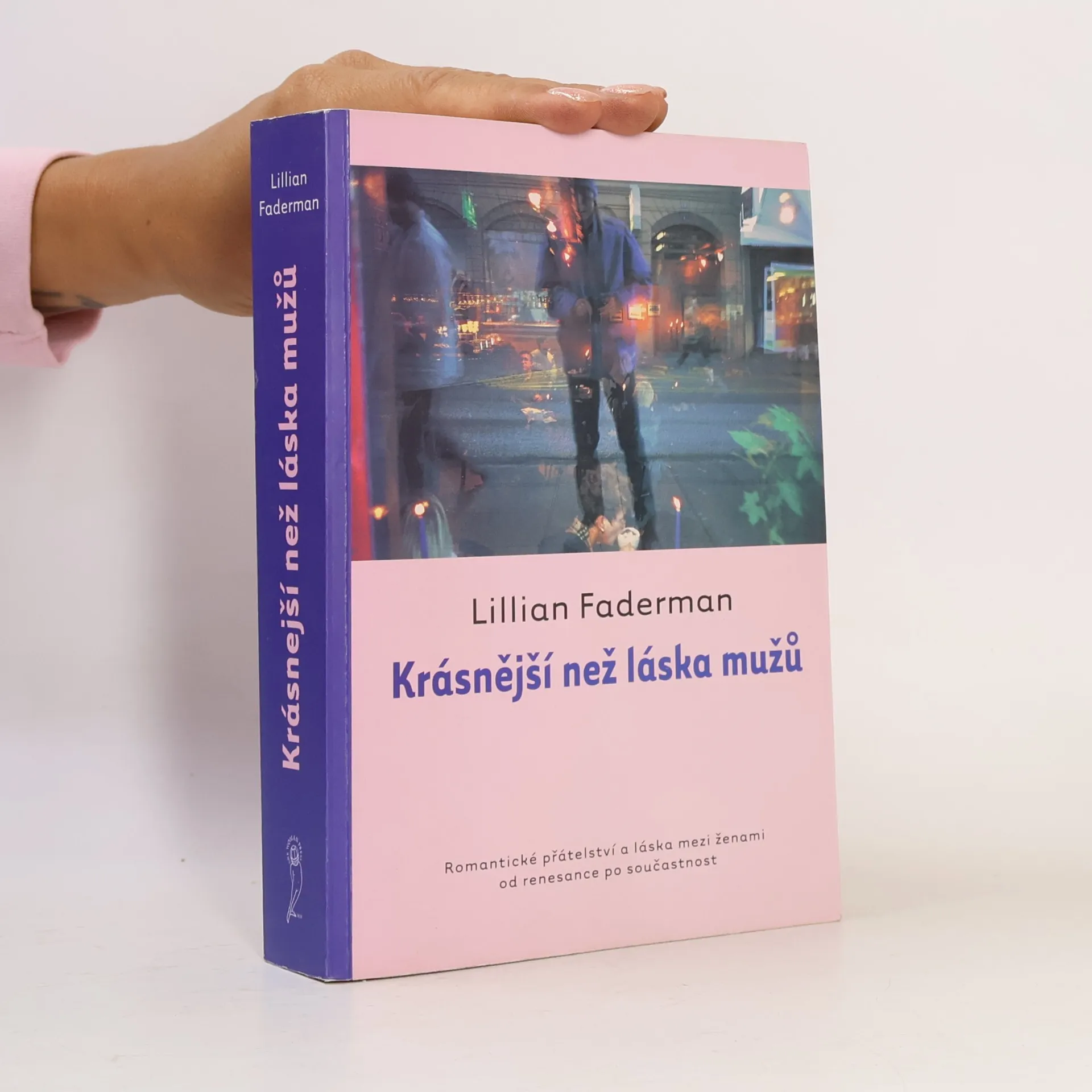
„Emoce, kterým pod vlivem sexuologů z konce 19. a počátku 20. století dáváme nálepku 'chorobné', byly v dřívějších dobách zcela běžné.“ … „Obavy z neustále rostoucí nezávislosti žen, sexuologické teorie, které se ve svrchovaně vhodné době nabídly jako opora argumentů, že touha ženy po nezávislosti svědčí o jejím bytostném ne-ženství, a básně i beletrie francouzských estétů, obsahující provokativní a zneklidňující obrazy sexuálních možností lásky mezi ženami – všechny tyto faktory společně zaručily, že se na romantické přátelství, které společnost v minulosti podporovala, začalo pohlížet v jiném, výsostně antisociálním světle.“ Lillian Faderman, 1981