Objektivismus: filozofie Ayn Randové
- 485 stránek
- 17 hodin čtení
Leonard Peikoff, intelektuální dědic Ayn Rand, zpracoval kompletně objektivistickou filozofii - od existence po estetiku - v tomto výjimečném díle.


Leonard S. Peikoff je kanadsko-americký filozof a autor. Je předním zastáncem objektivismu a zakladatelem Ayn Rand Institute. Jako bývalý profesor filozofie byl Ayn Randovou určen jako dědic jejího majetku. Jeho díla se zabývají filozofickými tématy a jejich praktickým uplatněním.



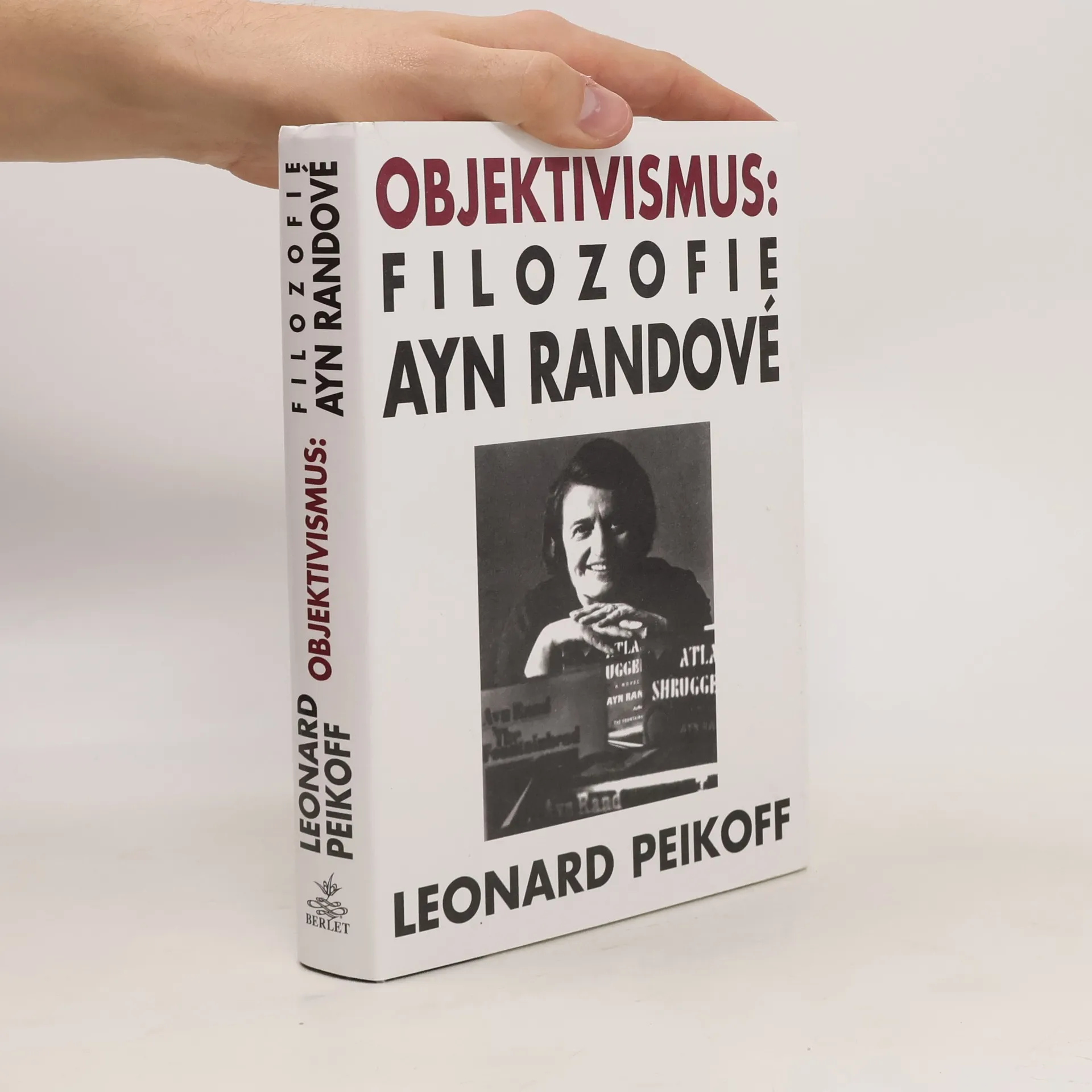
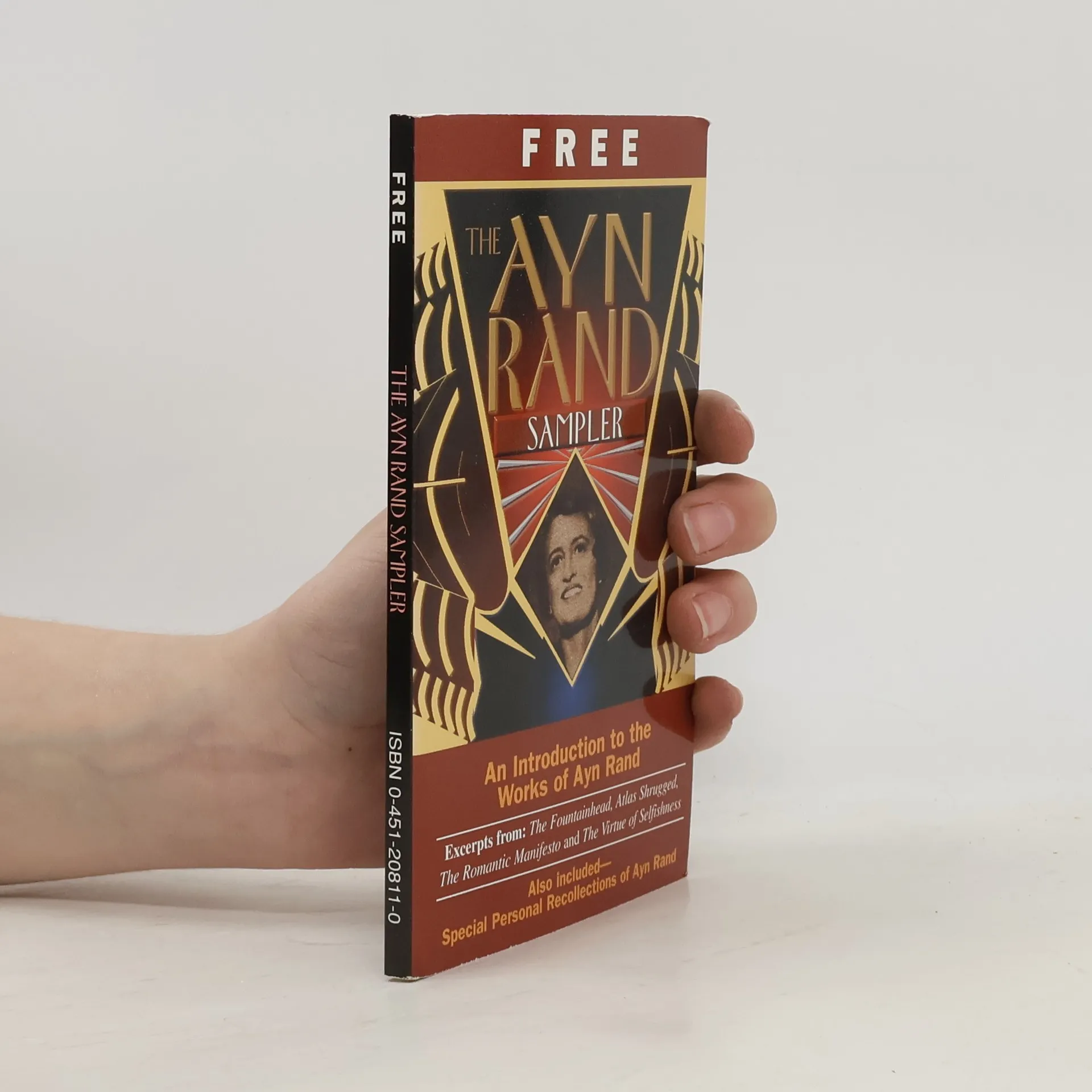
Leonard Peikoff, intelektuální dědic Ayn Rand, zpracoval kompletně objektivistickou filozofii - od existence po estetiku - v tomto výjimečném díle.
Anthem is Ayn Rand’s classic tale of a dystopian future of the great “We”—a world that deprives individuals of a name or independence—that anticipates her later masterpieces, The Fountainhead and Atlas Shrugged. They existed only to serve the state. They were conceived in controlled Palaces of Mating. They died in the Home of the Useless. From cradle to grave, the crowd was one—the great WE. In all that was left of humanity there was only one man who dared to think, seek, and love. He lived in the dark ages of the future. In a loveless world, he dared to love the woman of his choice. In an age that had lost all trace of science and civilization, he had the courage to seek and find knowledge. But these were not the crimes for which he would be hunted. He was marked for death because he had committed the unpardonable sin: He had stood forth from the mindless human herd. He was a man alone. He had rediscovered the lost and holy word—I. “I worship individuals for their highest possibilities as individuals, and I loathe humanity, for its failure to live up to these possibilities.”—Ayn Rand
Ayn Rand's journals reveal her intimate thoughts and emotions, offering a profound insight into her life as a writer and philosopher. The entries chronicle her experiences as a young screenwriter in Hollywood, her memories of communist Russia, and her creative process behind iconic works like The Fountainhead and Atlas Shrugged. Through detailed reflections and descriptions of unfinished projects, these journals provide a unique glimpse into Rand's artistic journey and the complexities of her legacy, showcasing her vibrant personality and enduring influence.
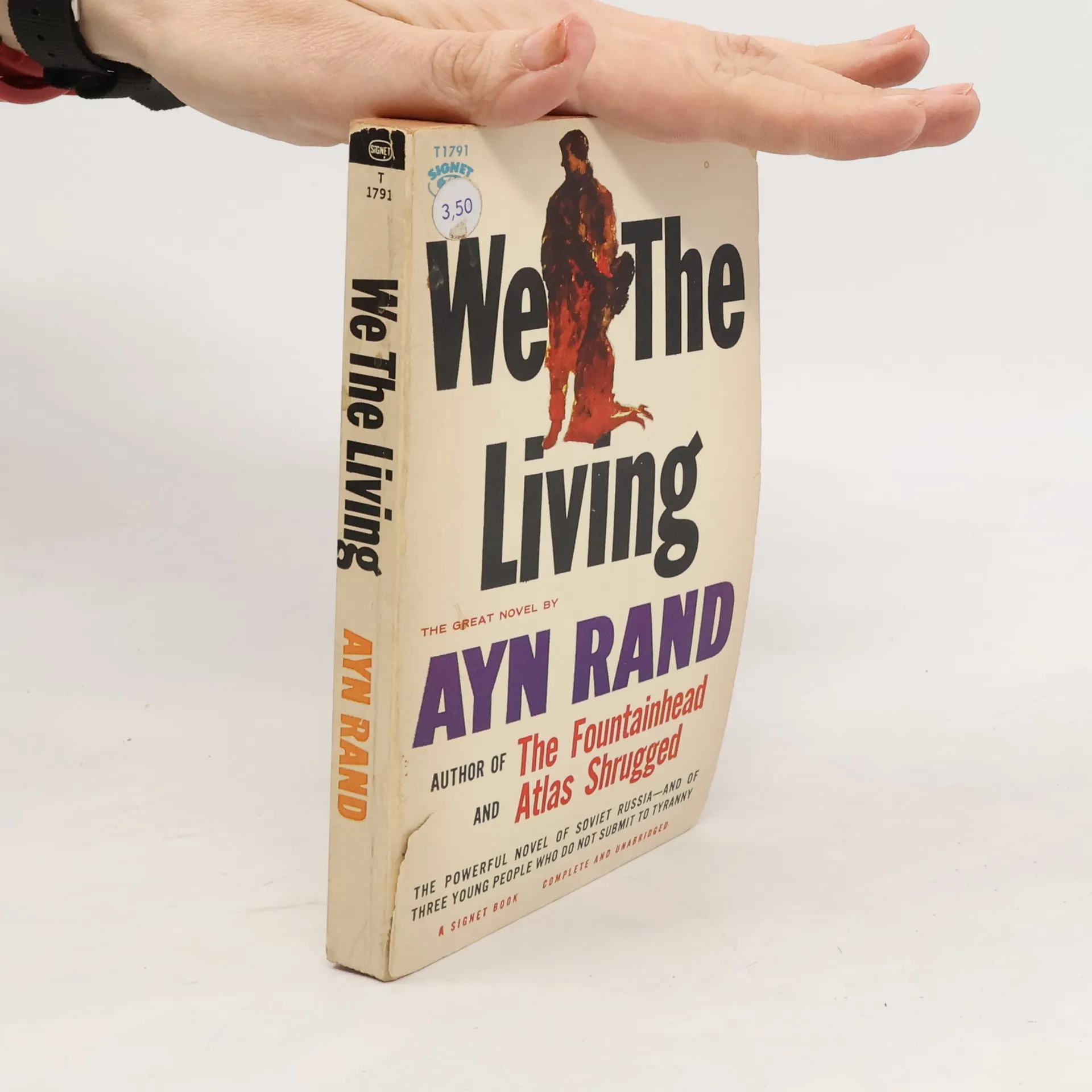
Ayn Rand's first published novel, a timeless story that explores the struggles of the individual against the state in Soviet Russia. First published in 1936, We the Living portrays the impact of the Russian Revolution on three human beings who demand the right to live their own lives and pursue their own happiness. It tells of a young woman’s passionate love, held like a fortress against the corrupting evil of a totalitarian state. We the Living is not a story of politics, but of the men and women who have to struggle for existence behind the Red banners and slogans. It is a picture of what those slogans do to human beings. What happens to the defiant ones? What happens to those who succumb? Against a vivid panorama of political revolution and personal revolt, Ayn Rand shows what the theory of socialism means in practice. Includes an Introduction and Afterword by Ayn Rand’s Philosophical Heir, Leonard Peikoff
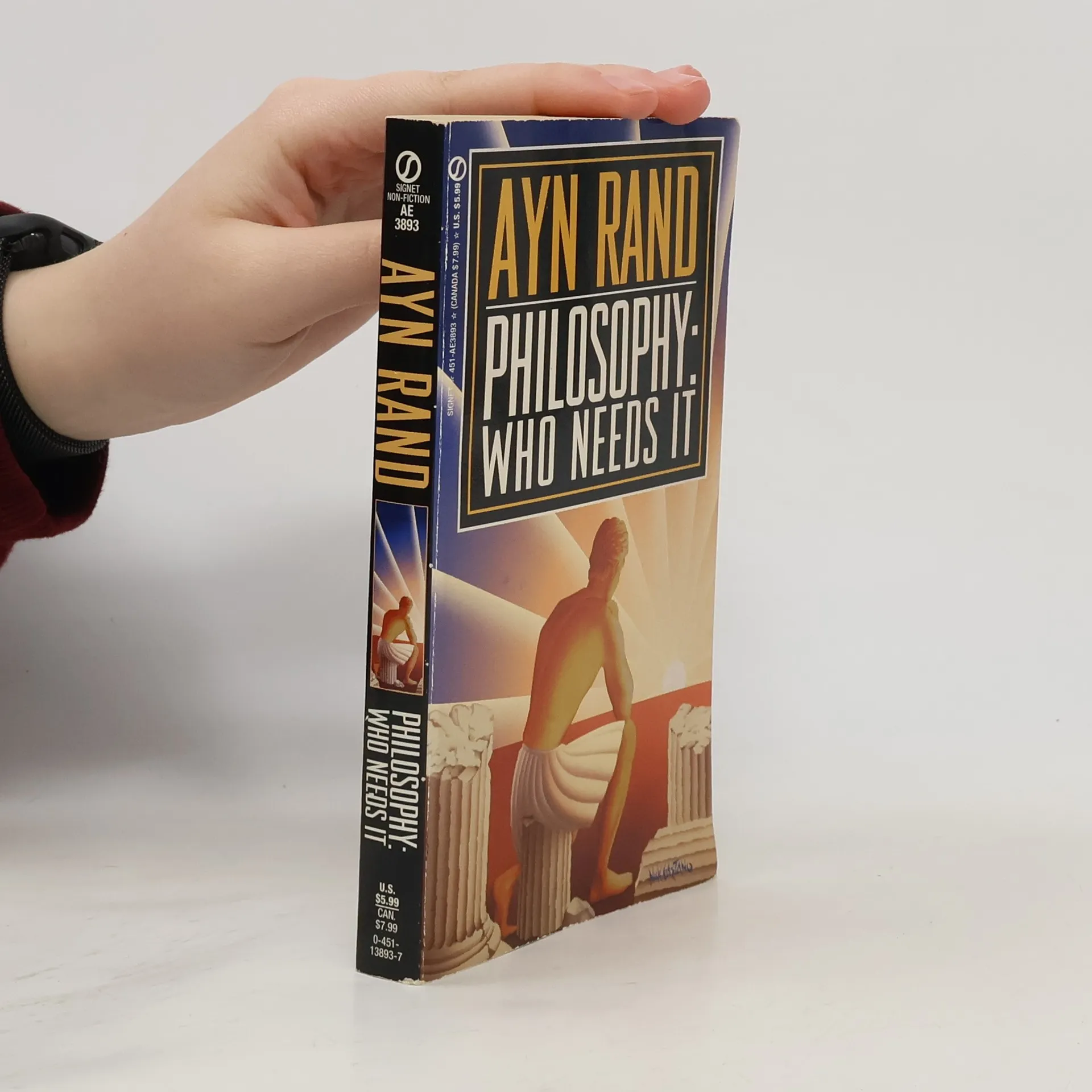
This collection of essays was the last work planned by Ayn Rand before her death in 1982. In it, she summarizes her view of philosophy and deals with a broad spectrum of topics. According to Ayn Rand, the choice we make is not whether to have a philosophy, but which one to have: rational, conscious, and therefore practical; or contradictory, unidentified, and ultimately lethal. Written with all the clarity and eloquence that have placed Ayn Rand’s Objectivist philosophy in the mainstream of American thought, these essays range over such basic issues as education, morality, censorship, and inflation to prove that philosophy is the fundamental force in all our lives.
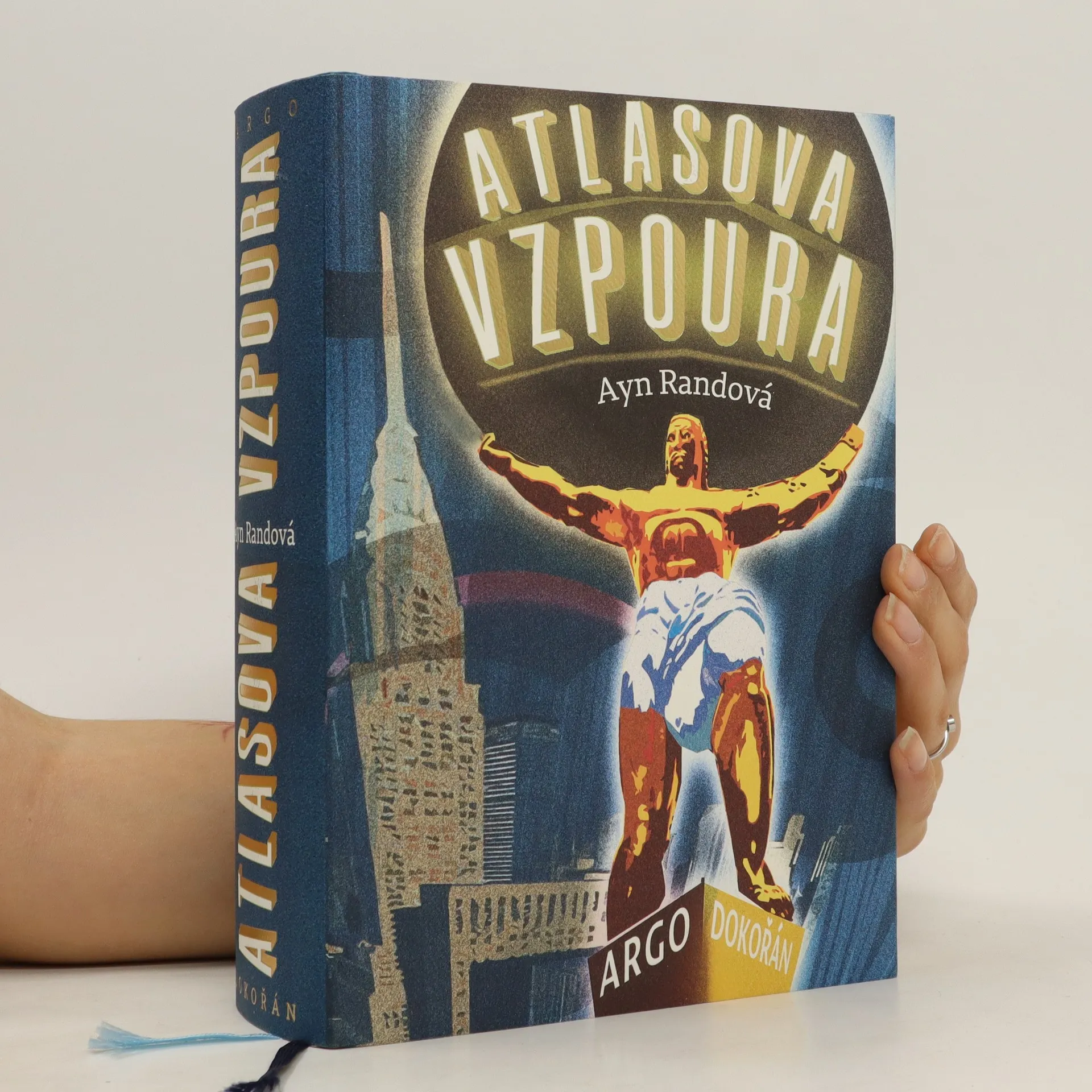
Rozsáhlý, vlivný a kontroverzní román Ayn Randové vyšel poprvé v roce 1957 a dodneška je její nejproslulejší a nejprodávanější knihou. Randová se věnovala především filosofii, vypracovala vlastní směr zvaný objektivismus. K němu patří etický egoismus či racionální sledování vlastního zájmu. Ve svém románu využívá postupů science-fiction, detektivky i milostné romance. Děj tohoto díla je zasazen do dystopické budoucnosti Spojených států, v které se prosazují socialistické tendence, regulace a daně. Ústřední premisu knihy metaforicky vyjadřuje název: co se stane, když se Atlas, který na svých ramenou nese svět, rozhněvá a svět z ramen shodí? Co se stane, když tvůrčí mozky – vůdčí byznysmeni, vědci, vynálezci, umělci... –, kteří udržují svět v chodu, začnou stávkovat? Tento motiv demonstruje, že když se zničí lidské usilování o vlastní zisk a prospěch, povede to ke zhroucení celé společnosti.
Selbstopferung, orientalischer Mystizismus, Rassismus, „das Allgemeinwohl“ und Pflichterfüllung sind einige der verführerischen Schlagworte, die Dr. Peikoff auseinander-nimmt. Er fördert die dahinterstehende Philosophie und die Gesinnung dahinter zutage, die Deutschland in den Abgrund des Nationalsozialismus stürzte und die nun auch die Vereinigten Staaten bedroht. „Wenn Sie dem philosophischen Bankrott von heute nicht zum Opfer fallen wollen, dann empfehle ich Ihnen „Die Unheimlichen Parallelen“ als Schild und als Munition. Es wird Sie davor bewahren, unbewusst die Ideen zu unter-stützen, die Sie und die gesamte Welt zerstören… Die viel-leicht beste Empfehlung, die ich diesem Buch und dem Au-tor Leonard Peikoff geben kann, lautet, dass beide nicht Teil des heutigen kulturellen Mainstreams sind. Sie wer-den Teil des Main-streams von morgen sein… Wenn Sie meine Bücher mögen, werden Sie auch dieses mögen.“ - Ayn Rand