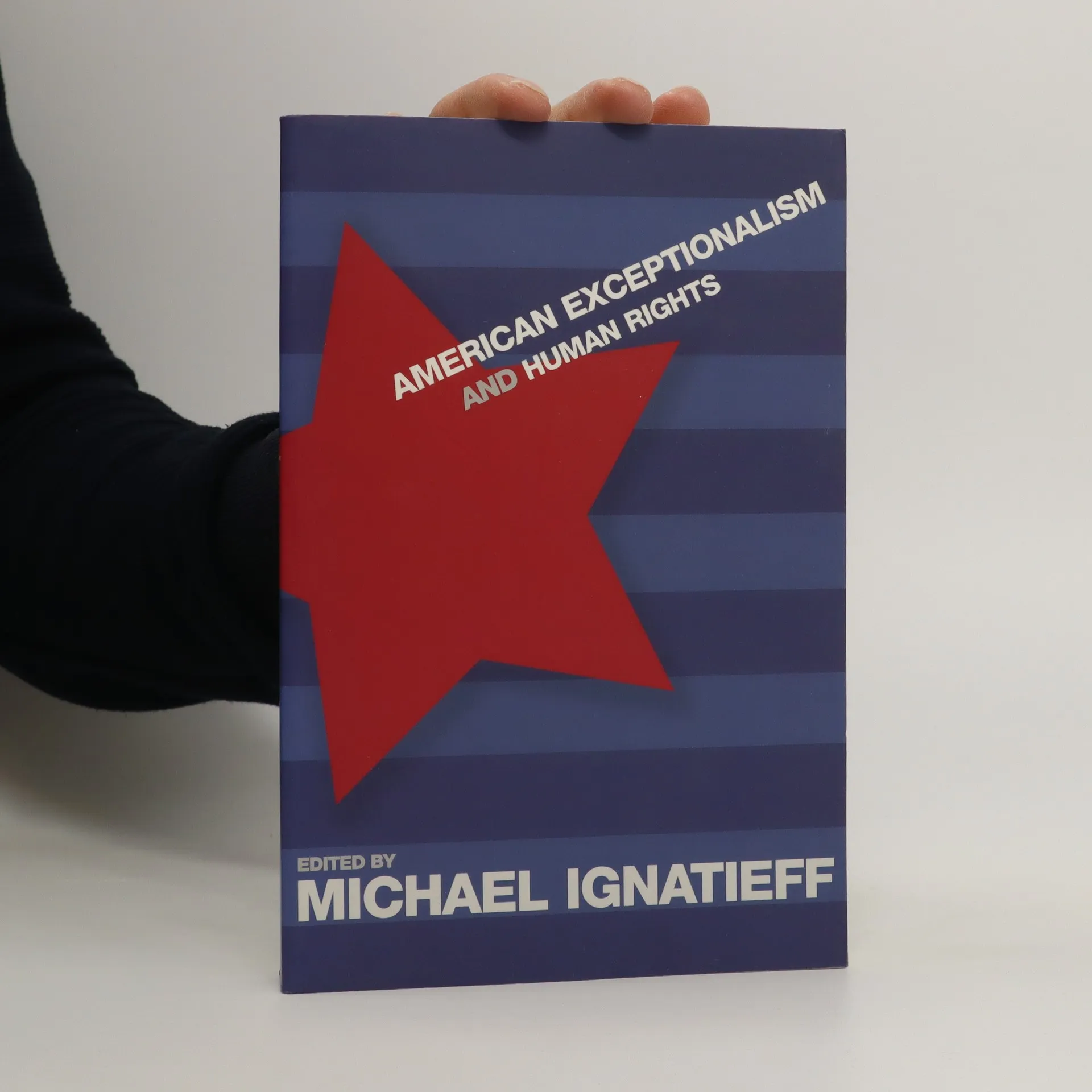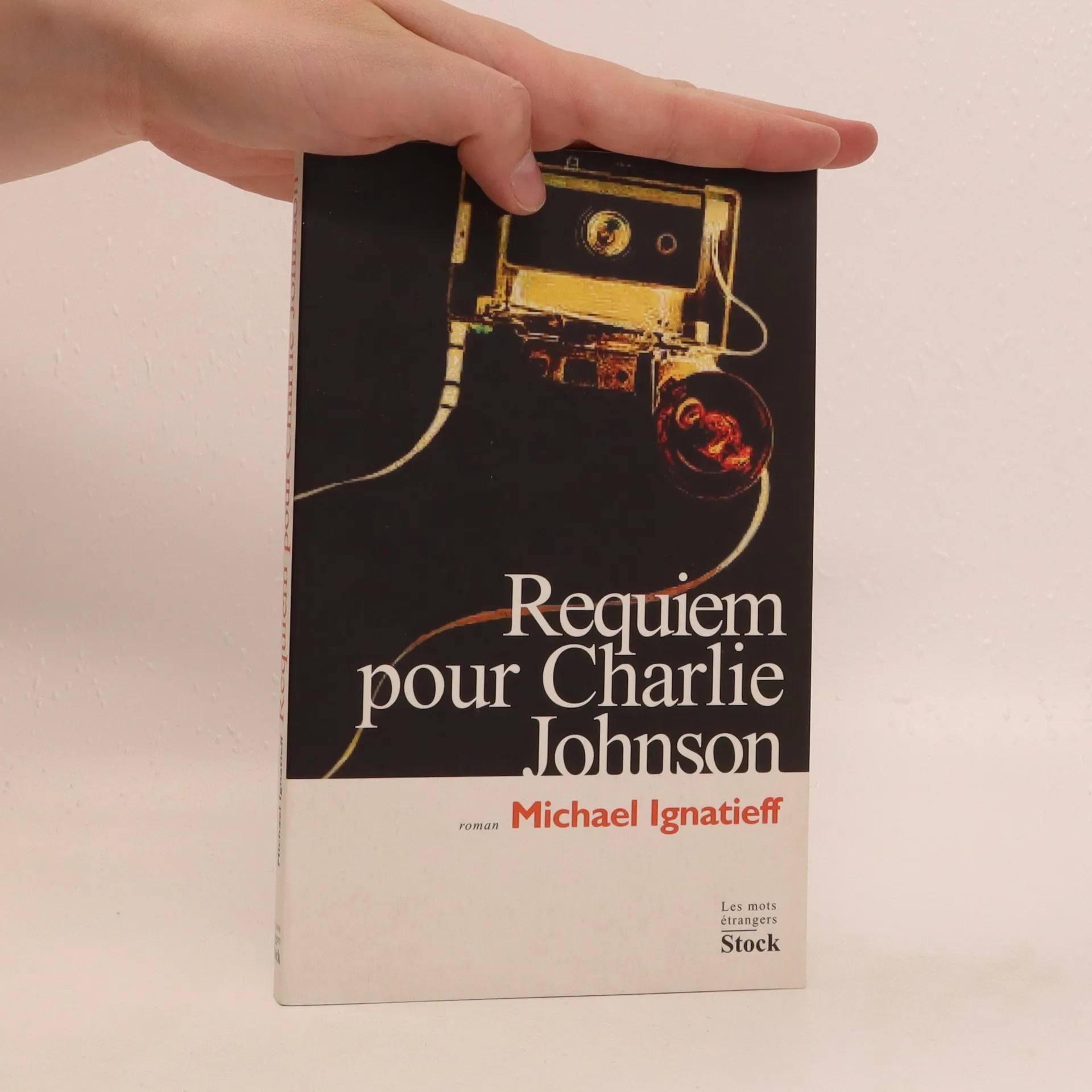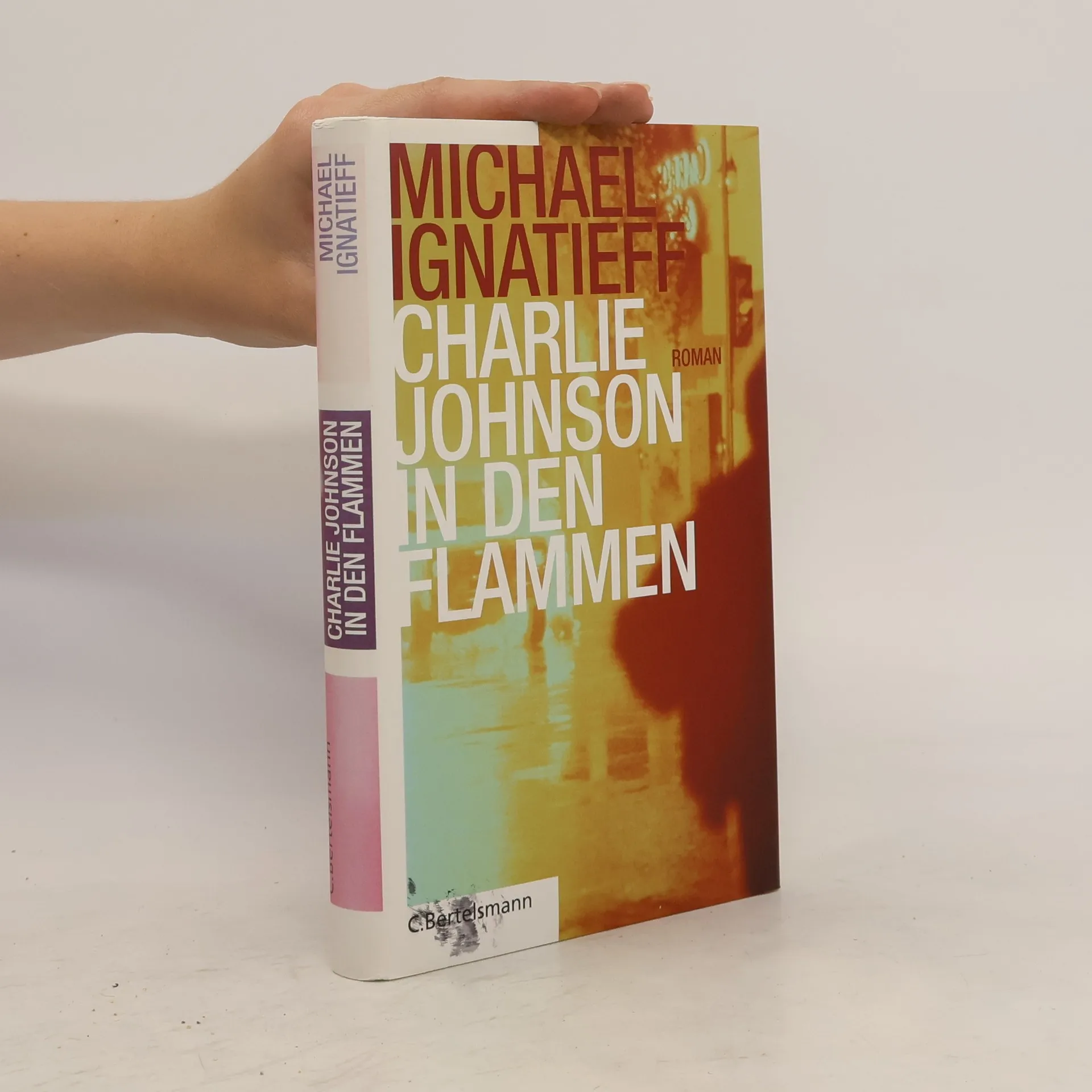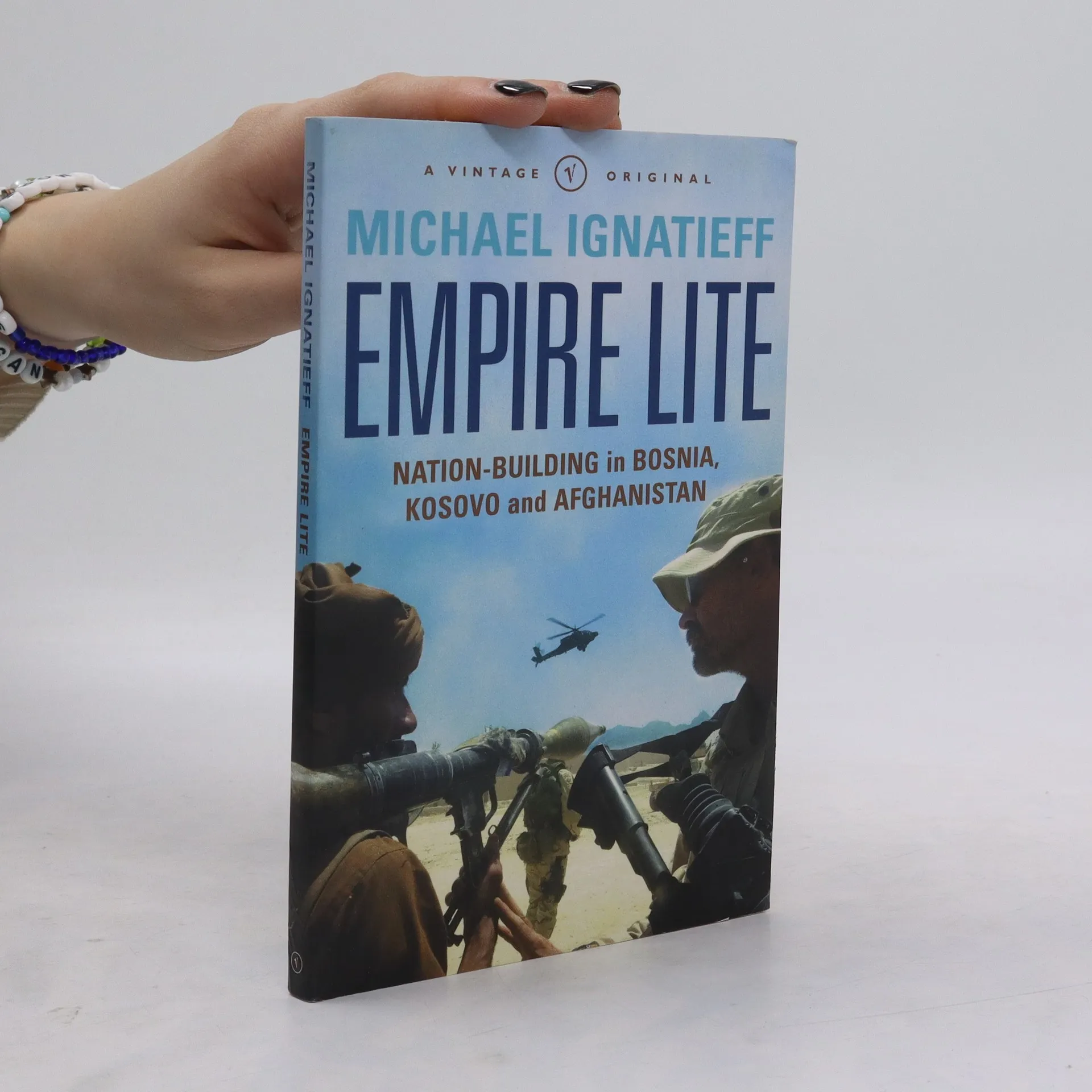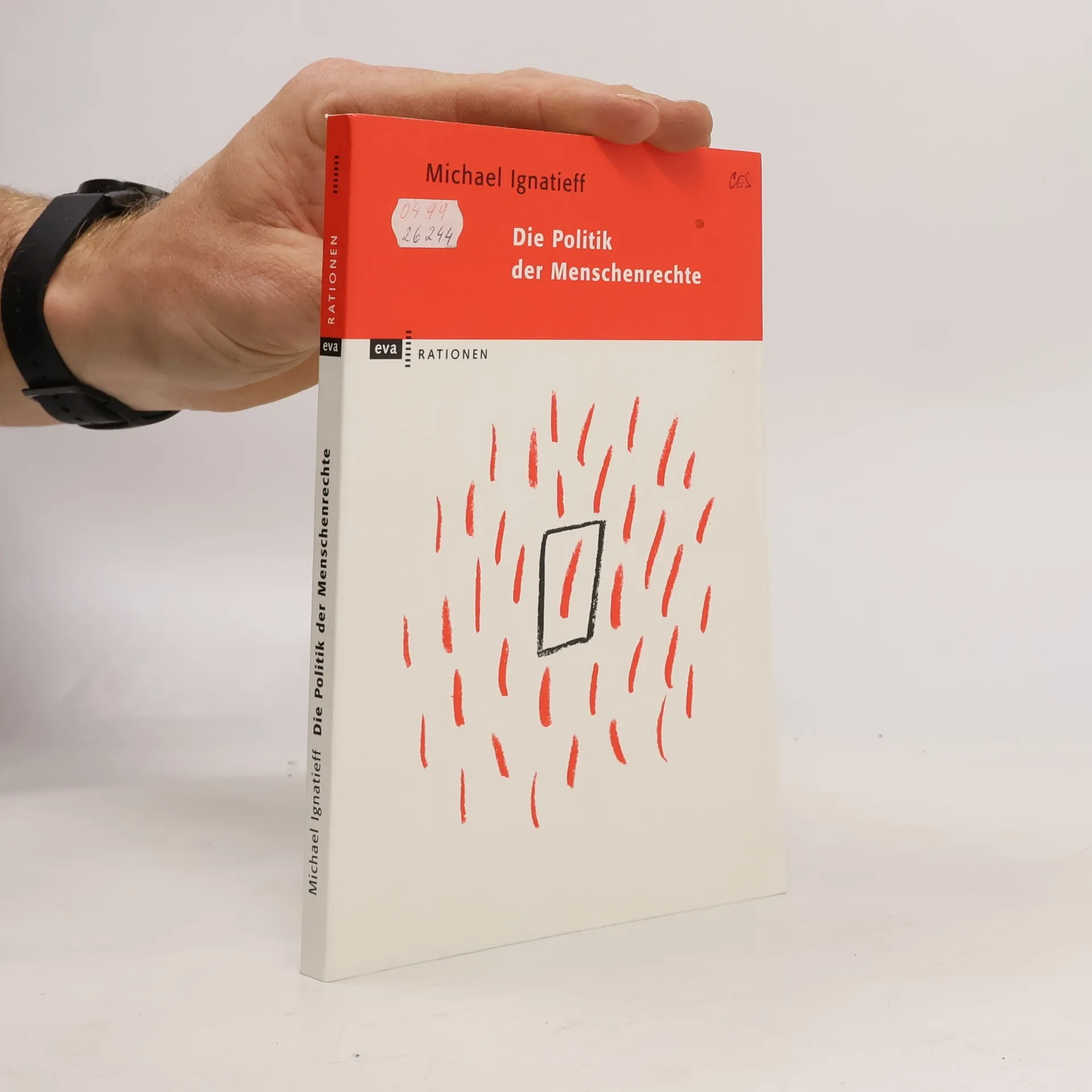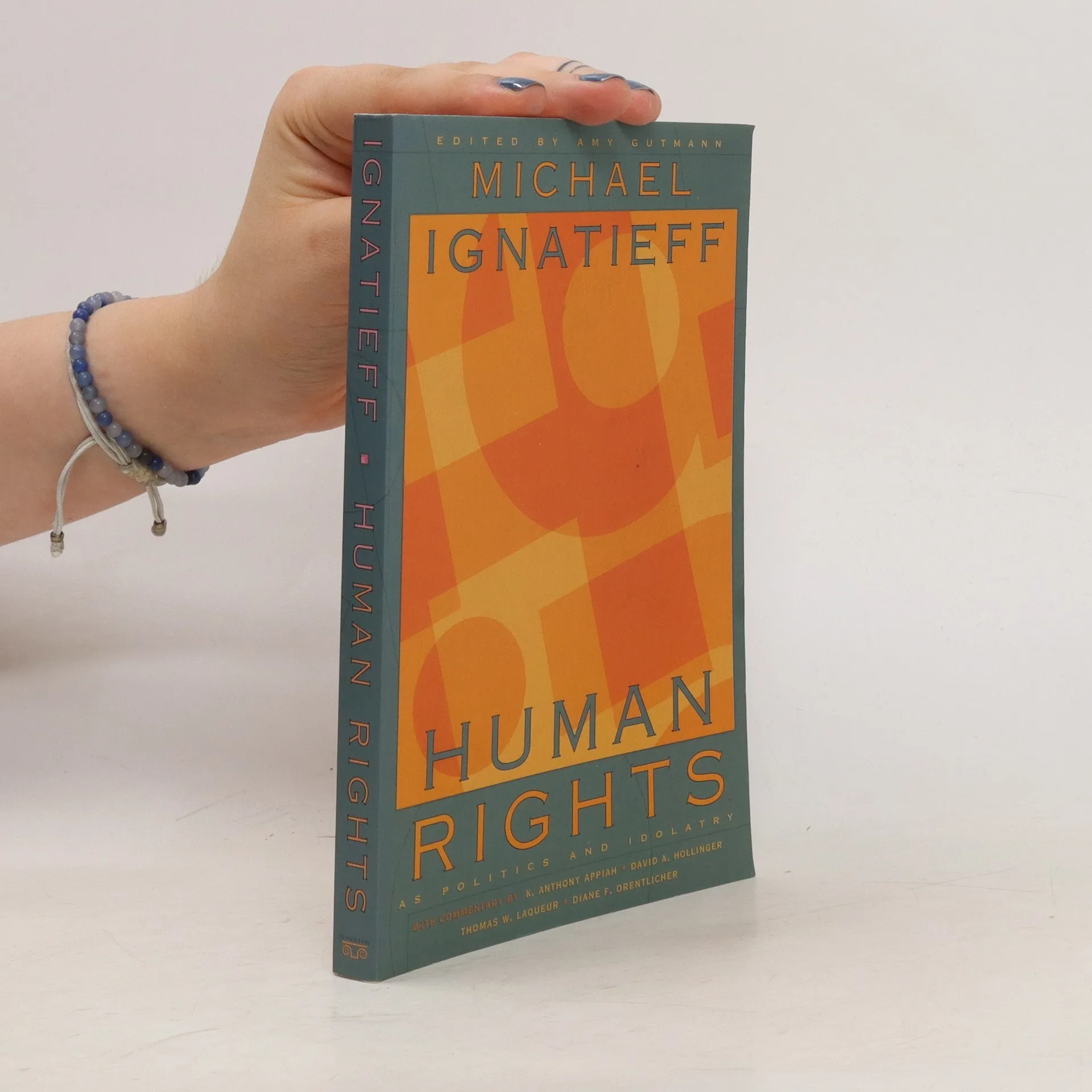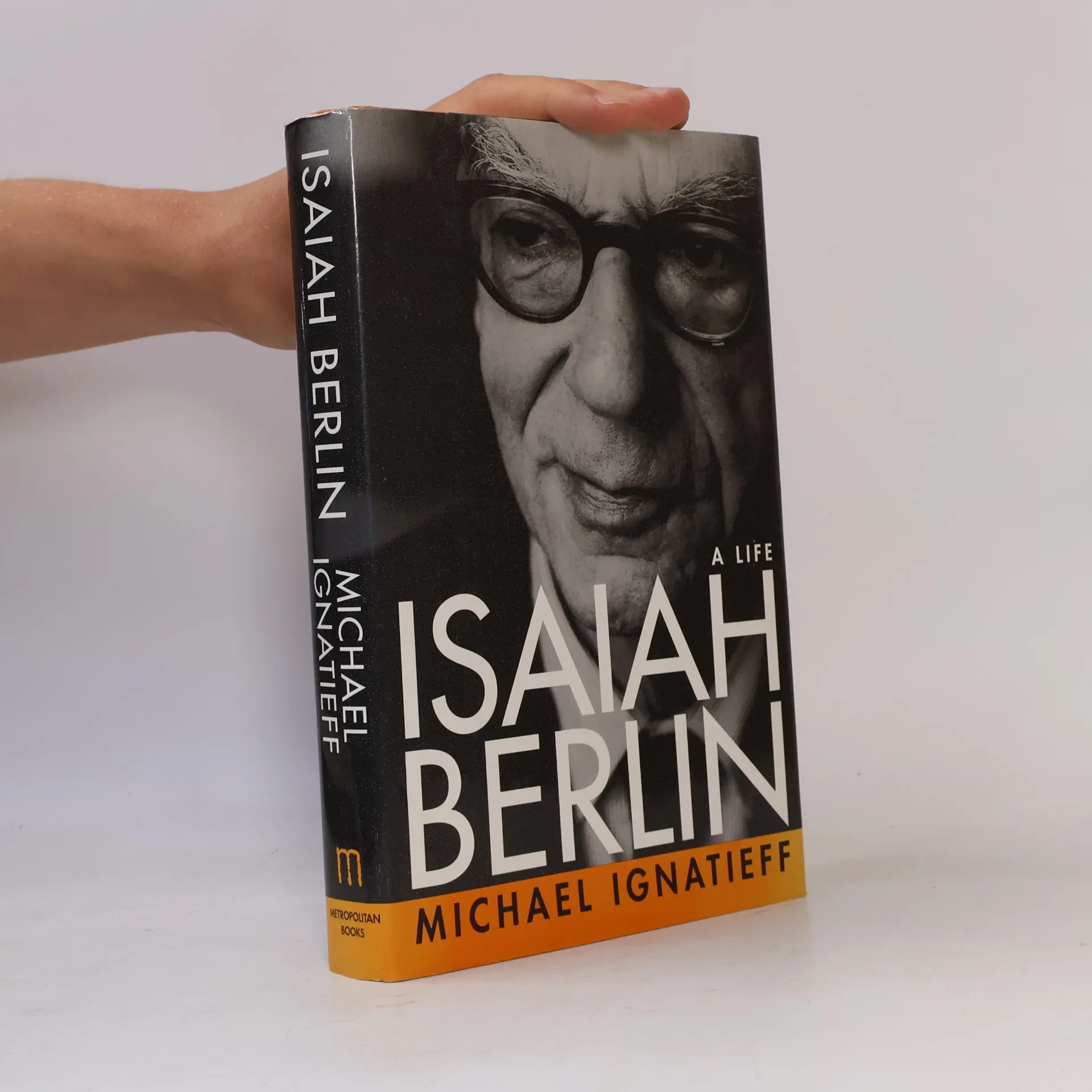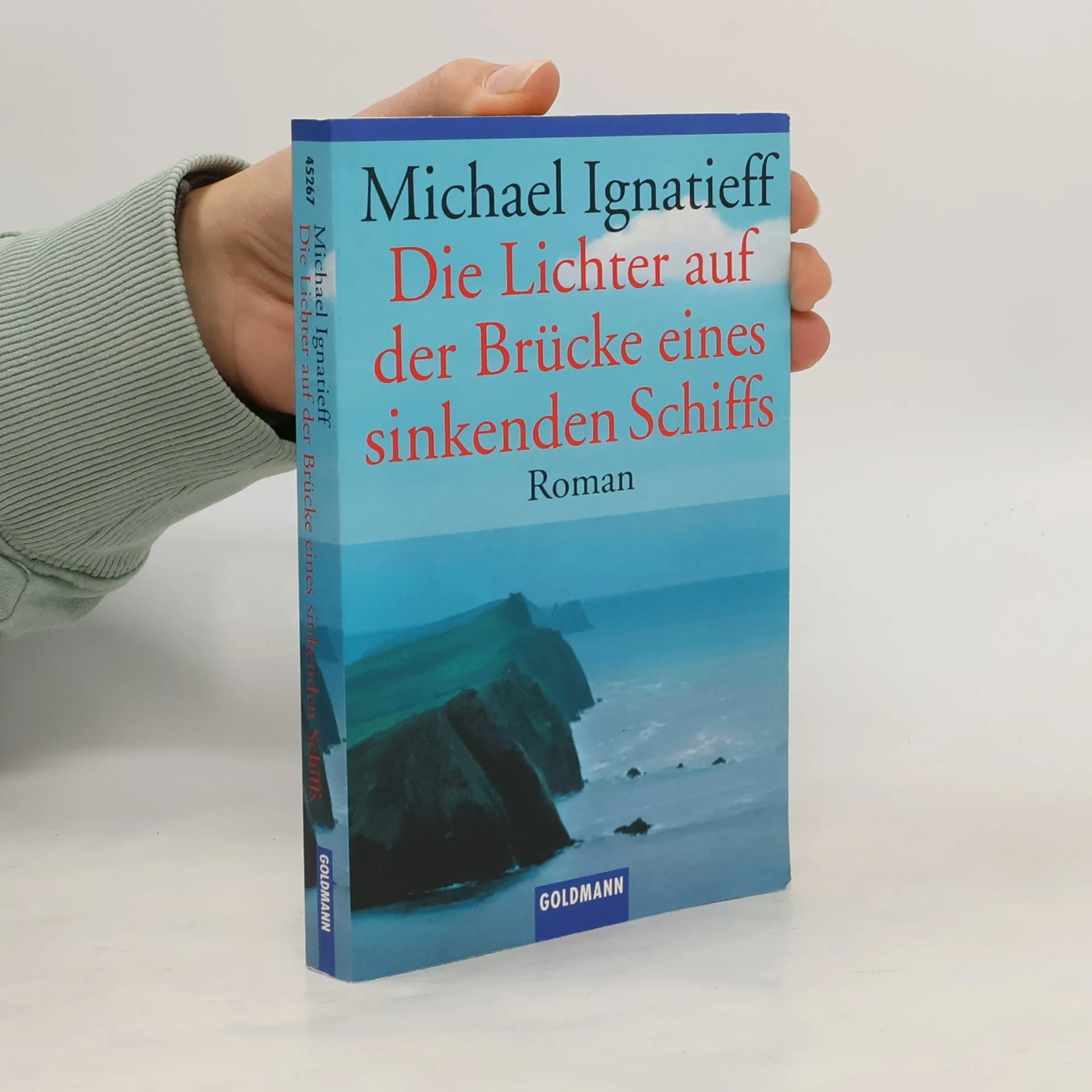
Liberties Journal of Culture and Politics is devoted to educating the general public about the history, current trends, and possibilities of culture and politics.
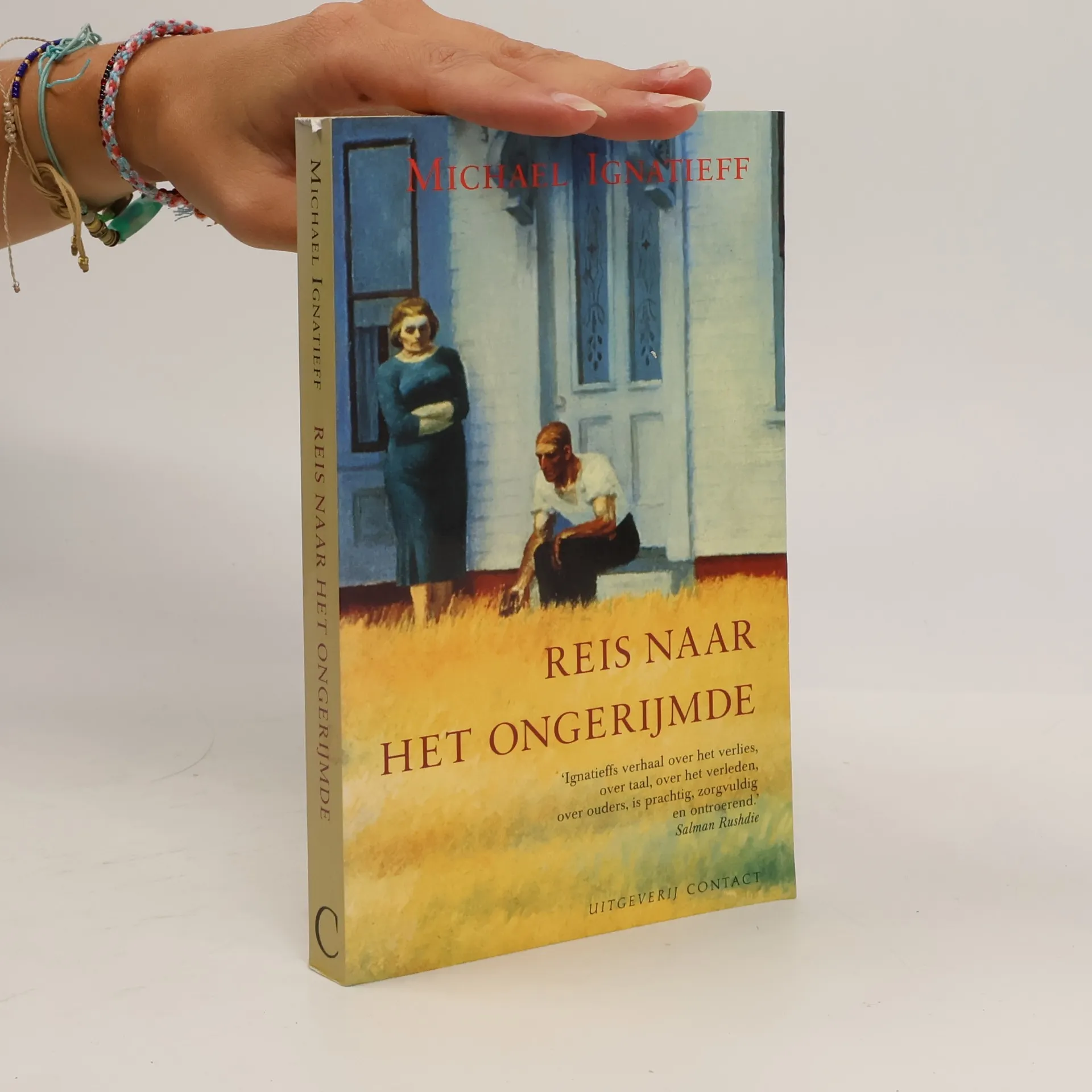
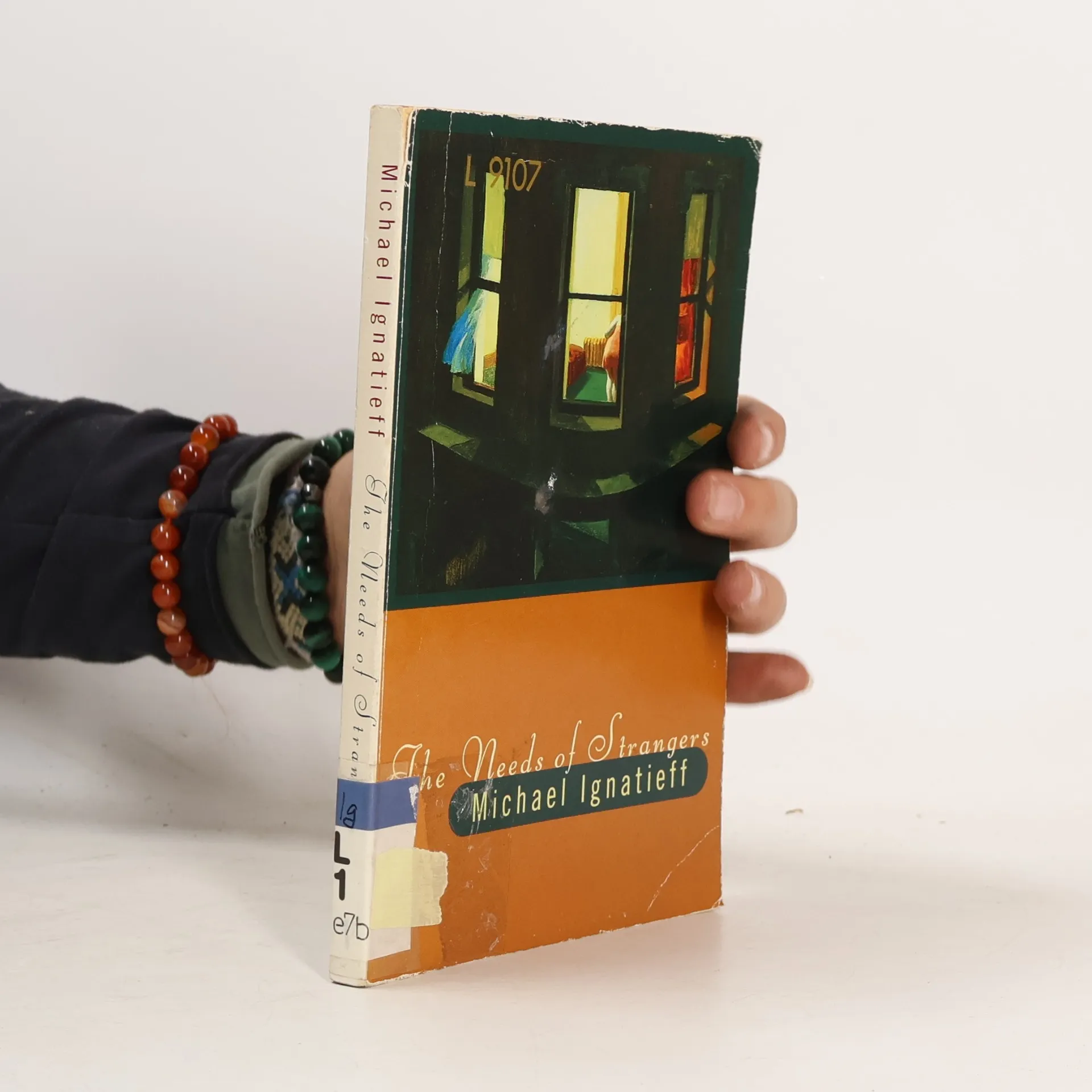
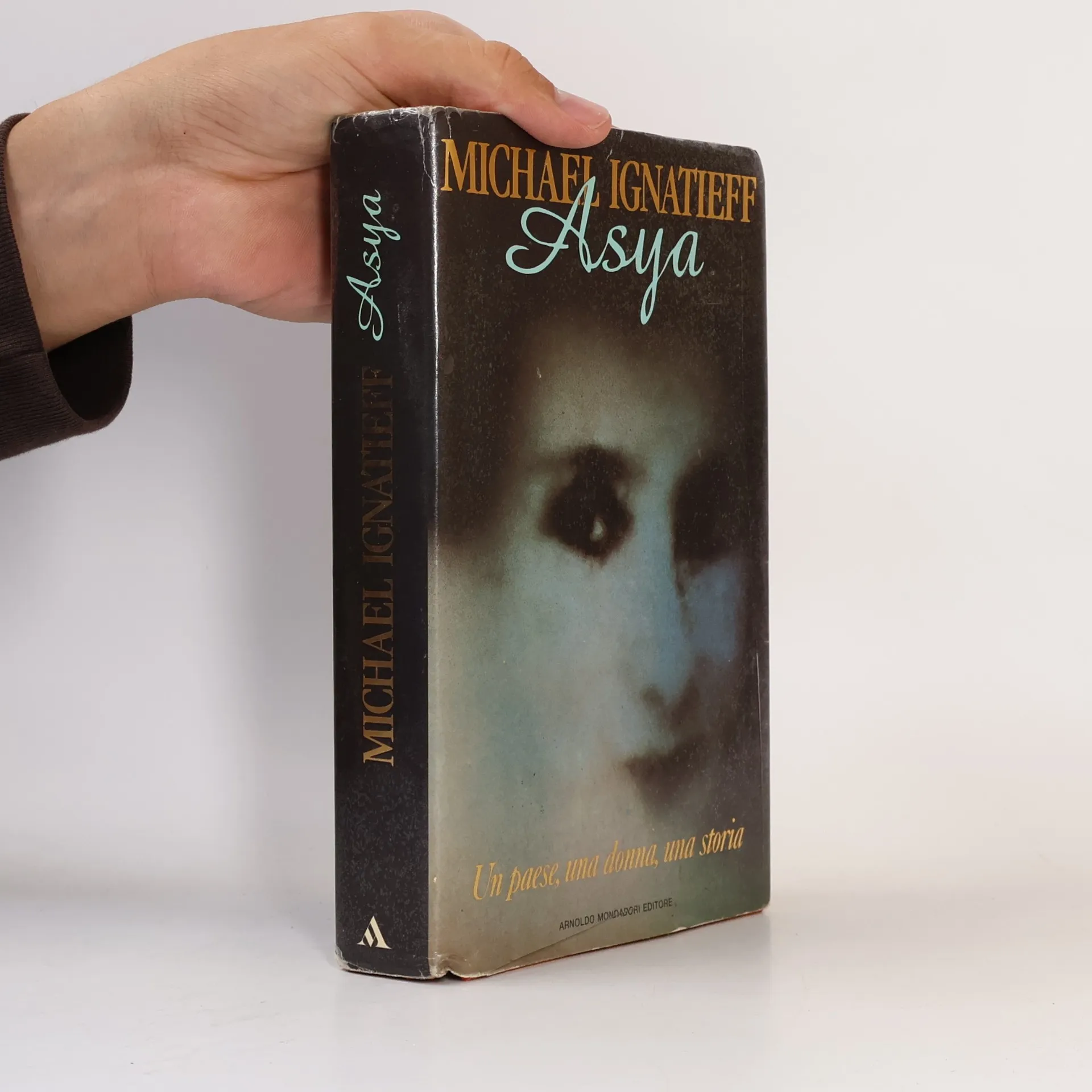
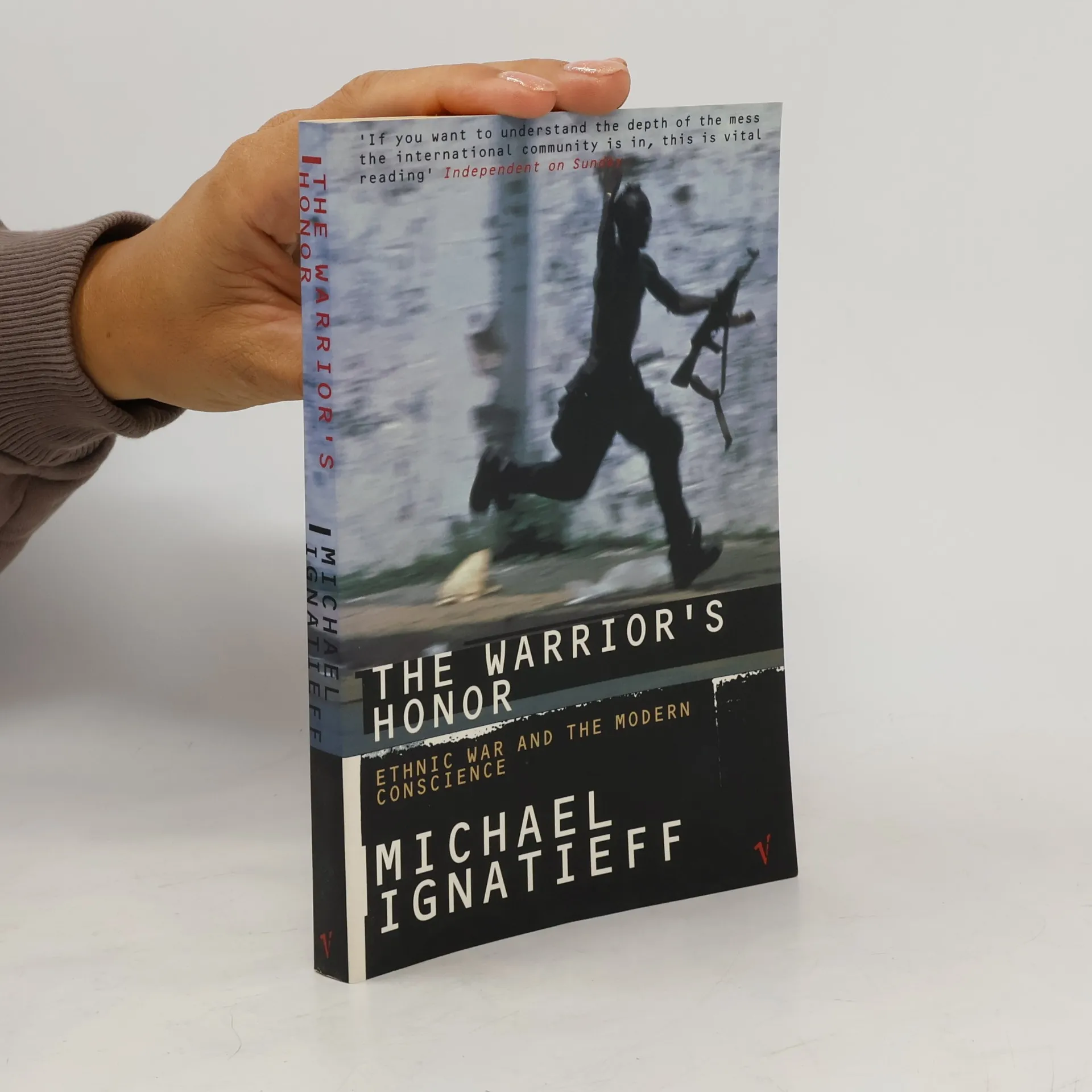
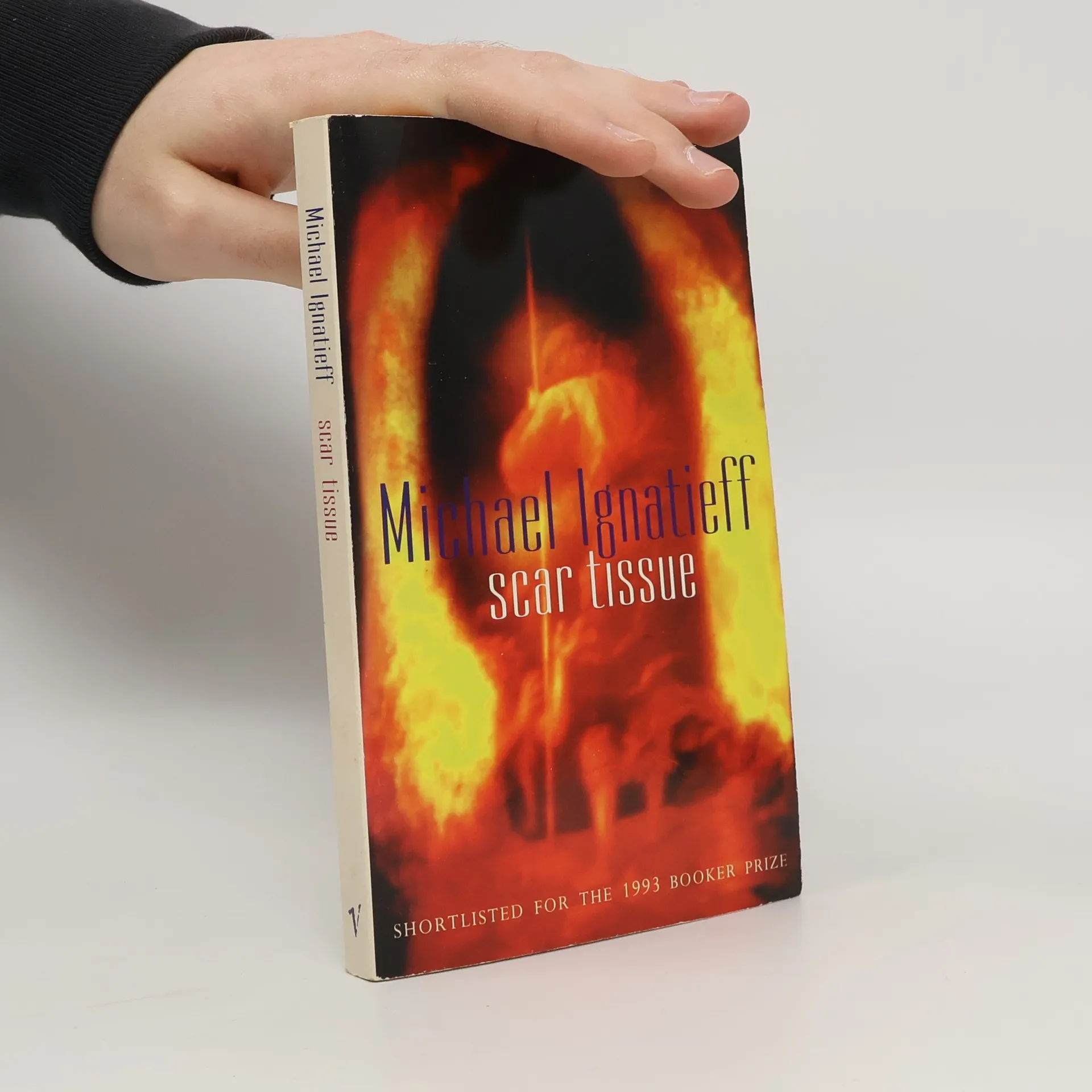
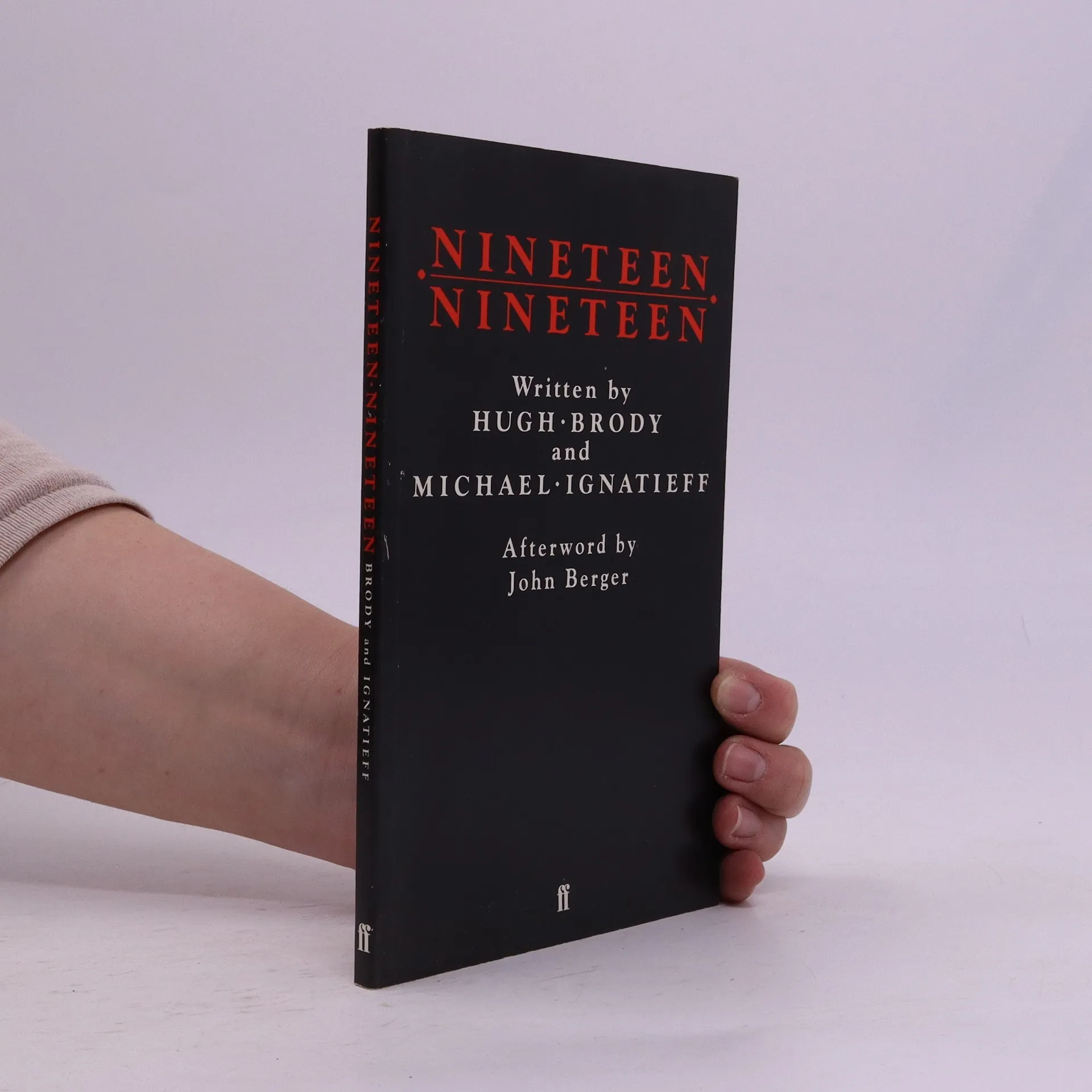
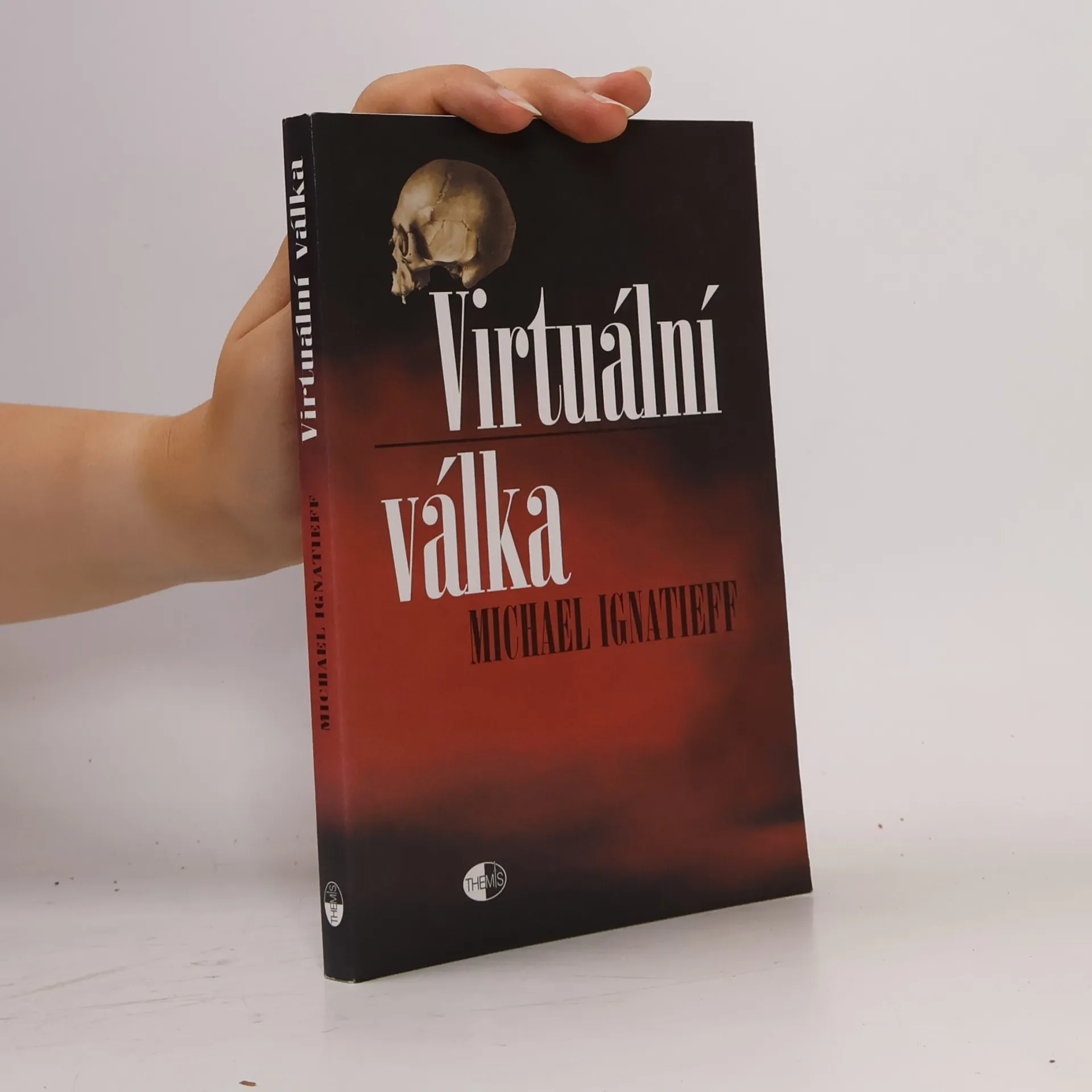
Michael Ignatieff Pořadí knih
Michael Ignatieff je kanadský autor, který se ve své práci zaměřuje na historii a politiku. Jeho psaní zkoumá složité otázky identity, národa a demokracie. Ignatieffův akademický původ a politické zkušenosti mu dodávají jedinečnou perspektivu na výzvy moderního světa. Jeho díla jsou ceněna pro svou hloubku a pronikavost.


- 2023
- 2023
Reissue of an incisive exploration of the many faces of modern nationalism by the esteemed author of On Consolation
- 2023
- 2023
- 2023
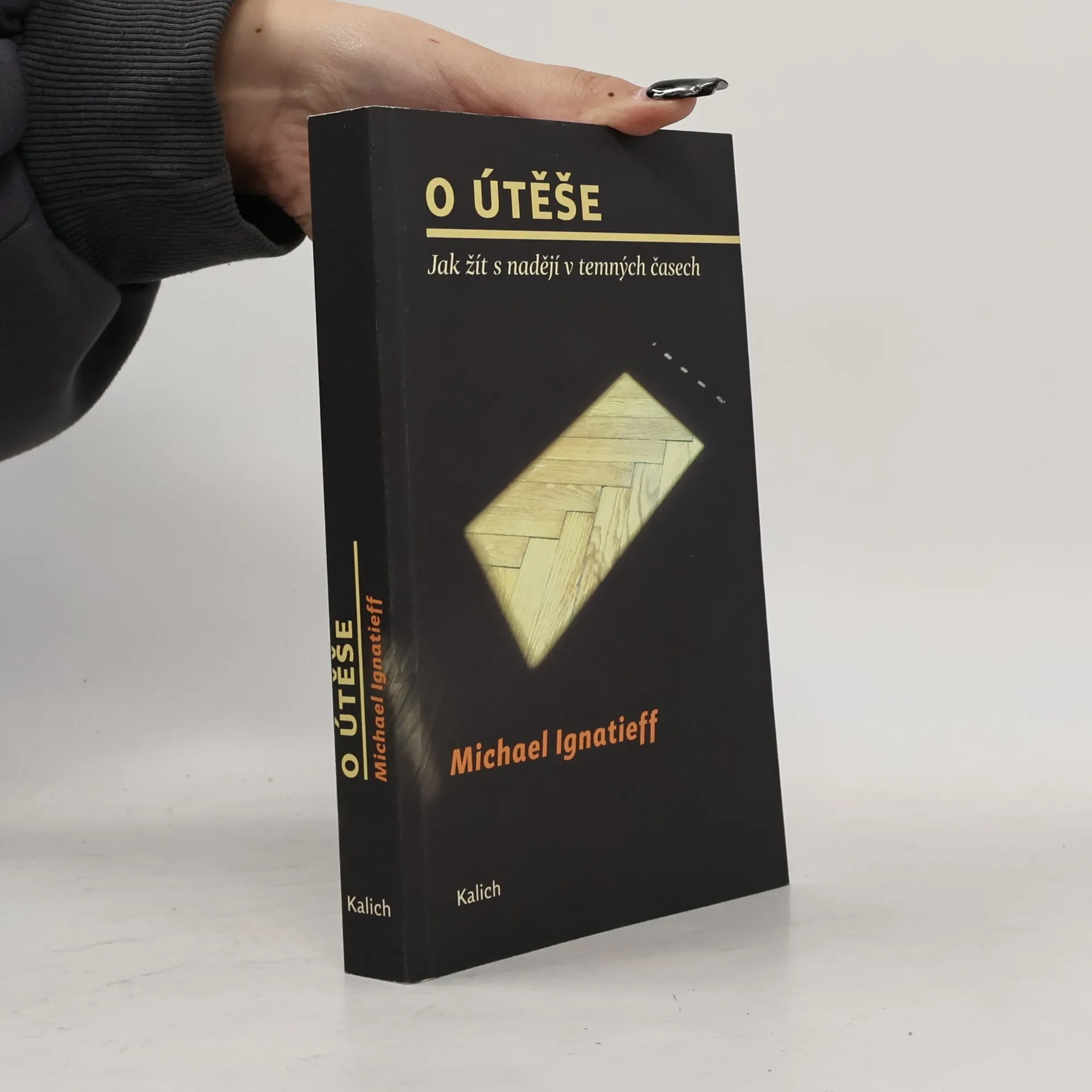
O útěše
- 316 stránek
- 12 hodin čtení
Jak se utěšujeme v době nevíry? V řadě úvah o spisovatelích, umělcích, hudebnících a jejich dílech – od knihy Jób a Žalmů po Gustava Mahlera, Alberta Camuse, Prima Leviho a Václava Havla – ukazuje uznávaný spisovatel a historik Michael Ignatieff, jak se muži a ženy v extrémních situacích napříč časem obraceli jeden k druhému, aby získali naději a odolnost. Kniha O útěše obnovuje okamžiky, kdy velké osobnosti našly odvahu postavit se svému osudu a odhodlání pokračovat beze strachu. Jejich příběhy přenáší do současnosti s přesvědčením, že tyto tradice útěchy můžeme oživit, když čelíme úzkosti a nejistotě našeho rozkolísaného jednadvacátého století.
- 2021
- 2021
From renowned intellectual and historian Michael Ignatieff comes a moving portrait of artists, writers, politicians, emperors, and poets overcoming tragedy and crisis an ancient tradition of consolation which will resonate with readers in our turbulent times.
- 2019
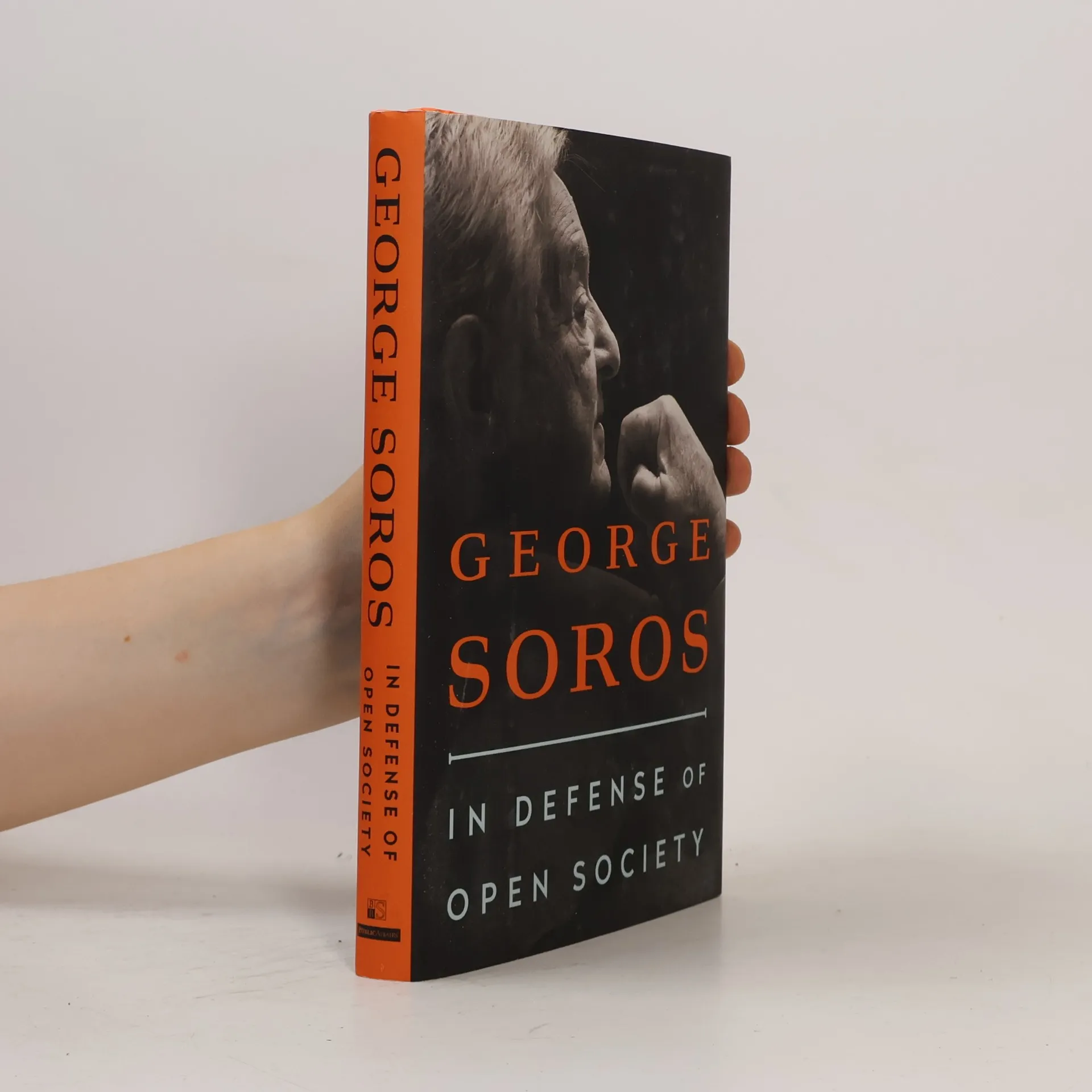
In Defense of Open Society
- 224 stránek
- 8 hodin čtení
An impassioned defense of open society, academic and media freedom, and human rights. George Soros -- universally known for his philanthropy, progressive politics, and investment success--has been under sustained attack from the far right, nationalists, and anti-Semites in the United States and around the world because of his commitment to open society and liberal democracy. In this brilliant and spirited book, Soros brings together a vital collection of his writings, some never previously published. They deal with a wide range of important and timely topics: the dangers that the instruments of control produced by artificial intelligence and machine learning pose to open societies; what Soros calls his "political philanthropy"; his founding of the Central European University, one of the world's foremost defender of academic freedom; his philosophy; his boom/bust theory of financial markets and its policy implications; and what he calls the tragedy of the European Union. Soros's forceful affirmation of freedom, democracy, the rule of law, human rights, social justice, and social responsibility as a universal idea is a clarion call-to-arms for the ideals of open society.
- 2006
Finalist for the 2004 Lionel Gelber Award In the age of terrorism, the temptations of ruthlessness can be overwhelming. But there is also the anxiety that a violent response to violence makes us morally indistinguishable from our enemies. There is perhaps no greater political challenge today than trying to win the war against terrorism without losing our democratic souls. Michael Ignatieff confronts this challenge head-on with a combination of pragmatic idealism, historical sensitivity, and astute political judgment. Ignatieff traces the modern history of terrorism and counter-terrorism from the nihilists of Czarist Russia and the militias of Weimar Germany to the IRA and Al Qaeda. He shows how the most potent response to terror has been force, decisive and direct, but—just as important—restrained. Restraint also gives democracy its strongest weapon: the moral power to endure when the furies of vengeance and hatred are spent. "An impeccably argued case for how to balance security and liberty in the face of the new kind of threat posed by today's terrorists…" —Publishers Weekly
- 2005
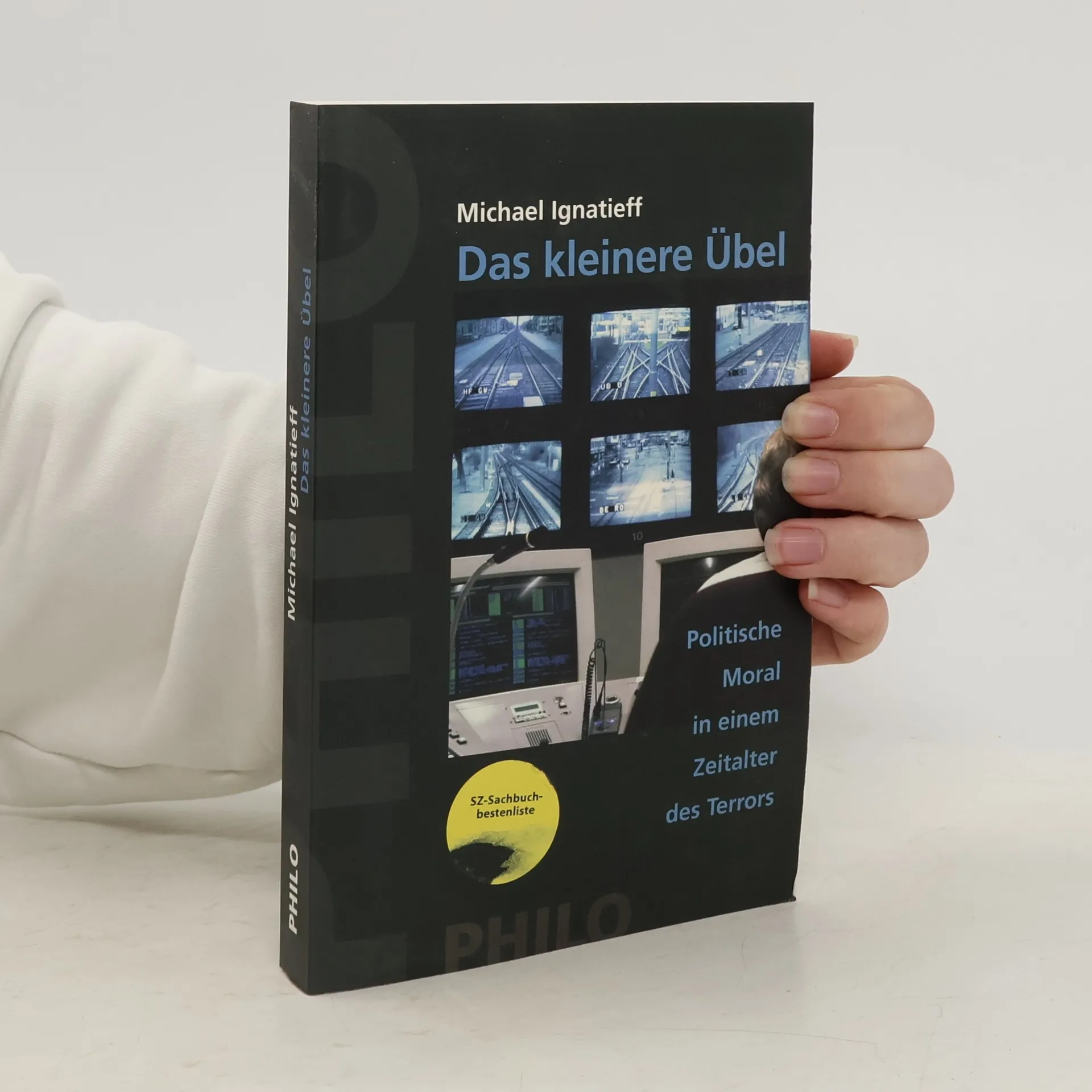
Müssen wir Terror mit Terror bekämpfen, Mord mit Mord und Folter mit Folter? Müssen wir zivile Freiheiten opfern, um die öffentliche Sicherheit zu erhalten? Michael Ignatieff, linksliberaler Intellektueller und Befürworter des Irak-Krieges, legt mit diesem Buch eine theoretische Begründung seiner politischen Positionen vor: Angesichts der Gefahr verheerender terroristischer Angriffe vertritt der „liberale Falke“ die These, daß eine politische Ethik ständig abwägen müsse, welche „kleineren Übel“ zu rechtfertigen seien, um „größere Übel“ zu verhindern. Dies bedeutet konkret, die Frage zuzulassen, unter welchen Umständen die Aufhebung von Grundrechten, härtere Verhörmethoden (unter Ausschluß der Folter) und vorbeugende Kriege vertretbar seien. Ignatieff argumentiert für die Suche nach einem Mittelweg: Man müsse die Balance finden zwischen Freiheit und Sicherheit, zwischen Wahrung der Grundrechte von Individuen und dem Schutz der gesellschaftlichen Mehrheit. Gleichzeitig weist Ignatieff darauf hin, daß dieser Balanceakt immer auch die Gefahr einer Selbstbeschädigung der Demokratie birgt, der es bewußt entgegenzuwirken gilt.