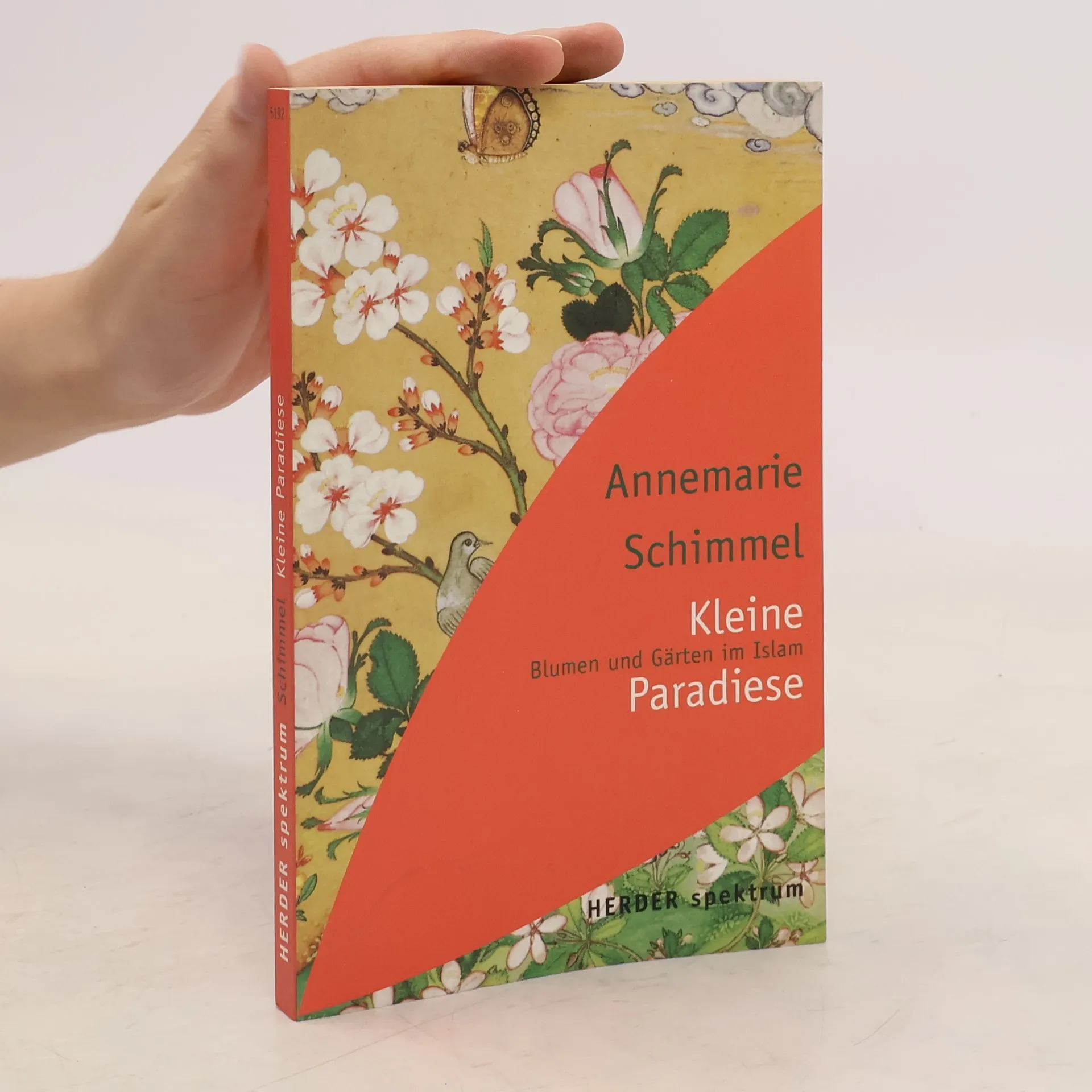
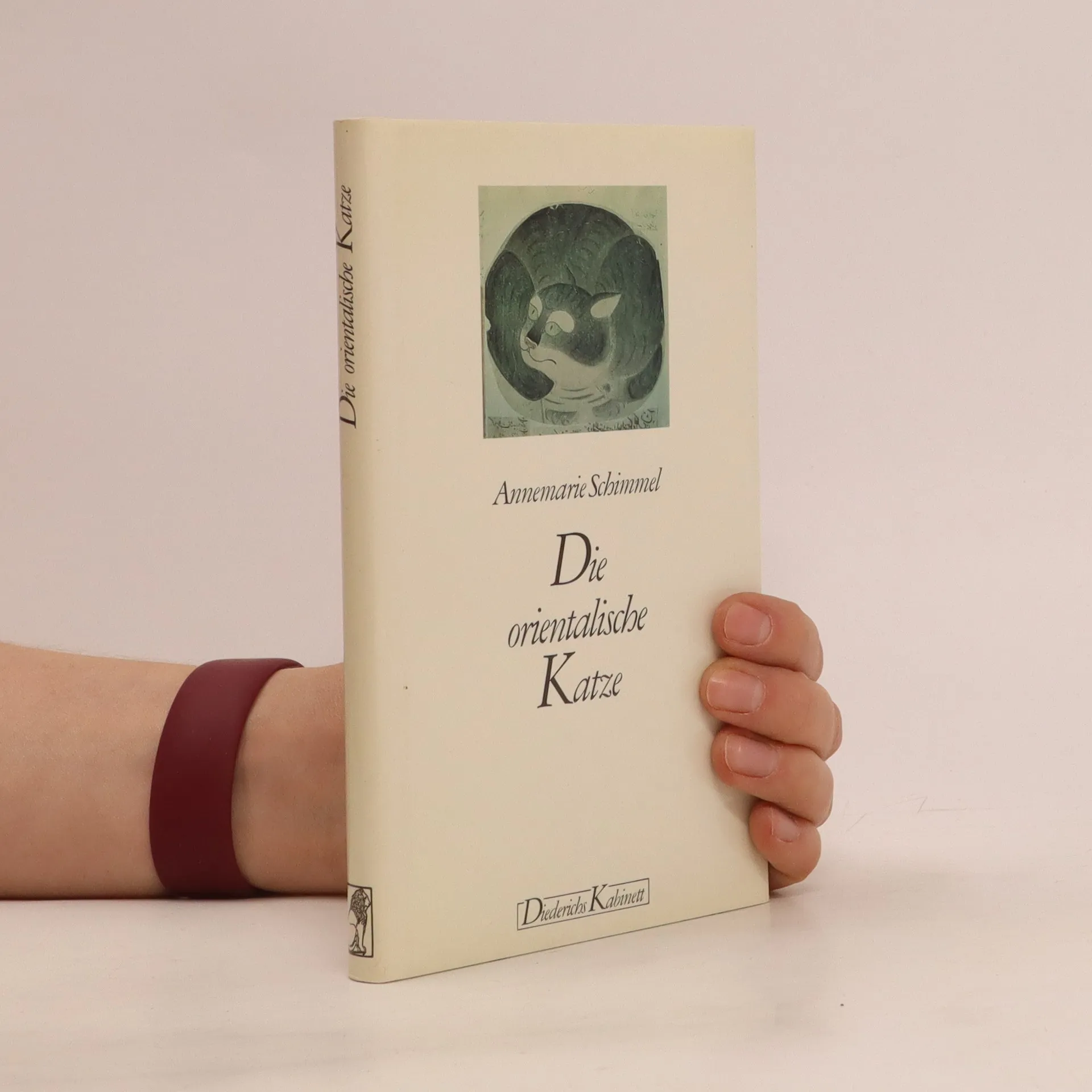
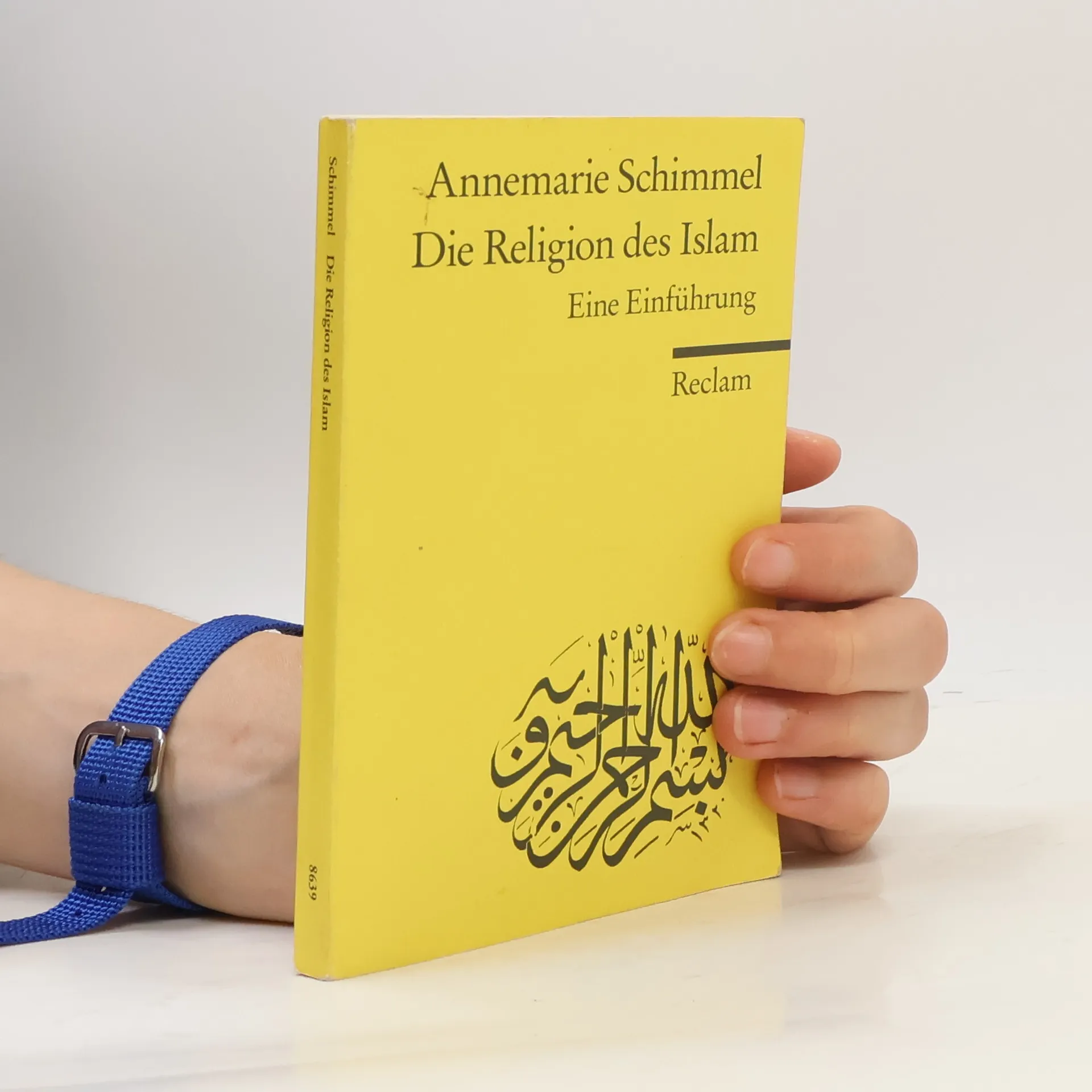
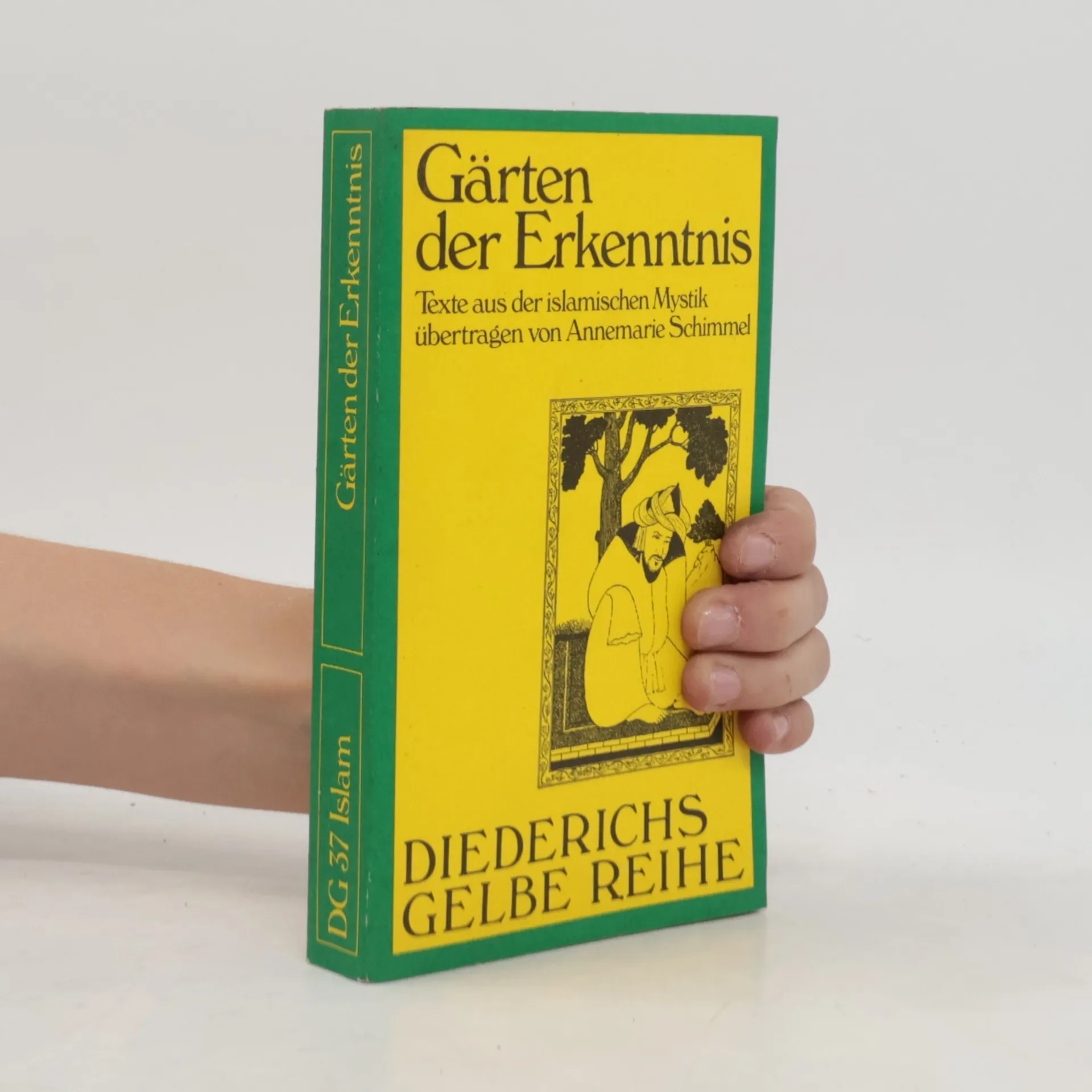
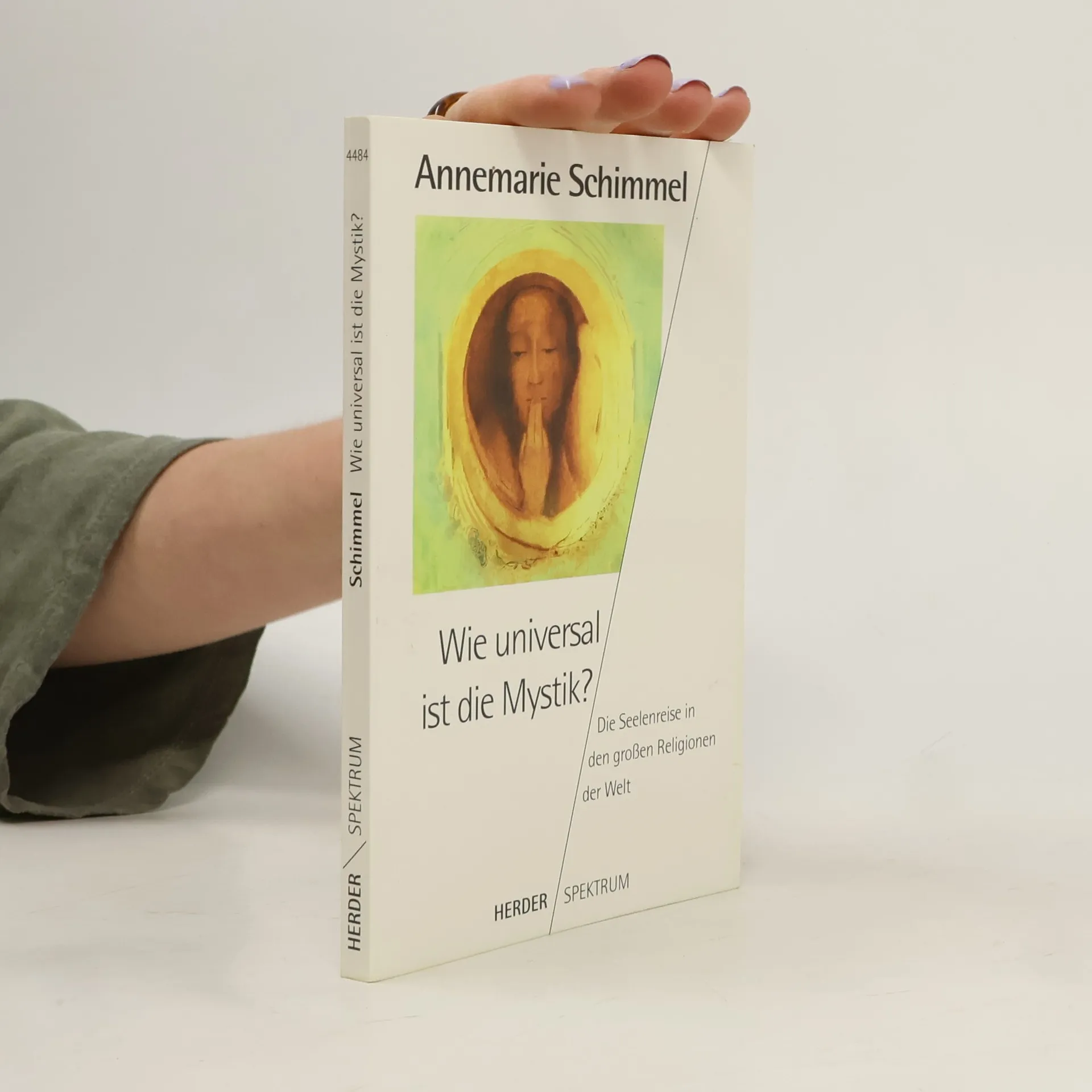
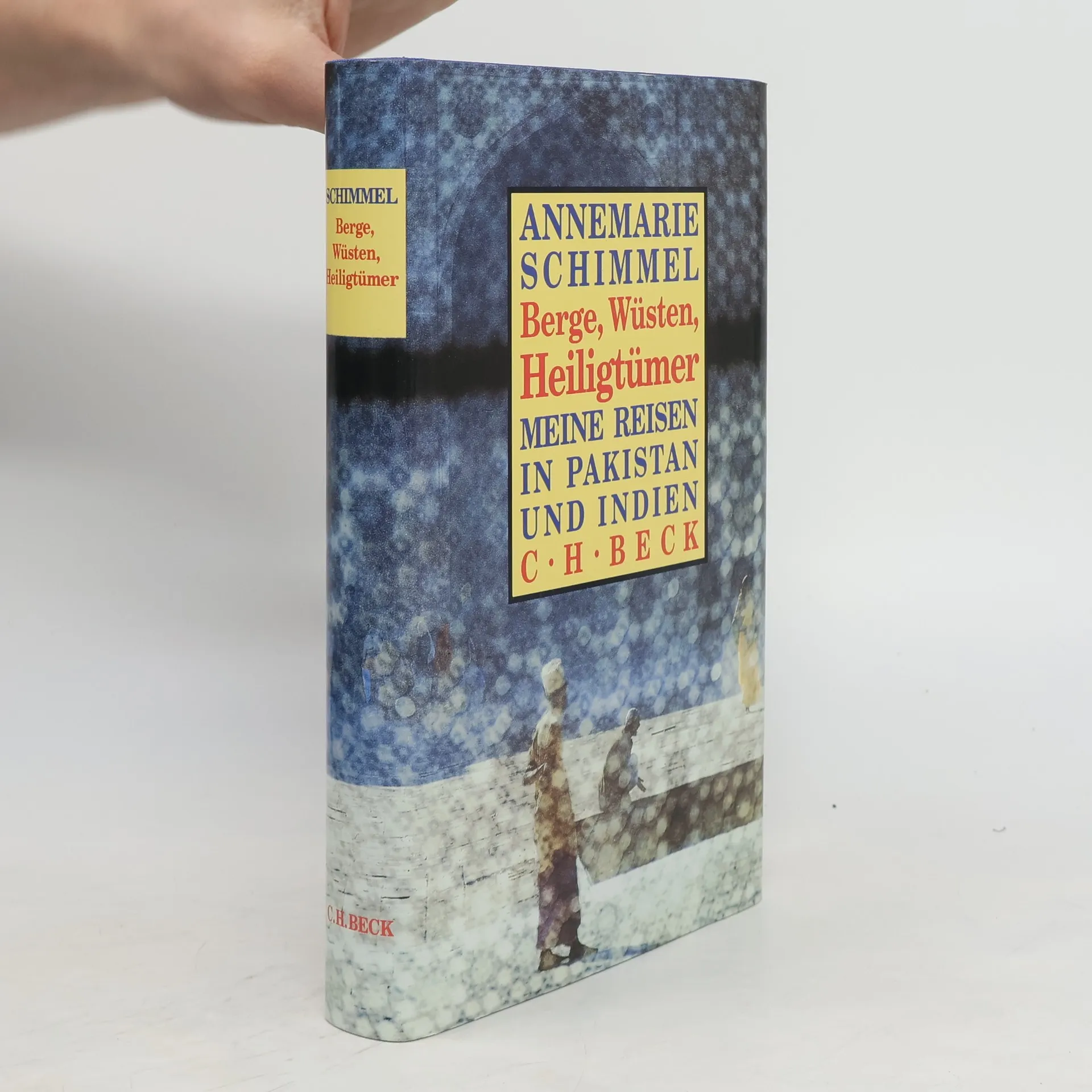
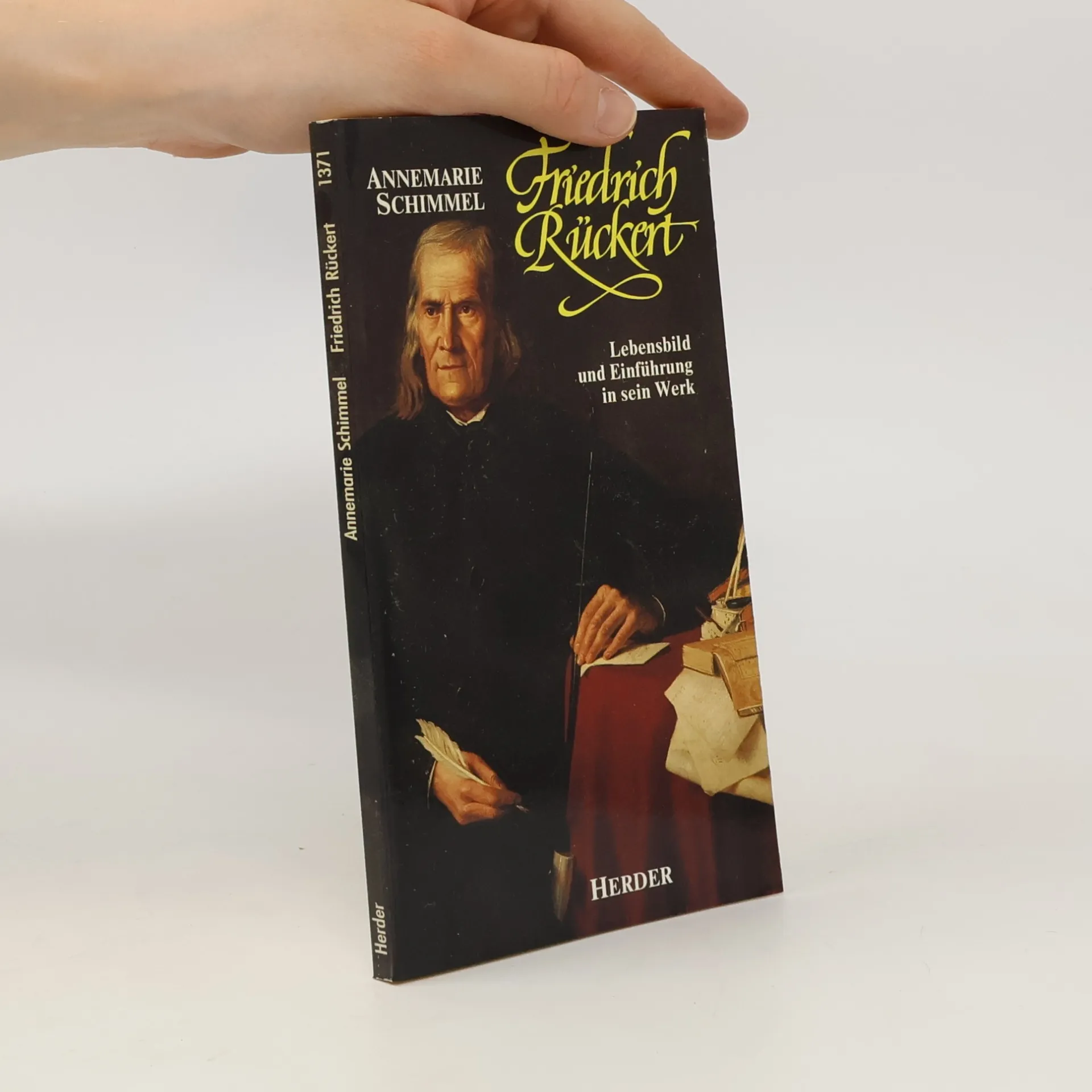
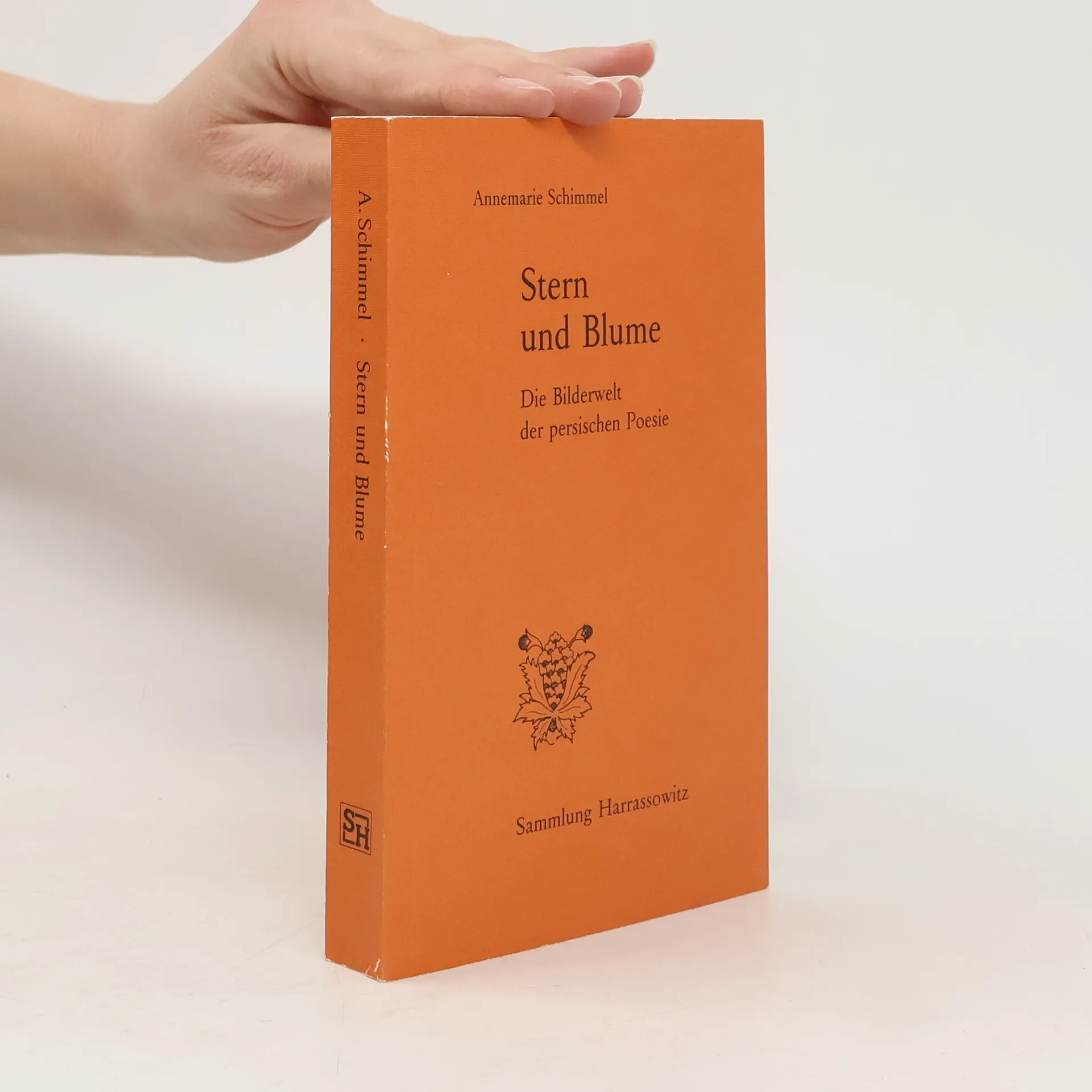
Německá orientalistka a islamoložka, která se hluboce ponořila do světa islámu a súfismu. Svými rozsáhlými díly zkoumala a osvětlovala duchovní a kulturní tradice islámu, často se zaměřením na jeho mystické aspekty. Její práce se vyznačuje akademickou přísností a zároveň hlubokým porozuměním pro zkoumaná témata. Přinesla do západního světa cenný vhled do islámské spirituality a myšlení.
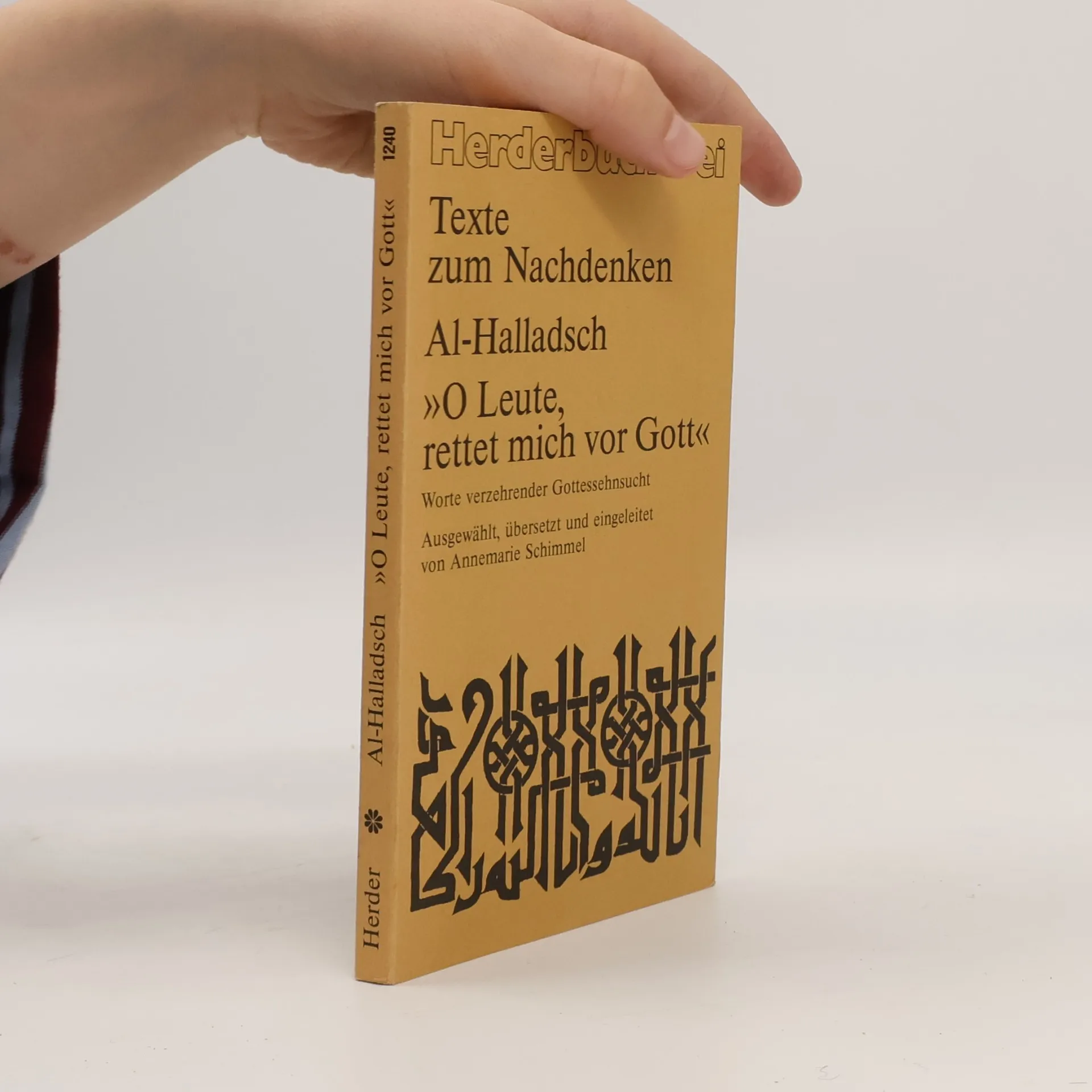
Krásná a hluboká vyznání víry i příběhy z Al-Halládžova života, zapsané jeho druhy, z arabštiny přeložila, uspořádala a doprovodnou studií opatřila známá německá islamistka Annemarie Schimmelová.
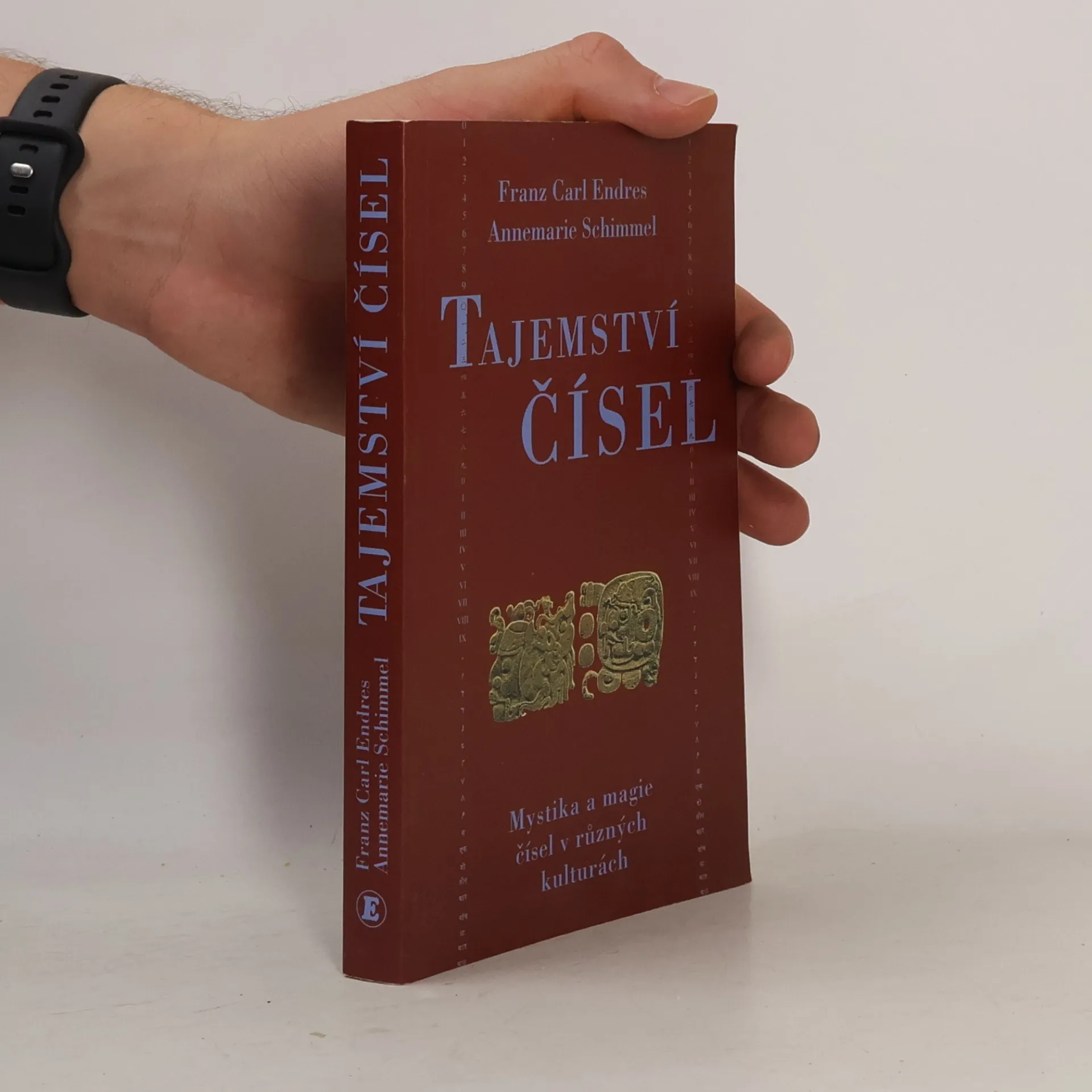
Podtitul: Mystika a magie čísel v různých kulturách.
První dílo u nás, které odpovídá na to, odkud se vzaly číselné systémy, proč se liší v různých kulturách, která čísla jsou šťastná a která nešťastná.
Dále vás poučí o mystice čísel v lidské historii, odhalí svět jednotlivých číslic s jejich významy a mnoho jiných zajímavostí.
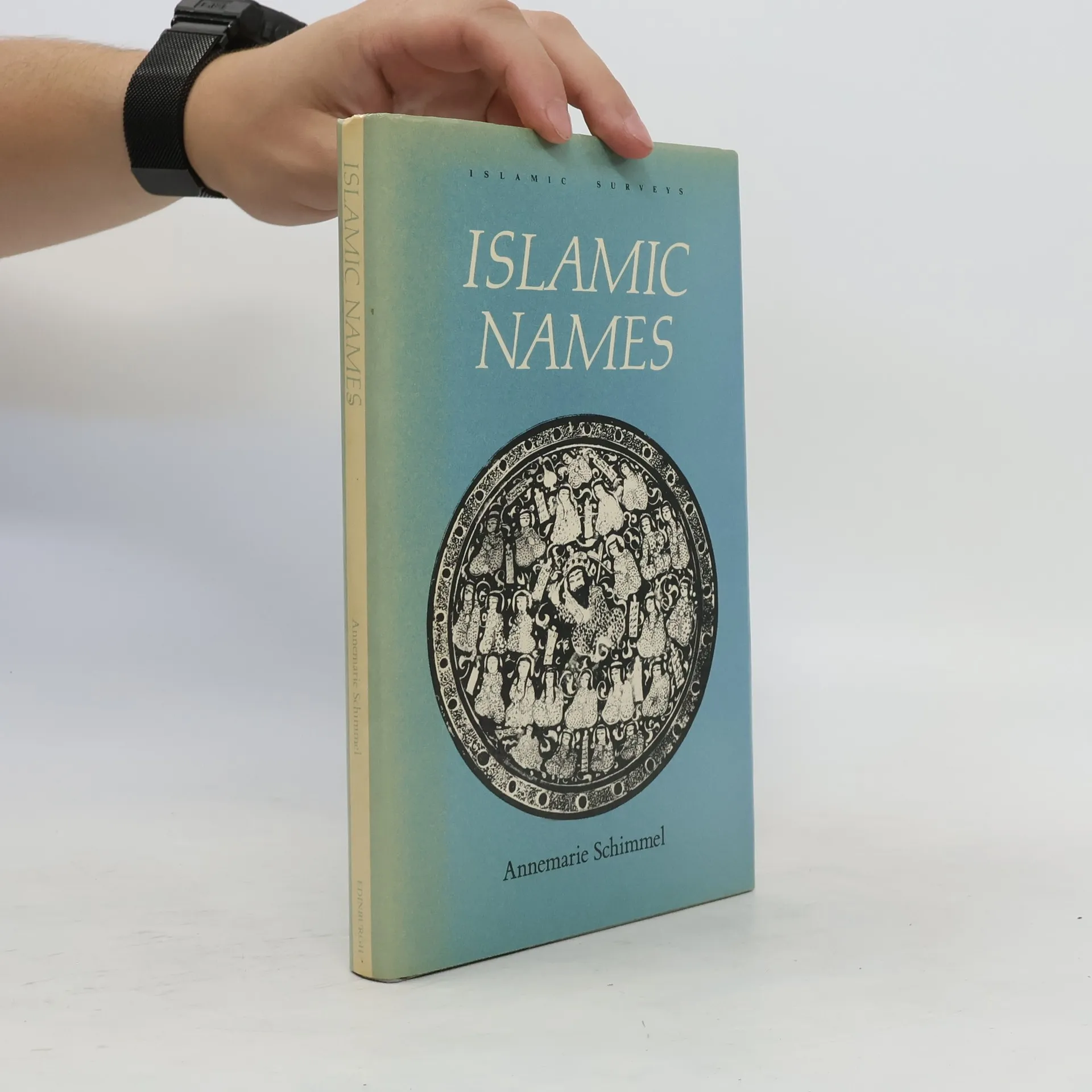
Guiding Western readers through the endlessly fascinating and complicated system of Islamic personal names, Annemarie Schimmel's directory touches upon almost every aspect of Islamic life.
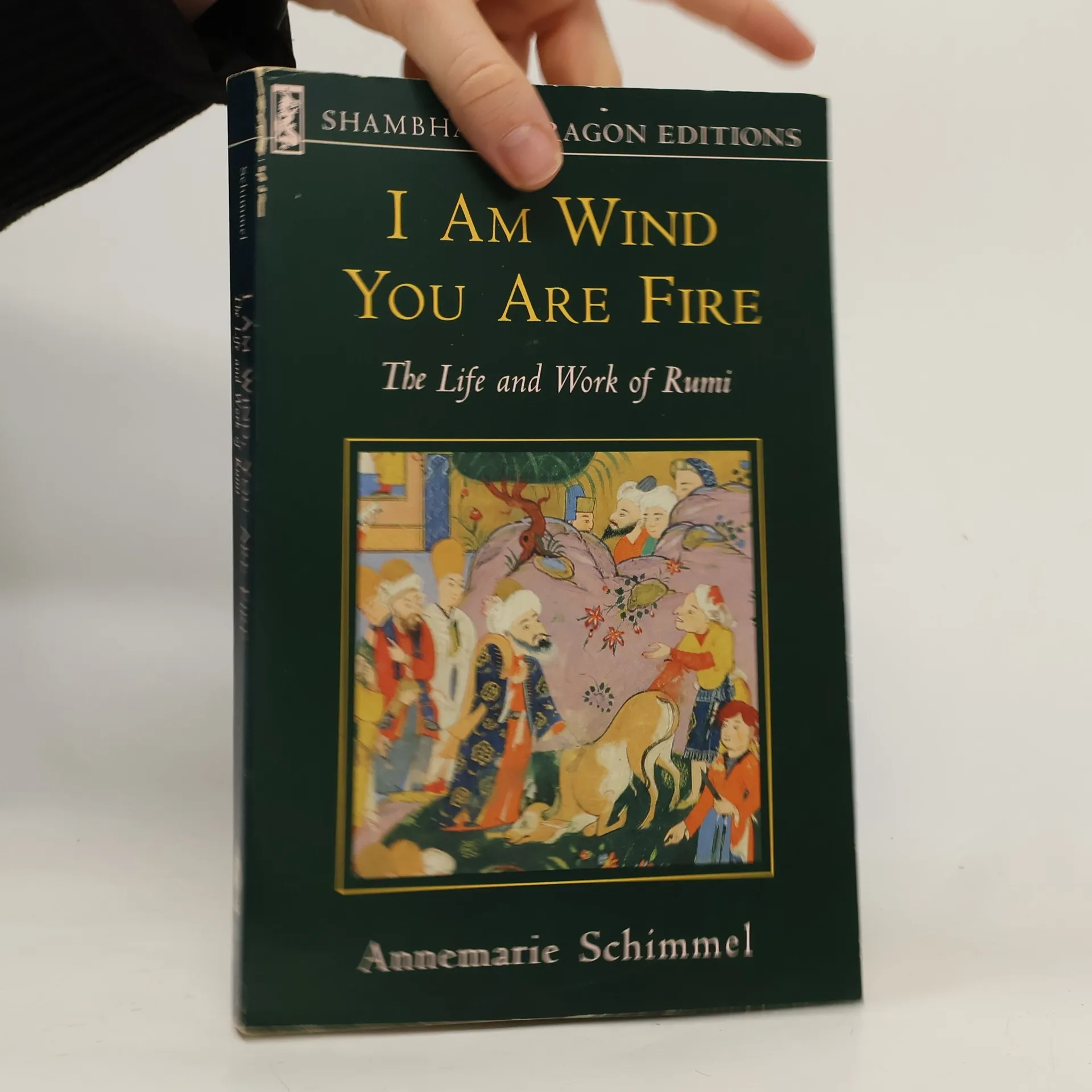
This is a book on Rumi's life, his poetry, his thought, and his influence. Rumi's work forms one of the pillars of the Sufi orders, particularly the Mevlevi order, better known in the West as the Whirling Dervishes. In this book Rumi emerges not only as a spiritual master, but also as a fully human being grounded firmly in the Koran and in classical Islamic mysticism.The light of the Divine Sun, in its Beauty and Majesty, manifested itself for Rumi through the person of Shams of Tabriz. Transformed by this light, consumed by this fire, Mowlana Rumi saw the world in a new light. Everywhere he perceived God's Grandeur and his Grace.The book also discusses the theological premises upon which Rumi's work rests, his attitude to the problems of free will and predestination, and his analysis of the mystical stages and stations. The book not only gives a very rich analysis of Rumi's language and poetical art, but also a picture of medieval Konya, whose features the mystical poet transforms and transfigures.
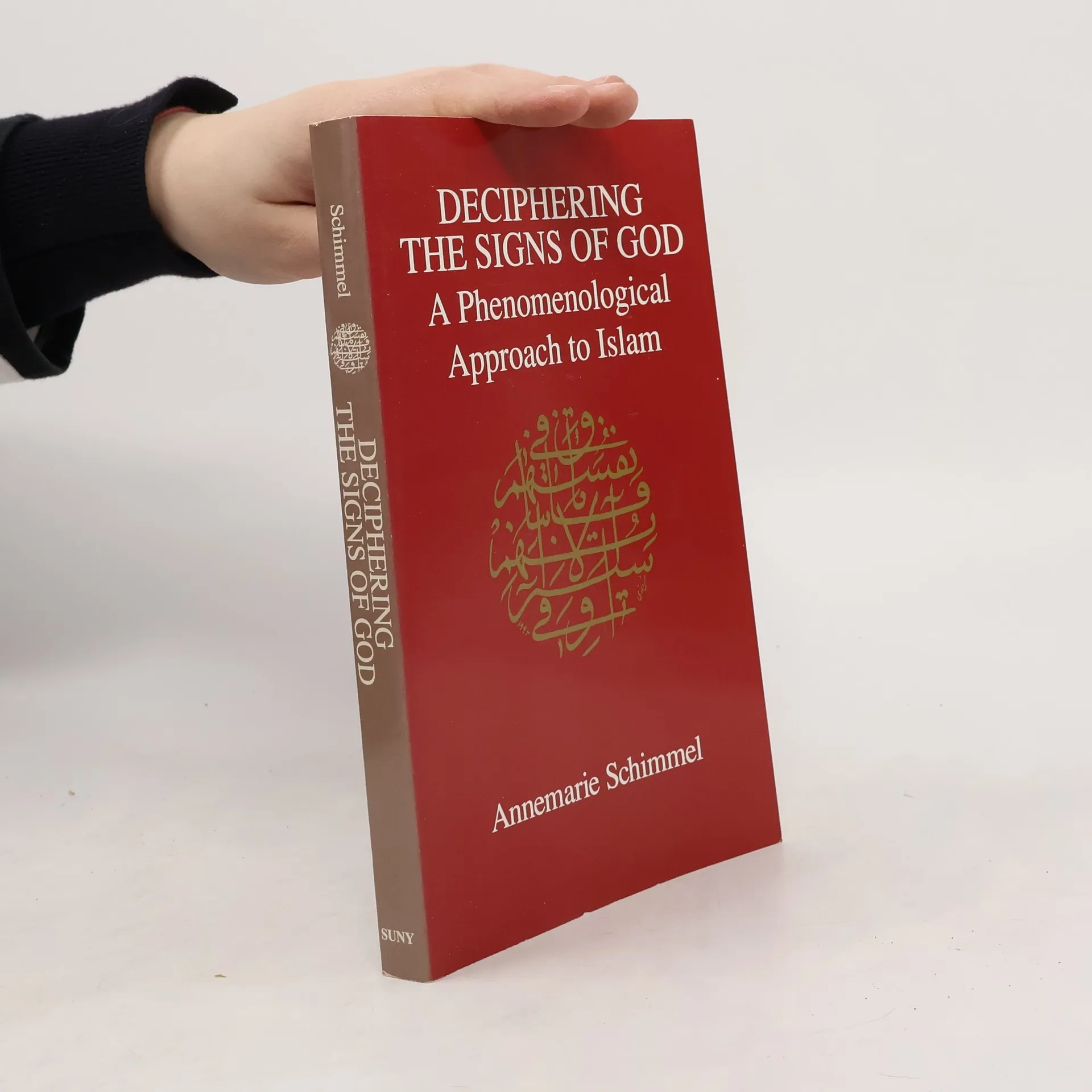
The Qur'an constantly exhorts people to 'look at the signs of god,' signs that are hidden 'in the horizons and in themselves.' This book examines the mysteries of Islam using a phenomenological method to come closer to the true center of Muslim belief.Schimmel takes as her starting point the simplest 'signs of god'— natural phenomena like stones, plants and animals, and their use in religious and symbolic language. She then moves on to less obvious signs, such as sacred time and space, ritual actions, forms of worship, the sacred individual, and the order of the community. She concludes with an examination of the individual's response to the mystery of the Divine. Based on both original classical sources and modern literature, as well as the author's considerable personal experience, this is not only a fascinating survey of Islamic practices and beliefs, but also a broad and integrated overview of the phenomenology of Islam.
The life of Rumi, a 13th-century Persian poet, is explored through his transformation from a quiet religious teacher to a figure of mystical ecstasy after meeting Shams Tabriz. This encounter ignites Rumi's prolific poetry, expressing his yearning for the Divine Beloved, symbolized by Shams. The book delves into the significance of Rumi's work, including the invention of the Melevi dervishes' whirling dance, and features translations of his most notable poems, providing insight into his profound spiritual journey.
"Wahrlich, Gott ist schön und liebt die Schönheit", spricht der Prophet. Und weil er dies so sagen kann, gibt es im Islam den breiten Strom einer Weisheitsliteratur, die neben der heiligen Schrift des Koran und den Hadithen, den Aussprüchen und Taten des Propheten, die dritte Säule in der Vermittlung des Glaubens und des richtigen Lebens darstellt. Annemarie Schimmel hat eine längst klassisch gewordene Anthologie islamischer Weisheitsliteratur für Reclam zusammengestellt, die nun in neuer, schöner Ausstattung fortlebt.
Wer eine fremde Religion oder Kultur verstehen will, sollte sich zuerst mit ihren Festen und ihren Zeitvorstellungen vertraut machen. Das gilt in besonderer Weise für den Islam, dessen Kalender stark von unserem abweicht. Dieses Buch führt allgemein-verständlich in den islamischen Mondkalender, die Bedeutung der einzelnen Monate und Wochentage sowie die Jahreszählung ein. Es beschreibt die wichtigsten Feste wie das Opferfest oder das iranische Neujahrsfest, die Pilgerfahrt nach Mekka und den Fastenmonat Ramadan. Annemarie Schimmel versteht es meisterhaft, aus dem reichen Schatz ihrer persönlichen Erfahrungen in vielen Gegenden der islamischen Welt zu schöpfen und zugleich die Geschichte der Feste unter Rückgriff auf bisher kaum bekanntes Quellenmaterial zu erzählen.
Die von der bekannten Islamwissenschaftlerin – Friedenspreis des Deutschen Buchhandels 1995 – am Leitfaden des christlichen Vaterunsers zusammengestellten wunderschönen islamischen Gebete erfreuen sich auch unter Christen großer Beliebtheit und haben sich – häufig rezensiert und gelobt – gerade in der Praxis interreligiöser Begegnung einen festen Platz erobert. 'O Gott, was immer Du mir an weltlichem Gut zugeteilt hast, gib es Deinen Feinden, und was Du mir an jenseitigem Gut zugedacht hast, gib es Deinen Freunden – Du bist genug für mich.' (Rabia)
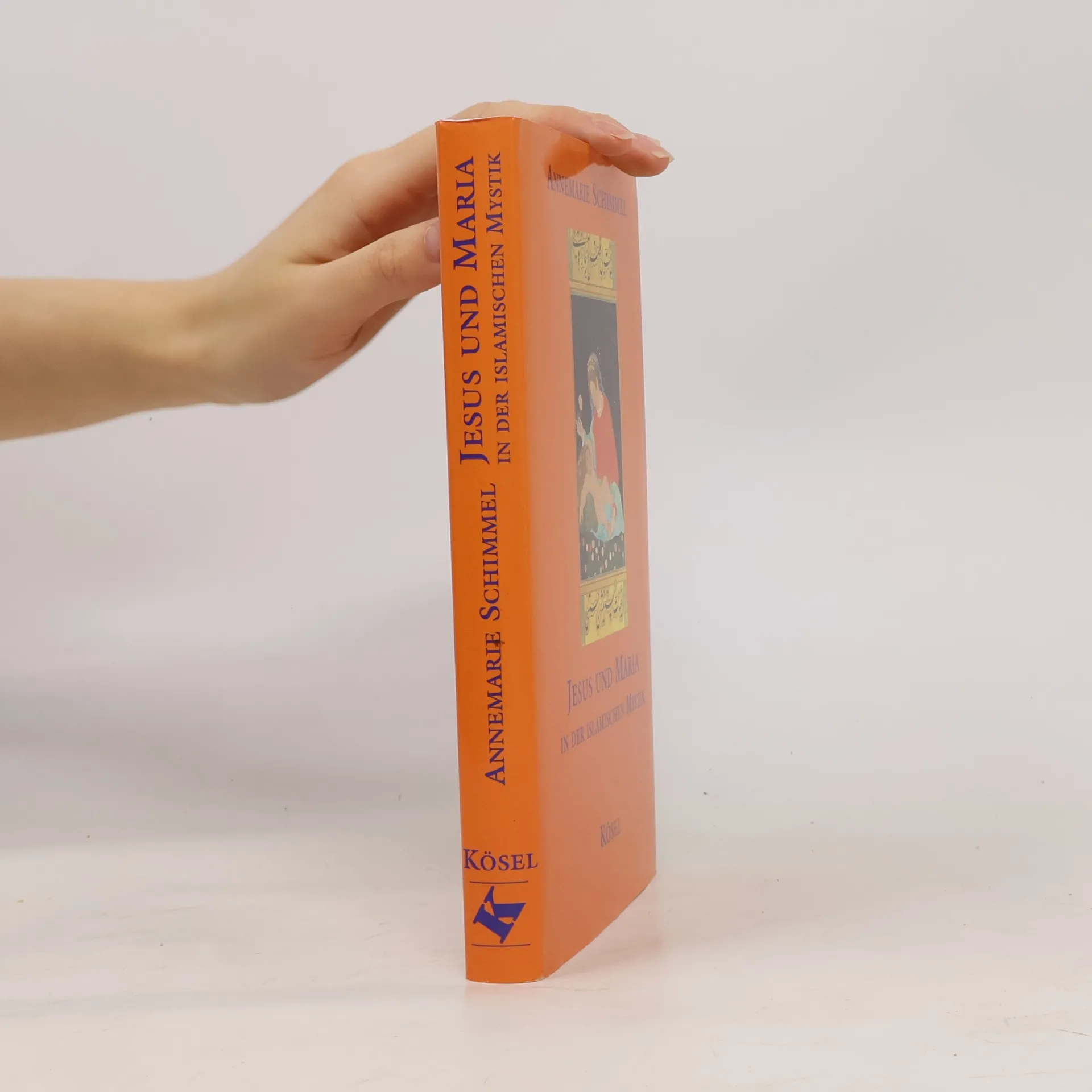
Es ist nicht verwunderlich, dass Muslime, insbesondere Sufis, sich für Jesus, den Sohn Marias, und seine Mutter interessieren. Die koranische Grundlage fördert diese große Liebe und Achtung. Wenn die Sufis im Osten und Westen der islamischen Welt dieses Thema behandeln, wird ihre Herangehensweise sicherlich unterschiedlich und etwas fremdartig sein. Dies wird der Leser im Verlauf seiner Reise mit diesem Buch erkennen, was zu ernsthaften Fragen über die Natur der islamisch-christlichen Beziehungen über die vergangenen Jahrhunderte führt und wie sie sich nun in dieser bedrückenden Situation darstellen. Es eröffnet auch Perspektiven für ein besseres Verständnis sowohl des Islam als auch des Christentums und der verwobenen Beziehungen zwischen den Botschaften der Propheten im Allgemeinen und speziell im Hinblick auf Islam und Christentum.
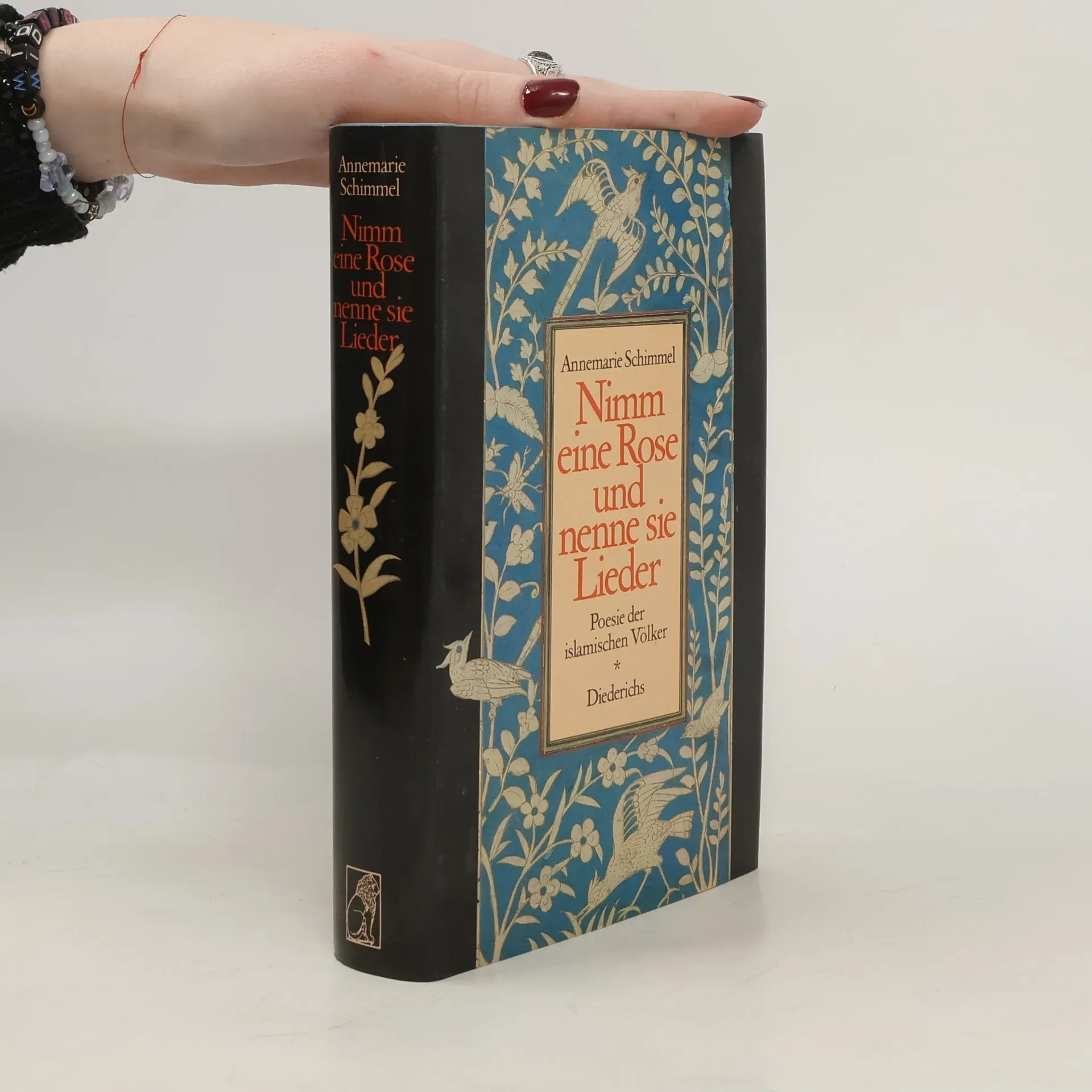
Die Poesie des islamischen Orients ist in der westlichen Welt nur zu einem Bruchteil bekannt. Annemarie Schimmel stellt in der vorliegenden Sammlung eine Dichtkunst vor, die bis zum heutigen Tag lebendig ist: "Was heißt denn Dichten? Ich will es dir sagen: Das Herzblut ziehen aus der Worte Adern!" (Ghalib)
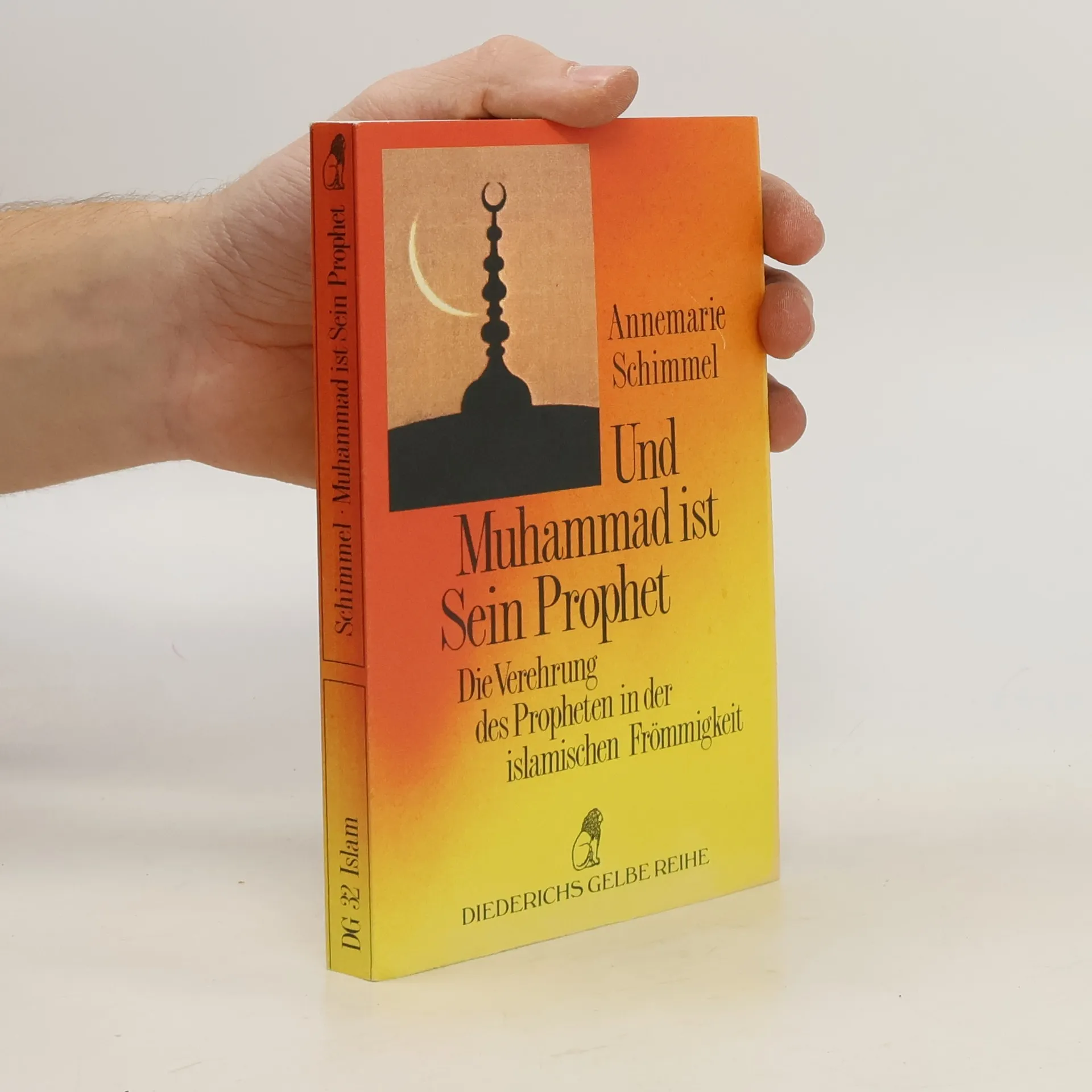
Seit mehr als vierzehn Jahrhunderten haben Muslime Tausende von Gedichten verfasst, um ihre Liebe und Sehnsucht nach ihrem Propheten auszudrücken. Unzählige Bücher wurden über Muhammad, den Überbringer der Liebe für das Universum, geschrieben. Selbst Goethe, der berühmte deutsche Dichter, hat Worte und Dramen zu Ehren des Propheten des Islam verfasst.
Dieses Buch untersucht die tief empfundene Liebe und Ehrfurcht der Muslime gegenüber ihrem Propheten, indem es auf originale Quellen aus verschiedenen Sprachen der islamischen Welt verweist. Die zentrale Stellung des Propheten Muhammad in der Lebensweise der Muslime wird durch die Betrachtung verschiedener Aspekte seines Lebens - seine vorbildliche Persönlichkeit, seine einzigartige Position, seine Geburt, seine Wunder, die Isra' Mi'raj, seine Beinamen sowie Geschichten und Legenden - dargestellt, die von Gelehrten, Sufis und Dichtern in Tausende von fesselnden Prosa- und Gedichtwerken kreativ und schön verarbeitet wurden.
Durch die Verwendung poetischer Texte und künstlerischer Ausdrücke sowie die Analyse religiöser Praktiken und Traditionen der Muslime zeigt die Autorin die subtileren Seiten der islamischen Religionskultur auf und vermittelt ein gutes Verständnis für diejenigen, die den Islam so verstehen und praktizieren möchten, wie es von seinen Anhängern gelebt wird.
Annemarie Schimmel, international renommierte Orientalistin, geboren 1922, lehrte zuletzt in Harvard und hat zahlreiche Publikationen zur islamischen Kultur und Geschichte vorgelegt.
Annemarie Schimmel, international renommierte Orientalistin, geboren 1922, lehrte zuletzt in Harvard und hat zahlreiche Publikationen zur islamischen Kultur und Geschichte vorgelegt. Die große Kennerin von Islam und Sufismus hat hier im Taschenbuch-Format eine reichhaltige Übersicht geliefert über die spirituelle Bedeutung der Katze in den Mythologien und Legenden des Orients bis hin nach Fernost. In dieser Bestandsaufnahme erscheint die Katze im Vorderen Orient wie im Fernen Osten weitgehend als Göttliches Wesen, das dem Menschen dient. Eine interessante Studie am Rande der großen Opera der Kulturgeschichte. Dieses Buch ist eine interessante, sicherlich lesenswerte Sammlung von Anekdoten, Sprüchen, Aussagen, Geschichten zum Thema Katze.
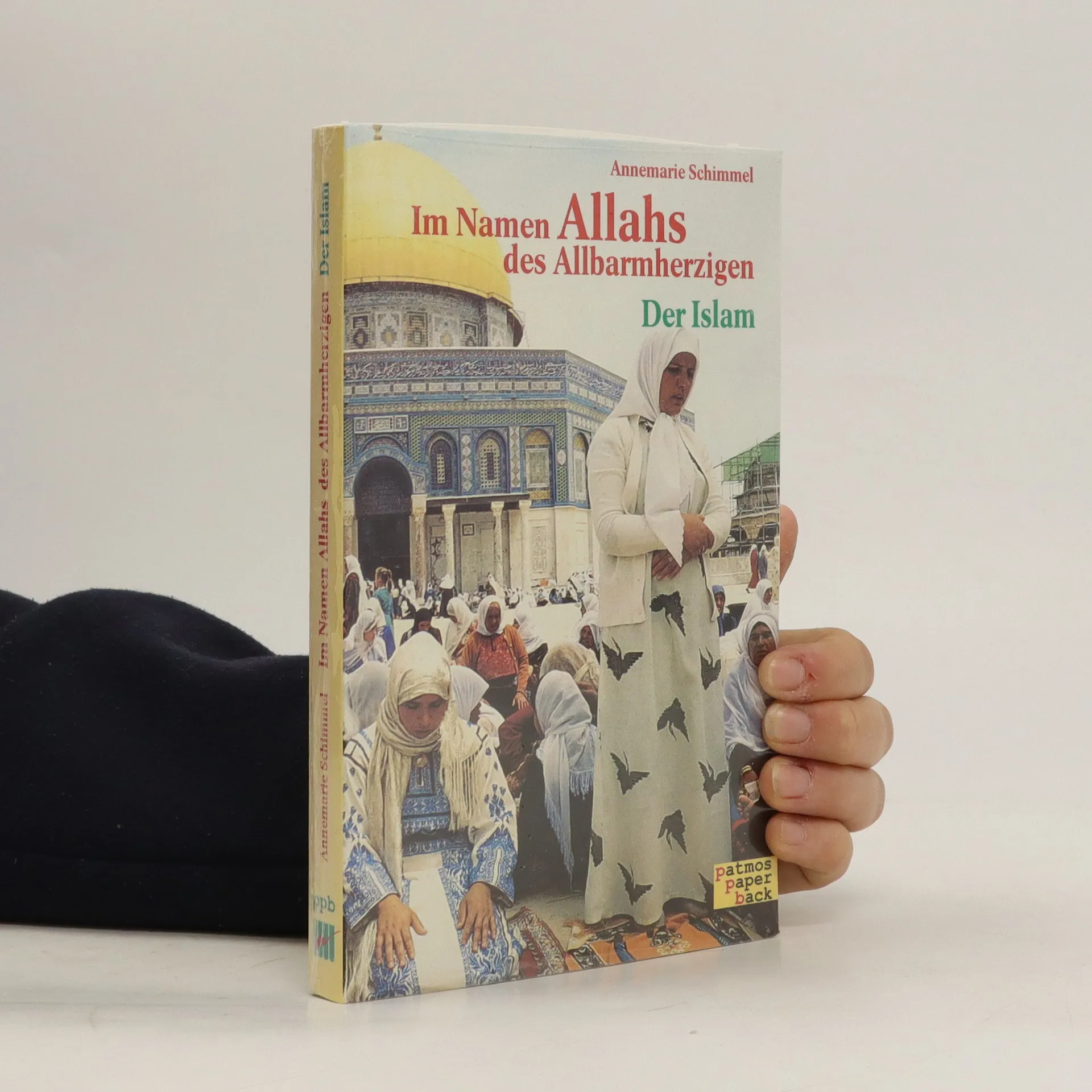
Ein Hauptverdienst der kleinen Schrift liegt in der Abgrenzung des moslemischen Glaubens zu anderen Religionen, besonders zum Christentum - aber auch in der Synopsis ihrer Gemeinsamkeiten. Westdeutsche Allgemeine ZeitungGut lesbare Einführung von der Entstehung des Islam bis hin zum aktuellen Wandlungsprozess in der moslemischen Welt. KurierDie Nachfrage nach Büchern über den Islam boomt. Vorher haben Islam und Christentum irgendwie nebeneinander hergelebt. Mit den Ereignissen vom 11. September sind Moslems und Christen nun, wie kaum zuvor, direkt aufeinandergeprallt. Doch wer ist dieses unbekannte Wesen Islam? (.)Einen traditionell deutschen kulturhistorischen Einstieg bietet die Altmeisterin der Islamwissenschaft Annemarie Schimmel in einem, gelben und zum Klassiker gewordenen Reclambändchen. Auch sie geht zunächst einmal auf die vielen Missverständnisse ein, die dem Islam im Laufe seiner Geschichte entgegengebracht worden sind. Gut ist ihr Schwerpunkt zur Philosophie und Theologie des Islam und der Ausblick am Ende über die neueren Entwicklungen in dieser Religionsgemeinschaft, was wiederum die Vielschichtigkeit dieses Glaubens zeigt. Neue Kirchenzeitung
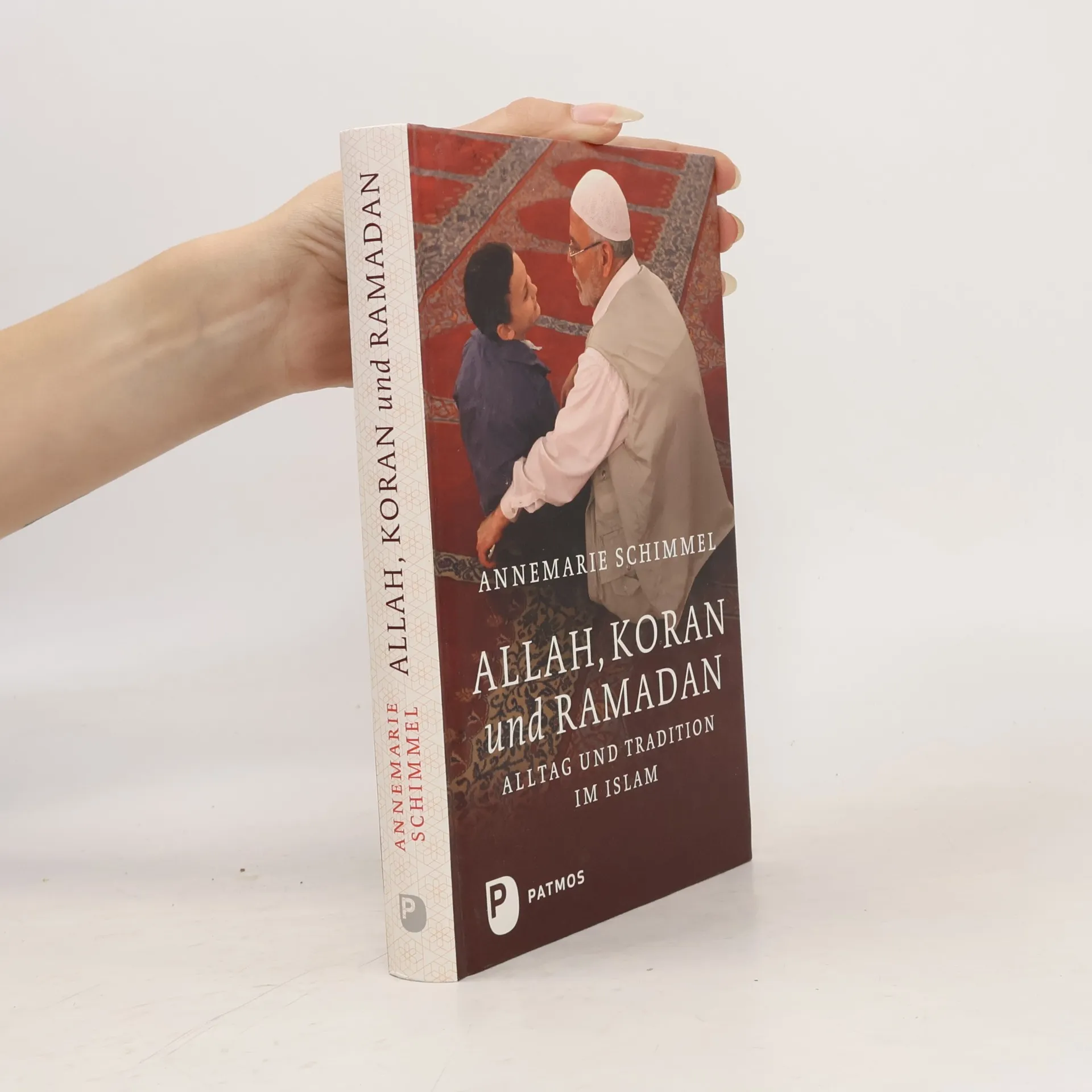
Angesichts der Religionsvielfalt, mit der wir in unserer multikulturellen Gesellschaft konfrontiert sind, wird die Auseinandersetzung mit den großen Weltreligionen immer wichtiger. Annemarie Schimmels Buch über den Islam informiert zuverlässig und räumt Vorurteile und Missverständnisse aus, die gegenüber dieser Weltreligion besonders groß sind. Die profunde Kennerin des Islam hat dazu alle relevanten Themen rund um den islamischen Alltag und die Tradition zusammengestellt und bietet einen umfassenden, aktuellen und leicht zu lesenden Überblick.
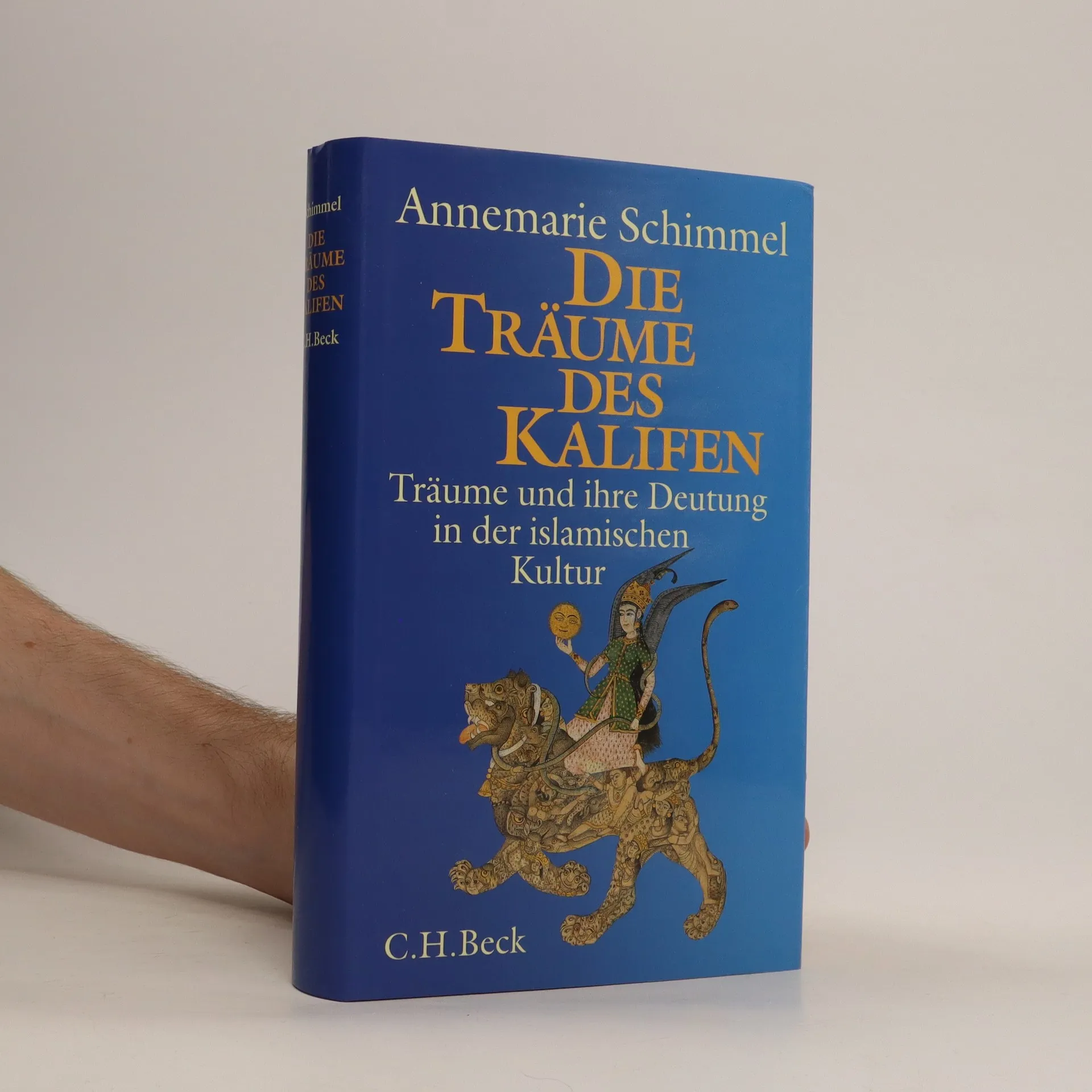
Annemarie Schimmel hat über Jahre Hunderte von Träumen und ihre Deutung aus der ganzen islamischen Welt gesammelt und ein umfassendes Nachschlagewerk daraus gemacht: einen schier unerschöpflichen Fundus anekdoten- und bildhafter Weltweisheiten, von dem wir ”moderne Menschen” meistens nur noch im Schlafe eine Ahnung bekommen.
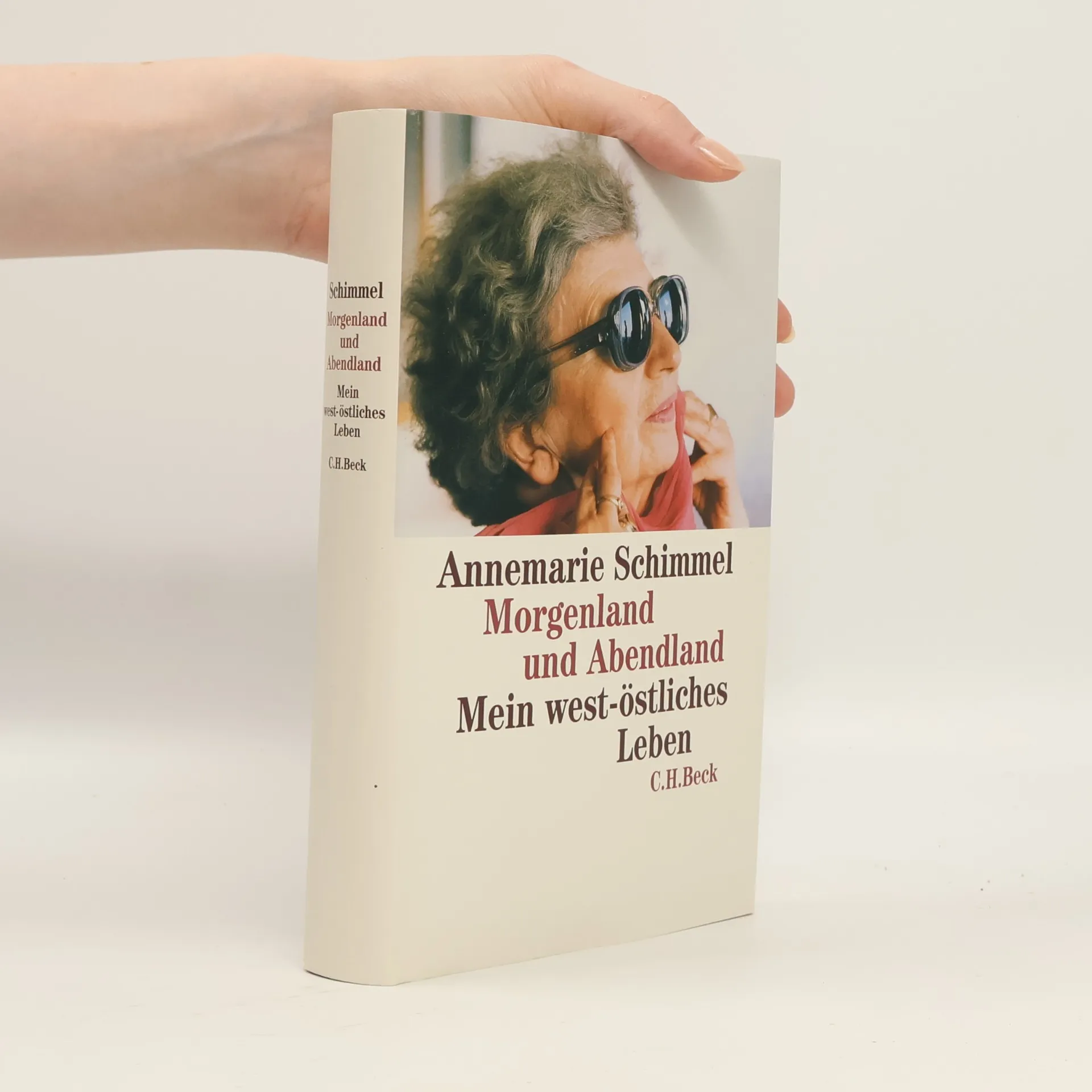
Das Leben der großen Orientalistin Annemarie Schimmel gibt viele Rätsel auf. Warum lernt ein Teenager im Dritten Reich mit Begeisterung Arabisch, um bereits mit 19, kurz nach Beginn des Zweiten Weltkriegs, in Islamwissenschaften promoviert zu werden? Wie wird eine junge Frau mit 23 Jahren Professorin in einem von Männern dominierten Fach, behauptet sich später in Ankara als Nicht-Muslimin auf einem Lehrstuhl der islamisch-theologischen Fakultät und dann auch noch im elitären Harvard? Warum sind heute im Orient Straßen und Plätze nach ihr benannt? Wer Annemarie Schimmels Autobiographie liest, wird das alles ganz natürlich finden. Denn nie waren der Orient und seine Sprachen, der Islam und seine Mystik nur distanzierte Forschungsobjekte für sie. Wie all dies seit ihrer Kindheit Teil ihres Lebens und sie selbst zur herausragenden Vermittlerin zwischen Orient und Okzident wurde, schildert Schimmel in ihrer warmherzigen, witzigen und poetischen Autobiographie. Sie verschweigt nichts von den Schwierigkeiten und Hindernissen - aber auch nichts von den Freuden und Genüssen eines wahrhaft west-östlichen Lebens.
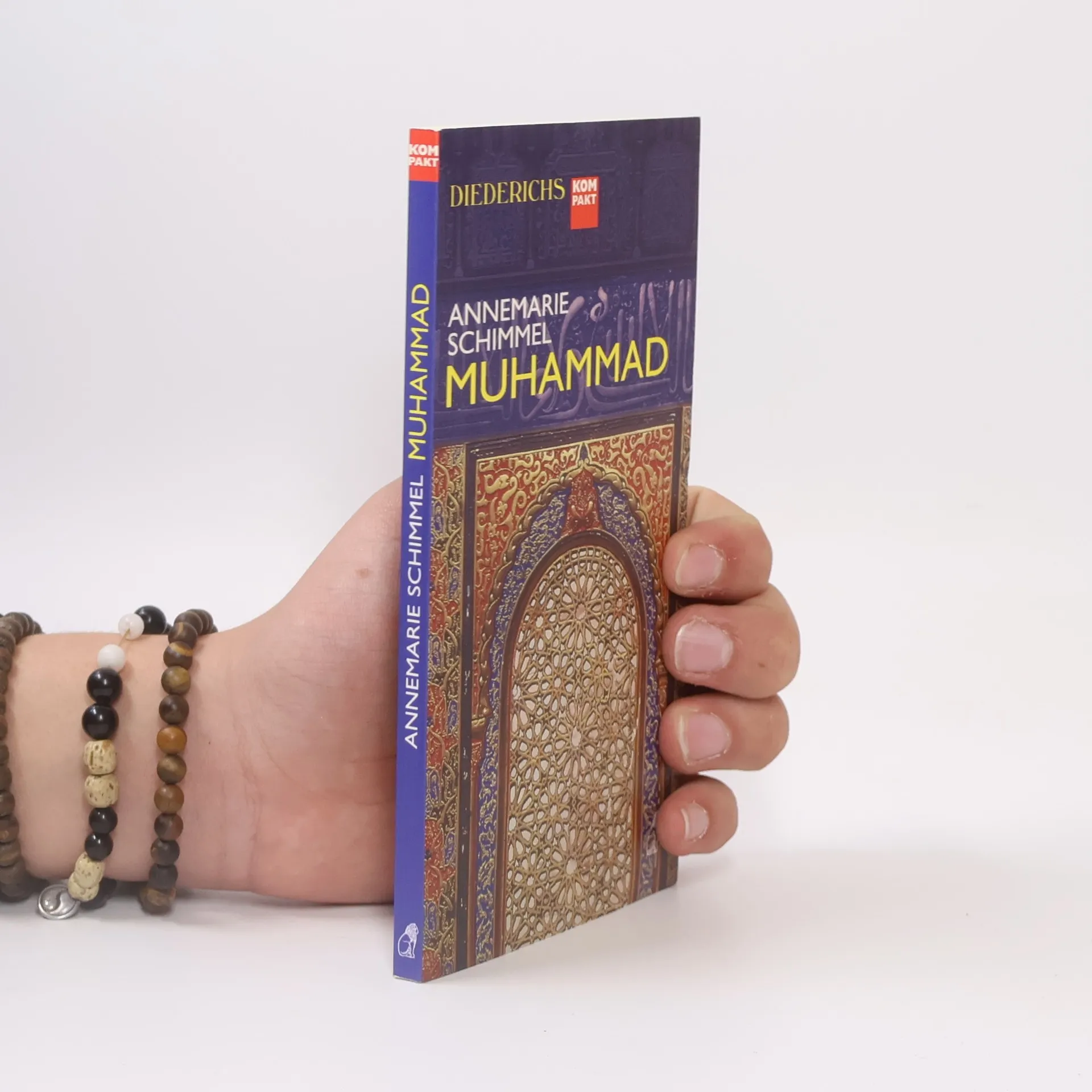
Muhammad (Mohammed), der Religionsstifter des Islam, wurde im Jahr 569 in Mekka geboren und starb 632 in Medina. Während der letzten 22 Jahre seines Lebens wurden ihm von einem Engel die Offenbarungen Allahs überbracht. Wer war die historische Person Muhammad? Wie hat er die Botschaften Allahs empfangen und den Koran geschaffen? Welche Bedeutung hatte er für die Entwicklung des Islam? Und wie wird Muhammad heute von den Muslimen in aller Welt verehrt?
Angesichts der Religionsvielfalt, mit der wir in unserer multikulturellen Gesellschaft konfrontiert werden, wird die Auseinandersetzung mit dem Westen der großen Weltreligionen immer wichtiger. Dieser Beitrag über den Islam will Wissenslücken schließen und Missverständnisse, die heute gerade dieser Religion gegenüber besonders groß sind, ausräumen. Annemarie Schimmel, eine profunde Kennerin des Islam, hat dazu alle Fragen, die man ihr immer wieder vorlegt, zusammengestellt und umfassend beantwortet.
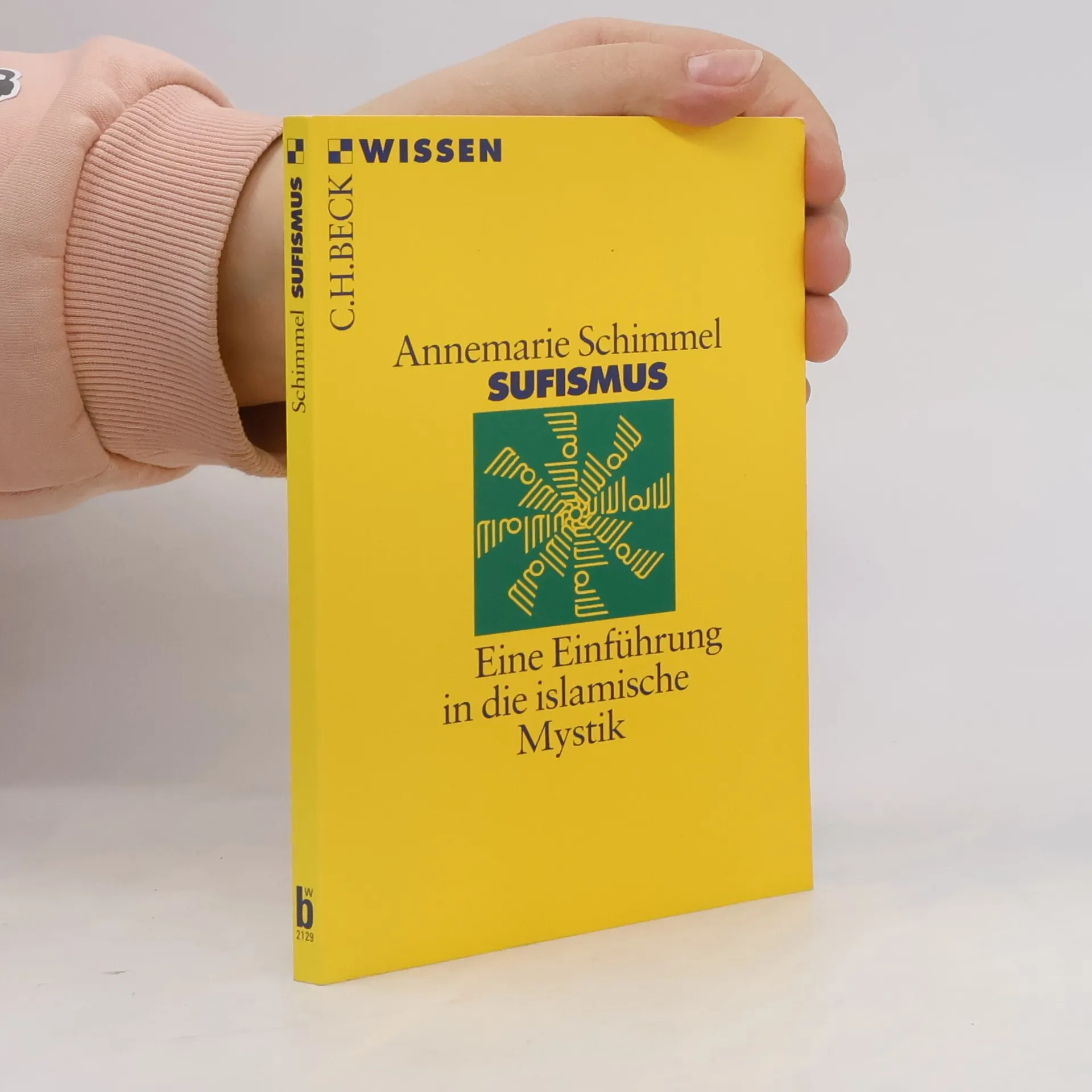
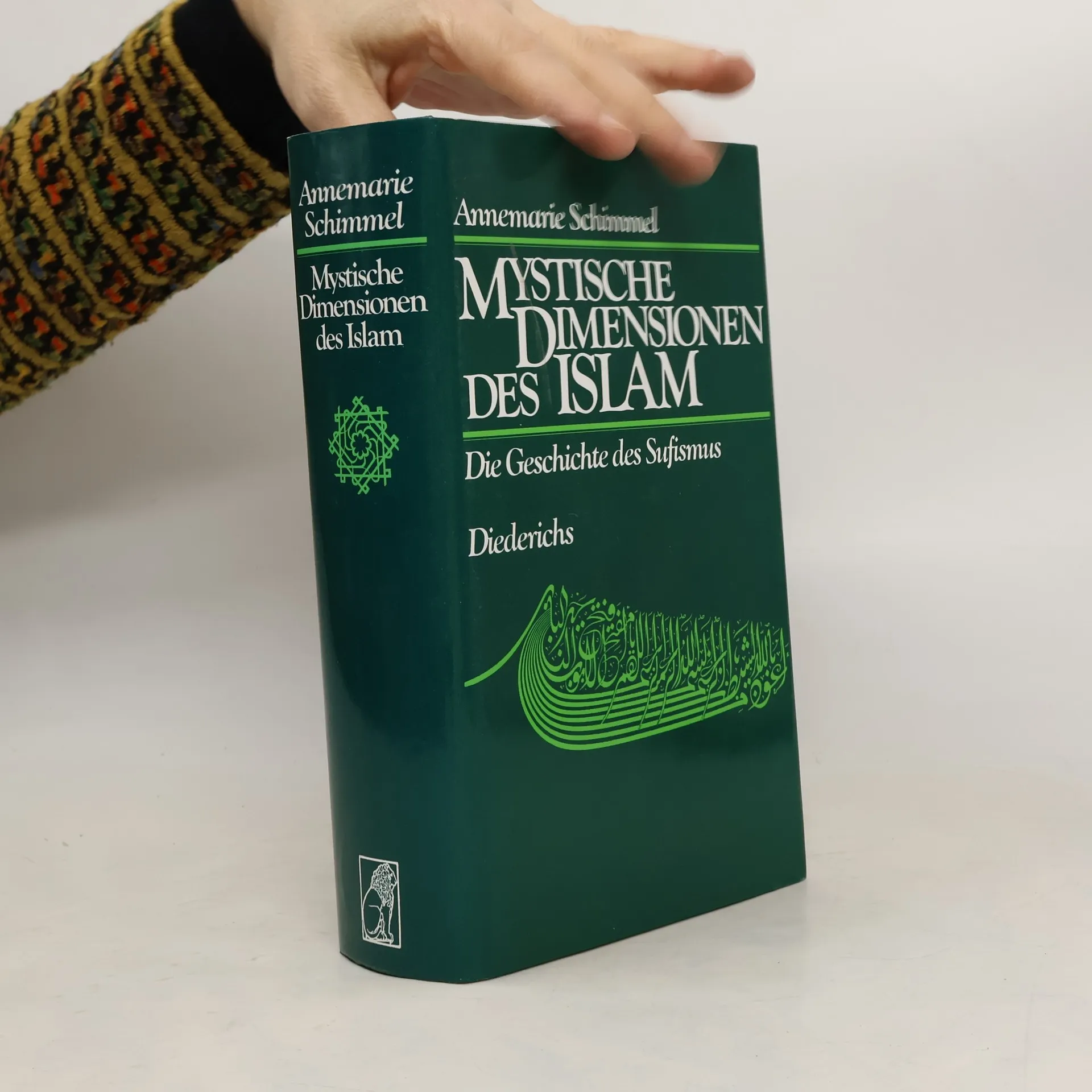
Die wandernden und tanzenden Derwische sind die augenfälligsten Vertreter des Sufismus, der sich im 8. Jahrhundert aus islamischen Wurzeln entwickelte und bis heute in zum Teil international organisierten Orden und Bruderschaften fortlebt. Annemarie Schimmel führt in die zentralen Begriffe der islamischen Mystik ein und schreitet die Stationen der Sufis auf ihrem Weg zu mystischer Gottesliebe und Gotteserkenntnis ab. Sie stellt die bedeutendsten Sufi-Heiligen sowie die wichtigsten Werke der klassischen Sufiliteratur vor und eröffnet ungeahnte Einblicke in die faszinierende Welt des Sufismus.
Über Jahrhunderte war dem deutschen Leser die islamische Lyrik aus Pakistan und Indien verschlossen, da sie - abgesehen vom Persischen - in einer Fülle von Sprachen überliefert wurde und wird, die wir in der Regel nicht verstehen. Die berühmte Orientalistin Annemarie Schimmel, die den indischen Subkontinent ein Leben lang erforscht und bereist hat, legt hier eine umfassende Auswahl von Gedichten vor, die sie selbst übersetzt und mit erklärenden Kommentaren versehen hat. Enthält: Gedichte aus dem Persischen Gedichte aus dem Urdu (Die „Pfeiler der Urdu-Dichtung“; Aus der Schule von Lucknow) Gedichte aus dem Sindhi Gedichte aus dem Pandschabi Gedichte aus dem Paschto
Zahllose Reisen hat die bekannte Orientalistin und Religionswissenschaftlerin Annemarie Schimmel durch den indischen Subkontinent unternommen - im Jeep, auf dem Kamelrücken oder im Hubschrauber. Sie erlebte grandiose Landschaften, interessante Metropolen und vor allem die Zeugnisse islamischer Mystik und mittelalterlicher Geschichte: Sufiheiligtümer, Klöster, Mausoleen, Burgen, Schlösser. Die Leser ihres Reisebuchs lernen aber auch die Menschen kennen, Einheimische, die die Autorin auf ihren Erkundungen begleiteten. Annemarie Schimmel (1922-2003), Prof. Dr. h.c. mult., Professorin für Orientalistik und Schriftstellerin, lehrte das Fach Indomuslimische Kultur an der Harvard University in Cambridge/Massachusetts. Sie gilt bis heute international als eine der bedeutendsten Islamforscher und -forscherinnen. Zahlreiche Auszeichnungen und Ehrendoktorwürden, Friedenspreis des Deutschen Buchhandels (1995), Reuchlinpreis (2001).
Zum Rückert-Jahr 2016: Die Neuausgabe von Annemarie Schimmels grundlegender Biographie. Der Dichter und Orientalist Friedrich Rückert (1788-1866) war einer der frühesten Vermittler arabischer und persischer Dichtung in Deutschland. Als Gelehrter und Übersetzer nah- und fernöstlicher Lyrik hat er der deutschen Sprache einen Schatz geschenkt, den keine andere Sprache besitzt (Annemarie Schimmel). Auch Rückerts eigenes poetisches Werk ist Sein (aus dem Nachl veröffentlichtes) Liedertagebuch ist das größte Poesiewerk des 19. Jahrhunderts. Gustav Mahlers Vertonung der berührenden Kindertotenlieder machte diese Gedichte zum deutschen Kulturerbe. Die Islamwissenschaftlerin Annemarie Schimmel hat die Stationen von Rückerts Leben nachgezeichnet und sein Werk für heutige Leser erschlossen.
Annemarie Schimmel bietet in diesem Buch einen umfassenden Einblick in das komplexe und vielschichtige System von Rhetorik und Bildern, das von Dichtern im Iran, im Osmanischen Reich und im muslimischen Indien verwendet wird. Sie zeigt, dass diese seit Jahrhunderten verwendeten Bilder im Laufe der Zeit perfektioniert wurden und die sich verändernden Bedingungen in der islamischen Welt widerspiegeln. Schimmel argumentiert, dass die persische Literatur in den Regeln der Sprache verwurzelt und ihren Traditionen verpflichtet ist, ohne zu persönlich zu sein. Idealerweise sollte jede perfekt gestaltete Zeile wie ein facettenreicher, kostbarer Stein sein und die dynamische Beziehung zwischen der Realität des Alltags und dem Abstrakten widerspiegeln. Schimmel zeigt, dass die persische Literatur im Kern die Welt in ein Netz von Symbolen verwandelt, die in der islamischen Kultur verwurzelt sind.
Eine Einführung für alle, die mehr über den Islam erfahren wollen als die gängigen Schlagworte, verfasst von einer der besten Kennerinnen des Islam in Deutschland.
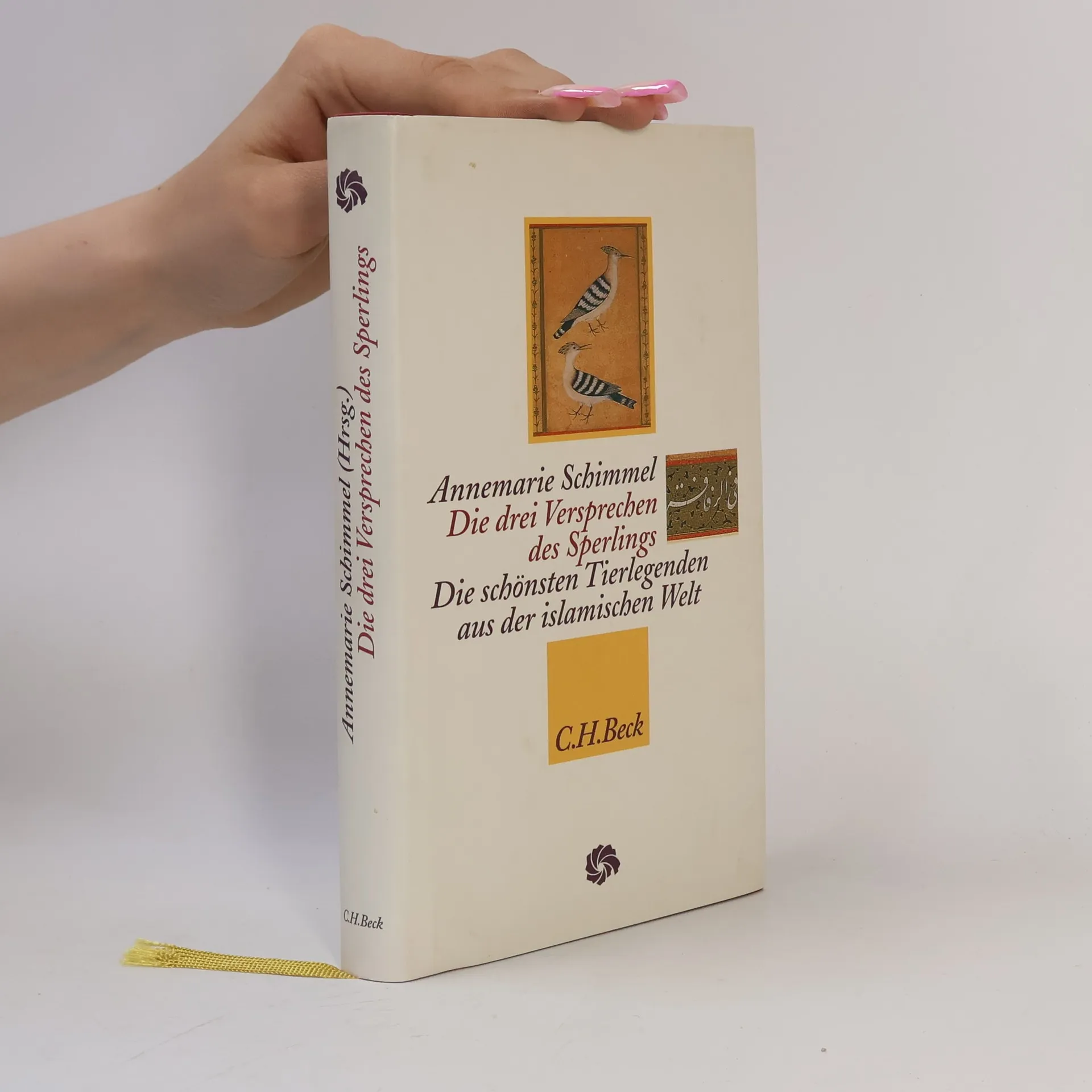
Die schönsten Tierlegenden aus der islamischen Welt
332 stránek
12 hodin čtení
Vom kleinsten Getier, sei es die Ameise oder der Floh, über das luftige Reich der Vögel bis hin zu den starken und großen Tieren, dem mächtigen Elefanten oder dem stolzen Löwen, geht die Reise durch die Fabelwelt des islamischen Kulturraumes. Die berühmte Orientalistin Annemarie Schimmel eröffnet dem Leser in diesem Band Einblicke in de faszinierende Vorstellungswelt islamischer Tierlegenden. Eine ausführliche Einleitung und erläuternde Kommentare erörtern den kulturgeschichtlichen Hintergrund der ausgewählten Fabeln, Anekdoten und Legenden. Der Rosengarten - entstanden im 13. Jahrhundert - ist das wohl populärste Werk der klassischen persischen Literatur. Es wurde schon zu Lebzeiten Sa'dis weit über die Grenzen seines Heimatlandes bekannt und gehört heute zu den herausragenden Werken der Weltliteratur. Scheich Muslih ad-Din Sa'di (um 1192 bis 1292) gibt darin den Erfahrungen und Erlebnissen Ausdruck, die er auf dreißigjähriger Wanderschaft im Gewand eines Derwischs durch die verschiedenen Länder des Orients gesammelt hat. Dieter Bellmann hat diesen Klassiker auf Grund der Übersetzung von Karl Heinrich Graf neu bearbeitet und geht in einem ausführlichen Nachwort auf Sa'dis Leben und Werk ein.
Der Traum vermittelt uns Bilder und Symbole, die aus einer höheren Welt in unser Bewußtsein dringen. Oft ist es nur die chaotisch erscheinende Verarbeitung des Tagesgeschehens, mitunter erhalten wir aber Botschaften, die uns in bildhafter Form auf eine ungeahnte Krankheit, ein seelisches Defizit oder auf eine Konfliktsituation hinweisen. Seltene Perlen sind es, wenn einem Verstorbene oder geistige Wesen im Traum erscheinen, um etwas mitzuteilen, wenn man in einem Wahrtraum ein zukünftiges Ereignis vorausschaut oder wenn man sich in einem luziden Traum bewußt wird, daß man träumt. - Dieses Buch ist ein Leitfaden durch die bunte, vielgestaltige und oft verwirrende Welt der Träume. Es handelt von den Entstehungsursachen, von der Bedeutung und Symbolik des Traumes, von Traumdeutung und Traumerinnerung, von den verschiedenen Traumforschungsansätzen, den Träumen in älteren Kulturen, der Traumwelt im Islam und von der anthroposophischen Bedeutung des Traumlebens. Ein traumhafter Lesestoff mit vielen Beispielen.