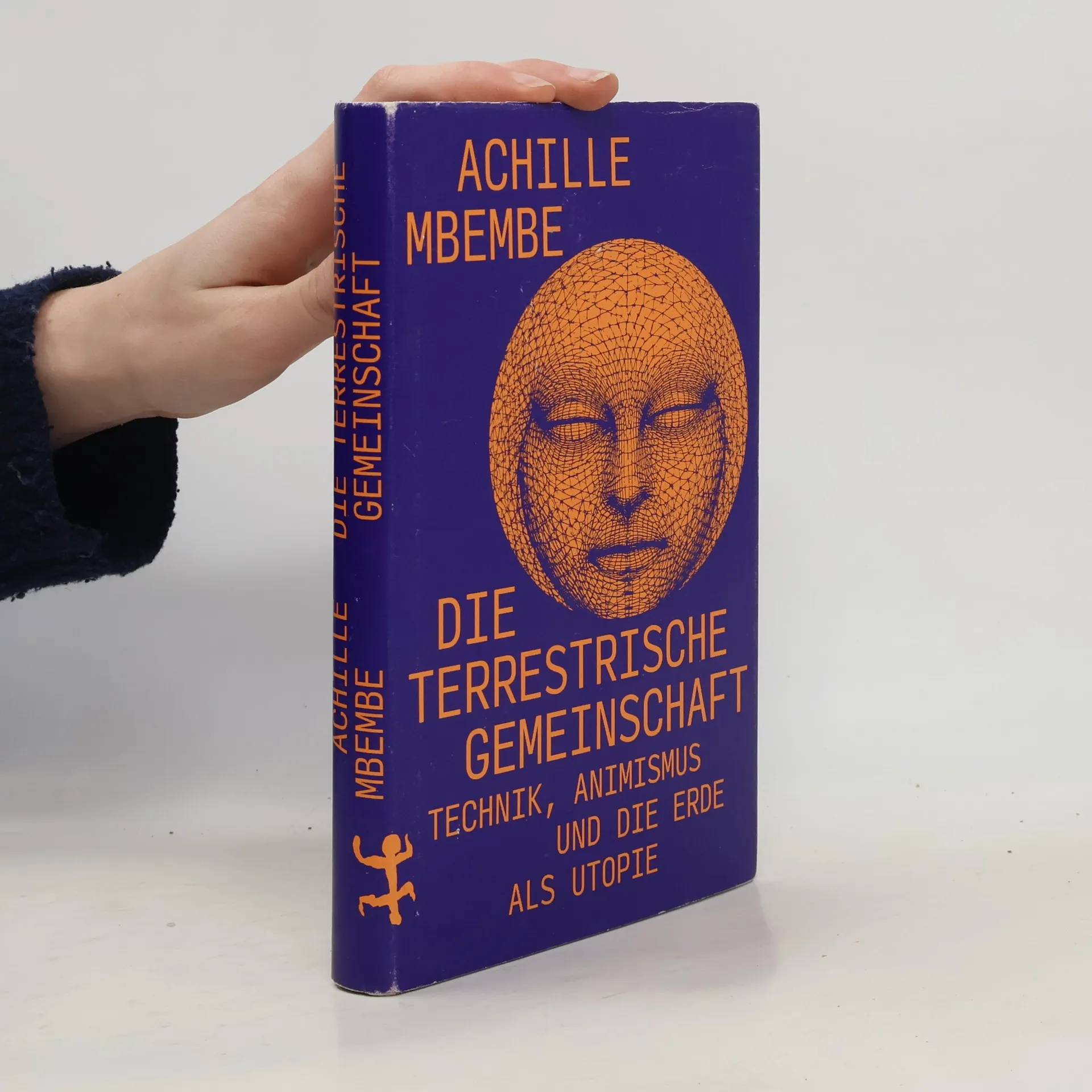
Die terrestrische Gemeinschaft
Technik, Animismus und die Erde als Utopie


Achille Mbembe je kamerunský filozof a politický teoretik, který se ve své práci zaměřuje na historii a politiku Afriky. Jeho analýzy se hluboce ponořují do postkoloniálních podmínek a procesů formování moderní Afriky. Mbembeho spisy zkoumají vznik nových forem moci a subjektivity v postkoloniálním kontextu. Jeho práce je klíčová pro pochopení složitých společenských a politických dynamik současné Afriky a globálního jihu.

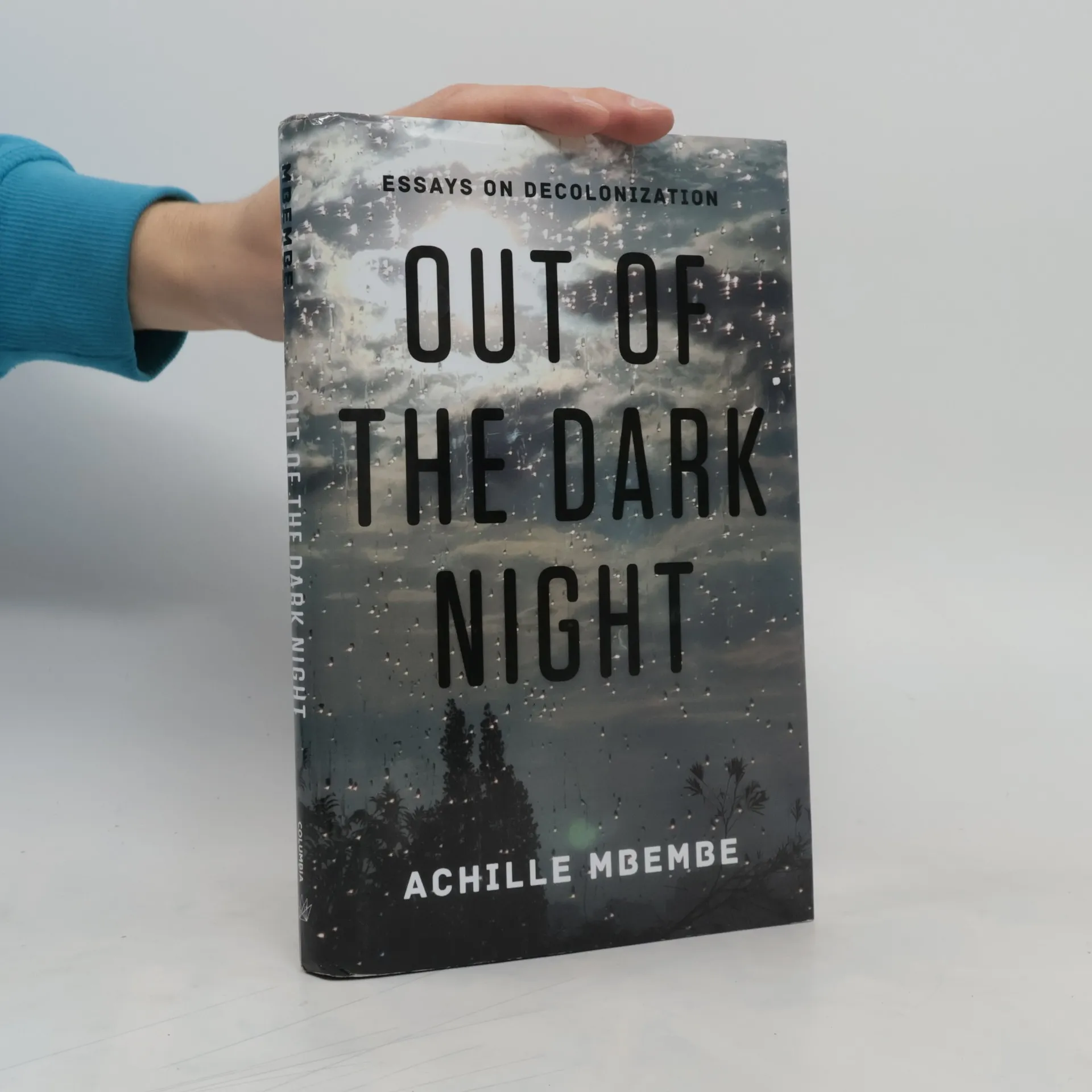


Technik, Animismus und die Erde als Utopie
Die Analyse von Achille Mbembe beleuchtet die gesellschaftliche Obsession mit Feindschaft und deren Wurzeln in den Konflikten der Entkolonialisierung des 20. Jahrhunderts. Er argumentiert, dass der Krieg zur dominierenden Erfahrung unserer Zeit geworden ist, was zu einem dauerhaften Ausnahmezustand führt und die liberalen Demokratien untergräbt. In Anbetracht globaler Migrationsbewegungen kritisiert Mbembe den rückwärtsgewandten Nationalismus und fordert eine neue, humanitäre Politik, die auf Zusammenhalt und Menschlichkeit abzielt.
Achille Mbembe invokes the architectural aesthetic of brutalism to describe our moment, caught up in the pathos of demolition and production on a planetary scale, arguing that the solution is to develop a new planetary consciousness and a community of humans in solidarity with all living things.
"The second volume of a path-breaking work that makes available new forms of critical thought emerging from Africa"-- Provided by publisher
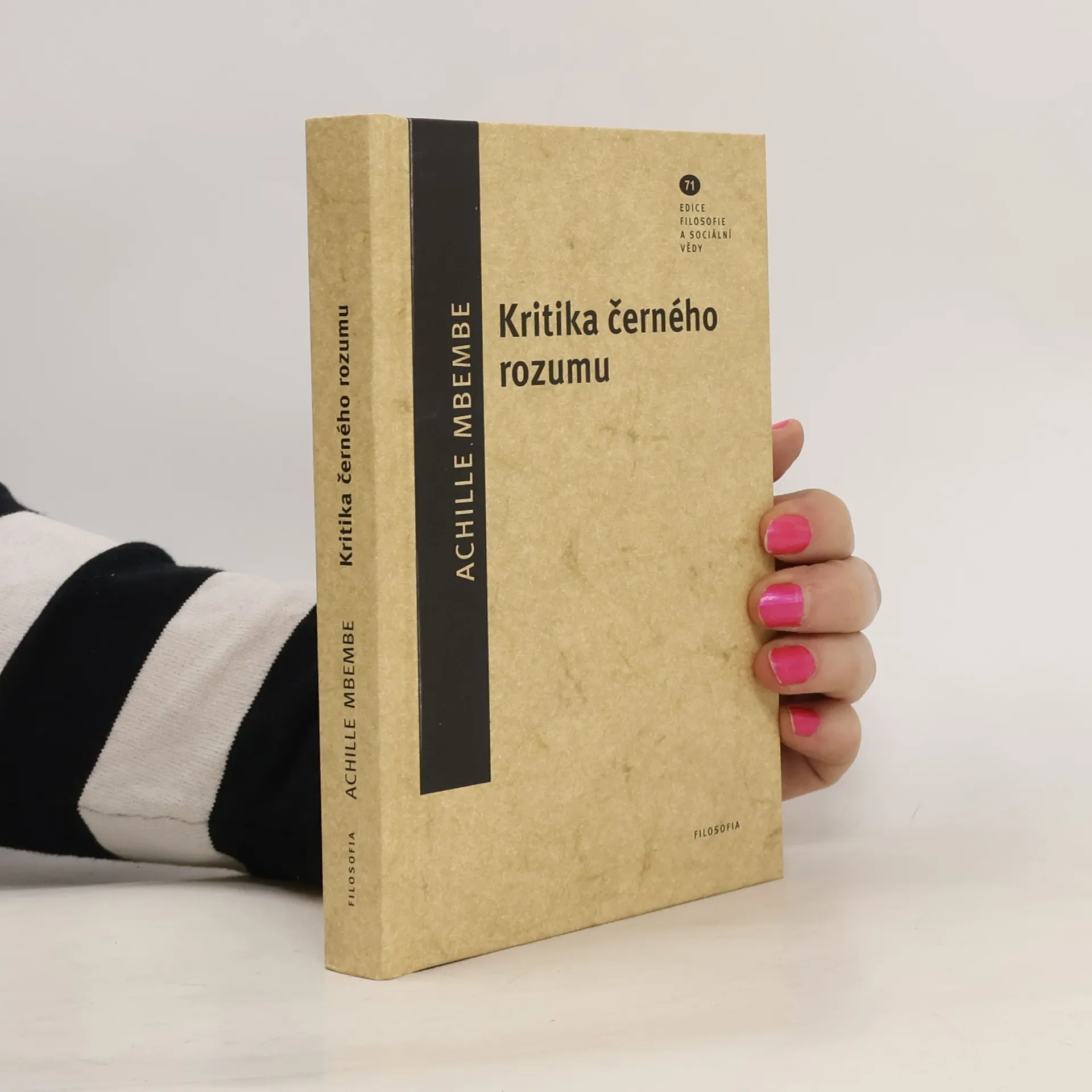
Profesor Achille Mbembe patří k současným nejvýznamnějším africkým filosofům. Pochází z Kamerunu, nyní působí na University of the Witwatersrand v Jihoafrické republice. Jeho kniha poskytuje filosofickou genealogii konceptu černošství. Zkoumá historické nespravedlivosti, jakými byl obchod s otroky a kolonialismus, jakož i aktuální globální systém. Kriticky analyzuje konstrukci rasy v souvislosti s tím, co nazývá černým rozumem.
Achille Mbembe theorizes the genealogy of the contemporary world-one plagued by inequality, militarization, enmity, and a resurgence of racist, fascist, and nationalist forces-and calls for a radical revision of humanism a the means to create a more just society.
Ce livre est le fruit d'un appel lancé par Patrick Chamoiseau et Michel Le Bris pour un meilleur accueil des migrants en France, lors du Festival Étonnants Voyageurs en 2017. Vingt-six écrivains ont répondu en envoyant nouvelles, poèmes, témoignages et essais. Les contributions de Lola Lafon, Chantal Thomas, Mathias Énard, et d'autres, explorent des récits de migrations, d'exils, de familles brisées et d'espoirs, parfois avec humour, comme dans "Mots en fuite" de Tahar Ben Jelloun, où des mots étrangers quittent le dictionnaire en signe de protestation. Léonora Miano offre une vision d'anticipation en 2086, abordant un choc de civilisations. D'autres textes évoquent des violences et des barbaries, notamment ceux de JMG Le Clézio et Patrick Boucheron, posant la question de ce que nous sommes prêts à faire pour rester humains. Le livre se termine sur une note d'espoir avec le Manifeste de Mireille Delmas-Marty et la Déclaration des poètes de Patrick Chamoiseau, plaidoyers pour une hospitalité transformée. En reversant leurs droits au GISTI, ces auteurs s'engagent pour un monde plus altruiste, affirmant une éthique active de la relation.
Achille Mbembe is one of the world's most profound critics of colonialism and its consequences. In Out of the Great Darkness, he offers a rich analysis of the paradoxes of the postcolonial moment that points toward new liberatory models of community and humanity.
Eminent critic Achille Mbembe reevaluates history and racism, offering a capacious genealogy of the category of Blackness-from the Atlantic slave trade to the present-to show how the conjoining of the biological fiction of race with definitions of Blackness have been and continue to be used to uphold oppression.
Druhý díl série Postkoloniální myšlení I–IV, navazující na překlad knihy Frantze Fanona, se zaměřuje na historické východisko postkoloniálního myšlení jako emancipačního programu druhé vlny dekolonizace. Tento proces, probíhající v Asii a Africe od konce druhé světové války do poloviny sedmdesátých let, byl na Západě vnímán jako rozklad evropských imperiálních říší. Autoři v knize vyjadřují perspektivu osvobození od koloniální nadvlády a systémů útlaku. Klíčovou otázkou je postkoloniální identita a konstrukce nové politiky identity: bude vycházet z národního esencialismu, nebo z konstruktivistického pohledu na národ jako myšlené společenství? Tyto nekompatibilní koncepce reflektují problémy, které se objevují i v kontextu postsocialistické transformace po roce 1989. Publikace zahrnuje klasické texty, které definují témata univerzality, diference, rezistence a jazyka jako struktury moci. Specifikum výběru spočívá v dvou místních aspektech pohledu na postkoloniální situaci: roli autora a dědictví totalitního režimu, které formovalo stereotypy ideologií.
A collection of essays that contests diehard Africanist and nativist perspectives as well as some of the key assumptions of post colonial theory. It is suitable for an interdisciplinary arena of scholarship on colonial and post colonial discourse, history, anthropology, philosophy, political science, psychoanalysis, and literary criticism. schovat popis