

This is the second volume of the new Rutgers Lectures in Philosophy series, which publishes lectures of prominent intellectuals and philosophers delivered annually on the Rutgers New Brunswick campus. Sir Richard Sorabji here examines free speech through a historical lens from antiquity up to today. He first traces the concept's origins in ancient India, Rome, and Greece, and follows its evolution through early Christian, medieval, and Arabic philosophy. He then evaluates historical threats to free speech in literary, political, and religious contexts, and various legal constraints that have attempted to protect it. He discusses the tension between the benefits of free speech and its frustations and abuses, and argues for the use of voluntary self-restraint on such speech that frustrates its benefits, citing for example the art identified by Gandhi as "opening ears." Finally, he closes with an analysis of free speech on social media and the abuse of personal data and voter manipulation. With Freedom of Speech and Expression, Sorabji provides a comprehensive overview of the topic informed by his distinct philosophical analysis and perceptive commentary.
Richard Sorabji Pořadí knih (chronologicky)



Epagógé a epistémé
- 160 stránek
- 6 hodin čtení
Sborník zkoumá některé aspekty Aristotelovy filozofie a logiky.
Podrobný komentář k základnímu pojednání filosofie času s překladem a řeckým textem.
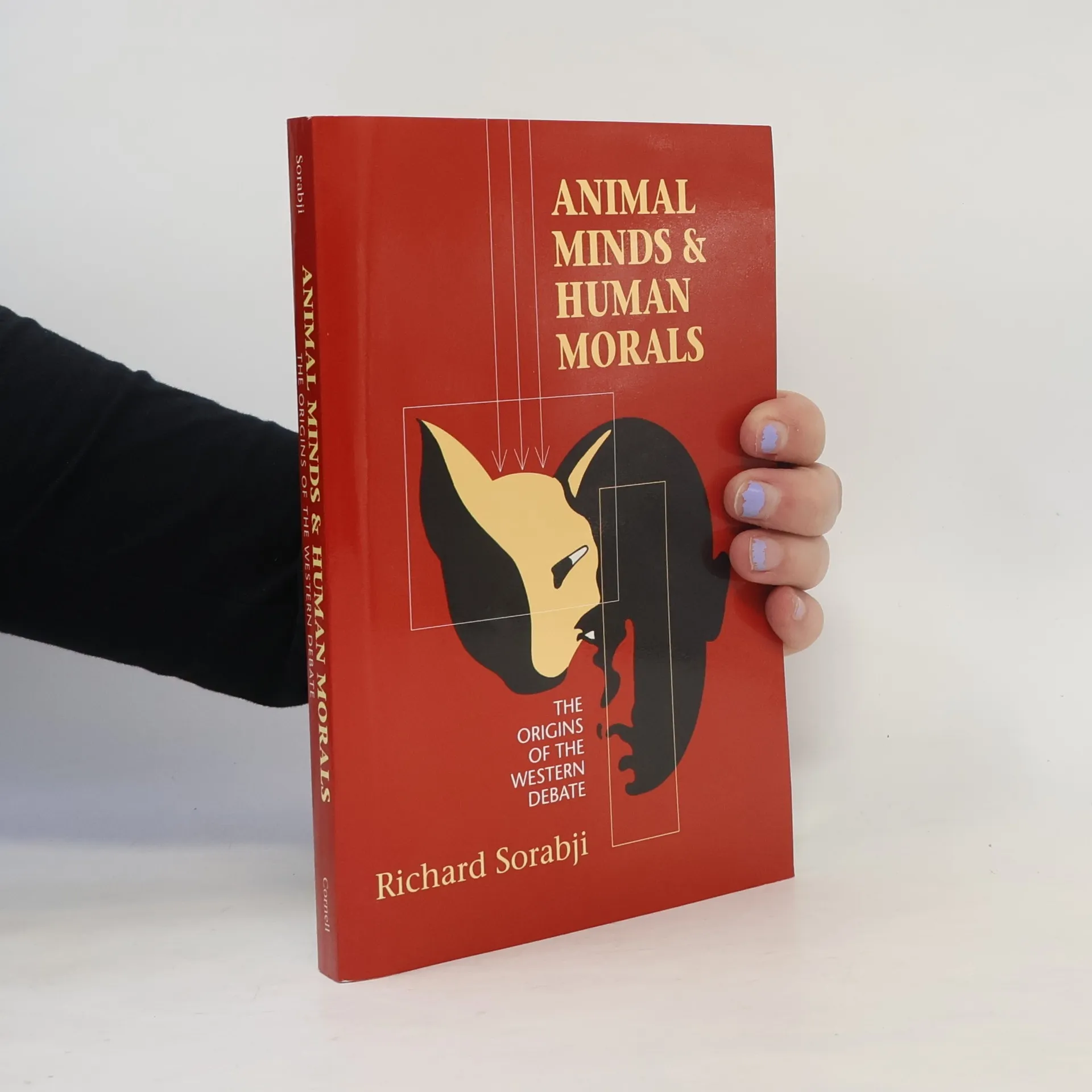
Cornell Studies in Classical Philology-Townsend Lectures - 54: Animal Minds and Human Morals
The Origins of the Western Debate
- 272 stránek
- 10 hodin čtení
"They don't have syntax, so we can eat them." This conclusion, attributed to the Stoic philosophers, stems from Aristotle's argument that animals lack reason. Richard Sorabji explores the origins of our thinking about animals, tracing it back to Aristotelian and Stoic beliefs. He highlights a recurring theme in ancient philosophy regarding the mind, revealing that contemporary debates on animal rights are merely the latest chapter in a long history of discourse. Sorabji examines a wide array of Greek philosophical texts, discussing how classical views on animals intersect with key ethical questions and the definition of human rationality. He delves into the nature of concepts, the distinction between perceptions and beliefs, and the relationships among memory, intention, emotion, and reason. Additionally, he investigates the significance of ritual sacrifice and meat consumption within the religious contexts of ancient Greece and medieval Western Christendom. The book also critiques modern defenses of animal rights from thinkers like Peter Singer, Tom Regan, and Mary Midgley. By illuminating traditional arguments about animal status and addressing contemporary moral dilemmas, this work is essential for scholars and students in ancient philosophy, ethics, and related fields, as well as anyone concerned about our relationship with other species.