Tento australský autor je mistrem komediálního stylu, který si získal oblibu u dětí i dospělých. Jeho díla se vyznačují neotřelým humorem a bystrým pozorováním lidské povahy. Předtím, než se stal uznávaným autorem dětských knih, měl za sebou pestrou kariéru, která zahrnovala psaní scénářů pro televizi a film, a dokonce i psaní pro slavné umělce. Jeho knihy jsou celosvětově úspěšné a často se dočkávají adaptací pro divadlo i film, což svědčí o jejich nadčasové přitažlivosti a univerzálních tématech.
Když mi nacisté vzali rodiče, byl jsem vyděšený. Když zabili mou kamarádku, byl jsem vzteky bez sebe. Když jsem se přidal k partyzánům, abych jim pomohl porazit nacisty, naplnila mě naděje.
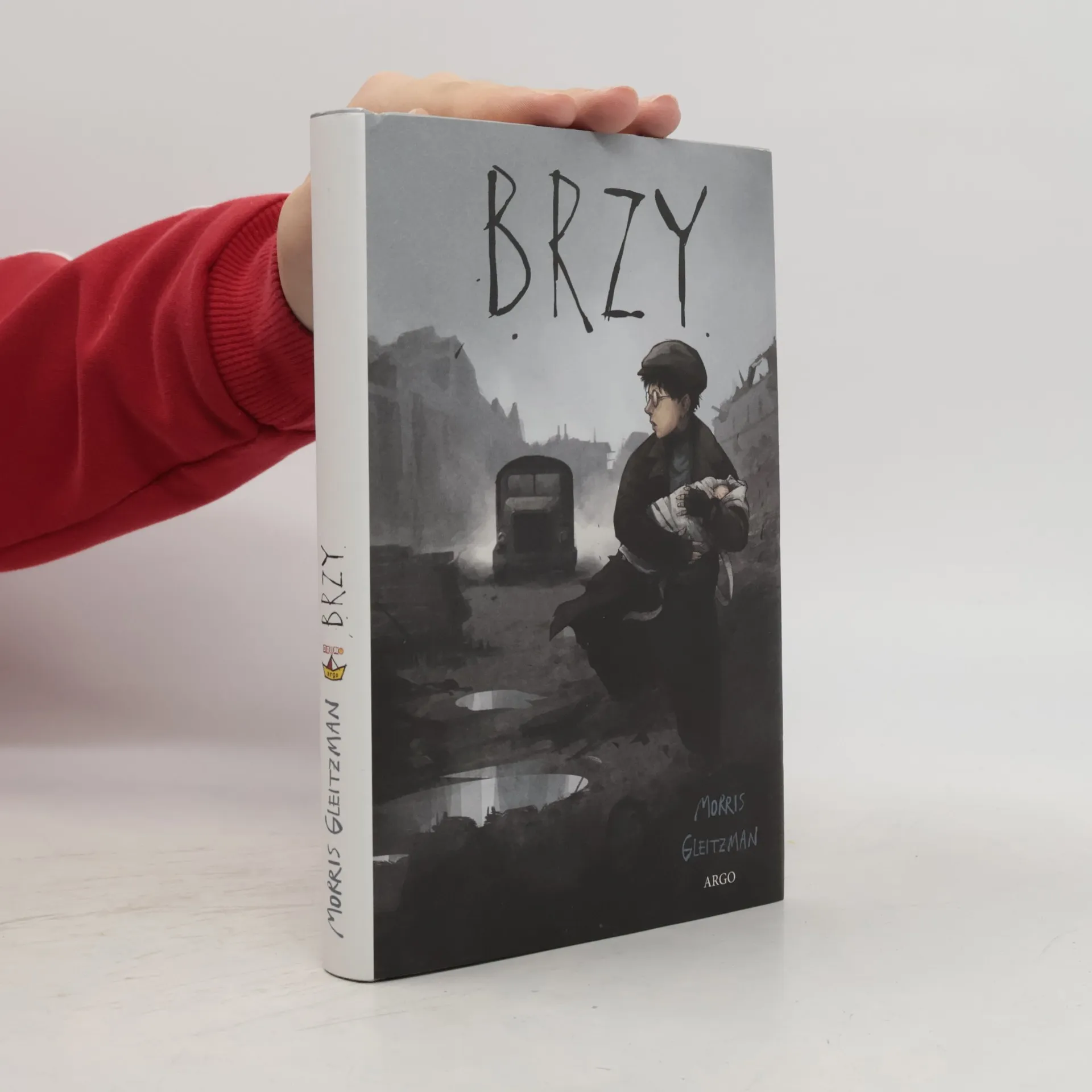
Brzy, říkal jsem, budeme v bezpečí. Mýlil jsem se. Brzy vypráví o dalších osudech židovského sirotka Felixe a časově navazuje na předešlé díly Kdysi, Potom a Když. Život v poválečném, osvobozeném Polsku nebyl šťastný ani bezpečný, všude vládl chaos, země i lidé byli zbědovaní, morální hodnoty v troskách. Felix čelí velkému zklamání, jeho naděje i optimismus pohasínají a střídá je vystřízlivění.
Colinovi je dvanáct a láká ho všechno, co se dá vědecky prozkoumat a objasnit. Také má mladšího bratra Luka a má ho moc rád, i když ho pěkně štve, jak mu rodiče pořád nadržují. Jednoho dne - zrovna o Vánocích - postihne Luka uprostřed hraní podivná nevolnost.
Výsledek vyšetření je bohužel nepříznivý. Colin, kterého rodiče pošlou na nějaký čas k příbuzným do Londýna, ale nehodlá trpně čekat. Píše kvůli Lukovi i samotné královně a dokonce se pokusí k ní vloupat, jen aby pro brášku získal toho nejlepšího doktora na světě. Při shánění pomoci se také seznámí s mladíkem Tedem, který denně navštěvuje svěho nevyléčitelně nemocného přítele. A právě toto setkání mu otevře oči - pochopí, že jeho místo je vedle Luka, a vymůže si návrat domů, do Sydney.
Kniha o smíření se s nevyléčitelnou nemocí člena rodiny, o ujasnění vztahu mezi sourozenci a nalezení místa v rodině, o pochopení, že někdy ani snaha a pevná vůle nemůže nic změnit.
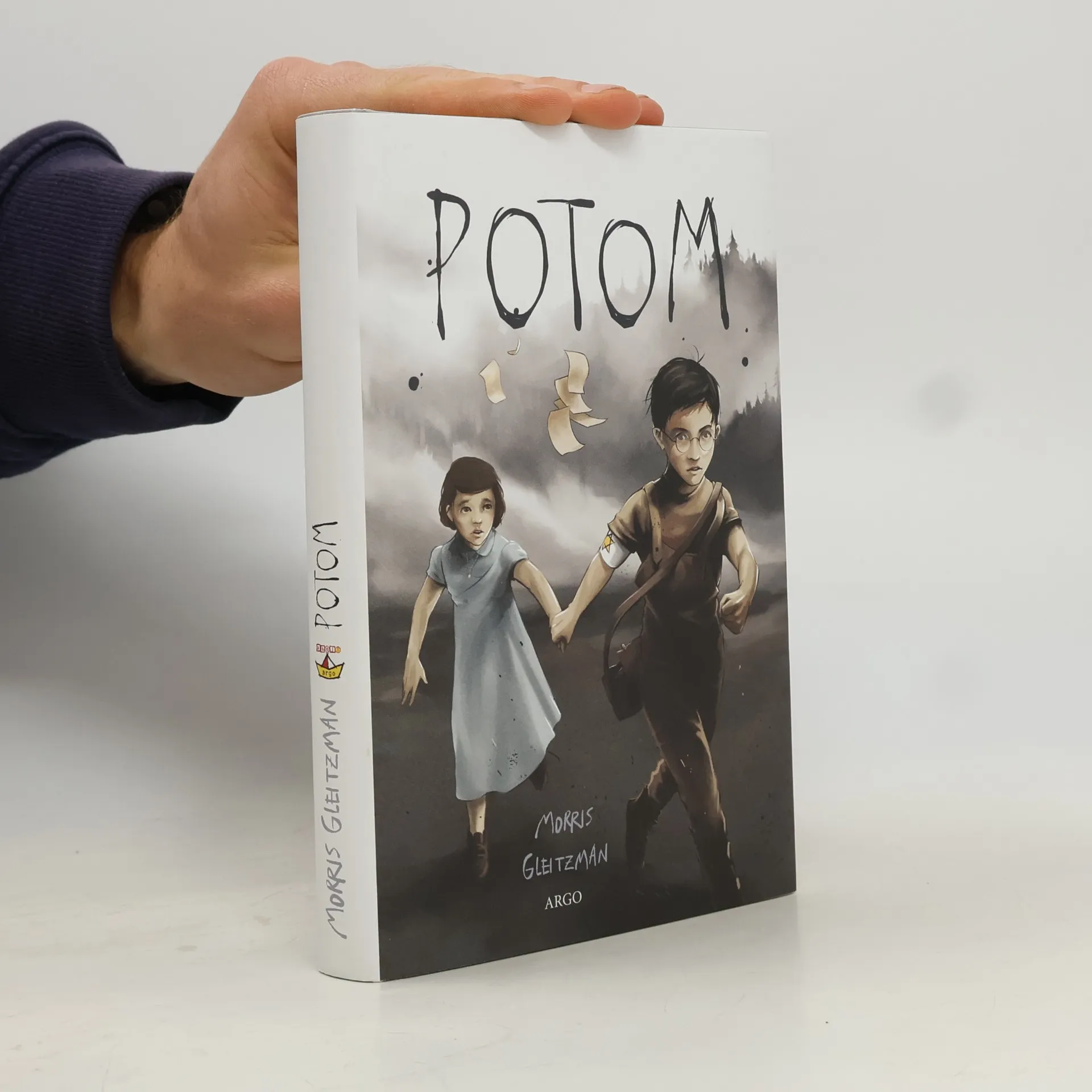
Felix je Žid. A být Žid, když kolem zuří druhá světová válka, je nebezpečné. Felix měl nějakou dobu štěstí, schovával se v katolickém sirotčinci, pak ve sklepě. Jenže úkryt byl odhalen a Felix se ocitne ve vlaku jedoucím do koncentračního tábora. A přece znovu získá naději: z vlaku se jemu a šestileté Zeldě podaří uprchnout. V bezpečí ovšem nejsou ani zdaleka. Jak dokážou bez pomoci přežít? A komu můžou důvěřovat, když všude je tolik lidí lačnících po odměně za dopadeného Žida? Štěstí se však na ně opět usměje v podobě laskavé statkářky Genii. Ta je nechá u sebe v domě, vybělí jim vlasy a dá německá jména. Felix však tuší, že je jen otázkou času, kdy někdo odhalí jeho pravou identitu. A to bude konec - pro něj, pro Zeldu i pro Genii...
K napsání příběhu autora inspiroval osud Janusze Korczaka, polského židovského lékaře a autora knih pro děti. Po mnoho let pomáhal ve Varšavě vést sirotčinec pro dvě stovky židovských dětí. Když německé úřady počátkem srpna 1942 nařídily transport dětí do vyhlazovacího tábora Treblinka, Korczak se rozhodl jít s nimi, přestože dostal nabídku na vyřazení z transportu. V Treblince byli všichni zavražděni v plynových komorách.
Napínavá kniha o nezměrné odvaze a naději, o přátelství a lidskosti uprostřed nelítostné doby, inspirovaná skutečným příběhem.
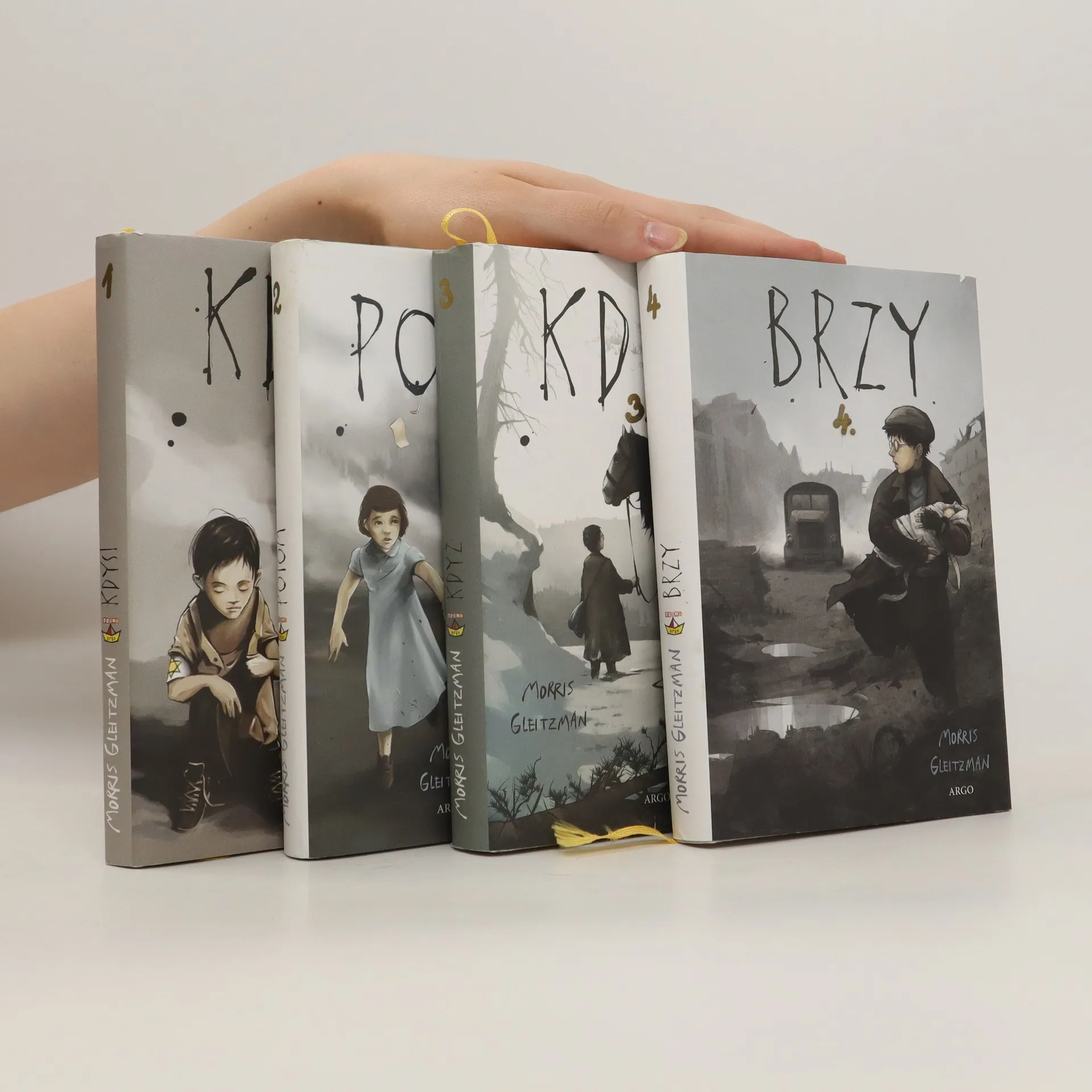
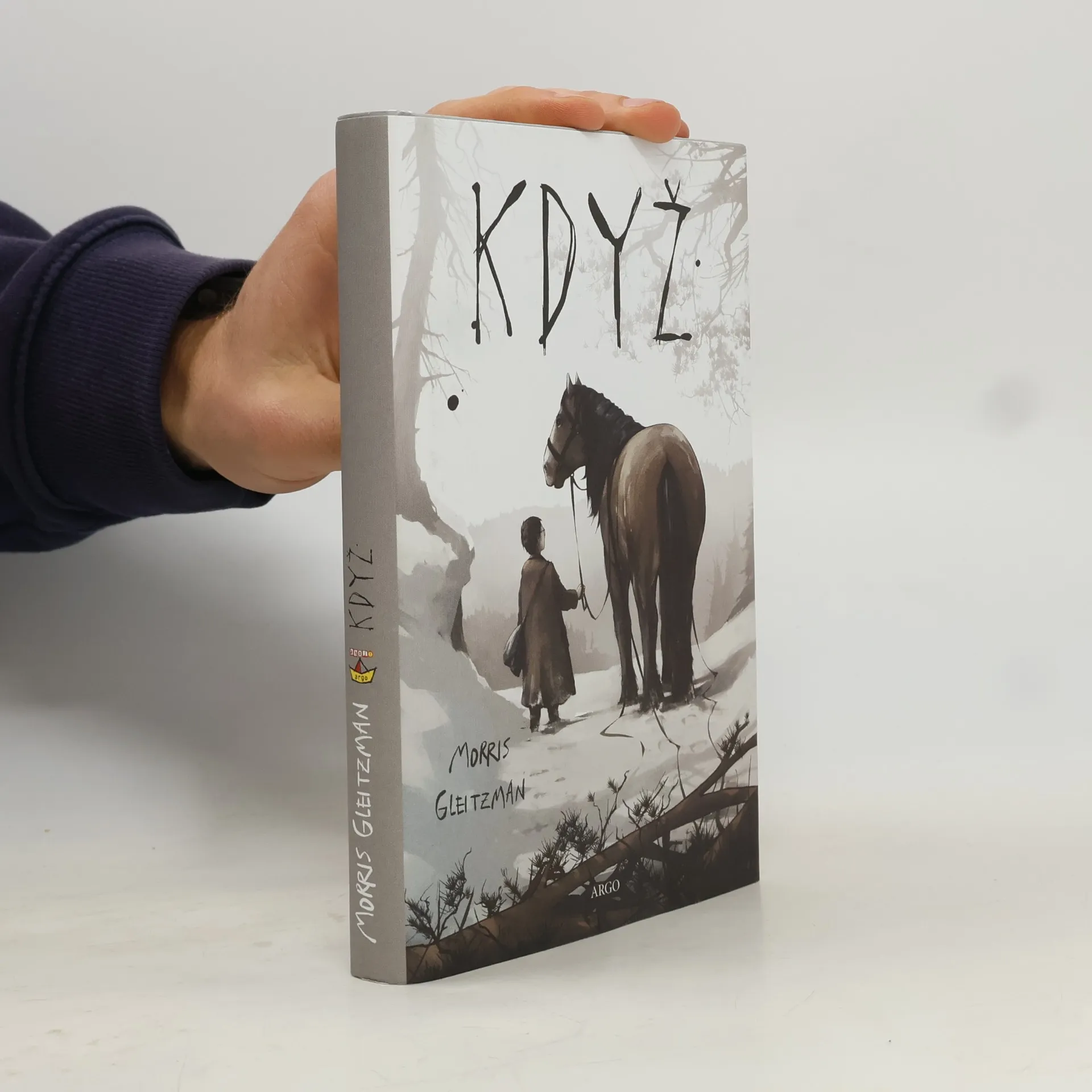
Píše se rok 1945. Felix se už dva roky schovává v jámě, aby jej nenašli nacisté, a laskavý muž jménem Gabriek mu v noci nosí jídlo a vynáší nočník. V den svých třináctých narozenin chlapec uslyší nad svým úkrytem hlasy a je přesvědčený, že si pro něj přišli. Ale hlasy nepatřily ani nacistům, ani tajné policii – patřily partyzánům. A tak se třináctiletý židovský sirotek stává členem partyzánského oddílu, který na polském území bojuje proti nacistům. Felix je přidělen jako pomocník k doktoru Zajakovi. Zůstává mezi neznámými drsnými chlapy a neustále musí dokazovat, že si zaslouží být partyzánem. Nemazlí se s ním ani sychravý zimní les, ani zběsilá atmosféra konce války. Je mu teprve třináct, ale zkušeností má víc než dospělý…
Také třetí díl ze série o židovském chlapci Felixovi čelícímu hrůzám druhé světové války a holokaustu zprostředkuje dětem tuto dobu lépe než sebedelší výklady v hodinách dějepisu.
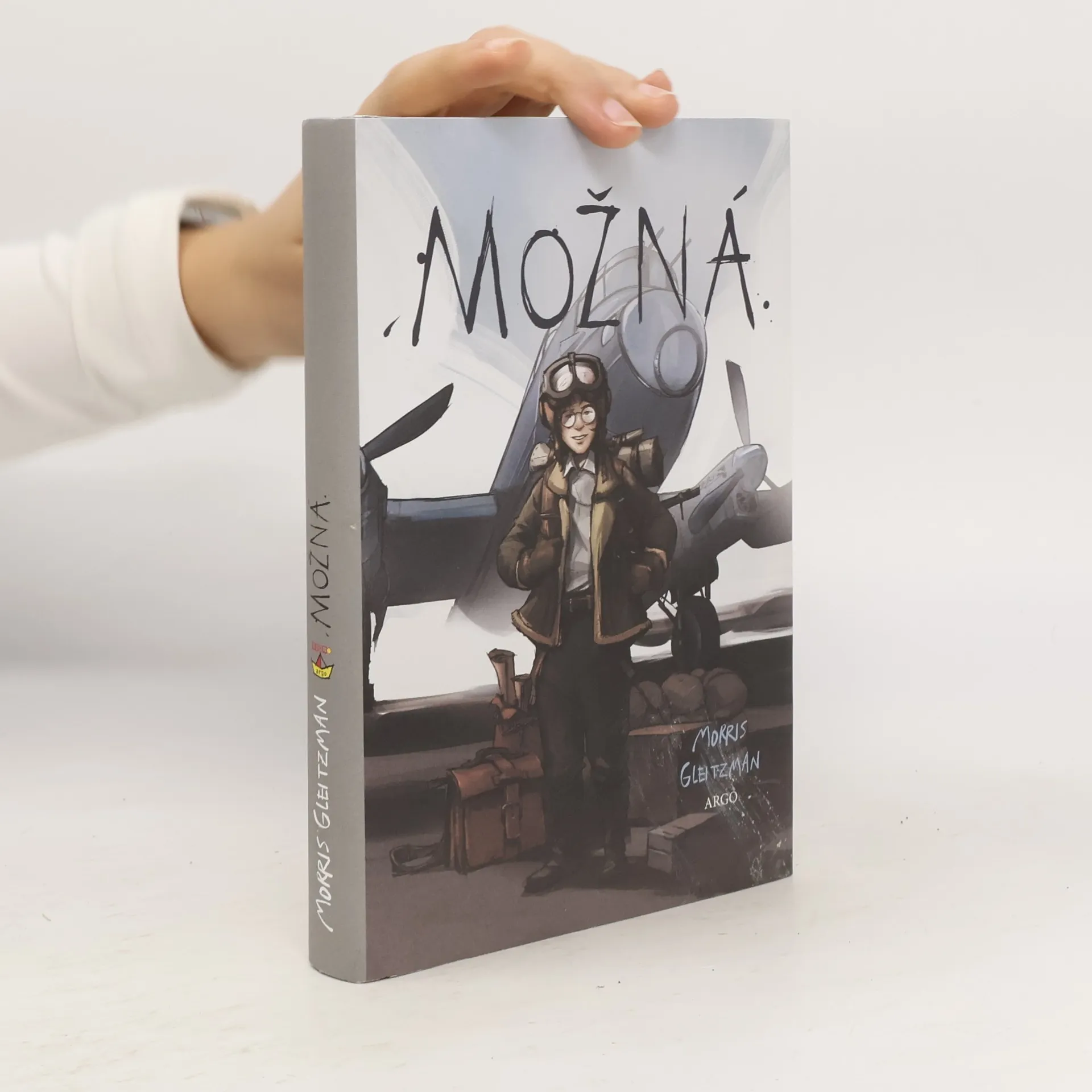
Píše se rok 1946. Druhá světová válka skončila. Evropa je v troskách. Miliony lidí sní o štěstí a touží uniknout bolestným vzpomínkám. Čtrnáctiletý Felix je jedním z nich. Co kdyby zkusil žít jinde? Bude Austrálie dobrá volba? Felix doufá v lepší život v zemi nepoznamenané válkou, doufá v lásku a přátelství. Jenže ani tam není v bezpečí. Zabiják, který ho pronásledoval už v Polsku, je přímo posedlý pomstou. Felix ví, že ničemu tak strašnému dosud nečelil. Možná nepřežije, ale pořád doufá. Možná Román Možná přináší příběh o dospívání, sebeuvědomění i rodině, o hledání pravdy i o tom, jak obtížné je vyrovnat se s traumatem a ztrátou.
Každý si zaslouží zažít něco dobrého. Alespoň jednou v životě. Tři roky a osm měsíců žije devítiletý Felix v odlehlém katolickém sirotčinci v horách, ačkoli není katolického vyznání. Jeho rodiče nejsou mrtví. Přivedli ho k matce Mince, představené jeptišek, aby se měl dobře. A určitě si pro něj brzy přijdou, jak Felix věří, jen co vyřeší potíže, které mají se svým knihkupectvím. Protože židovští knihkupci to mají v Polsku roku 1942 těžké. Jak moc, to Felix pochopí, až když se v sirotčinci objeví muži s podivnými páskami na rukávech a začnou vyhazovat a pálit knihy z místní knihovny. Felix uteče, aby našel rodiče a před těmi muži je varoval. Cestou zachrání z hořícího domu malou Zeldu, jejíž rodina byla zavražděna, a pomalu mu dochází, co mají tihle spalovači knih za lubem. A co to znamená pro něj, Zeldu a všechny ostatní Židy. Morris Gleitzman líčí v prvním dílu z čtyřdílné řady život v okupovaném Polsku z dětsky naivní perspektivy malého hrdiny, jeho výpověď je však o to silnější.
That's the good thing with stories. There's always a chance they can come true.Felix is lucky. Unlike the other children in the orphanage, he's certain his parents will come back for him one day. And whatever the Nazis do and however many books they burn, Felix's imagination provides him and his companions with an endless supply of stories - stories that protect them when they're on the run, shield them from the violent madness all around, give them hope when all seems lost, and one day may even save Felix's life.Once & Then is a spellbinding story of hope and imagination in the most terrible circumstances.However my story turns out, I'll never forget how lucky I am.
The Second World War has officially ended, but the streets are still a
battleground - for food, for shelter, for protection . . . Felix is in hiding
to stay safe, but finds he has been left holding the baby - literally. An
orphaned infant has been left in his care and he will do everything he can to
protect the child, in the way a few incredible people did for him during the
Holocaust. This powerfully moving addition to Morris Gleitzman's bestselling
series about Felix and Zelda takes place in 1945, following the story told in
After. This intensely affecting story will move readers of all ages. It will
be welcomed by the many Holocaust educators who use Once, Now, Then and After
to teach upper primary and lower secondary children and embraced by any reader
who loves passionate, moving and brilliant stories.
Limpy has a dream. A dream in which cane toads and humans live happily
together. Surely this time Limpy will be able to show humans how nice cane
toads can be? After all, it is Christmas. And isn't Christmas a time of peace
and goodwill to all men? And cane toads?
Two hilarious but heartwarming stories in one book, from one of Australia's
bestselling authors, and featuring a very unusual and outspoken heroine . . .
Limpy sets off in search of a nature reserve for him and his friends and
family to stay. Accompanied by Goliath he embarks on an epic adventure, but
nothing goes quite according to plan.
In this sequel to Romantic Consciousness, John Beer discusses further questionings of human consciousness: both the degree to which Dickens's conscious dramatizing differs from the subconscious workings of his psyche and the exploration of subliminal consciousness by 19th century psychical researchers. Discussions of questions of Being by thinkers such as Heidegger, Sartre and Havel are accompanied by the assertion that creative writers such as Woolf and Lawrence, followed by Hughes and Plath, showed a deeper debt than philosophical contemporaries to their Romantic predecessors.
"Once I didn't know about my grandfather Felix's scary childhood. Then I found out what the Nazis did to his best friend Zelda. Now I understand why Felix does the things he does. At least he's got me. My name is Zelda too. This is our story"--Back cover. Suggested audience: primary, intermediate, junior secondary
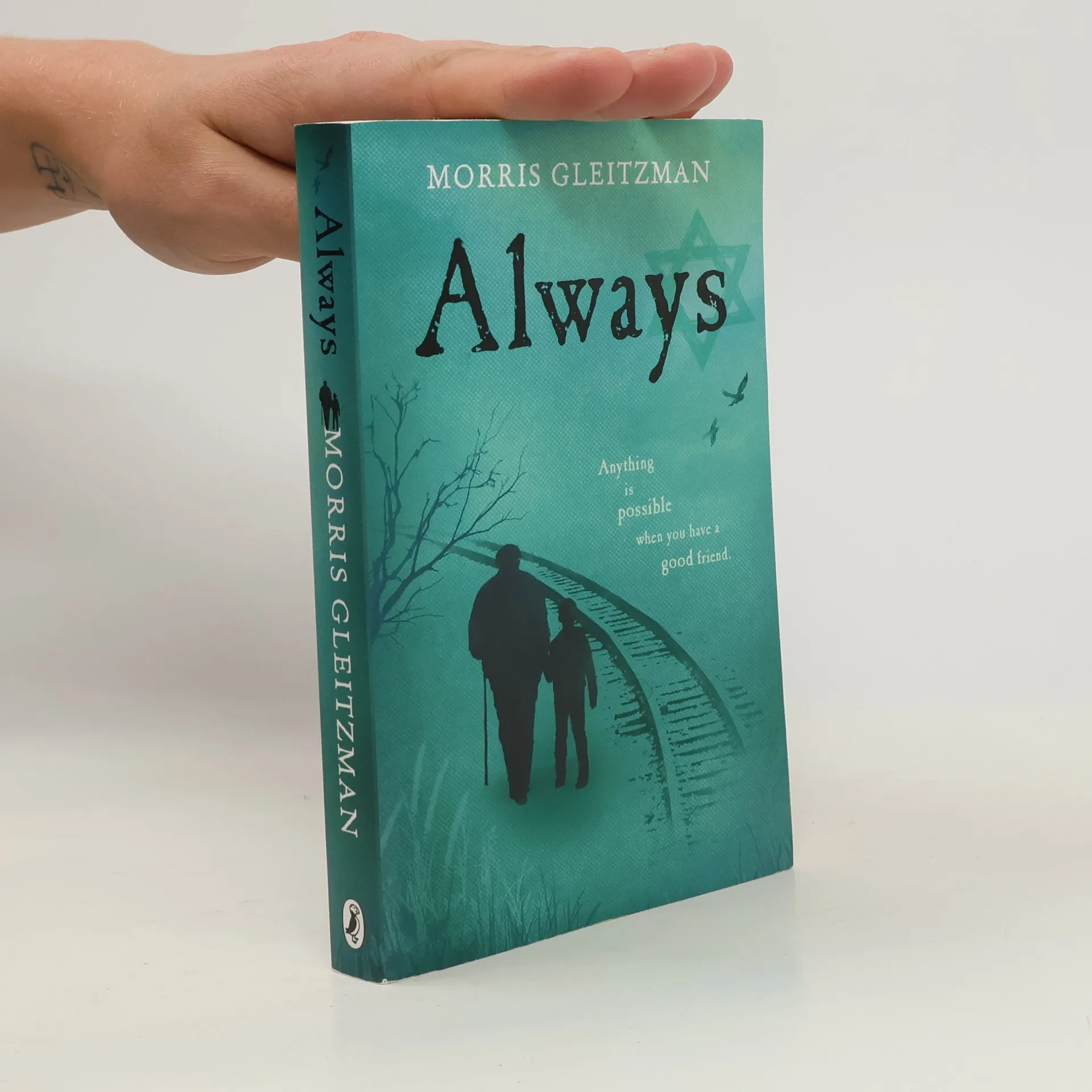
Keynote: The much-anticipated final journey in the story of Felix, hero of Morris Gleitzman's multi-award-winning Once, Then, After, Soon, Maybe and Now. It's fifteen years since readers were first introduced to Felix in Once and across six celebrated books, our brave young hero has survived many unforgettable and emotional journeys. Now comes the seventh and final part of Felix's story, bringing to a powerful climax a series that countless young readers around the world will remember - Always.
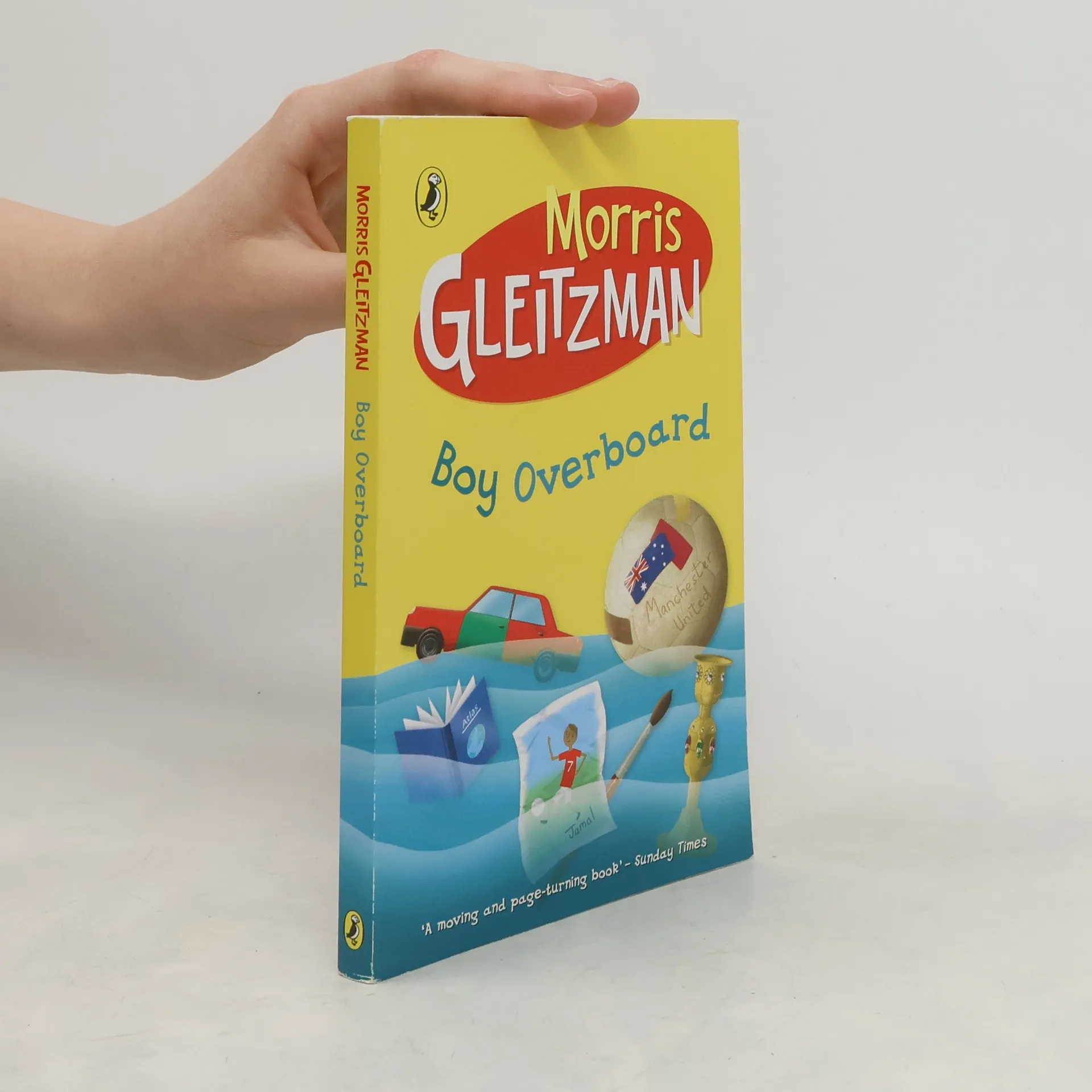
Set against the backdrop of an ambitious quest for football glory, Jamal and Bibi navigate a perilous journey filled with dangers such as landmines, pirates, storms, and assassins. Their determination to lead Australia to victory in the next World Cup is tested as they confront these challenges, blending adventure with the passion for the sport.
Colin Mudford is on a quest. His brother Luke has cancer and the doctors in
Australia don't seem to be able to cure him. Sent to London to stay with
relatives, Colin is desperate to do something to help Luke. He wants to find
the best the doctor in the world. Where better to start than by going to the
top?
Pearl's life is decidedly wonky. Her dad's run off, her mum doesn't love her, her cousin Mitch is mad and her guinea pig's in the freezer. The only thing she can think of to straighten things out is to have a grandmother. Then she inherits Gran, and things are never quite the same again.
What do you do when your mum, your dad and sixteen camels are in trouble and only you can save them? The sometimes sad but mostly funny story of a boy, a girl, a dog and four trillion dollars.
From two of Australia's wickedest authors comes this collection of six shocking children's stories. They are: "The Slobberers", "Battering Rams", "Croaked", "Dead Ringers", "The Creeper" and "Till Death Us Do Part".
Wilton has no tendrils, no friends and no idea why he's so different to all the other microbes in his stretch of the intestine. But now he's had enough. He's going where no microbe has gone before. To the end of the known world, where the sludge gods dwell. To discover if he truly is a microbe. Or maybe a worm? Or possibly just a noodle that can talk? After an epic journey, Wilton and his new friend Algy find their way back home, and discover that the true key to saving each other, their world and their 'janet' lies not with the sludge gods, but with themselves.
Now available in paperback--the novel that introduces a cane toad named Limpy,
who is desperate to save his species from ending up as pancakes on the
roadways. Somehow he must make humans see how fabulous cane toads really are.
It's not easy being part of Ginger's family when you re allergic to cats - three of them love cats and five of them are cats. Ginger tries to be good, but it's not easy when your new best friend is a fierce looking stray dog. It gets even harder when the school principal starts trying to kill your best friend. But Ginger manages to save the dog and expose Mr Napier for the phoney he is."
11 year-old Mitch lives in a very remote Australian town. Desperate to win friends and earn his family the gratitude of the hostile locals, he decides to become a world champion diver. Trouble is, there's no water big enough to dive into for 600 miles... A new, bitter-sweet and brilliantly funny novel from an internationally acclaimed children's writer.
The kitchen was a mess. Packets and jars had been flung around. Half the stuff in the fridge was on the floor. There was a trail of flour running through the passage. For a second Jake thought one of the magazine people must have had an urge to make a cake and decided to do it in their room. Or was someone else in the house? Jake's an only kid. He's the only kid in his family. He's the only kid on his island. Or that's what he thinks . . .
Limpy is fed up of seeing his relatives run over and when he hears of a place
in the Amazon, where human and toad live together in harmony, he resolves to
find this place for himself and to take his cousin Goliath with him. The two
toads make their bumpy way to the Amazonian jungle. But the jungle is not the
Utopia that Limpy had imagined.
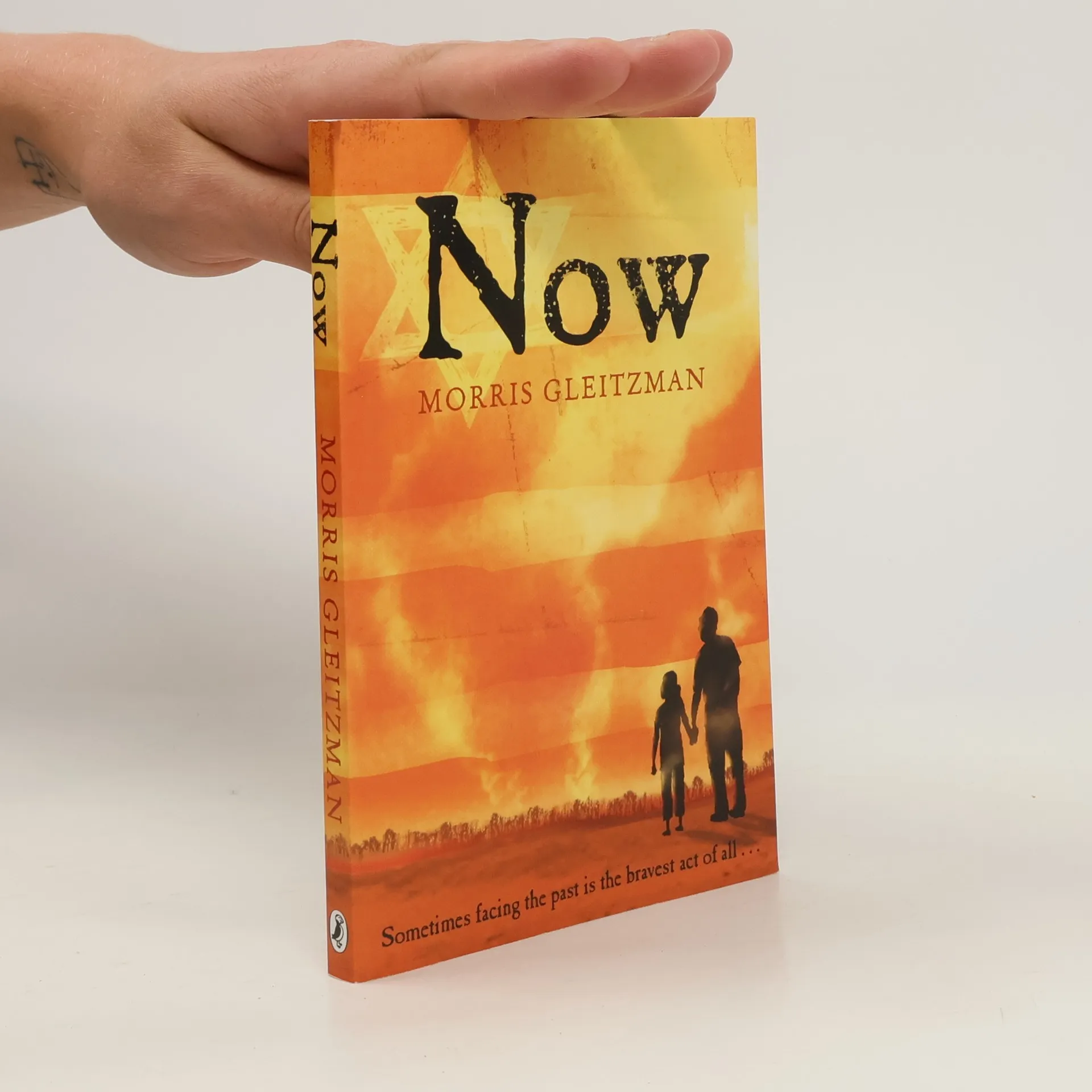
Manchmal ist die mutigste Tat von allen, sich der Vergangenheit zu stellen ... Einmal war Felix ein kleiner Junge in Polen, der sich vor den Nazis verstecken musste. Jetzt ist er Großvater und lebt seit vielen Jahren in Australien. Kurz vor seinem 80. Geburtstag zieht seine Enkelin Zelda zu ihm, da ihre Eltern ein Hilfsprojekt in Afrika begleiten. Großvater und Enkelin verstehen sich gut, aber an der neuen Schule hat Zelda Probleme. Und auch Felix fällt die Veränderung nicht ganz leicht. Denn Zelda stellt viele Fragen und so werden die schmerzlichen Erinnerungen seiner Kindheit plötzlich wieder sehr lebendig. Doch als ein gefährliches Buschfeuer ausbricht, müssen Felix und Zelda ihre Ängste und die Vergangenheit hinter sich lassen. Denn jetzt geht es um ihre Zukunft – und ums Überleben. --- Von Felix‘ trauriger Kindheit erzählen die Bände „Einmal“ (Katholischer Kinder- und Jugendbuchpreis 2011) und „Dann“ – schmerzlich, berührend, hoffnungsvoll.