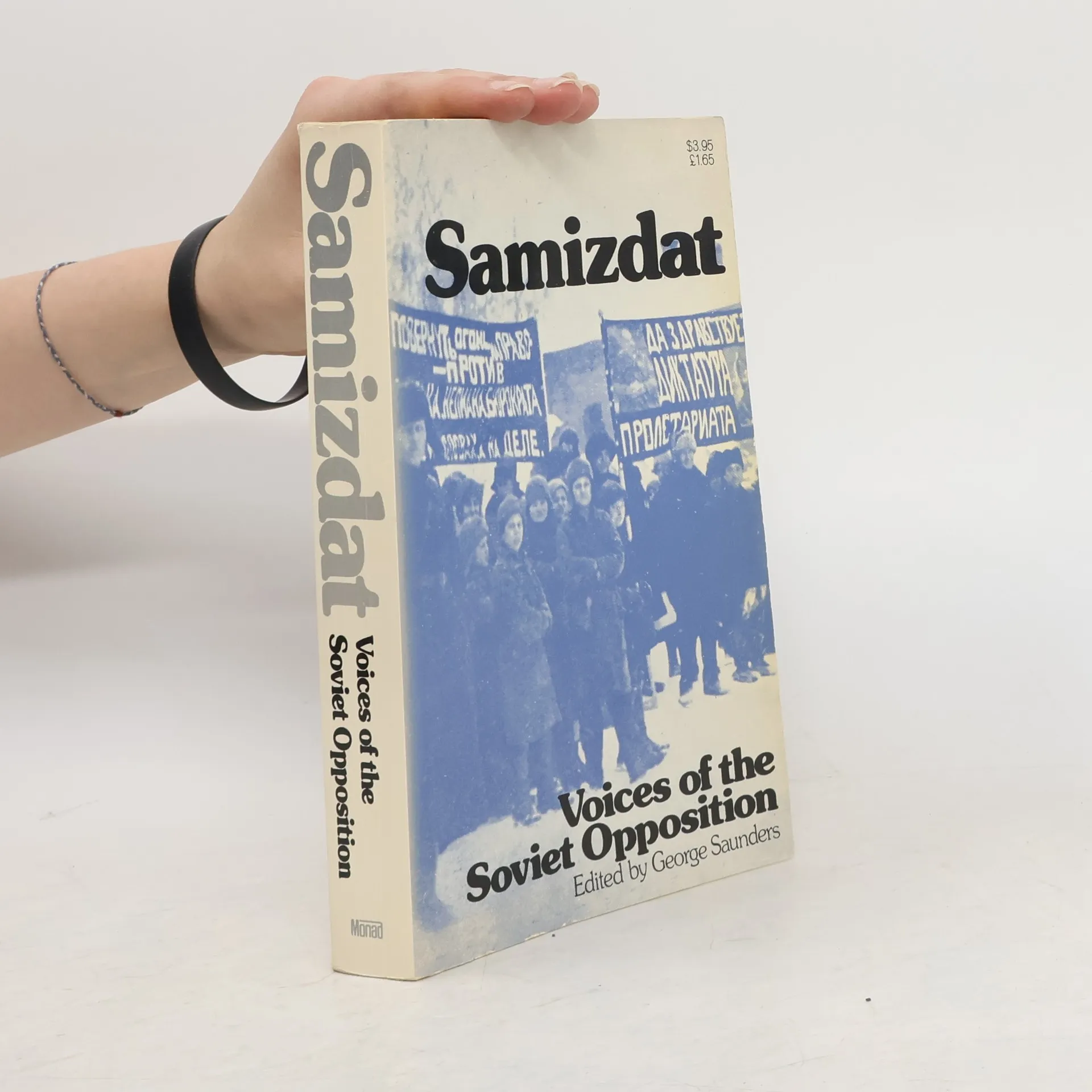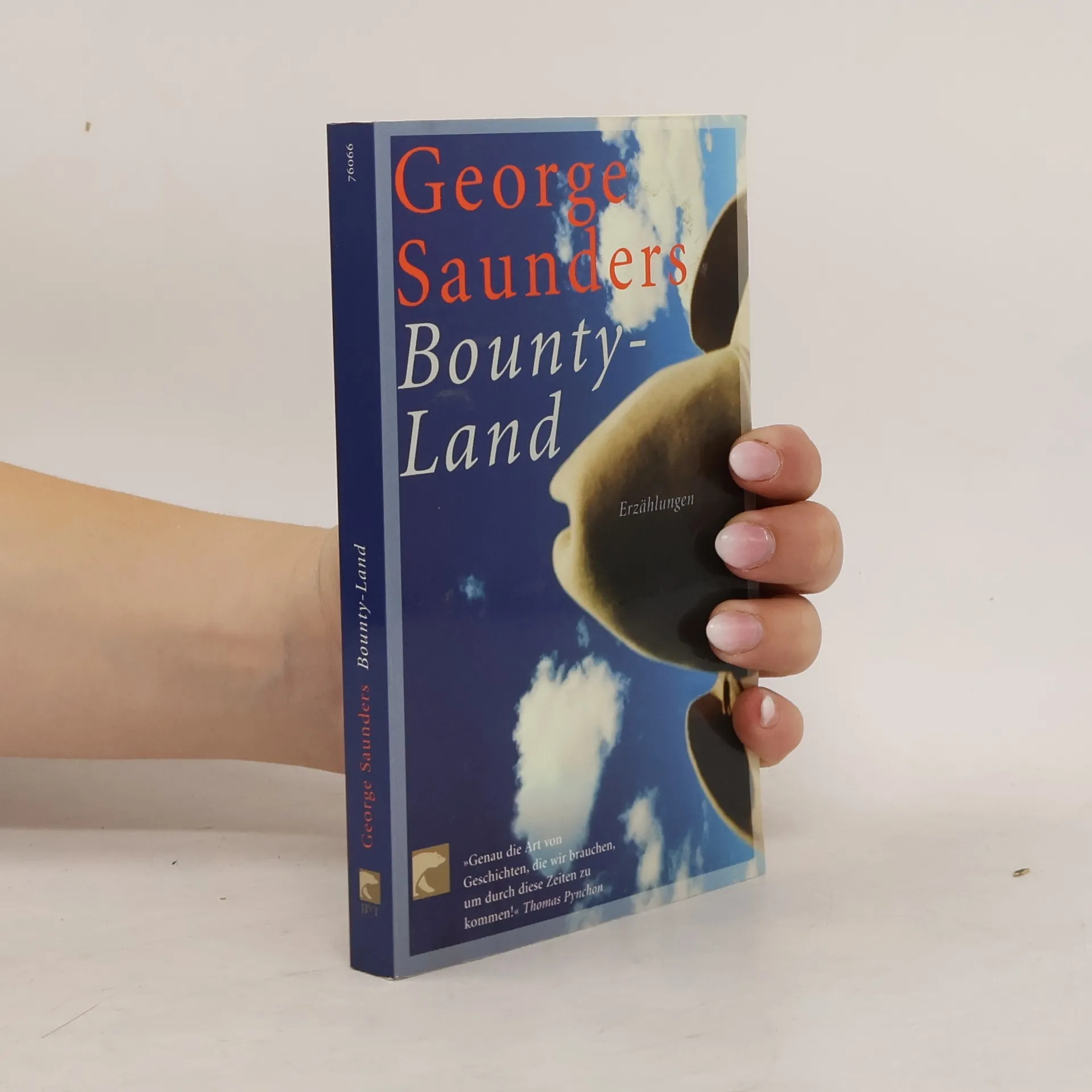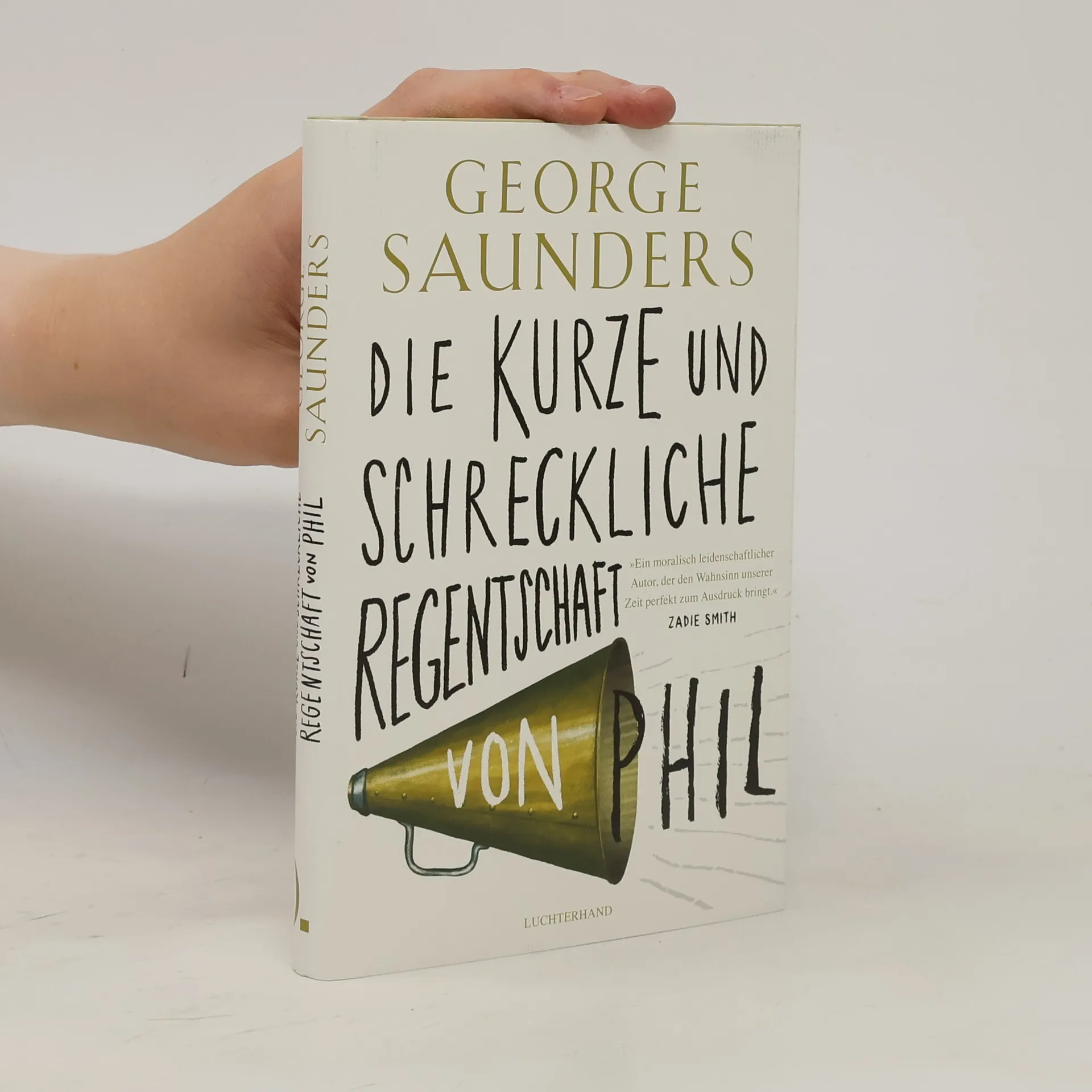
George Saunders se narodil a vyrůstal na jihu Chicaga. Po rozmanité kariéře v technických a fyzicky náročných oborech, včetně práce jako zemětřesný inženýr a v jateční síni, se zaměřil na psaní. Jeho díla často zkoumají etické otázky a lidskou povahu s jedinečným smyslem pro humor a soucit. Saundersův styl je známý svou nekonvenčností a hlubokým porozuměním pro bojující postavy.
Soubor sedmi povídek s fantastickými prvky z blízké budoucnosti americké společnosti.
V této společnosti silně převládají negativní jevy, která ona již nemá možnost nebo chuť řešit. Jedná se o problémy sociální, ekonomické, náboženské a ekologické, které autor zobrazuje silně pesimisticky a naturalisticky. Společným rysem všech povídek je přesvědčivě popsaná psychika jednotlivce, jeho osamocené postavení v nepřátelském světě a boj o přežití nebo o vlastní identitu. Povídky jsou napsány svéráznou formou a jazykem s prvky specifického humoru a nechybí i jistá naděje, kterou v sobě ale nosí pouze vymykající se jedinec.
Soubor Desátého prosince přináší desítku povídek od jednoho z nejčtenějších amerických povídkářů dneška, George Sauderse. Autor s pronikavým pozorovatelským nadáním nahlíží do životů pestré směsice hrdinů a antihrdinů. Své postavy nešetří, zároveň s nimi v krajních situacích hluboce soucítí. Hravost a originalita, neuhýbavost, odvaha jít až do krajnosti, jež odhaluje ty nejnaléhavější otázky dneška, to jsou rysy, jež z Saunderse činí vnímaného komentátora naší přítomnosti, ale možná i bezprostřední budoucnosti.
Tato sbírka mu v roce 2013 vynesla prestižní cenu Folio. A byla mimo jiné zařazena mezi desítku nejlepších knih roku dle časopisu The New York Times.
První román známého amerického autora povídek, esejů, novel a knih pro děti George Saunderse nazvaný Lincoln v bardu získal v roce 2017 prestižní Man Bookerovu cenu.
Kniha se zakládá na skutečné události: v únoru 1862 zemřel na tyfus jedenáctiletý Willie, syn amerického prezidenta Abrahama Lincolna, a podle různých dobových zpráv otec v noci po pohřbu navštívil synovu hrobku a setrval s mrtvým synem jistou dobu o samotě. Román se odehrává té noci na hřbitově zabydleném duchy nedávno zesnulých i dávno mrtvých a příběh vyprávějí stovky hlasů starých i mladých, hlasy mužů, žen i dětí, bílých i černých.
S chlapcem Williem se setkáváme v bardu, což je termín z tibetského buddhismu označující stav mezi smrtí a novým zrozením, a sledujeme další „bytosti“ podobně uvízlé na hřbitově, které nechtějí akceptovat svou smrt.
Bezmála celý román je napsaný v dialogu, ale zahrnuje také útržky historických textů, biografií, dopisů a jiných dobových dokumentů, z nichž některé si protiřečí a další vytvořil autor sám. Saundersův experimentální román je strhující zkoumání smrti, zármutku a lásky, vyprávěné naprosto jedinečným, téměř básnickým způsobem.
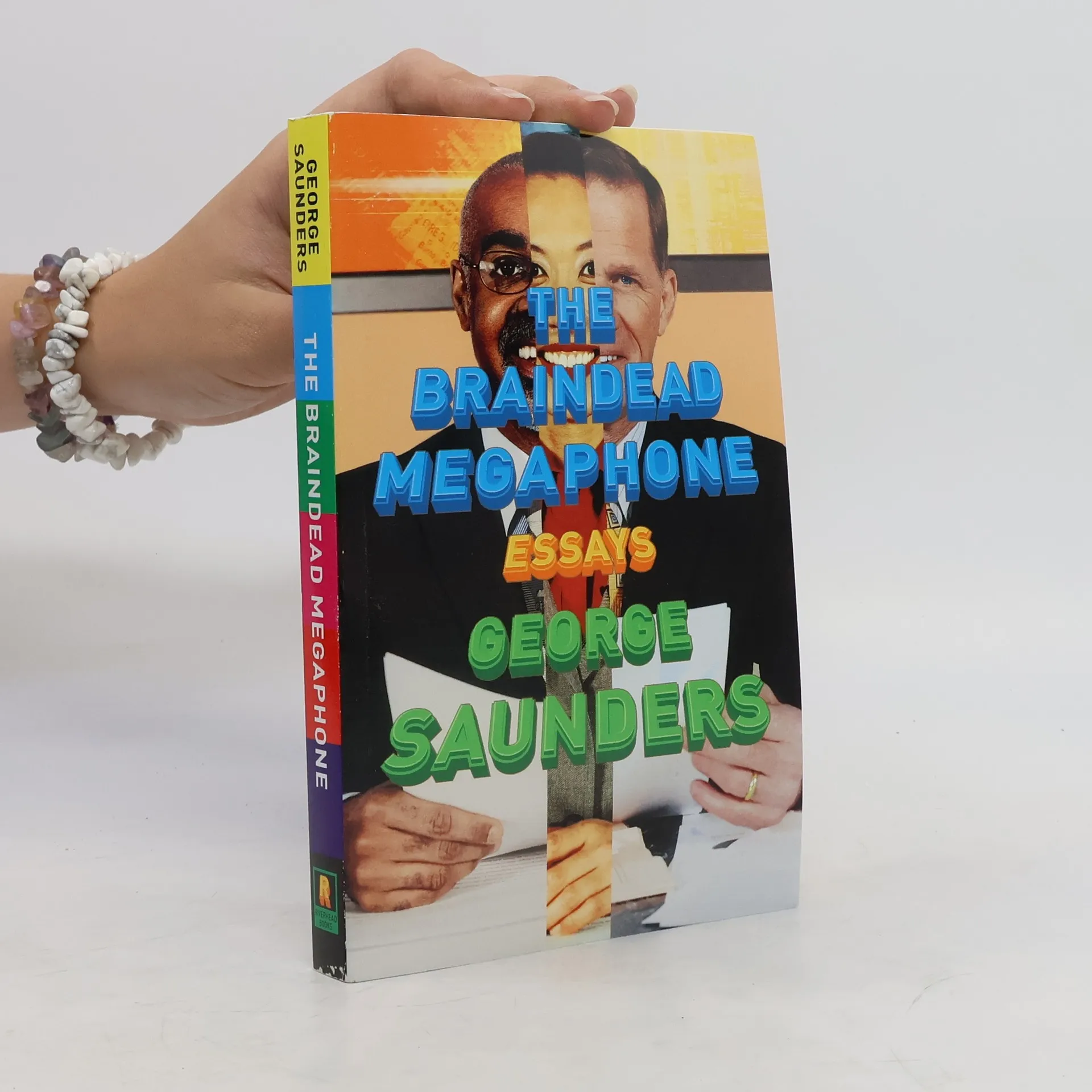
From the 'New York Times' bestselling, Booker Prize-winning author comes a literary master class on the mechanics of great storytelling and its relevance to our lives today. For two decades, George Saunders has taught a class on the Russian short story at Syracuse University. In this work, he shares insights from that class, paired with iconic stories by Chekhov, Turgenev, Tolstoy, and Gogol. The seven essays aim to engage anyone curious about how fiction operates and its importance in contemporary society. Saunders introduces the essays by inviting readers to explore intricately constructed narratives that address fundamental questions about life: How should we live? What are our purposes? What do we value? He examines stories with both technical precision and accessibility, revealing how narrative captivates us or provokes resistance, while highlighting essential virtues for writers. Writing, he argues, is not only a technical skill but also a means of cultivating openness and curiosity about the world. This exploration delves into the cognitive processes involved in reading and writing, emphasizing how stories foster genuine connections.
From the New York Times bestselling Booker Prize-winning author comes a literary master class on storytelling and its relevance in today's world. For two decades, George Saunders has taught a class on the Russian short story at Syracuse University. In this work, he shares insights from his class, exploring what he and his students have learned. The book features seven essays paired with iconic short stories by Chekhov, Turgenev, Tolstoy, and Gogol, aimed at anyone curious about the mechanics of fiction. Saunders introduces the essays by stating that they serve as "scale models of the world," designed to address fundamental questions about life and purpose. He examines how narrative functions, why we engage with stories, and the essential virtues writers must cultivate. Writing is presented not only as a technical craft but also as a means to develop a more open and curious perspective on the world. This exploration delves into how great writing operates and how reading and writing foster genuine connections. Ultimately, it offers a profound look at the interplay between storytelling and the human experience.
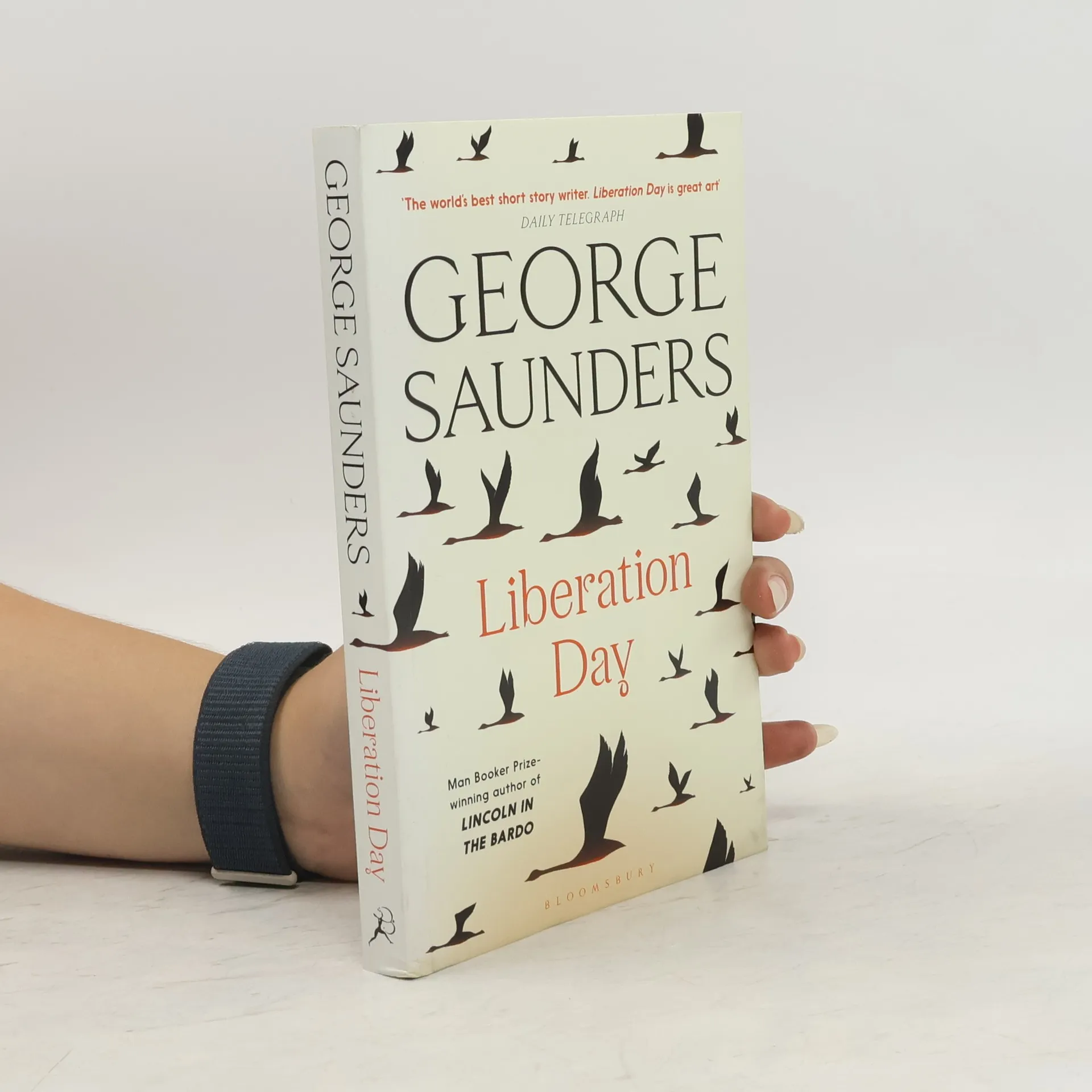
NEW YORK TIMES BESTSELLER • “One of our most inventive purveyors of the form returns with pitch-perfect, genre-bending stories that stare into the abyss of our national character. . . . An exquisite work from a writer whose reach is galactic.”—Oprah Daily Booker Prize winner George Saunders returns with his first collection of short stories since the New York Times bestseller Tenth of December. ONE OF THE BEST BOOKS OF THE The New York Times Book Review, The New Yorker, Oprah Daily, NPR, Time, USA Today, The Guardian, Esquire, Newsweek, Kirkus Reviews, Booklist, Library JournalThe “best short-story writer in English” (Time) is back with a masterful collection that explores ideas of power, ethics, and justice and cuts to the very heart of what it means to live in community with our fellow humans. With his trademark prose—wickedly funny, unsentimental, and exquisitely tuned—Saunders continues to challenge and Here is a collection of prismatic, resonant stories that encompass joy and despair, oppression and revolution, bizarre fantasy and brutal reality.“Love Letter” is a tender missive from grandfather to grandson, in the midst of a dystopian political situation in the (not too distant, all too believable) future, that reminds us of our obligations to our ideals, ourselves, and one another. “Ghoul” is set in a Hell-themed section of an underground amusement park in Colorado and follows the exploits of a lonely, morally complex character named Brian, who comes to question everything he takes for granted about his reality. In “Mother’s Day,” two women who loved the same man come to an existential reckoning in the middle of a hailstorm. In “Elliott Spencer,” our eighty-nine-year-old protagonist finds himself brainwashed, his memory “scraped”—a victim of a scheme in which poor, vulnerable people are reprogrammed and deployed as political protesters. And “My House”—in a mere seven pages—comes to terms with the haunting nature of unfulfilled dreams and the inevitability of decay.Together, these nine subversive, profound, and essential stories coalesce into a case for viewing the world with the same generosity and clear-eyed attention Saunders does, even in the most absurd of circumstances.
Tenth of December is the most honest, moving, and critically acclaimed collection yet from George Saunders, one of the most important writers of his generation. These stories take on the big questions and explore the fault lines of our own morality, the characters vividly and lovingly infused with Saunders's signature blend of exuberant prose, deep humanity, and stylistic innovation. (back cover)
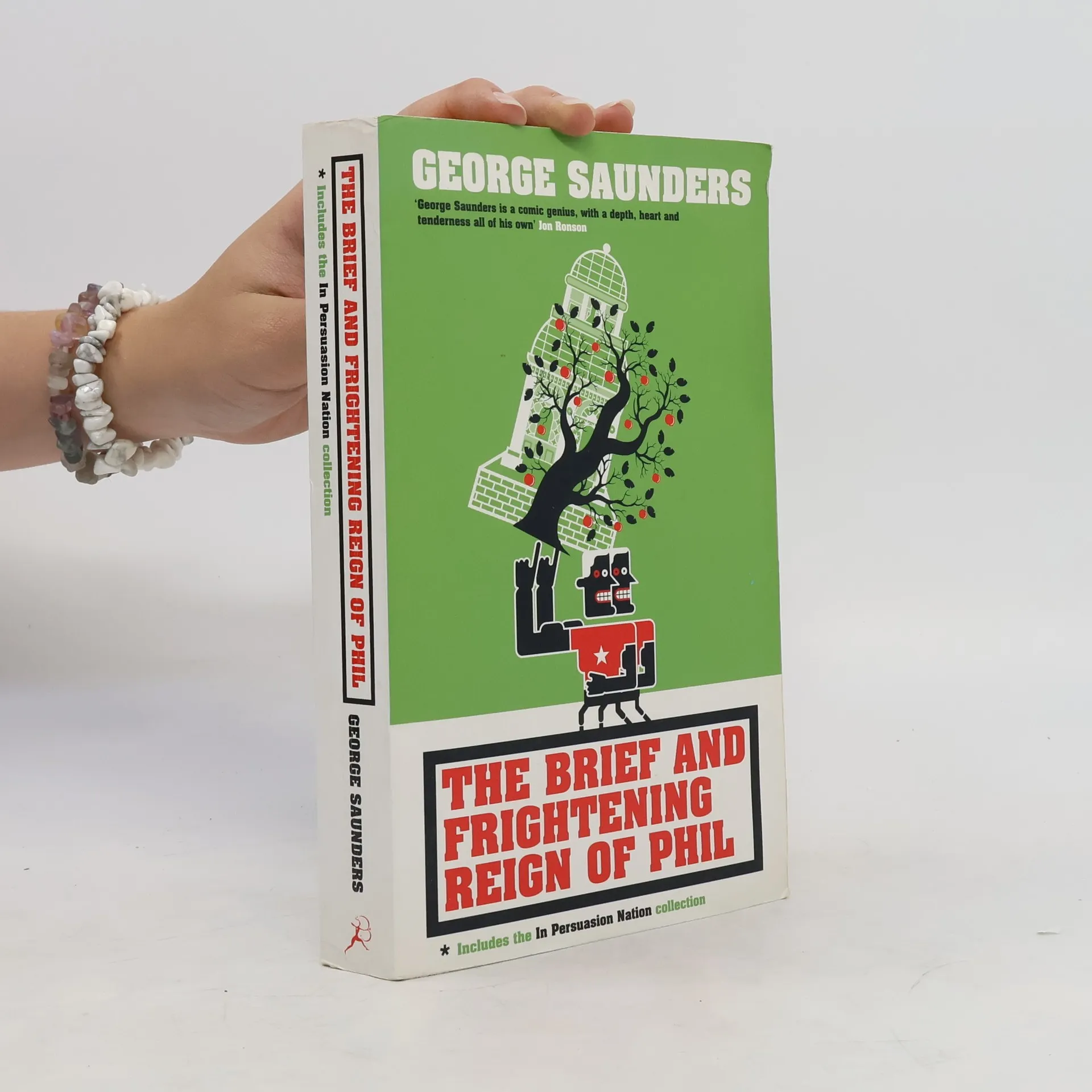
A stunning collection including the story "Sea Oak," from the #1 New York Times bestselling author of the Man Booker Prize-winning novel Lincoln in the Bardo and the story collection Tenth of December, a 2013 National Book Award Finalist for Fiction. One of the New York Times’s 100 Best Books of the 21st Century Hailed by Thomas Pynchon as "graceful, dark, authentic, and funny," George Saunders gives us, in his inventive and beloved voice, this bestselling collection of stories set against a warped, hilarious, and terrifyingly recognizable American landscape.
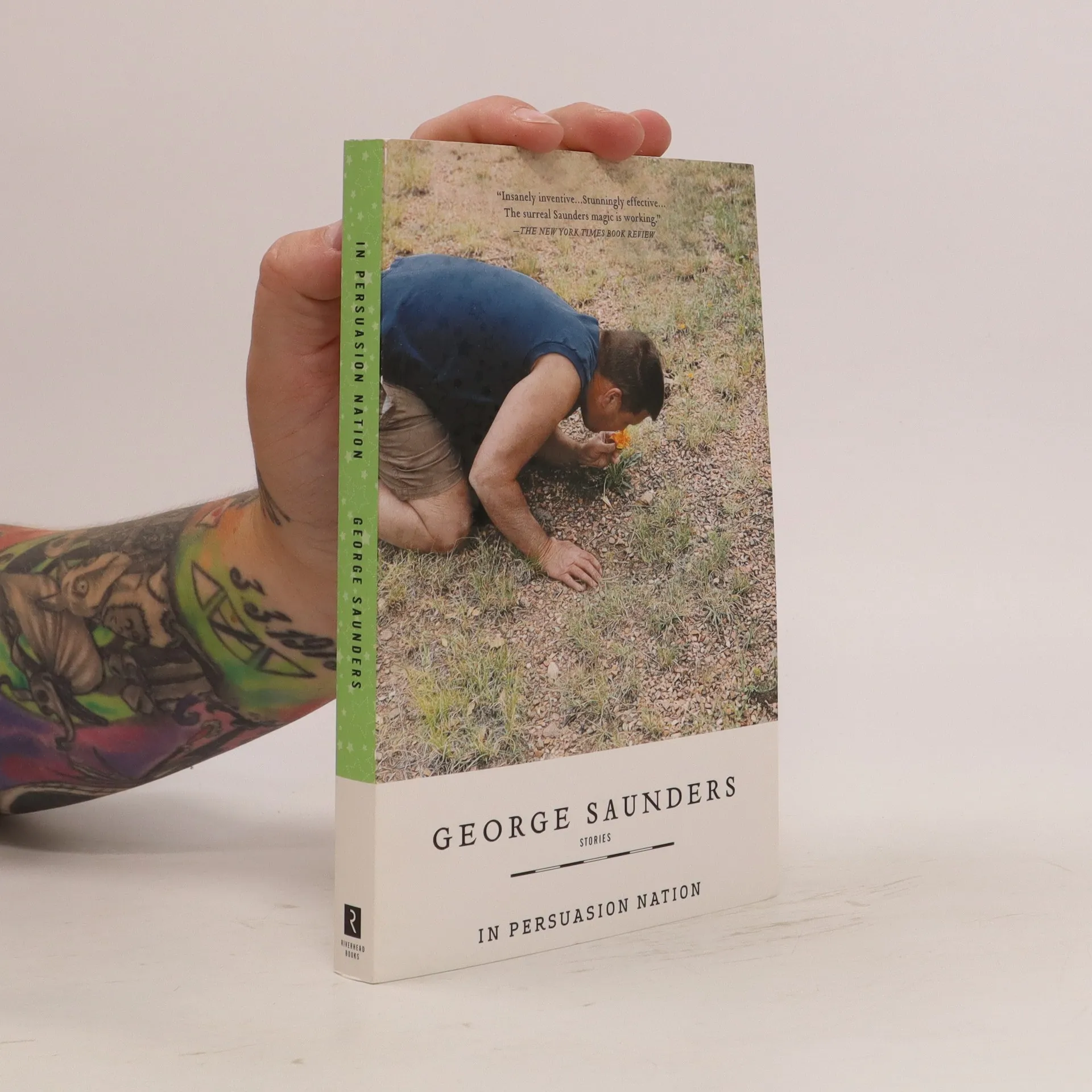
The stories In Persuasion Nation are easily his best work yet. "The Red Bow," about a town consumed by pet-killing hysteria, won a 2004 National Magazine Award and "Bohemians," the story of two supposed Eastern European widows trying to fit in in suburban USA, is included in The Best American Short Stories 2005. His new book includes both unpublished work, and stories that first appeared in The New Yorker, Harper's, and Esquire. The stories in this volume work together as a whole whose impact far exceeds the simple sum of its parts. Fans of Saunders know and love him for his sharp and hilarious satirical eye. But In Persuasion Nation also includes more personal and poignant pieces that reveal a new kind of emotional conviction in Saunders's writing. Saunders's work in the last six years has come to be recognized as one of the strongest—and most consoling—cries in the wilderness of the millennium's political and cultural malaise. In Persuasion Nation's sophistication and populism should establish Saunders once and for all as this generation's literary voice of wisdom and humor in a time when we need it most.