


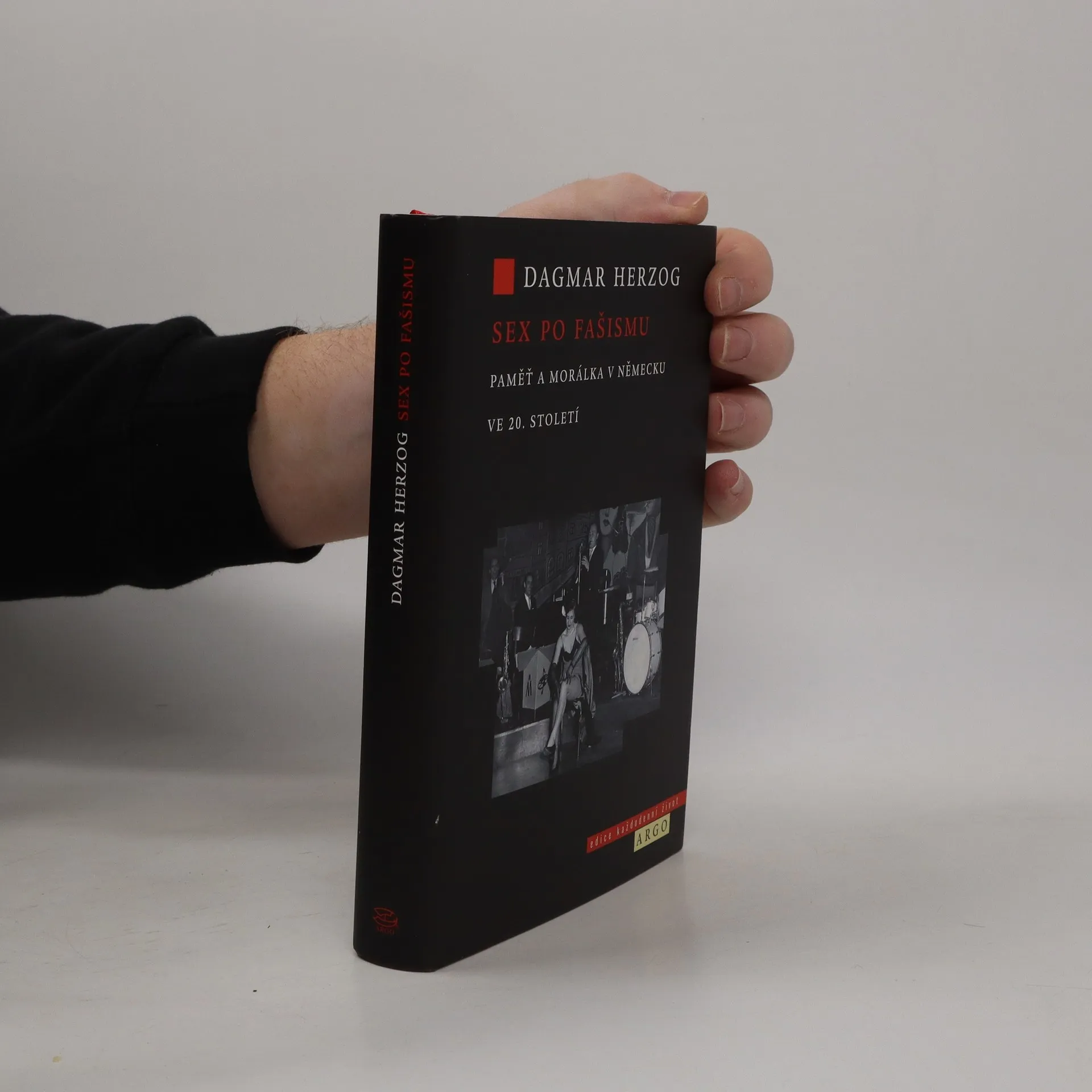
V knize autorka zkoumá vztah mezi sexuální politikou a morálkou v Německu ve 20. století. Vychází z analýzy sexuální politiky nacismu, v níž shledává jak prvky utlačovatelské, tak prvky sexuální svobody. Nacistickou realitu následně konfrontuje se sexuální politikou a tuhou sexuální morálkou v 50.–70. letech, přičemž velkou pozornost věnuje i proměnám německé paměti na třetí říši. V bádání o nacistickém i poválečném Německu se jedná o práci jedinečnou, jež dává nové odpovědi na příčiny a podobu kulturní vzpoury pozdních 60. let, jež ovlivňují německou společnost dodnes.
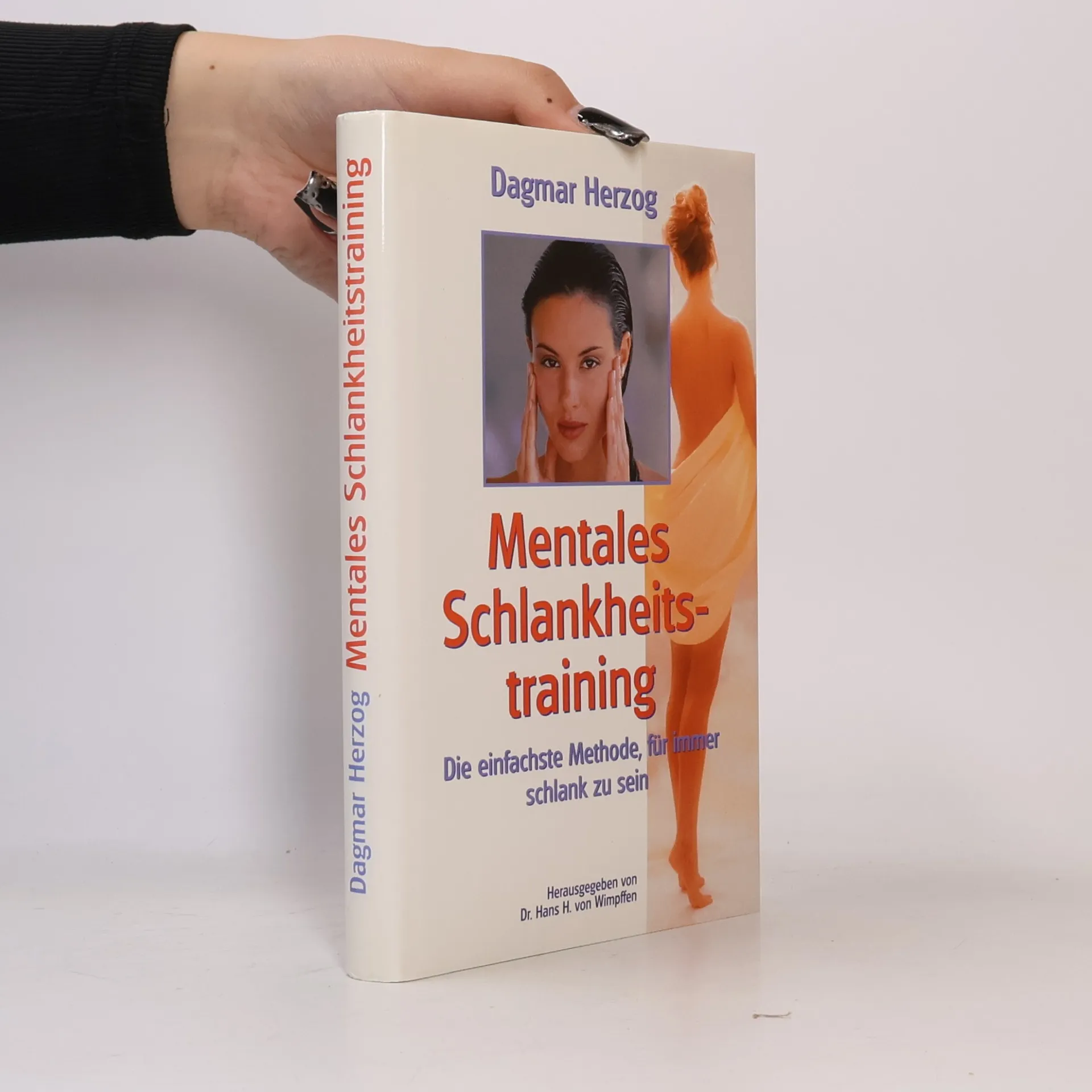
Příručka vysvětluje roli podvědomí při vytváření stravovacích návyků a ukazuje možnosti jak na ně působit tak, aby člověk získal a celoživotně si udržel ideální váhu. Kniha může být užitečná zejména těm ženám, které bezvýsledně střídají diety a ničí si zdraví
Since the defeat of the Nazi Third Reich and the end of its horrific eugenics policies, battles over the politics of life, sex, and death have continued and evolved. Dagmar Herzog documents how reproductive rights and disability rights, both latecomers to the postwar human rights canon, came to be seen as competing―with unexpected consequences.Bringing together the latest findings in Holocaust studies, the history of religion, and the history of sexuality in postwar―and now also postcommunist―Europe, Unlearning Eugenics shows how central the controversies over sexuality, reproduction, and disability have been to broader processes of secularization and religious renewal. Herzog also restores to the historical record a revelatory array of from Catholic and Protestant theologians who defended abortion rights in the 1960s–70s to historians in the 1980s–90s who uncovered the long-suppressed connections between the mass murder of the disabled and the Holocaust of European Jewry; from feminists involved in the militant "cripple movement" of the 1980s to lawyers working for right-wing NGOs in the 2000s; and from a handful of pioneers in the 1940s–60s committed to living in intentional community with individuals with cognitive disability to present-day disability self-advocates.
What is the relationship between sexual and other forms of politics? This question is particularly urgent in the context of Nazi Germany. The exploration of Nazism's sexual politics raises critical inquiries: Were these politics uniformly repressive, or did they grant sexual freedoms to certain groups while persecuting others? How have postwar interpretations of these politics evolved, especially given the assertion by scholars since the 1960s that the Third Reich was "sex-hostile"? Addressing these questions, the work fundamentally reconsiders key aspects of twentieth-century German history. It reshapes our understanding of the Nazi regime's popular appeal, antisemitism, the influence of Christianity on postfascist conservatism, and the countercultural movements of the 1960s-1970s, as well as the dynamics between government and citizens in East Germany. By reinterpreting the Third Reich's sexual politics and examining the revisions of Germany's history following communism's collapse, the work reveals the complex interconnections between capitalism and communism, pleasure and state policies, and religious and secular trends. It also delves into sexual attitudes and practices, addressing issues like contraception, pornography, and sexual orientation theories, highlighting how sexuality became a crucial site for managing the memory of Nazism and the Holocaust.
Dieses Aufstellbuch ist einfach SCHÖN! So schön, dass wir es am liebsten gleich allen unseren Freundinnen schenken möchten: Als Lese-Objekt zum Hinstellen, als Deko-Buch oder Koch-Inspiration - ein Schmuckstück zum Immer-wieder-dran-freuen! Auf 52 beidseitig bedruckten Blättern gesellen sich zu berührenden Geschichten leckere Rezepte ... weil Essen und Trinken eben wirklich Leib und Seele zusammenhält. Wunderschön und edel gestaltet. Ein Fest für die Sinne! "Dieses Schmuckstück enthält alles, was zum Genießen einlädt: Neben leckeren Rezepten blicke ich in kleinen Geschichten auf die Begegnungen mit Menschen und die vielen Facetten des Alltags, die das Leben so kostbar machen: Was brauche ich wirklich, wer liegt mir am Herzen, welche Gewürze schmeicheln dem Gaumen und wie kommt die Seele auf ihre Kosten? Für jede Situation gibt es ein Lieblings-Rezept, das gut tut, und wenn es Muttis Vanillepudding ist, der die Seele wärmt."
OneNote ist nun bereits in der dritten Generation Bestandteil der Office-Familie, dennoch kennen viele das Produkt noch nicht. Sehr schade, denn OneNote wirkt als Notizenzentrale wahre Wunder. Das vorliegende Buch zeigt Ihnen, wie Sie sich den Arbeitsalltag erheblich erleichtern können. Ob Sie nun Ihr persönliches kreatives Chaos strukturieren möchten, ein einfaches und funktionierendes System für die Informationsrecherche benötigen oder die Teamarbeit verbessern wollen - für all diese Zwecke bieten die Autoren Lösungsmethoden mithilfe von OneNote 2010 an. Entdecken auch Sie die vielfältigen Möglichkeiten dieses Werkzeugs und machen Sie es sich zunutze.
Eine provokante und überzeugende Untersuchung des gesellschaftlichen Umgangs mit Sexualität in Deutschland beleuchtet die Wechselwirkungen zwischen Politik und Sexualität und wirft neues Licht auf zentrale Fragen der deutschen Geschichte. Im Fokus stehen der Nationalsozialismus und die 68er-Bewegung. Dagmar Herzog zeigt, wie Themen wie Empfängnisverhütung, Pornografie, Sexualmoral sowie Homo- und Heterosexualität mit Antisemitismus und dem Nationalsozialismus verknüpft sind. Sie analysiert die Verarbeitung der Niederlage von 1945, die Beziehung zwischen Kirche und Staat in der Nachkriegszeit, die Studentenrevolte in der BRD und die komplexe Beziehung zwischen Regime und Bevölkerung in der DDR. Herzog liefert neue Erkenntnisse über den Umgang mit Sexualität und dessen Einfluss auf die deutsche Geschichte. In einer umfassenden Sexualgeschichte von der Weimarer Republik bis zur Gegenwart wird aufgezeigt, wie Lust und Moral im zwanzigsten Jahrhundert zu machtvollen Instrumenten der politischen Auseinandersetzung wurden. Die Studie verdeutlicht, dass eine politische Geschichte Deutschlands ohne die Einbeziehung von Sexualität unvollständig ist und macht die Bedeutung dieser Thematik für das Verständnis der deutschen Vergangenheit lebhaft und anschaulich nachvollziehbar.